







- Autumn/Winter Short Women's Outerwear Lining Application: Defined Waistline, Non-Stiff Front PanelsRelease on 2026-08-25
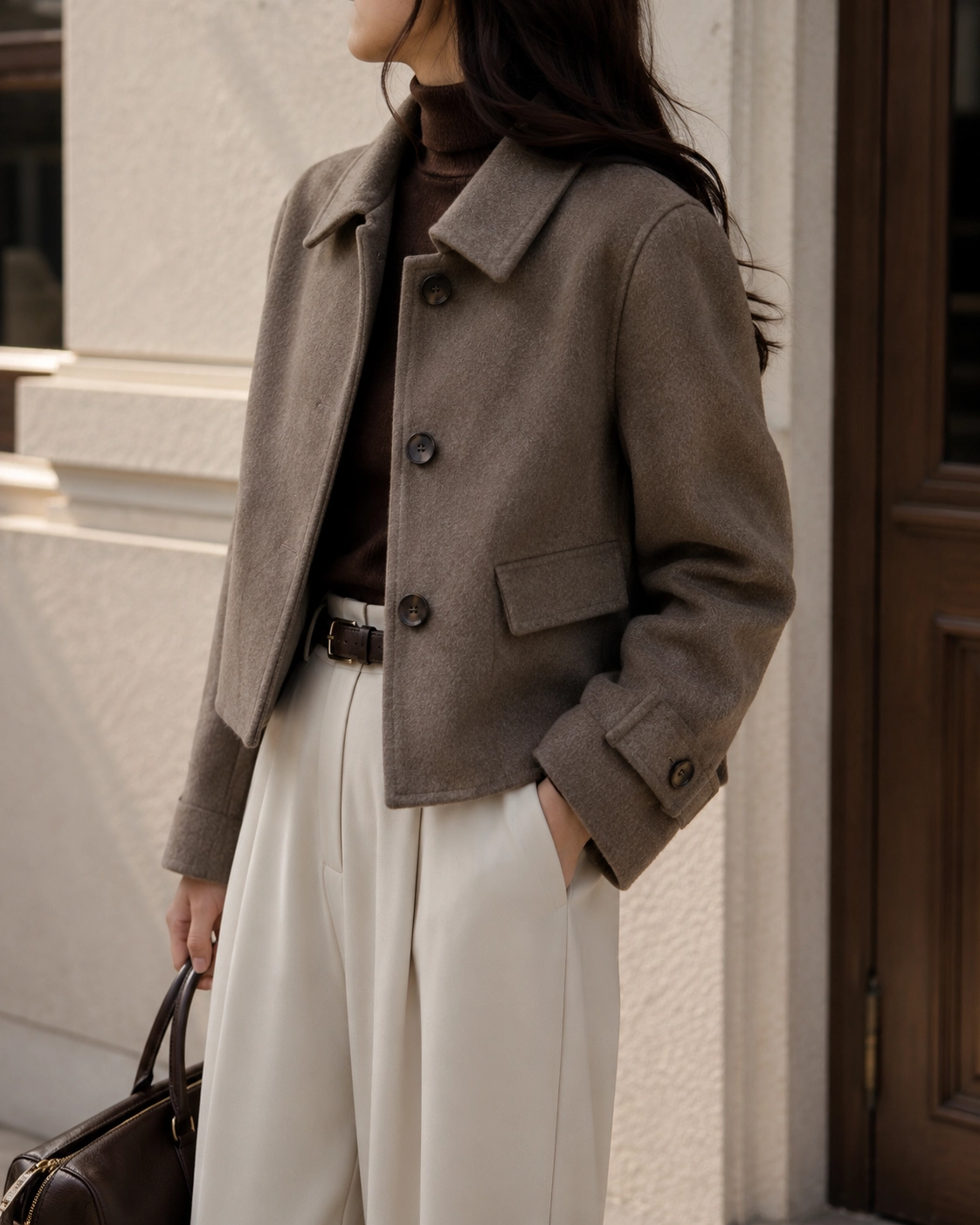
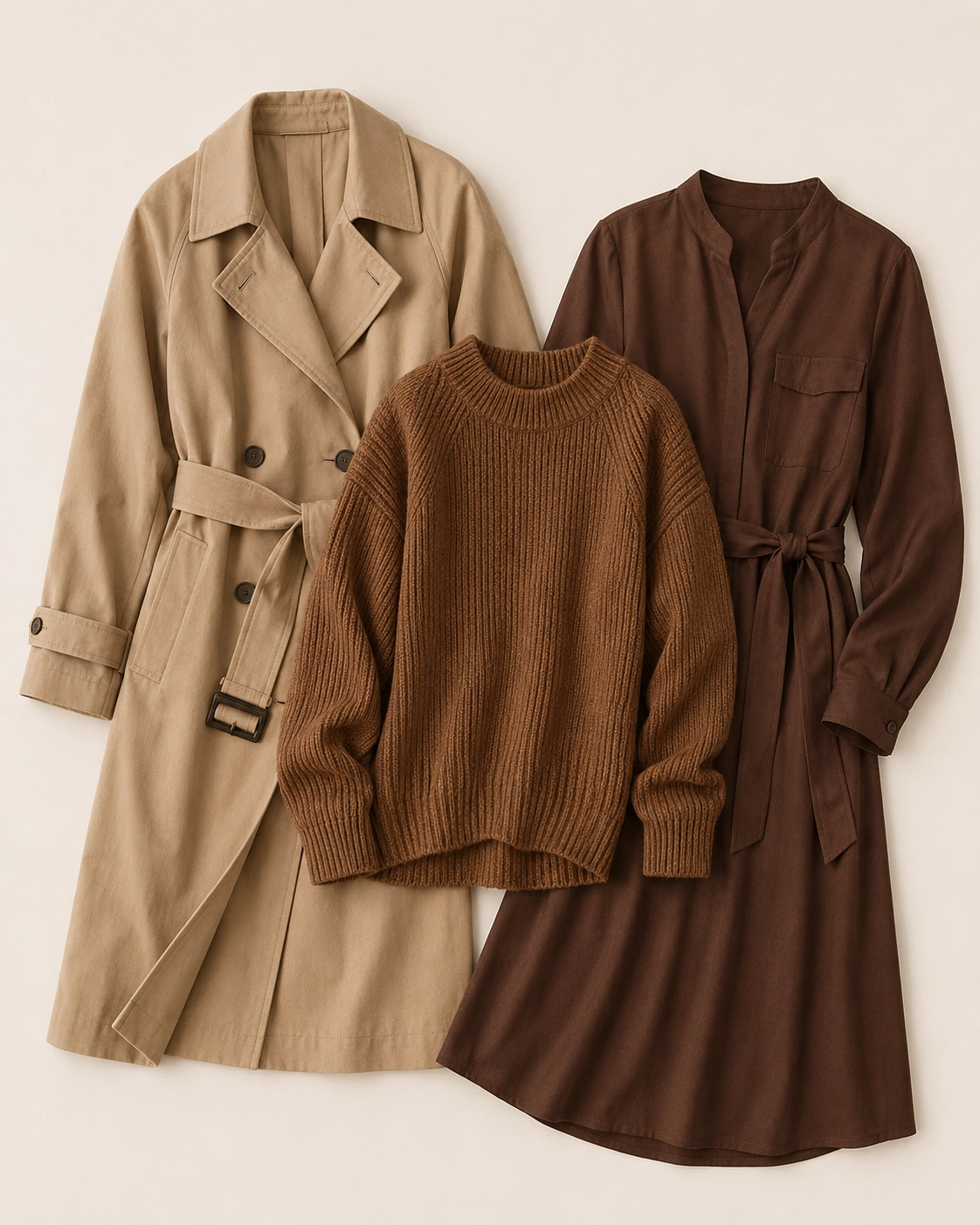
- For autumn/winter short women's outerwear, if you want to emphasize the waistline and silhouette, interlining should not simply pursue stiffness. The front panels should primarily provide soft support, with local reinforcement at the placket, pocket openings, and similar areas. This makes it easier to achieve a structured look without being stiff." Read More
- Autumn Lightweight Jackets: The Key to Lining is Crispness Without Adding BulkRelease on 2026-08-10
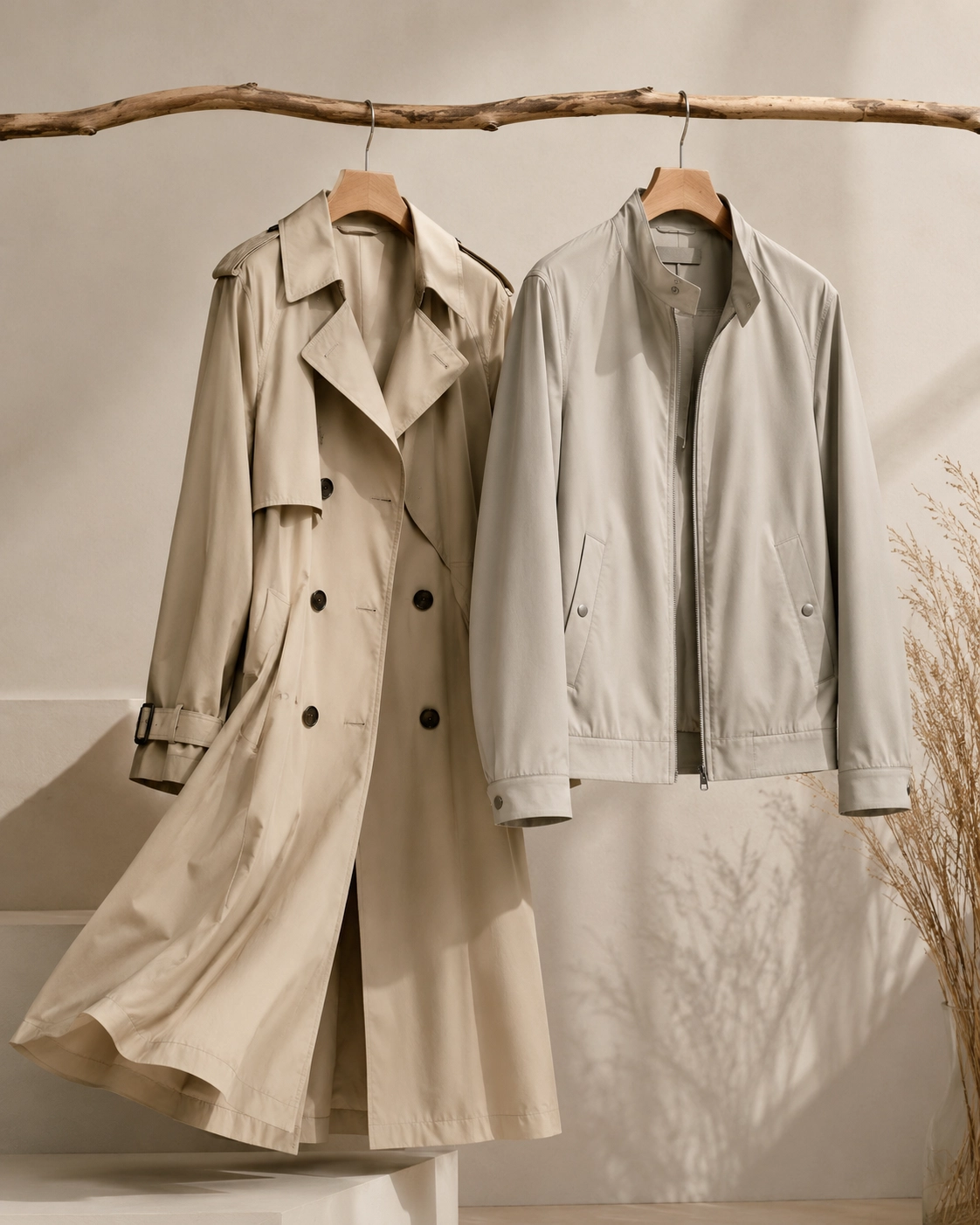
- This article introduces interlining application directions for front panels, plackets, and collars of lightweight fabrics such as trench coats and jackets, helping apparel companies select fusible interlining and knit interlining solutions that balance crispness and lightness." Read More
- Shenghong Interlining: A Chinese Interlining Factory Serving Global Garment ManufacturersRelease on 2026-08-05
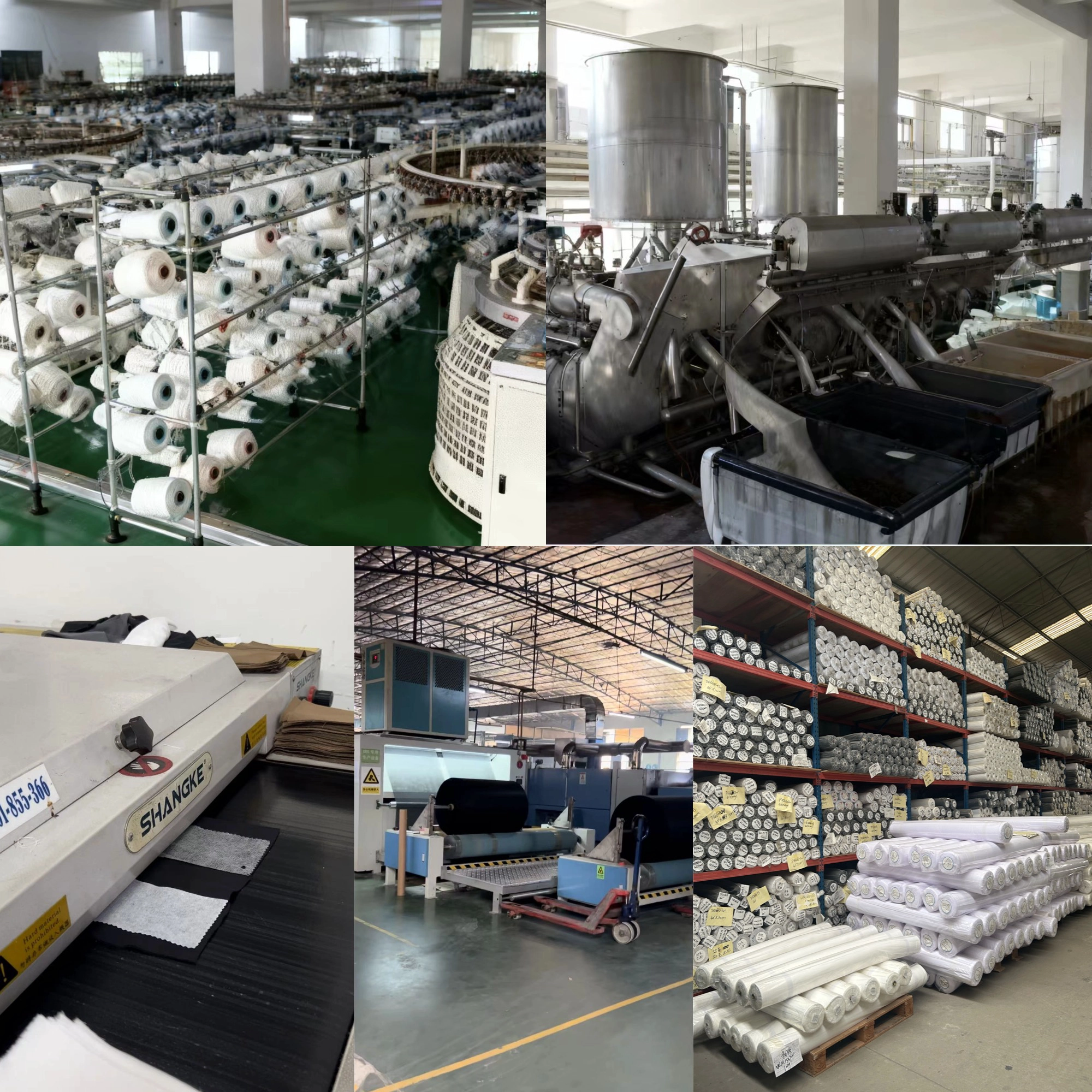
- Guangzhou Shenghong Interlining Co., Ltd. has been deeply engaged in the interlining industry for 23 years, forming a production layout across Guangzhou, Jiangsu, and Vietnam. It has long been engaged in interlining export business, supplying various types of garment interlining products to the Middle East, Southeast Asia, and other overseas garment markets. Read More
- The silhouette of lightweight suiting should not be propped up by stiff interlinings.Release on 2026-08-03
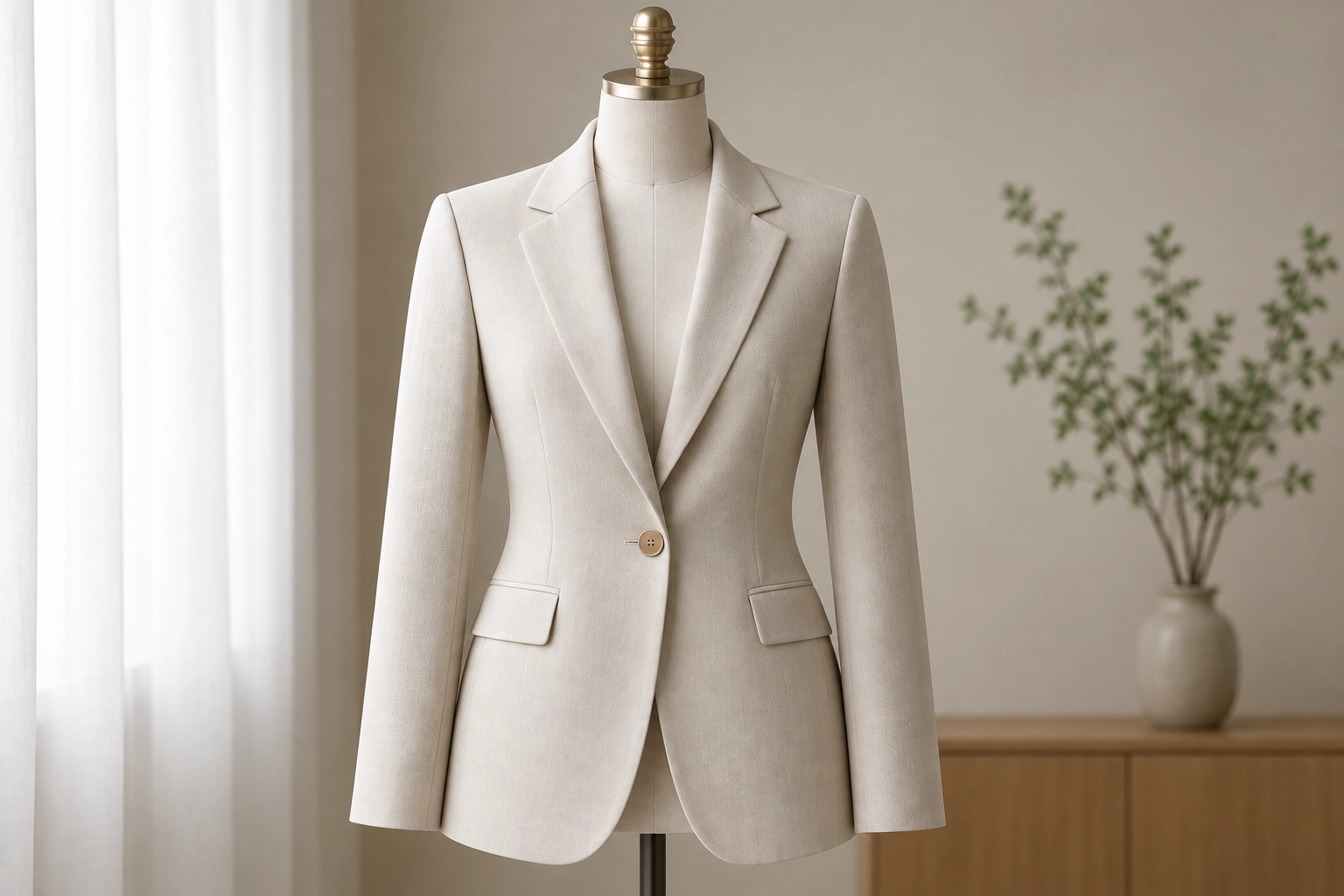
- Lightweight suits cannot rely on stiff interlinings to prop up their silhouette. This article introduces interlining approaches for the front panels, lapels, front placket, and button stands, and explains how to select interlining for stretch fabrics, so as to help the finished garment remain smooth and shapely while avoiding stiffness or noticeable thickening after fusing. Read More
- Targeting the Middle Eastern market for women's sportswear – what to focus on when selecting interliningsRelease on 2026-07-30
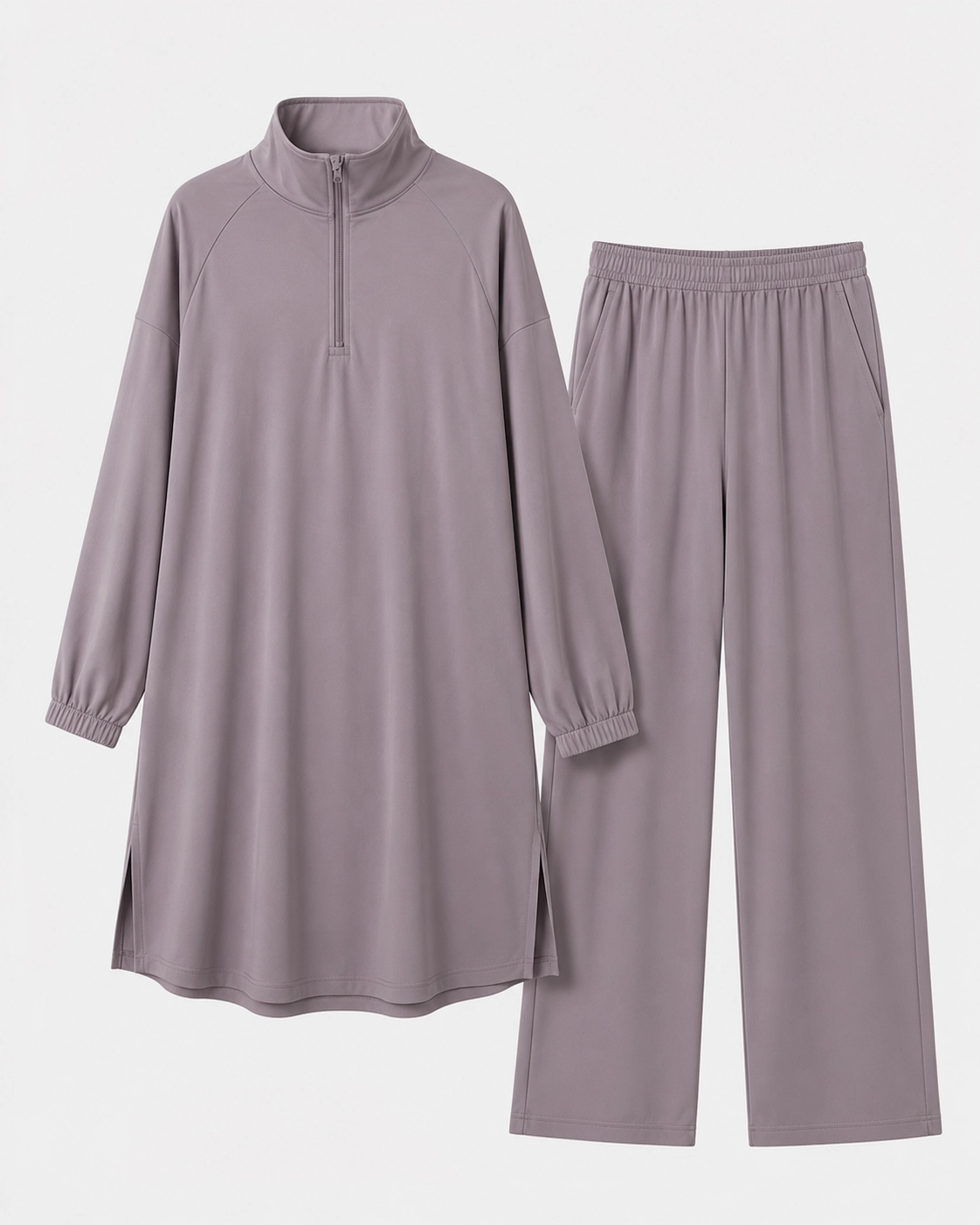
- For Middle Eastern women's sportswear, interlining selection must be differentiated by garment area: use elastic knit interlining for the placket to prevent waviness; reinforce collars and hood openings locally; apply interlining only at stress points for pocket openings, and avoid using the same interlining for the entire garment. If the placket still waves, switch to a slightly more stable interlining; if it is too stiff, switch to a thinner, softer interlining. Be sure to make component samples for verification before finalizing bulk production. Read More
- Causes and Prevention of Adhesive Strike-Through in Autumn Garment ProductionRelease on 2026-07-27
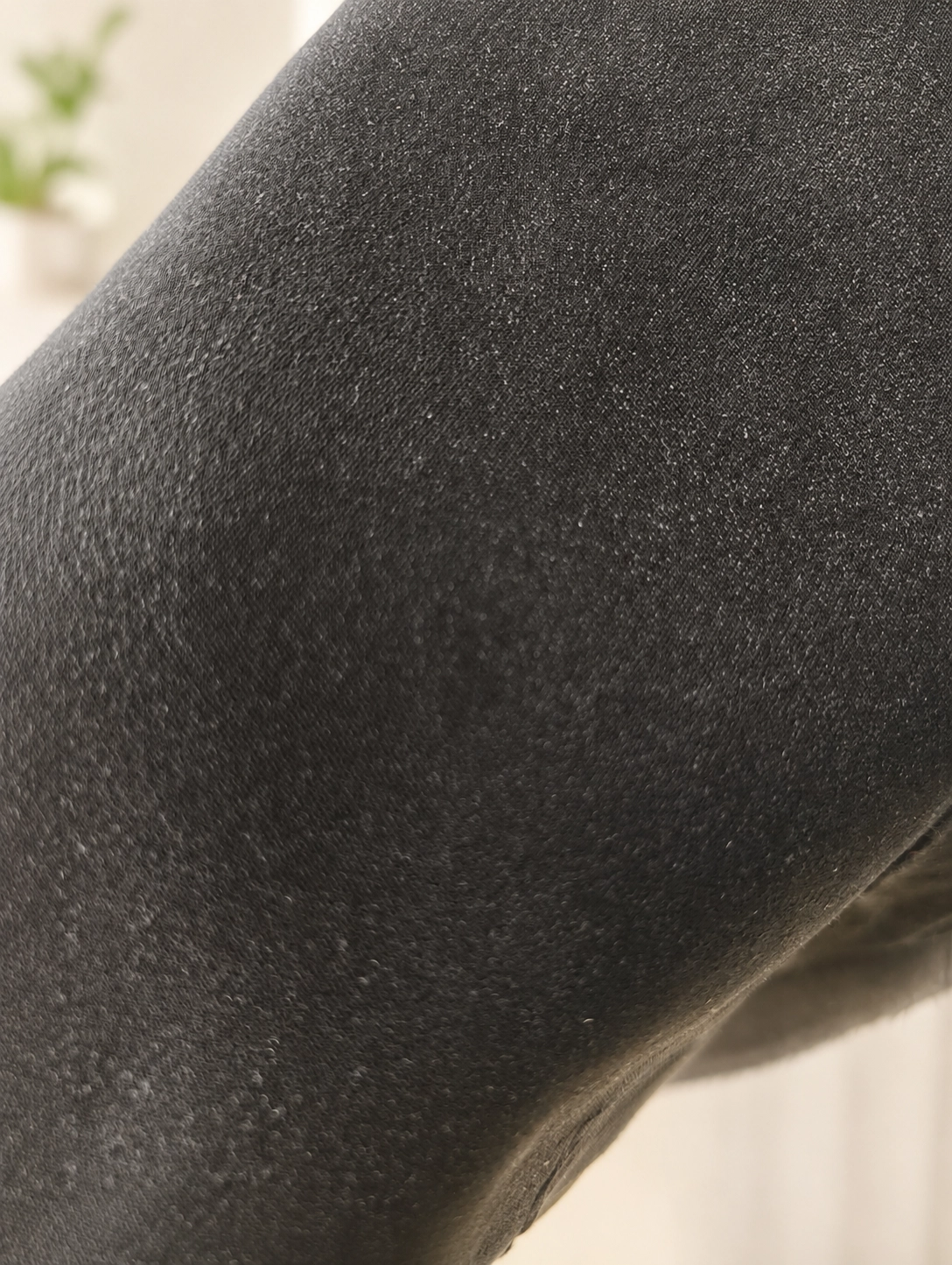
- Adhesive strike-through in autumn garment interlinings is often caused by loose fabric structure, coarse adhesive dots on the interlining, or improper pressing parameters. The key to prevention lies in conducting thorough trial fusing before bulk production, selecting high-mesh-count interlinings that match the fabric characteristics, and balancing temperature, pressure, and time, while making judgments only after full cooling and setting. Source control can effectively avoid appearance defects. Read More
- Application Guide for Interlinings in Thin Autumn Garments by Different PartsRelease on 2026-07-24
- The core principle of interlining for thin autumn garments is "shape over stiffness": collars prioritize shaping, plackets prioritize stability, cuffs and pocket openings provide local support, and waistbands are handled flexibly. Woven interlinings and knitted interlinings must be matched according to fabric characteristics, with weight typically ranging from 15g to 50g. Be sure to conduct sample testing to avoid blistering and adhesive bleeding. Shenghong Interlining provides professional interlining matching solutions. Read More
- Fabric and Interlining Features of Lightweight Women's Apparel in Southeast AsiaRelease on 2026-07-22
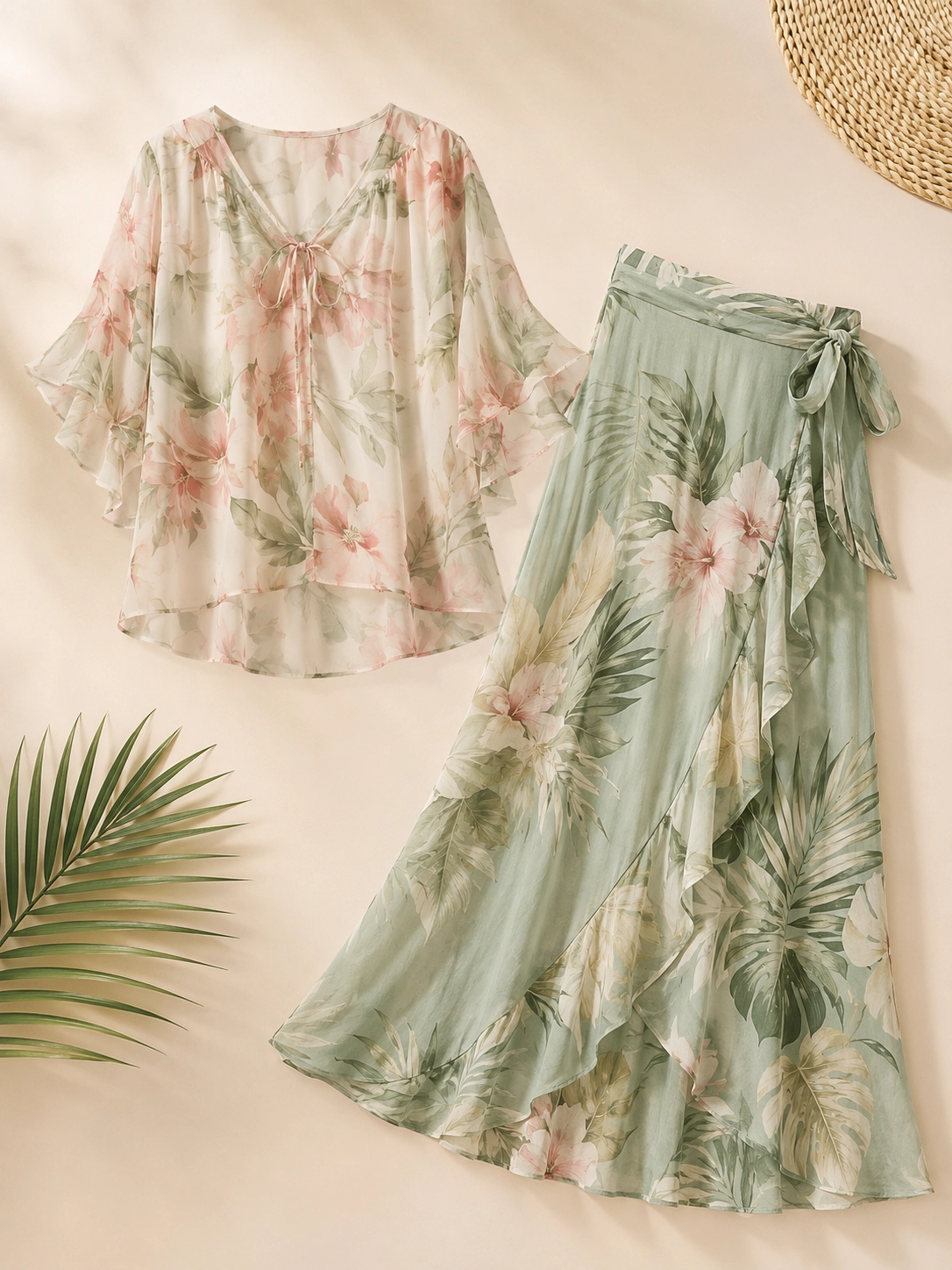
- "Lightweight women's wear fabrics in Southeast Asia are soft and breathable, so interlining selection must strike a balance between shape retention and lightness. Different garment parts should use thin woven interlinings or knitted interlinings, and fusing temperature and pressure must be strictly controlled. Guangzhou Shenghong Interlining offers professional interlining solutions to help finished garments achieve both stability and comfort." Read More
- Reference for Fabric Matching with PA and PES AdhesivesRelease on 2026-07-17
- "PA adhesive is soft and resistant to dry cleaning, making it suitable for suits, overcoats, and other mid-to-high-end garments that emphasize hand feel and drape. PES adhesive has strong wash durability and is suitable for polyester-cotton fabrics, as well as uniforms and workwear. Adhesive selection should be based on fabric type, hand feel, washing requirements, and pressing conditions." Read More
- Why Do Garments in Different Countries Require Different Types of Interlining?Release on 2026-07-14
- Countries differ in climate, culture, and consumer habits, leading to distinctly different requirements for interlining: the Middle East seeks lightness and breathability, while Europe values quality, environmental friendliness, and shape retention. Interlining must match the fabric and the intended use of the garment. Shenghong Interlining, with deep roots in the industry, offers customized solutions tailored to diverse market needs, helping you enhance your garment quality. Read More
- Differences between Middle Eastern Garment Linings and Chinese InterliningsRelease on 2026-07-10
- Middle Eastern interlining demand emphasizes local support, natural wearability, and post-wash stability; Chinese interlinings excel in rich variety and flexible matching. The difference between the two lies in application needs versus product solutions. The key is to combine wearing habits with interlining capabilities, so that the accessory serves the finished garment effect. Read More
- Collar Collapses After a Few Washes? Don’t Rush to Switch to a “Stiffer” Interlining FirstRelease on 2026-07-06
- A collar that looks crisp and shapely right after production can soften, collapse, or deform after several wears or washes. In many cases, the issue isn’t simply whether the interlining is stiff enough. Whether the collar shape remains durable over time is directly related to the fabric’s support, the compatibility of the collar and interlining, the fusing and pressing conditions, and changes in shrinkage after washing. Read More