







Causes and Prevention of Adhesive Strike-Through in Autumn Garment Production
Introduction
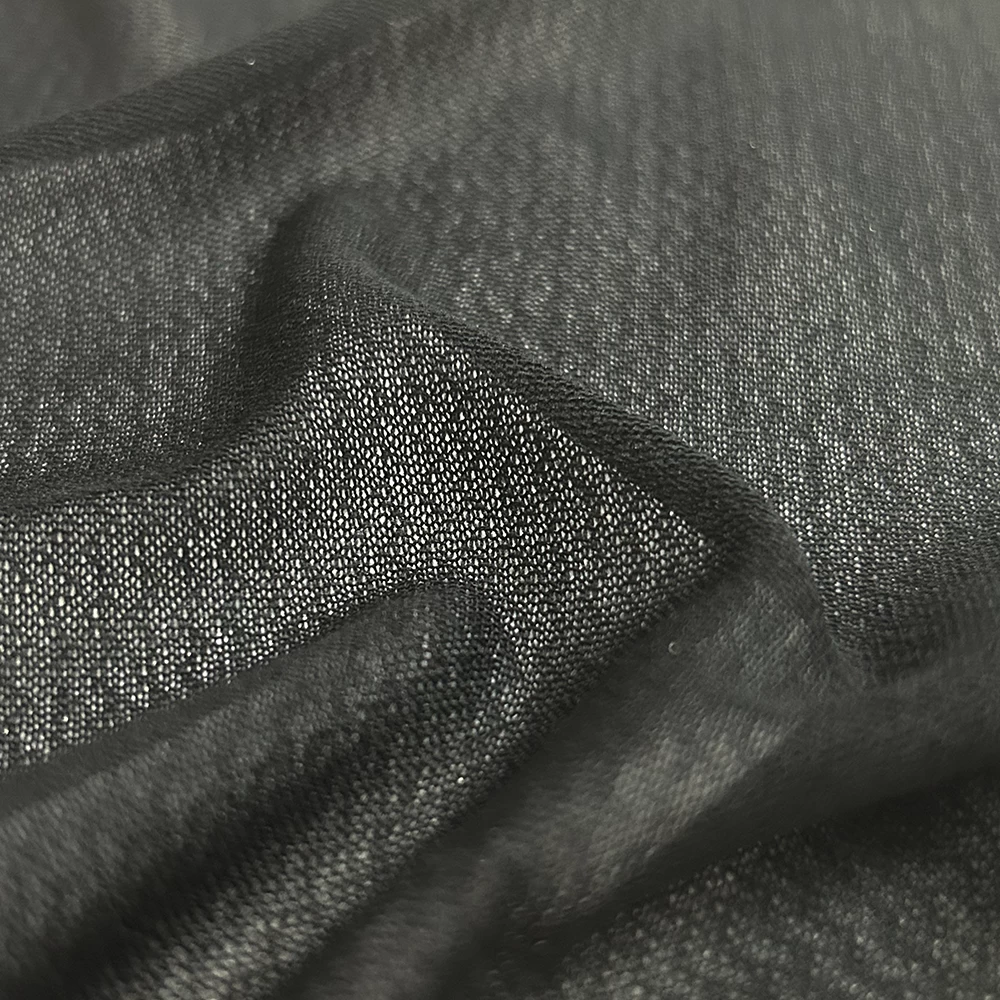
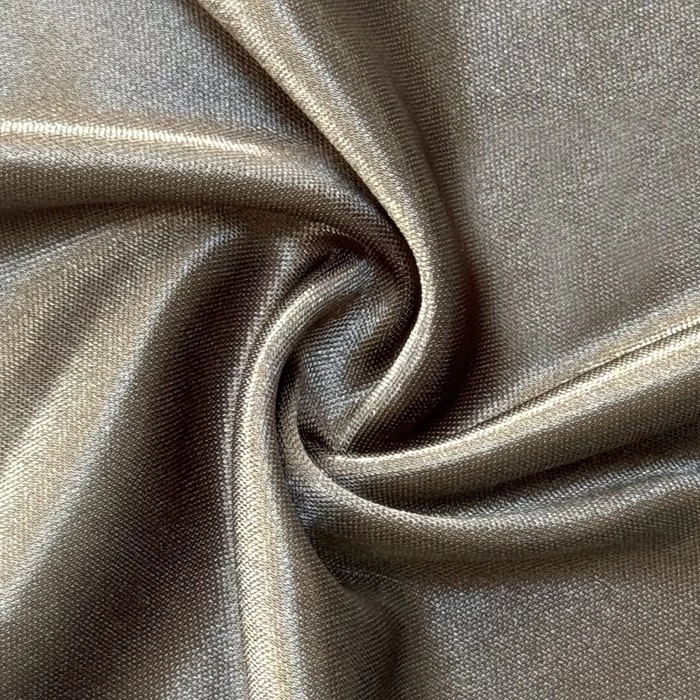
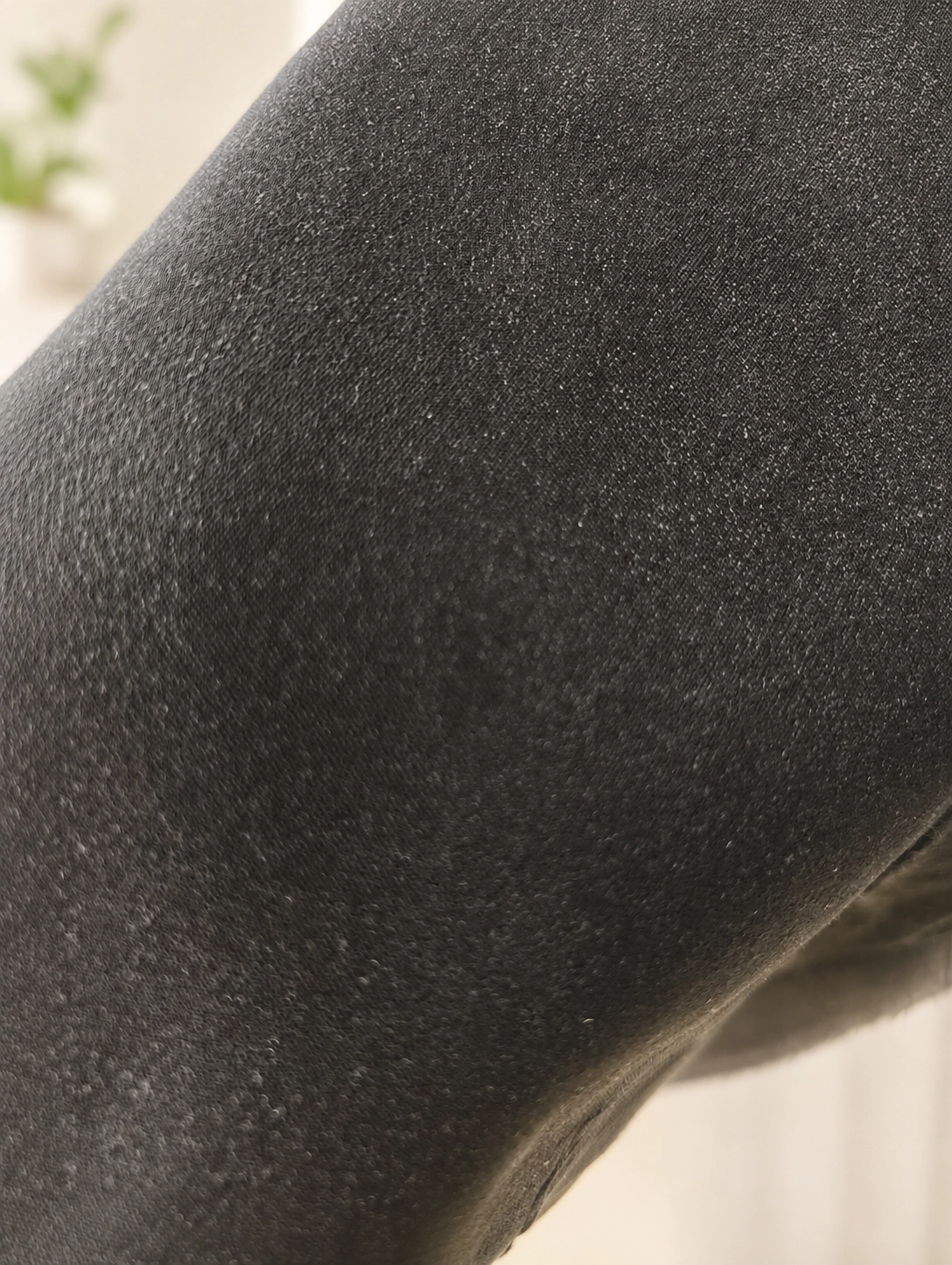
Autumn garments commonly use a wide variety of fabrics, including lightweight shirting materials, knitted fabrics, trench coat fabrics, imitation wool materials, and various woven stretch fabrics. After fusing interlinings at areas such as collars, plackets, cuffs, pockets, or waistbands, garment factories sometimes find tiny adhesive dots, a grainy feel, localized sheen, or darker color on the face side of the fabric. This condition is generally referred to as interlining strike-through.
Adhesive strike-through is not necessarily caused by a single issue; it is often related to fabric structure, interlining selection, and pressing conditions. To reduce appearance defects in bulk production, it is necessary to address both interlining matching and production testing simultaneously.China Shenghong Autumn Garment Interlining Manufacturer
I. Main Causes of Adhesive Strike-Through in Autumn Garment Production
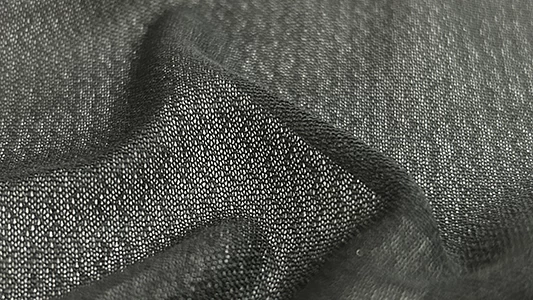
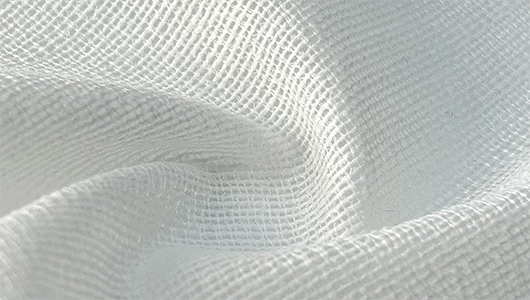
The fabric itself is an important factor affecting strike-through. Some autumn fabrics, in order to maintain lightness, softness, and drape, use relatively low thickness or loosely constructed materials. During fusing, the molten adhesive can easily penetrate the yarn gaps and form adhesive spots or shadows on the face side. Knitted fabrics, lightweight shirting materials, and fabrics with pronounced textures require particular attention when fusing.
Dark colors such as black, navy, and dark gray are not necessarily more prone to actual strike-through, but they make particles, gloss, and color changes more visible. It is worth noting that the sheen appearing on some dark fabrics after pressing may be a change in luster caused by the fabric surface being flattened (commonly known as "press marks"), which can be distinguished from actual adhesive penetration during evaluation. On some fabrics with fine, smooth, or specially finished surfaces, the sheen and indentations after pressing may also be mistaken for strike-through.
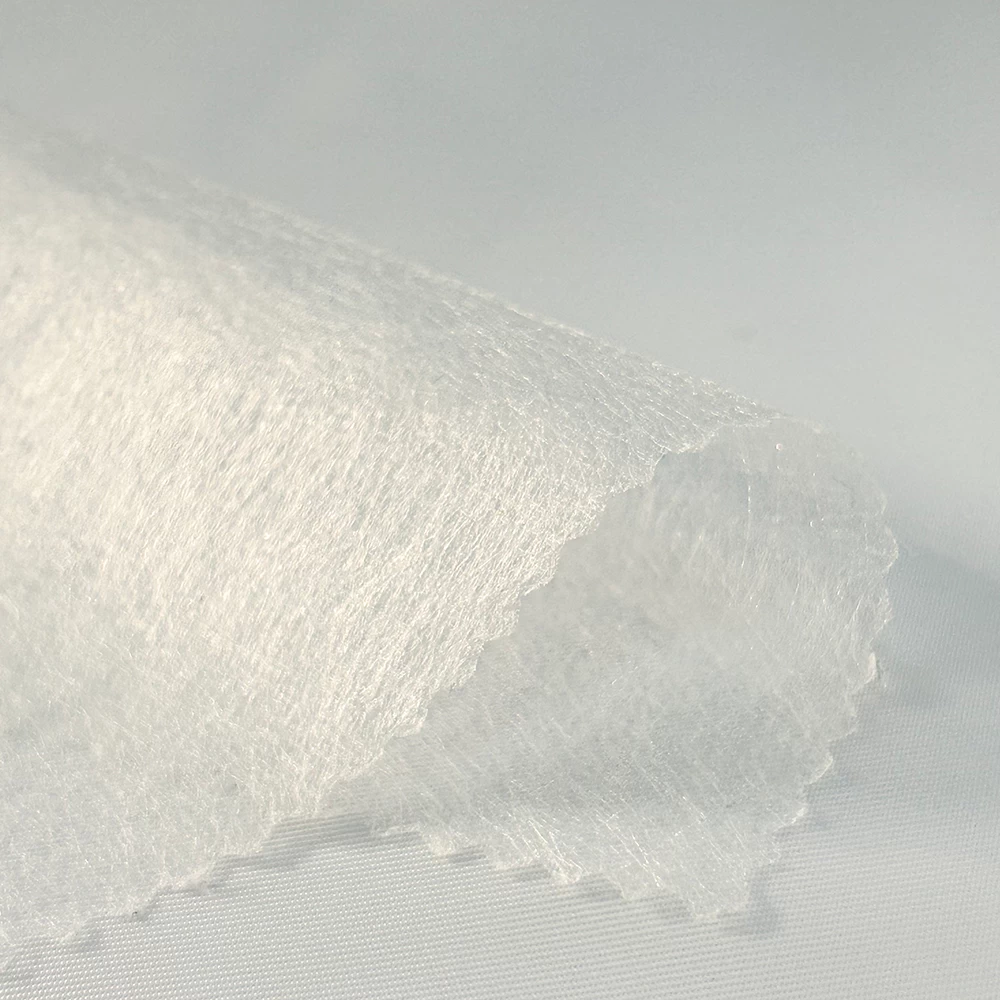
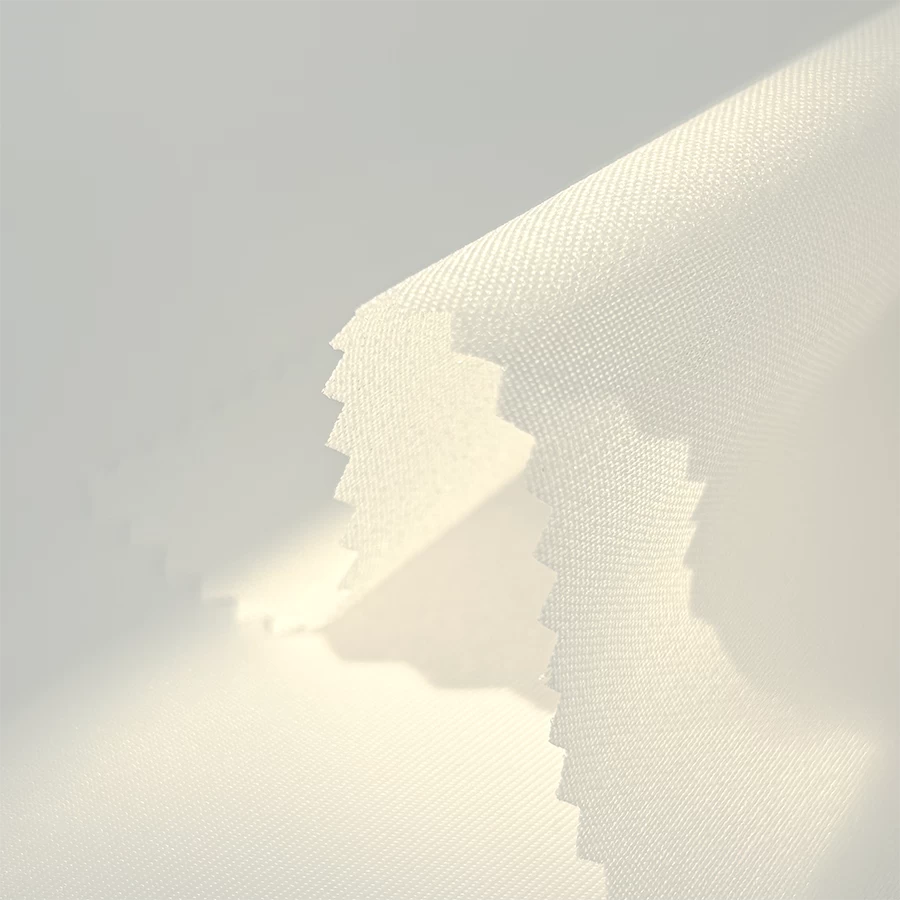
Mismatch between the interlining and the fabric also increases the risk of strike-through. If lightweight fabrics use interlinings with coarser adhesive dots, higher adhesive coating weight, or stiffer hand feel, the adhesive is more likely to leave marks on the face side. For knitted and stretch autumn fabrics, the softness and elasticity of the interlining must also be considered, not just the bonding strength.
In addition, excessively high temperature, excessive pressure, or prolonged pressing time can cause the adhesive to over-melt and be pressed into the fabric structure. However, if the parameters are too low, poor bonding may result. Therefore, adjustments must balance temperature, pressure, and time; one cannot simply reduce the temperature to solve the problem.
II. How to Reduce Adhesive Strike-Through in Autumn Garment Production
Before bulk production, trial fusing should be carried out using the actual fabric and the intended interlining. During testing, simulate as closely as possible the layer count, direction, and pressing method of the actual garment parts, rather than testing only a single layer of fabric. After fusing, allow the fabric to cool and set fully before inspecting the face side for adhesive spots, sheen, discoloration, or localized stiffness. Many problems are not easily noticeable while hot but become apparent after cooling.China shenghong interlining manufacturer
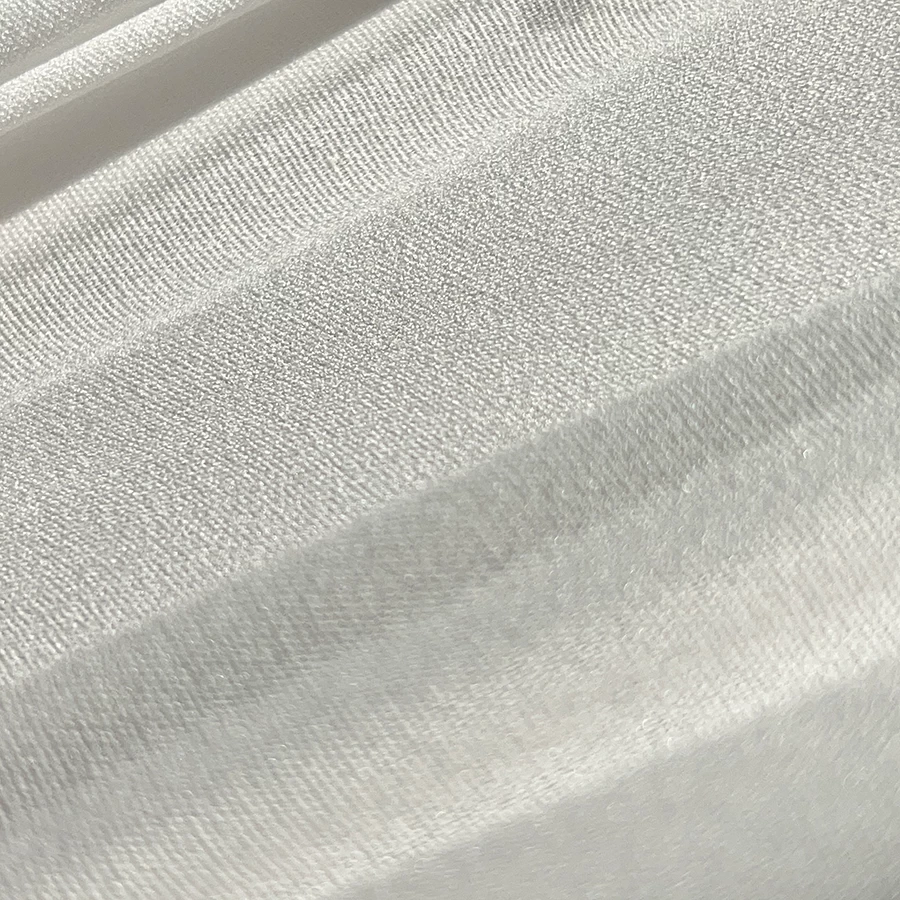
For lightweight or loosely constructed autumn fabrics, priority can be given to testing high-mesh-count interlinings with finer adhesive dots, as well as softer-hand interlinings. Knitted fabrics should retain their original elasticity and softness, avoiding stiffness, wrinkling, or restricted recovery after fusing. For areas such as trench coat and jacket plackets that require certain support, both stiffness, hand feel, and face appearance must be considered.
When adjusting pressing conditions, test temperature, pressure, and time separately. It is not advisable to change multiple parameters significantly at the same time. You can fix two of the parameters and adjust the third gradually, which makes it easier to determine whether the issue comes from temperature, pressure, or pressing time.
III. Key Points to Check Before Bulk Production
After the trial fusing results are satisfactory, attention must also be paid to fabric lots and equipment conditions. The same fabric style may vary in thickness, dyeing, and finishing between different lots. When changing to a new lot, it is recommended to re-confirm with a new sample. In addition, workshop ambient humidity (ideally within 40%–60%) may have a subtle effect on fusing results, so the environment should be kept relatively stable during bulk production.
Inspection for strike-through should not be based only on the state just after pressing. Some adhesive dots, gloss, and color changes become more apparent after the fabric has fully cooled. If autumn garments require subsequent washing, steam finishing, or repeated ironing, re-testing should be carried out in line with the actual production process to observe whether the fused appearance and hand feel remain stable.
During bulk production, regular spot checks of fusing results should be conducted to avoid variations between batches due to changes in equipment temperature or production speed.
Conclusion
Adhesive strike-through in autumn garment production is usually the result of a combination of fabric structure, interlining adhesive dot characteristics, and pressing conditions. By conducting trial fusing before bulk production, selecting interlinings appropriate to the fabric and garment parts, and stabilizing pressing parameters, garment factories can reduce problems such as exposed adhesive dots, localized sheen, and stiffened hand feel.
Guangzhou Shenghong Interlining Co., Ltd. has been deeply engaged in the interlining industry for 23 years. We can provide supporting recommendations for woven interlinings, nonwoven interlinings, knitted interlinings, and fusible interlinings based on autumn fabrics, garment parts, and finished garment hand-feel requirements, helping garment enterprises improve the stability of sampling and bulk production.