













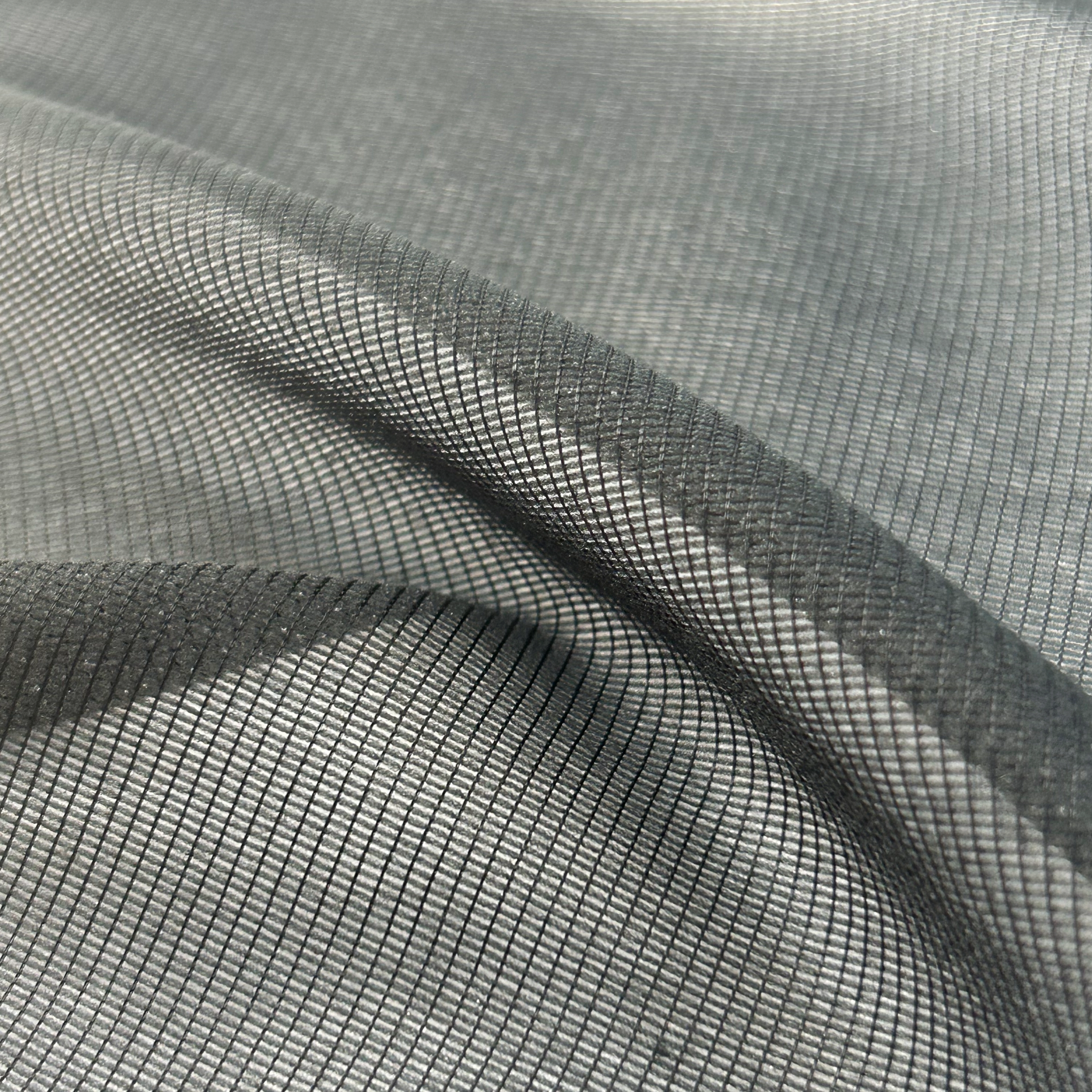
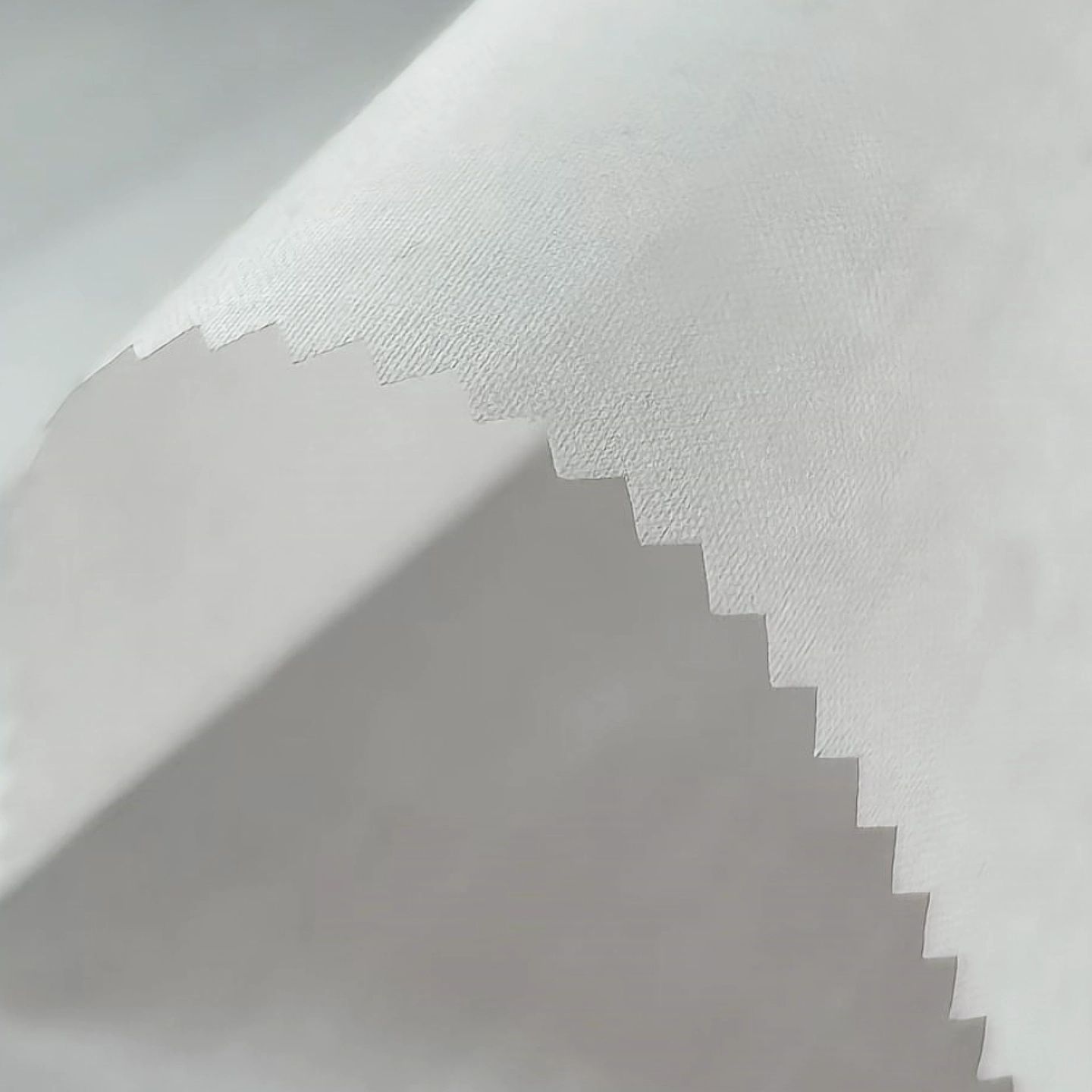
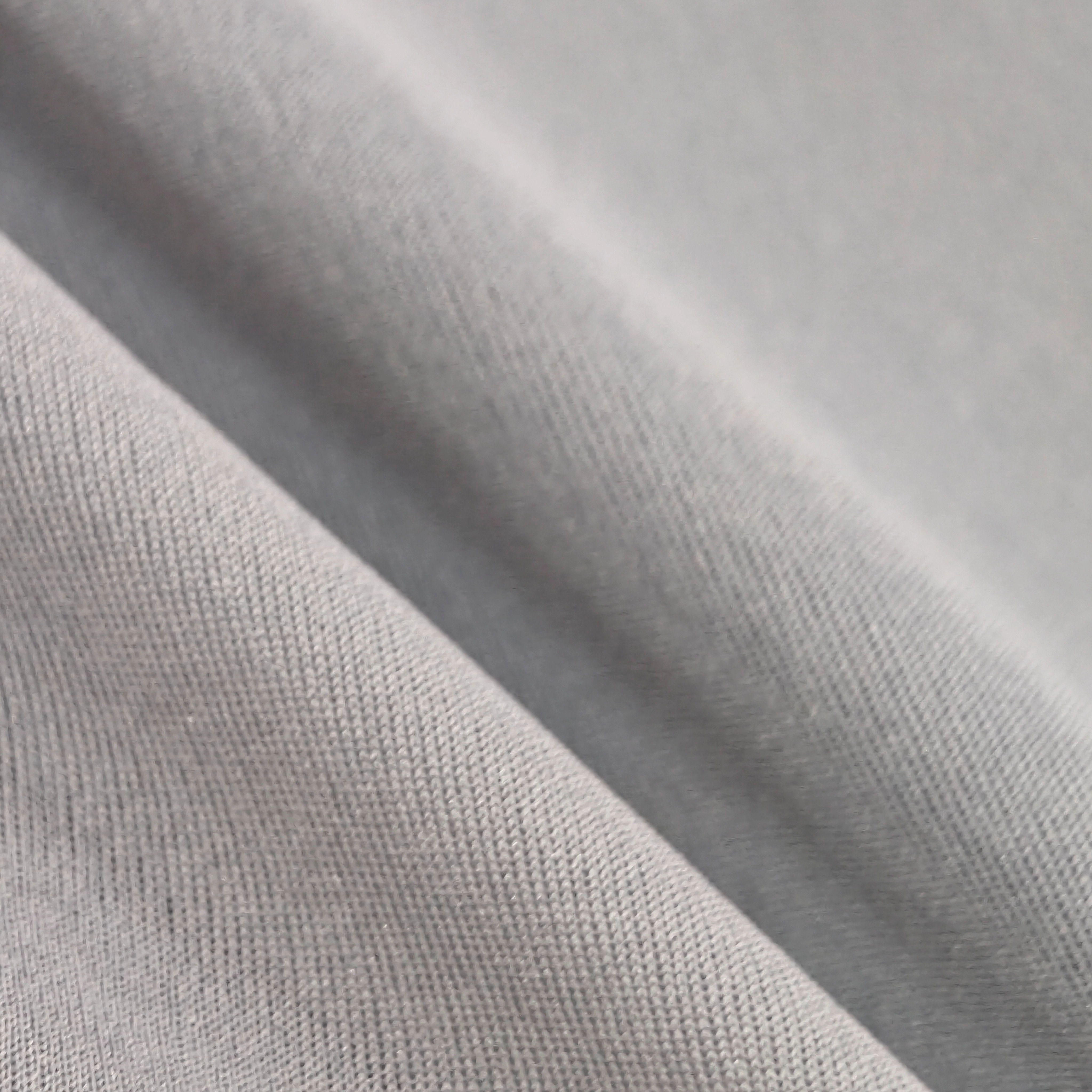
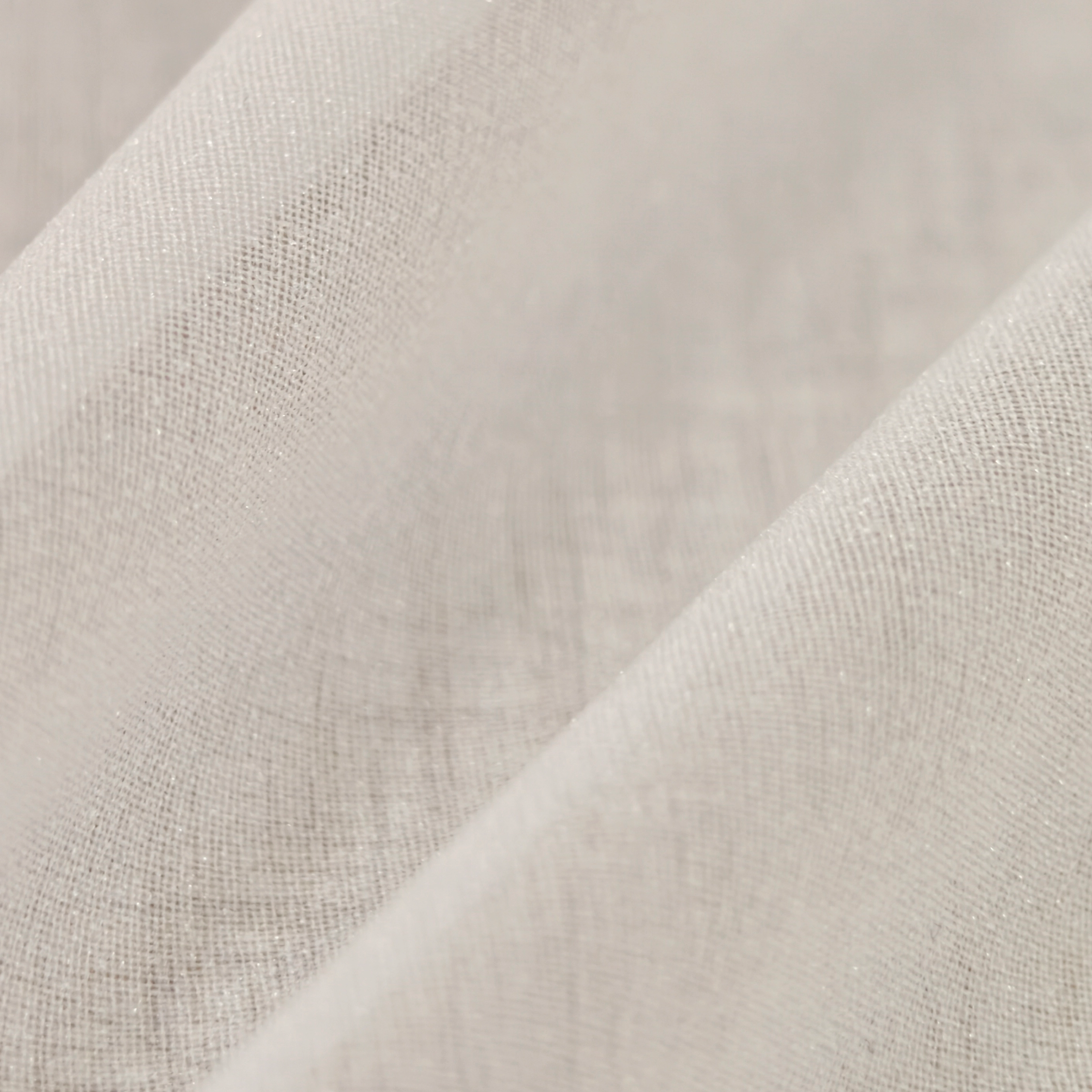
How to Select Single Jersey for Laminated Autumn/Winter Sportswear
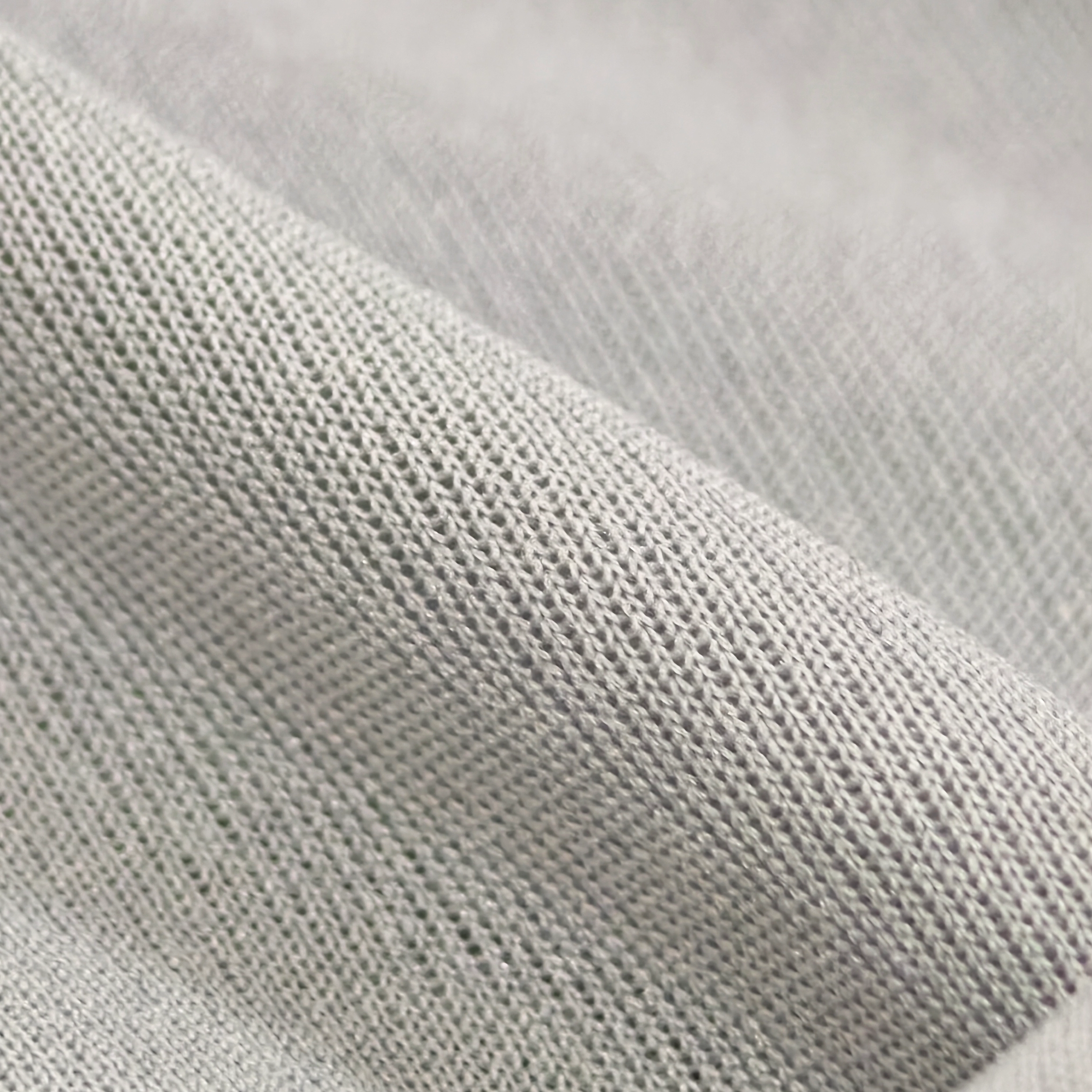
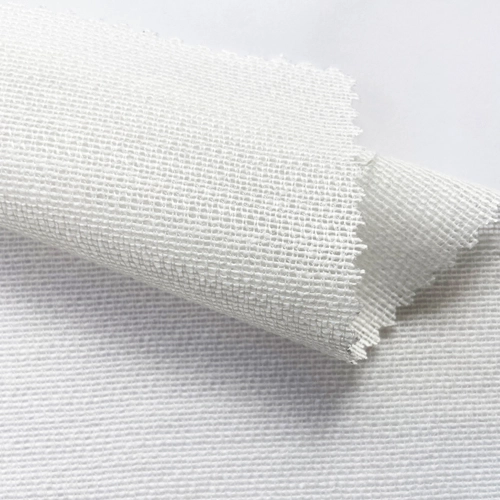
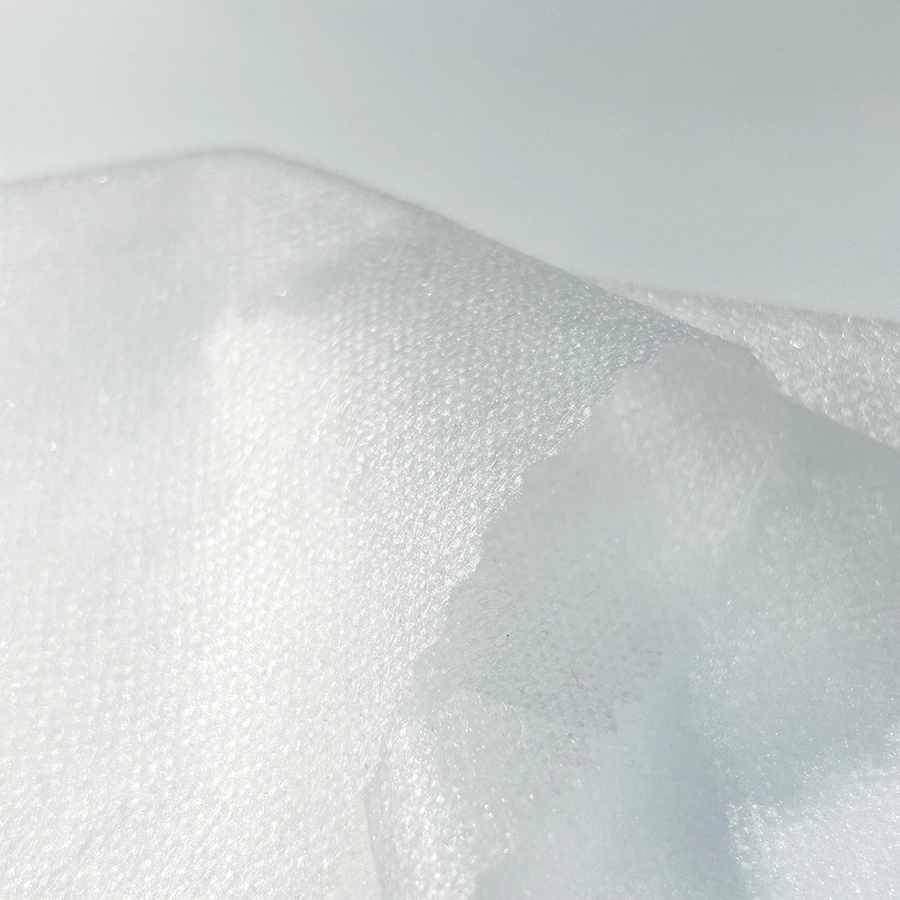
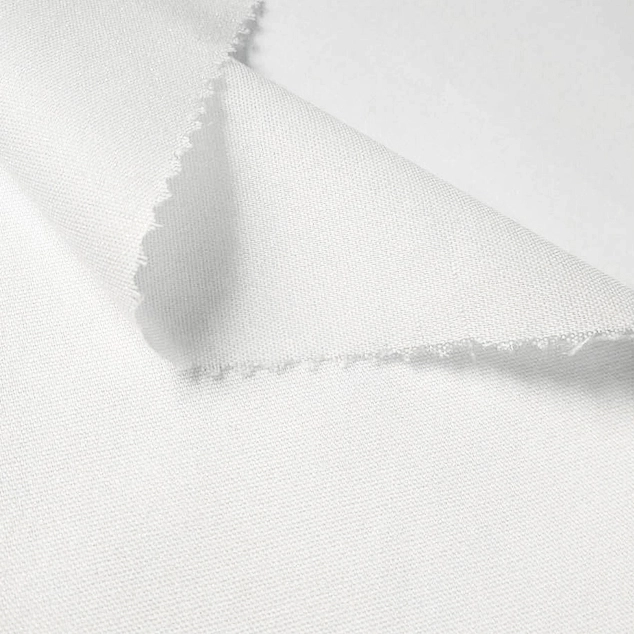
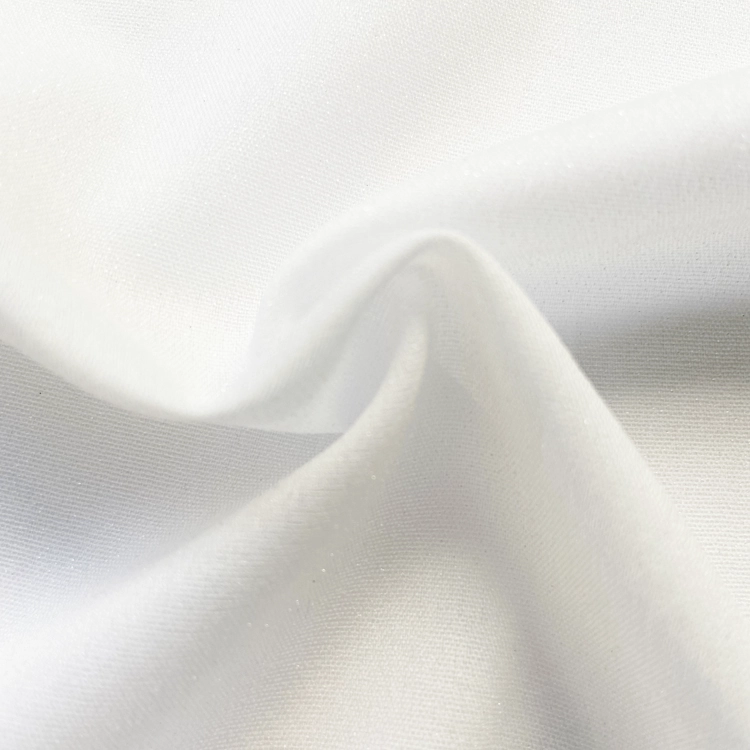
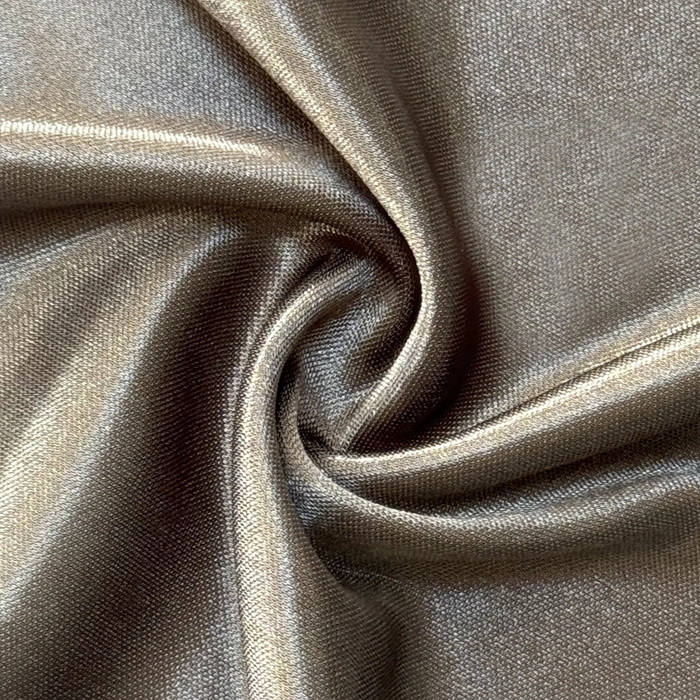
For laminated fabrics used in autumn/winter sportswear, the choice of knitted single jersey not only affects the hand feel of the finished garment, but also relates to flatness, elasticity, and after-wash performance following lamination. For products such as sports jackets and training wear, when selecting fabric, in addition to gram weight, it is also necessary to consider the thermal shrinkage and stretch recovery of the fabric and judge whether it is suitable for the actual lamination application.
Autumn/Winter Short Women's Outerwear Lining Application: Defined Waistline, Non-Stiff Front Panels
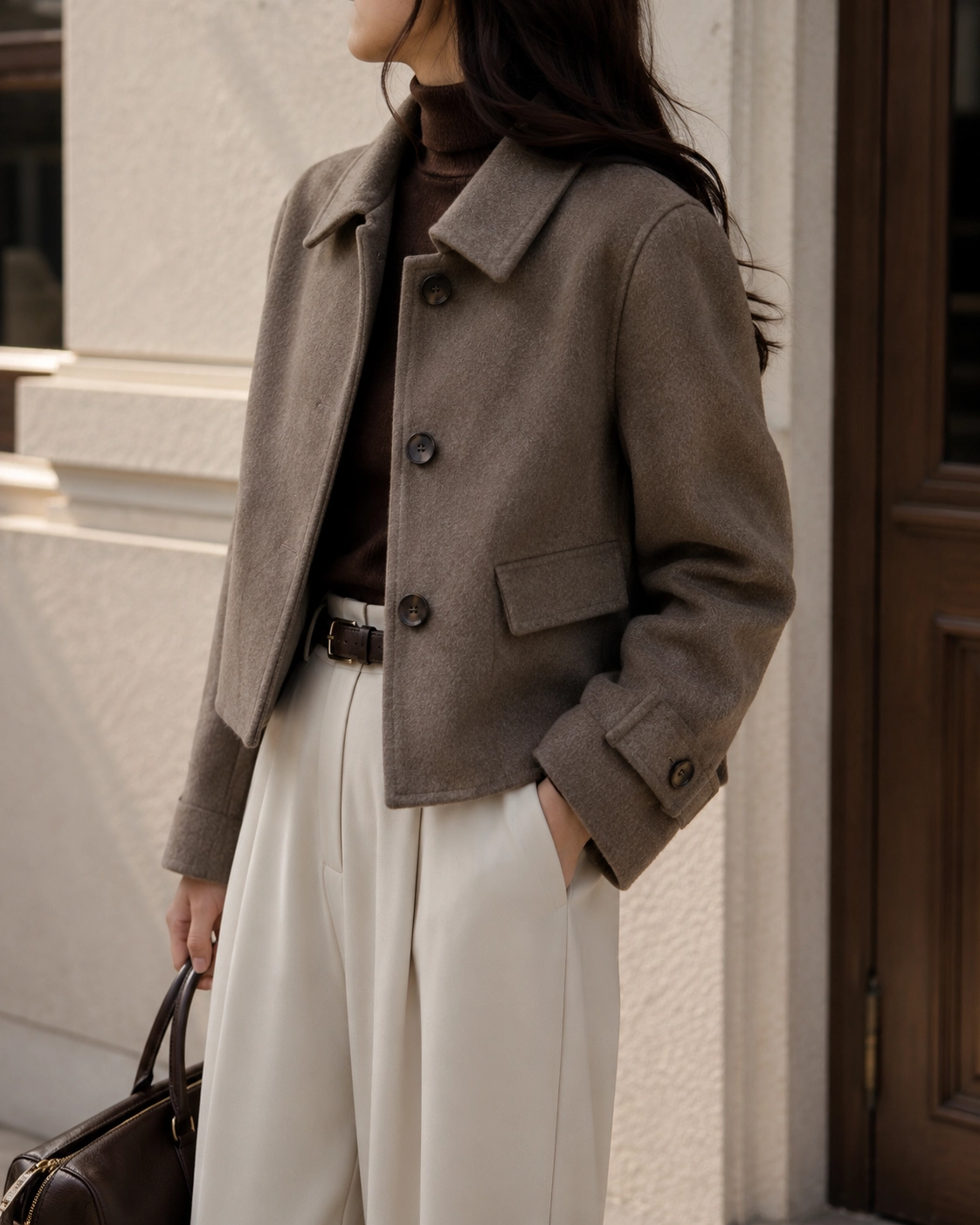
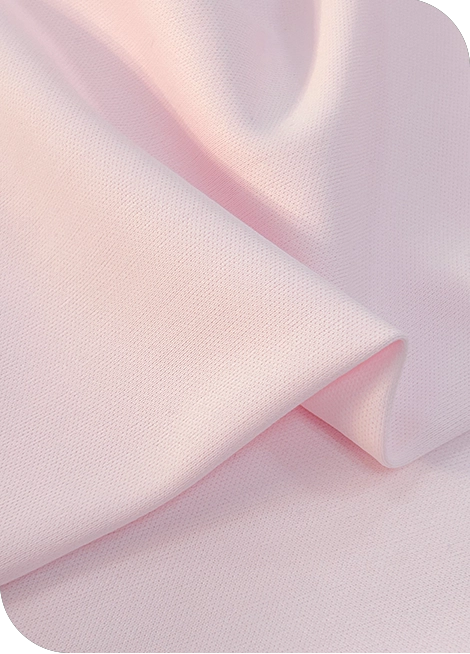
For autumn/winter short women's outerwear, if you want to emphasize the waistline and silhouette, interlining should not simply pursue stiffness. The front panels should primarily provide soft support, with local reinforcement at the placket, pocket openings, and similar areas. This makes it easier to achieve a structured look without being stiff."
Autumn Lightweight Jackets: The Key to Lining is Crispness Without Adding Bulk
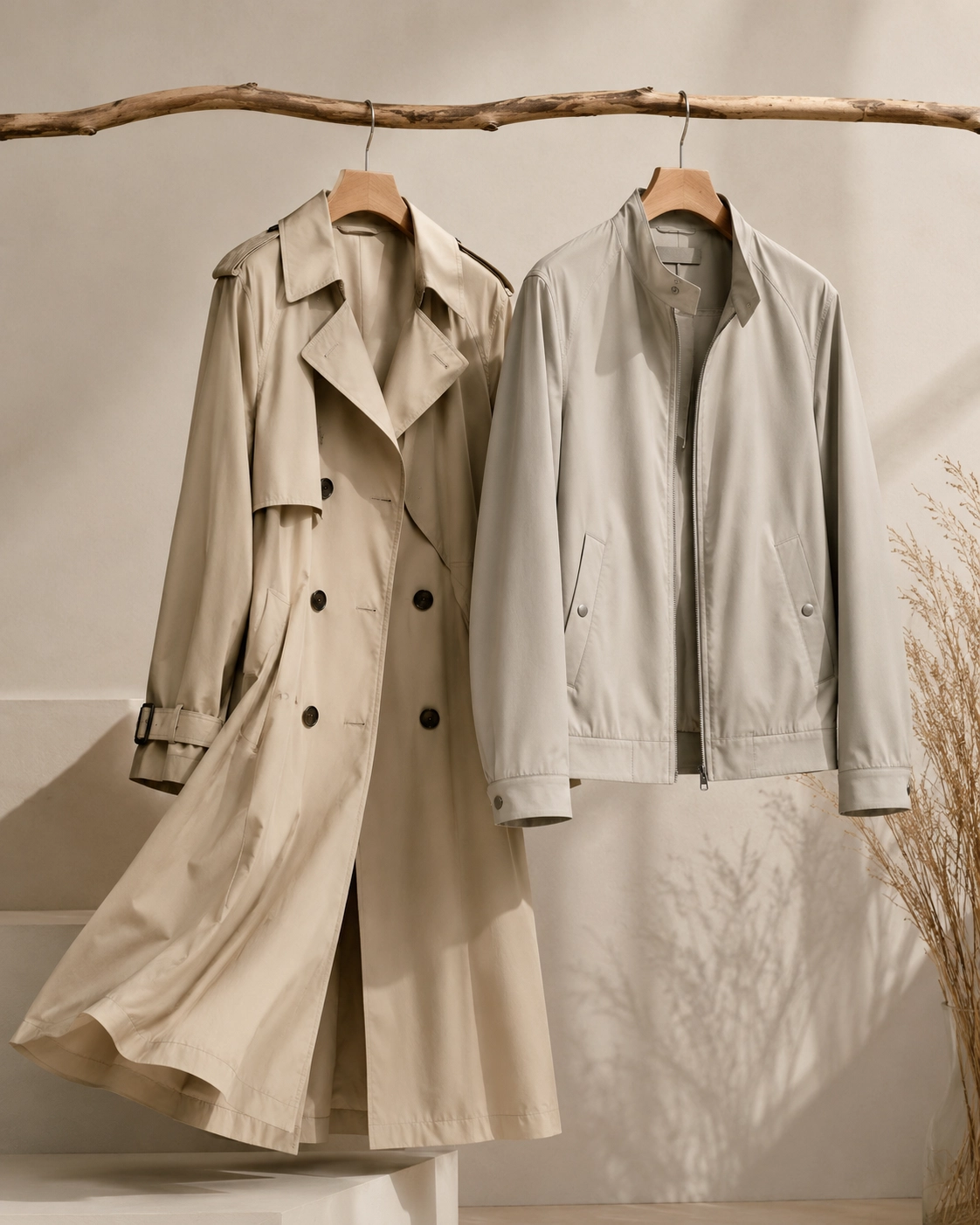
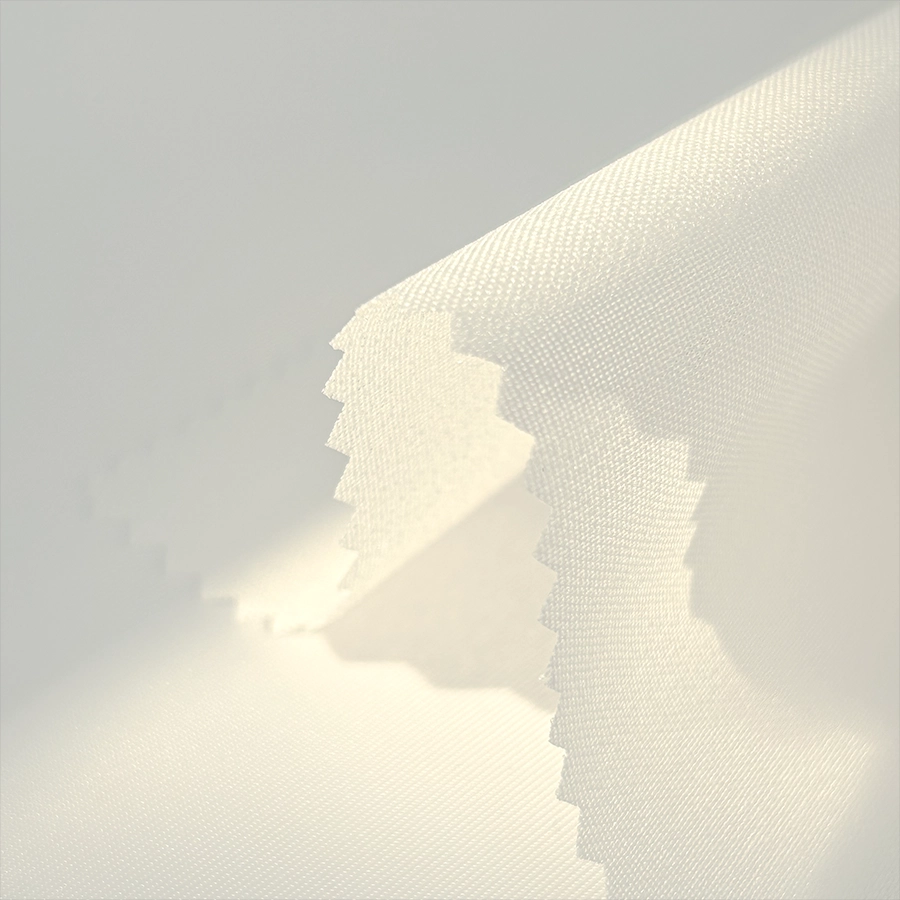
This article introduces interlining application directions for front panels, plackets, and collars of lightweight fabrics such as trench coats and jackets, helping apparel companies select fusible interlining and knit interlining solutions that balance crispness and lightness."
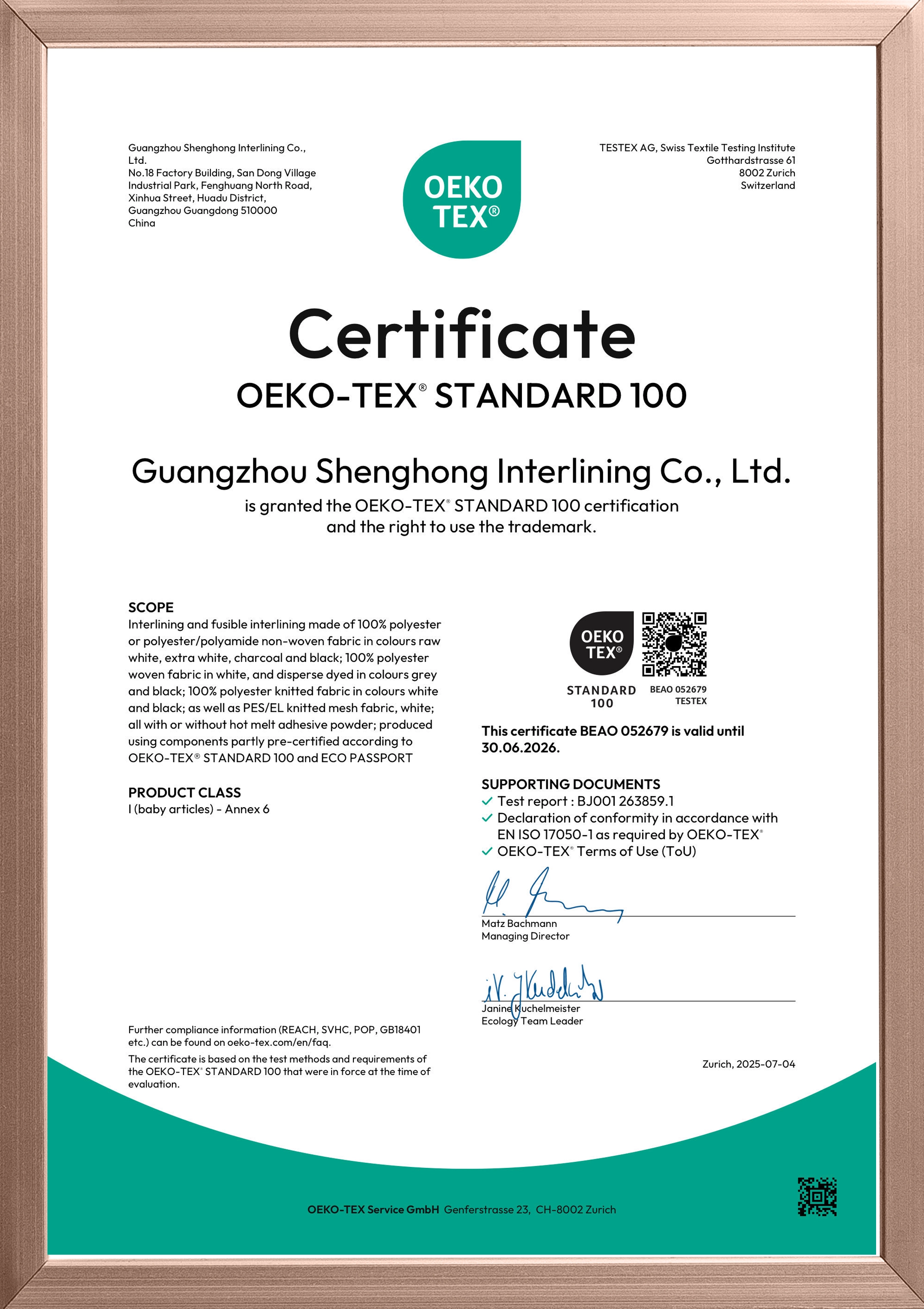
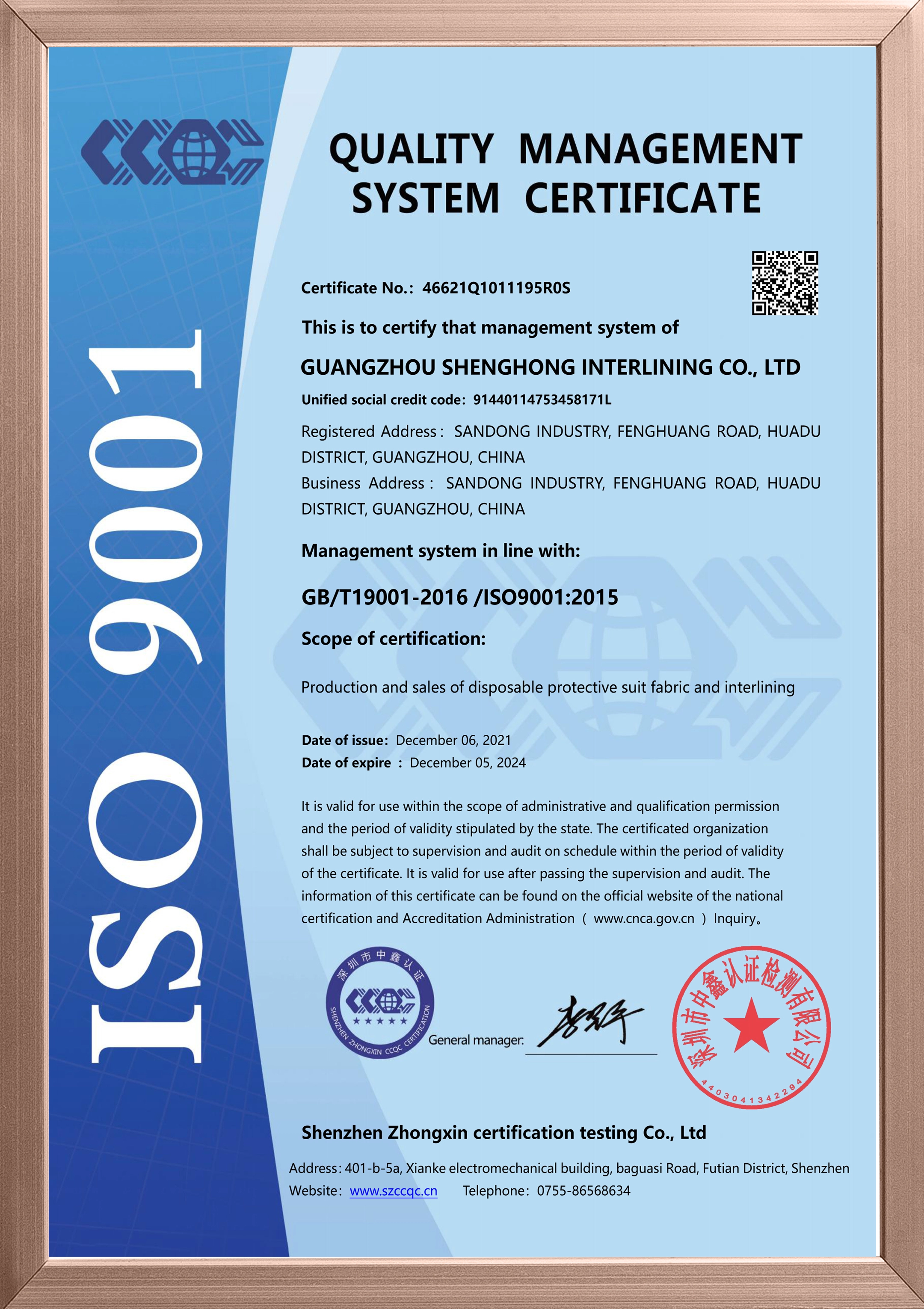
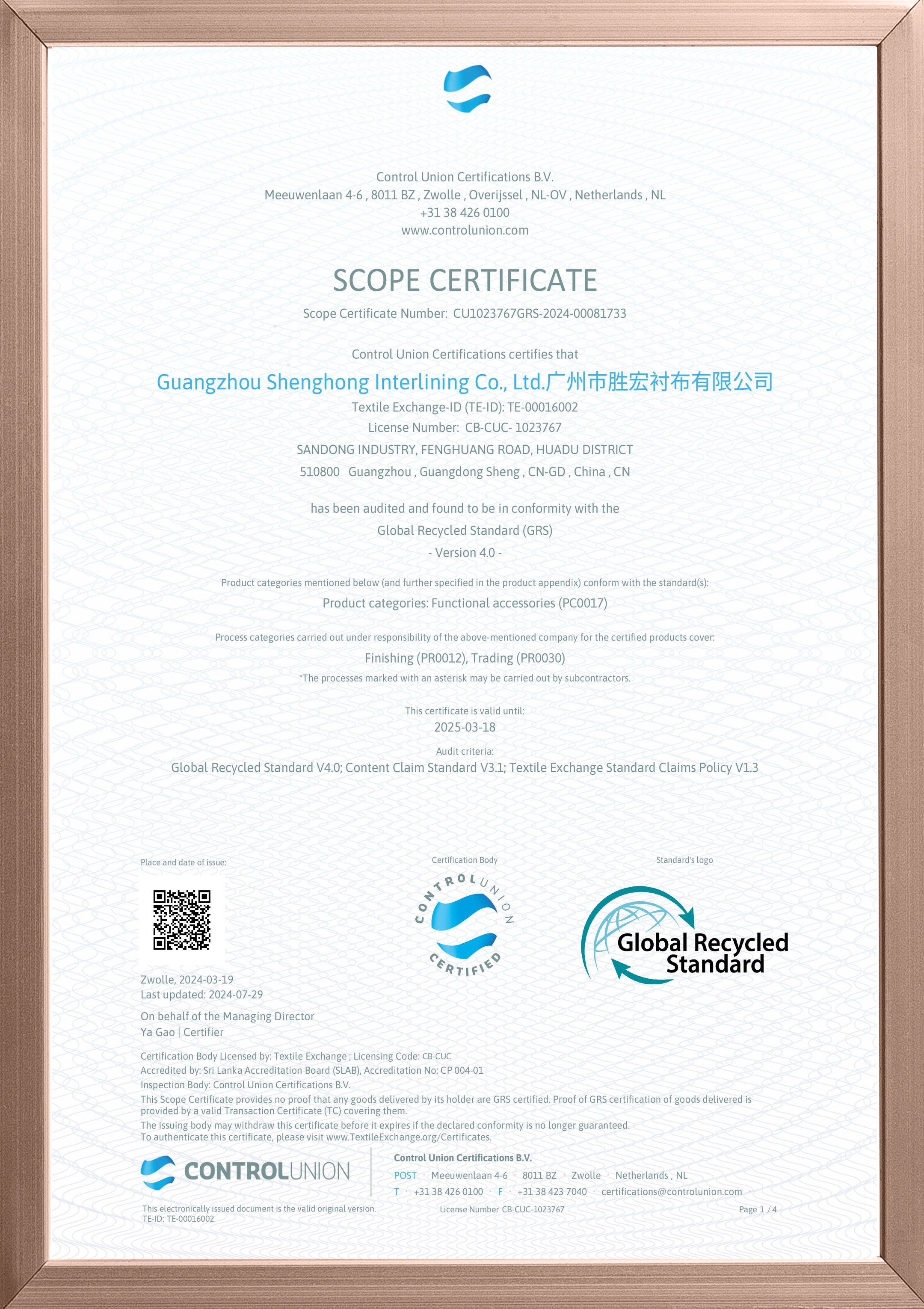
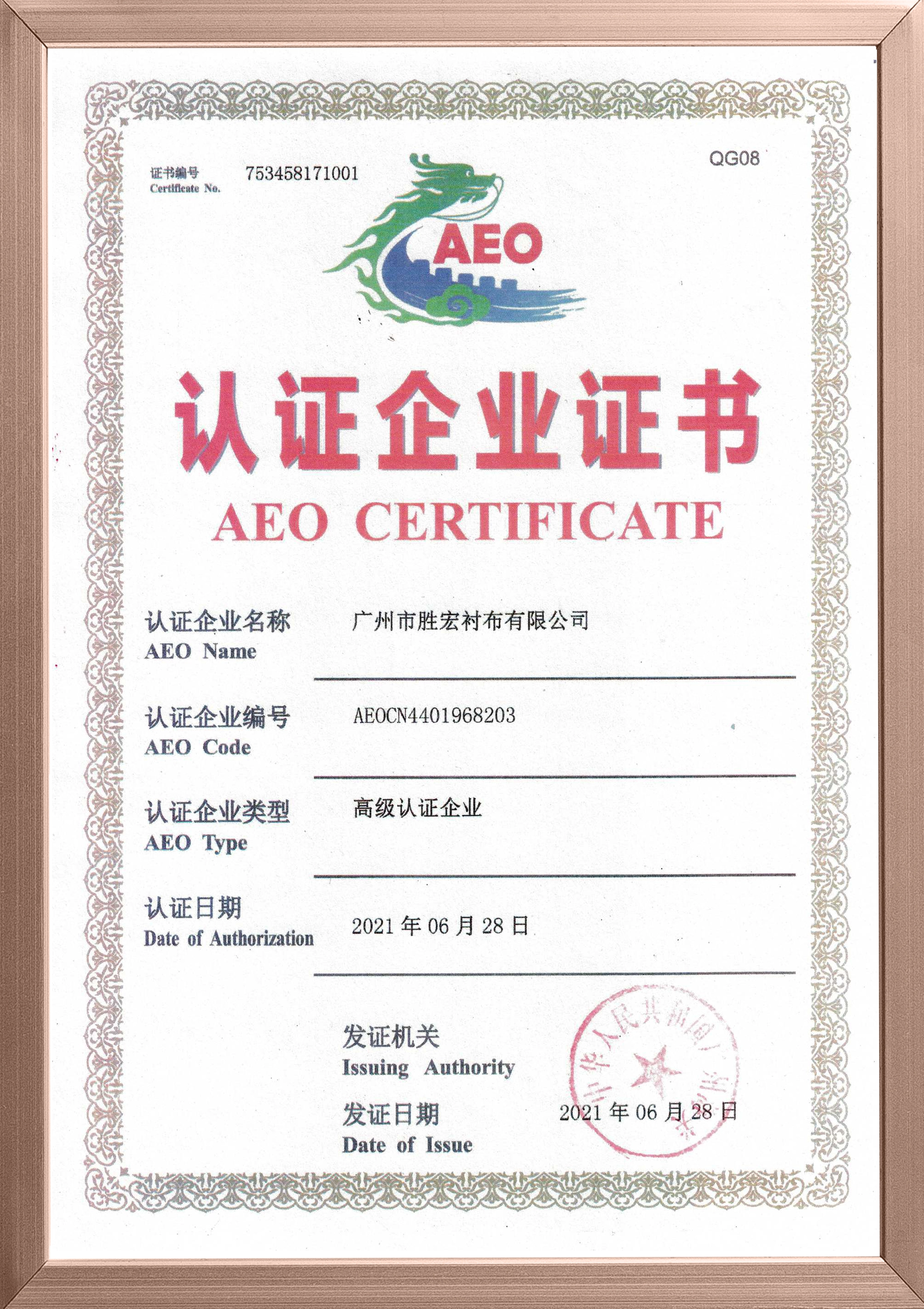
Shenghong Interlining: A Chinese Interlining Factory Serving Global Garment Manufacturers
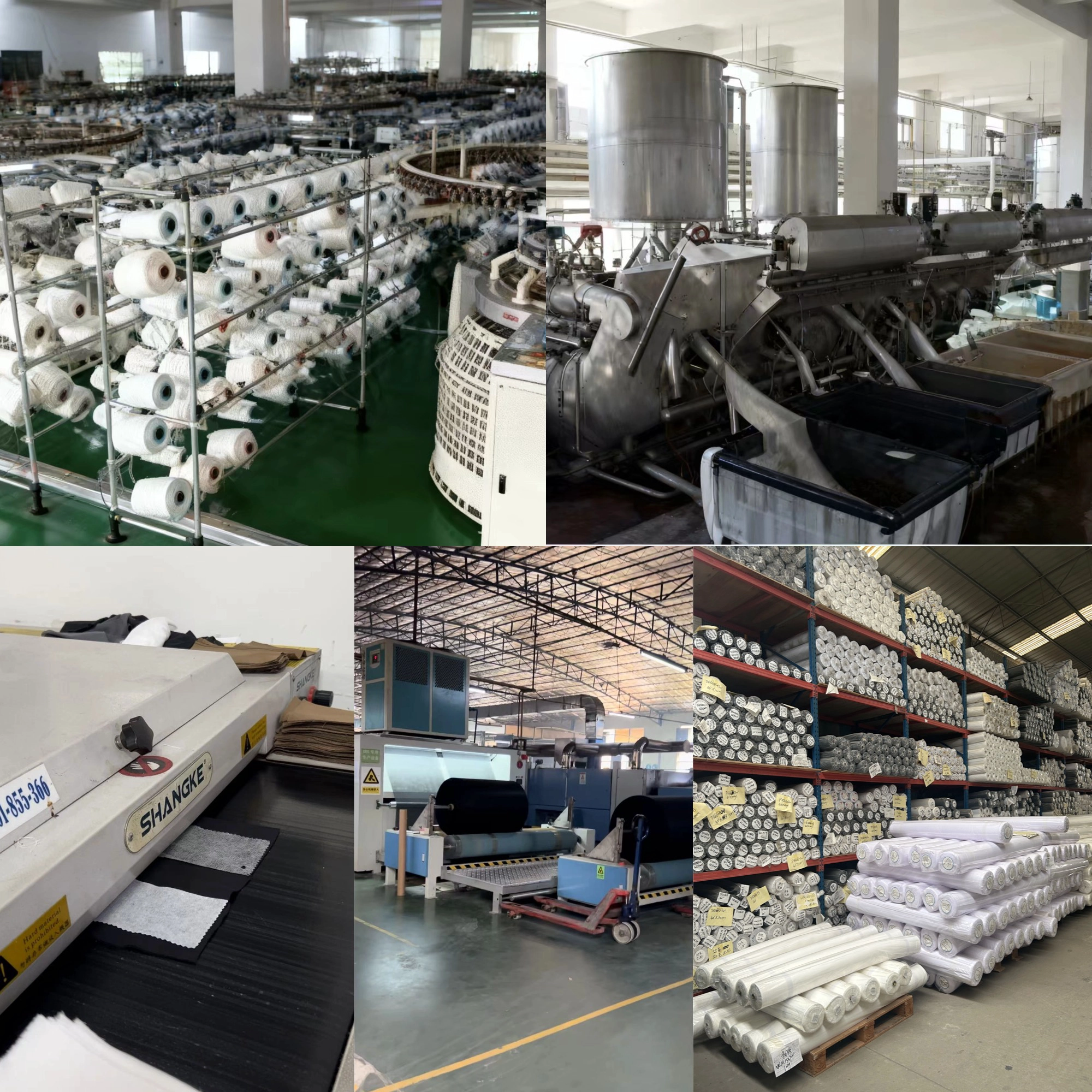
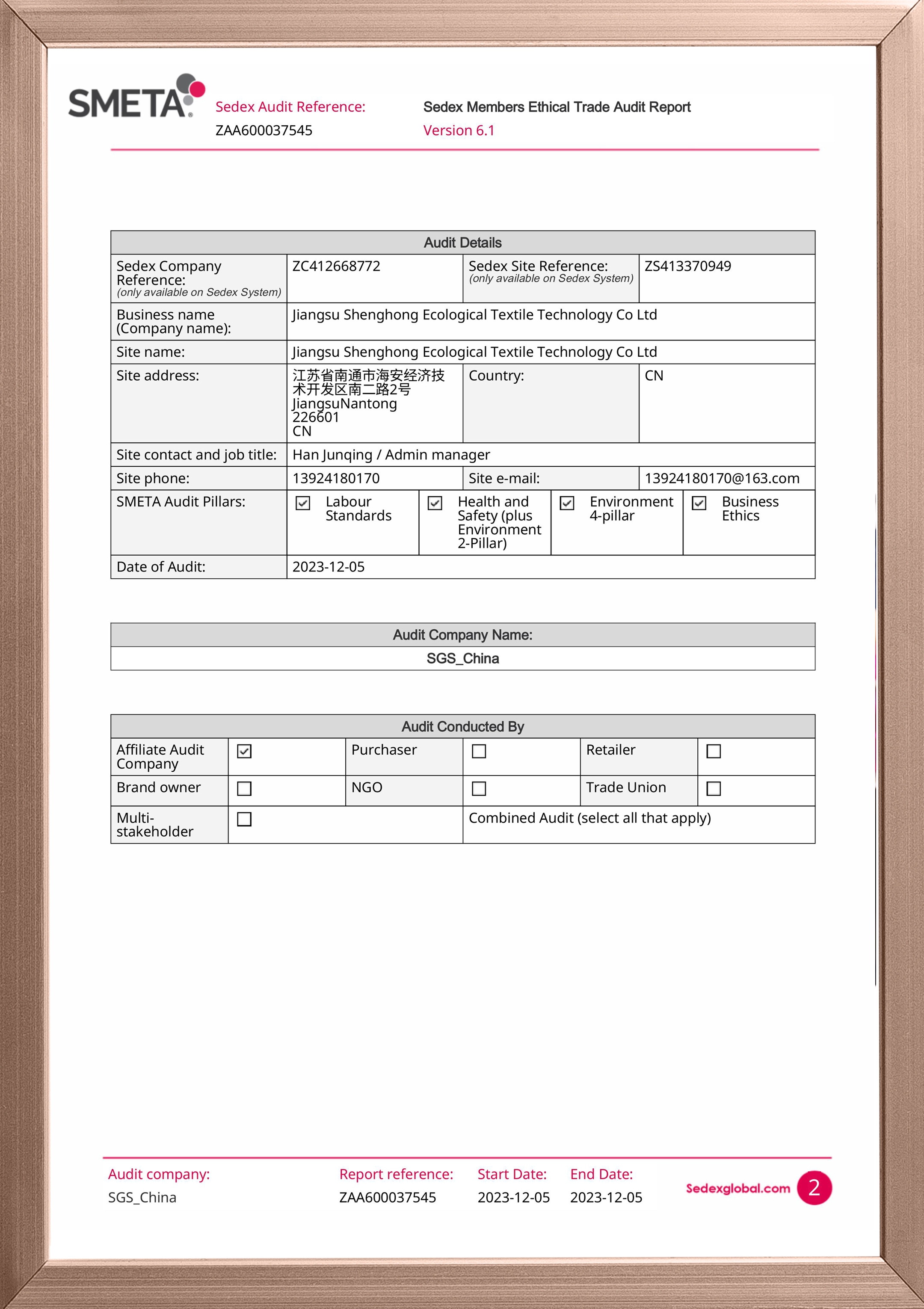
Guangzhou Shenghong Interlining Co., Ltd. has been deeply engaged in the interlining industry for 23 years, forming a production layout across Guangzhou, Jiangsu, and Vietnam. It has long been engaged in interlining export business, supplying various types of garment interlining products to the Middle East, Southeast Asia, and other overseas garment markets.
The silhouette of lightweight suiting should not be propped up by stiff interlinings.
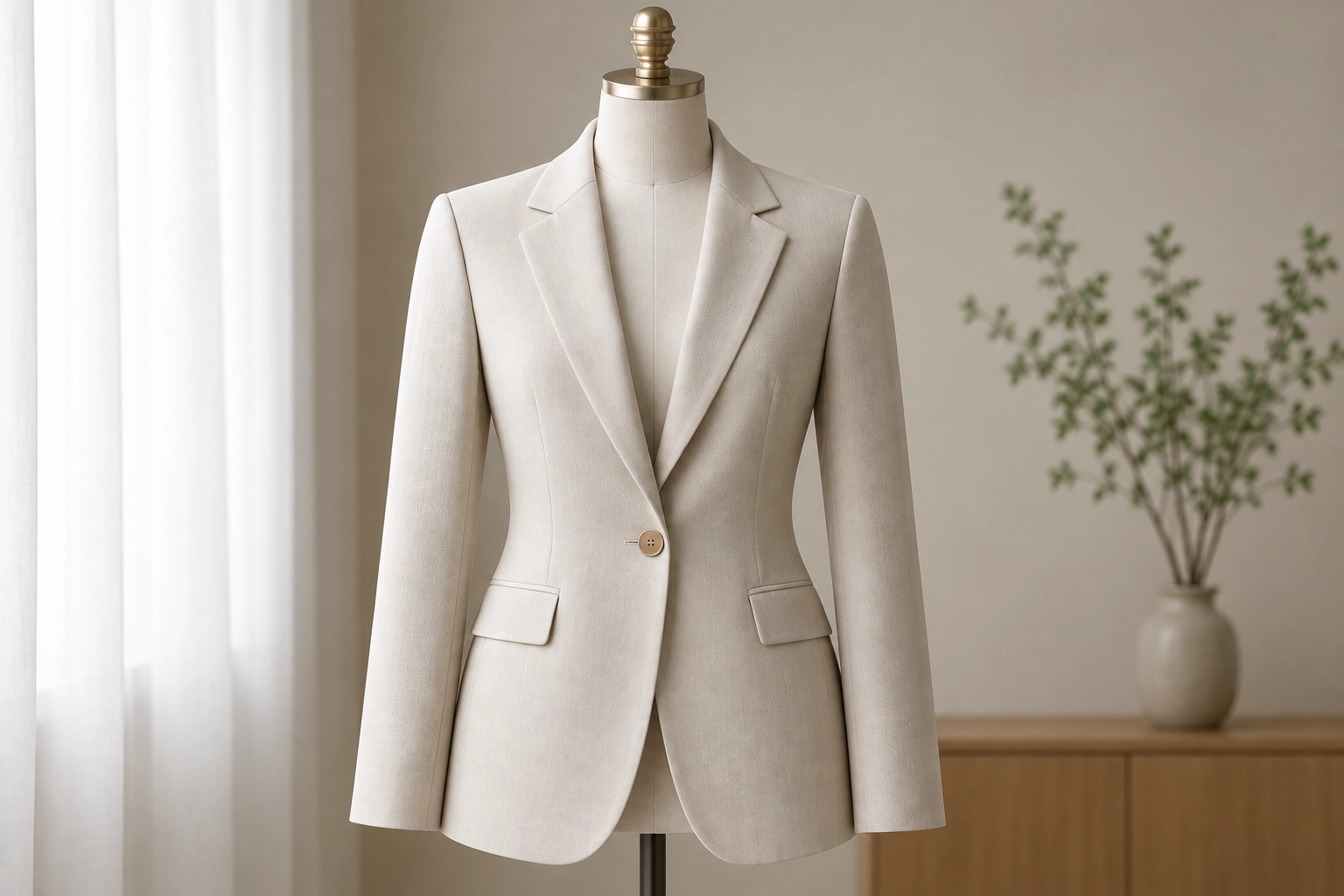
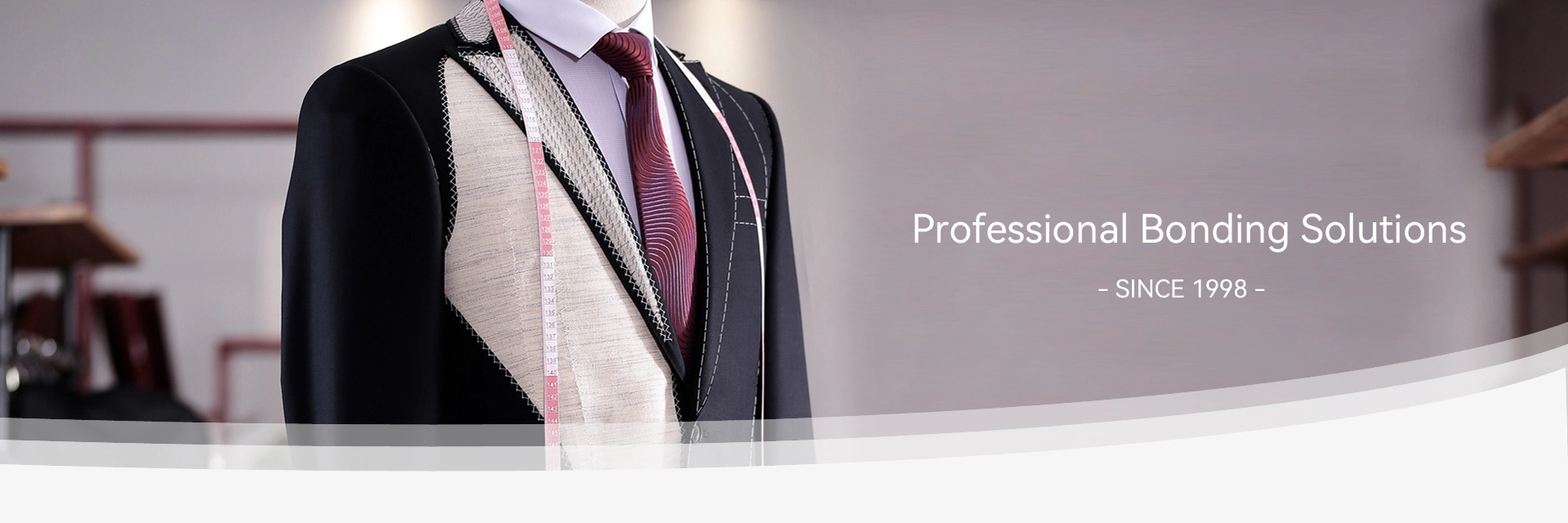
Lightweight suits cannot rely on stiff interlinings to prop up their silhouette. This article introduces interlining approaches for the front panels, lapels, front placket, and button stands, and explains how to select interlining for stretch fabrics, so as to help the finished garment remain smooth and shapely while avoiding stiffness or noticeable thickening after fusing.
Targeting the Middle Eastern market for women's sportswear – what to focus on when selecting interlinings
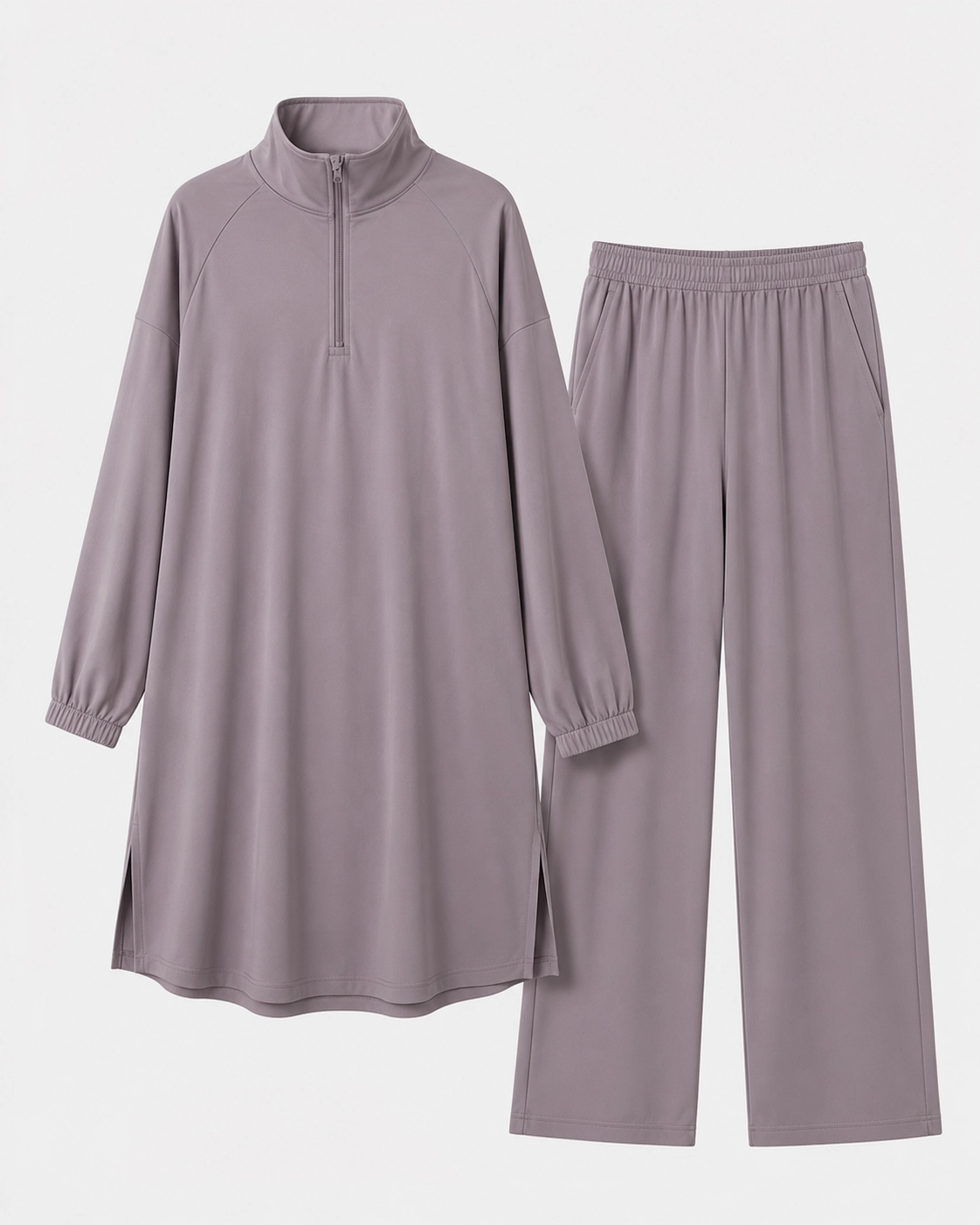
For Middle Eastern women's sportswear, interlining selection must be differentiated by garment area: use elastic knit interlining for the placket to prevent waviness; reinforce collars and hood openings locally; apply interlining only at stress points for pocket openings, and avoid using the same interlining for the entire garment. If the placket still waves, switch to a slightly more stable interlining; if it is too stiff, switch to a thinner, softer interlining. Be sure to make component samples for verification before finalizing bulk production.