






Analysis of Sportswear Fabric Development: How High-Elasticity Materials Achieve Extreme Stretch and Stable Support?
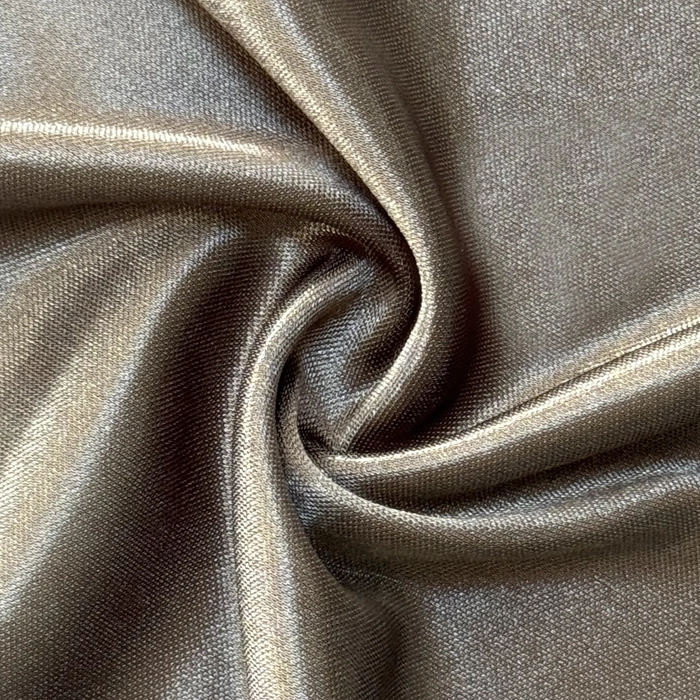
In the fiercely competitive sportswear market, the core demand is shifting from mere "comfort and wearability" to "high-end shaping." A good yoga suit or high-impact sports bra must not only accommodate large limb movements but also maintain a snug fit and excellent shaping after repeated stretching. How to find the optimal balance between extreme elongation and structural stability is a challenge that garment enterprises must address during the development phase.China Shenghong Yoga Interlining Manufacturer
I. Shift in Core Metrics: From "Elongation" to "Tensile Recovery Rate"
When selecting fabrics, elongation determines the wearer's freedom of movement, but the "tensile recovery rate" is the absolute core indicator of a garment's shape retention. If a fabric suffers fiber fatigue after repeated stress, problems such as knee bagging or loose waistbands can easily occur.
Development Strategy: In the early planning stages, it is recommended to make the fabric's "tensile recovery rate" the primary evaluation criterion. For items requiring strong support and compression, a high recovery rate provides sustained tightening force, effectively reducing muscle vibration during exercise and enhancing the wearer's professional experience.
II. Invisible Support System: Structured Application of High-Elasticity Knitted Interlinings
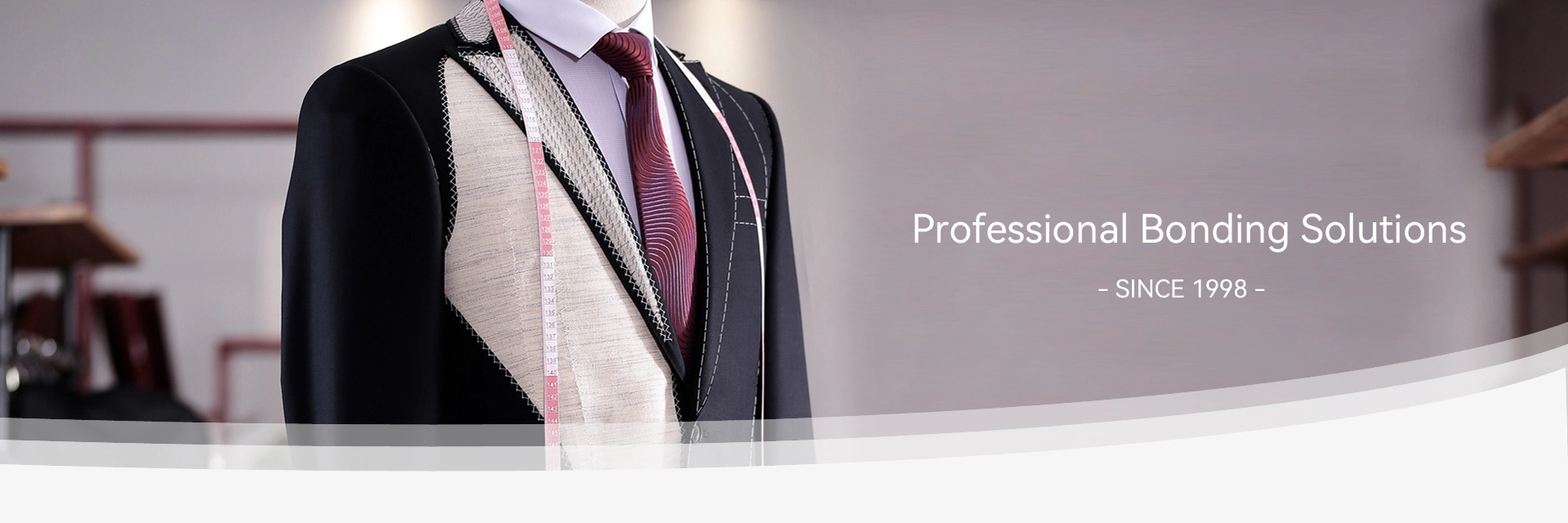
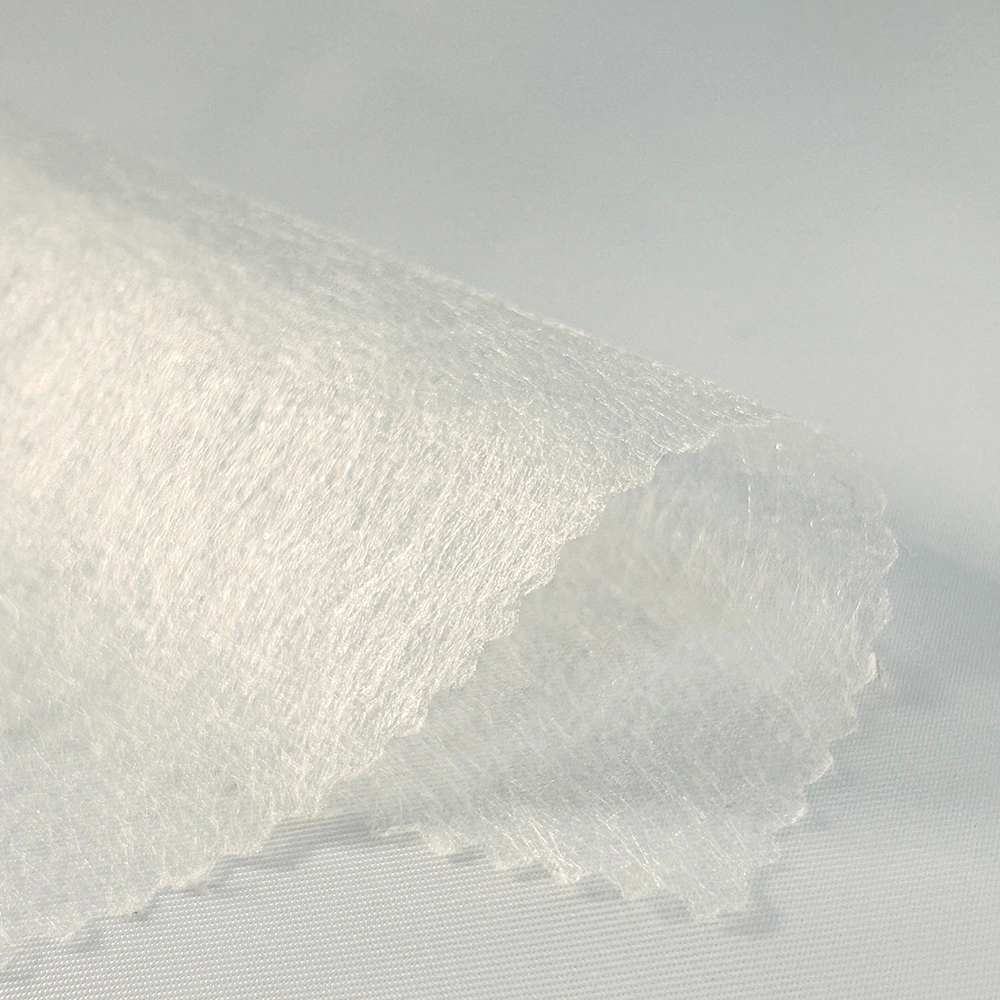
The inherent support of fabrics has physical limits. At key stress points such as waistbands, under-bust areas of bras, and zipper plackets, an "invisible skeleton"—elastic interlining—must be used for targeted support.
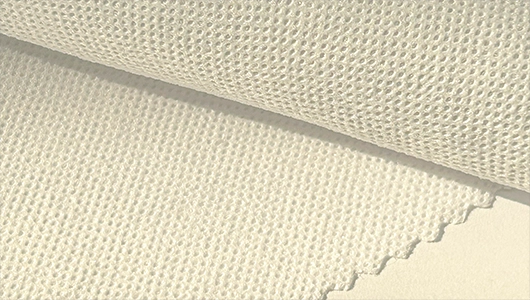
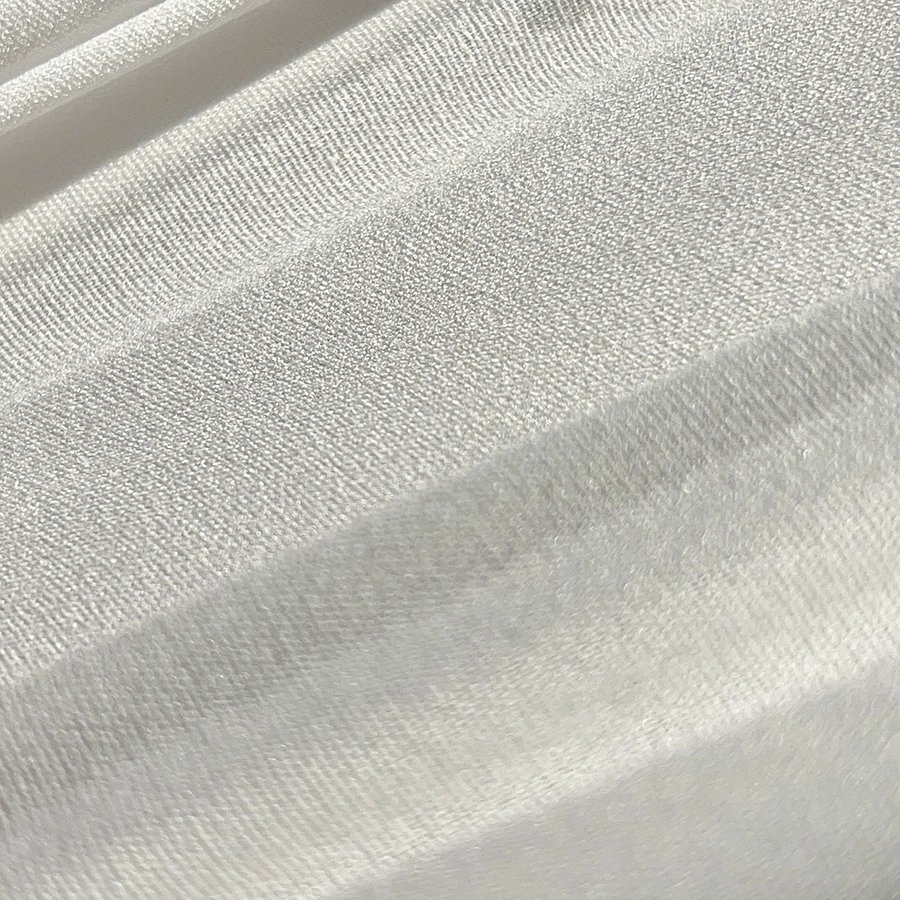
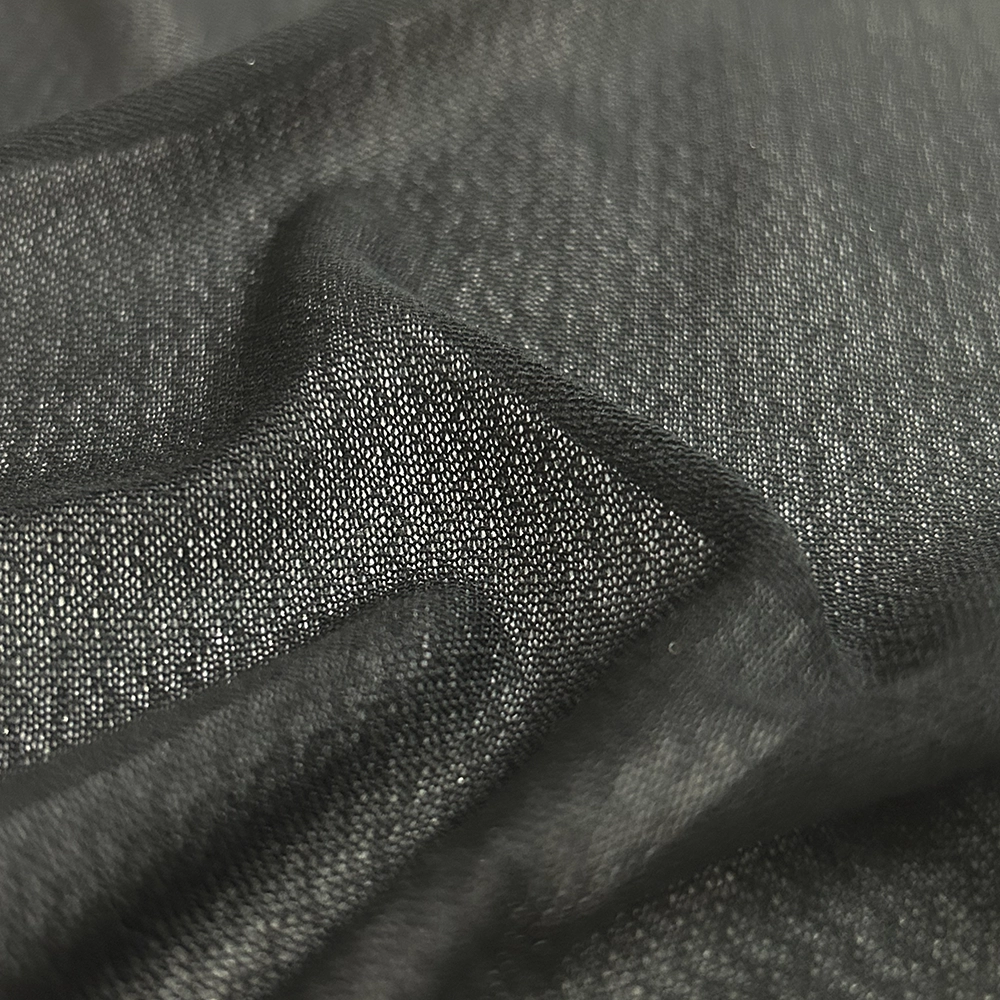
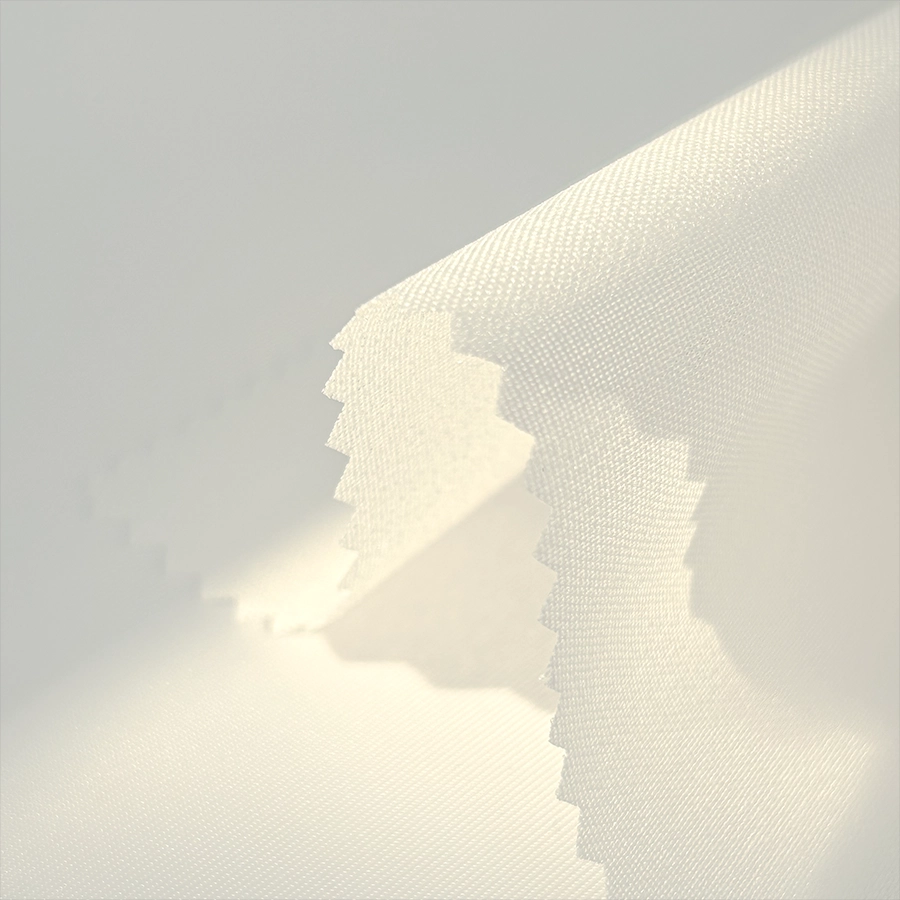
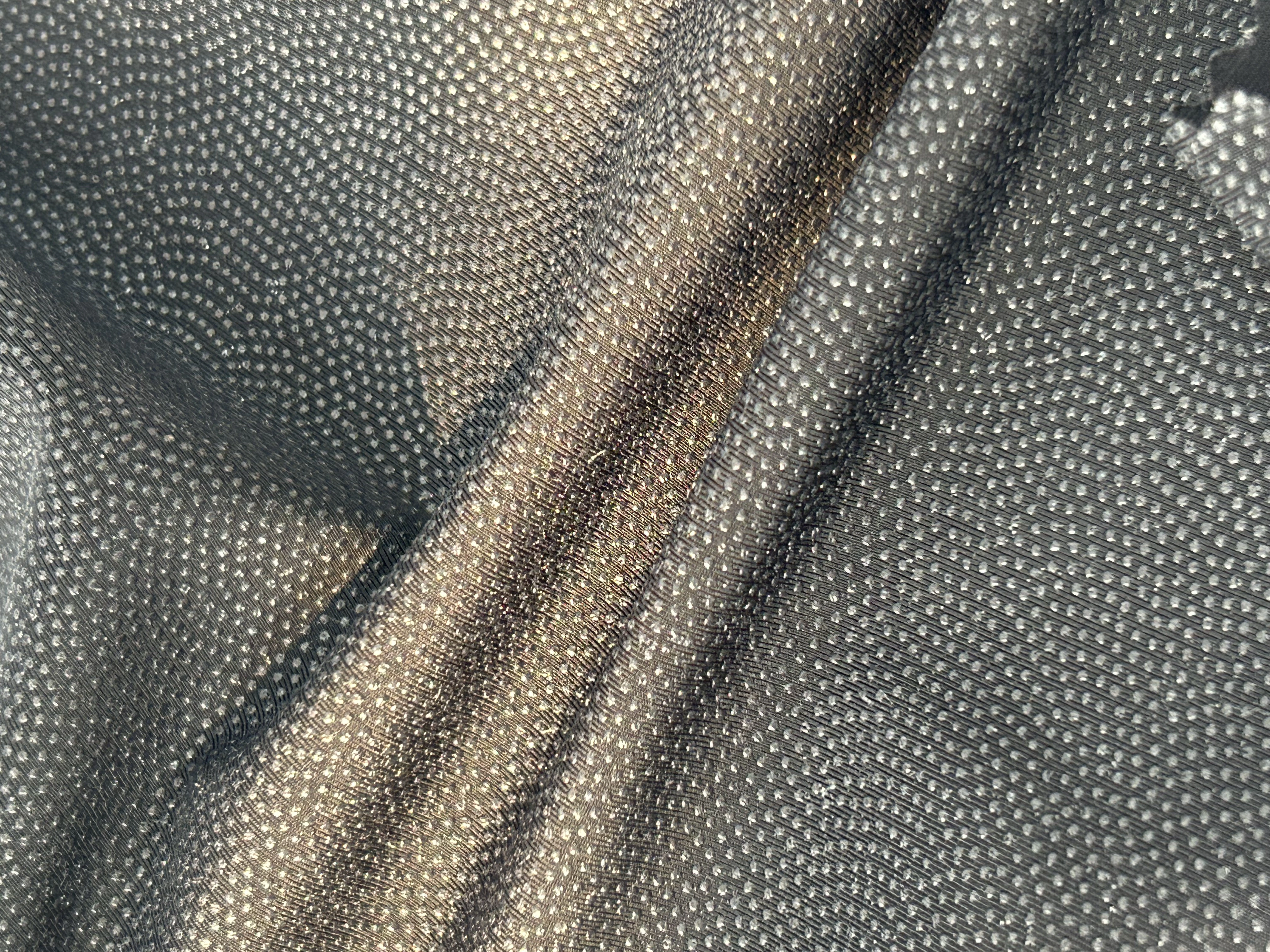
Comparison and Selection: Using ordinary non-woven or non-elastic woven interlinings often disrupts the soft hand feel of high-elasticity fabrics, leading to localized stiffness, bubbling, or delamination. The correct solution is to match with high-quality high-elasticity warp-knitted interlinings (offering excellent two-way recovery).
Effect Validation: Based on extensive garment testing feedback, in high-waisted yoga pants that are prone to curling, incorporating warp-knitted interlinings with superior recovery not only securely locks the waistline and enhances shaping control but also perfectly adapts to the stretch direction of the main fabric, achieving a truly premium smooth finish and seamless visual effect.
III. Synchronized Matching of Sewing and Processing Techniques
The performance of the fabric and interlining requires precise processing as a foundation. The stretch at the seams must be synchronized with the fabric; otherwise, seam breakage is highly likely during intense exercise.
Process Recommendations: In addition to conventional high-elastic threads and four-needle six-thread flatlock seams, high-end sportswear is increasingly adopting seamless bonding technology. Using specific elastic adhesive tapes or dot-bonding processes instead of traditional sewing allows for more precise zoned force management, delivering a high-end aesthetic that perfectly aligns with minimalist design principles.China Shenghong Yoga Interlining Factory
Conclusion
The development of high-elasticity sportswear is a pursuit of extreme attention to detail. Only by combining high-recovery base fabrics, high-performance four-way stretch knitted interlinings for local support, and scientifically sound sewing techniques can sportswear achieve both dynamic performance and lasting shape retention.