







Application of Adhesive-Free Composite Floating Fabric in Summer Dresses and Pattern Making Suggestions
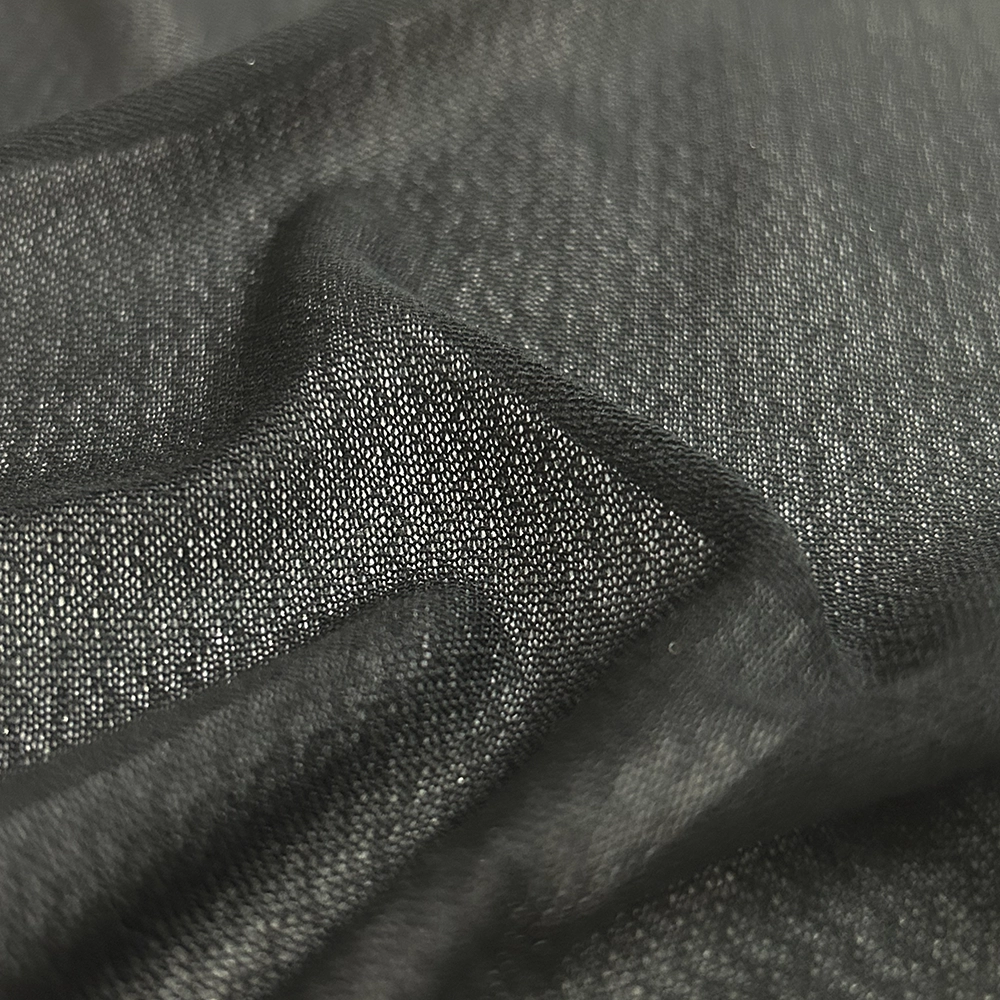
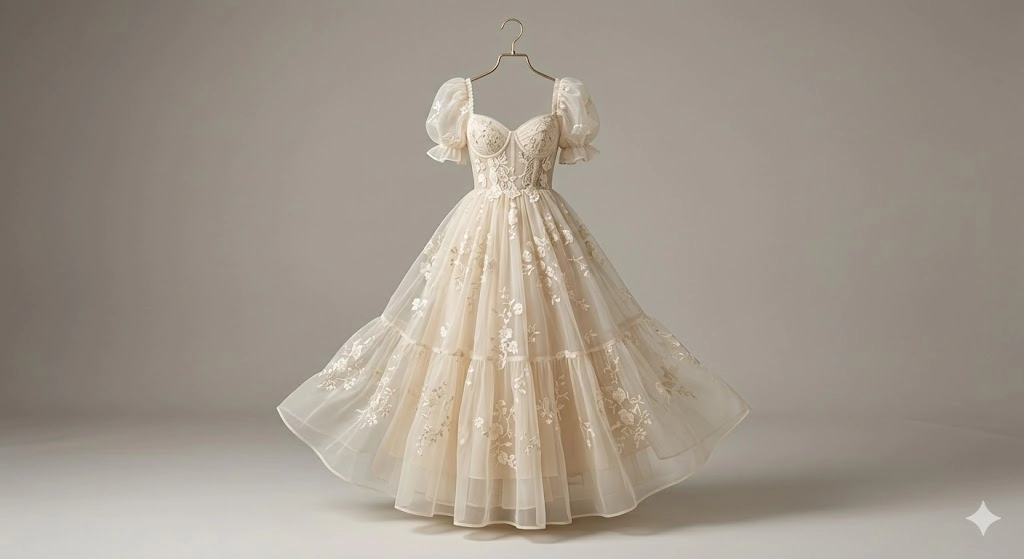
Every summer, the development focus for major apparel brands is on light, romantic "fairy dresses" and chiffon dresses. However, lightweight fabrics (such as chiffon and organza) often present a pain point in actual pattern making and production: a single layer is too sheer and risks indecency, while adding a separate lining adds weight to the garment and destroys its original lightness.China Shenghong Lightweight Interlining Factory
I. Restoring the fabric's natural hand feel and maintaining natural drape
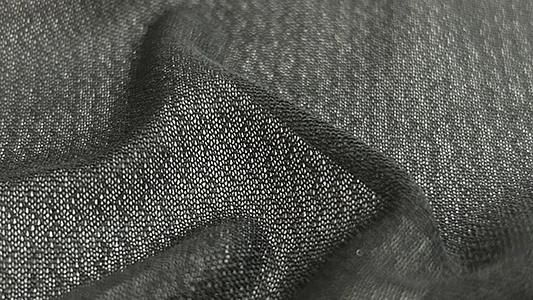
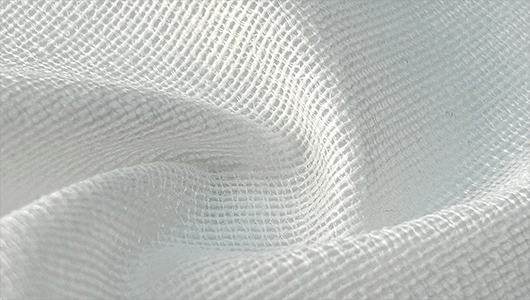
When dealing with the see‑through issue of mesh or lightweight fabrics, traditional adhesive‑based lamination can provide support, but the glue often alters the physical properties of the yarn, making the fabric stiff and thereby affecting the skirt’s fluidity. In summer dresses, this "stiffness" directly results in poor drape and a lack of rippling, water‑like movement when walking.
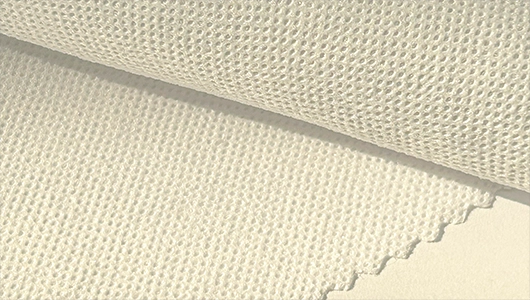
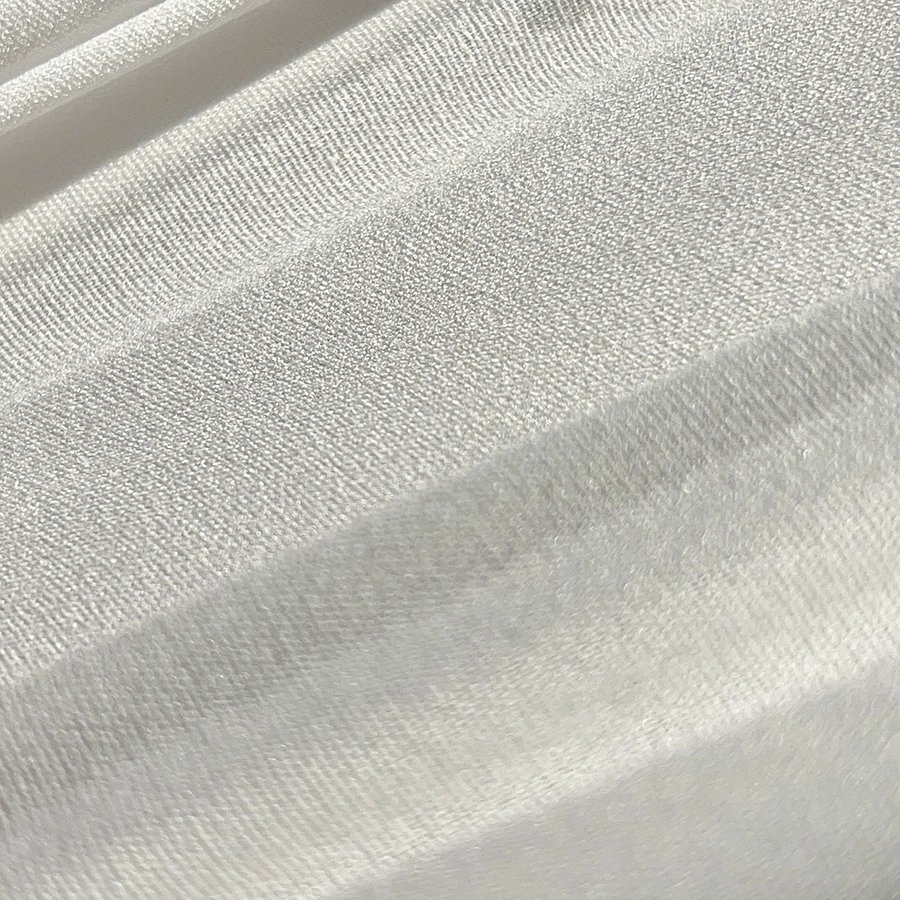
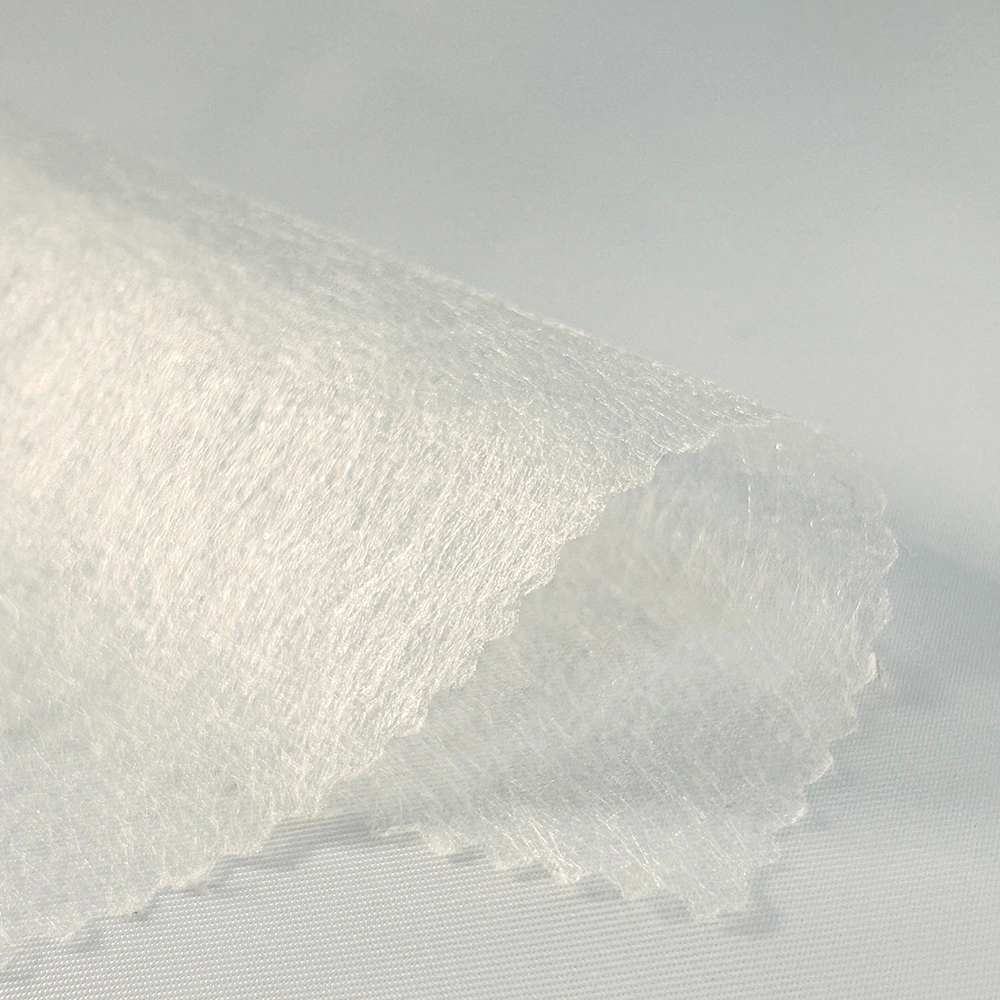
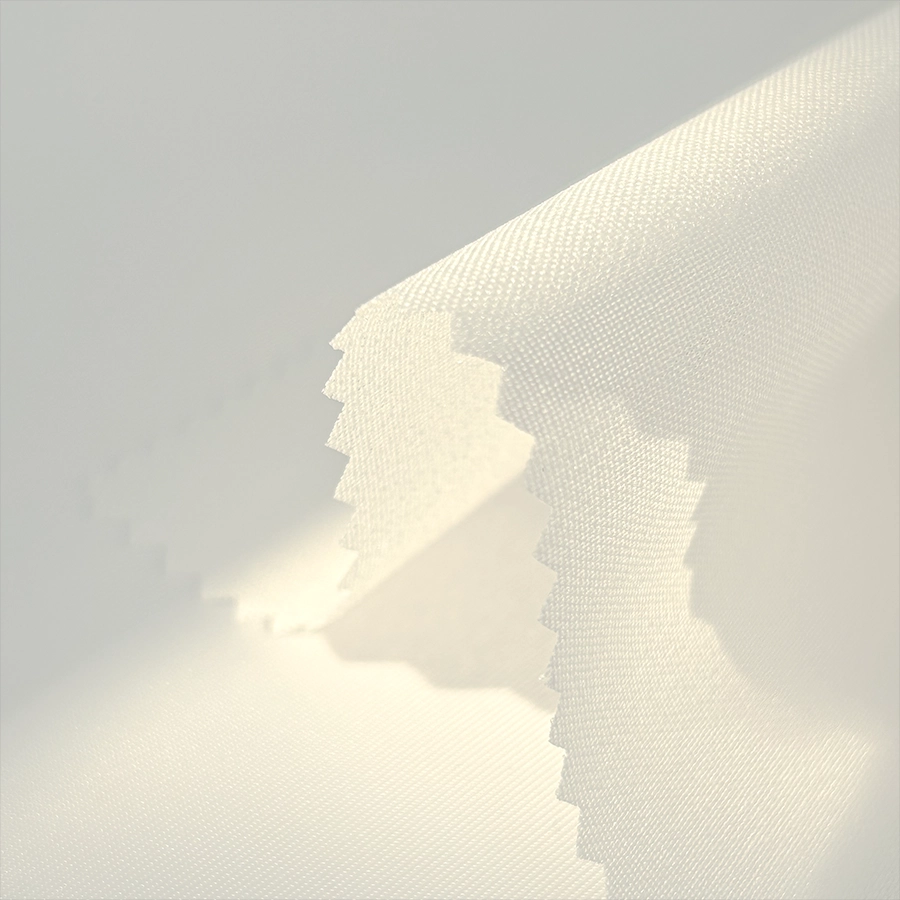
The core advantage of "adhesive‑free composite" lies in bonding the floating fabric to the base fabric without using additional chemical adhesives (achieved through physical methods such as hot‑melting with low‑melting‑point fibers). It preserves the original softness of the fabric to the greatest extent. When a breeze blows, the skirt hem displays a naturally smooth, dynamic effect. At the same time, the adhesive‑free process retains the fabric's micro‑porous structure, making it breathable and non‑stuffy, which better meets the comfort requirements of summer clothing.
II. Streamlining workshop processes to achieve cost reduction and efficiency improvement in finished garments
Beyond enhancing fabric hand feel, adhesive‑free composite floating fabric also brings significant production efficiency gains for apparel factories in bulk production.
In traditional fairy dress construction, workers need to sew the outer sheer layer and the inner anti‑see‑through lining separately; the process is cumbersome and prone to uneven sewing (bubbling, puckering) between the inner and outer layers. With adhesive‑free composite floating fabric, the fabric already has its own built‑in base support, allowing pattern makers to treat it as a single‑layer structure when drafting patterns. This directly reduces the number of sewing layers on the production line, greatly streamlining manufacturing steps — lowering labor costs while effectively controlling the finished garment's overall weight.
III. Base fabric pairing suggestion: a high cost‑performance, skin‑friendly solution
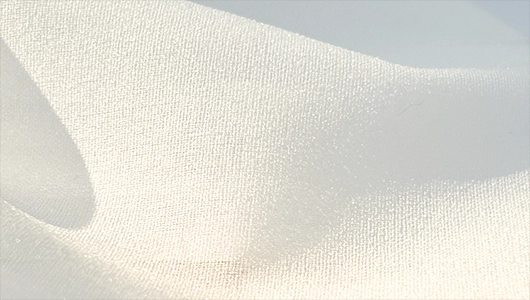
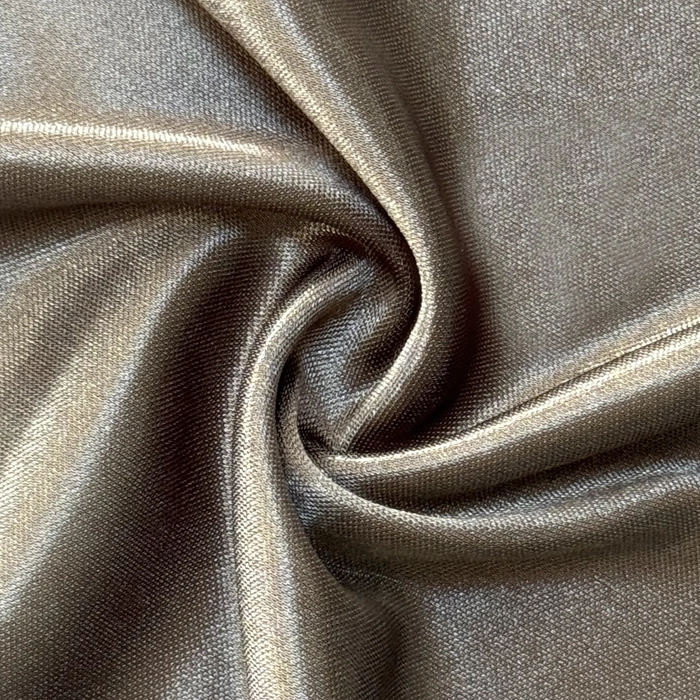
The effect of adhesive‑free composite largely depends on the choice of base fabric. For summer dresses that prioritise a skin‑friendly feel and cost‑effectiveness, we generally recommend bonding the floating fabric with a "silk‑like lining" commonly used in the industry, using the adhesive‑free composite method.
From a raw material perspective, this "silk‑like lining" is actually 100% polyester, but through special finishing processes such as alkali reduction, it acquires a smooth hand feel comparable to real silk. Using it as the base fabric for adhesive‑free composite provides excellent anti‑see‑through performance and next‑to‑skin comfort; at the same time, its wrinkle resistance and easy‑care properties make it more suitable for everyday wear in the mass consumer market, making it a high‑quality choice for apparel companies to control development costs.
IV. Practical pattern making suggestions for pattern makers
Based on the characteristics of adhesive‑free composite floating fabric, pattern makers may consider the following practical points:
-
Simplify structural treatment: Since the composite fabric already has built‑in lining support, it can be treated directly as a single‑layer fabric when drafting patterns, eliminating the need to reserve extra seam allowances or subdivisions for a separate lining.
-
Reduce unnecessary darts: The composite fabric already has a certain degree of structural stability. Over‑dividing or adding darts may compromise the integrity and fluidity of the sheer layer. Instead, natural shaping techniques such as draped gathers or shirring are recommended over complex dart designs.
-
Pre‑production drape testing: Before bulk production, cut small samples to test the drape coefficient, confirming that the floating effect matches the design expectation, and to avoid variations in finished garment shape due to different batch weights of the base fabric.China Shenghong Lightweight Interlining Manufacturer
Conclusion
In the development of lightweight summer dresses, choosing the right lamination process affects not only the aesthetics of the finished garment but also production efficiency. Adhesive‑free composite floating fabric — with its physical advantages of softness, breathability, and simplified production steps — offers a more efficient fabric solution for apparel companies. Selecting the right material makes it easy to control production costs while ensuring quality.