







Summer Commuting Shirt Dress Development: How to Balance a Crisp Collar Band with Lightweight Fabric?
How to maintain the necessary crispness in key areas such as the collar band and placket while keeping the fabric lightweight and breathable? Traditional heavy interlinings not only affect wearing comfort in summer but also tend to mask the original texture of high-end fabrics.China Shenghong Chiffon Interlining Factory
I. Lightweight Support: Balancing Texture and Comfort
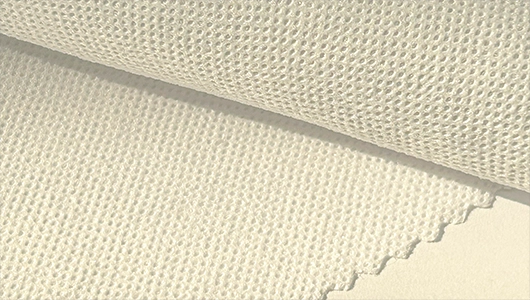
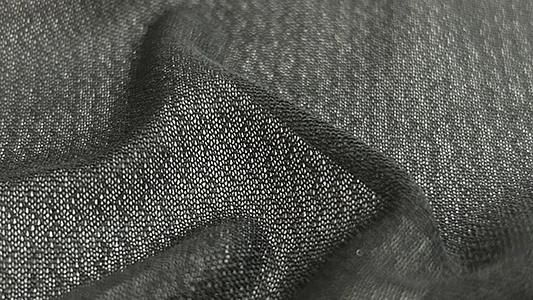
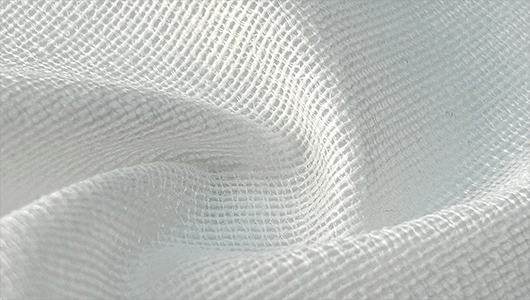
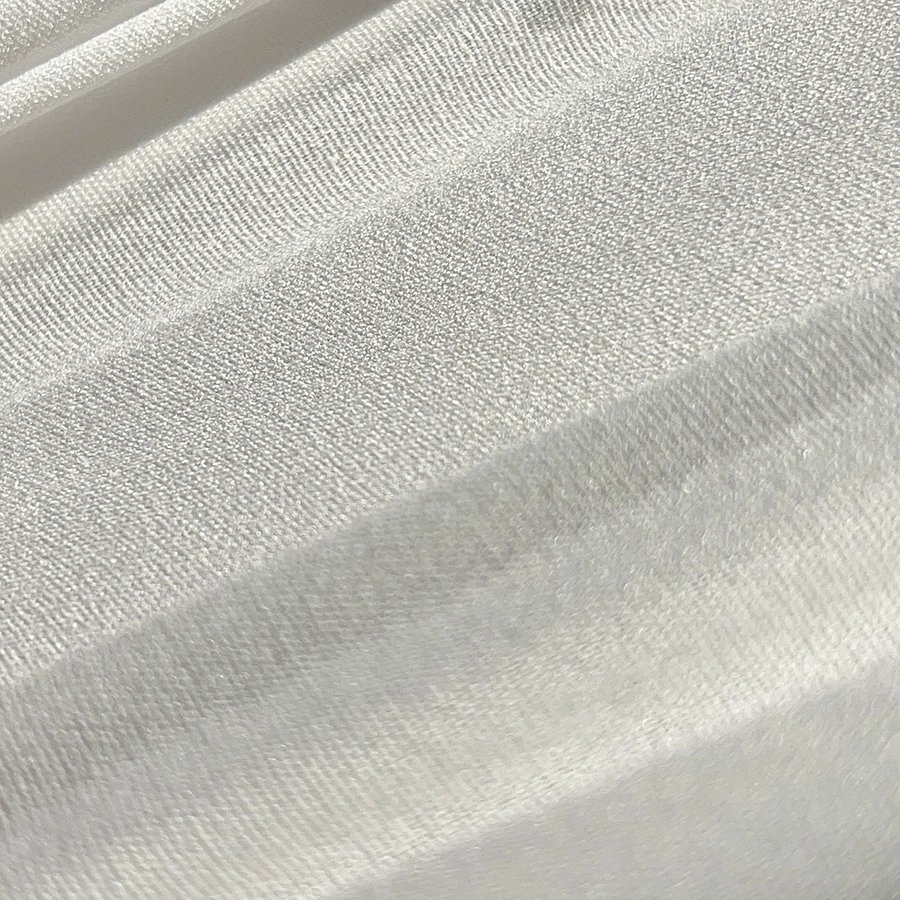
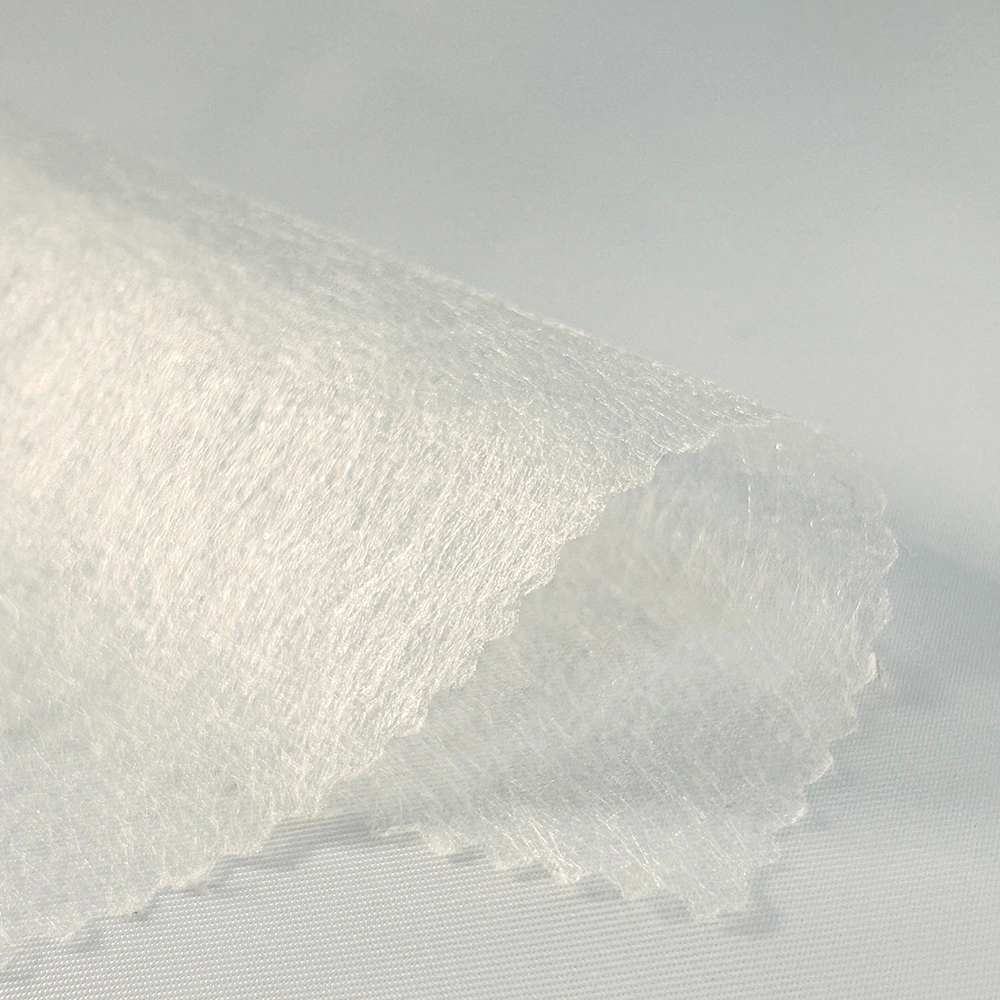
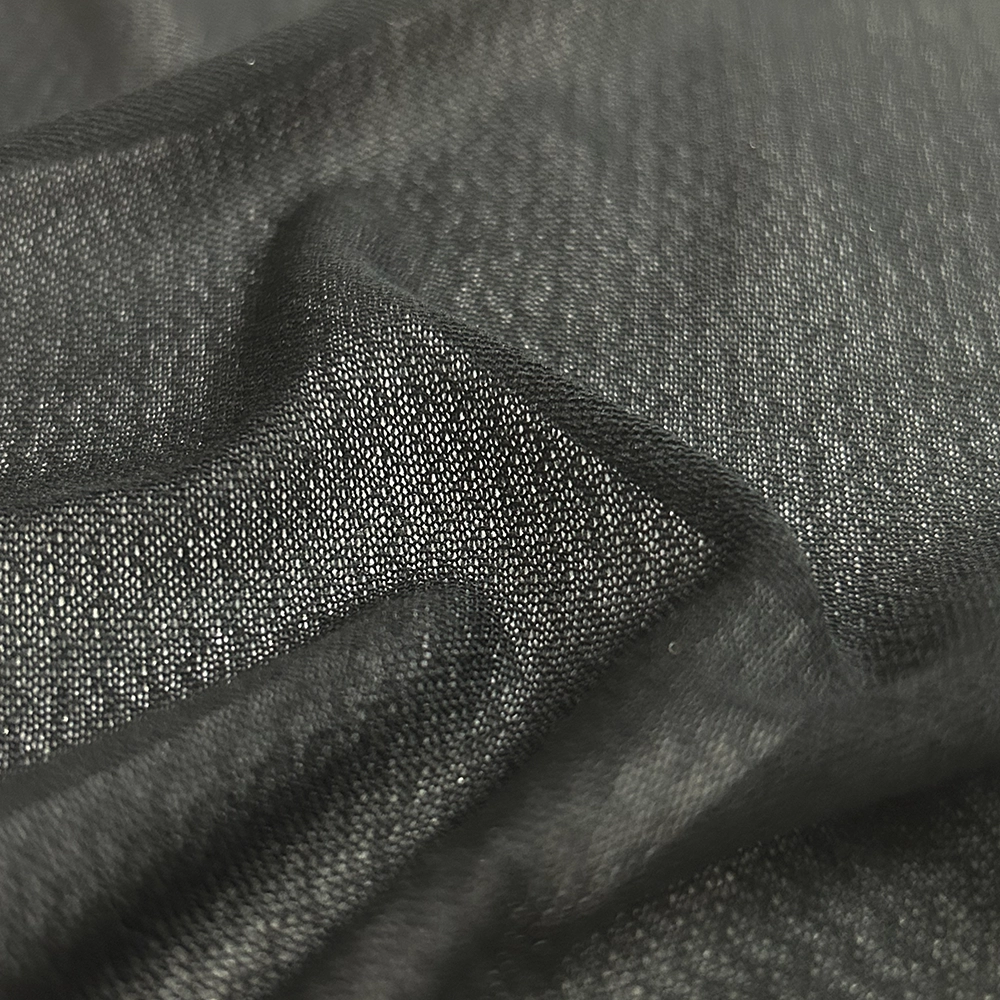
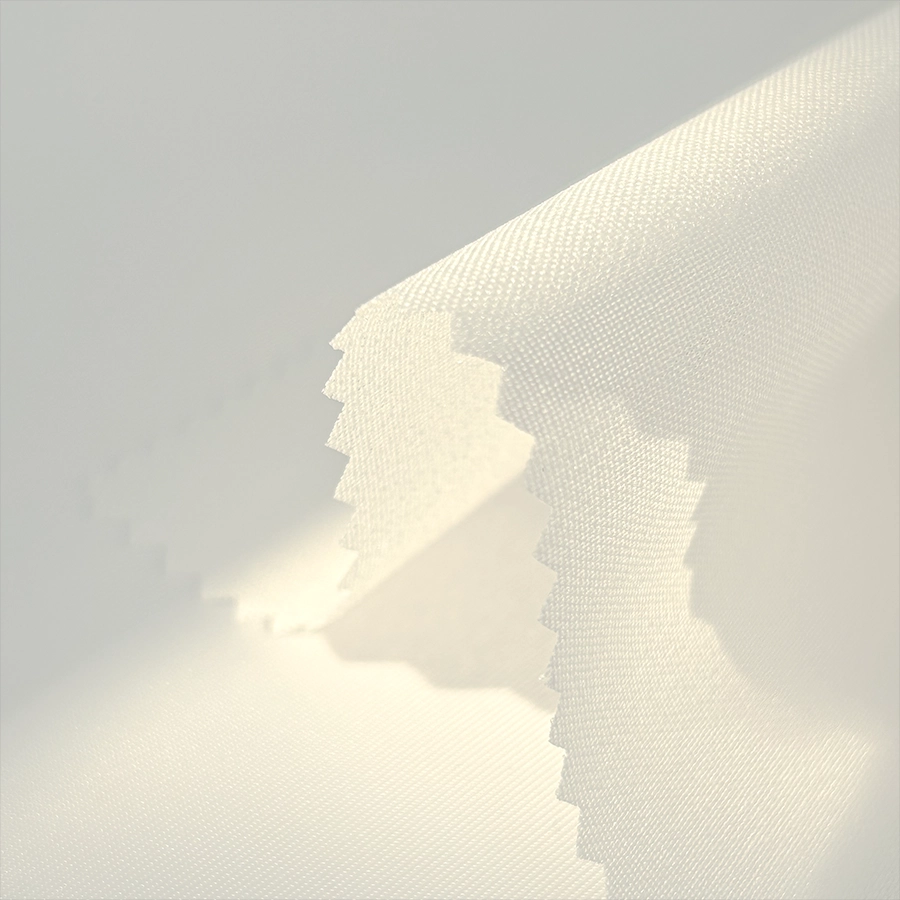
For summer fabrics, choosing the right interlining weight is key. Commonly used lightweight dot interlinings in the industry have a weight controlled at around 21g/m² or 28g/m². Such interlinings provide necessary support while maintaining fabric breathability. After garment sewing, the collar exhibits a natural crisp resilience – it retains a "structured" silhouette without losing the relaxed feel expected of summer clothing. Properly controlling the interlining weight helps avoid a stiff collar or noticeable foreign body sensation.
II. Adapting to Special Fabrics: Avoiding Glue Bleeding While Maintaining Drape
Fabrics such as high-count chiffon and real silk have lower yarn density and larger fiber gaps. When subjected to heat during pressing, interlining glue may bleed through to the face side, causing "glue bleeding." For such delicate fabrics, conventional interlining solutions often fail to ensure a clean surface finish.
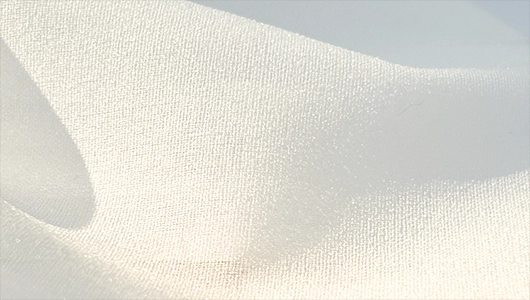
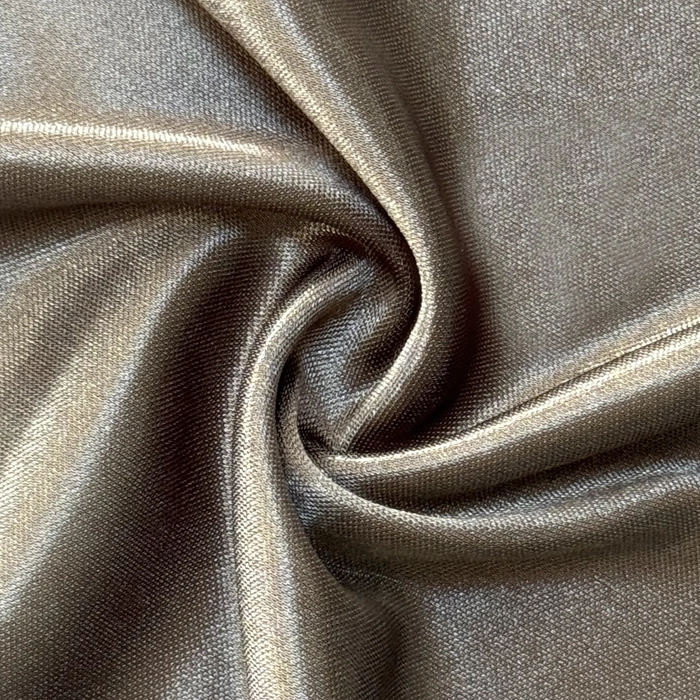
In high-end ready-to-wear development, a special "silk-specific interlining" is typically chosen. These quality interlinings are made of 100% polyester fibers that have undergone a special softening process. The stable polyester fibers effectively control the shape and prevent glue penetration, while their soft handfeel matches the delicate nature of silk, helping to preserve the fabric's natural luster and good drape.
III. Long-term Flatness Management: Consistent Shrinkage and Wash Performance
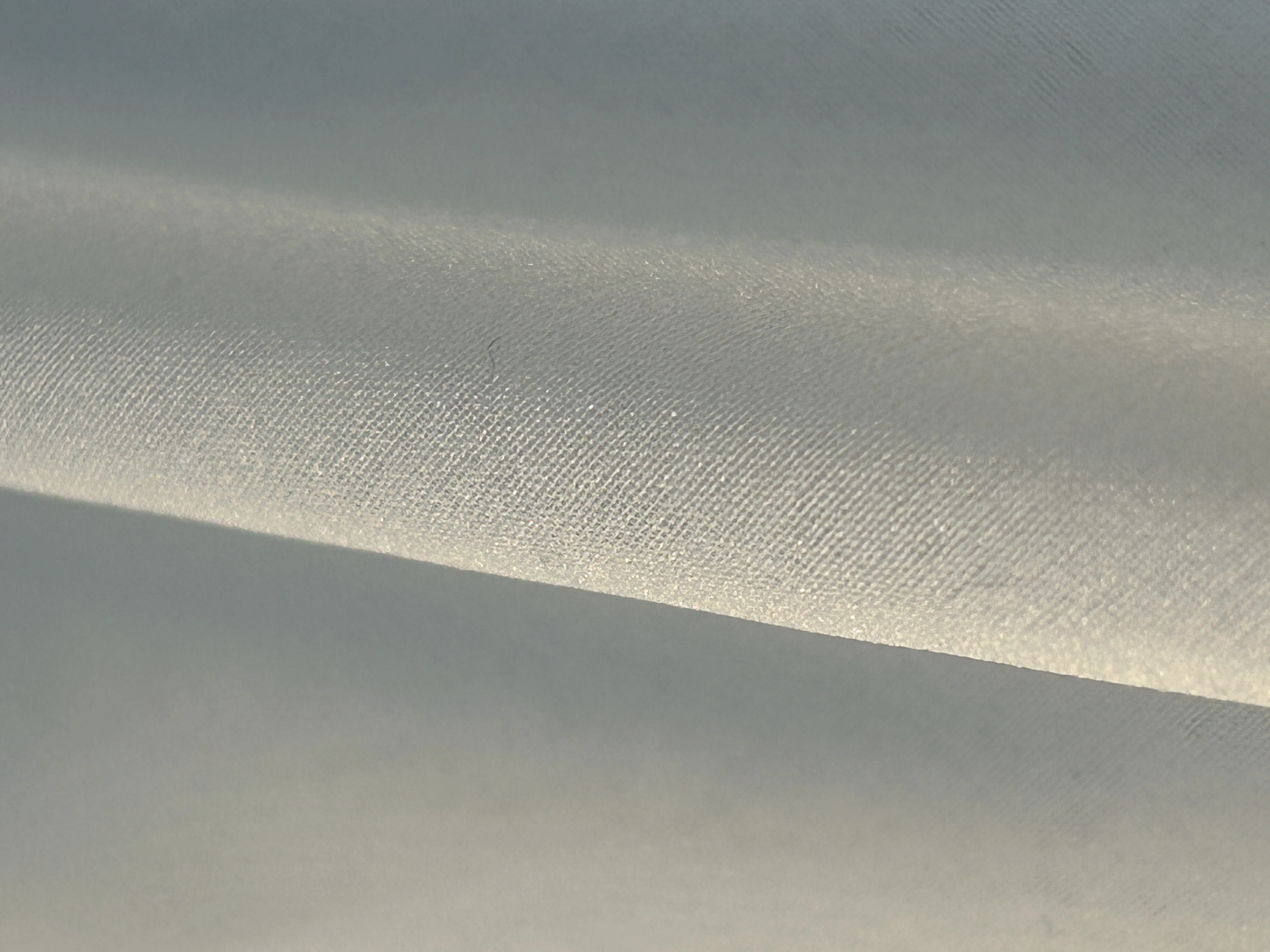
After multiple washes, the placket or collar band may sometimes develop local wrinkling or bubbling. This is usually due to a difference in shrinkage rates between the fabric and the interlining, creating uneven shrinkage stress after washing.
During the pattern-making and testing phase, the wash durability of the trims should be evaluated. Beyond ensuring initial pressing flatness, it is equally important to match the shrinkage rates of fabric and interlining. Properly matching their physical parameters effectively reduces the risk of post-wash deformation, maintains long-lasting flat appearance of the garment, and thus enhances the end-user wearing experience.China shenghong interlining manufacturer
Conclusion
As a hidden auxiliary material, interlining plays an important role in the micro-silhouette and long-term shape retention of garments. By scientifically evaluating the weight, material characteristics, and wash parameters of interlinings, development teams can better control bulk production quality in the early stage, delivering summer garments that combine aesthetic appeal with wearability.