




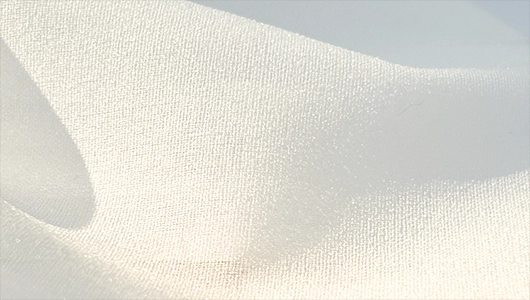
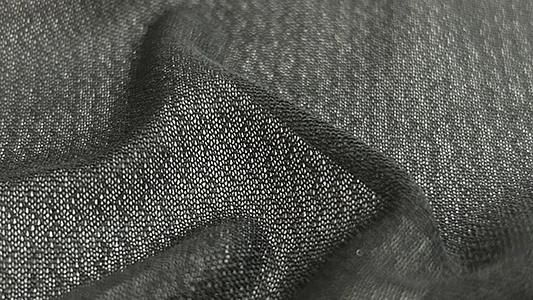
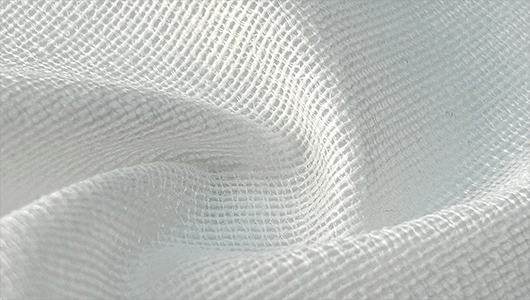
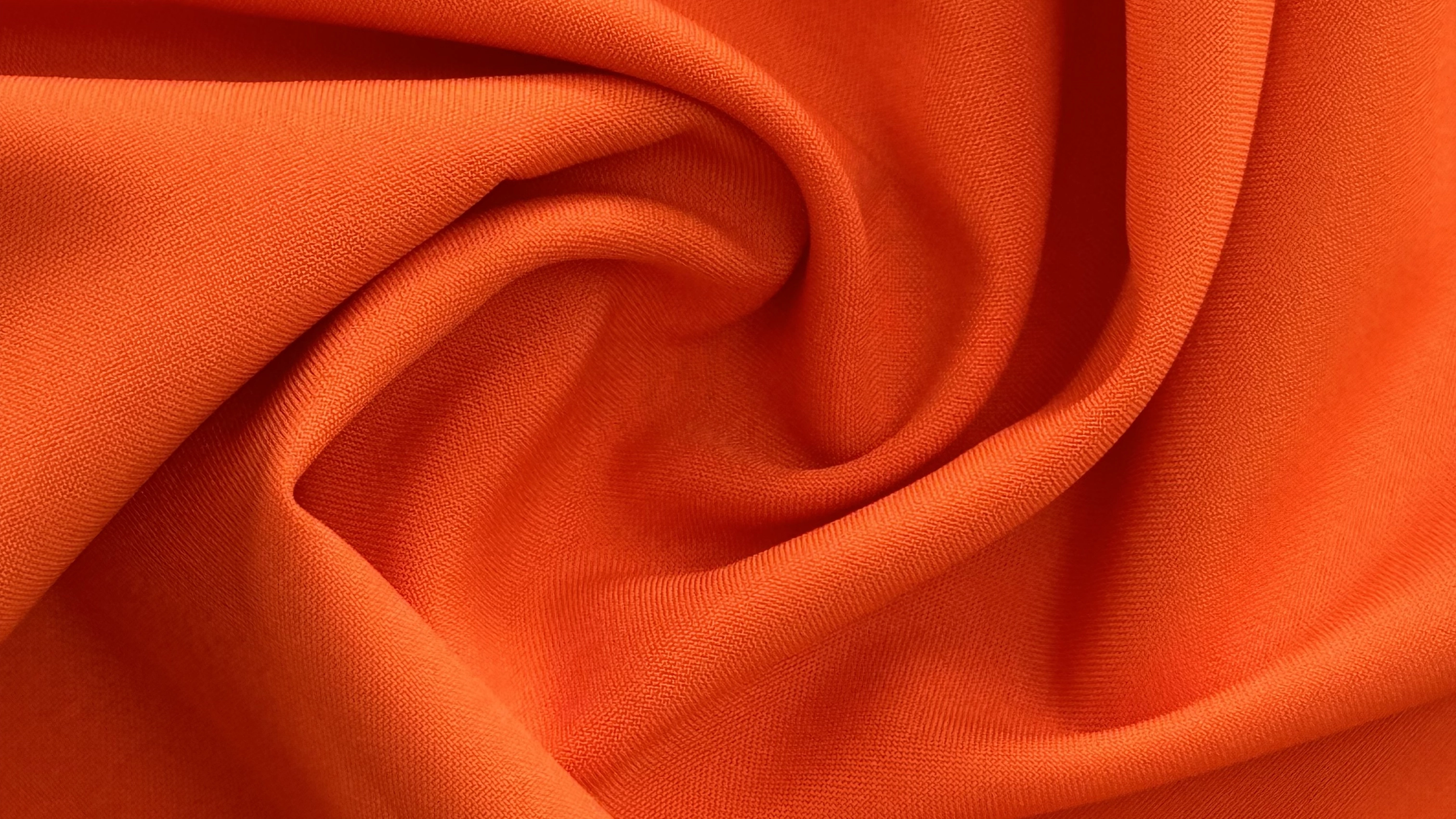


Say Goodbye to "Show-Through" Embarrassment! How Lightweight Colored Linings Elevate the Premium Feel of Summer Styles?
Developing spring/summer collections is always challenging. In pursuit of an ethereal, cool visual effect, lightweight fabrics like silk, chiffon, and sheer materials take center stage. However, these fabrics often come with a fatal drawback – "show-through."
If traditional black and white standard linings are still used, they not only ruin the fabric's original color purity but also make the garment look stiff and cheap. How can you skillfully use lightweight colored linings to easily solve the show-through problem and instantly elevate the overall premium feel of the garment?China Shenghong Color Interlining Factory
I. Why Do Your Spring/Summer New Arrivals Always Lack That "Premium Feel"?
Many garment developers find during sampling that a high-quality, light pink silk fabric with excellent color, once fused with a standard white lining, immediately becomes dull and less translucent at the collar or placket.
Comparison:
-
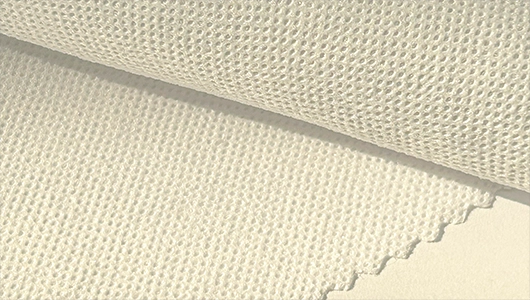
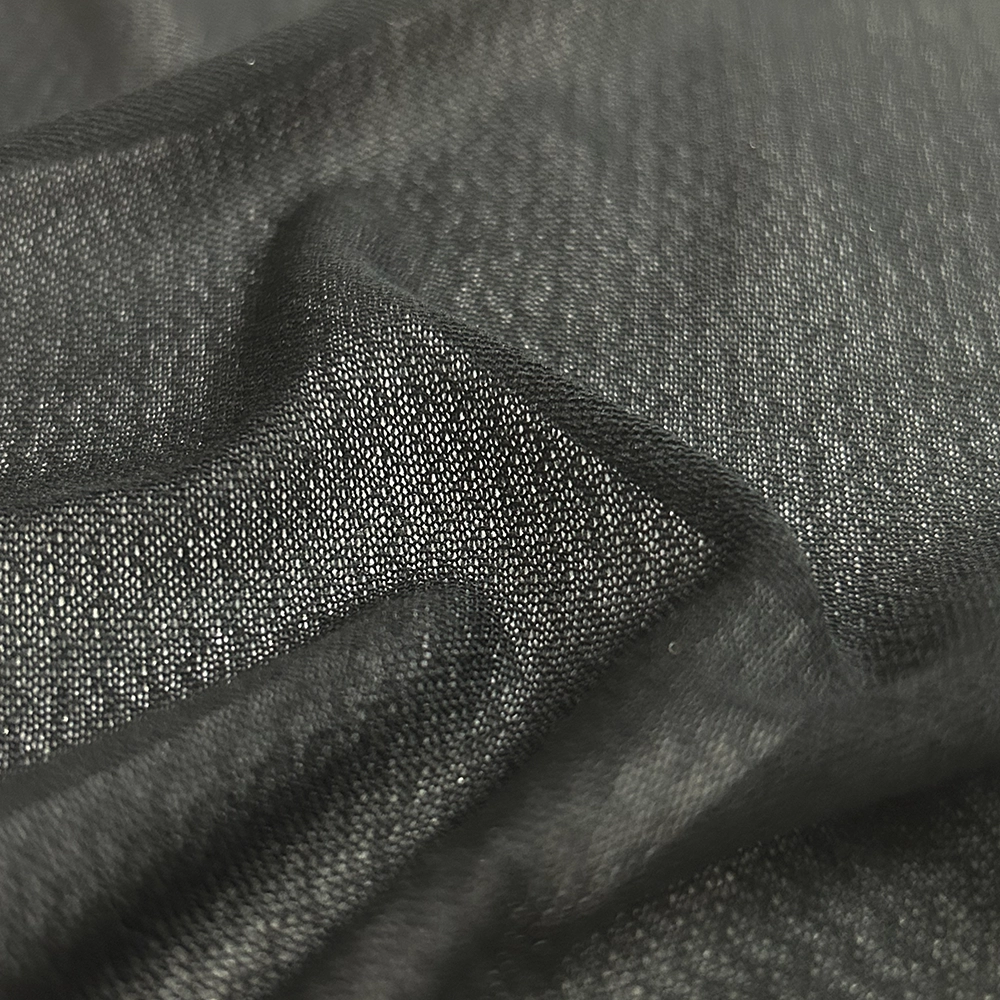
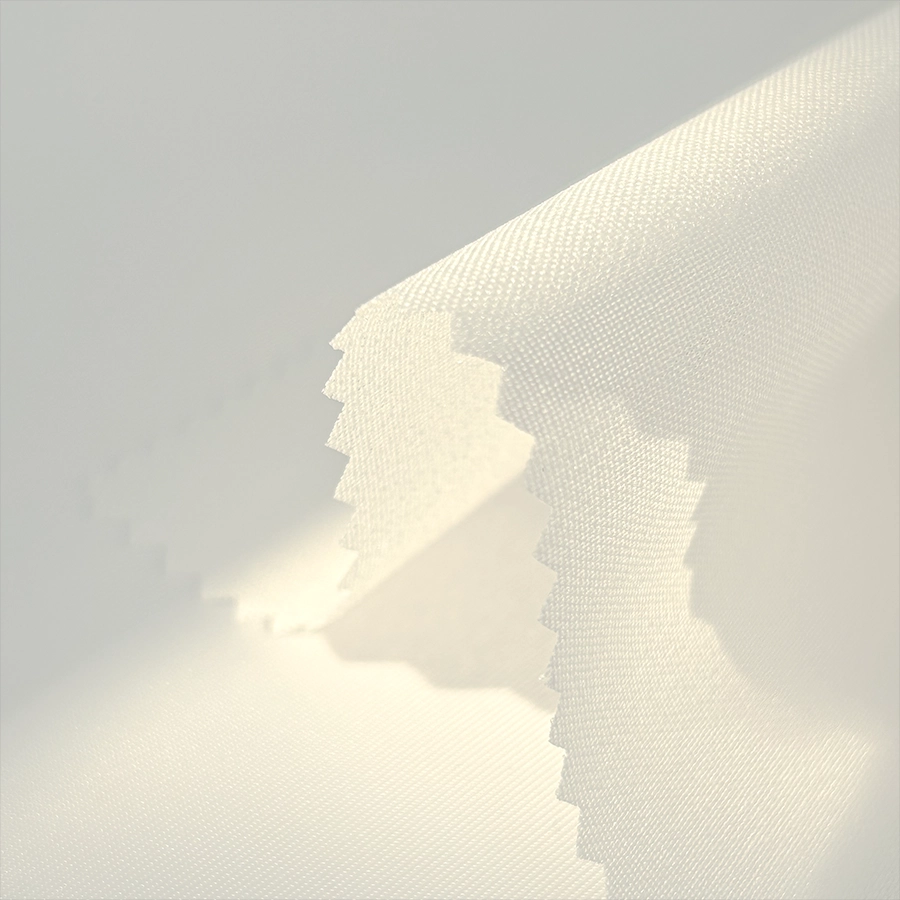
Using standard black/white linings: Through lightweight fabrics, white linings appear chalky, black linings appear gray, directly ruining the garment's visual consistency. Meanwhile, standard linings are often thicker and rob fabrics like silk of their signature "drape."
-
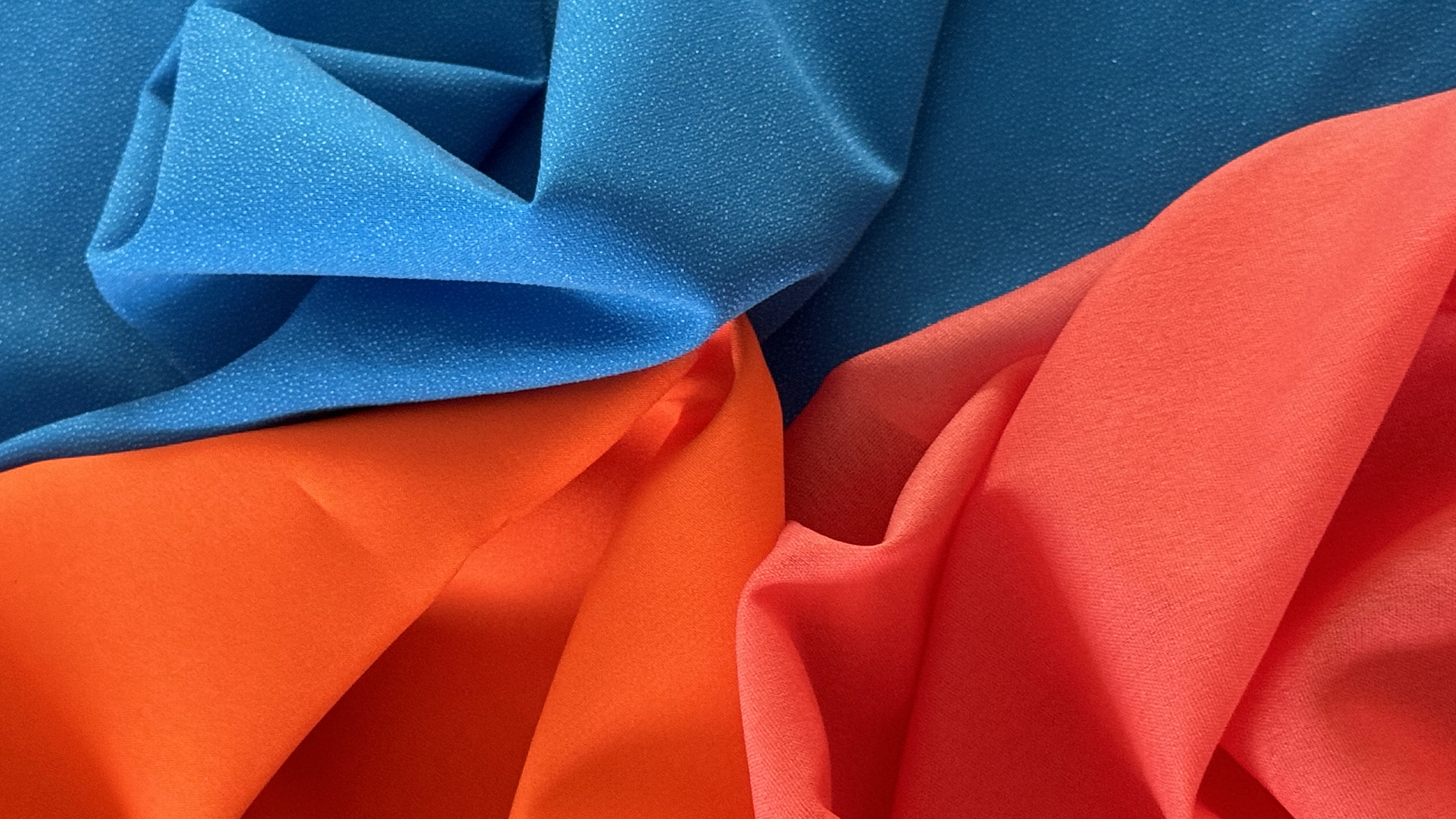
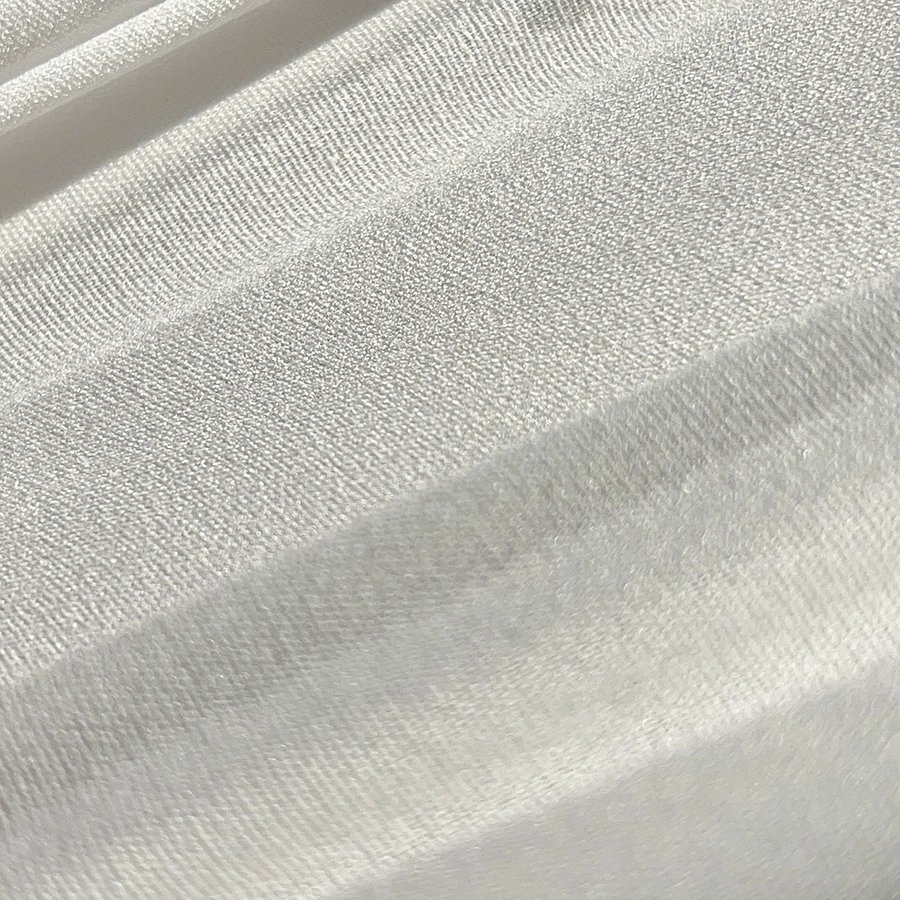
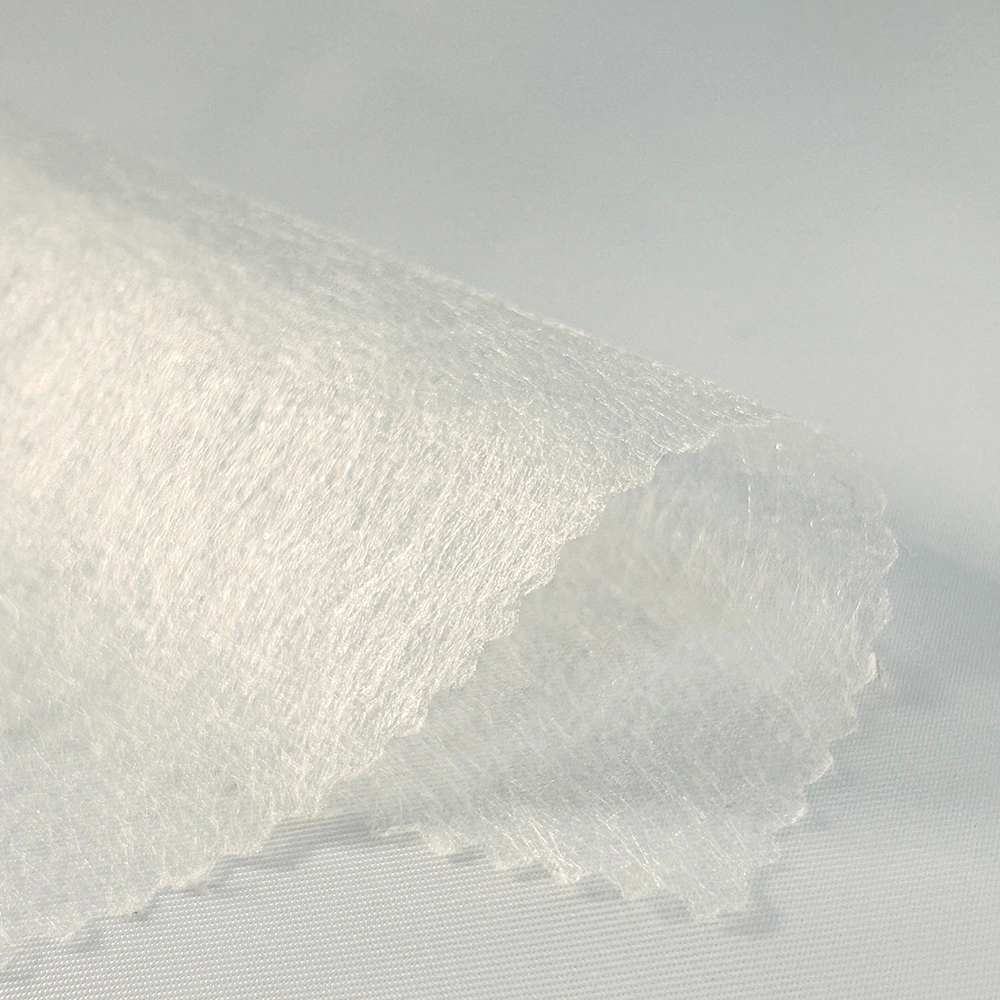
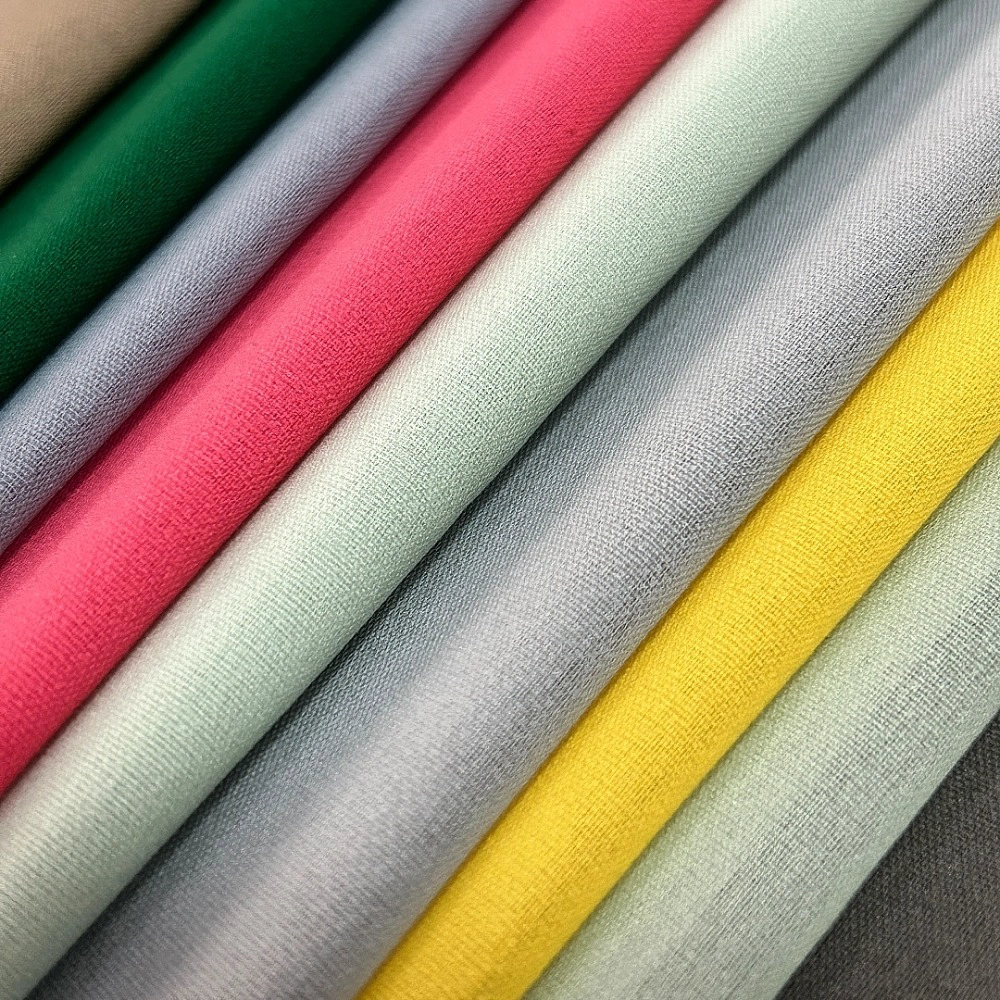
Using lightweight colored linings: They not only achieve a highly invisible color match with the fabric but also provide just the right amount of structural support. For example, choosing a lightweight polyester lining of around 20g (recommended with low-temperature glue, such as modified PA or TPU, to better suit the heat tolerance of silk and chiffon) preserves the fabric's soft, smooth hand feel while effectively avoiding bubbling or stiffening.
II. How Can Garment Companies Make Good Use of Lightweight Colored Linings? (Practical Strategies)
To ensure garment designs are perfectly executed, it is recommended that garment factories and designers master the following core strategies:
-
Follow the "slightly lighter than the base color" matching rule, but conduct sampling for highly transparent fabrics. When a 100% perfect color match is not available, it is generally advisable to choose a colored lining that is one shade lighter than the fabric color. However, for extremely sheer fabrics (e.g., silk crêpe georgette under 10mm), it is recommended that the color difference (ΔE) between the lining and the main fabric be ≤1.5, and a sample fusing test must be conducted to ensure the fabric's original visual effect is not altered.
-
Pay attention to the "match" between hand feel and fabric. The biggest taboo for lightweight fabrics is "stiffness." When selecting trims, don't just look at the color – test the hand feel. Ensure the softness of the lining matches that of the silk or chiffon. A good lightweight lining should be "structured yet invisible," preserving the fabric's original flow and elegance.
-
Conduct a fusing test before production. Lightweight fabrics are often very sensitive to temperature and pressure. Before mass production, ensure technicians conduct local fusing tests to confirm the appropriate temperature and time (special reminder: for protein fibers like silk, the fusing temperature should be controlled at 120–140°C) to avoid shrinkage, wrinkling, or bubbling caused by glue penetration or excessive heat. Also, when pairing light-colored silk with dark linings, be aware of potential dye sublimation migration issues during long-term storage.
III. Two Main Processes for Colored Linings and Selection Suggestions
Currently, lightweight colored linings on the market mainly fall into two categories:
-
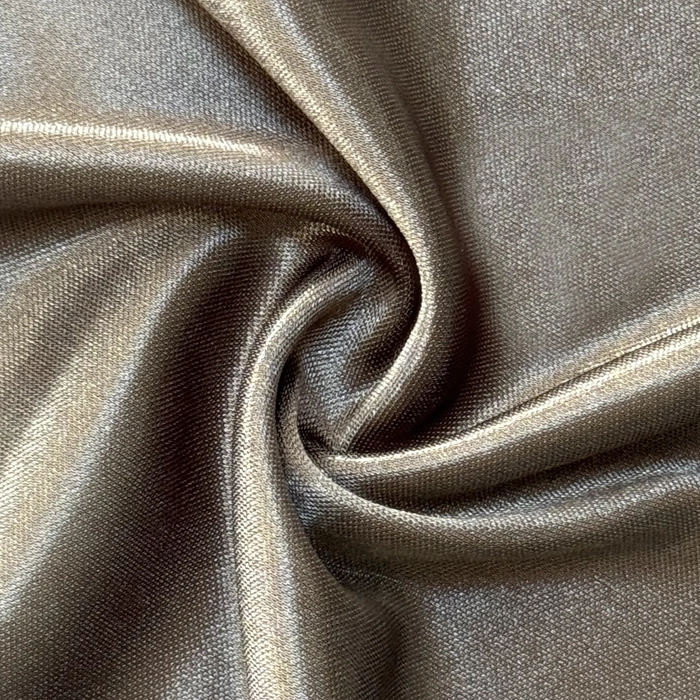
Yarn-dyed linings: The yarn is dyed before weaving, offering high color fastness, suitable for high-quality, light-colored, or brightly colored lightweight fabrics.
-
Piece-dyed linings: The finished fabric is dyed, resulting in lower cost, but attention should be paid to the risk of color migration. It is recommended to ask suppliers for color fastness test reports when purchasing.China Shenghong Color Interlining Manufacturer
Conclusion
In today's increasingly competitive garment industry, success often comes down to details. Lightweight colored linings may seem like an insignificant apparel accessory, but they directly determine the finished garment's quality and market competitiveness.