







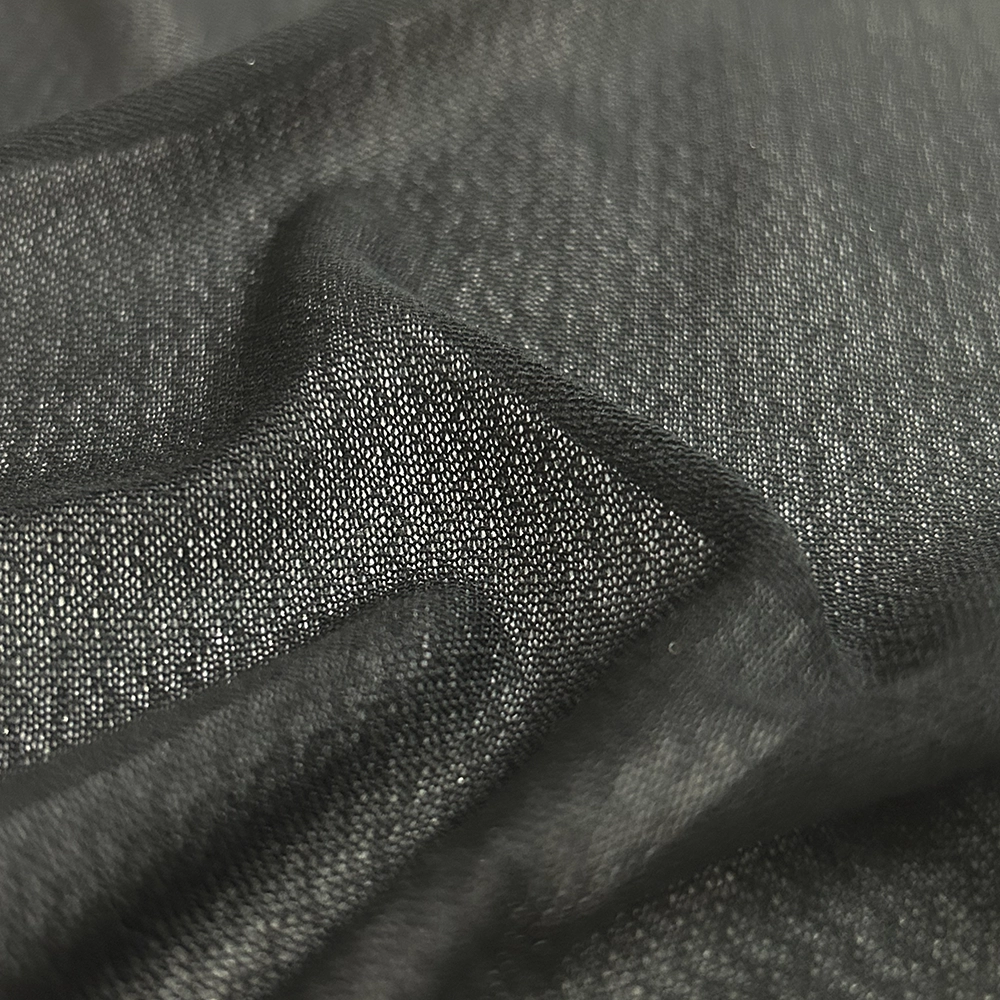
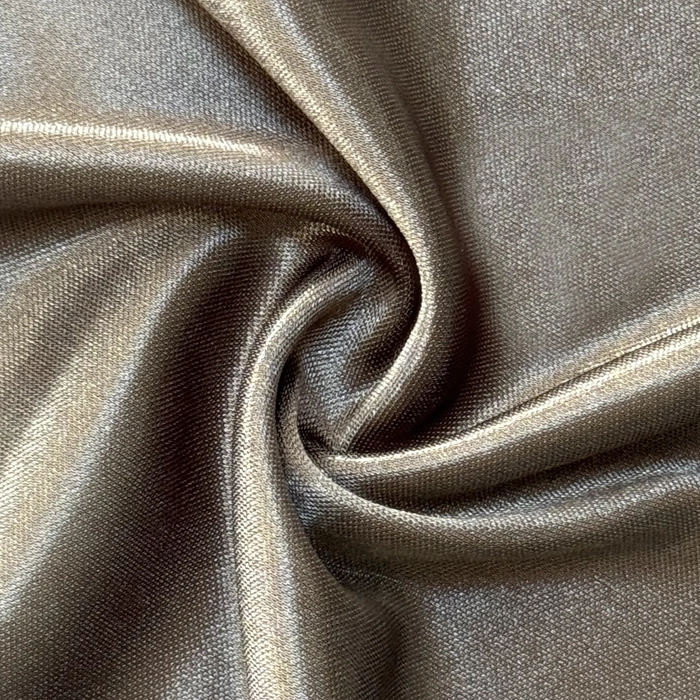
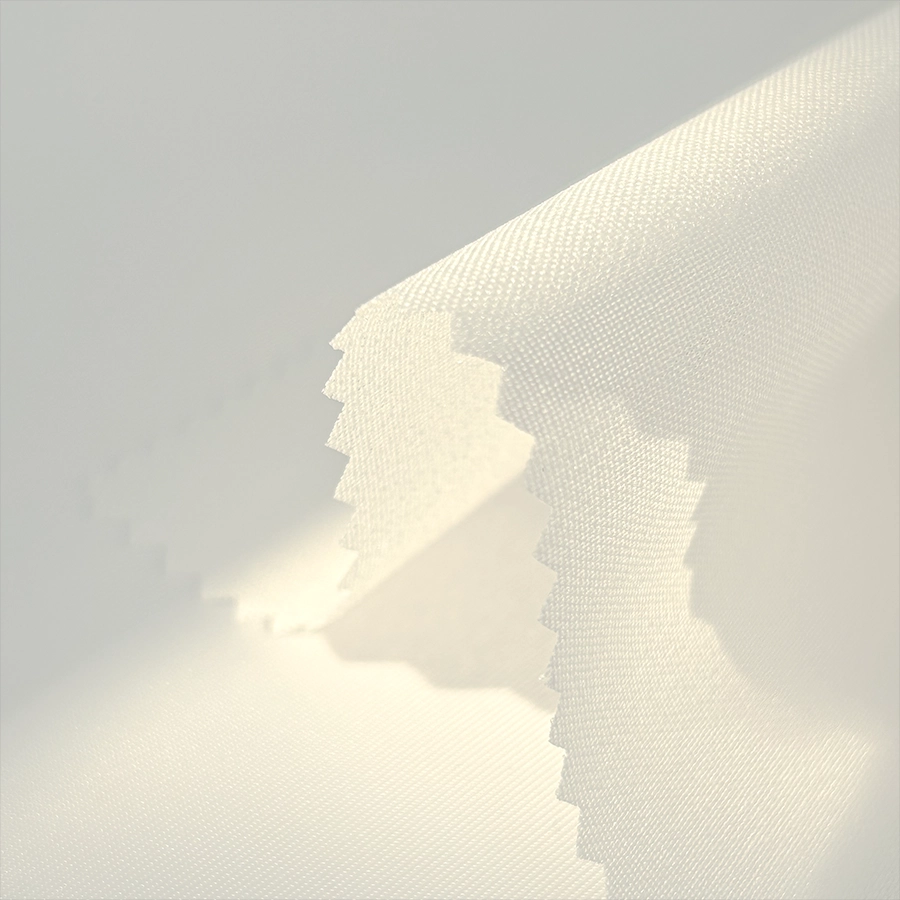
Unveiling "Old Money Style" Summer Suits: The Advanced Guide to Pairing Linen Fabric with Lightweight Suit Interlinings
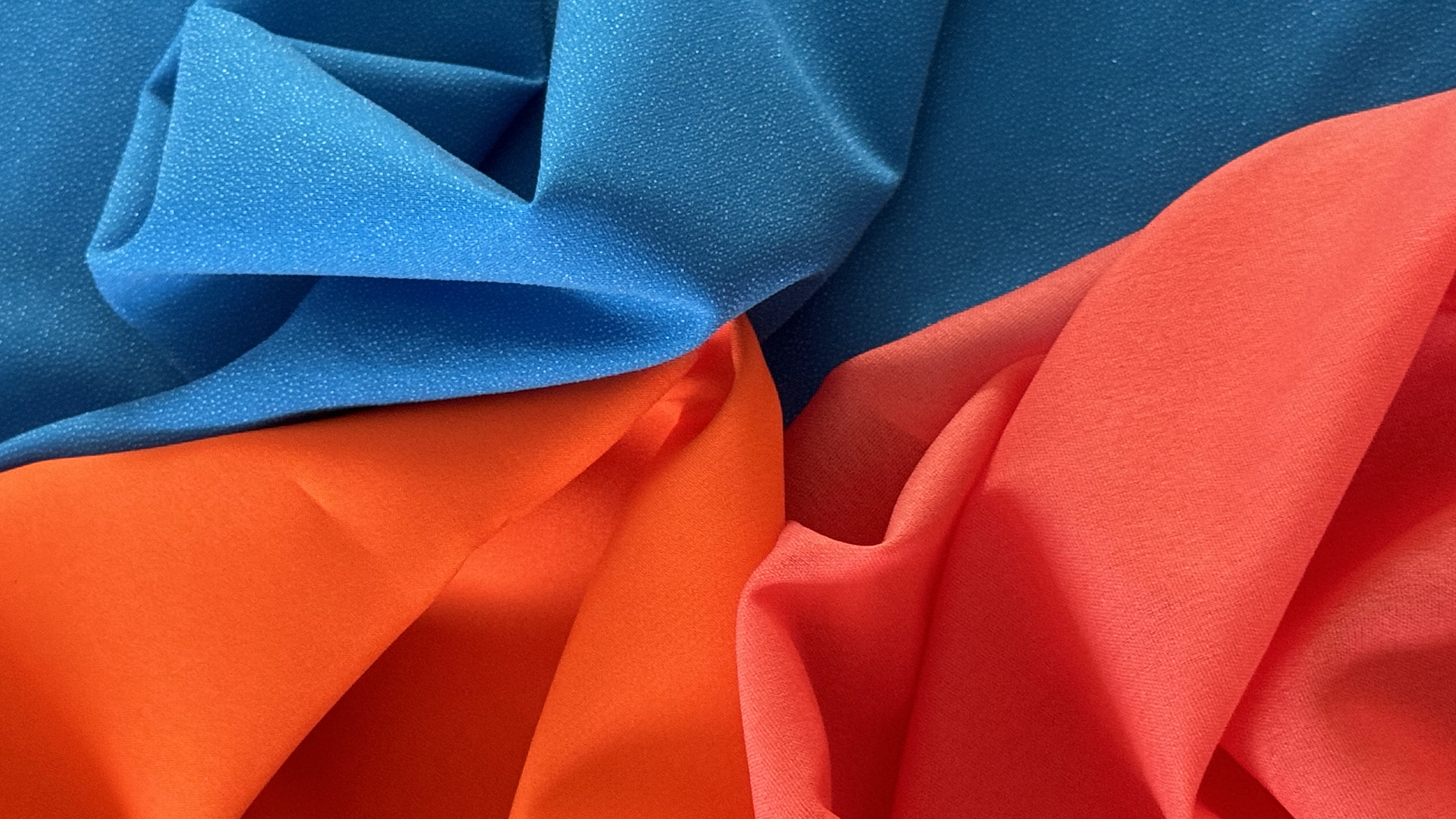
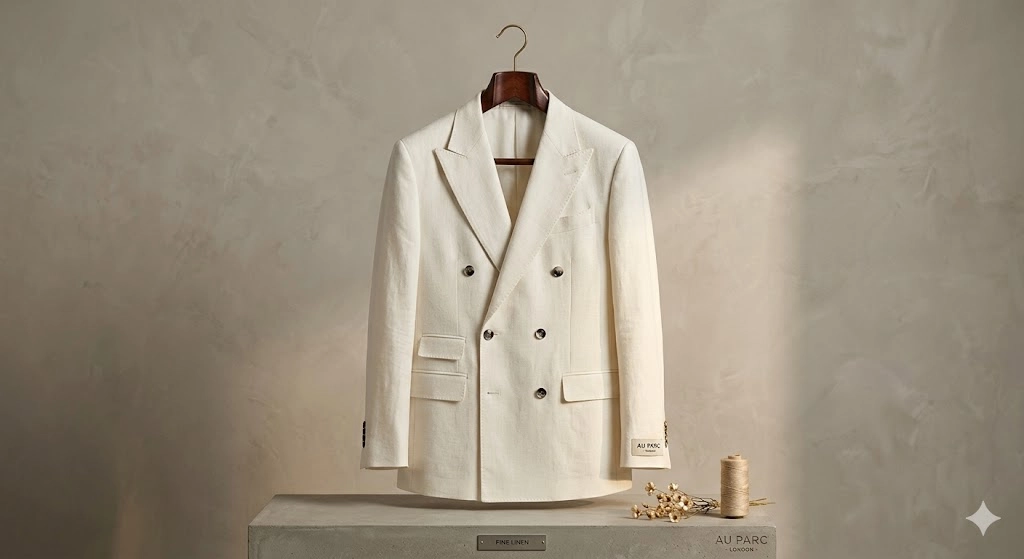
In recent years, "old money style" has taken the fashion world by storm with its understated luxury and effortless elegance. For clothing brands, linen fabric is undoubtedly the first choice when crafting a perfect "old money style" summer suit. However, linen is naturally prone to wrinkling and lacks inherent structure. How can it maintain summer lightness and breathability while still possessing the silhouette and backbone of bespoke tailoring—meaning the suit holds its shape without the stiffness of a wool formal suit, while allowing the linen's natural, slightly wrinkled texture to remain subtly visible? The answer lies in a detail often overlooked: the precise pairing of lightweight suit interlinings.China Shenghong lightweight interlining manufacturer
I. Core Challenge: Why Do Linen Suits Require "Custom-Matched" Interlinings?
When developing summer linen suits, two extremes are often encountered: either the interlining is completely abandoned in pursuit of lightweightness, resulting in a finished garment as limp as loungewear and losing the structural language of a suit; or conventional suit interlinings (high gram weight, thick glue powder) are directly applied, making the suit stuffy and flattening the unique slightly wrinkled texture of the linen, turning it into an awkward "fake crispness."
True sophistication lies in "structured looseness"—allowing natural linen wrinkles on the surface while maintaining clean contours at the collar, shoulders, and chest. This requires a lightweight suit interlining that provides an invisible skeleton without compromising the airy feel.
II. Pairing Strategy: Selection Principles for Lightweight Suit Interlinings
To help garment factories and designers better realize the "old money style" design, here are several practical interlining pairing strategies:
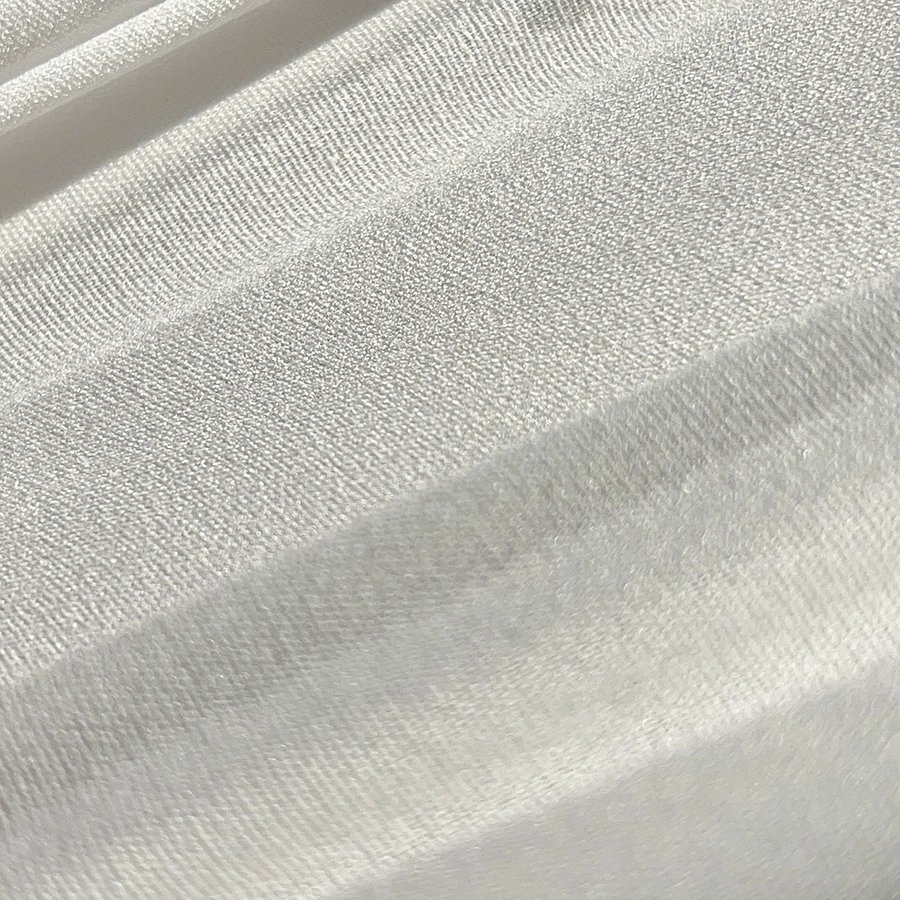
1. Lightness with Lightness: Choose Super-Lightweight Woven Interlinings (25–35g/㎡)
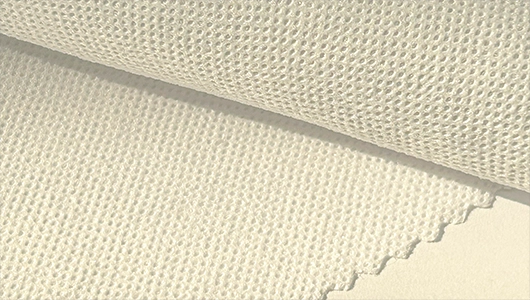
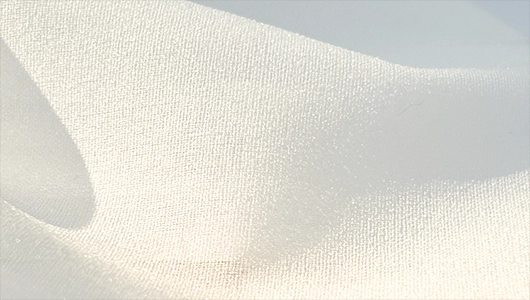
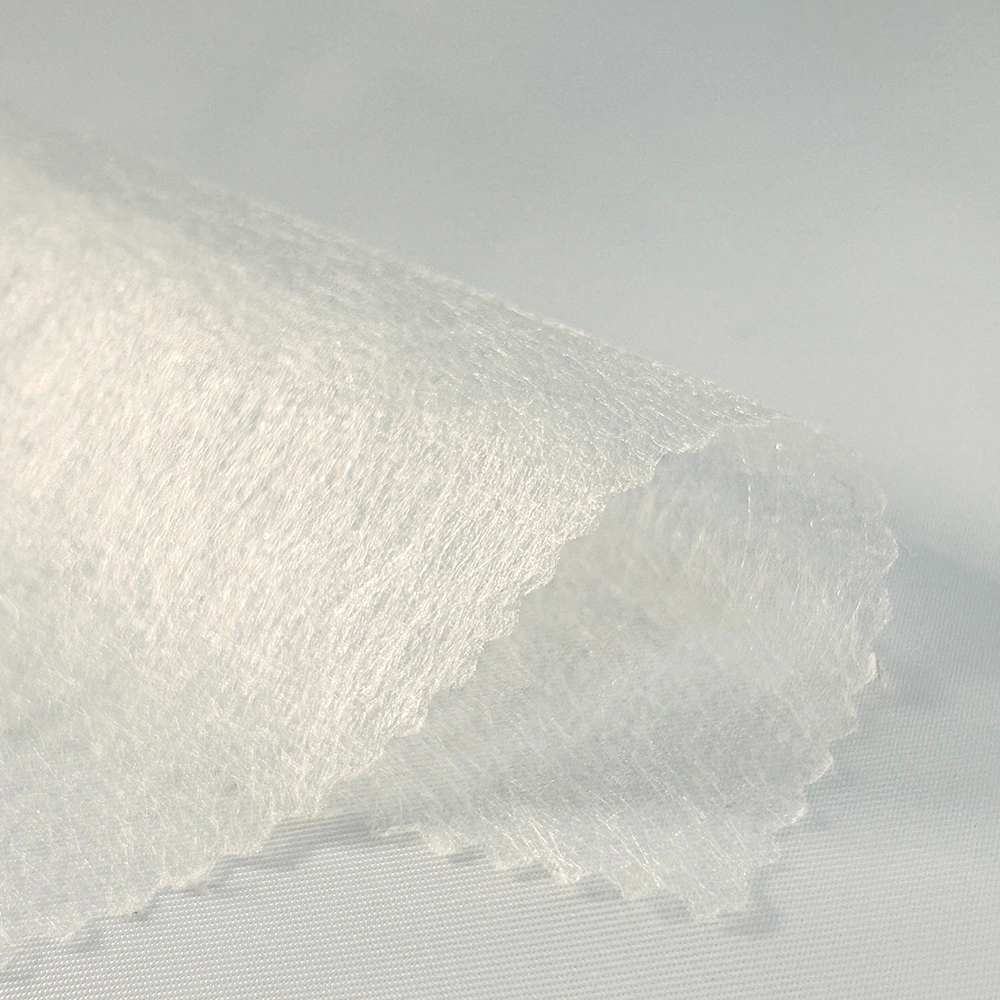
Summer linen fabrics themselves have a relatively low gram weight, so pairing them with a super-lightweight woven interlining is recommended. Compared to non-woven interlinings, which are prone to bubbling and lack breathability, the warp-weft structure of woven interlinings more naturally accommodates the elasticity of linen, effectively controlling both lengthwise and crosswise stretching. This provides the necessary contour support at the chest, lapels, and collar, while perfectly preserving the linen's breathability and relaxed drape.
2. Beware of Glue Strike-Through: Anti-Penetration Treatment Is Key
The biggest concern with lightweight fabrics is glue residue (strike-through) appearing on the face side after fusing, which directly ruins the garment's high-end look. It is advisable to choose lightweight interlinings with high-density coatings or dot-coating technology and excellent anti-penetration properties, ensuring uniform glue dots that do not bleed through to the fabric's right side.
3. Synchronized Shrinkage: Matching Shrinkage Rates Is Crucial
Linen fabrics typically have a high shrinkage rate (3–5%) after washing. If the shrinkage rates of the fabric and the interlining do not match, the finished garment is highly prone to bubbling and wrinkling after home washing or professional wet cleaning (dry cleaning has less impact, but if the interlining adhesive has poor resistance to dry cleaning solvents, delamination may also occur). It is essential to conduct shrinkage tests before bulk production to ensure the two are in sync.China interlining strength manufacturers
Conclusion
The elegant backbone of an "old money style" summer suit comes from the perfect interplay between fabric and trims. Choosing the right lightweight suit interlining not only enhances the garment's visual quality but also optimizes the wearing experience. For quality-oriented garment companies, relying on a professional source factory like ShengHong Interlining to select rigorously tested, high-performance interlinings specifically matched to linen fabrics is a solid foundation for ensuring that every finished garment fully embodies the design concept.