







Guide to Preventing Deformation of Shirt Cuffs and Collars
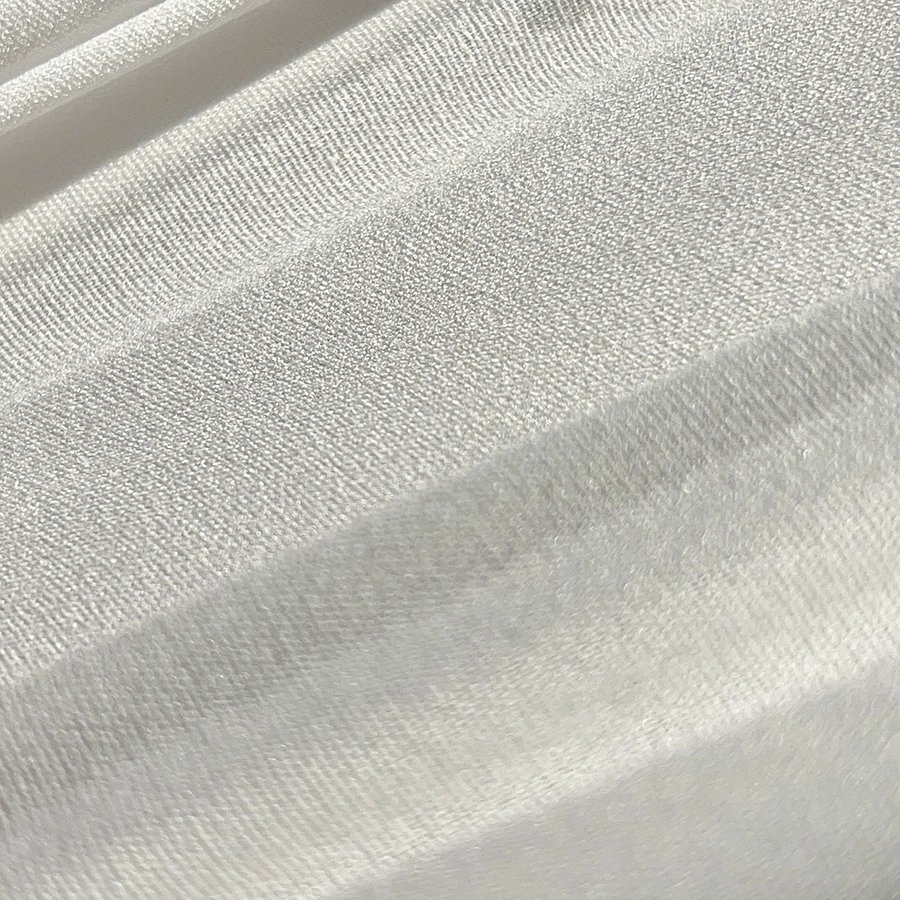
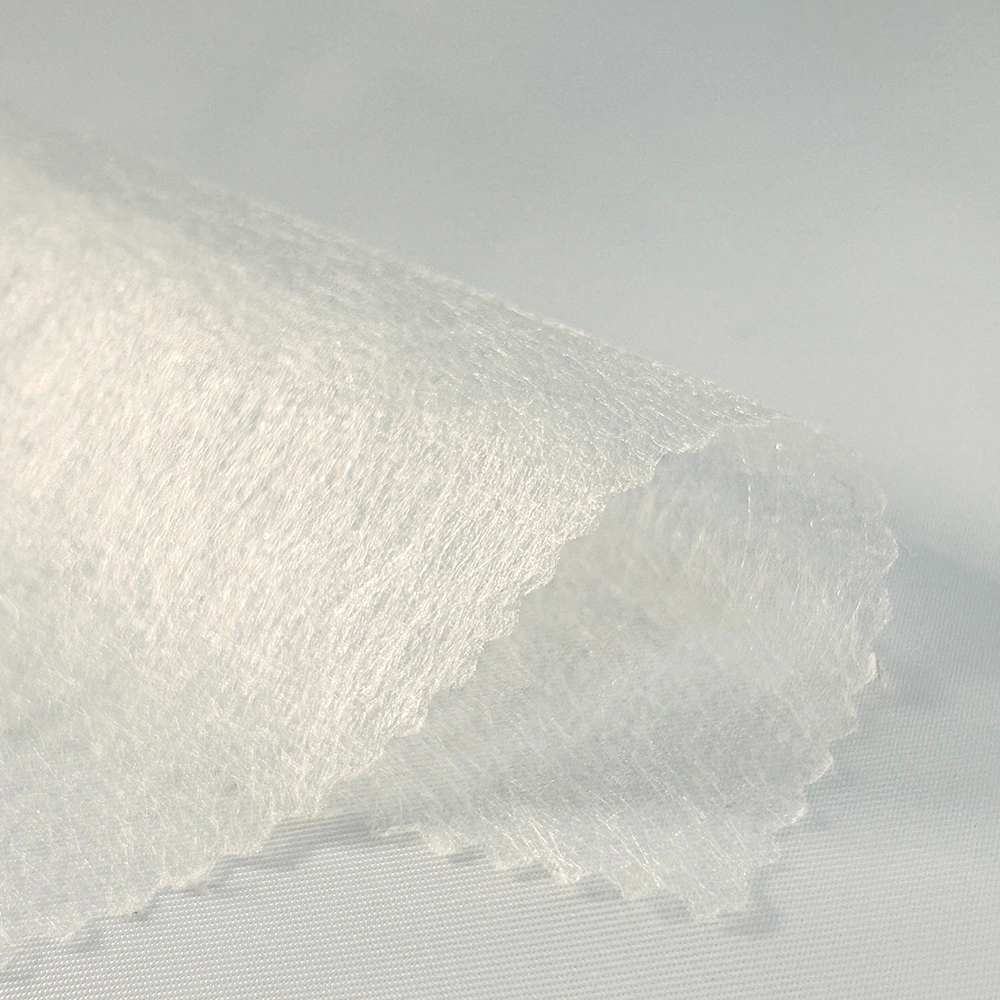
The cuffs and collars of a shirt not only affect wearing comfort but also directly relate to the overall quality of the garment. Many clothing companies have found during production and sales that these areas are prone to deformation, impacting user experience. This article combines practical experience and market feedback to analyze common issues and provide actionable strategic recommendations.China Shenghong Cuff Interlining Factory
I. Common Causes of Deformation
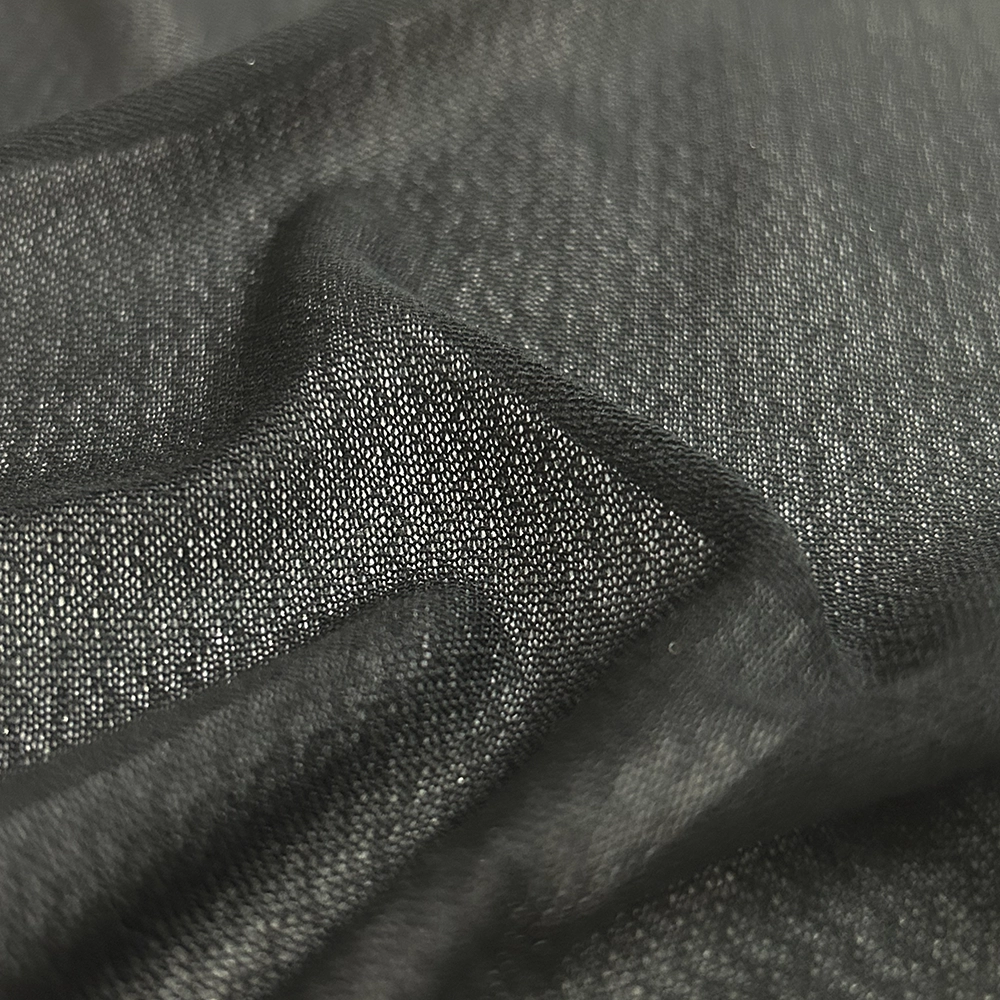
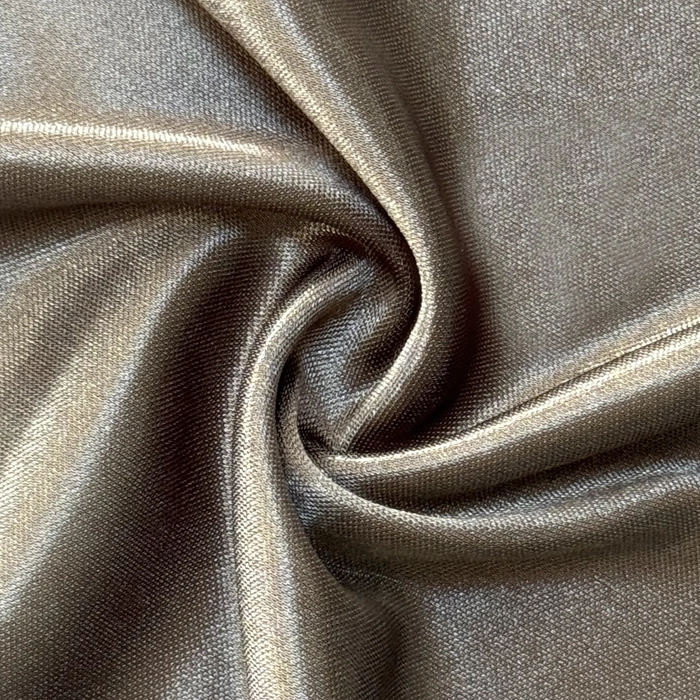
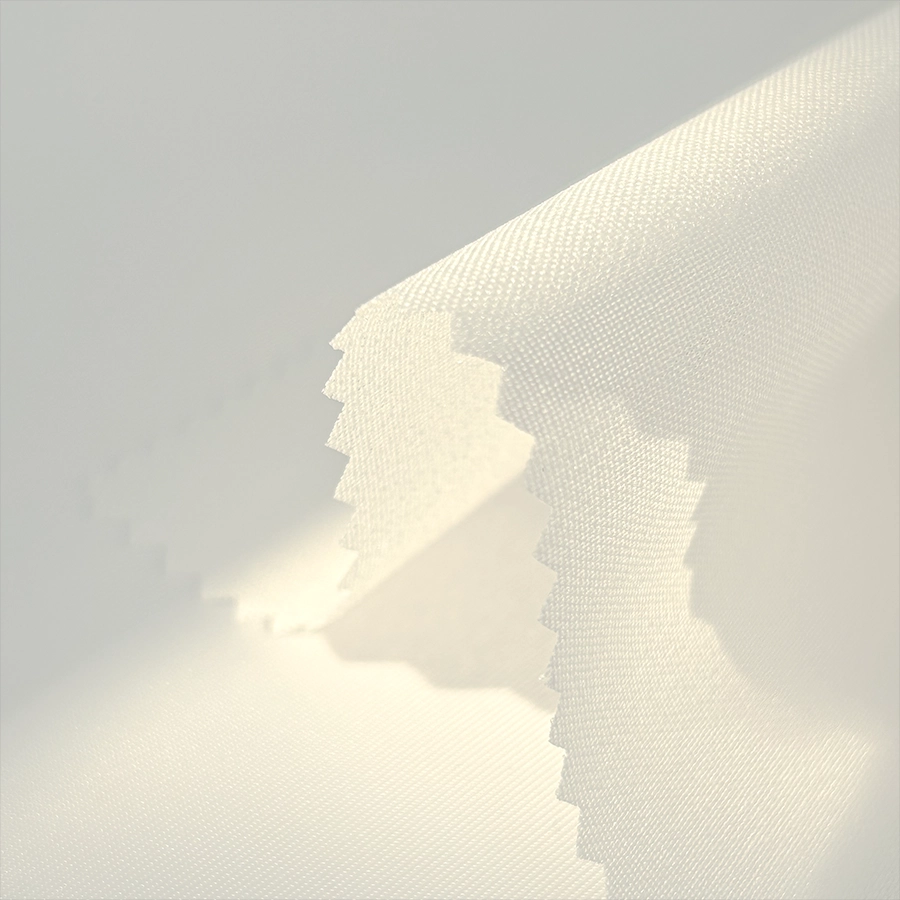
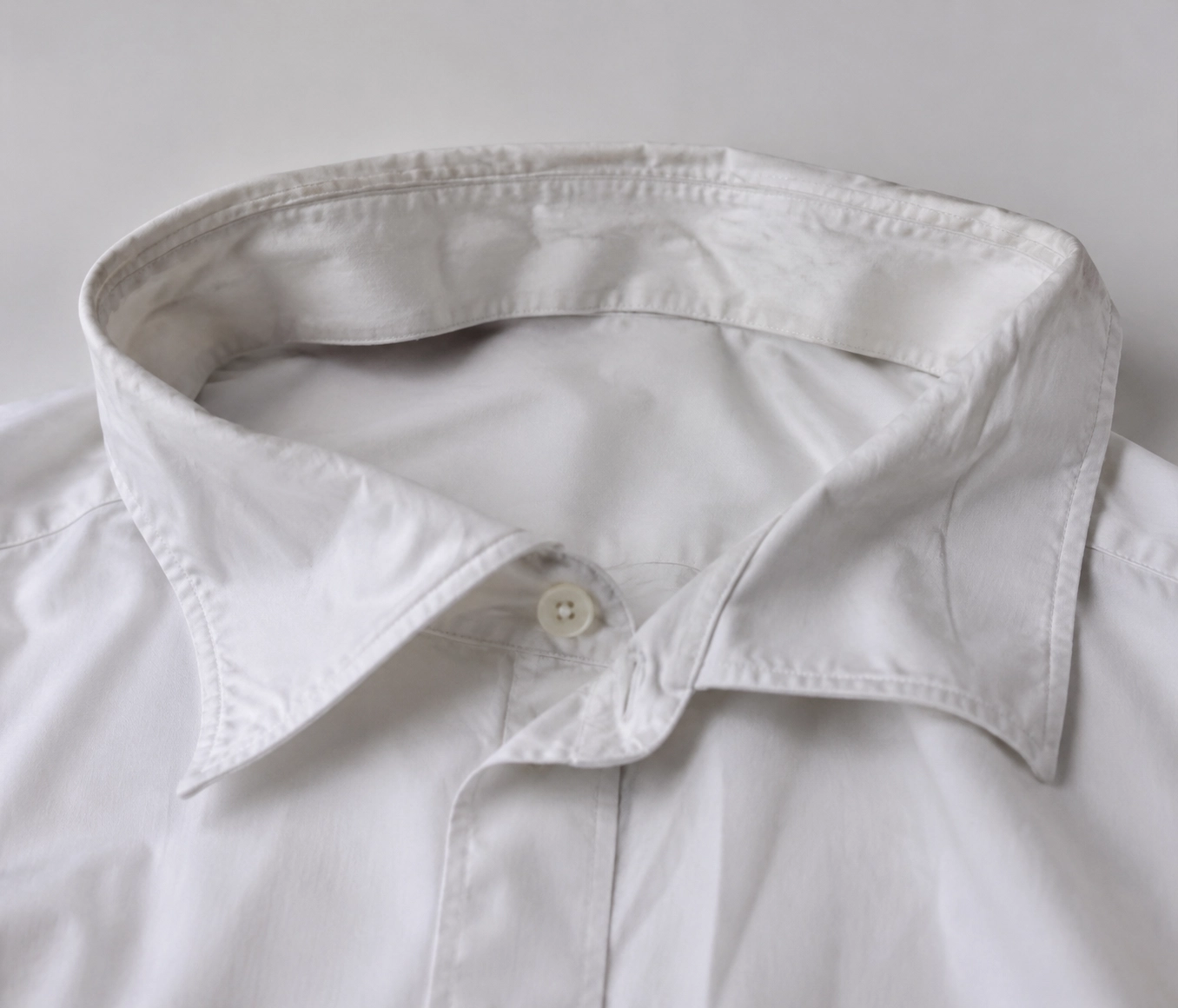
Cuff deformation is often related to wearing frequency, washing methods, and the compatibility of interlining with the fabric. Collar deformation often manifests as curling or bending, especially when the fabric lacks elasticity or the interlining provides uneven support. Experience shows that bubbling and curling after multiple washes are often due to inconsistent shrinkage rates between the interlining and the fabric. Selecting an interlining that matches the fabric, and rationally designing cuff folds and collar shapes, are important strategies to reduce deformation.
II. Strategy and Experience Sharing
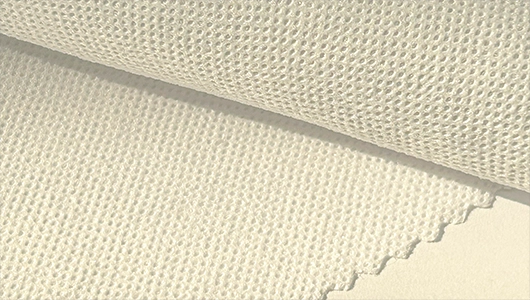
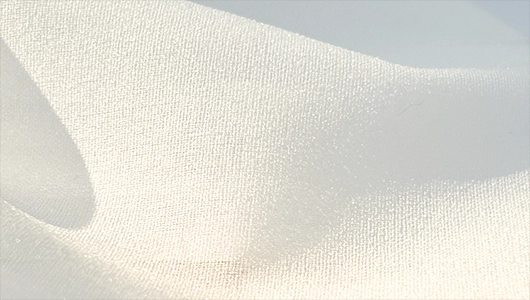
Interlining Selection: Conduct shrinkage and hardness tests on different fabrics to select a compatible interlining. For example:
-
Lightweight cotton fabrics (e.g., high-count poplin) pair with low-hardness woven interlining to avoid stiffness.
-
Regular-weight cotton fabrics (e.g., oxford cloth) can use medium-hardness interlining for support without losing a natural feel.
-
Ensure that the washing shrinkage rate of the interlining differs from that of the fabric by less than 1%; otherwise, bubbling and deformation after washing are very likely.
Design Optimization:
-
For cuffs, use slightly adjusted folding edges or add a 0.1 cm topstitch, or embed an anti-stretch tape to prevent loosening after repeated wear.
-
For collars, add a three-dimensional curved design (e.g., slightly curved collar points or an angled lower collar split) to reduce fabric bunching that leads to curling, naturally lowering the risk of deformation.
Washing and Care Recommendations: Advise customers on appropriate washing and ironing techniques.
-
Use a laundry bag for machine washing; for hand washing, avoid rubbing the collar/cuffs forcefully.
-
When the garment is not completely dry, gently stretch the collar and cuffs flat, then iron lightly along the fold direction at a low temperature of 110-140°C (230-285°F) to help maintain shape over time.China Shenghong Collar Interlining Manufacturer
III. Conclusion
By matching interlining and fabric shrinkage rates, selecting appropriate hardness levels, optimizing structural design, providing scientific washing and care guidance, and drawing on market case experience, clothing companies can significantly reduce deformation issues in shirt cuffs and collars, improving product quality and customer satisfaction. Sharing strategic experience not only makes the article more practical but also enhances readability and value for users searching for related information.