








Blistering and Delamination After Garment Washing? Analyzing 3 Real Causes of Insufficient Peel Strength in Summer Apparel
Introduction
Summer shirts are lightweight and breathable, but the collar tends to become soft and lose its shape, especially after washing. The root cause lies in improper interlining selection and process control. Balancing lightness with stiffness is key for summer garment development.China shenghong interlining manufacturer
I. Common Problems with Summer Shirts
The collar may look crisp initially, but after repeated washing, it becomes soft, loses support, and may even blister or delaminate. This is particularly common in dress shirts, polo collars, and lightweight casual shirts, directly affecting the garment's quality.
II. Core Causes
1. Fabric too thin, interlining won't adhere properly
Summer fabrics have low gram weight and small fiber gaps; the adhesive dots of standard interlining struggle to penetrate and only stay on the surface. The issue isn't visible right after production but shows up after washing—adhesion weakens, leading to blistering or delamination.
2. Adhesive type not resistant to washing
Many standard interlinings use low-cost adhesive powders that are sensitive to water and sweat. Summer clothes are washed frequently, and with sweat erosion, the adhesive dots soften and degrade after just a few washes—so the collar naturally loses bonding and goes soft.
3. Fusing temperature too low, resulting in poor bonding
Due to concerns about heat damage to summer fabrics, fusing temperatures are often lowered or time is shortened. If the temperature is insufficient, the adhesive dots don't fully melt, creating a "false bond." This isn't detectable during inspection, but problems emerge after a few washes.China interlining strength manufacturers
III. Solutions
1. Choose the right interlining
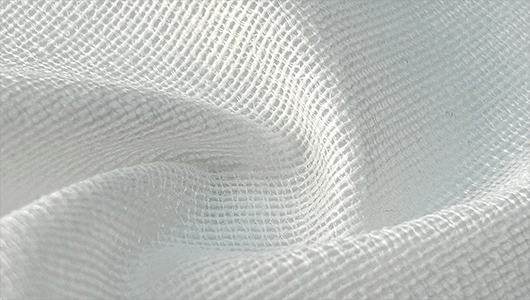
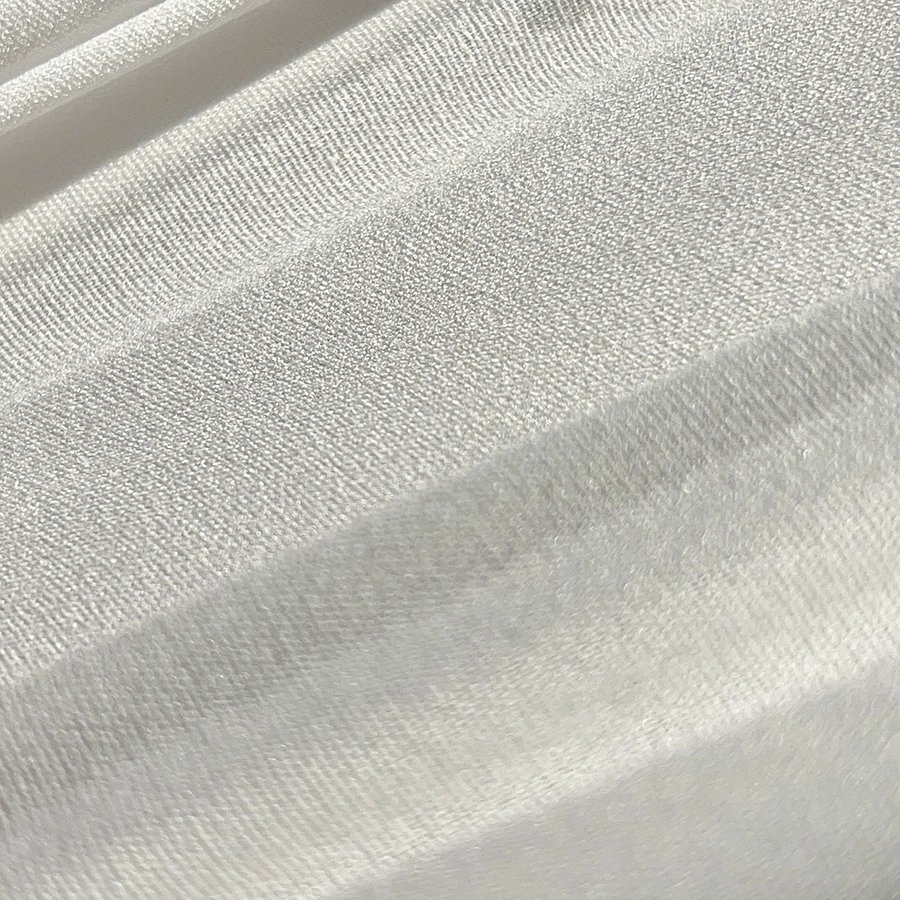
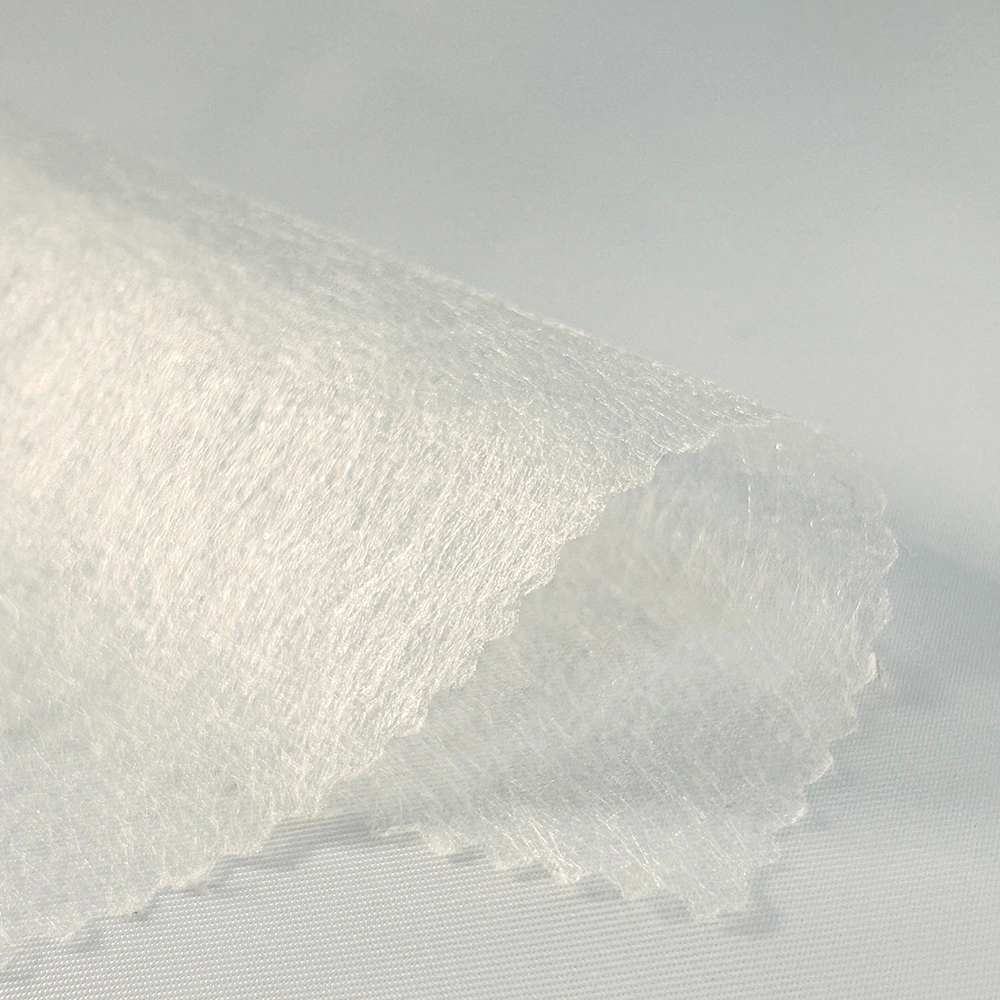
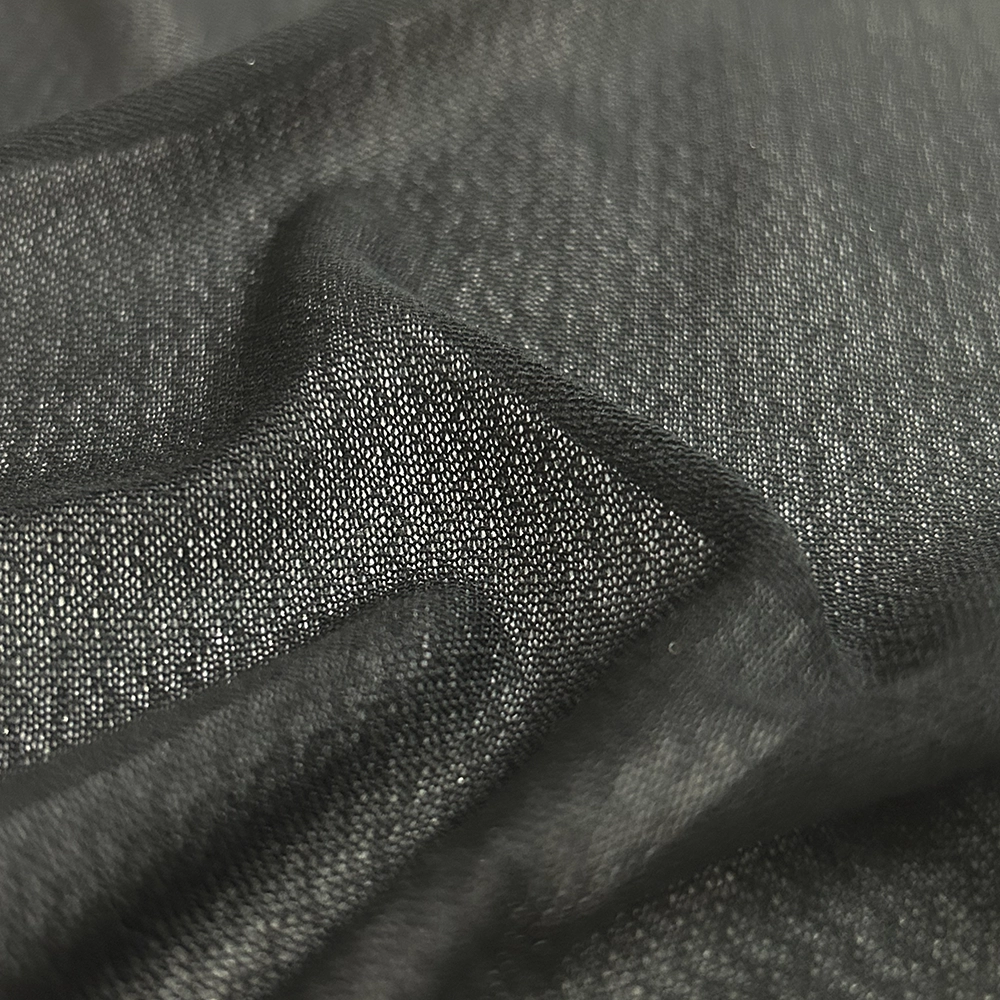
Don't rely solely on thickness for stiffness. Instead, use a lightweight yet resilient interlining (gram weight 30–50 g/m²). If the fabric itself has stretch, the interlining must also have stretch; otherwise, differences in shrinkage between the fabric and interlining after washing will still cause delamination and blistering. Simply put: whatever the fabric does, the interlining should follow.
2. Focus on the adhesive type
For dress shirts, polos, or any garment that requires frequent washing, be sure to select an adhesive type that resists washing and sweat (e.g., copolyamide PA adhesive dots).
3. Adjust the fusing parameters
Temperature, pressure, and time all need to be correct: typically 130–150°C, pressure 0.3–0.5 MPa, time 12–15 seconds. Too low a temperature prevents the adhesive dots from melting; too high a temperature damages the fabric. Many factories also overlook an important detail—allow full cooling after fusing so the adhesive dots can cure and stabilize. If garments are stacked or rolled immediately after fusing, trapped heat will compromise the bond.
IV. Conclusion
Blistering and delamination of summer shirts after washing ultimately come from a mismatch among lightweight fabric, interlining, and process. By selecting the right interlining, using a wash‑resistant adhesive, adjusting fusing parameters, and ensuring proper cooling, you can keep collars durably crisp without sacrificing breathability.