







The Application and Trends of Interlining in Fashion Design
Introduction
As an indispensable material in fashion design, interlining not only shapes the silhouette but also enhances the wearing experience. Against the backdrop of evolving fashion trends both domestically and internationally, the choice of interlining not only affects the texture and comfort of garments but also reflects market trends and business opportunities. This article will explore the application of interlining in different clothing styles and its future development directions, taking into account domestic and international fashion trends.China shenghong interlining manufacturer
I. Integration of Interlining with Popular Styles
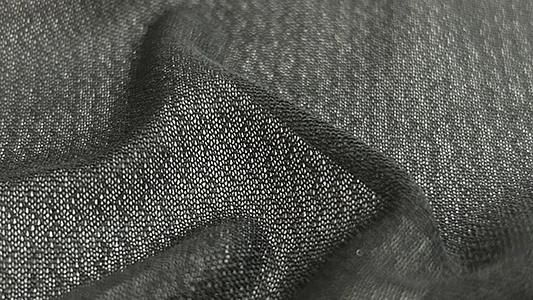
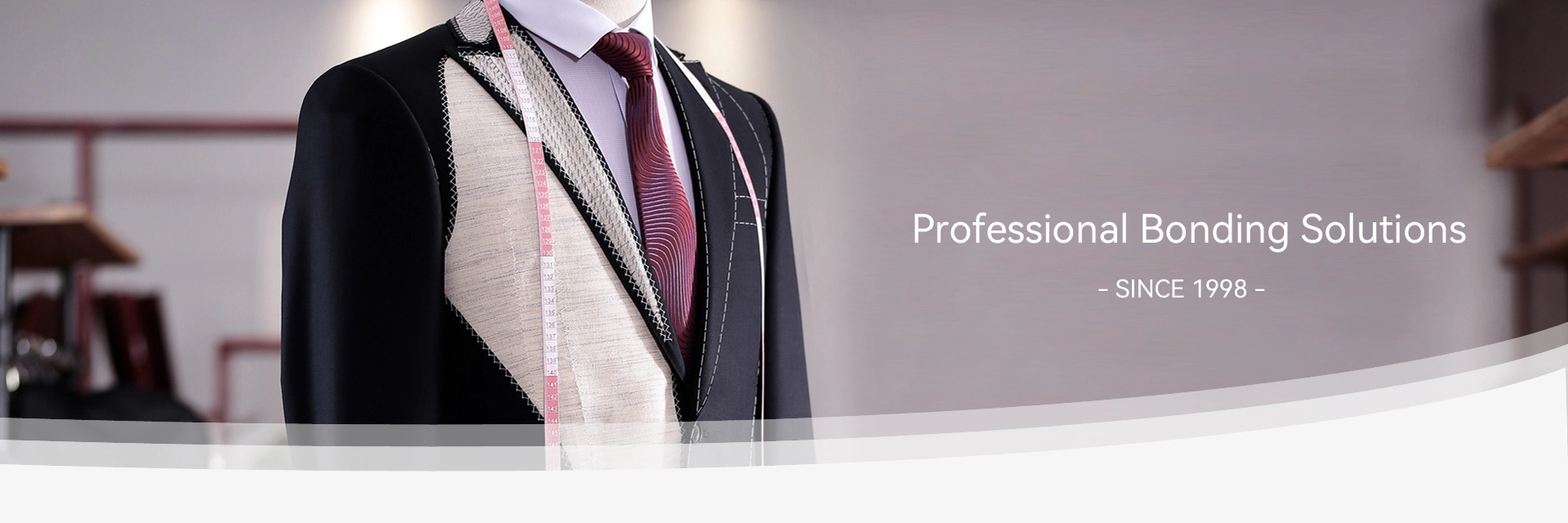
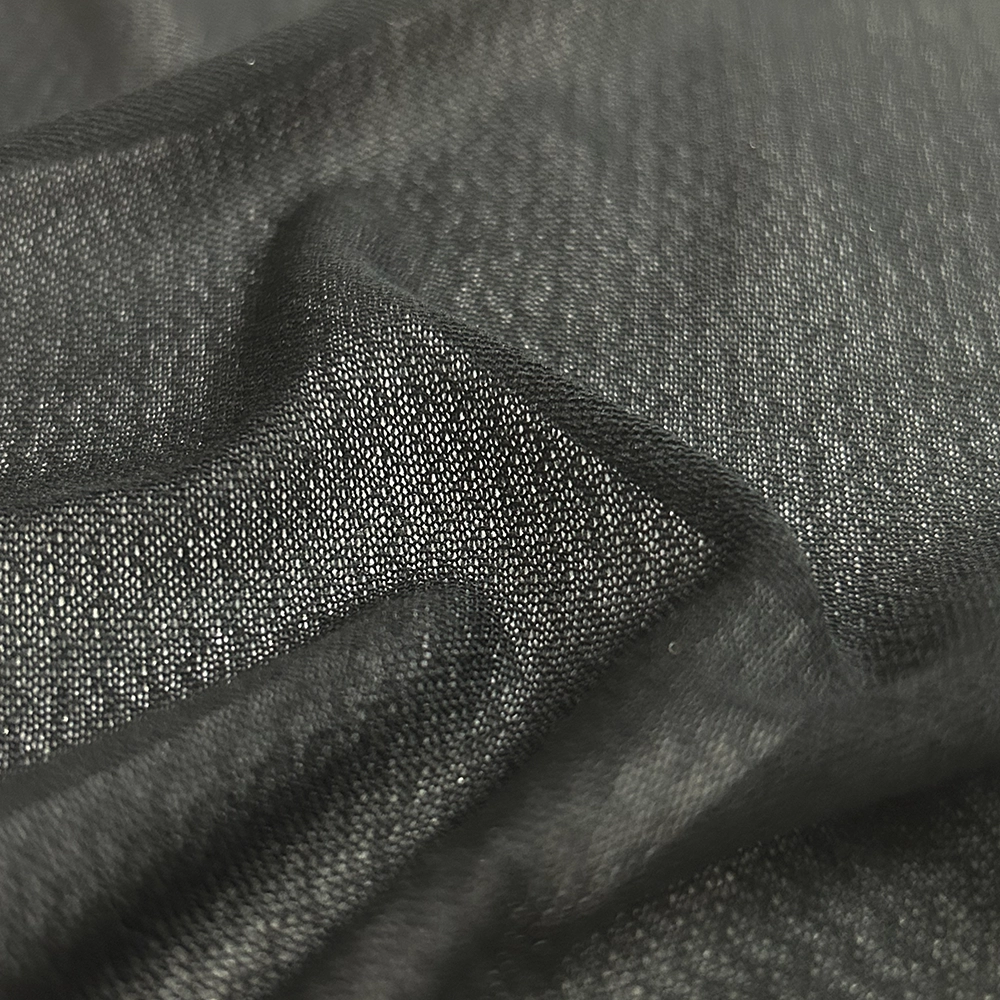
Traditional interlining is mostly used in the linings of suits, shirts, and coats, primarily to enhance crispness, stabilize the silhouette, and provide structural support. However, with the upgrading of design concepts, interlining is playing an increasingly diverse role in modern clothing:
-
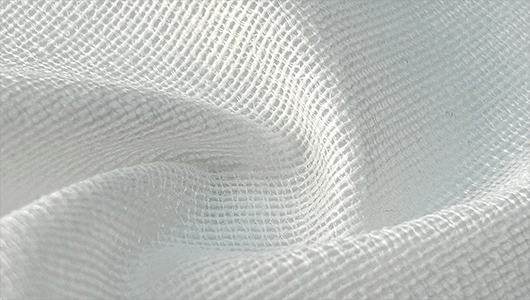
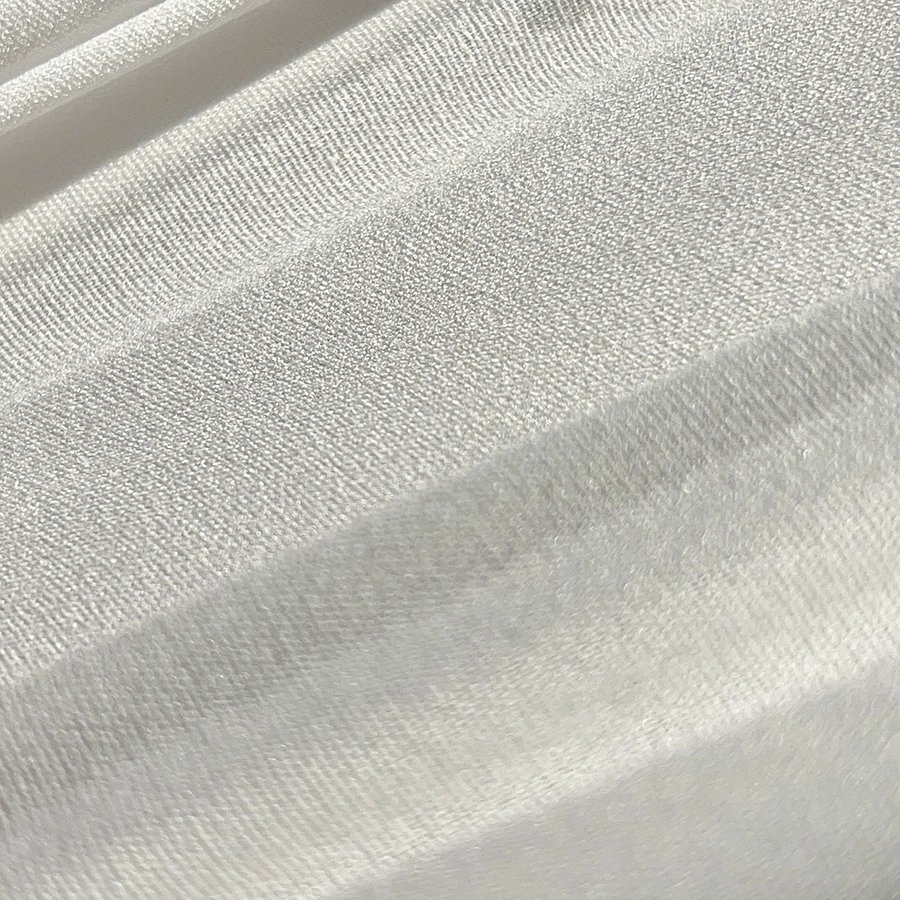
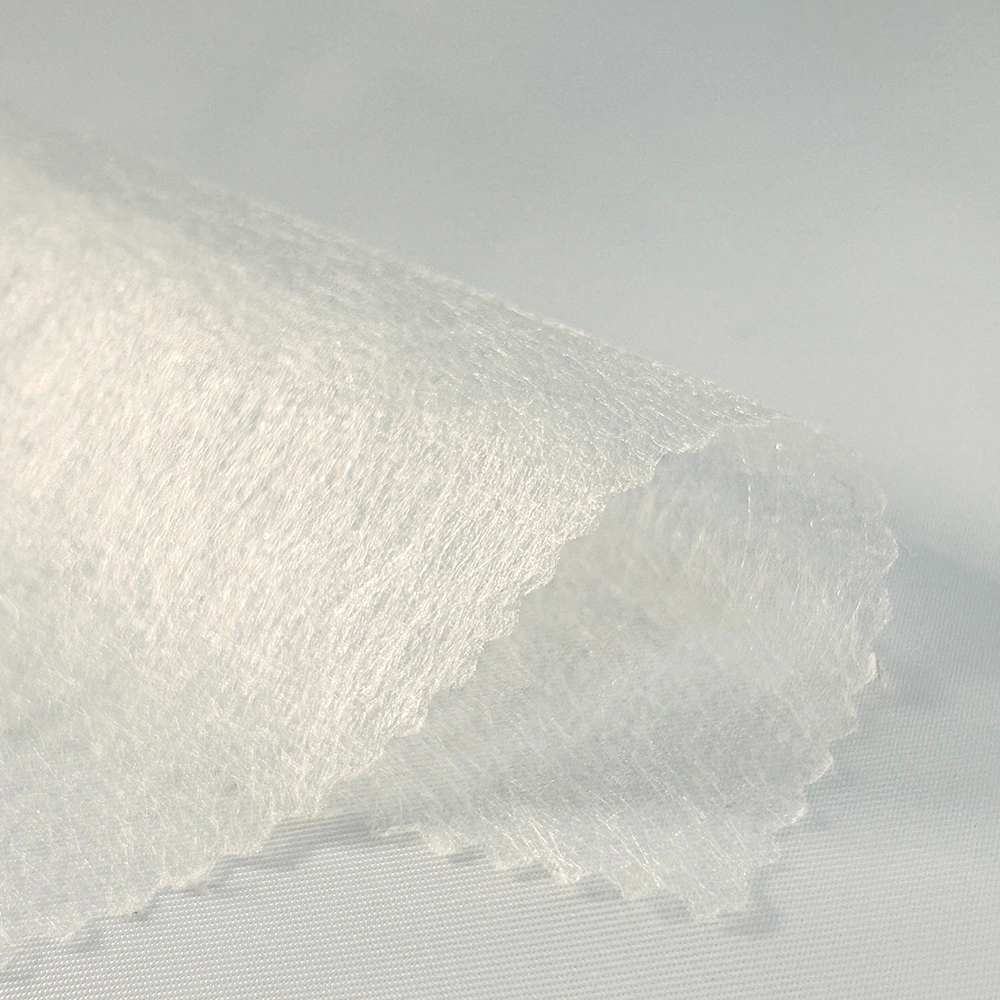
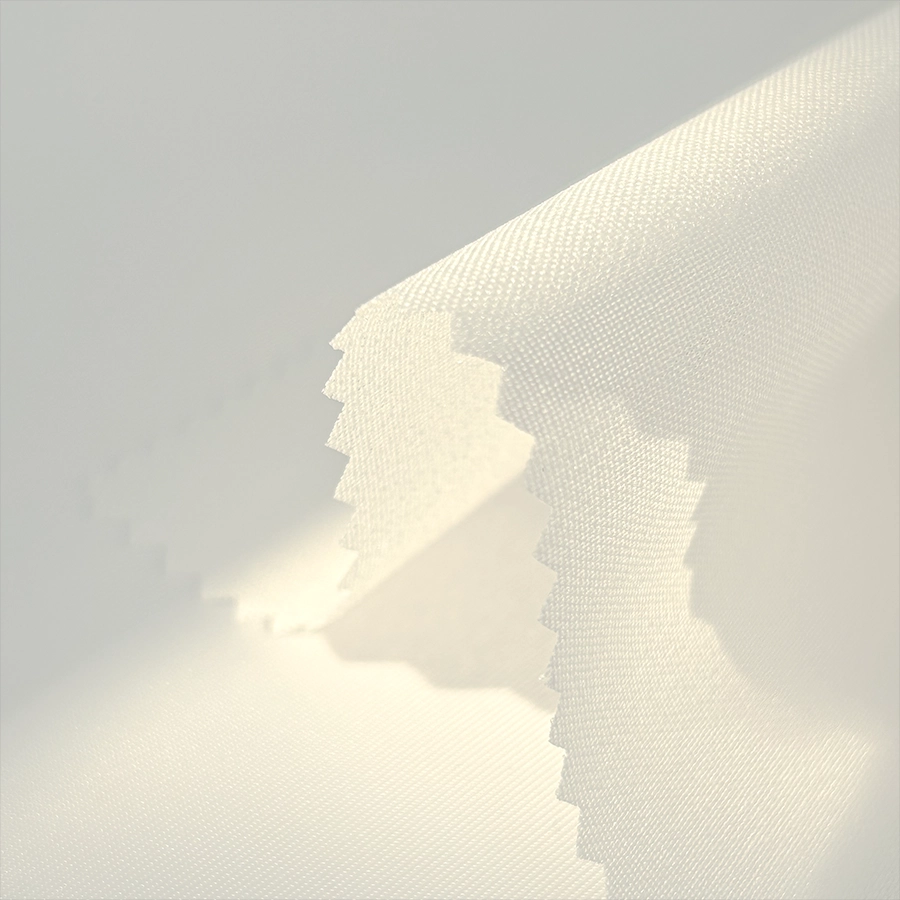
Lightweight and breathable interlining: Suitable for summer shirts and lightweight jackets, balancing shape and comfort.
-
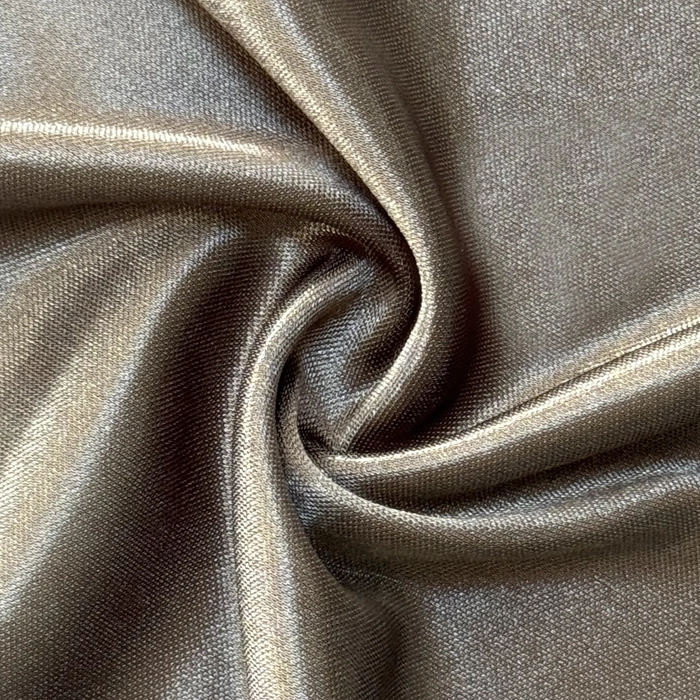
Functional interlining: For example, wrinkle-resistant and stretch interlinings are widely used in high-end ready-to-wear and custom-made clothing; waterproof, highly breathable interlinings have become innovative choices for sportswear and functional apparel.
-
Sustainable and eco-friendly interlining: Made from organic cotton or recycled materials, it is gradually becoming a preferred green option for brands.
By skillfully using different interlining materials, designers can infuse creativity and differentiation into garments both visually and functionally.China interlining strength manufacturers
II. Implications of Domestic and International Trends for Interlining
-
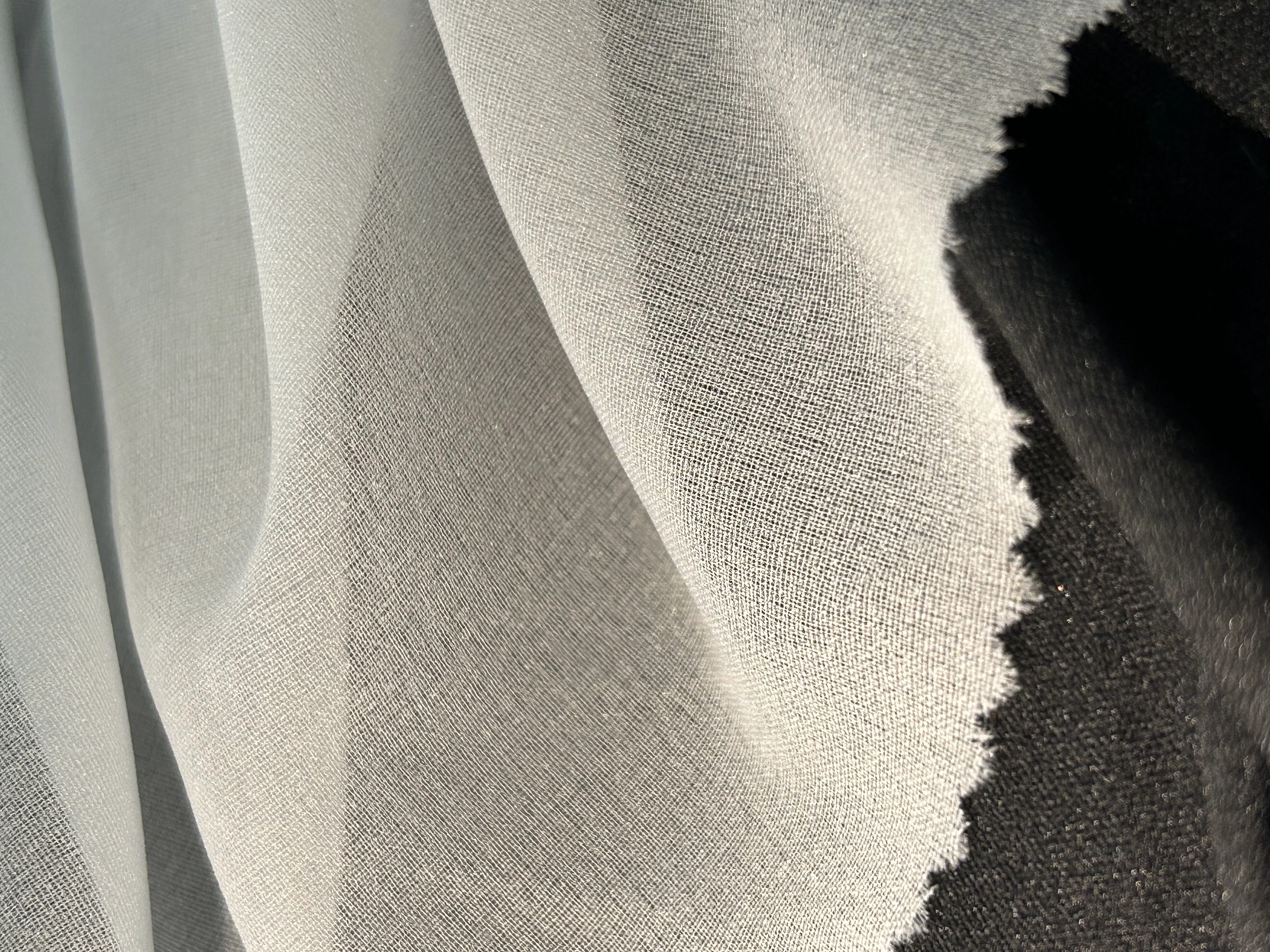
International trends: At fashion weeks in Paris, Milan, etc., high-end brands favor lightweight, breathable, and eco-friendly interlinings. For example, combining interlinings of different weights and stretch levels to achieve a gradient silhouette ranging from rigid to soft within the same garment has become a common technique in high-end ready-to-wear.
-
Domestic trends: Young consumer groups pursue a "relaxed yet stylish" look. Designers prefer lightweight interlinings, combined with innovations in color and texture, to give traditional suits or jackets a fashionable touch.
-
Fusion of trends: For the mid-to-high-end domestic market, interlinings should take into account environmental protection, comfort, and texture performance.
III. Market Value and Business Opportunities
Interlining is not only the foundation of design but also a reflection of commercial value:
-
For designers: Reasonable selection of interlining enhances the market competitiveness of their work and the consumer experience.
-
For buyers and brands: Paying attention to domestic and international trends and choosing functional and eco-friendly interlinings helps increase brand added value.
-
Industry development: Green materials, integration of multi-scenario functions (e.g., cooling and stretch combined), and personalized customization are becoming new hotspots in the interlining market.
IV. Conclusion
Interlining in fashion design not only plays a role in shaping the silhouette but also serves as a bridge connecting fashion trends and market opportunities. Paying attention to the application and trends of interlining materials helps designers and brands gain an advantage in creative and business decisions.