







What to Do When Shirt Collars Won’t Stay Crisp in High Temperatures? Selection of Linings and Process Control Guidelines for Summer Shirts
Introduction
Summer shirts are lightweight and breathable, but many brands receive feedback after launch that the collars tend to soften, collapse, and show more pronounced issues after washing. The problem largely stems from improper lining selection and process control. Achieving a balance between lightness and stiffness is key to developing summer shirts.
I.Common Problems with Summer Shirts
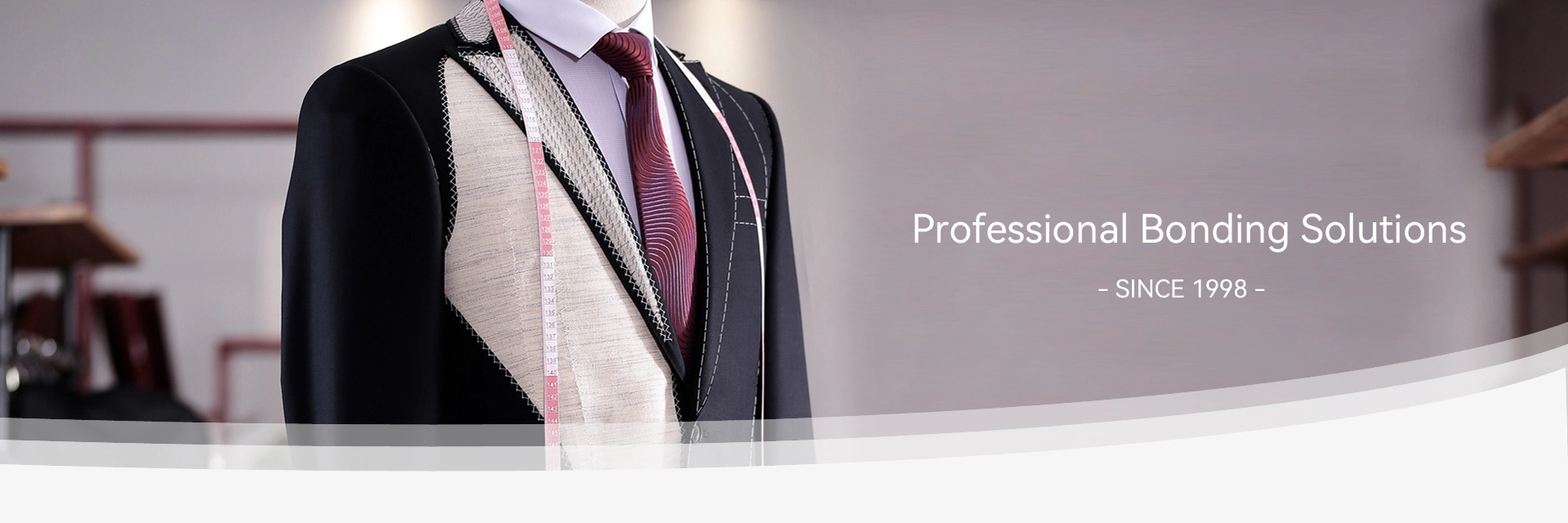
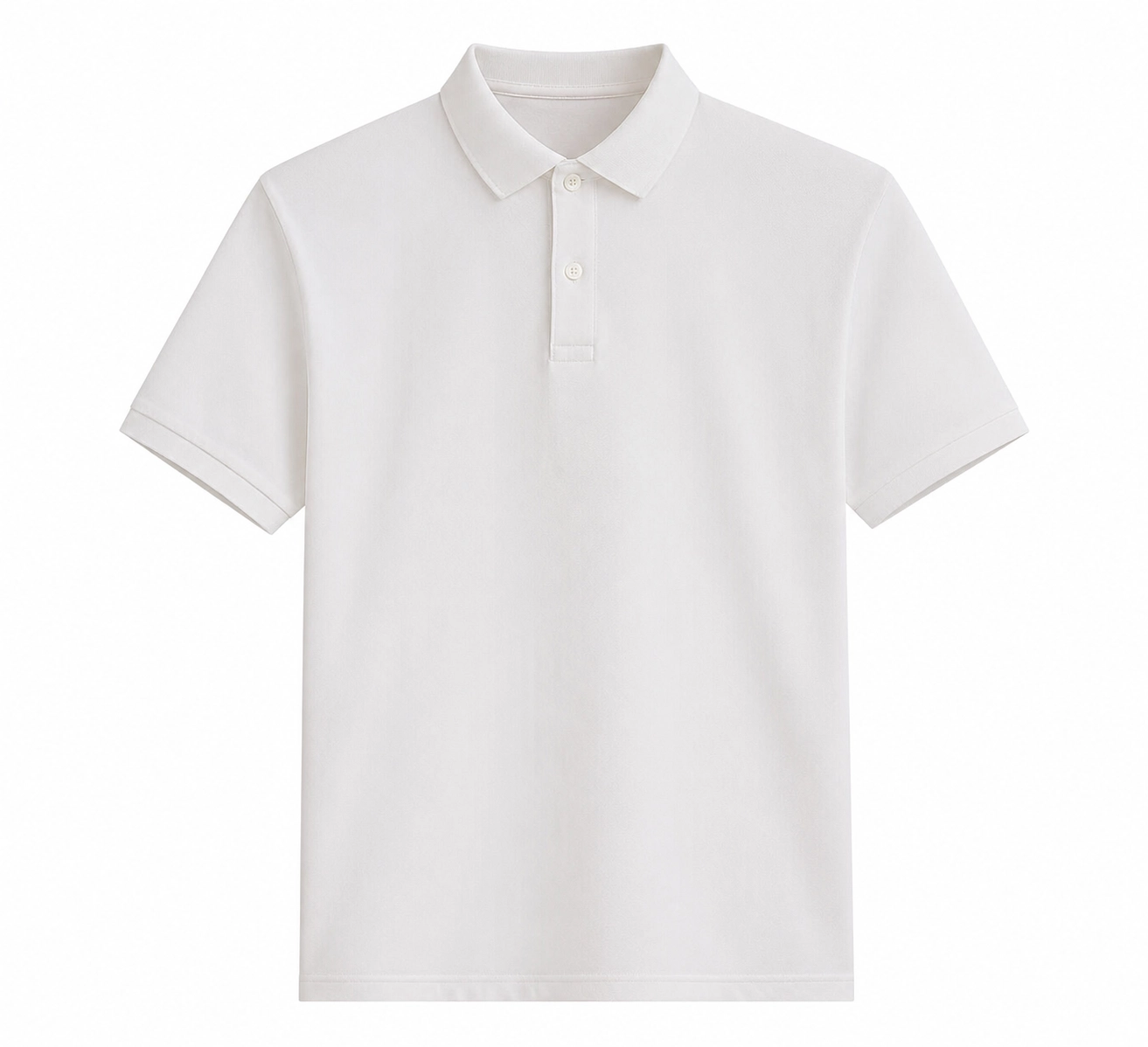
In the production of summer shirts, a frequent issue is that the collar looks crisp at first but becomes soft and loses support after high-temperature wear or repeated washing, and may even bubble or delaminate. This problem is especially noticeable in business shirts, polo collars, and lightweight casual shirts, directly affecting the garment’s finish and brand reputation.China Shenghong Lightweight Interlining Manufacturer
II. Causes
From the apparel manufacturing perspective, such issues are typically caused by a combination of the following factors:
-
Insufficient support due to lightweight fabric
Summer shirts often use high-count cotton, Tencel, or blended fabrics with low weight and high softness, making them more dependent on the lining for support. -
Mismatch due to overly thick or stiff lining
Many factories choose heavier or stiffer linings to achieve “crispness.” However, under high temperature, sweat, and repeated washing, such linings are prone to softening due to adhesive layer aging or bond failure; or the base fabric and adhesive may age, leading to a stiff, boardy feel and loss of resilience. -
Insufficient bond strength
Summer shirts are washed frequently. If the bond between the lining and fabric is inadequate — especially if the adhesive dots lack hydrolysis resistance — bubbling or delamination may occur after washing, affecting stiffness. -
Unstable fusing process parameters
Mismatched temperature, pressure, and time can prevent the adhesive from fully melting or cause excessive penetration, impairing lining performance.China interlining strength manufacturers
III. Solutions
To solve the problem of limp collars on summer shirts, two dimensions should be addressed: material matching + process stability.
-
Prioritize lightweight functional linings
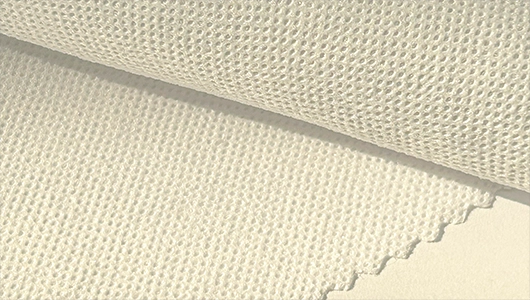
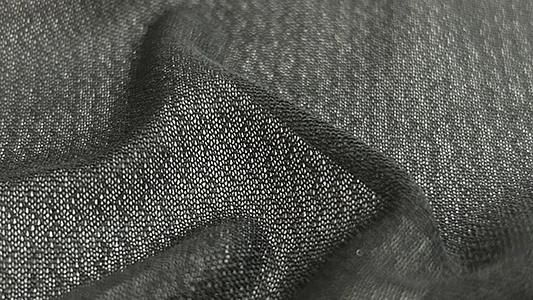
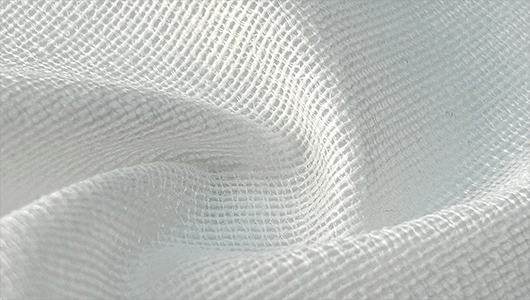
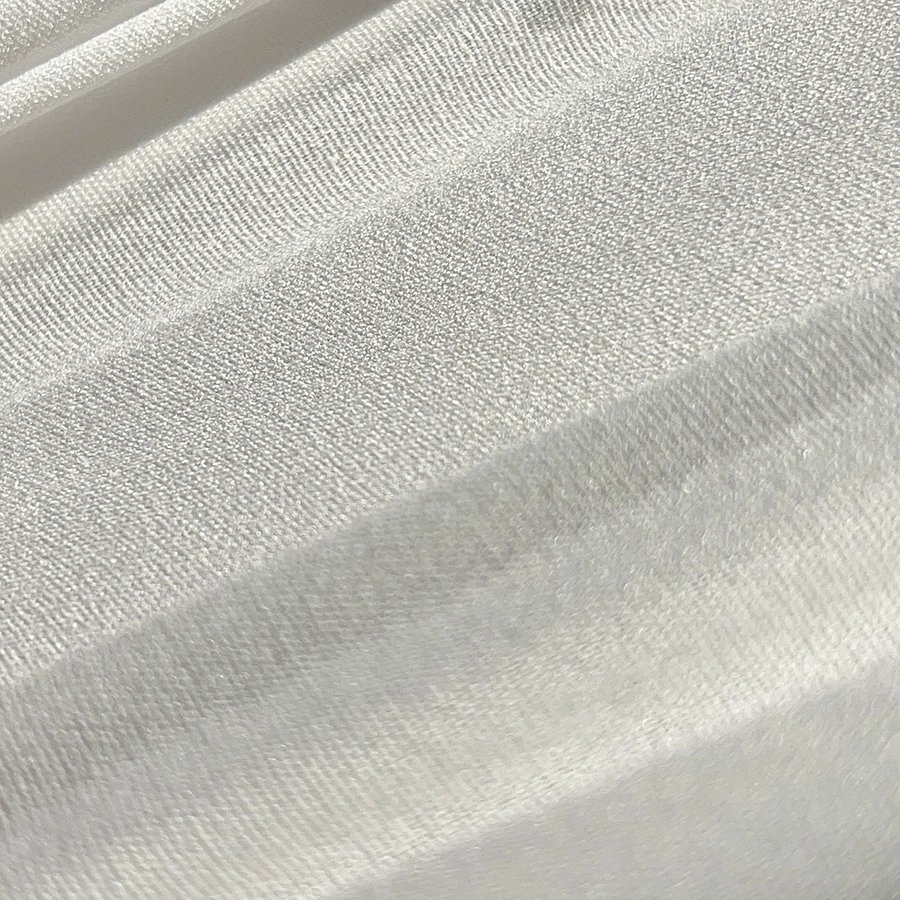
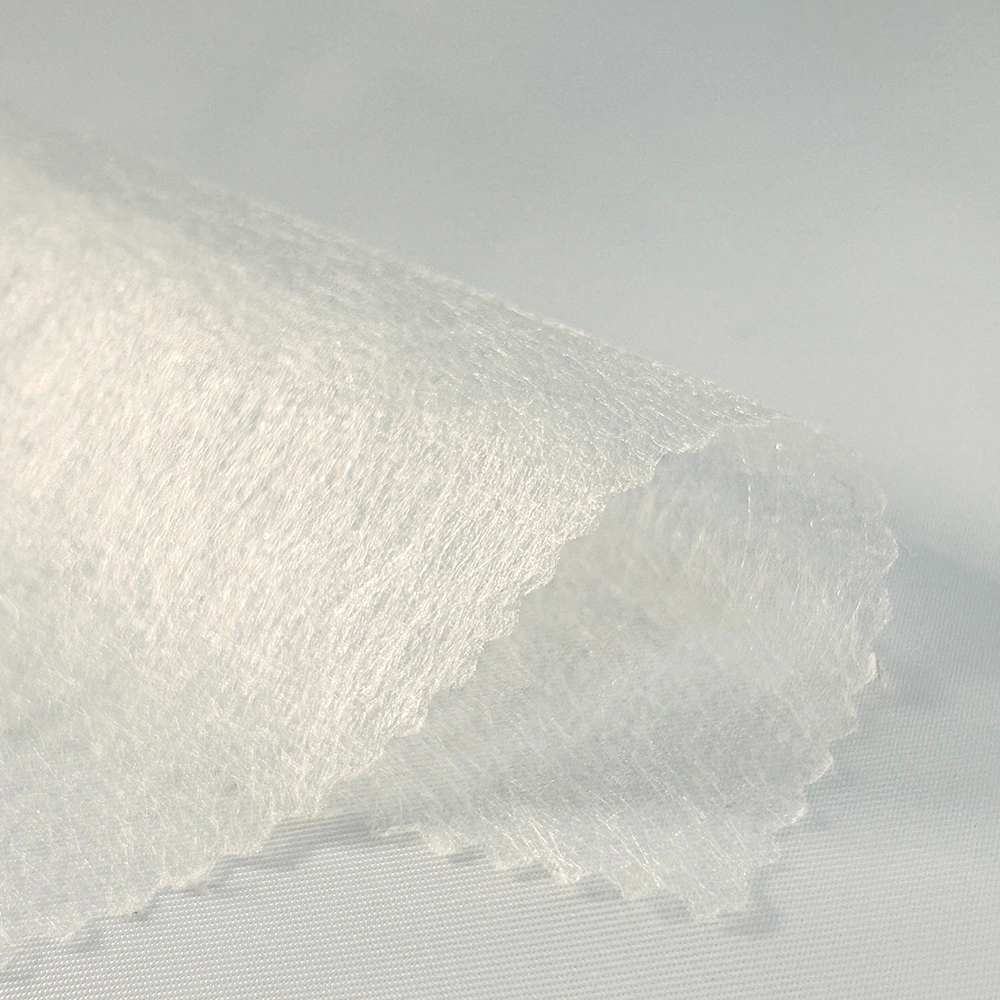
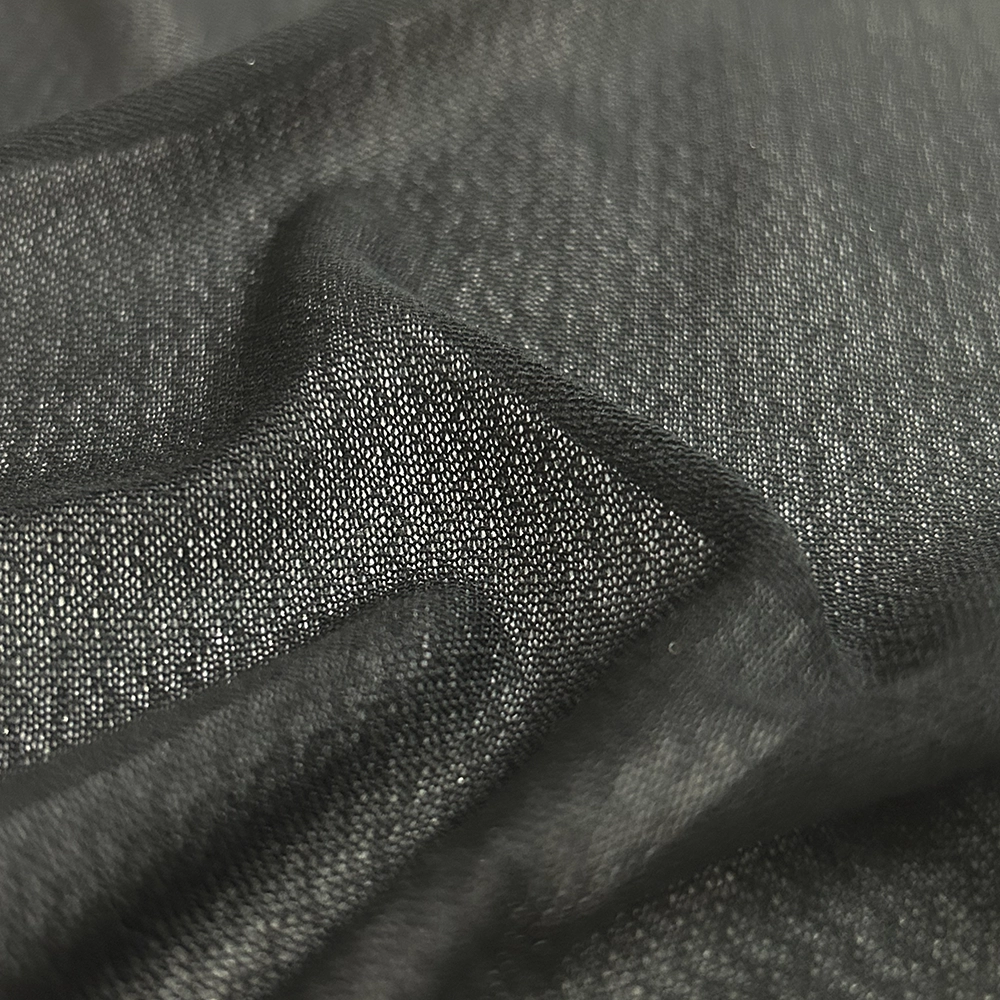
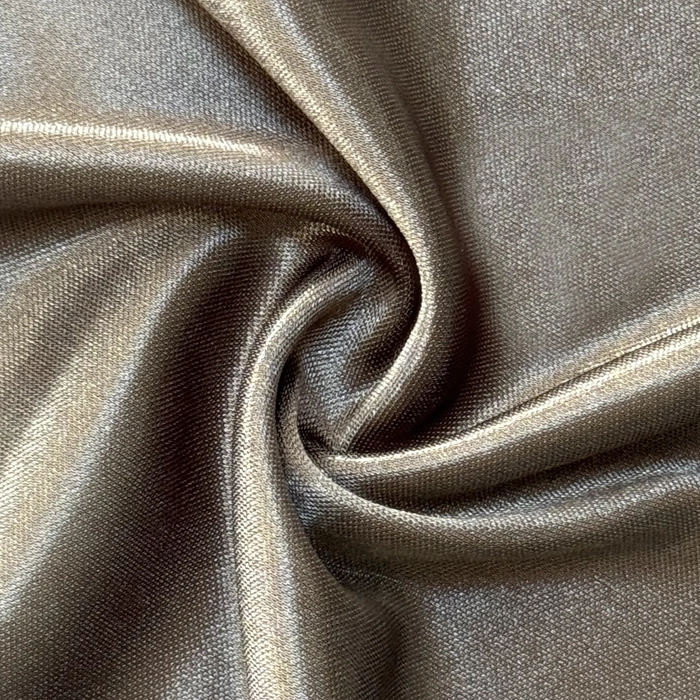
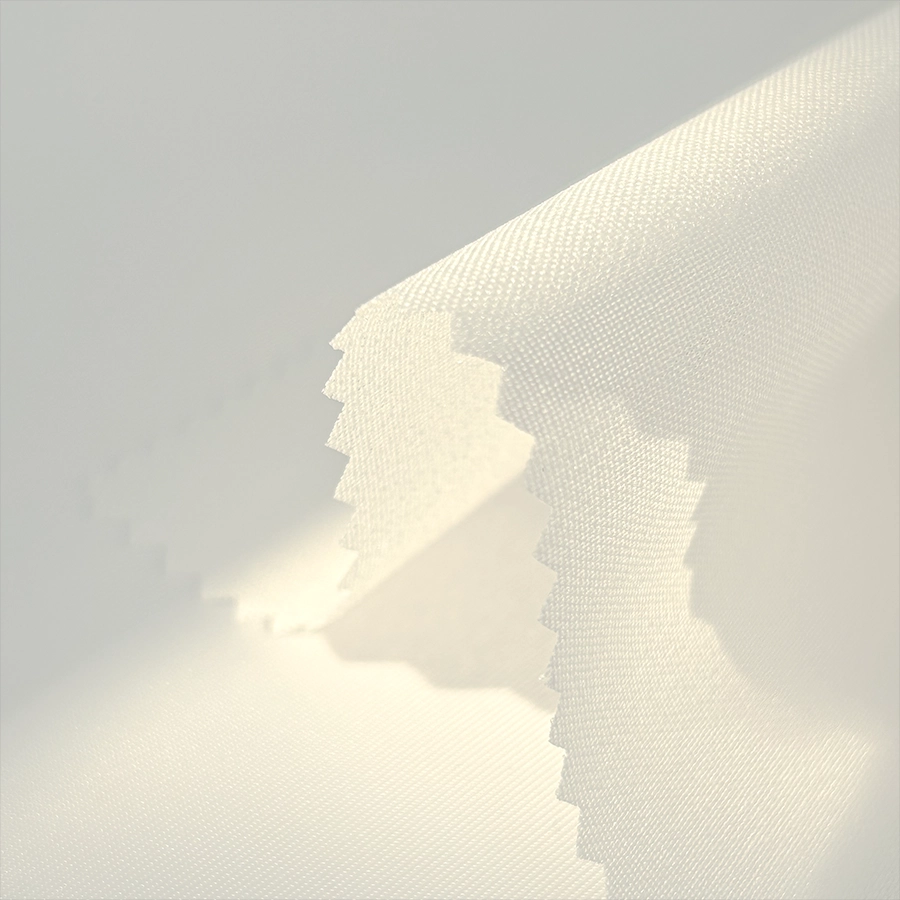
Use low-weight (e.g., 30–50 g/m²) linings that offer good dry- and wet-state resilience, rather than relying solely on thickness for stiffness. For summer business shirt collars, high-density lightweight woven linings are recommended for structural stability and shape retention. For stretch fabrics or casual styles, thin knitted linings with better compatibility can be considered. -
Focus on the lining’s wash durability
Choose adhesive types (e.g., high-quality copolyamide or copolyester dots) that resist repeated washing and perspiration, ensuring bond strength over multiple washes. For business shirts, special attention should be paid to the hydrolysis resistance of adhesive dots to cope with frequent washing and sweat exposure. -
Conduct fabric–lining compatibility tests
Perform small-scale composite tests during the development stage, including:-
Hand feel comparison (whether too stiff or dull)
-
Washing and sweat simulation tests (whether bubbling or delamination occurs)
-
Wear simulation (whether softening occurs in wet conditions)
Avoid relying solely on experience for lining selection.
-
-
Stabilize fusing process parameters
Set appropriate fusing temperatures (typically 130–150°C) based on the fabric and adhesive type. For lightweight summer fabrics, strictly control the upper temperature limit to avoid discoloration or shrinkage. Pressure and time should ensure full adhesive melting without excessive penetration. Pre-test different fabric batches with small samples, and maintain consistent equipment conditions. -
Enhance stiffness through structural design
Without noticeably increasing thickness, improve visual crispness by optimizing collar construction (e.g., adding an extremely thin inner interlining layer, or adjusting cut angles and collar-stand material).
IV Conclusion
The problem of limp collars on summer shirts essentially stems from a mismatch between lightweight fabrics and traditional lining application methods. By selecting lightweight, resilient linings with good wash durability and combining them with precise fusing processes, collars can remain crisp over time without sacrificing breathability. In actual production, up-front testing is often more critical than post-production rework.