







Lightweight Interlining: The Key to Comfort and Shape Retention of Summer Garments
Introduction
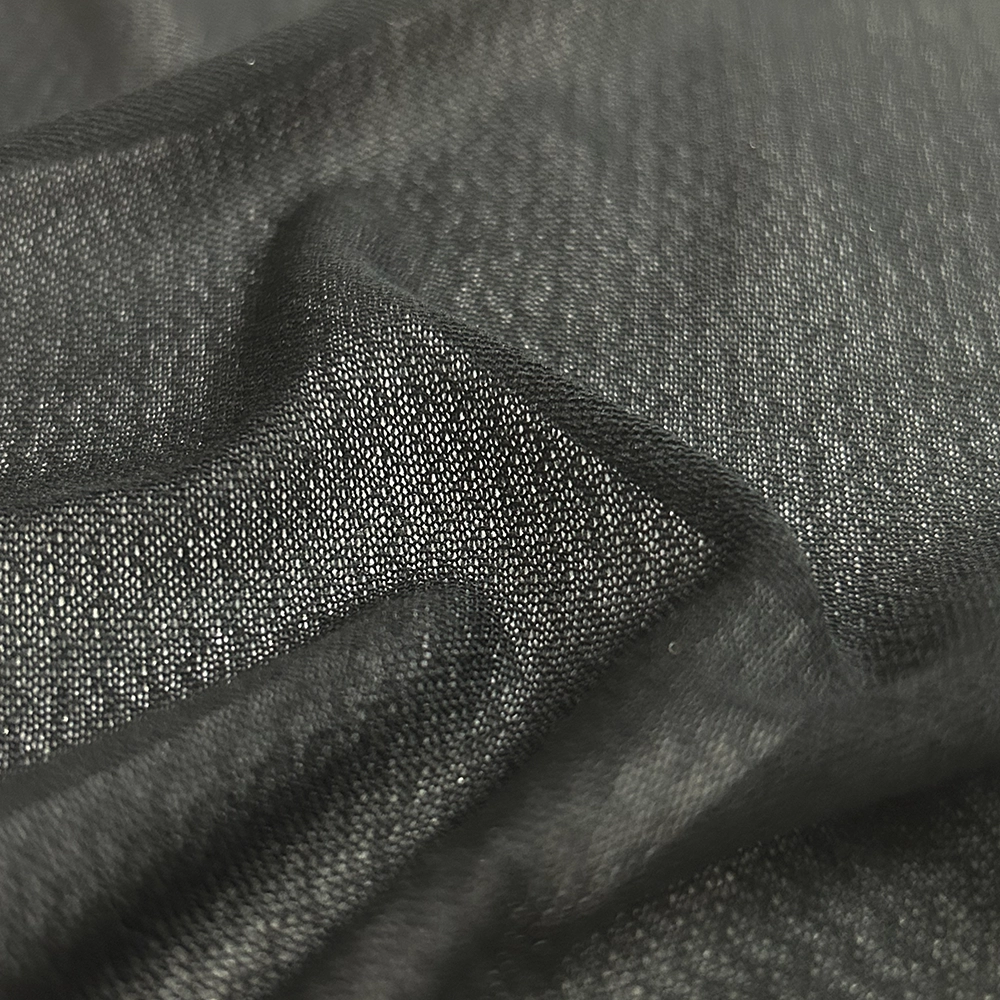
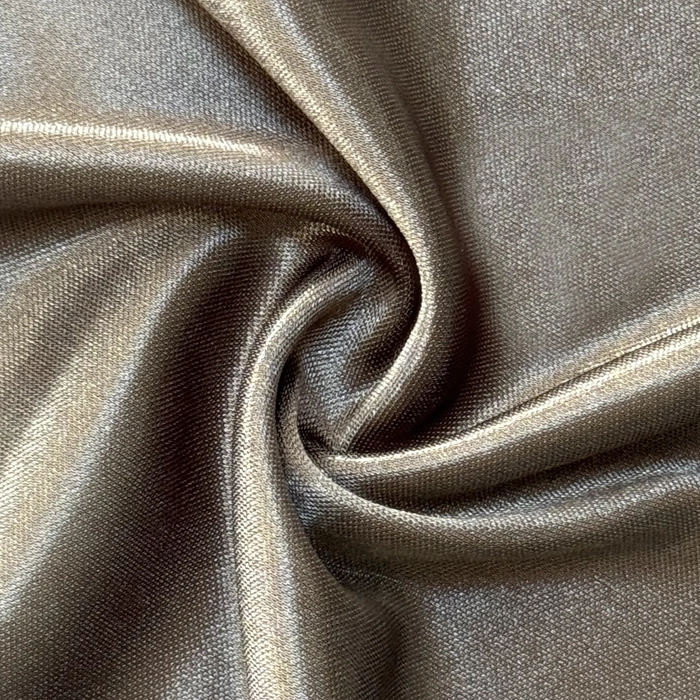
As summer arrives, high temperatures drive consumers’ growing demand for lightweight and breathable clothing. Traditional heavy interlinings can maintain garment shaping yet tend to cause stuffiness and heat discomfort. Developed by source factories, lightweight interlinings deliver a solution that combines comfort and structural support for summer apparel, enabling clothes to remain elegant and functional even in hot weather.China interlining strength manufacturers
I. Market Trend Background
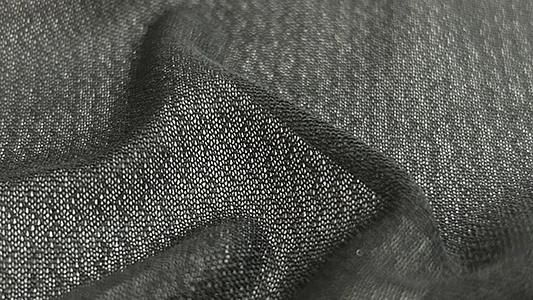
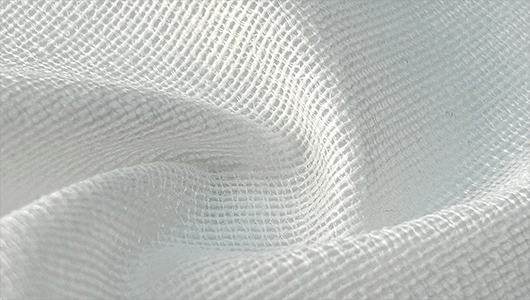
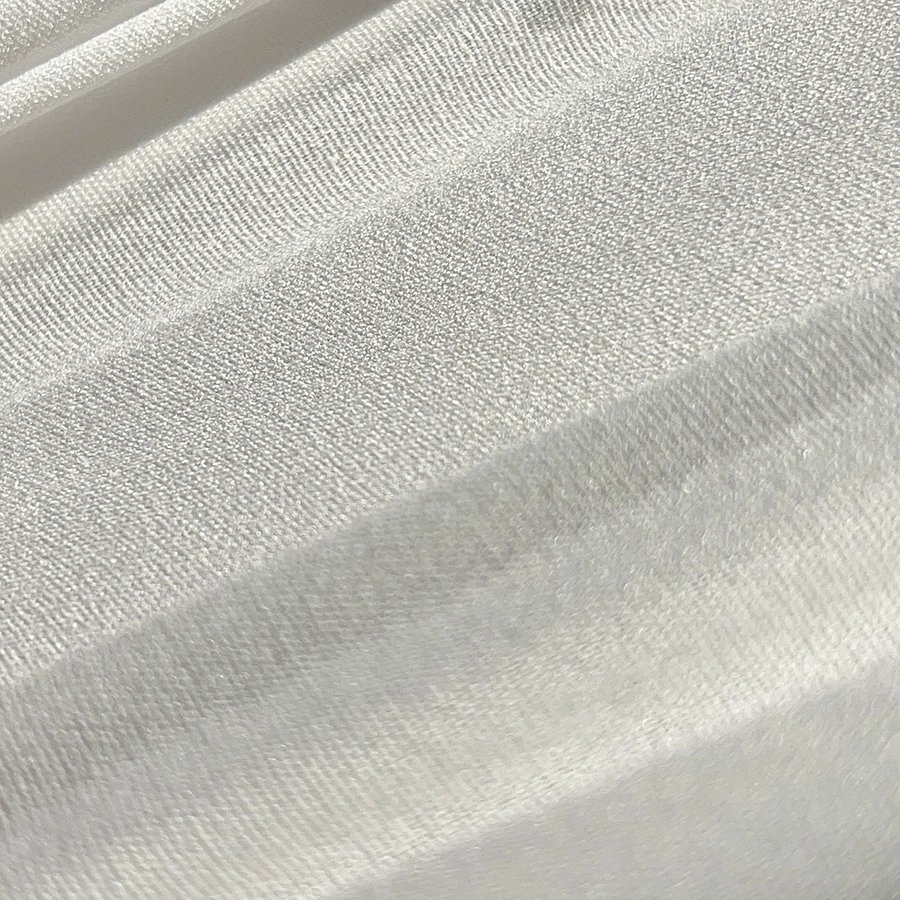
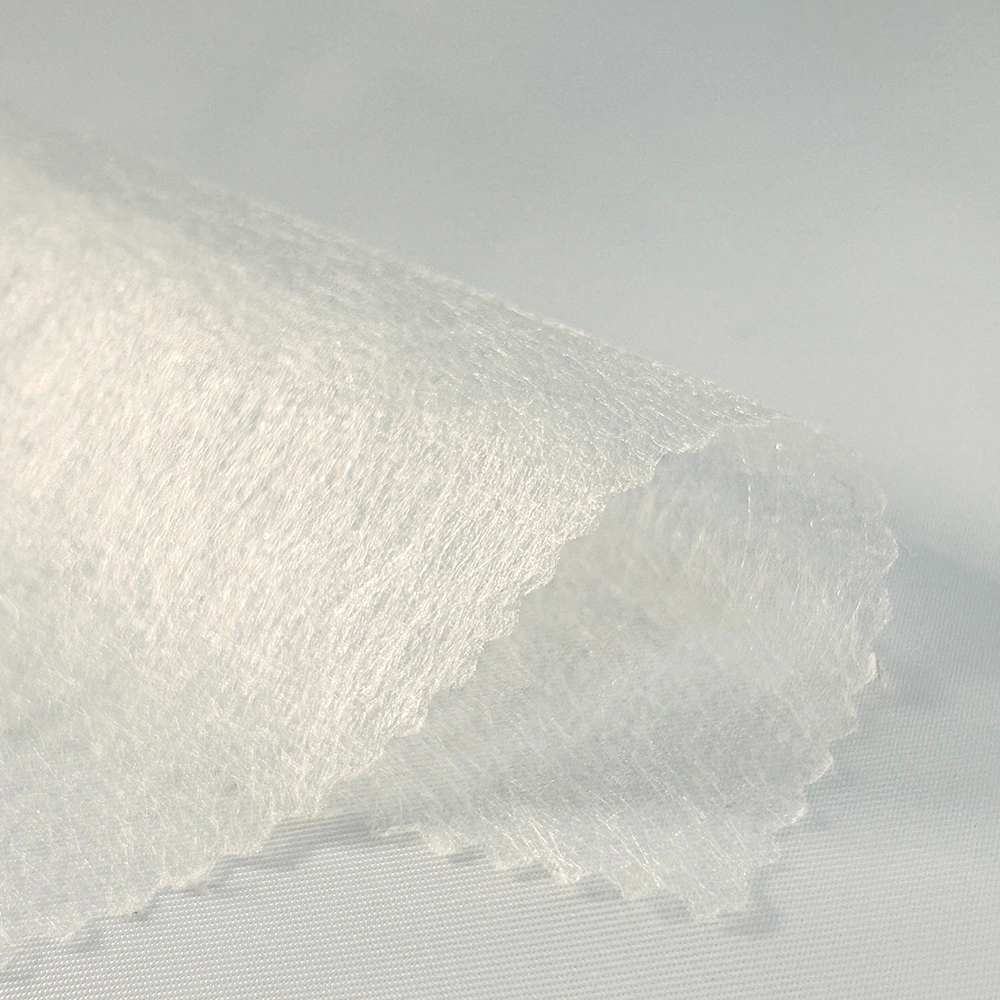
In recent years, the market demand for thin and breathable interlinings has continued to rise. Consumers pay attention not only to garment appearance but also to wearing comfort. With low-weight fibers and sophisticated craftsmanship, lightweight interlinings reduce garment weight and enhance air permeability, meeting the comfort needs of summer wear. This trend urges source factories to continuously optimize interlining materials and production processes to adapt to the dual requirements of modern clothing design for comfort and shaping performance.
II. Balance Between Shaping and Breathability
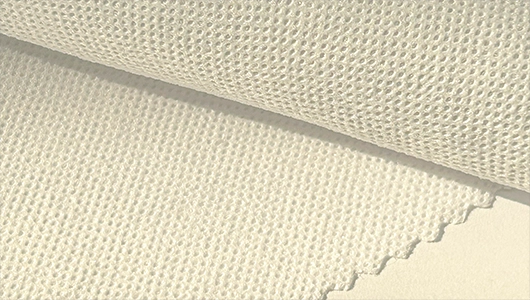
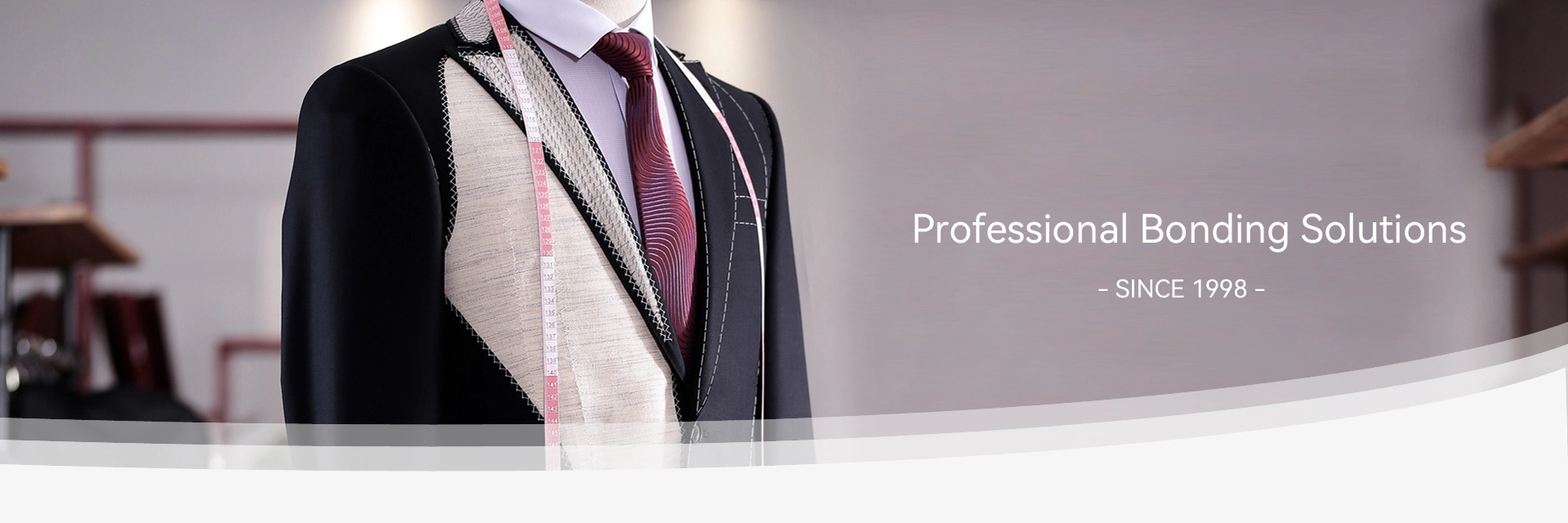
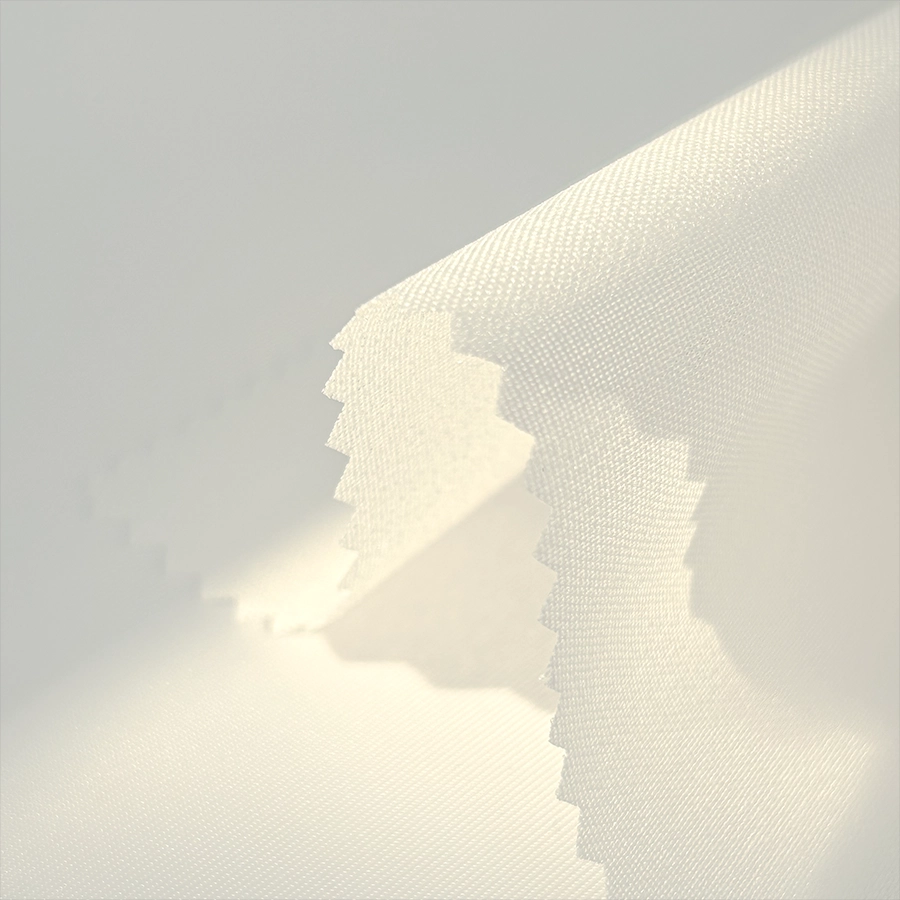
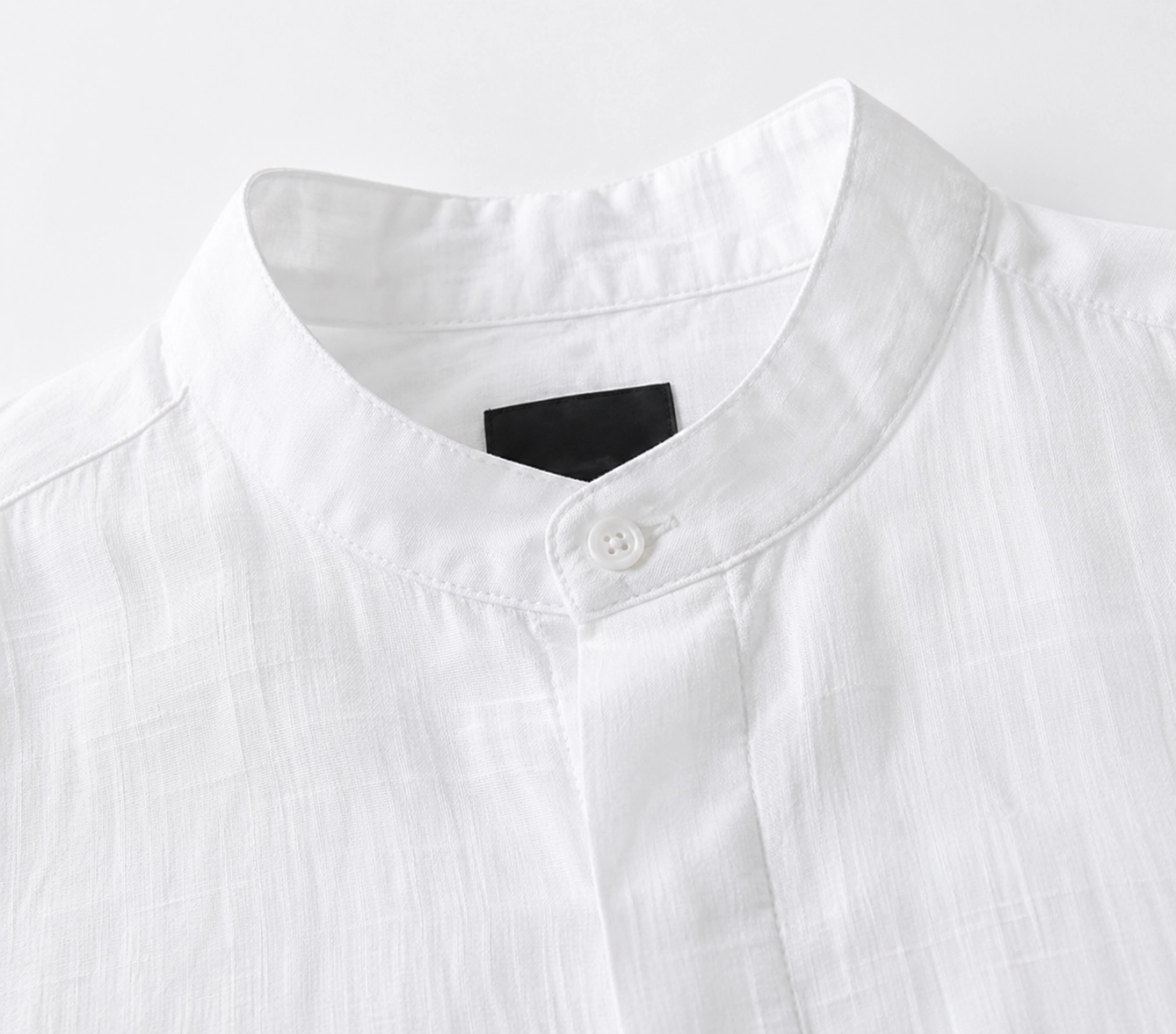
The biggest challenge for lightweight interlinings lies in balancing air permeability and stiffness. Excessively thin interlinings may cause sagging collars, cuffs or front plackets, while overly thick ones will compromise wearing comfort. By precisely controlling fiber density, adhesive dot layout and material selection, source factories enable the interlinings to stay light and breathable while maintaining essential supportive strength. They are well applicable to shirts, thin suits and women’s business attire, balancing comfort and aesthetic shaping to achieve a lightweight yet non-sagging effect.China Shenghong Lightweight Interlining Manufacturer
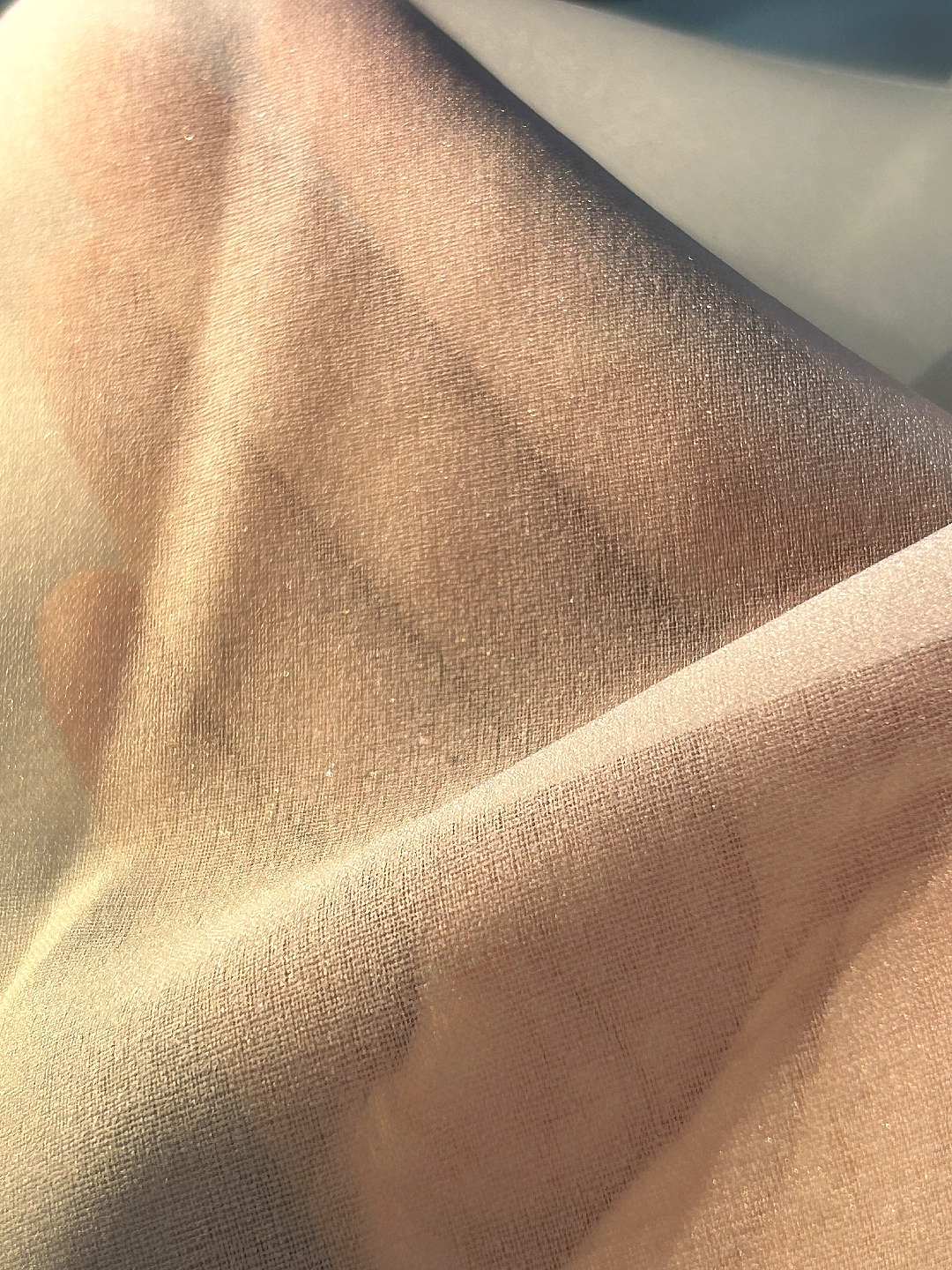
III. Application Scenarios
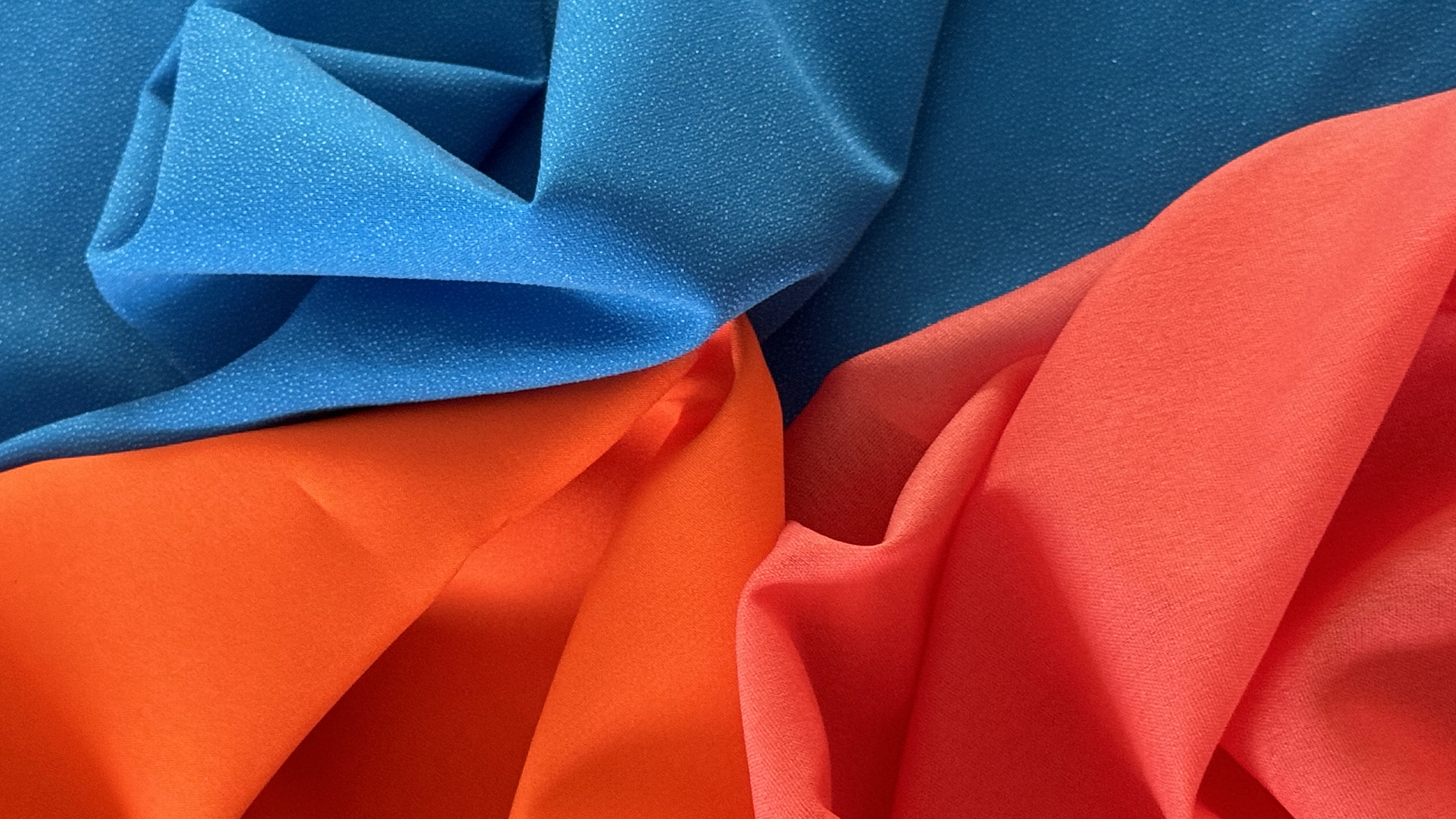
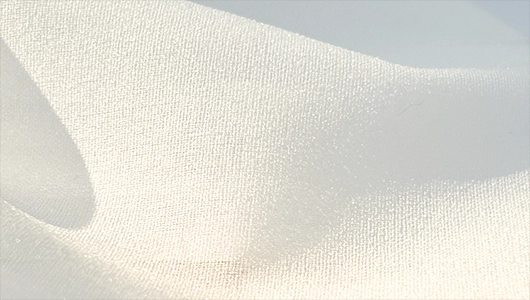
Lightweight interlinings are compatible with thin fabrics such as cotton, linen, silk and chiffon, and are especially ideal for summer shirts, thin suits and women’s professional wear. They not only improve the texture of finished garments, but also feature wash resistance and anti-deformation performance, maintaining original stiffness and elasticity after repeated washing. This allows clothing enterprises to design summer apparel with lightweight fabrics without worrying about garment deformation or sagging, easily reconciling comfort and aesthetics.
Conclusion
Selecting suitable interlining is crucial to improving the comfort and shaping aesthetics of summer clothing. Through technological innovation and material optimization, source factories maximize the value of lightweight interlinings in summer garments, realizing a perfect balance of comfort, air permeability and shape retention, and providing professional and reliable solutions for clothing enterprises.