











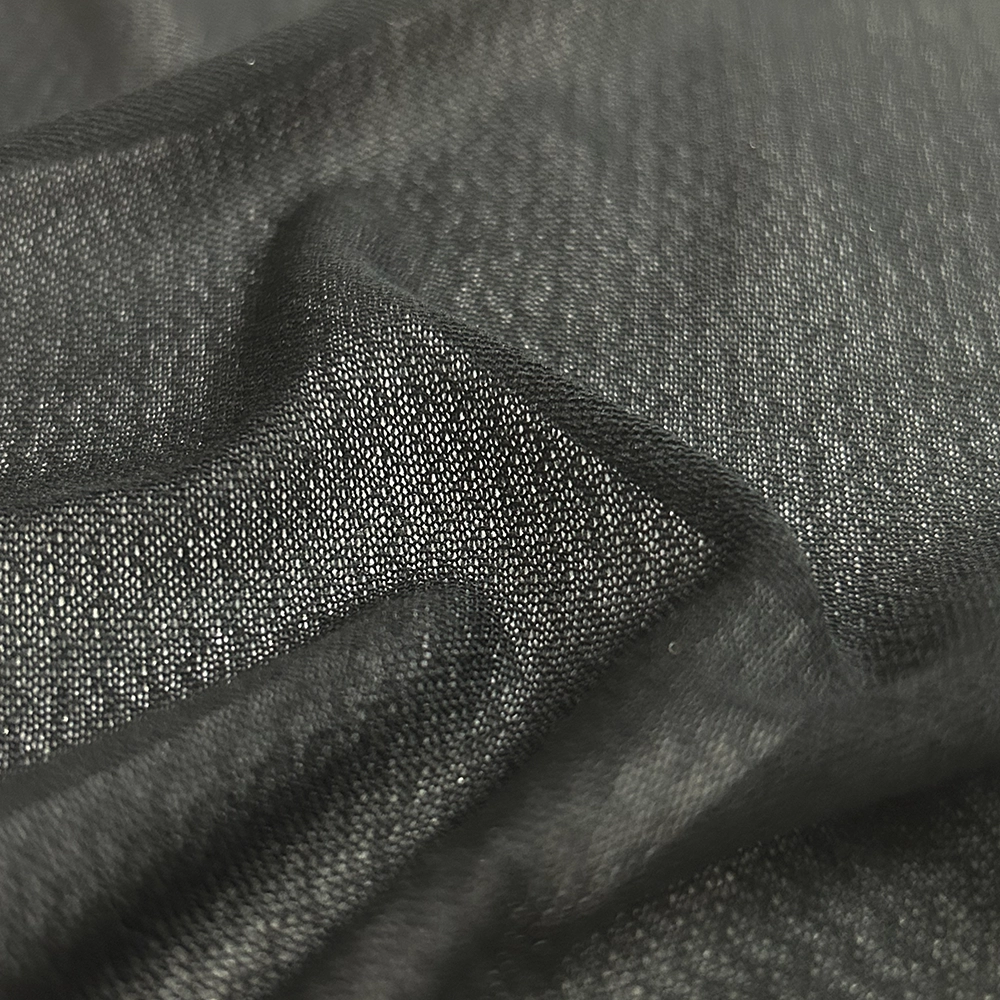
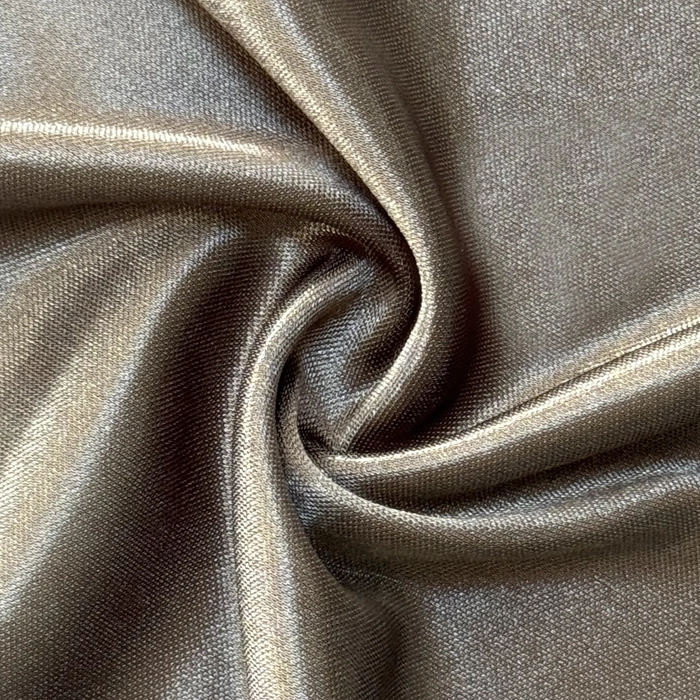
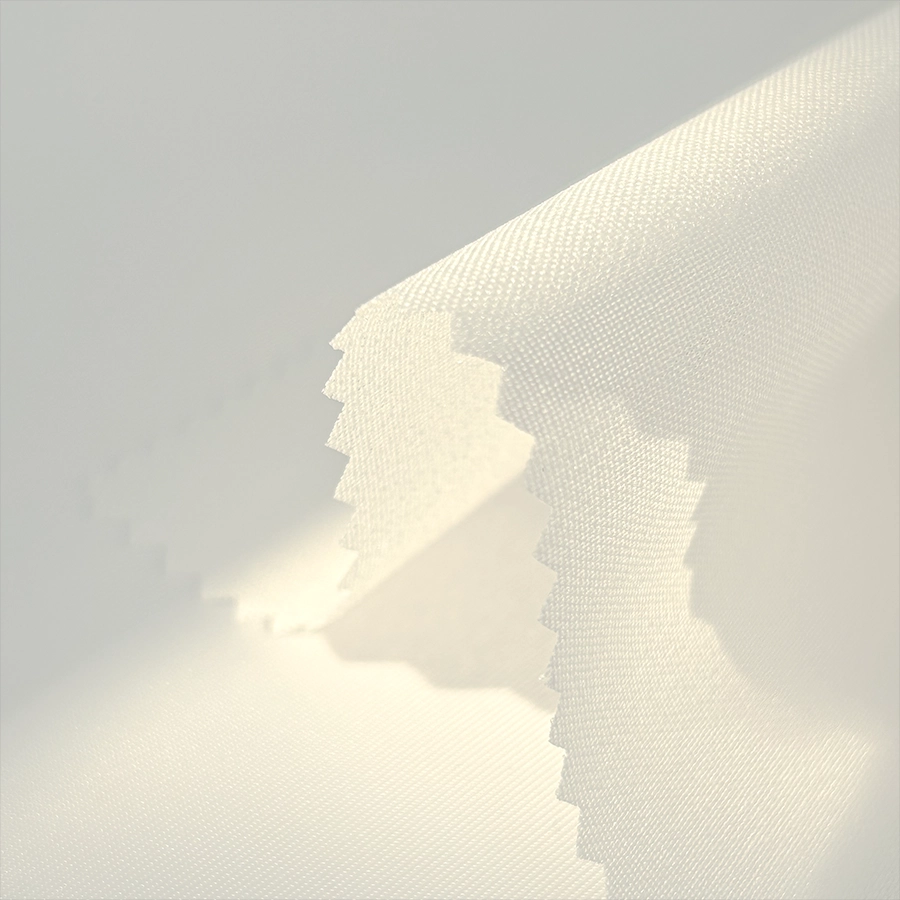
Casual Women's Wrinkles Easily with Fusible Interlining? Here’s Why
Ⅰ. Thin fabrics: Where does the problem lie?
Entering June, casual women's wear is dominated by lightweight summer fabrics, including linen-cotton, viscose, Tencel, light polyester, and stretch wovens. These styles pursue a natural, soft look and feel. However, the thinner and softer the fabric, the more any issues with fused interlining are magnified.
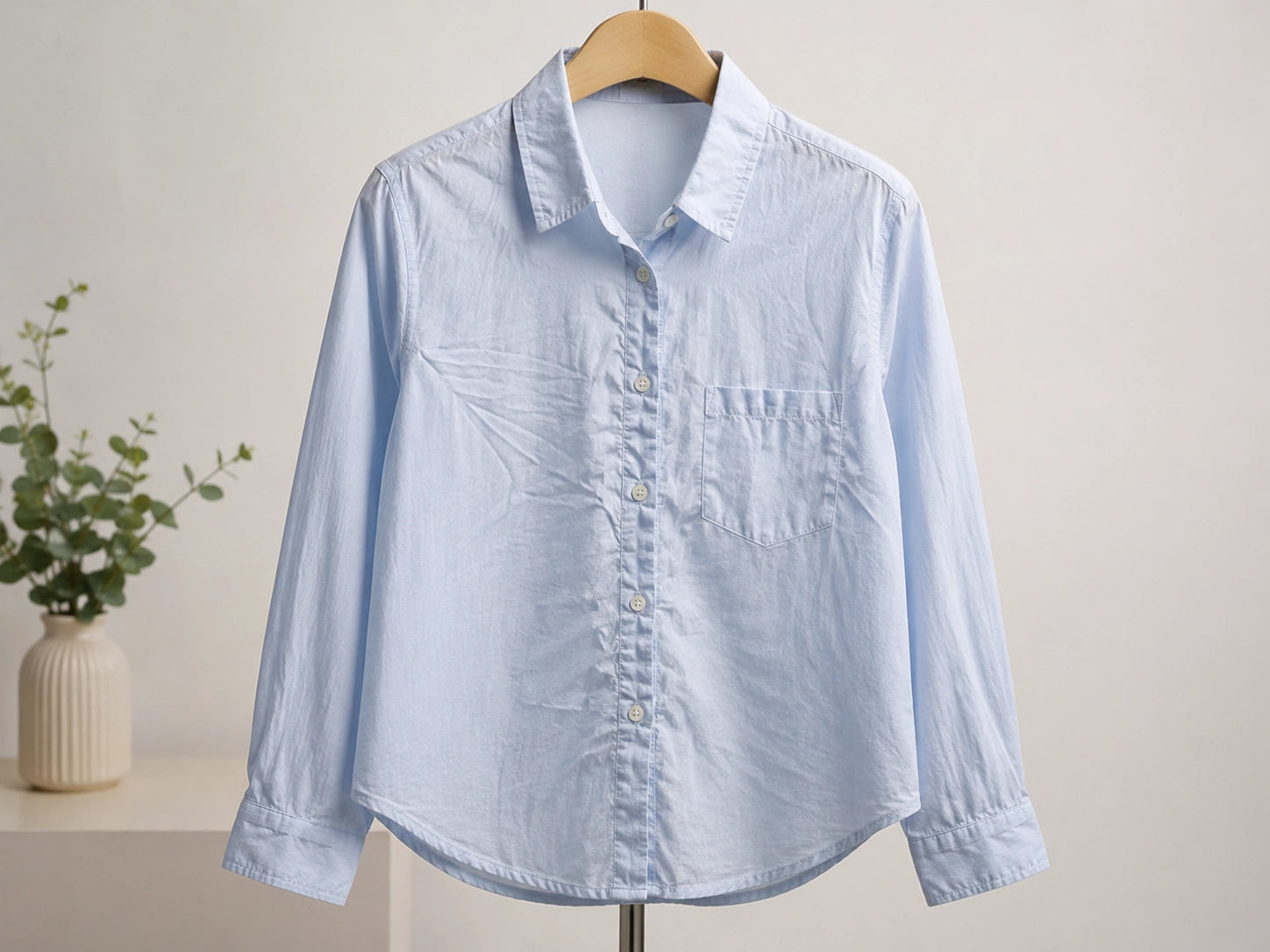
Many garment companies encounter similar situations at this stage: samples are fine, but during bulk production, fine wrinkles appear at placket edges; collars don't lie flat after folding; pocket flaps and cuffs show slight waviness after pressing; some styles only develop wrinkling after washing or ironing. On the surface, it looks like interlining wrinkling, but often the root cause is a mismatch between fabric, interlining, and process.China shenghong interlining manufacturer
Ⅱ. Four common root causes of wrinkling
In June, the most common causes of wrinkling in casual women's wear are not that the interlining alone is bad, but that summer fabrics have a low tolerance for error.
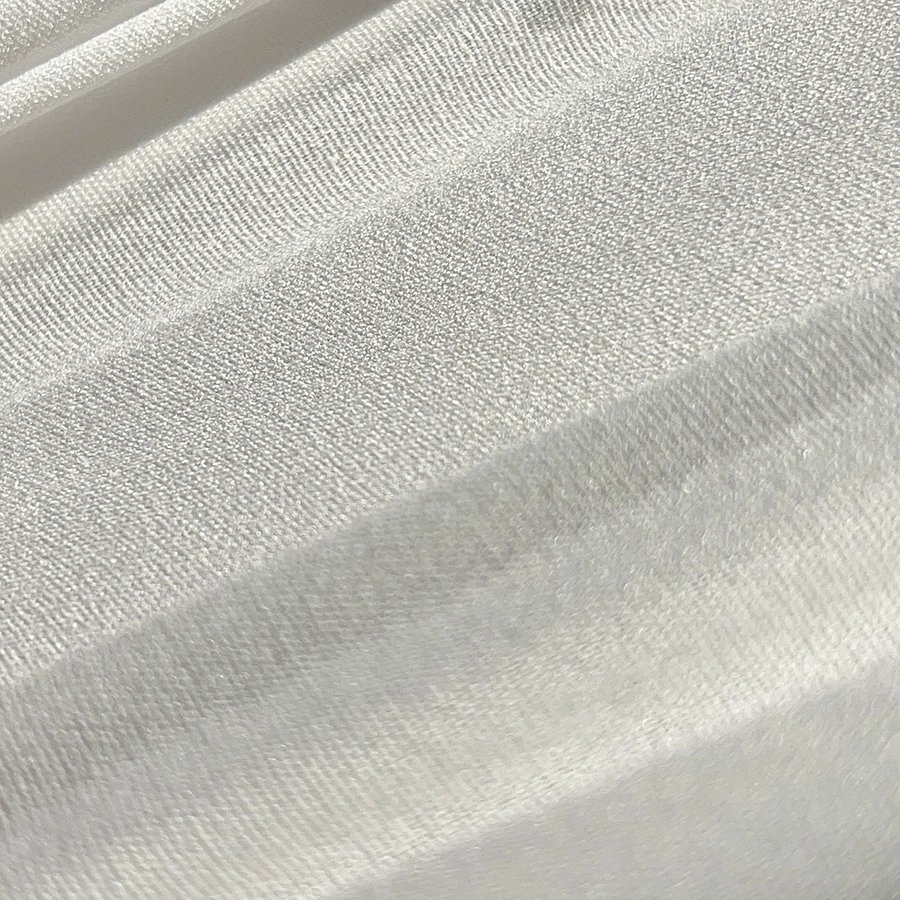
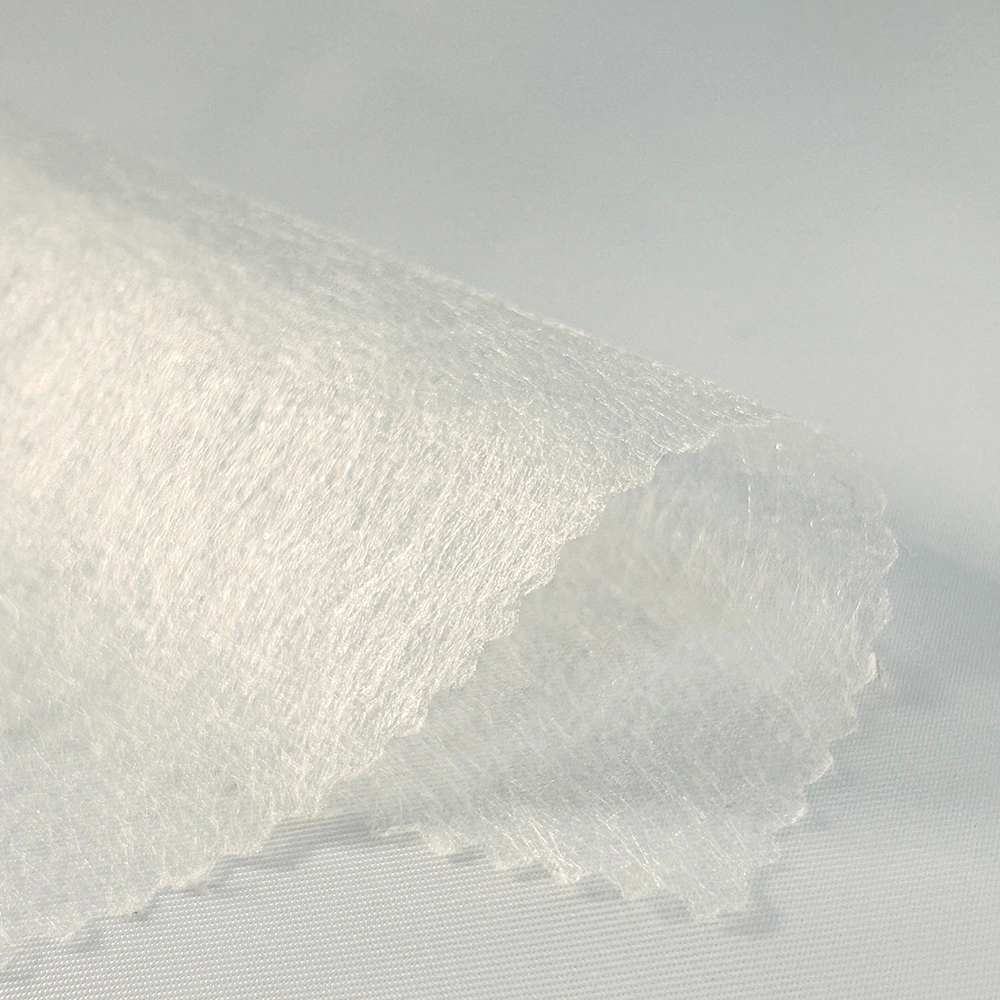
First, the fabric is too lightweight, while the interlining feels too heavy. Summer fabrics are soft and thin. If paired with an interlining that is too stiff or high in body, after fusing, the fabric follows the interlining, easily creating fine wrinkles at edges like plackets and collars.
Second, the fabric and interlining shrink at different rates. Fabrics like linen-cotton, viscose, and Tencel shrink when exposed to heat and steam, while the interlining changes to a different degree. After bonding, if one material shrinks significantly more than the other, the surface may become uneven. This is especially common in washed casual wear.
Third, pressing causes thermal shrinkage in thin fabrics. Lightweight fabrics are sensitive to temperature. If the fusing temperature is slightly too high or the time too long, the fabric may shrink first. This type of wrinkling is not caused by sewing—the problem is already introduced during fusing.
Fourth, local structural stress magnifies the wrinkling. Areas like plackets, collars, cuffs, and pocket flaps require both fusing and folding/stitching/pressing. A small flat sample may not show a problem, but that doesn't mean wrinkling won't appear in the finished garment structure.
Ⅲ.Diagnose by symptoms, solve accordingly
When dealing with such issues, first diagnose based on the symptoms rather than jumping directly to retesting. If fine wrinkles appear immediately after pressing, first check the temperature and interlining hand feel; appropriately lower the pressing temperature or shorten the time, and switch to a lighter, softer interlining for comparison, rather than raising the temperature to force adhesion. If wavy wrinkling appears at placket or collar edges, focus on whether the interlining provides excessive support; summer casual women's wear does not necessarily need high stiffness; lightweight fabrics are better suited to low-weight, soft interlinings to avoid stiff edges and tension wrinkles. If wrinkling only appears after washing, focus on the shrinkage difference between fabric and interlining; if the fabric shrinks noticeably after washing while the interlining changes little, the surface may easily become wrinkled, puffy, or uneven; in the early stage, switch to an interlining whose post-wash stability is closer to that of the fabric.
Additionally, wrinkling in specific local areas cannot be solved by looking only at the overall process. Small parts like pocket flaps, cuffs, and collar corners are prone to wrinkling due to small cut pieces and concentrated stress; consider using a different interlining locally, adjusting the interlining grain direction, or reducing the fused area to give the fabric some room to move.China interlining strength manufacturers
Ⅳ. Summary
For wrinkling with interlining in casual women's wear in June, the core issue is not whether the interlining itself is defective, but whether it is suitable for lightweight summer fabrics and specific garment parts. Thin, soft, stretchy, and washable fabrics are inherently more sensitive to fusing. Problems often appear first at details like plackets, collars, cuffs, and pocket flaps. A more effective approach is to trace back from the timing and location of wrinkling: if wrinkling occurs after pressing, check temperature and hand feel; if wavy edges appear, check if interlining support is too strong; if wrinkling appears after washing, check whether fabric and interlining shrink in sync. This is more likely to pinpoint the adjustment needed than generic retesting.