







How exactly do you use double-sided adhesive tape?
I. Which garment parts are suitable for double-sided adhesive tape?
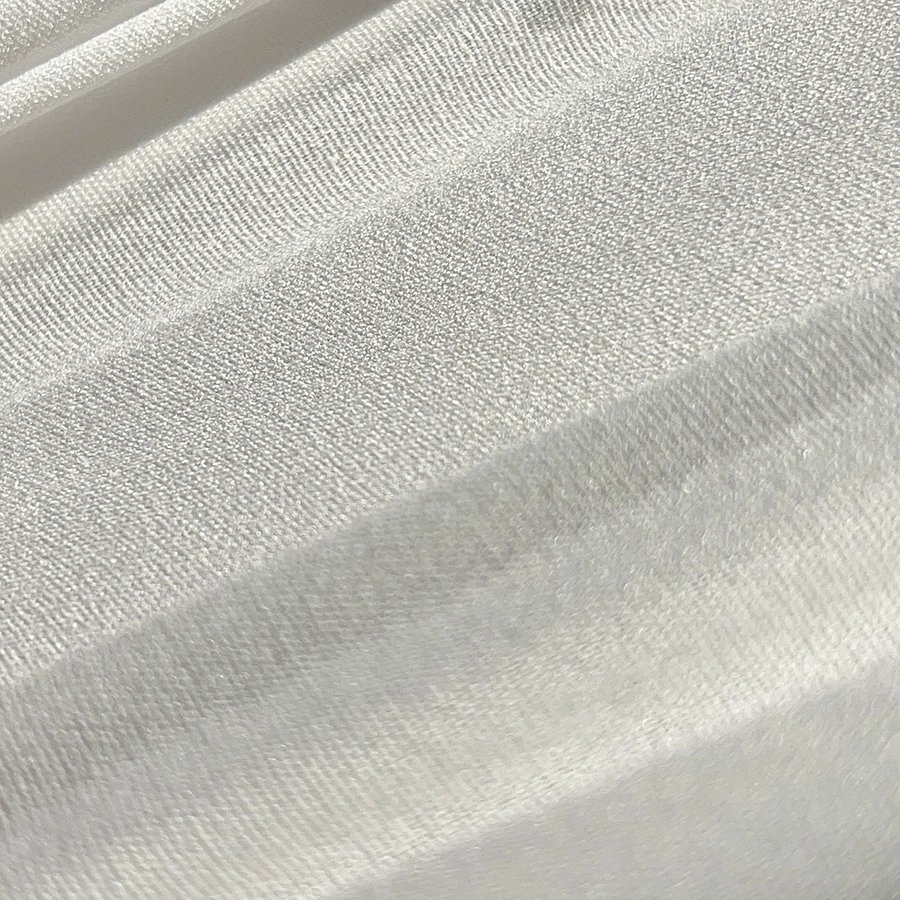
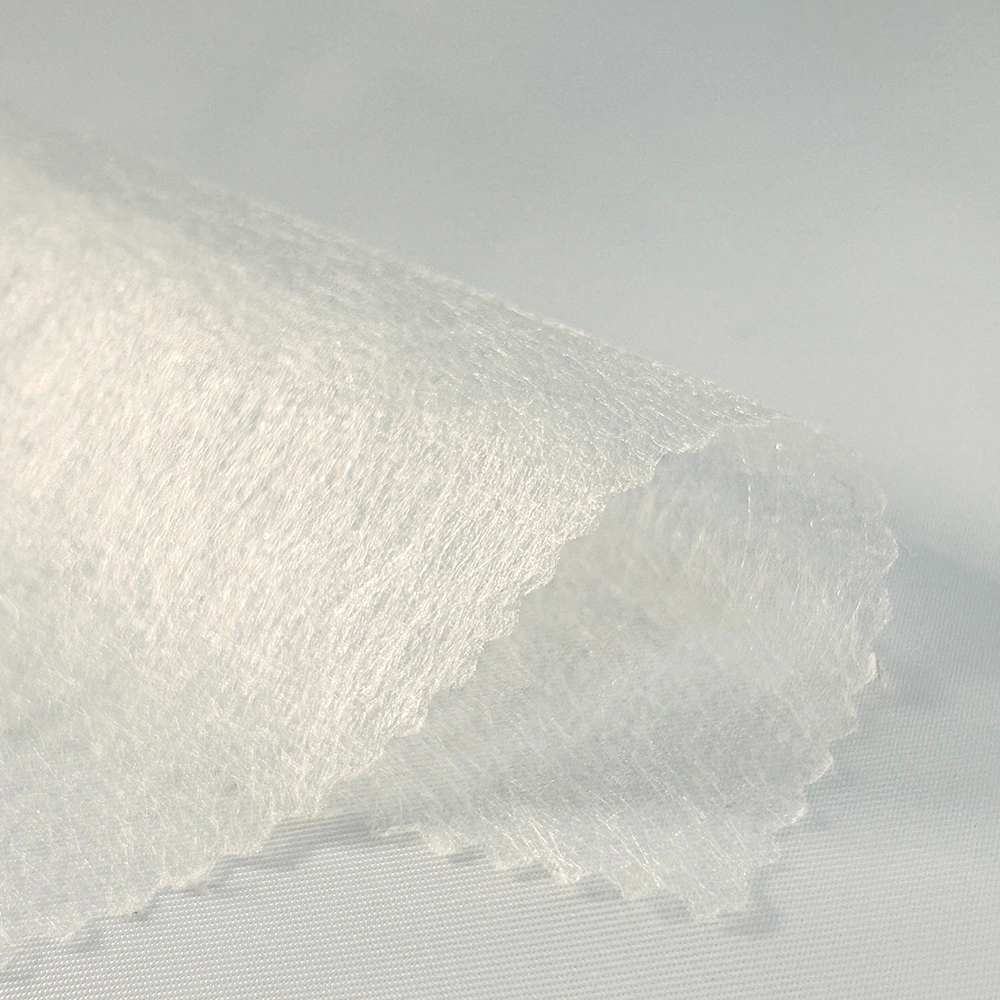
Double-sided adhesive tape is mainly used for bonding between two layers of fabric. Common applications include hemming of trousers, cuffs, bottom hems, plackets, facings, pocket openings, partial waistband areas, decorative patches, and some seamless construction details. Its purpose is not to replace all sewing, but to reduce visible stitches, control edge appearance, improve local flatness, or assist subsequent sewing and shaping.China Shenghong Double-Sided Fusible Interlining Factory
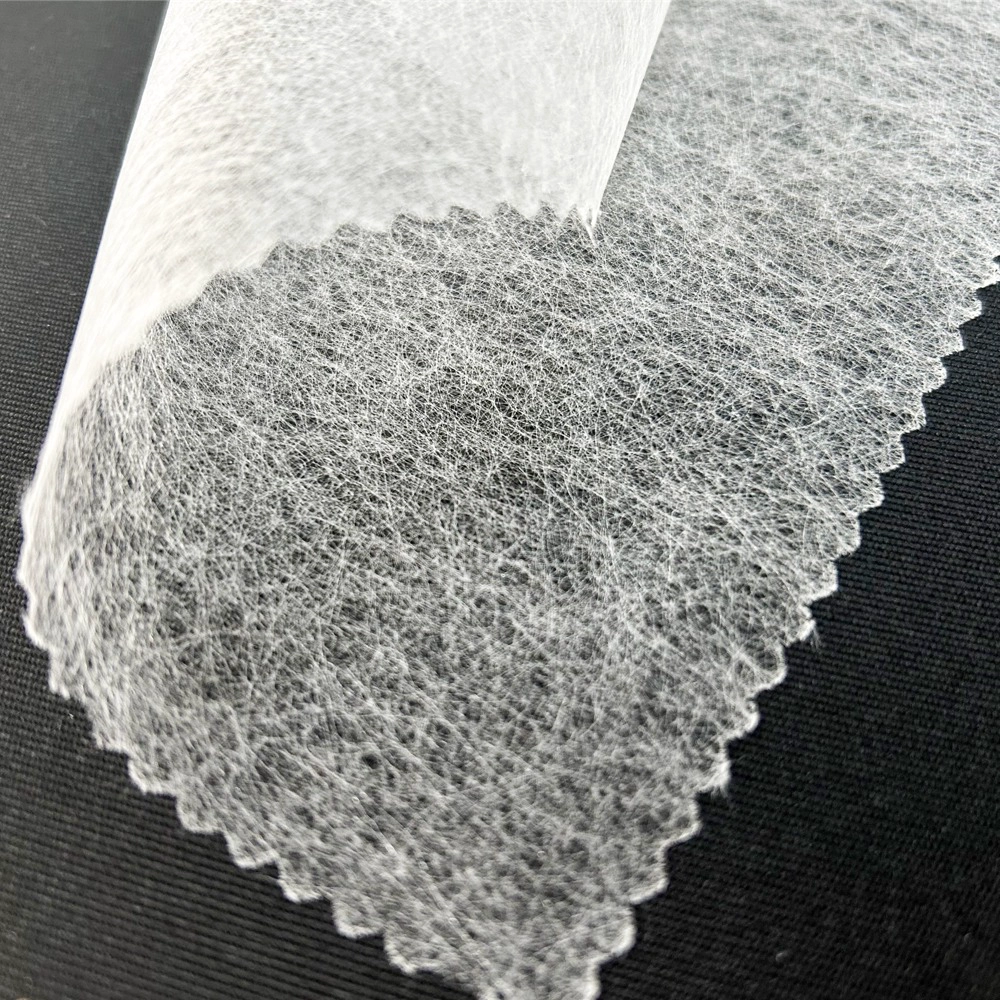
From the garment manufacturing perspective, whether to use double-sided adhesive tape depends first on the appearance and stress requirements of that part. For example, at folded edges such as trouser hems, cuffs, and bottom hems, using double-sided adhesive tape can create a cleaner edge and reduce curling. For plackets, facings, and pocket openings, the focus is more on flatness after bonding and stability after washing. For seamless garments, the compatibility of the adhesive layer with the fabric's elasticity, thickness, and stretching during wear must also be considered.
However, double-sided adhesive tape is not suitable for all locations. If a part is subjected to long-term high tension, frequent bending, or if the fabric surface has special coatings, water-repellent finishes, or highly elastic structures, testing should be done first. Do not rely solely on immediate adhesion to judge suitability.
II. Different parts have different requirements for double-sided adhesive tape
For trouser hems, cuffs, and bottom hems, the main concerns are whether the tape detaches after washing, whether the edge lifts, and whether the hand feel becomes stiff. If the fabric is thick, the double-sided adhesive tape needs sufficient bonding support. If the fabric is thin, care must be taken to prevent the adhesive layer from showing through to the right side, causing glue marks, shiny spots, or stiffness.
For plackets and facings, the front appearance of the garment is more easily affected. Improper use of double-sided adhesive tape may cause local unevenness, press marks, edge glue seepage, or wrinkling and poor draping after washing. This is especially critical for shirts, women's jackets, light blouses, and similar styles where front appearance is highly valued. The thickness of the adhesive layer and pressing conditions must be chosen more carefully.
For pocket openings, pocket flaps, decorative patches, etc., both appearance and resistance to friction and pulling during use must be considered. If the adhesive layer is too thin, the edges may lift after washing or wear. If it is too thick, the area may become stiff, affecting the natural drape of the fabric.
For stretch fabrics and knits, the recovery after stretching must also be considered when using double-sided adhesive tape. If bonding restricts the fabric's elasticity, it may cause local puckering, cracking, deformation, or unnatural edges during wear.
III. Whether double-sided adhesive tape can be used depends on the specific application scenario
Double-sided adhesive tape is suitable for parts such as trouser hems, cuffs, bottom hems, plackets, facings, pocket openings, and decorative patches where local bonding and a flat appearance are desired. However, whether it is suitable for bulk production depends on whether the fabric, location, pressing process, and after-finishing conditions are compatible.
The same double-sided adhesive tape may be stable on a thick fabric hem but may bleed through on a lightweight fabric placket. It may work well on ordinary woven fabrics but detach after washing on high‑stretch knits or coated fabrics. To determine whether double-sided adhesive tape is appropriate, one should not only check whether it sticks, but also evaluate the appearance after pressing, durability after washing, change in hand feel, and process stability in mass production.China Shenghong Double-Sided Fusible Interlining Manufacturer
IV. Conclusion
Double-sided adhesive tape is not a universal trim. Its applicability is highly dependent on the use scenario. Only by selecting the right location, matching the appropriate adhesive layer and pressing process, can its advantages of reducing visible stitches, improving flatness, and assisting shaping be realized. Conversely, using it in unsuitable locations or neglecting testing may lead to glue bleed‑through, detachment, wrinkling, or stiff hand feel.