







Application Guide for Interlinings in Thin Autumn Garments by Different Parts
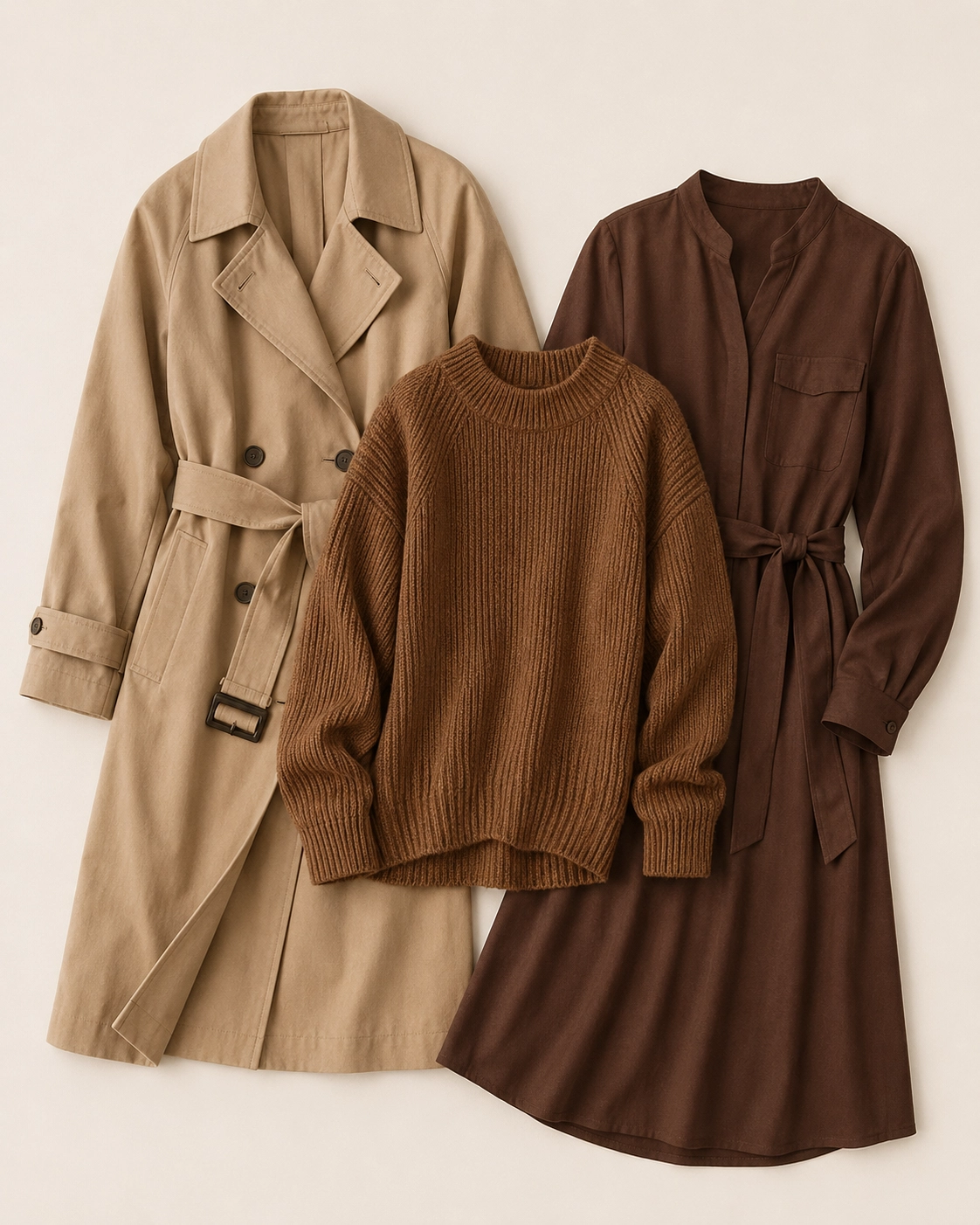
As autumn approaches, garments such as shirts, knitted cardigans, lightweight jackets, dresses, and light trench coats begin to hit the shelves in full force. These autumn styles emphasize silhouette and layering more than summer wear, but cannot be as heavy as winter clothing. Therefore, when selecting interlinings, it is essential to choose lightweight, soft, and appropriately stable options based on the specific part of the garment. The key point of using interlinings in thin autumn garments is not to make the entire garment stiffer, but to keep areas such as collars, plackets, cuffs, and pocket openings smooth while preserving the fabric's original drape and hand feel.
I. Collar Interlining: Balancing Shape and Softness
The collar is one of the parts most prone to deformation in thin autumn garments. Shirt collars, stand collars, and lightweight jacket lapels all require some support, but the support should not be too strong, otherwise the collar tends to look thick and stiff, compromising the garment's airy feel.
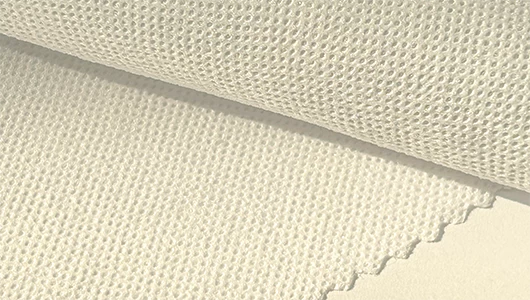
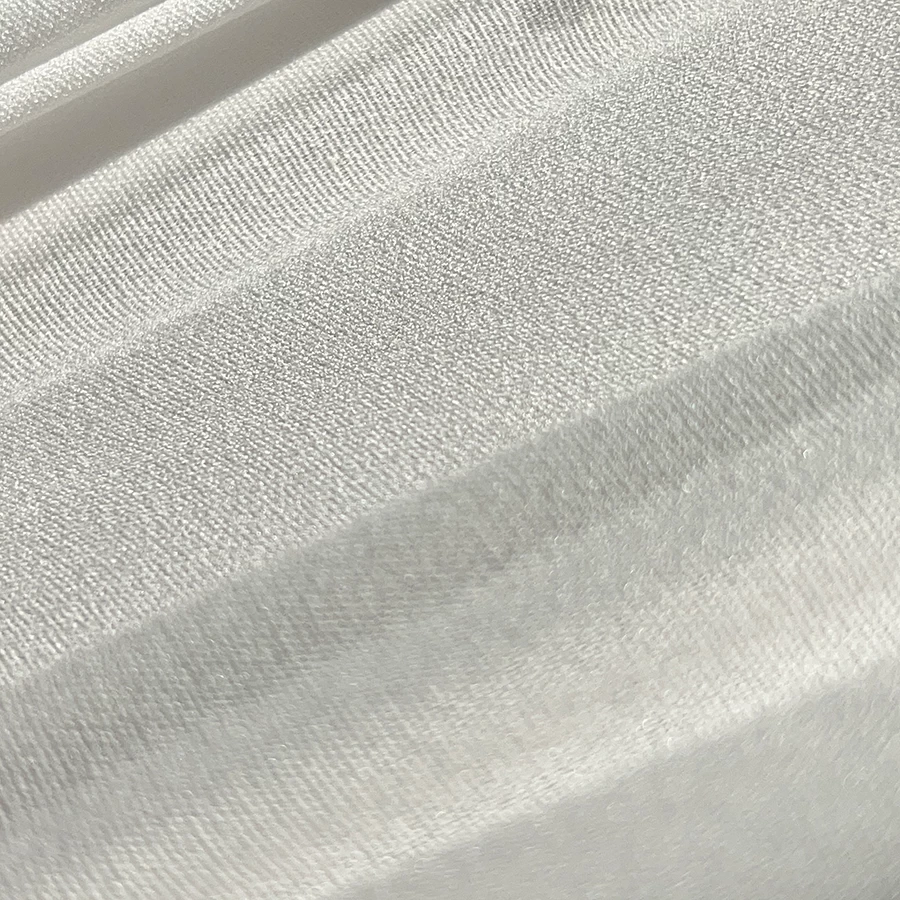
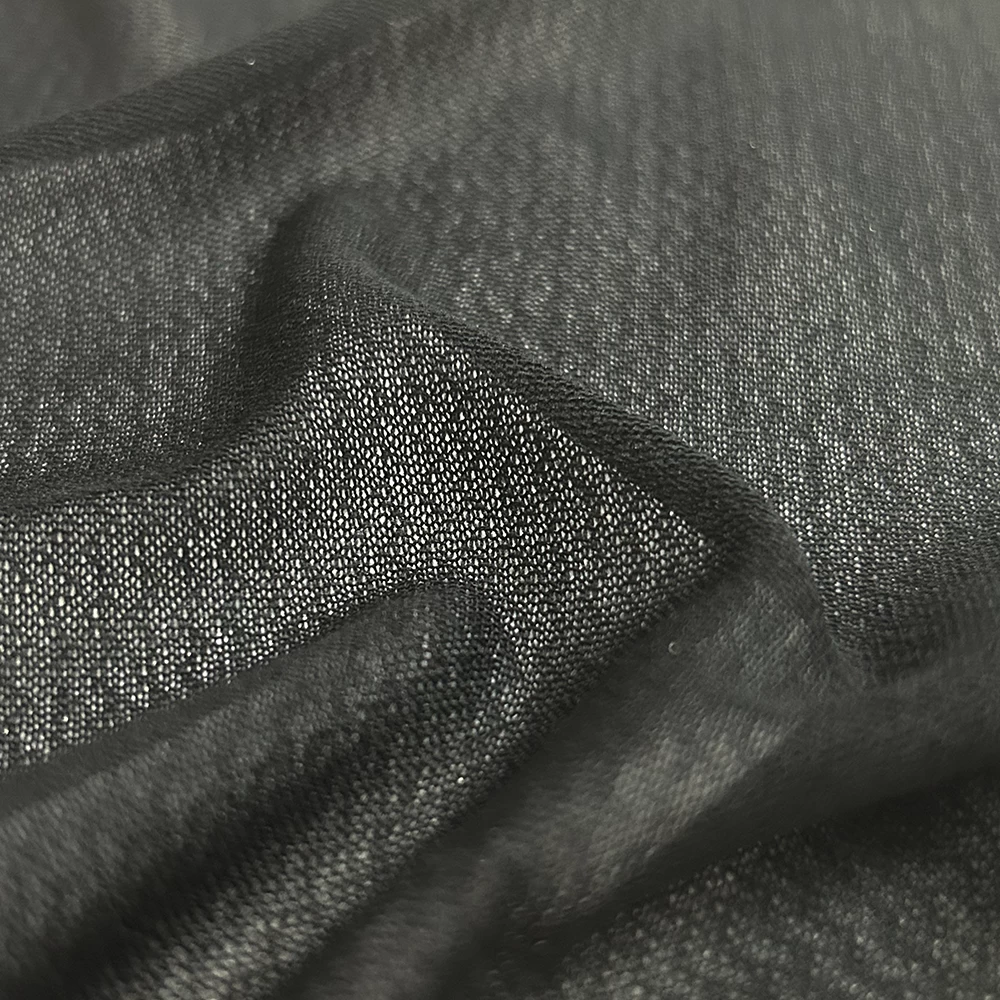
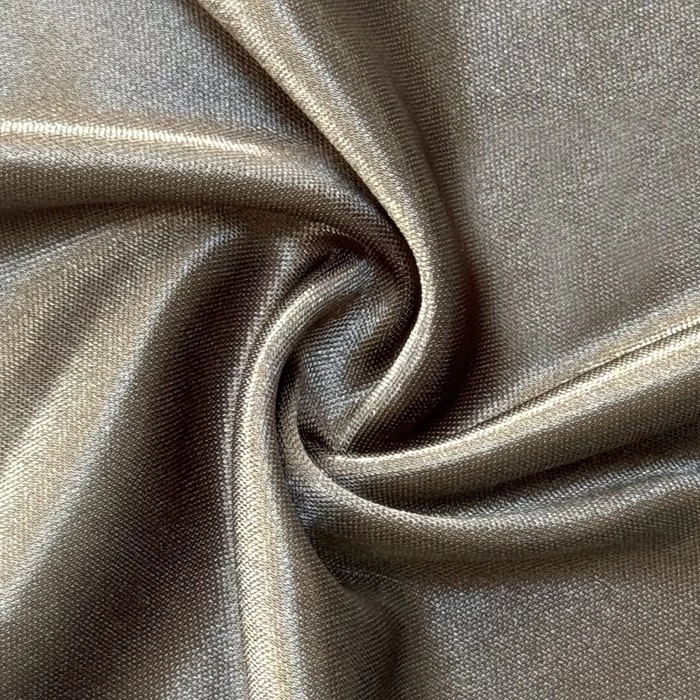
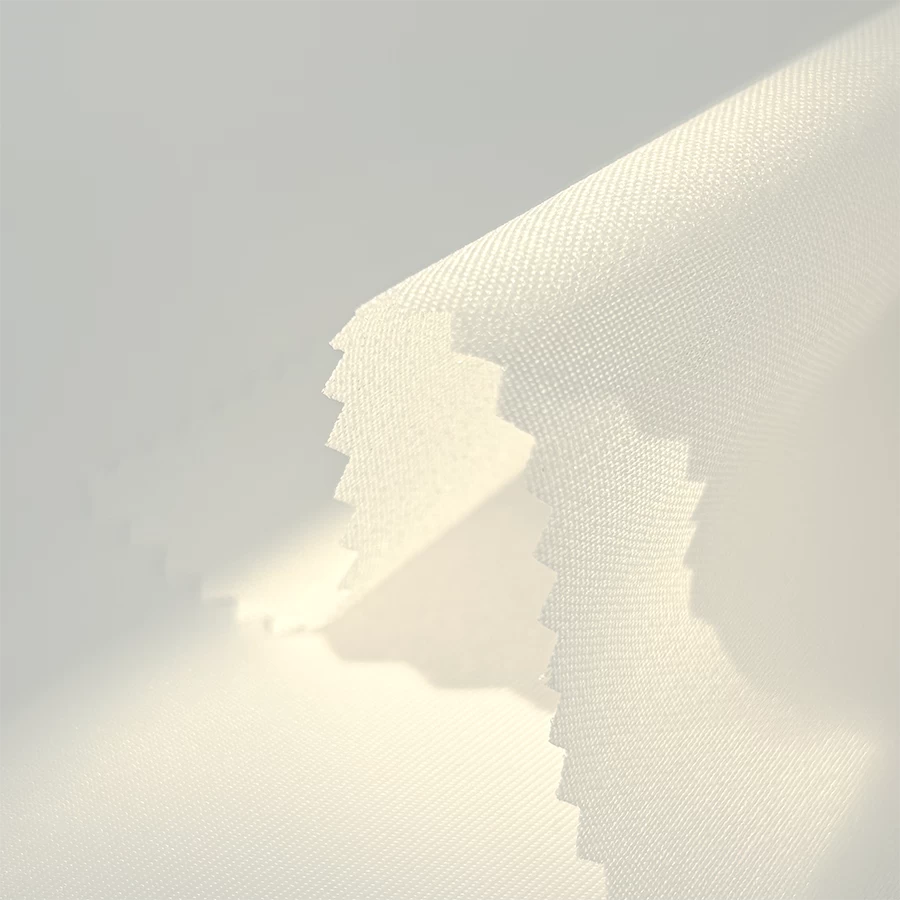
For lightweight woven fabrics, high-quality shirts are generally recommended to use woven fusible interlinings (woven interlinings), which offer superior washability and stability, ensuring that the collar shape remains crisp after repeated wear and washing. For cost-sensitive styles or those requiring only local reinforcement, nonwoven interlinings may also be chosen. When selecting specific products, softer-handling options can be chosen according to collar style: shirt collars usually need to maintain a clear outline, and the collar stand and collar leaf may be interlined separately depending on fabric thickness; lightweight women's lapels, on the other hand, emphasize natural roll-over, so the interlining should not be too stiff. The collars of knitted autumn garments also need to retain some elasticity, making knitted interlinings that match the fabric's stretch direction more suitable, ensuring that the collar does not lose its original soft hand feel and elastic recovery after fusing.China Shenghong Autumn Wear Interlining Factory
II. Placket Interlining: Maintaining Smoothness and Stability
The placket bears the stress from buttons, buttonholes, and daily opening and closing, making it a common key interlining area in thin autumn garments. Although shirts, knitted cardigans, and lightweight jackets all require placket interlinings, their actual requirements differ.
Autumn shirt plackets are generally required to be smooth and wrinkle-free, and after interlining, they should coordinate with the garment body without obvious thickness differences. The placket of a knitted cardigan is more prone to stretching, so the interlining must be able to "keep up" with the fabric's elasticity—providing stability without completely restricting the fabric's stretch, achieving synchronized elasticity to avoid placket distortion during wear or blistering after washing. The placket of a lightweight jacket often also supports a zipper or snap buttons, so a slightly higher-stability thin fusible interlining may be chosen, but still avoiding localized stiffness that would affect natural bending during wear. In thin autumn garments, the common interlining weight range is generally between 15g and 50g, and technicians can precisely match within this range based on fabric thickness.
III. Cuff and Pocket Opening Interlining: Controlling Local Thickness
Cuffs, cuff tabs, pocket openings, and pocket flaps are small in area but directly affect whether the details of autumn garments remain smooth. Cuffs need to retain their shape after repeated fastening, while pocket openings should reduce stretching and deformation. For thin autumn garments, these parts are not suitable for simply adding thicker interlining; instead, attention should be paid to matching the interlining with the fabric.
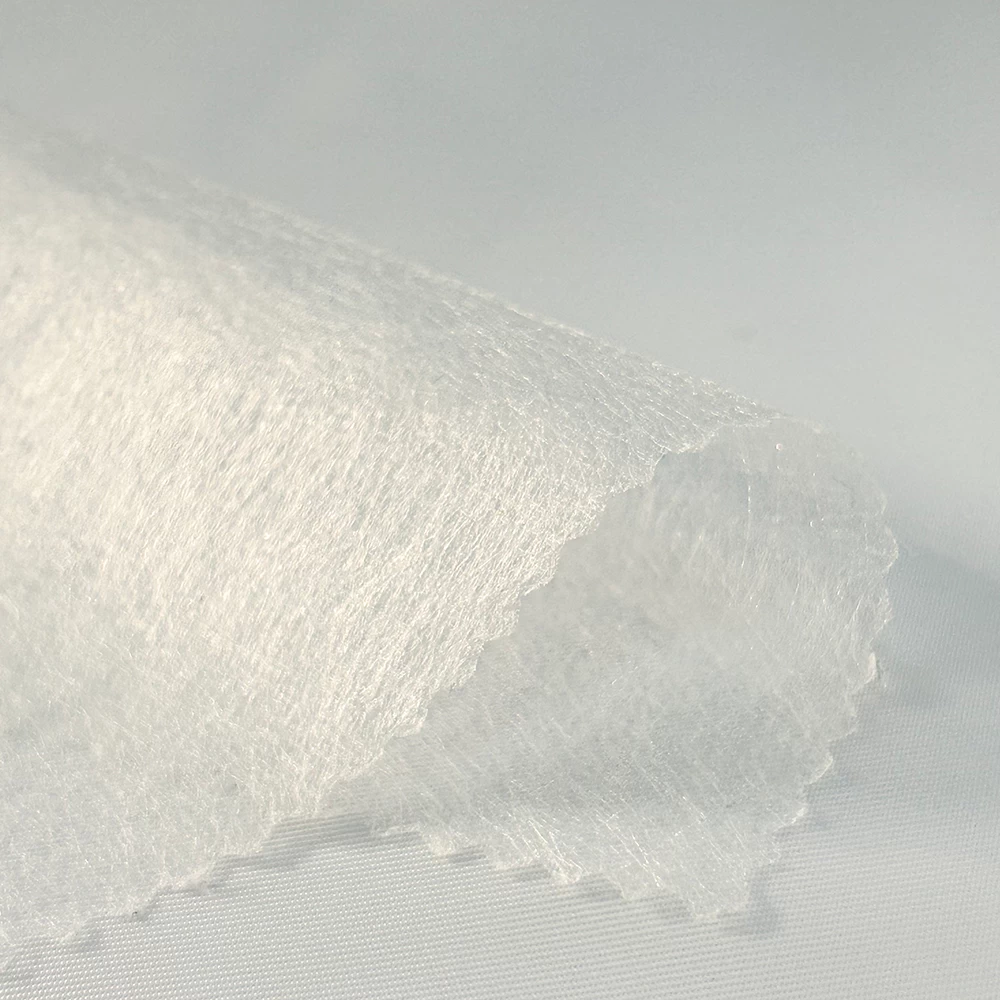
Shirt cuffs can use lightweight interlinings with moderate support to make the edges neater. The cuff tabs and pocket flaps of light trench coats and jackets need to maintain clear outlines, but if the interlining is too thick, the folded edges tend to look stiff. Pocket openings and zipper areas are better suited to local reinforcement—applying interlining precisely at stress points—which improves stability while minimizing impact on the overall hand feel.
IV. Hem, Waistband, and Other Areas: Flexible Interlining Based on Style
In thin autumn garments such as skirts, dresses, lightweight trousers, and short jackets, waistbands, hems, slits, and zipper areas are also involved. Waistbands need to stay smooth and avoid curling or distortion after wearing; hems and slits are more about local stabilization and may not require large-area interlining.
Conclusion
The application of interlinings in thin autumn garments should be based on the actual needs of different parts. Collars emphasize shaping, plackets emphasize stability, cuffs and pocket openings emphasize local support, and waistbands and hems should be handled flexibly according to style and fabric. Only by controlling the hand feel, thickness, and fusing effect of the interlining can the garment maintain its light and comfortable autumn character while achieving a smoother, more durable finished silhouette.China Shenghong Lightweight Fusible Interlining Manufacturer
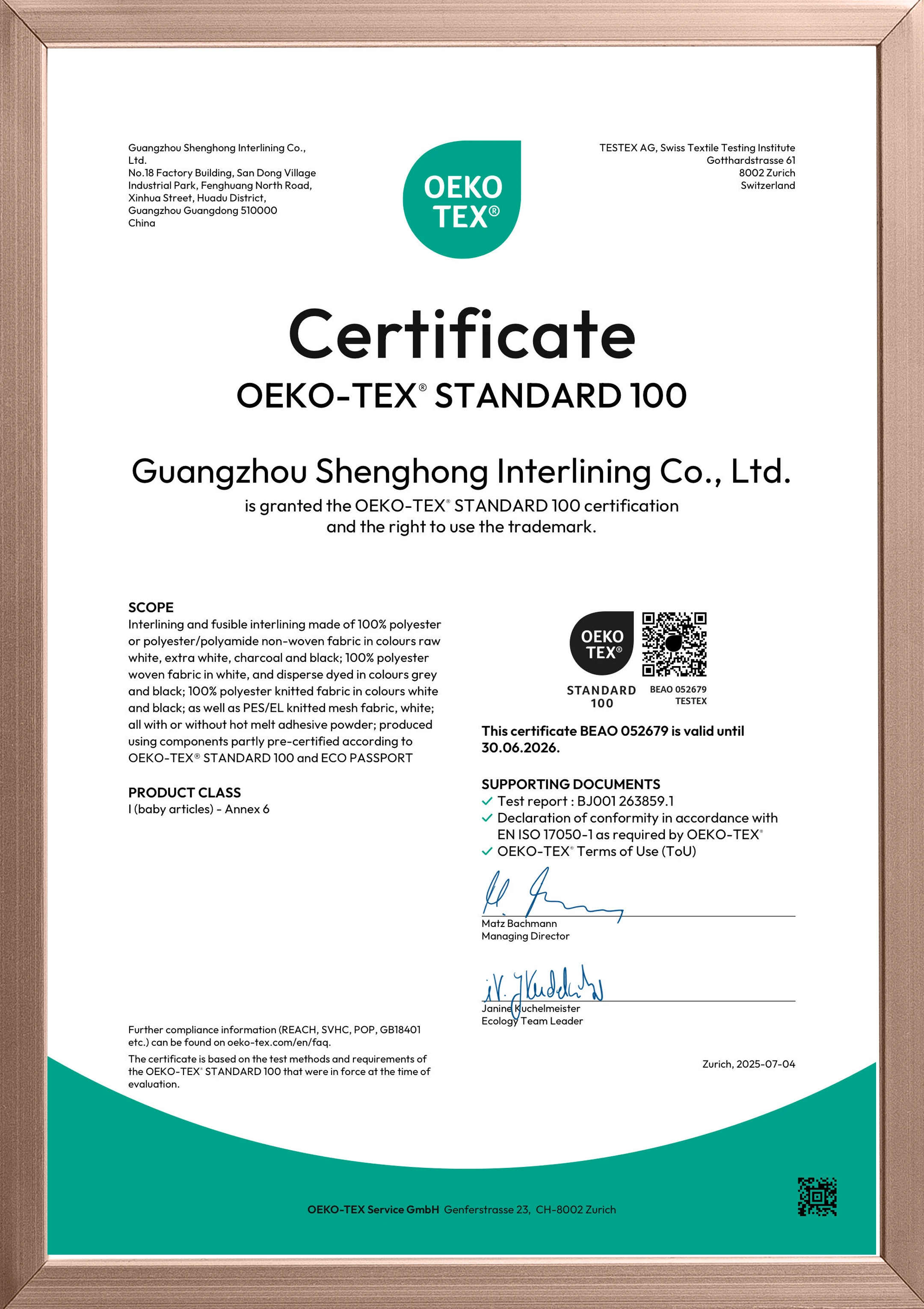
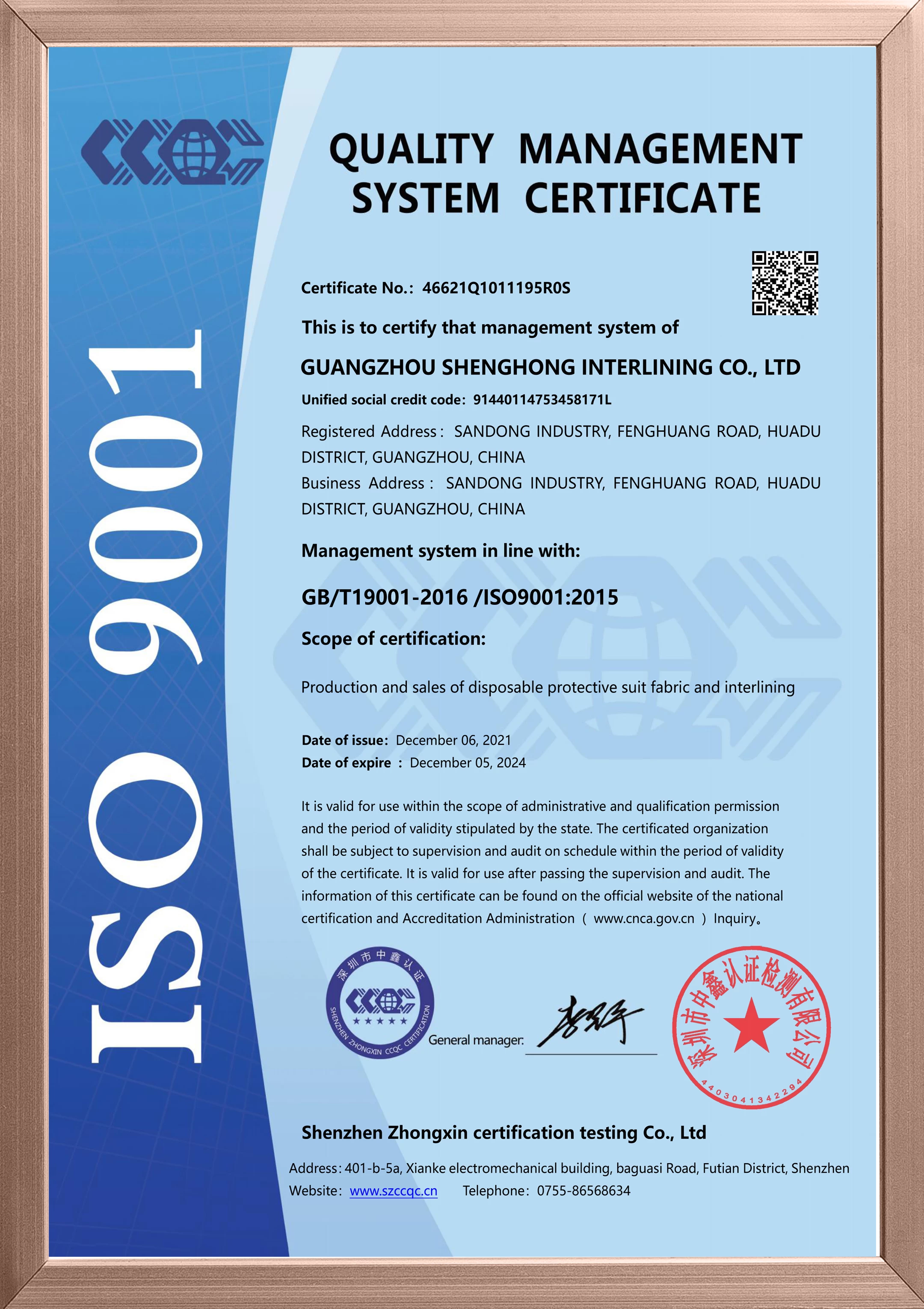
Guangzhou Shenghong Interlining Co., Ltd. has been deeply engaged in the interlining industry for 23 years, offering woven interlinings, nonwoven interlinings, knitted interlinings, fusible interlinings, and knitted backing fabrics for garment lamination. Based on different autumn fabrics, styles, and application parts, we provide professional interlining matching references and technical support to garment customers.