






Fabric and Interlining Features of Lightweight Women's Apparel in Southeast Asia
Introduction
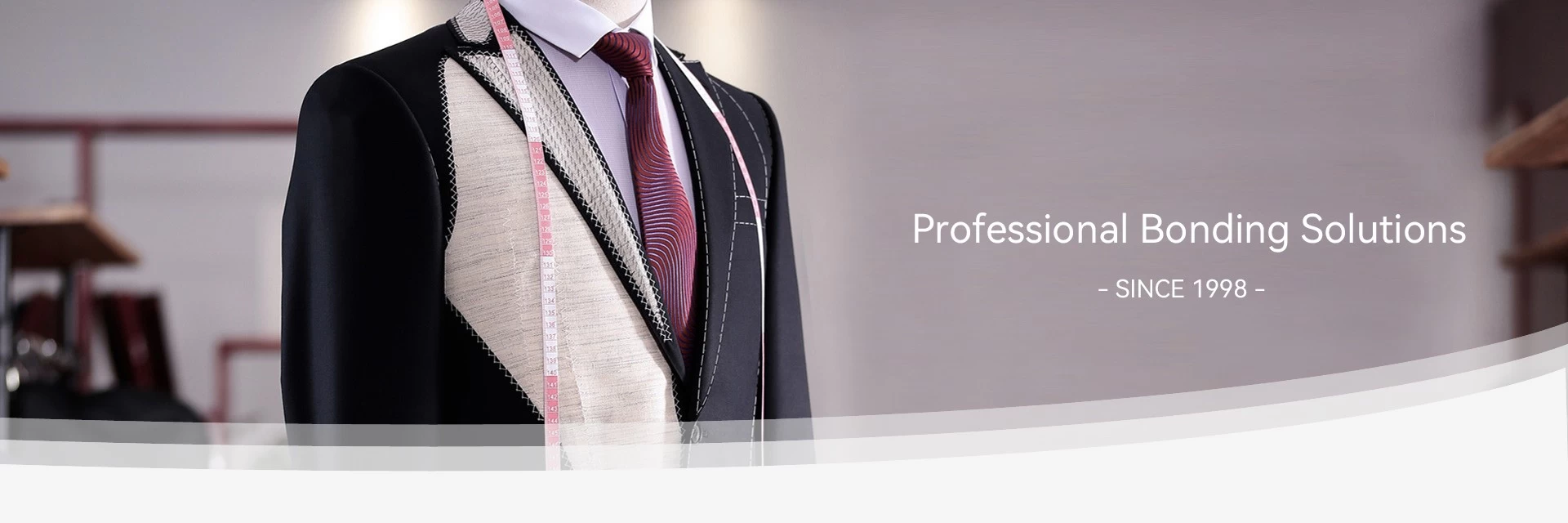
In Southeast Asia, where temperatures remain high throughout the year, consumers tend to prioritize lightweight, breathable, soft, and comfortable characteristics when choosing everyday women's wear. Shirts, dresses, loose-fitting tops, skirts, and other categories often use cotton, viscose, polyester blends, chiffon, and lightweight knitted fabrics. For garment brands and manufacturers, while these fabrics offer a light feel, they are also prone to issues such as limp collars, wrinkled plackets, and deformed waistbands. Therefore, interlining selection requires a balance between stable garment structure and soft hand feel.China Shenghong Lightweight Women's Wear Interlining Factory
I. Lightweight women's wear fabrics emphasize breathability and drape
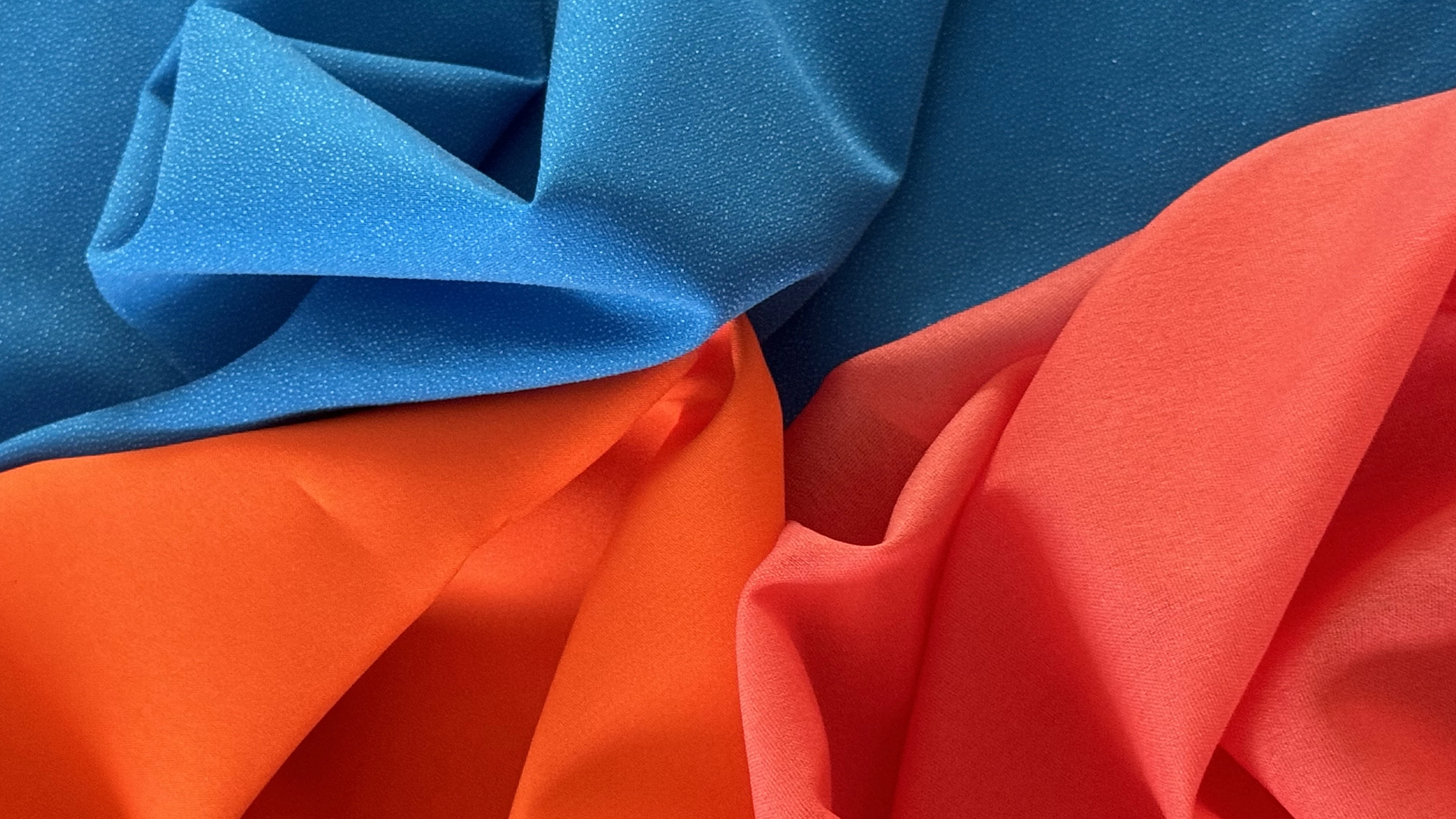
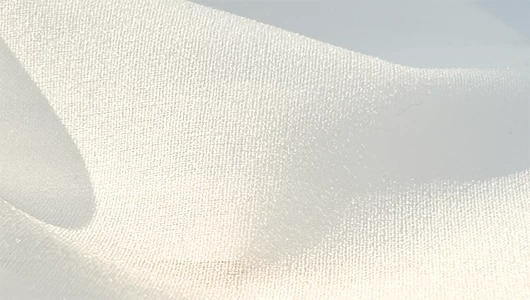
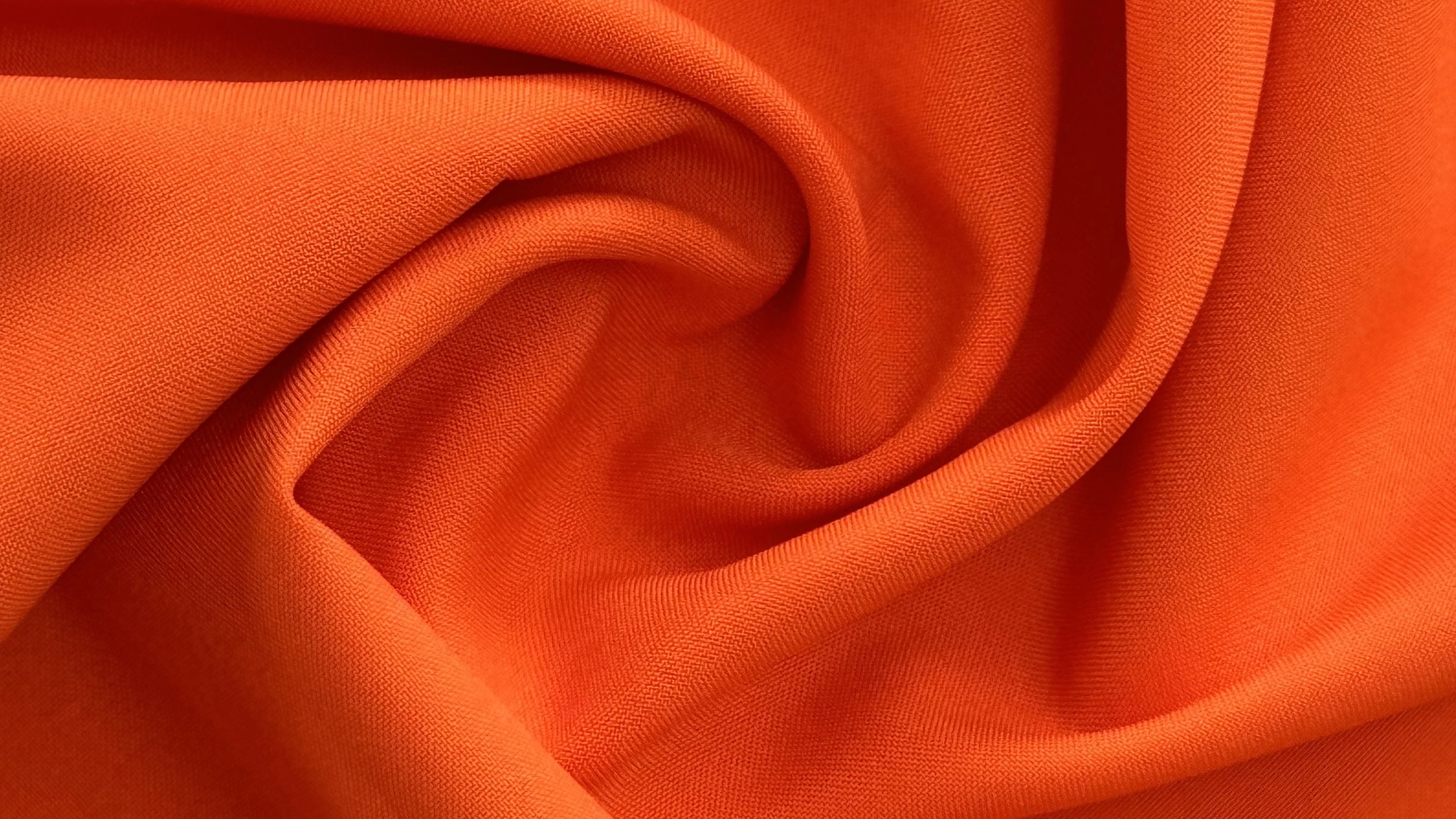
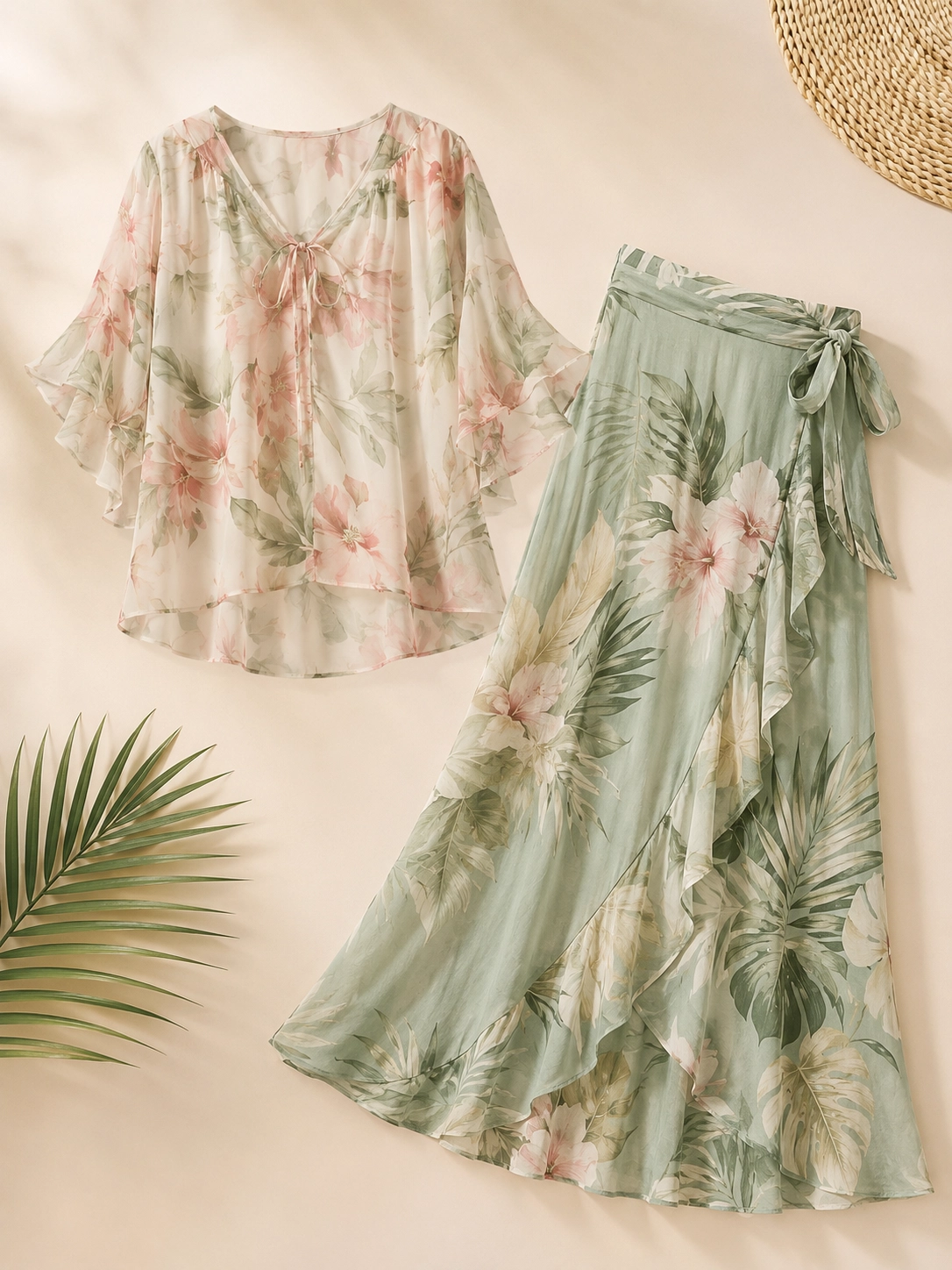
Common fabrics for lightweight women's wear in Southeast Asia mostly have good breathability or draping qualities. For example, cotton and cotton-blend fabrics are suitable for shirts and casual tops; viscose fabrics, with their soft hand, are often used for dresses and loose-fitting women's wear; chiffon and lightweight polyester fabrics are suitable for printed tops, skirts, and styles that require a flowing effect.
The common features of these fabrics are light weight and relatively soft construction. If the hand feel increases too much after fusing, it can easily compromise the original lightness of the finished garment; if the interlining provides insufficient support, the collar, placket, and waistband may lack stability. Therefore, interlining for lightweight women's wear should not pursue only "stiffness," but also take into account softness, drape, and changes in thickness after fusing.
II. Different garment parts require different interlining effects
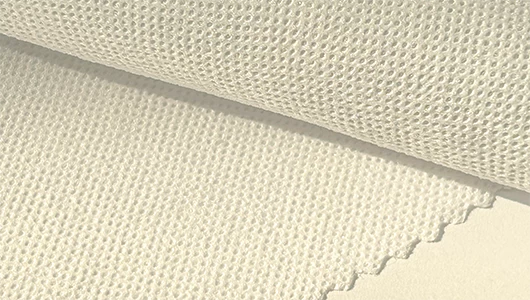
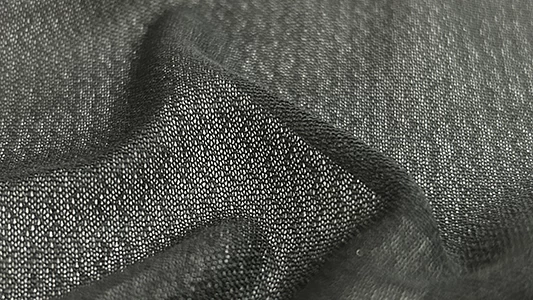
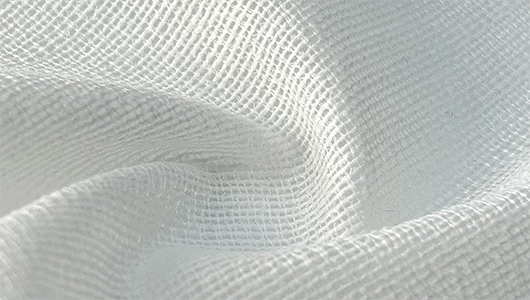
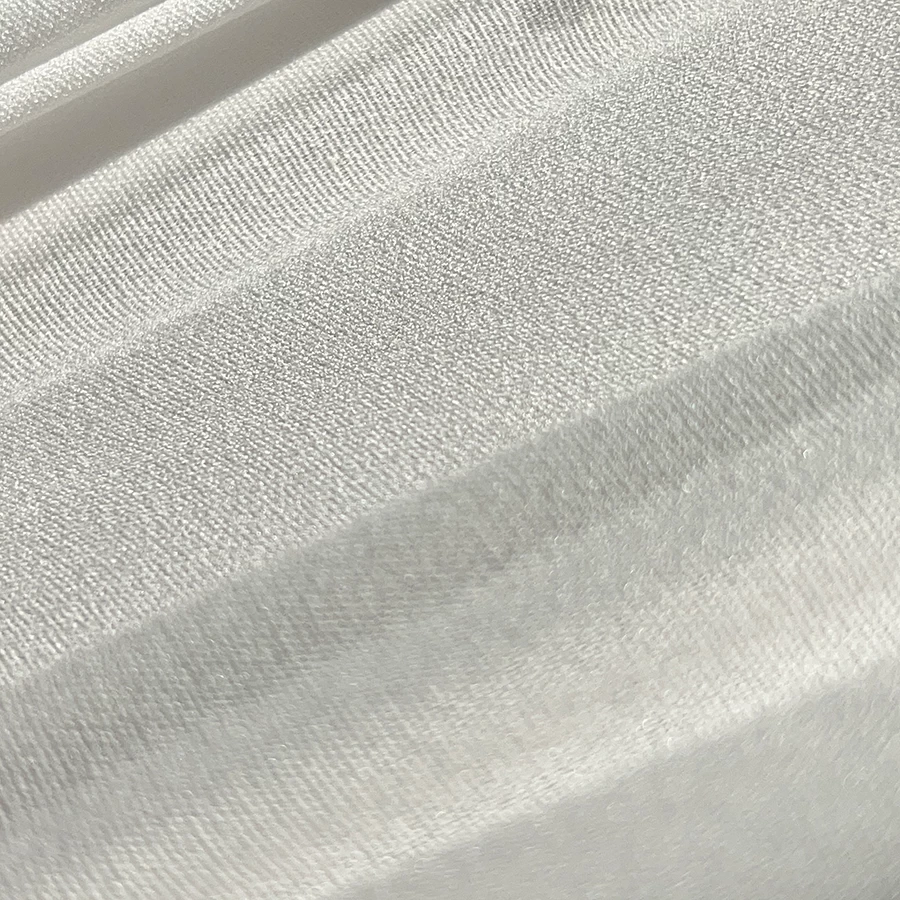
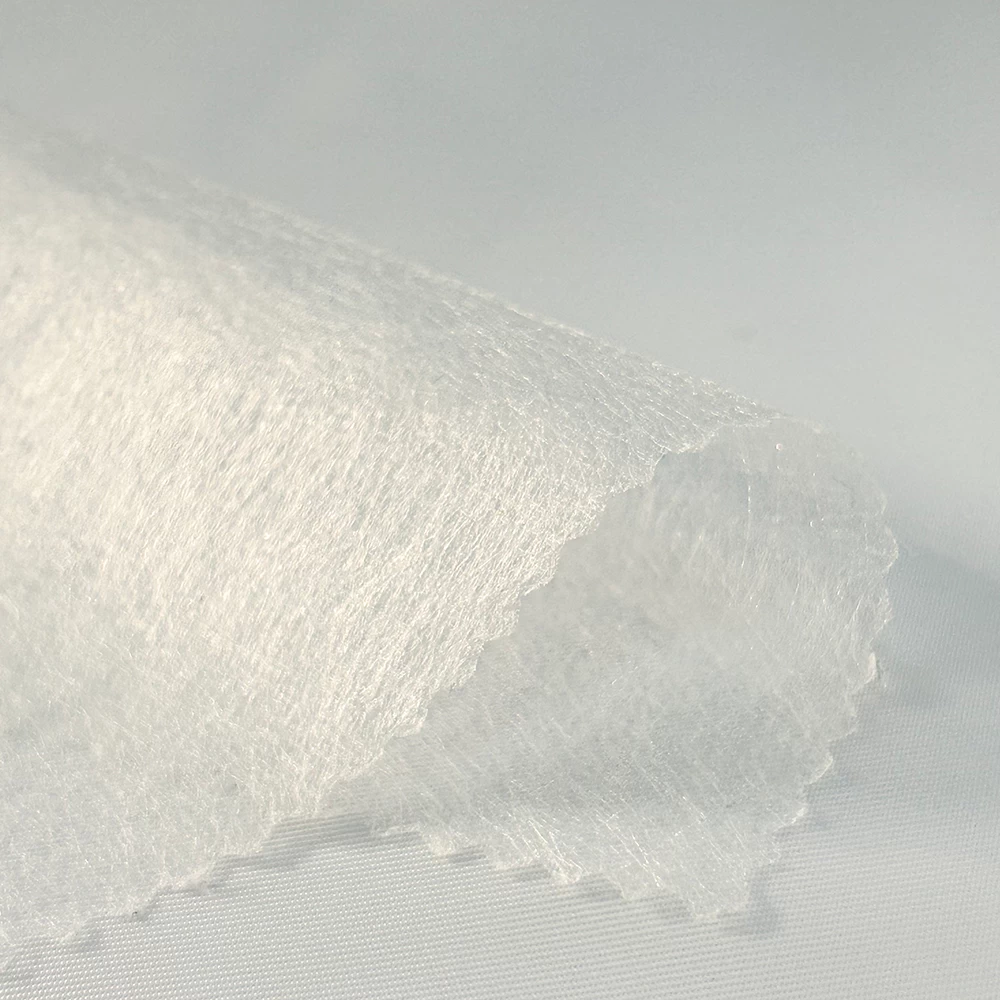
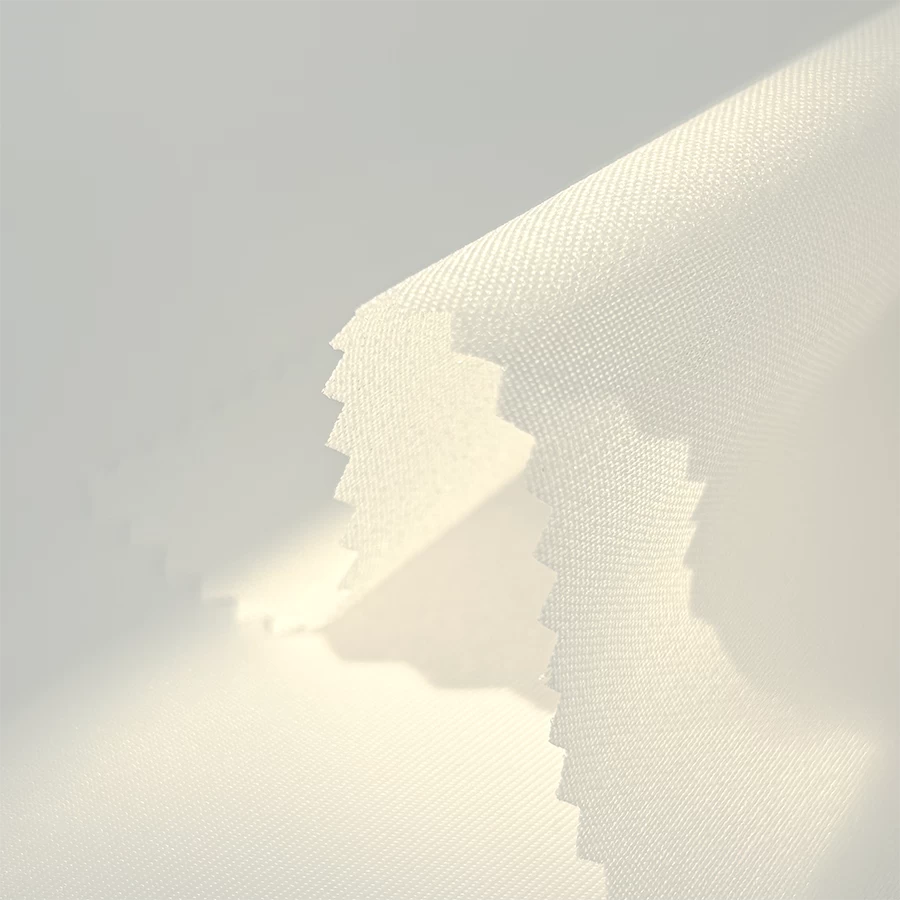
Not all parts of lightweight women's wear use the same interlining. Shirt collars and cuffs need to maintain a crisp shape, so thin woven fusible interlinings should be prioritized; for disposable or low-requirement garments, nonwoven interlinings may be considered for certain parts, but their limited washability should be noted.
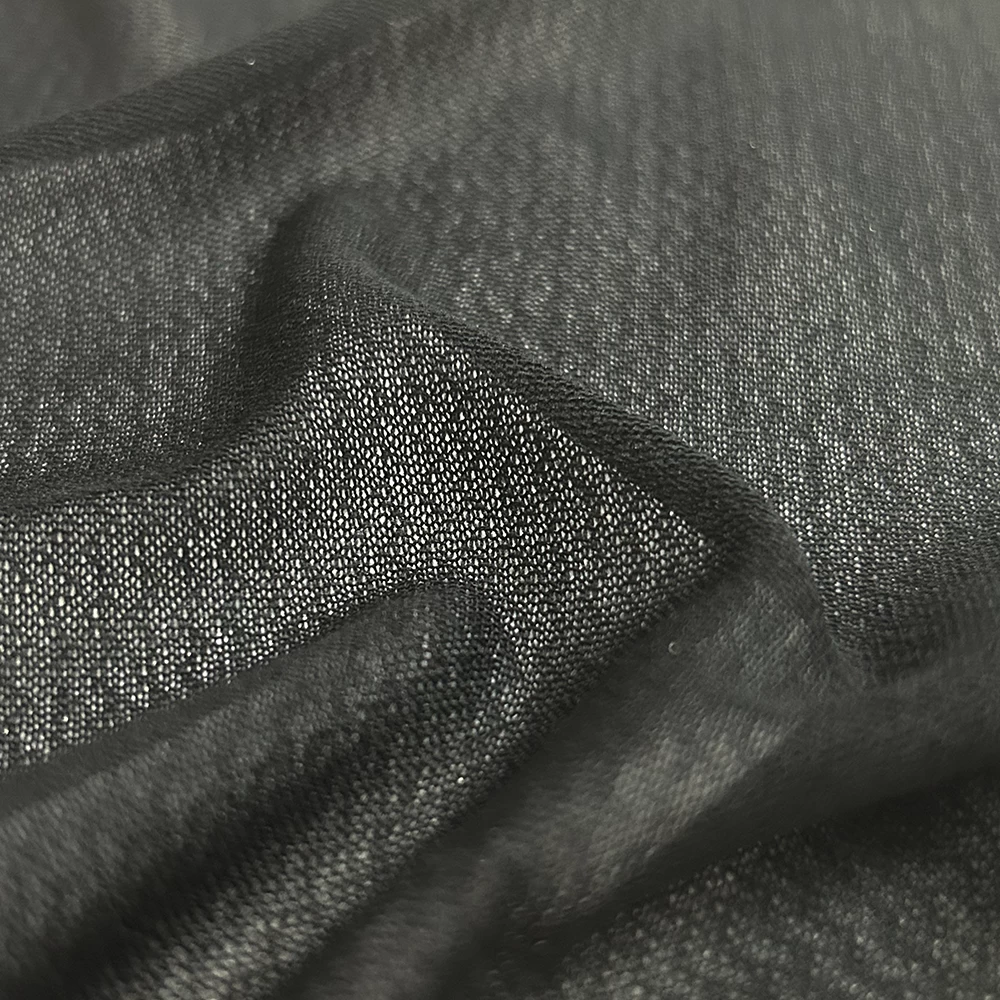
The placket mainly needs to stay flat and reduce distortion during wear and washing. For plackets of lightweight shirts and dresses, the interlining should have a thickness close to that of the fabric, and no obvious demarcation line should appear after fusing. Waistbands, pocket openings, and zipper areas require more stability; depending on fabric elasticity and style construction, thin woven fusible interlinings or knitted fusible interlinings (the latter suitable for stretch fabrics) can be chosen.
For knitted tops or stretchable lightweight women's wear, a certain degree of stretch should be retained when interlining. If non-stretch interlinings are used, local stiffness, pulling, or wrinkling may occur, affecting the finished garment's appearance and fit.
III. The sampling stage requires checking overall performance after fusing
Lightweight fabrics are sensitive to fusing results, so garment factories should not only observe whether the interlining is firmly bonded during sampling, but also check the finished garment's face for adhesive bleed-through, press marks, color differences, or localized shiny spots.
For thermoplastic fabrics such as chiffon, special attention should be paid to controlling fusing temperature and pressure to prevent shrinkage, melting, or surface glazing due to high heat; for light-colored fabrics, observe whether the fusing affects the fabric color. For soft fabrics like viscose and stretch fabrics, also check whether the hand feel becomes stiff or drape decreases. After fusing, place the sample pieces naturally, then observe whether the placket is flat, the collar sits properly, and the waistband deforms easily.
The same interlining may perform differently on different fabrics. Therefore, before bulk production, samples should be tested using the actual fabric, garment parts, and process parameters (temperature, pressure, time, etc.) for the fusible interlining, and the interlining solution should be confirmed only after the results are verified.
Conclusion
The key to interlining for Southeast Asian lightweight women's wear is to provide appropriate stability to key parts while maintaining breathability, softness, and lightness. When selecting interlinings, garment brands and manufacturers should make judgments based on fabric thickness, elasticity, color, and specific application parts, rather than simply pursuing a harder or thicker effect.China Shenghong Women's Wear Interlining Manufacturer
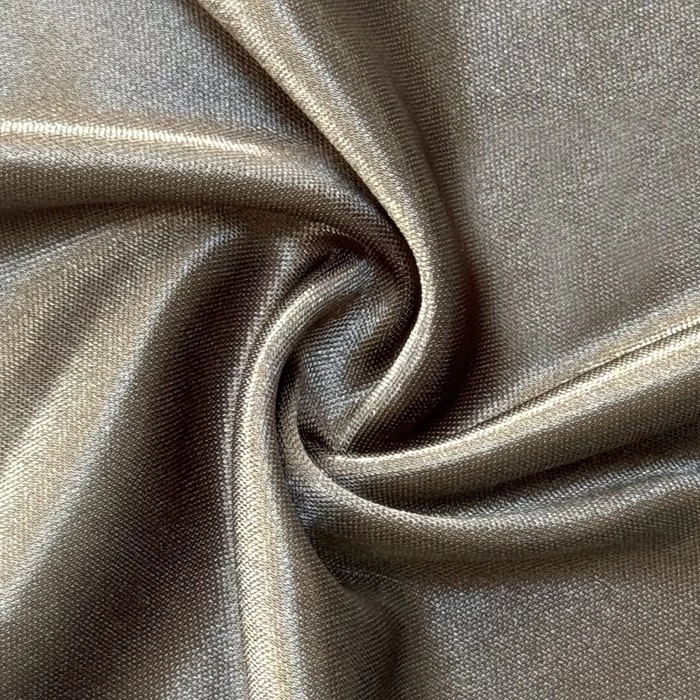
Guangzhou Shenghong Interlining Co., Ltd. has been deeply engaged in the interlining industry for 23 years, offering woven interlinings, nonwoven interlinings, knitted interlinings, fusible interlinings, and knitted backing fabrics for garment lamination. Based on the fabric and part requirements of lightweight women's wear, we can provide garment customers with corresponding interlining references.