







Reference for Fabric Matching with PA and PES Adhesives
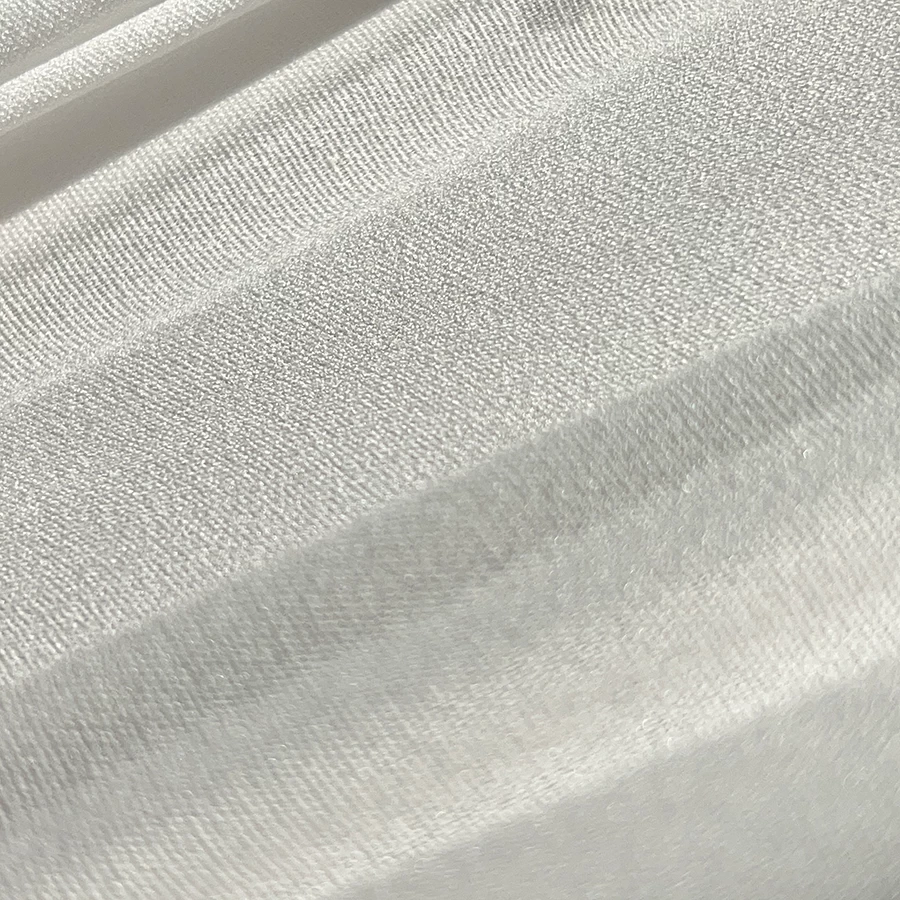
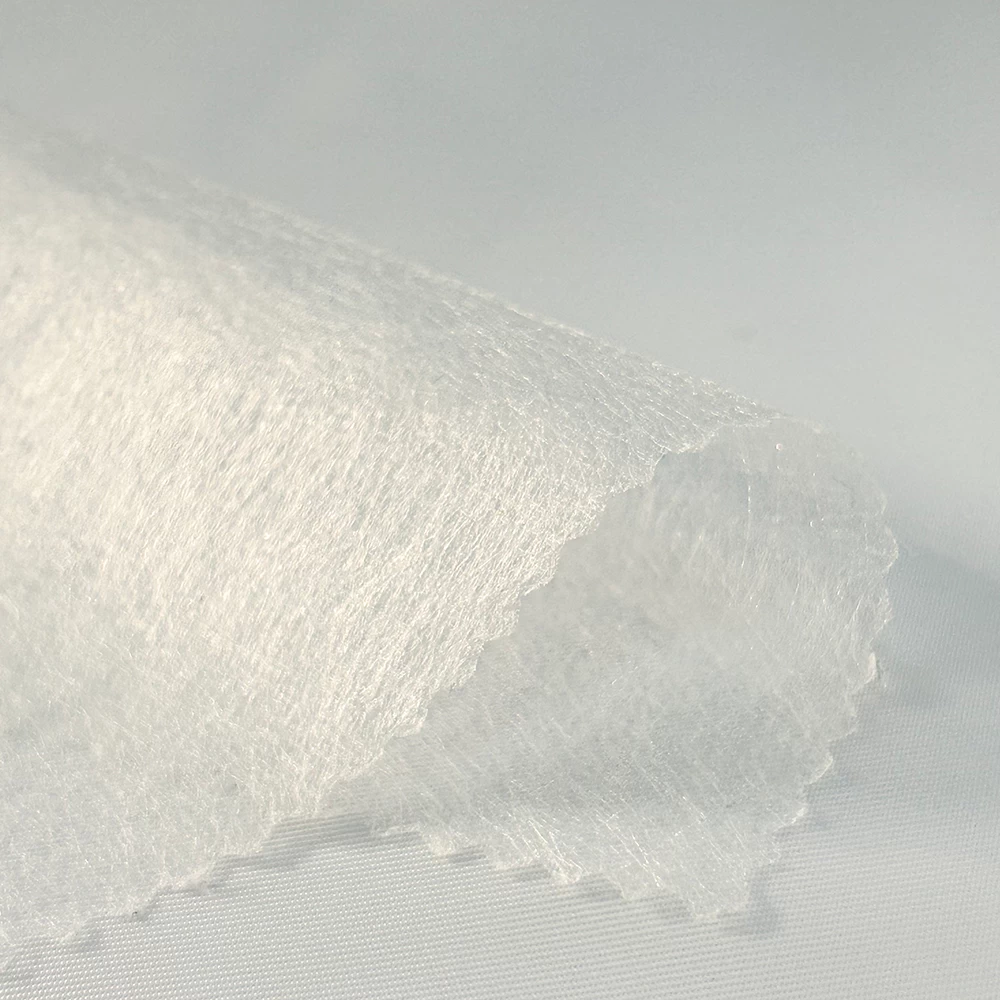
Interlinings consist of a base fabric and a hot-melt adhesive. Given a similar base fabric, the adhesive type affects bonding strength, garment hand feel, wash durability, and pressing conditions. PA and PES adhesives are two common adhesive types in garment interlinings. Understanding their characteristics helps garment manufacturers improve the accuracy of interlining selection.
I. Characteristics of PA Adhesive and Suitable Fabrics
PA adhesive (polyamide hot-melt adhesive) offers excellent softness, elasticity, and adaptability, and is widely applicable to wool, cotton, rayon, and various blended fabrics. Based on the "like dissolves like" principle, PA adhesive has a natural affinity for nylon (polyamide) fibers, making it particularly suitable for fabrics or accessories containing nylon components.China shenghong interlining manufacturer
In garment applications, PA adhesive is typically positioned for suits, overcoats, and fashion apparel that emphasize soft hand feel and drape in mid-to-high-end garments, especially those requiring dry cleaning. For shirt categories, PA adhesive may also be selected for fashion womenswear or designs not subjected to frequent washing; however, for menswear formal shirts requiring frequent washing, the industry tends to prefer HDPE adhesive (see later section). Special attention should be paid to the limited wash durability of standard PA adhesive (generally supporting only washing at temperatures below 40°C). If the product has washing requirements, a modified wash-resistant PA grade should be chosen.
In addition, different PA adhesive grades vary in melting point and wash durability; actual use should still be confirmed through specific parameter testing.
II. Characteristics of PES Adhesive and Suitable Fabrics
PES adhesive (polyester hot-melt adhesive) has excellent wash durability and performs exceptionally well in bonding to polyester and polyester-cotton fabrics. It is commonly used in shirts, uniforms, workwear, and other garments with high washing frequency. Also based on the "like dissolves like" principle, PES adhesive has a chemical structure similar to polyester fibers and is the preferred choice for bonding polyester fabrics.
Compared to traditional perceptions, PES adhesive typically has a relatively stiff hand feel, suitable for garment parts that require maintained silhouette and shape retention (such as collars and cuffs). However, low-melting-point, soft PES products modified through copolymerization are now available, which can adapt to lightweight, stretch, or heat-sensitive fabrics. For traditional PES adhesive, pressing temperatures are relatively high; be sure to confirm the fabric's heat resistance before use to avoid discoloration, shine, or deterioration of hand feel.
III. Additional Information: Brief Introduction to Other Common Adhesive Types
Besides PA and PES, two other adhesive types are commonly used in the interlining field:
-
PE adhesive (polyethylene): High-density polyethylene (HDPE) is the first choice for stiff menswear shirt collars, offering excellent stiffness and wash durability; low-density polyethylene (LDPE) has a low melting point and is mostly used for temporary bonding or basting.
-
EVA adhesive (ethylene-vinyl acetate): Low melting point, operable with household irons, but poor wash durability; typically used for fur garments or one-time fixing applications.
Understanding these adhesive types helps manufacturers make more comprehensive decisions based on end-use requirements.China interlining strength manufacturers
IV. How Garment Manufacturers Choose Adhesive Types
Choosing between PA and PES adhesives should not be based solely on fabric composition. Even for the same polyester-cotton fabric, different fabric densities, stretch properties, and surface finishes may call for different adhesive types. Garment manufacturers must also consider the application area, target hand feel, washing method, and pressing equipment, and comprehensively determine the base fabric construction, dot size, and coating weight.