







Autumn/Winter Short Women's Outerwear Lining Application: Defined Waistline, Non-Stiff Front Panels
I. Lining for the main front body – key is "structured but not stiff"
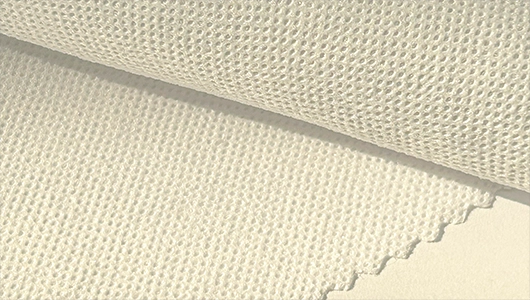
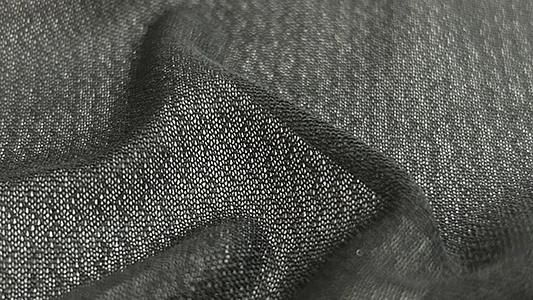
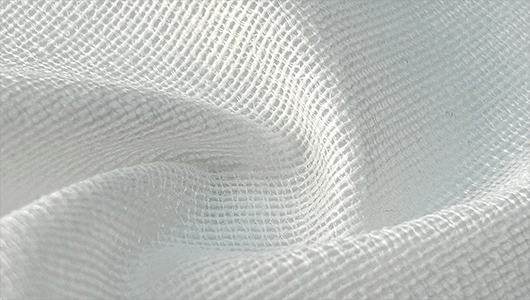
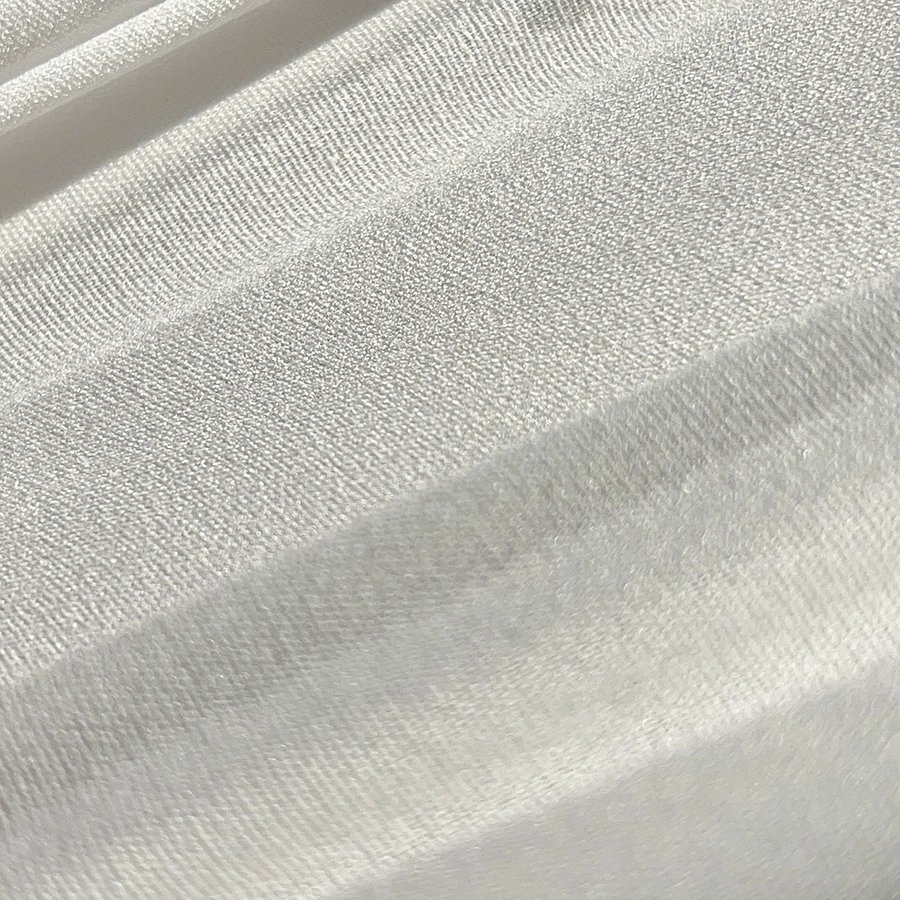
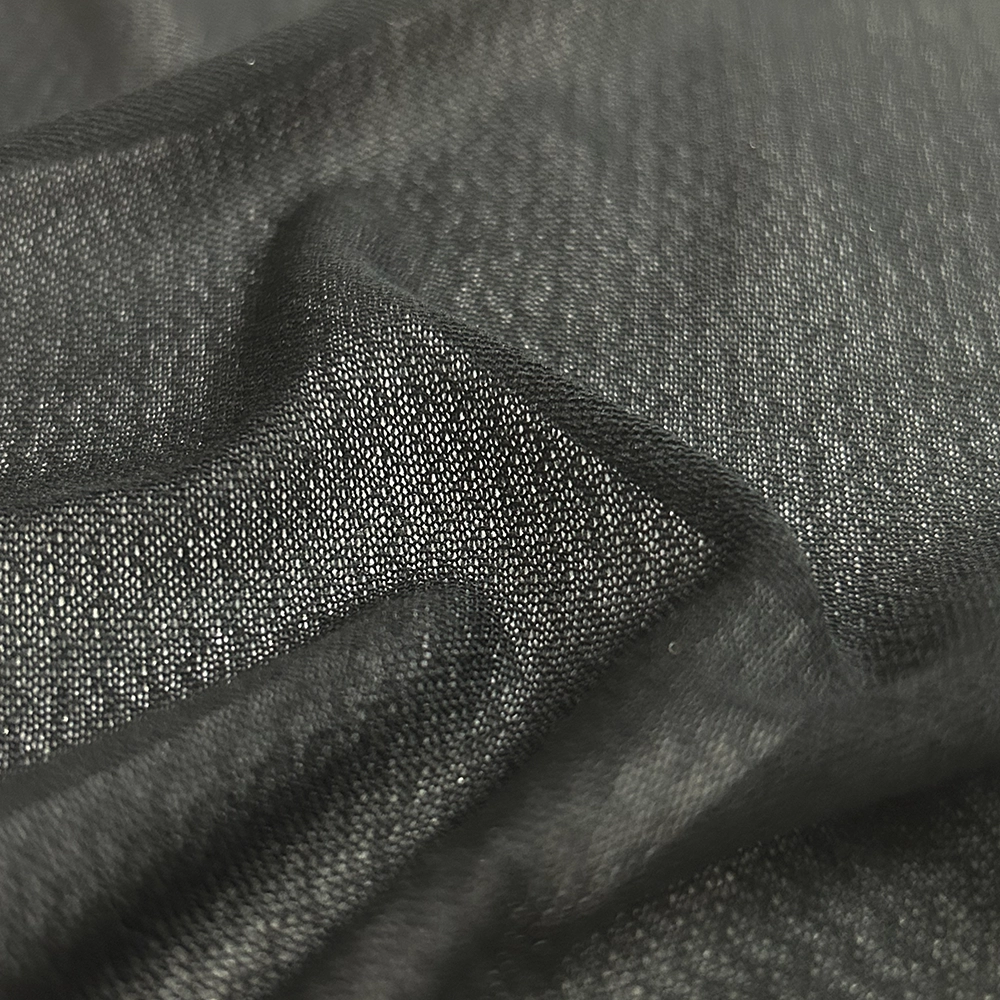
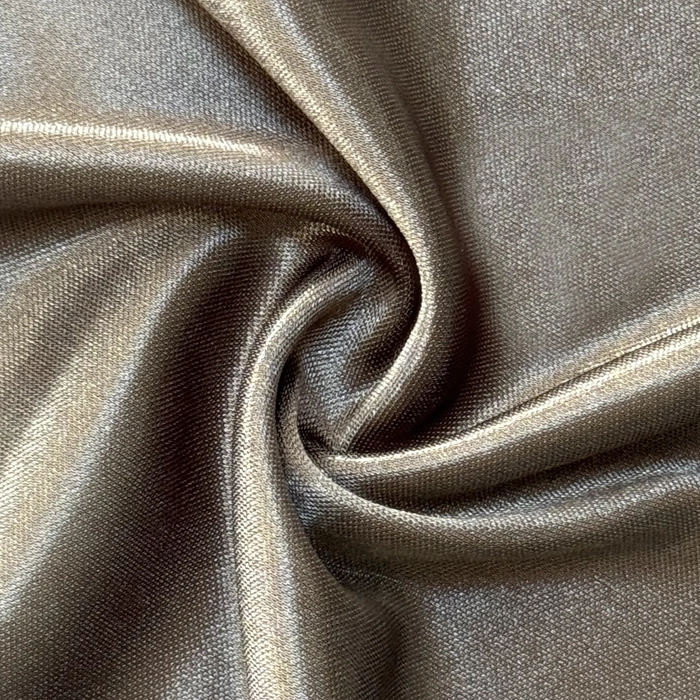
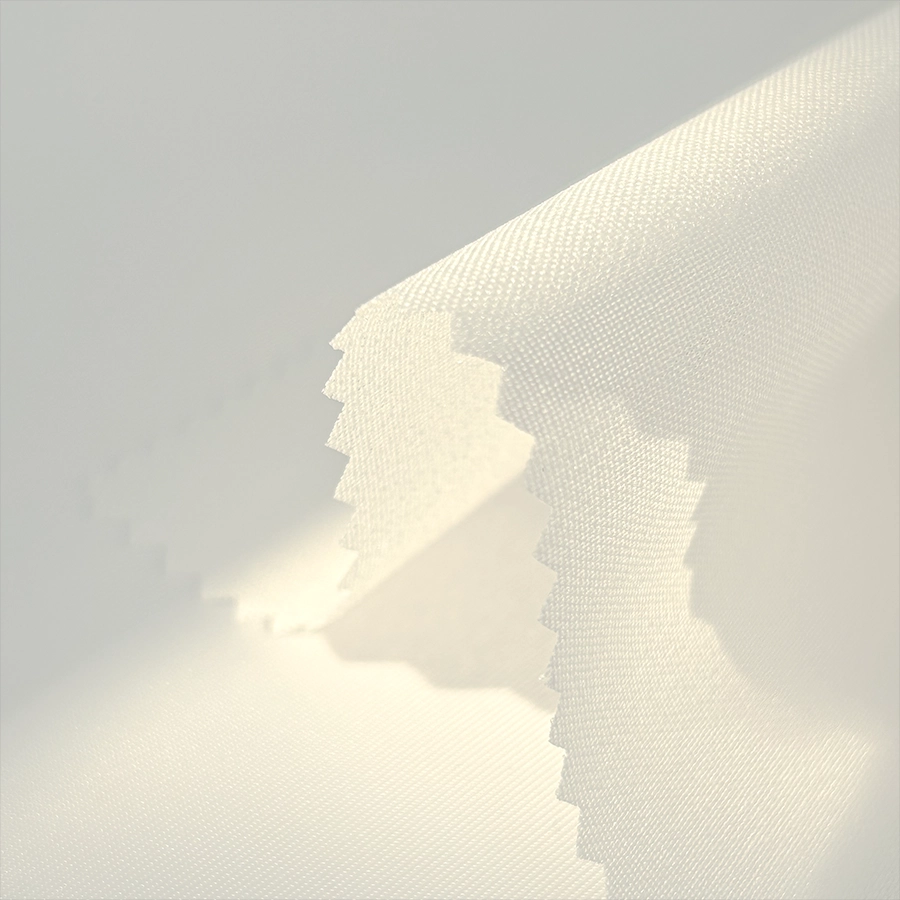
For non-stretch or slightly stretch autumn/winter short outerwear fabrics, such as medium-weight woven women's outerwear materials, the front panels can be lined with soft fusible woven interlinings. The interlining does not need to provide strong rigidity; rather, it should offer basic support to the bust and waist areas while preserving the fabric's original drape and surface hand-feel.China Shenghong womens jacket fusible interlining factory
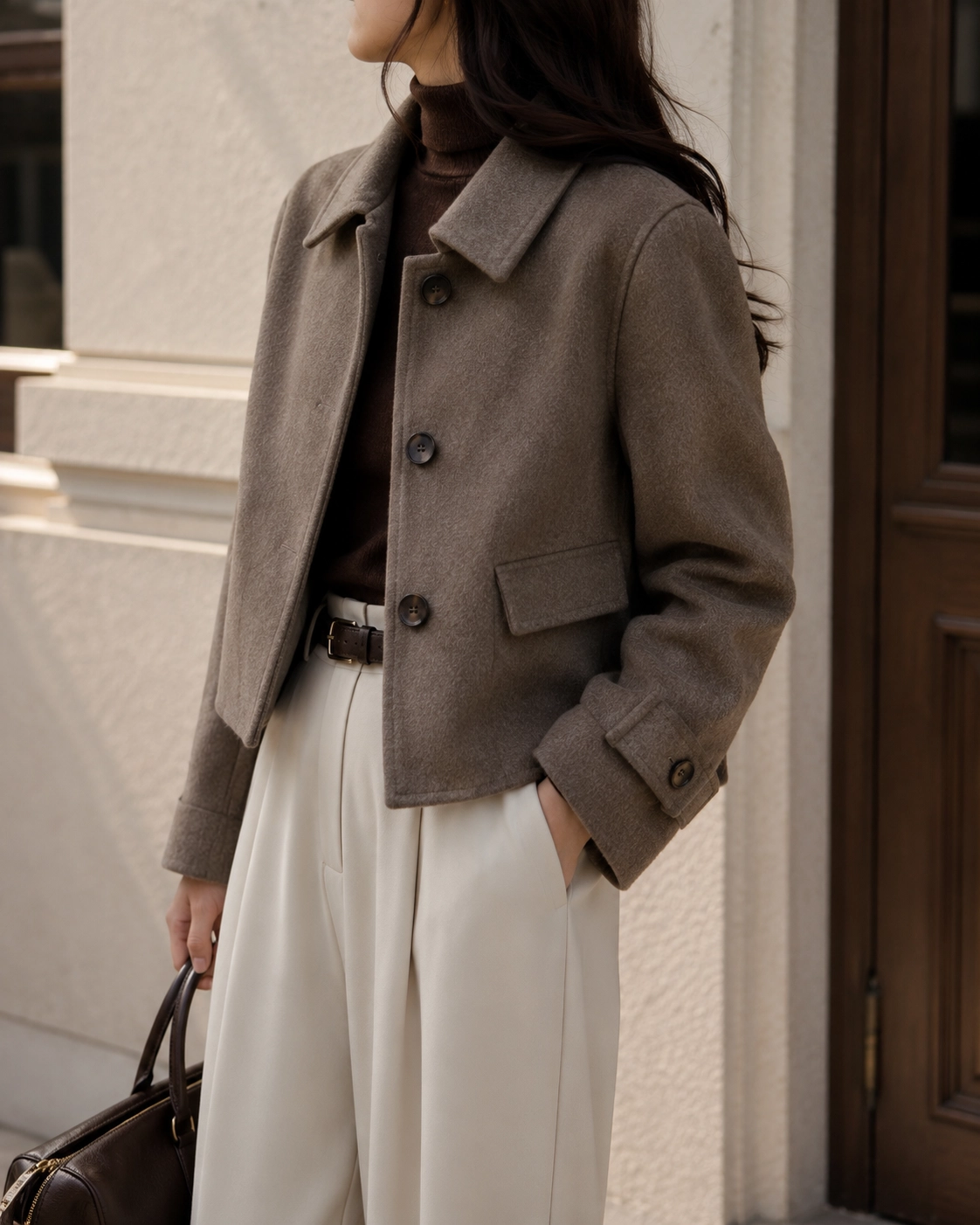
This approach is better suited for women's outerwear with distinct waistline shaping, waist darts, or short-proportion design. In practice, if the front panels have waist darts or princess seams, the interlining application can be appropriately avoided at these areas to maintain lightness and suppleness after dart-taking. After interlining is applied to the main front body, the garment silhouette becomes more complete and the waistline is easier to define, yet the finished front remains natural and does not feel stiff like cardboard across the entire panel.
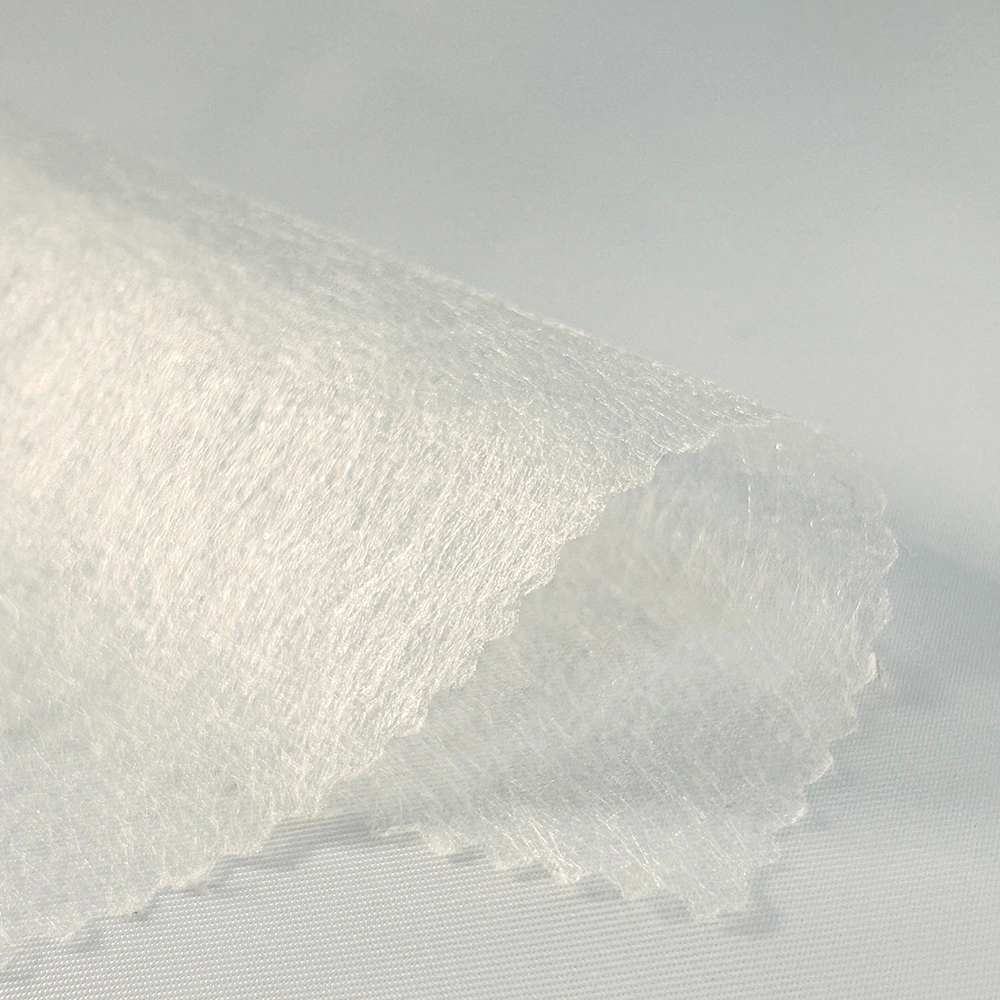
If the outer fabric itself is relatively soft, the hand-feel of the interlining must be more carefully controlled. In this case, softer, lighter fusible woven interlinings should be prioritized, rather than directly increasing interlining stiffness simply to "create structure."
II. Local reinforcement at plackets, pocket openings, and waist shaping – no need for uniform stiffness throughout
Short women's outerwear typically requires straight, smooth plackets, and clearer shaping at pocket openings and near the waistline. If these areas use the same soft interlining as the front panels, local definition may sometimes be insufficient; however, if the entire front is changed to a stiffer interlining, the garment hand-feel suffers.
A more suitable approach is to apply interlining by section. The front panels still use a soft fusible woven interlining, while areas such as plackets, pocket openings, or positions requiring crisp lines can be locally reinforced with an interlining that offers stronger support.
For short jackets with visible button closures, the placket and button areas need more stability than the body – these can use an interlining with clearer support but without being overly stiff, so that the front edge remains straight after fastening. Pocket openings or decorative flaps that require defined edges can also be individually matched with slightly stronger-supporting interlinings, without needing to stiffen the entire front panel.
This "soft support for the main body + local reinforcement" method is better suited for autumn/winter women's short outerwear that emphasizes waist and silhouette.China Shenghong elastic knitted interlining supplier
III. Stretch fabrics require a different interlining approach – do not apply the same method as for non-stretch outerwear
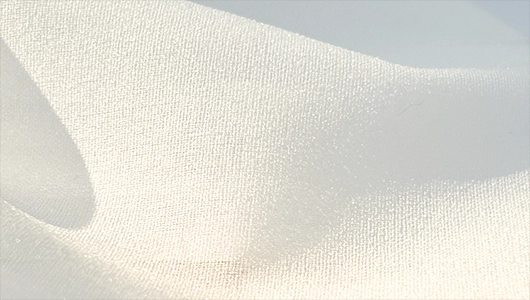
If the short women's outerwear uses stretch fabric, front-panel interlining cannot only consider stiffness; the fabric's original extensibility must also be preserved. For such fabrics, soft, somewhat stretchable knitted interlinings or stretch interlinings should be considered for the front panels or areas that need to retain mobility. Specifically, slightly stretch woven fabrics (e.g., those containing a small amount of spandex) are best matched with low-stretch knitted interlinings or soft woven interlinings, while medium-to-high stretch knitted fabrics require knitted fusible interlinings with comparable elasticity. At the same time, attention should be paid to the difference in stretch between warp and weft directions, ensuring that the interlining's stretch direction aligns with the fabric's.
The purpose is to give the waist and front panels moderate support while not significantly restricting the fabric's elasticity due to an overly stable interlining. The finished garment still maintains a clear short silhouette, but the wearing comfort and visual hand-feel will not appear rigid.
If the placket and button areas need greater stability than the body, a more stable but not overly stiff stretch interlining can be used separately for those areas – there is no need to use the same interlining for both the front panels and the placket.
Conclusion
To achieve a distinct waistline, clear silhouette, and non-stiff front panels simultaneously in autumn/winter short women's outerwear, the key is not to choose a stiffer interlining, but to assign different levels of support to different areas.
For non-stretch or slightly stretch fabrics, the main front body can prioritize soft fusible woven interlinings, with local reinforcement at plackets, pocket openings, and button areas as needed. For stretch fabrics, soft, extensible knitted or stretch interlinings are more suitable. This approach builds the required silhouette for short outerwear while preserving the natural softness of the women's fabric.
【About Guangzhou Shenghong】
Guangzhou Shenghong Interlining Co., Ltd. has been deeply engaged in the interlining industry for 23 years. As an interlining manufacturer, our products cover woven interlinings, nonwoven interlinings, knitted interlinings, fusible interlinings, and knitted backing fabrics for garment lamination. We have in-house capabilities in weaving, dyeing, heat-setting, and coating.