







Collar Collapses After a Few Washes? Don’t Rush to Switch to a “Stiffer” Interlining First
I. Why does the collar look crisp when first made, but collapse after a few wears?
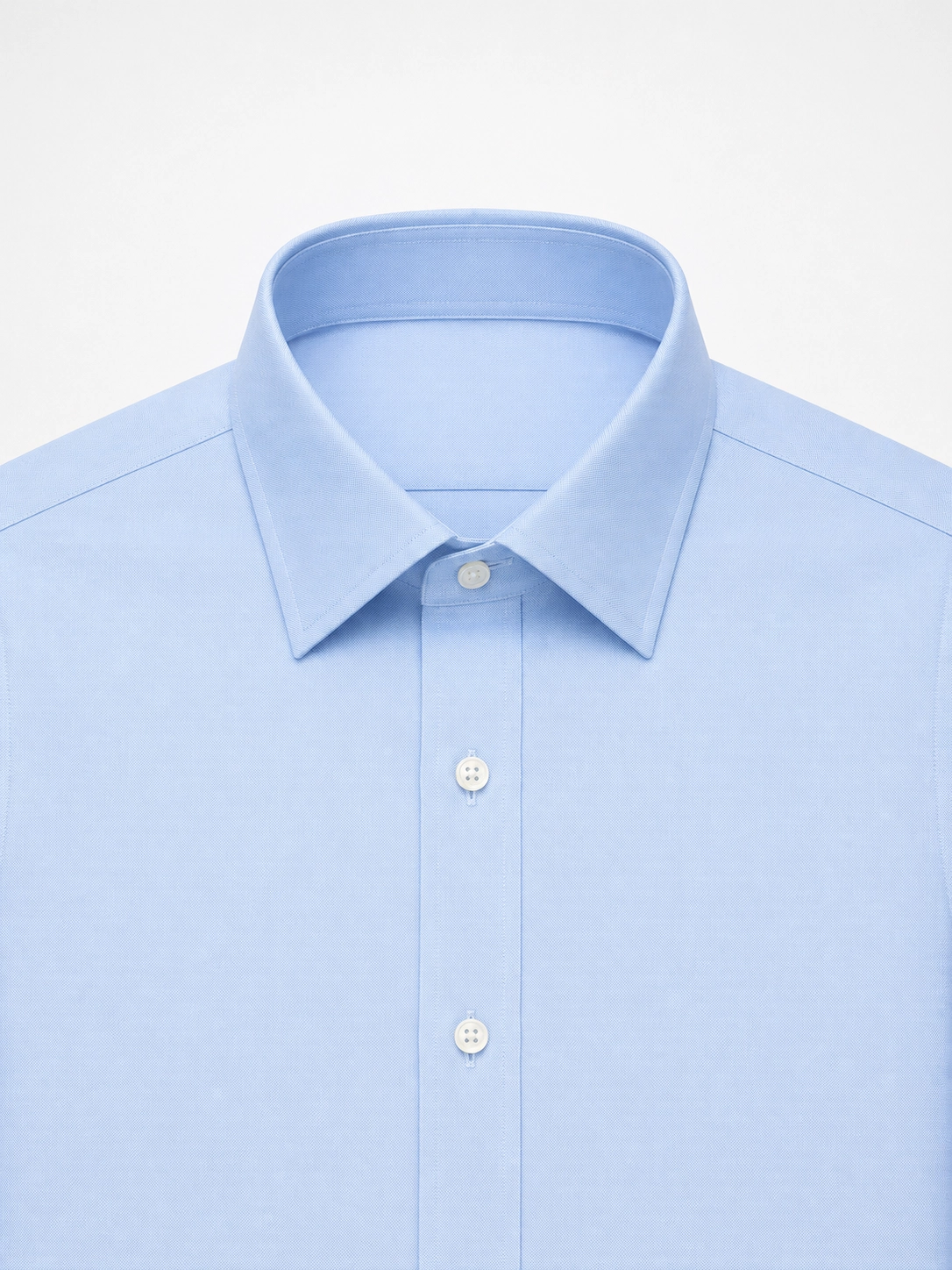
When a garment has just been finished and pressed, the collar is usually relatively firm and upright. Especially for key areas like shirt collars, polo collars, jacket collars, and trench coat collars, after pressing and shaping, they typically appear fairly smooth and neat in the short term.
However, after several wears, one wash, or after being folded and pressed during packaging, problems may gradually appear: the collar tips become soft and droop, the collar surface bubbles or becomes uneven, the fold line of the collar lacks firmness, and the collar band no longer fits closely around the neck. Sometimes it’s not the entire collar that softens, but only part of it that loses support, making the whole garment look instantly lifeless.China shenghong interlining manufacturer
These issues cannot be simply attributed to “the interlining being too soft.” If you blindly switch to a stiffer interlining, it may actually introduce new problems: the collar becomes rigid and stiff, the fold looks unnatural, the thin fabric shows visible impressions on the front side, or even adhesive bleed‑through or glue seepage occurs under high‑temperature pressing. Whether a collar can maintain its shape over time depends on whether, after the interlining is bonded to the actual fabric, the combination suits the collar’s structural design and the subsequent wearing and washing conditions.
II. If the collar collapses, first identify the specific manifestation
When troubleshooting collar collapse, it is advisable to first observe the specific outward appearance, and then address the root cause accordingly:
-
If the collar tips soften first: Typically, you should focus on checking whether the support at the collar tips is sufficient, whether the interlining fully covers the area, and whether excessive pulling during sewing has damaged the adhesive layer at the edges. At the same time, you should also consider whether additional reinforcement with collar‑tip stays (inserts) is needed.
-
If the collar surface wrinkles or bubbles after washing: The key is whether the shrinkage rates of the fabric and interlining match. If the fabric shrinkage and interlining shrinkage are inconsistent (the industry generally requires the interlining shrinkage to be slightly less than or equal to the fabric shrinkage), then either the fabric shrinks while the interlining holds firm, or the interlining shrinks too much and pulls the fabric tight—either way, the collar surface will inevitably show wrinkles or an irregular, orange‑peel‑like bubbling.
-
If there is a local hollow or loose feel: When you touch it and it feels as if it hasn’t bonded properly, with layers separating in the middle, you need to go back to the fusing and bonding process to find the cause. Insufficient temperature, time, or pressure will prevent the hot‑melt adhesive dots from melting and flowing adequately, and from penetrating into the yarn gaps of the fabric to form an effective mechanical anchoring force. It may look acceptable right after production, but after washing or under stress during wear, the problem becomes fully exposed.
-
If the fold line of the collar is not smooth or the collar turns outward: The problem may not lie solely in the interlining. You should also examine the structural design of the collar top, collar underside, and collar band, as well as the ease‑feeding control during sewing. If the collar structure itself is too soft, or if the control point of the fold line is not accurately positioned, the collar tips may lift or the collar may not sit flat in the long run.
III. Judge after cooling and setting
The crispness of the collar at the sampling stage comes partly from temporary heat‑setting during high‑temperature pressing, which does not guarantee stability after washing. To determine whether the interlining is truly compatible, you need to wait until the fabric has completely cooled, then repeatedly bend and test the hand‑feel resilience—if the hand‑feel is soft but rebounds quickly, the support is sufficient; if it feels stiff or has poor rebound, the interlining selection may be off.China interlining strength manufacturers
Conclusion
There is no absolute “good” or “bad” interlining—only whether it matches. Whether the collar collapses, in the final analysis, is not a matter of whether the interlining is stiff enough, but whether the fabric, the interlining, and the process are all aligned on the same page.