








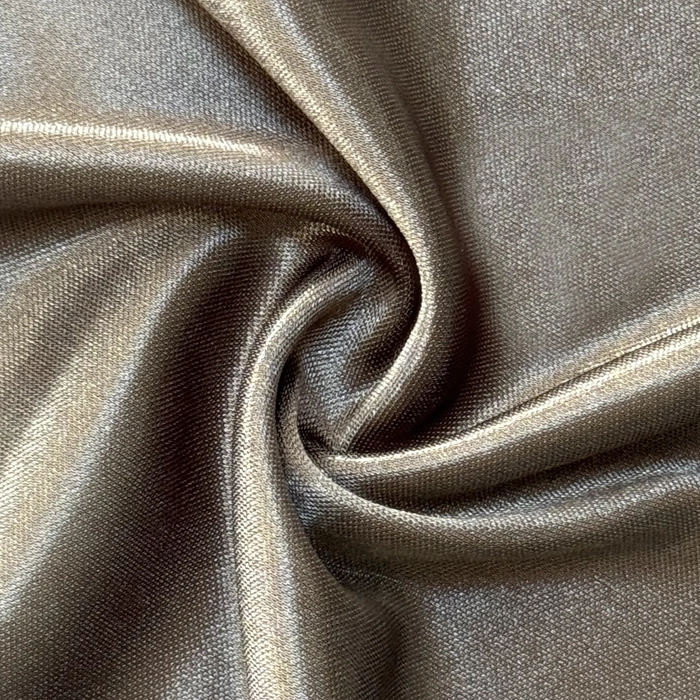
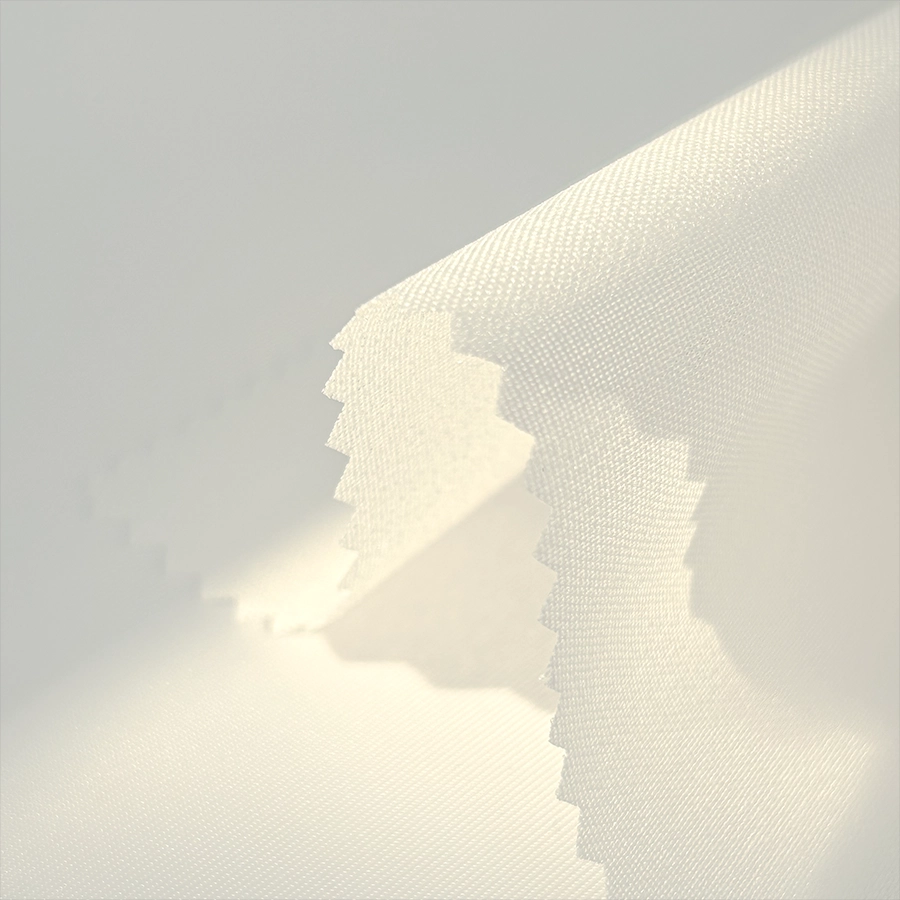
Wrinkling After Fusing Viscose Fabric with Fusible Interlining May Not Be a Fabric Problem
I. Why Does Viscose Fabric Wrinkle After Fusing with Interlining?
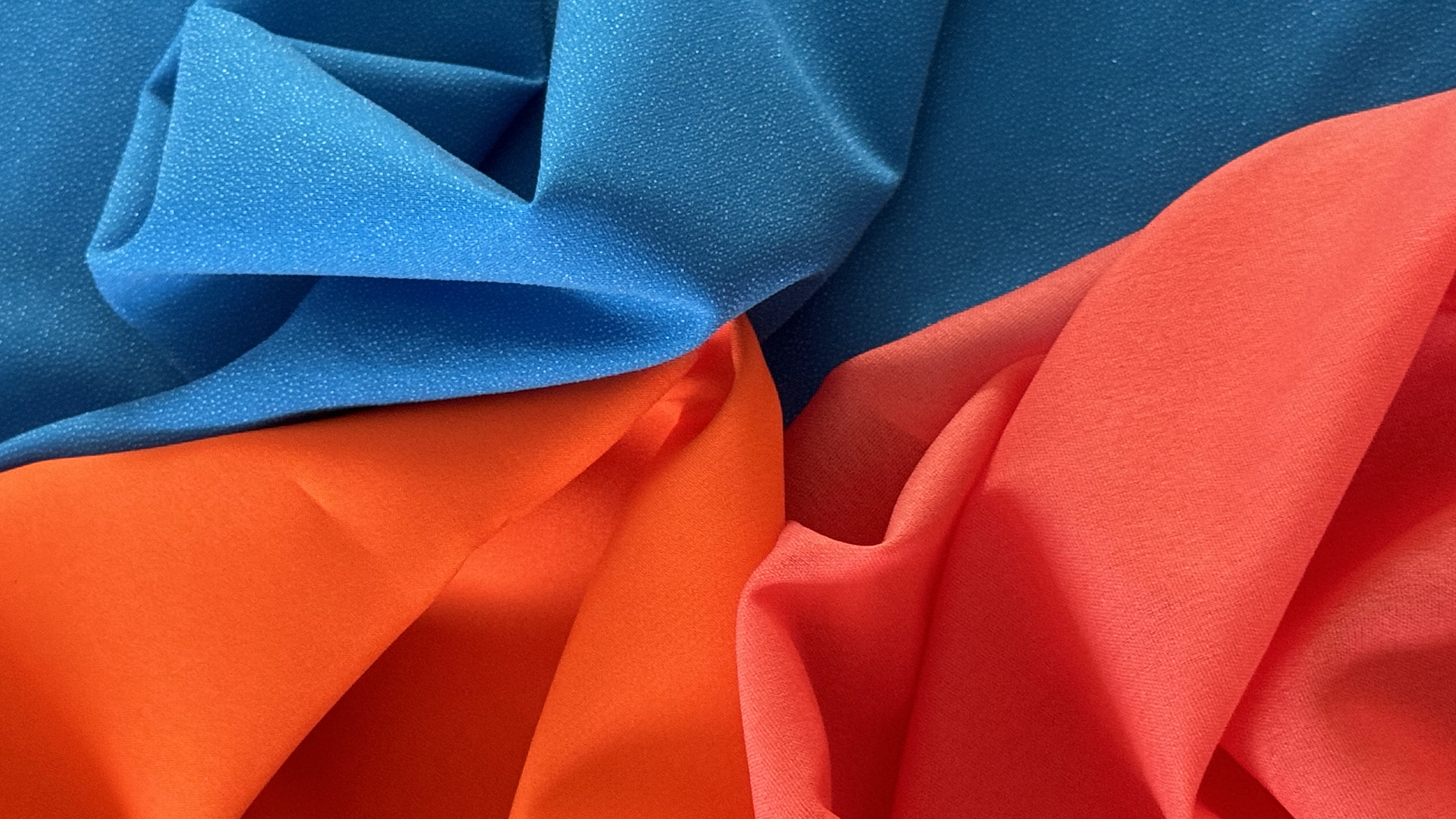
Viscose fabric has a soft hand and pronounced drape, and is commonly used in shirts, dresses, women's tops, casual trousers, and similar styles. It is sensitive to temperature, humidity, and mechanical force. Wrinkling, fine puckering, waviness, or bubbling after fusing with interlining cannot be simply judged as a fabric defect. Viscose, i.e., regenerated cellulose fiber, has strong hygroscopicity, with a moisture regain of about 13%. It swells when wet and shrinks when dried, with a shrinkage rate typically ranging from 3% to 10%. Its poor elasticity and weak shape retention determine that it requires higher compatibility between fabric condition and interlining selection.
To diagnose wrinkling, first look at when it appears. If wrinkling occurs immediately after pressing, prioritize checking the interlining stiffness, adhesive dot weight, and fusing parameters. If the fabric is smooth right after pressing but wrinkles only after washing or ironing, it is more likely due to mismatched shrinkage between fabric and interlining. This is especially true for narrow parts such as plackets, collars, facings, and cuffs—when two layers have inconsistent shrinkage, the surface easily develops waviness.China shenghong interlining manufacturer
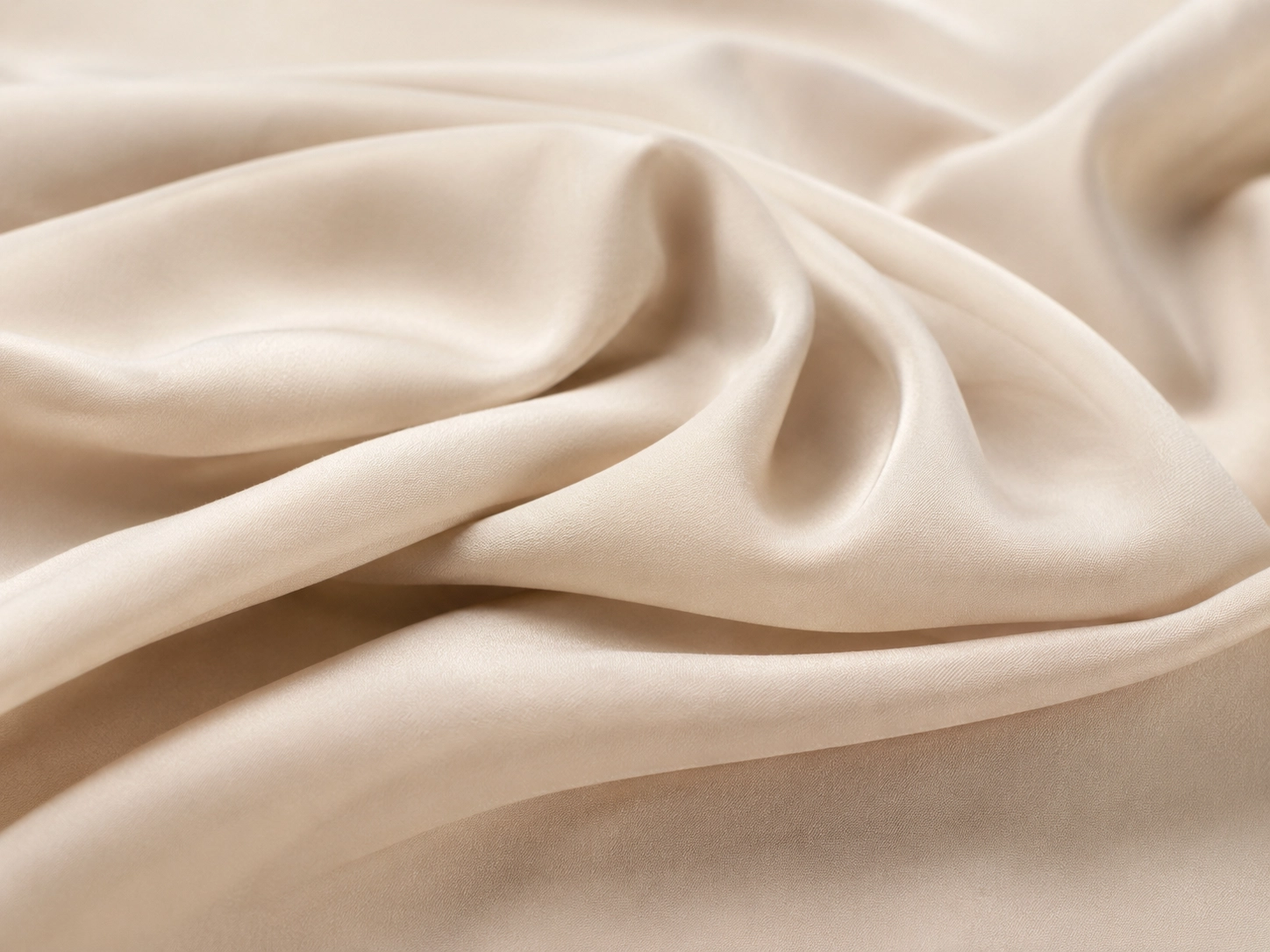
II. Wrinkling Is Not Necessarily Caused by the Fabric Alone
Viscose fabric is highly hygroscopic, so its dimensional state changes easily during storage, cutting, fusing, and washing. If the fabric itself has high moisture content or has undergone after-treatments such as softening, sandwashing, printing, or coating, its stability during fusing will be affected.
However, the interlining can also amplify the problem. If the interlining is too stiff, it will compromise the natural soft drape of viscose. If the adhesive dots are too heavy, the surface tends to feel stiff or develop fine wrinkles. If the shrinkage of the interlining does not match that of the fabric, one layer may shrink while the other does not after washing. The shrinkage rate of interlining should generally be controlled below 1%, and it should be compatible with the fabric's shrinkage.
Fusing conditions are equally critical—temperature, pressure, and time interact, and cannot be adjusted individually:
-
Excessively high temperature: Viscose fabric may deform under heat; in severe cases, fibers may be damaged and become stiff.
-
Excessive pressure: Lightweight viscose can be crushed and stiffened, losing its natural drape.
-
Improper time: Insufficient time leads to incomplete melting of adhesive particles and uneven bonding strength; excessive time may cause overheating and shrinkage of the fabric.
The correct approach is to adjust all three in coordination—raising the temperature may allow shorter time and lower pressure; lowering the temperature may require longer time or higher pressure. In addition, cooling and setting after fusing are important. The hot-melt adhesive needs time to cool and solidify after pressing. If the garment piece is moved or folded before complete solidification, the fabric and interlining may shift and wrinkle. A small press may give good results during sampling, but when production switches to a continuous fusing machine, differences in temperature, pressure, and speed can lead to different outcomes.
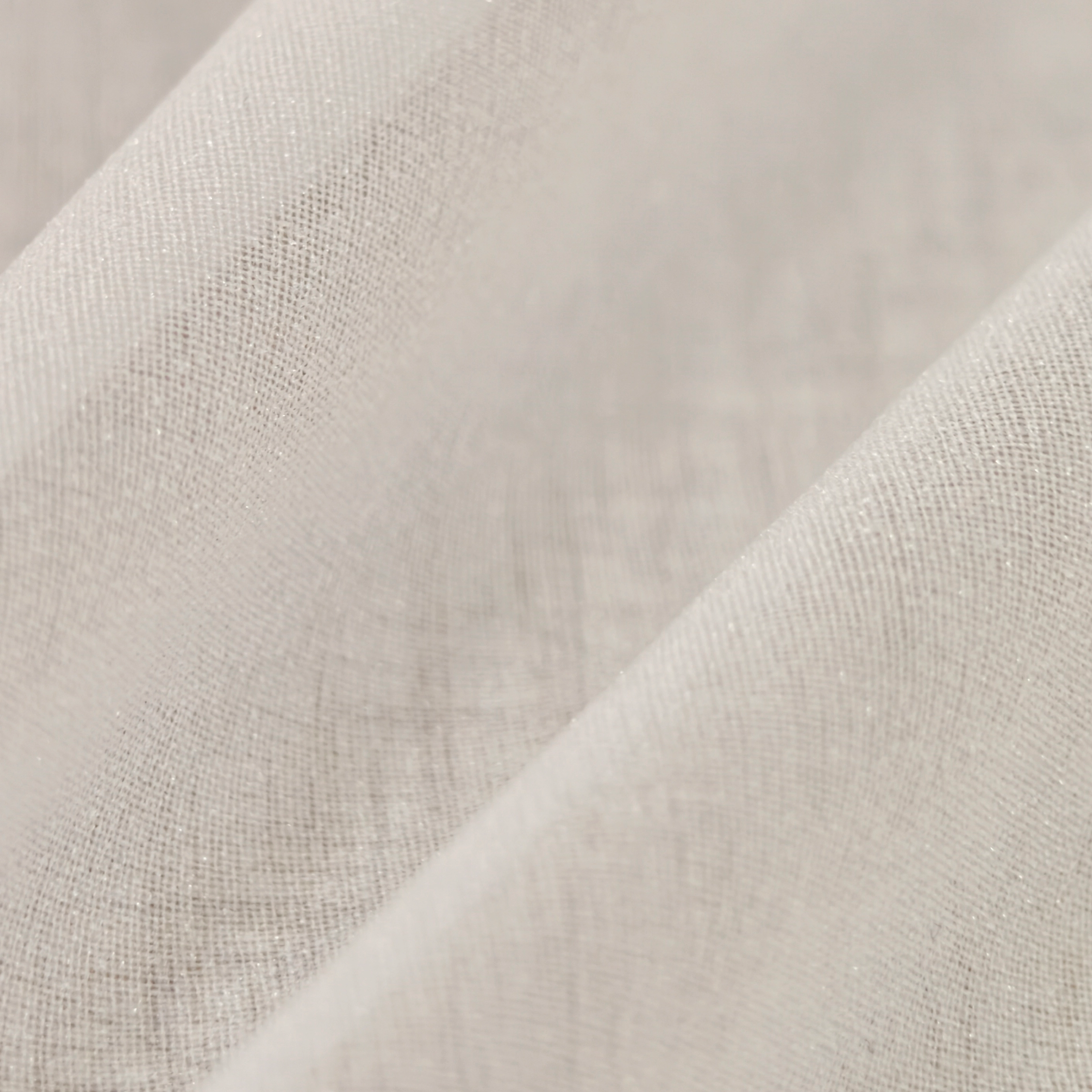
III. On-Site Diagnosis: Look for These Signs
When viscose wrinkles after fusing with interlining, trace the cause by the observed phenomenon:
-
Wrinkles appear immediately after pressing: Prioritize checking whether the interlining is too stiff, the adhesive dots too heavy, or temperature and pressure too high.
-
Smooth after pressing, but wrinkles after storage: Pay attention to whether the fabric has high moisture content and whether cooling and setting were adequate.
-
Wrinkles only after washing: Focus on whether the shrinkage rates of fabric and interlining match—this is the most typical manifestation of mismatched shrinkage.
If the placket, collar, or facing bubbles, do not only evaluate the overall fusing effect on a large flat area. A smooth large-area surface does not guarantee stability in narrow sections. Narrow parts experience concentrated stress; when shrinkage differs between fabric and interlining, the edges easily develop waviness.
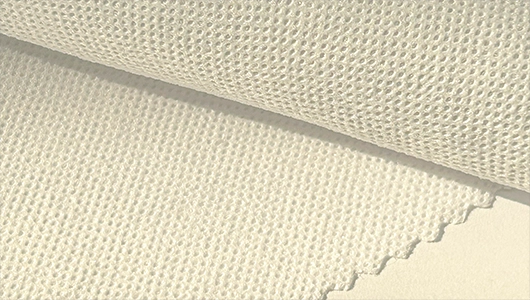
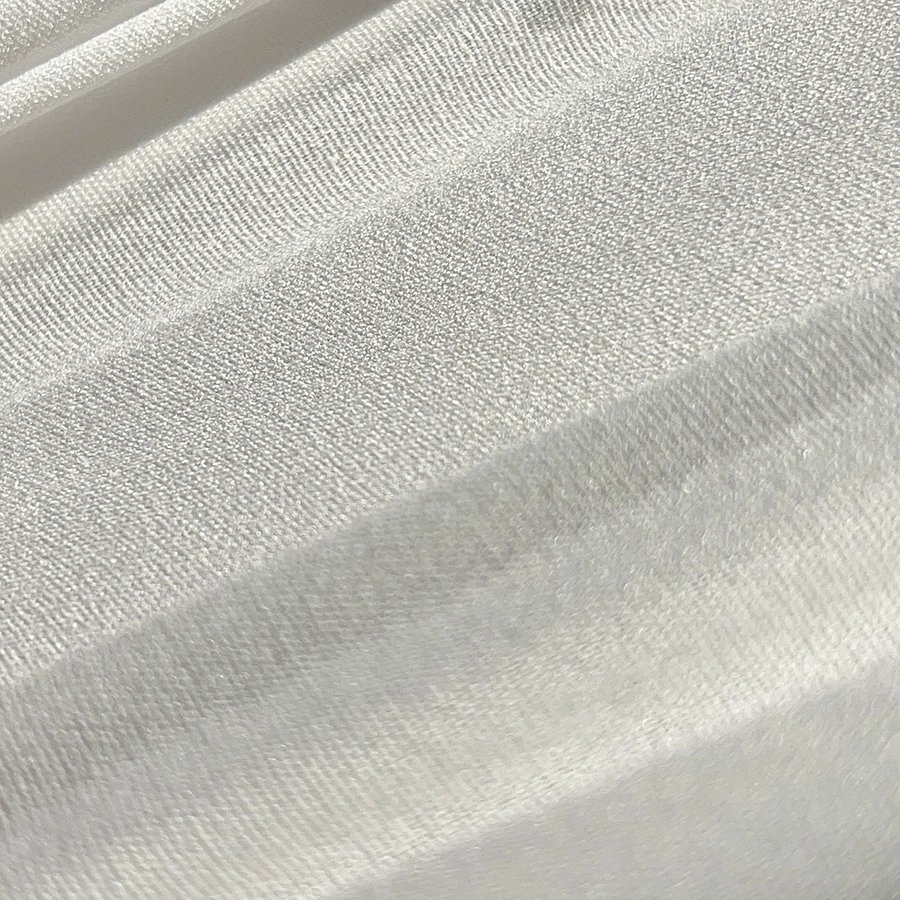
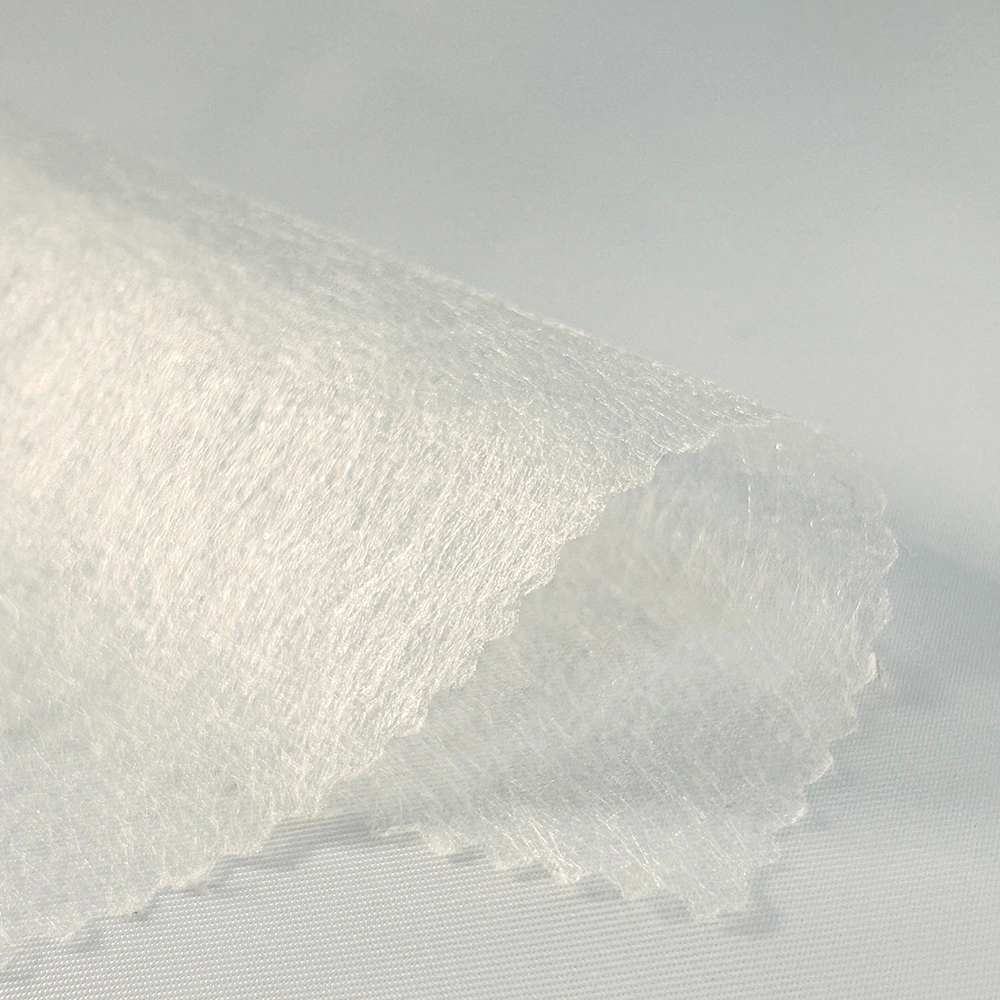
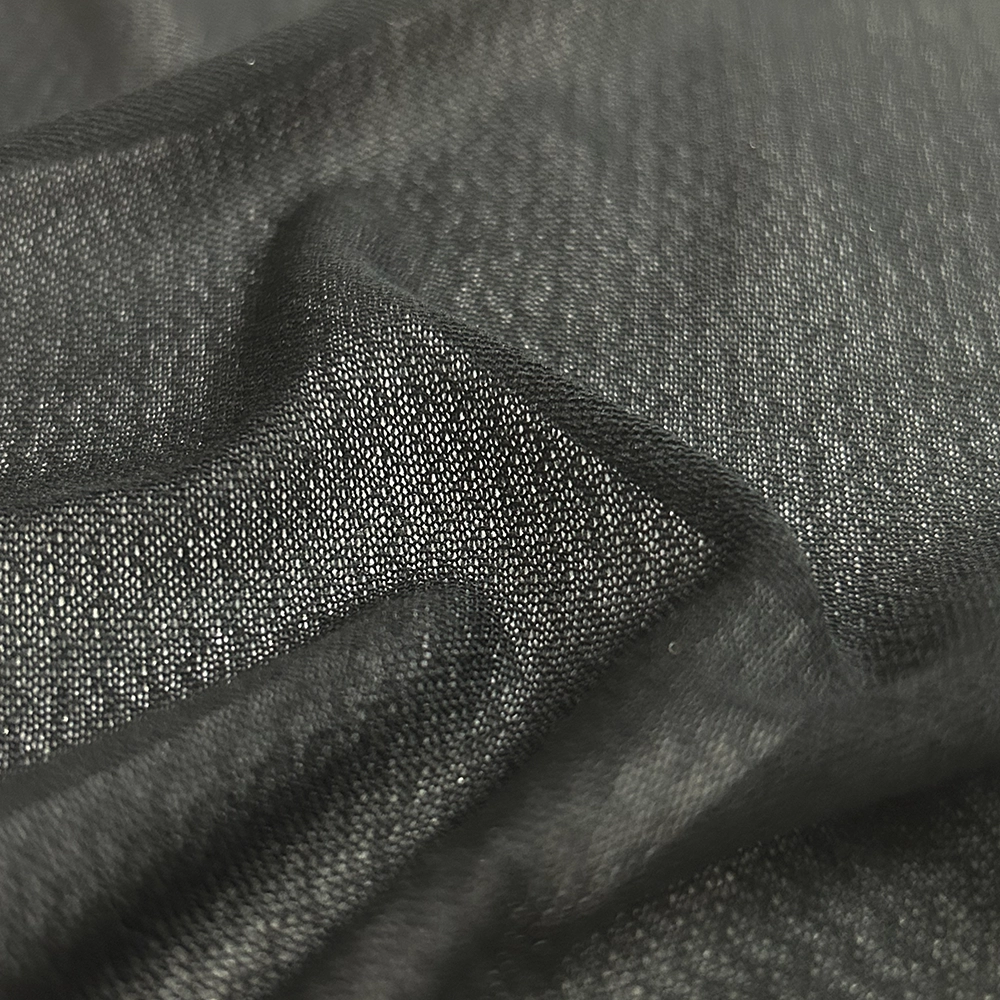
When selecting interlining, do not simply choose "thinner" or "softer." Too thin means insufficient support, leading to collapse after washing; too soft gives no shape to plackets and collars; too stiff destroys the natural drape of viscose. Given viscose's high heat sensitivity and large shrinkage, a more suitable direction is to choose a low-temperature fusible interlining to avoid heat damage to the fibers. To judge whether an interlining is suitable, more importantly, check whether the fabric hand is preserved after fusing, whether the garment remains smooth after washing, and whether wrinkling rebounds after ironing.China interlining strength manufacturers
IV. The Key to Stable Viscose Fusing Is Synchronized Dimensional Change Between the Two Layers
Wrinkling after fusing viscose fabric fundamentally results from poor coordination among the fabric, interlining, fusing conditions, and subsequent finishing. The fabric shrinks, and the interlining also shrinks; the fabric responds to heat and moisture, and the interlining must adapt accordingly. As long as the dimensional changes of the two layers are not synchronized, the surface may show wrinkles, bubbling, waviness, and poor fit.
Therefore, when wrinkling occurs in viscose fabric after fusing, do not immediately attribute it to a fabric defect. First distinguish whether the wrinkling appears after pressing, after storage, or after washing, then examine the interlining stiffness, adhesive dots, shrinkage rate, and fusing conditions—this approach will bring you closer to the real cause.