







Choosing Interlinings: Beyond Just Weight.
I. Why can't interlining selection be based solely on weight?
Weight is often used as a basic indicator to judge the thickness and hand feel of interlinings. Collar interlinings, placket interlinings, cuff interlinings, and waistband interlinings are all marked with their weight in grams during quoting or on sample cards. However, from the perspective of garment application, relying solely on weight can easily lead to misjudgment.
The ultimate effect of interlining on the garment affects the stiffness, resilience, drape, bond strength, and post-wash appearance of the specific part. Interlinings with the same weight may show considerable differences in actual hand feel and fusing performance due to variations in base fabric structure, dot type, coating weight, and finishing processes. An interlining that feels appropriate in sampling may cause post-wash wrinkling, delamination, or stiffening in bulk production if its shrinkage or heat resistance does not match the fabric; a lighter-looking interlining, when applied to a suitable fabric and position, may still provide adequate support.China shenghong interlining manufacturer
II. Why do interlinings of the same weight produce noticeably different on-garment effects?
Weight is only the mass per unit area and does not represent the full performance of the interlining. Key factors affecting garment outcomes typically also include base fabric type, weave structure, dot distribution, hot-melt adhesive type, and fusing adaptability.
Different base fabric types have their own applicable scenarios:
-
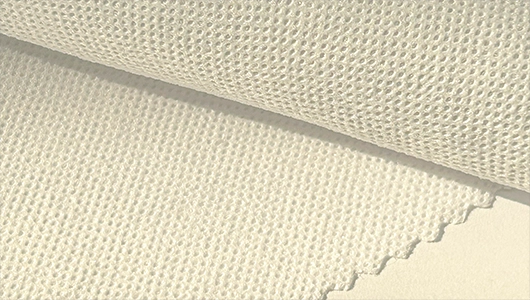
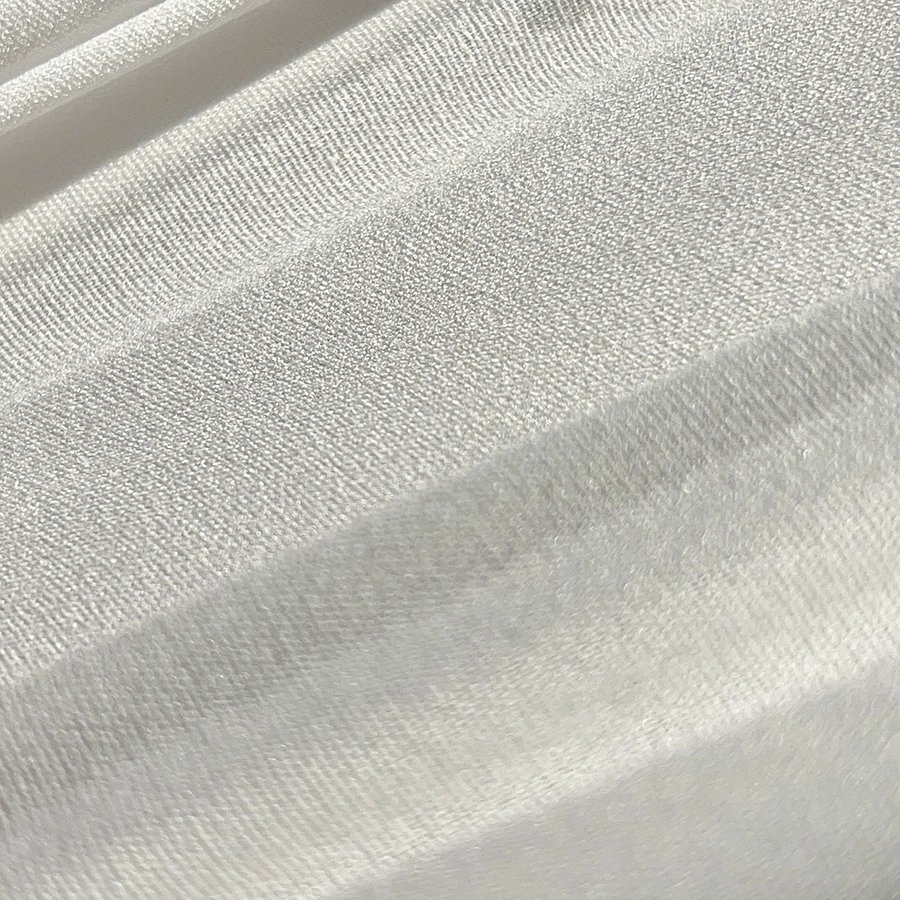
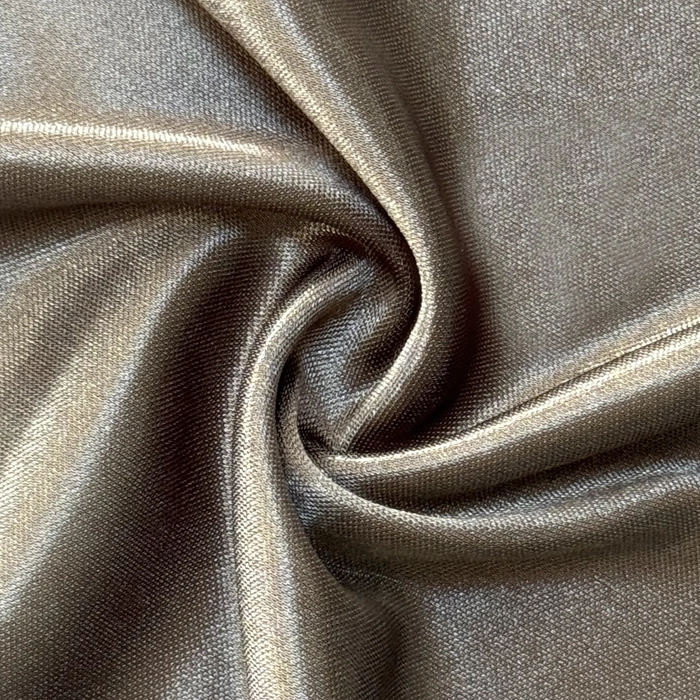
Woven interlinings: high strength and good dimensional stability, suitable for shirt, outerwear, and other parts requiring shaping and stiffness.
-
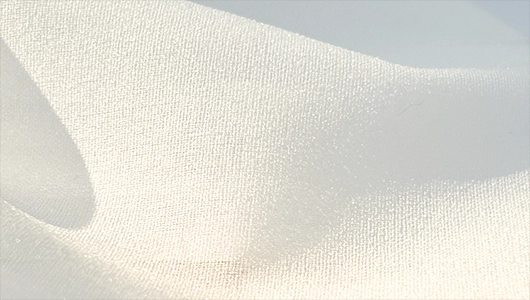
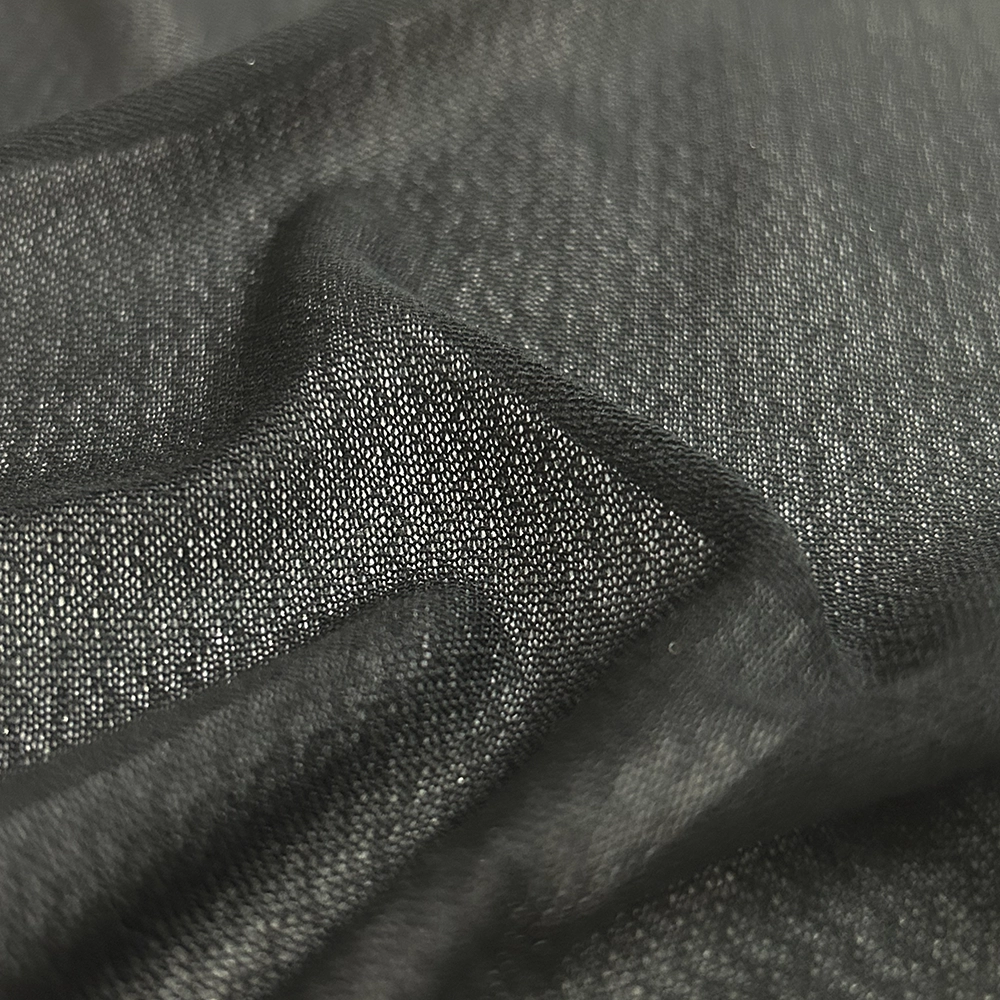
Knitted interlinings: good drape and soft hand feel, suitable for knitted fabrics and silk-type outerwear.
-
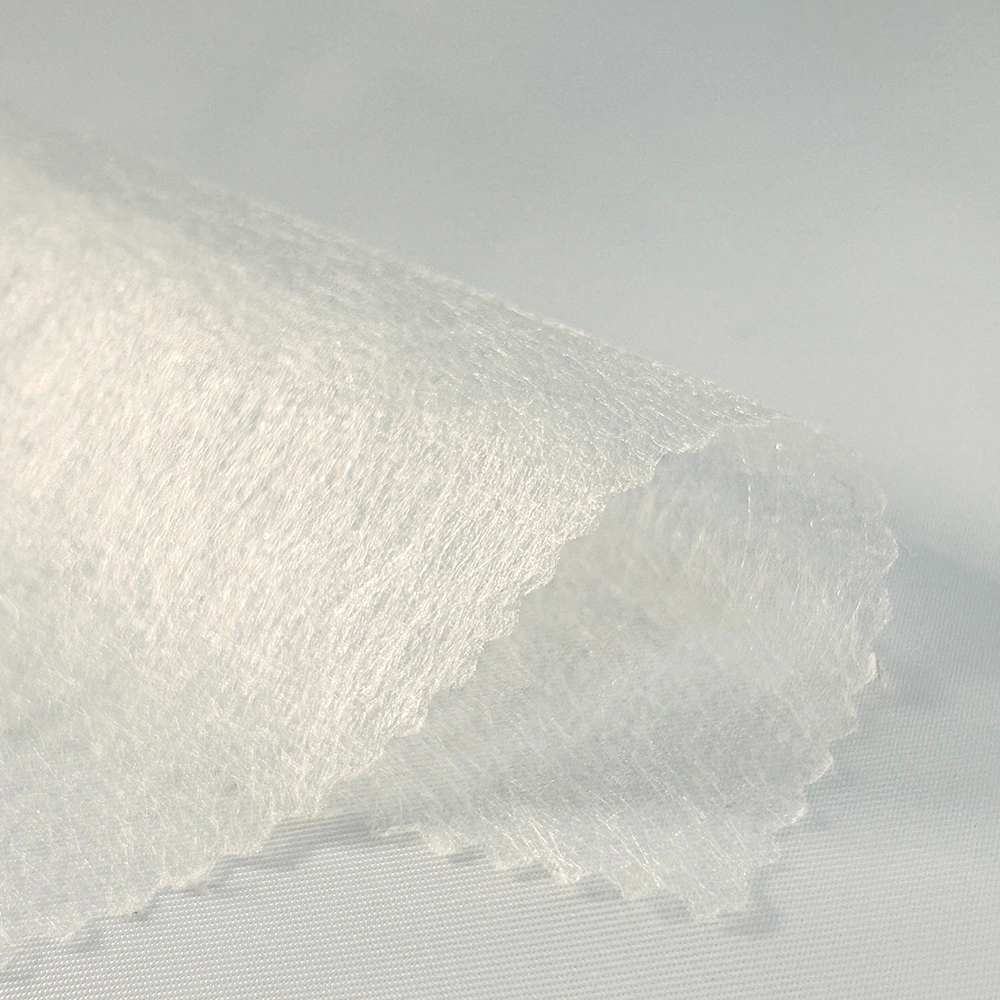
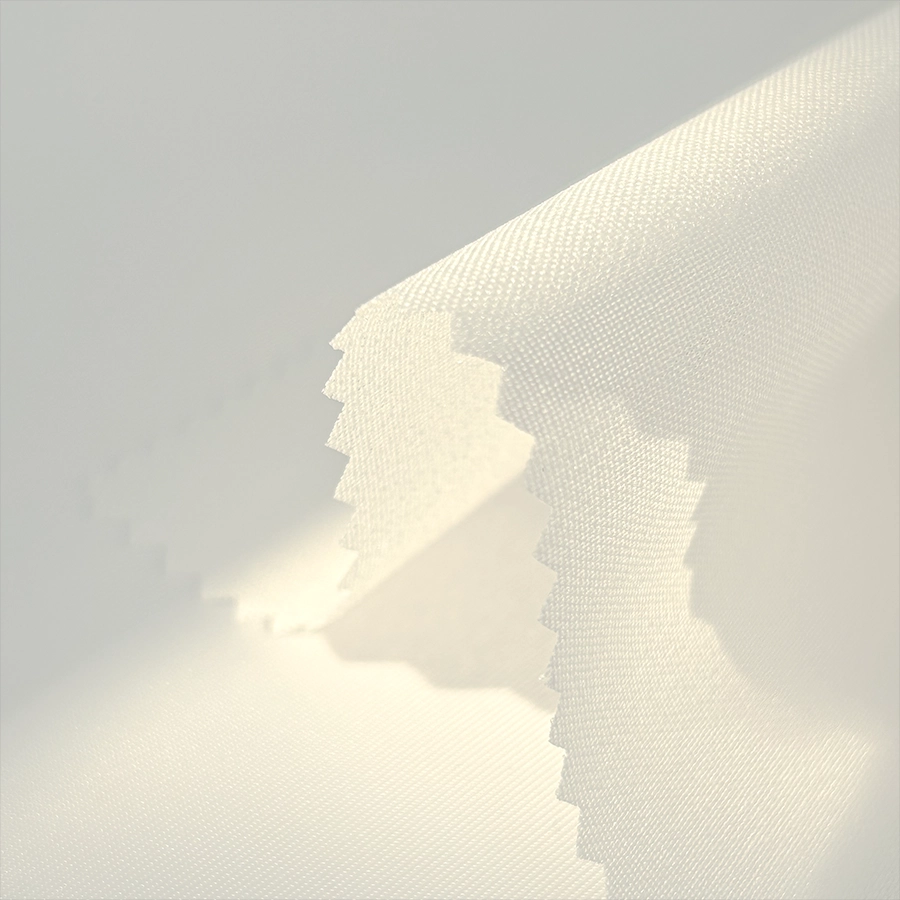
Nonwoven interlinings: low cost, no grain direction, suitable for low-requirement temporary uses or small components.
Differences in hot-melt adhesive types (e.g., PA, PES, etc.) directly affect bond strength and wash durability; selection should take into account the fabric's heat resistance and the finished garment's washing requirements.
In addition, interlining used on shirt plackets needs to balance flatness and post-wash wrinkle resistance; on suit fronts, more attention is paid to chest shaping, resilience, and fabric bonding; on lightweight women's wear fabrics, care must be taken against strike-through, show-through, and stiffening. Even with similar weights, different application positions impose different requirements on the interlining.
The fabric itself also alters fusing results. Cotton, polyester/cotton, TR, chiffon, knits, stretch fabrics, brushed fabrics, or coated fabrics react differently to temperature, pressure, and dot penetration. If selecting interlinings only by weight, it is easy to overlook the effects of fabric weave, elasticity, fabric weight, moisture content, and surface finishes on fusing stability.
III. What conditions should be considered together when judging whether an interlining is suitable?
When choosing an interlining, it is advisable to first identify the fabric and the application position, rather than locking in a specific weight. Collars, plackets, cuffs, fronts, pocket openings, waistbands, etc., have different requirements for stiffness, softness, and wash durability; the same fabric may also need different types of interlining for different parts.
During the sampling stage, fusing temperature, time, pressure, and equipment status should be recorded to ensure that the sample effect can be reproduced in bulk production. Different fabrics require different fusing temperatures: for conventional fabrics like cotton and linen, 150–180°C may be used; for delicate fabrics like chiffon and silk, the temperature should be lowered to 100–120°C. Excessive temperature can cause hot-melt adhesive aging, reduced bond strength, or even delamination.
For lightweight, stretch, knitted, coated, or heavily finished fabrics, it is especially necessary to conduct small-sample fusing tests first, observing whether blistering, delamination, strike-through, stiffening, or post-wash wrinkling occur. It should be noted that strike-through is usually caused by excessively high fusing pressure or too long a time, resulting in the hot-melt adhesive penetrating through the fabric, rather than being an inherent problem of the interlining itself.
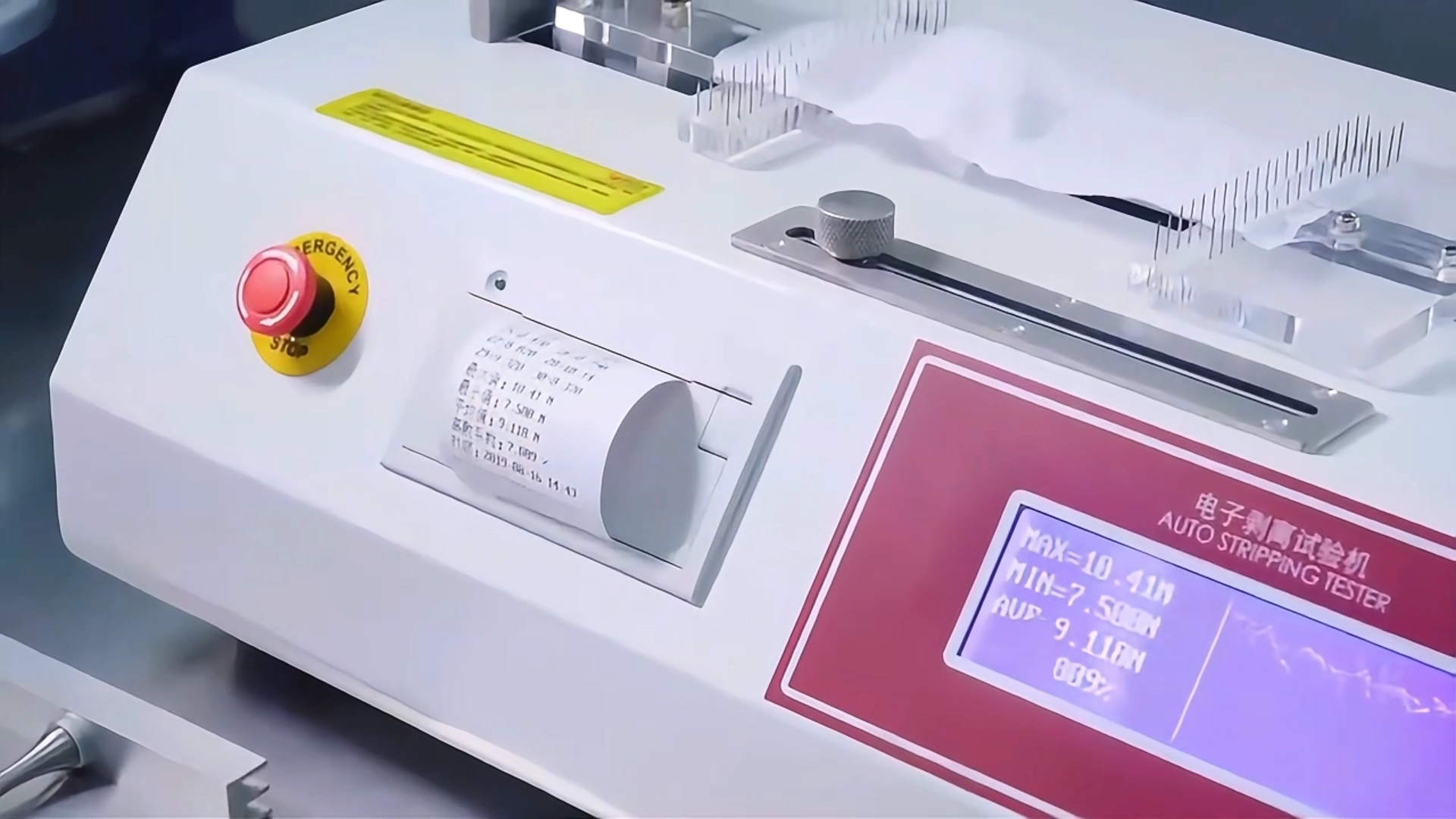
When confirming interlinings, one should not rely solely on the hand feel of the sample card. The sample card is for touching the interlining alone, whereas the garment effect comes from the combination of fabric, interlining, fusing process, and washing conditions. A more reliable approach is to conduct composite tests on the actual fabric and target position, and then evaluate based on post-wash appearance, peeling condition, hand feel changes, and dimensional stability.China interlining strength manufacturers
IV. Stable garment results come from overall matching beyond weight
Weight can serve as a preliminary screening criterion, but should not be the sole standard. When selecting interlinings, attention must also be paid to fabric characteristics, garment parts, base fabric structure, hot-melt adhesive type, fusing conditions, and finishing effects.
Particular care should be taken to match the thermal shrinkage rate of the interlining with that of the fabric. A significant difference in thermal shrinkage between interlining and fabric is one of the major causes of post-wash wrinkling and edge curling; it is recommended that both parties check shrinkage data when selecting interlinings.
Interlining issues are essentially not a problem of a single material, but a matter of matching among fabric, interlining, and process. Normal sampling does not guarantee stable bulk production. The more closely the preliminary tests simulate actual production conditions, the easier it is to detect in advance risks such as blistering, delamination, post-wash unevenness, and hand-feel deviations.