







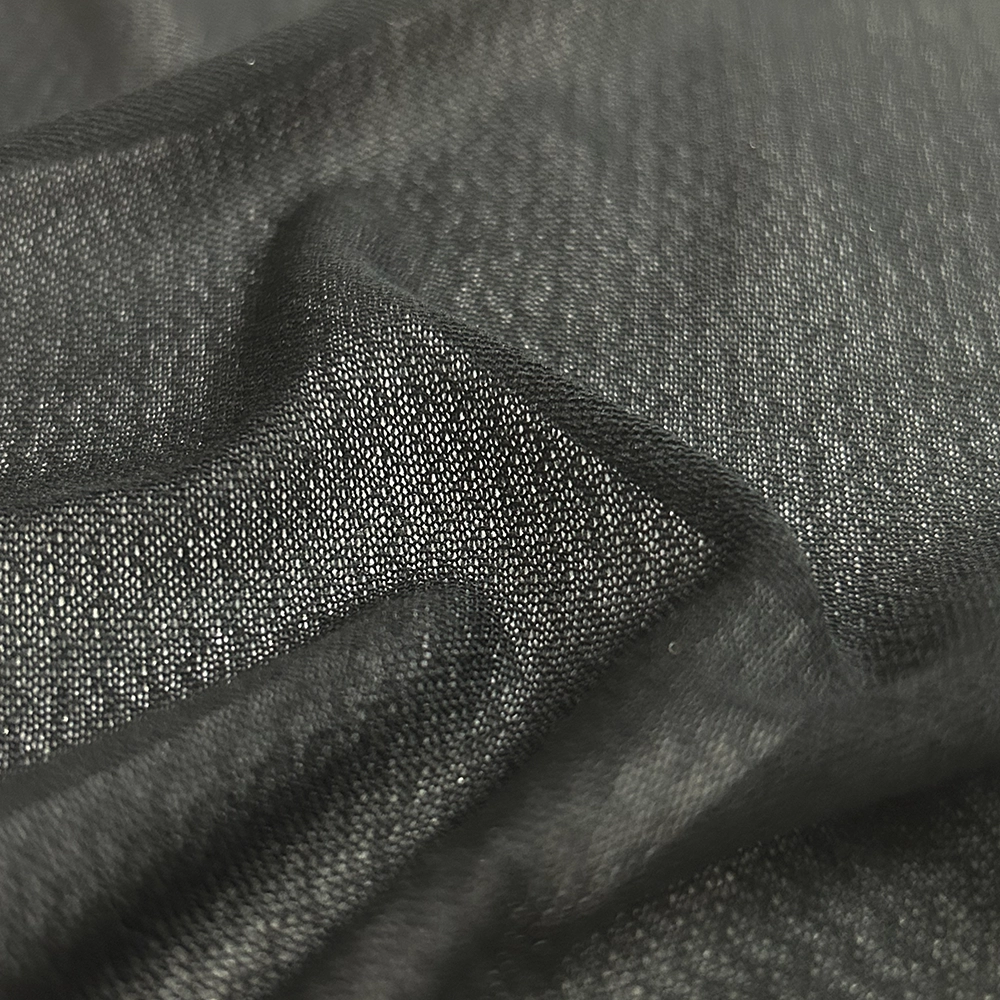
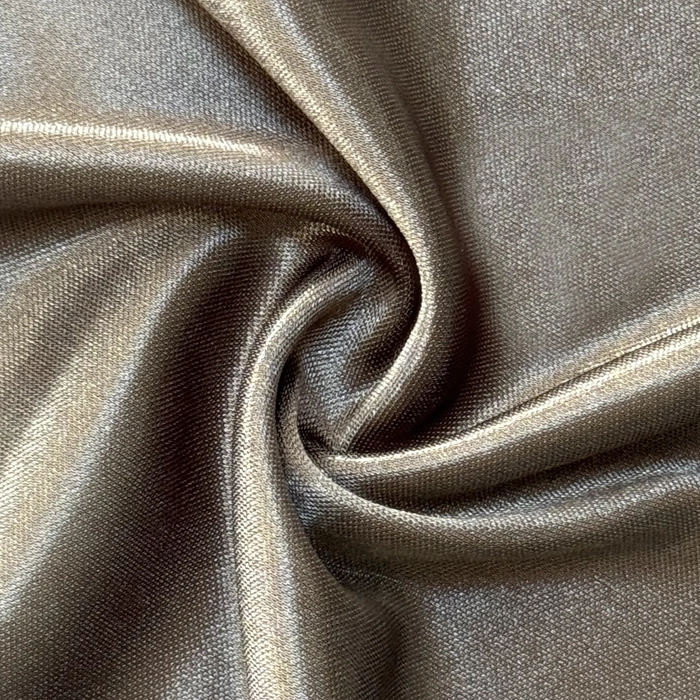
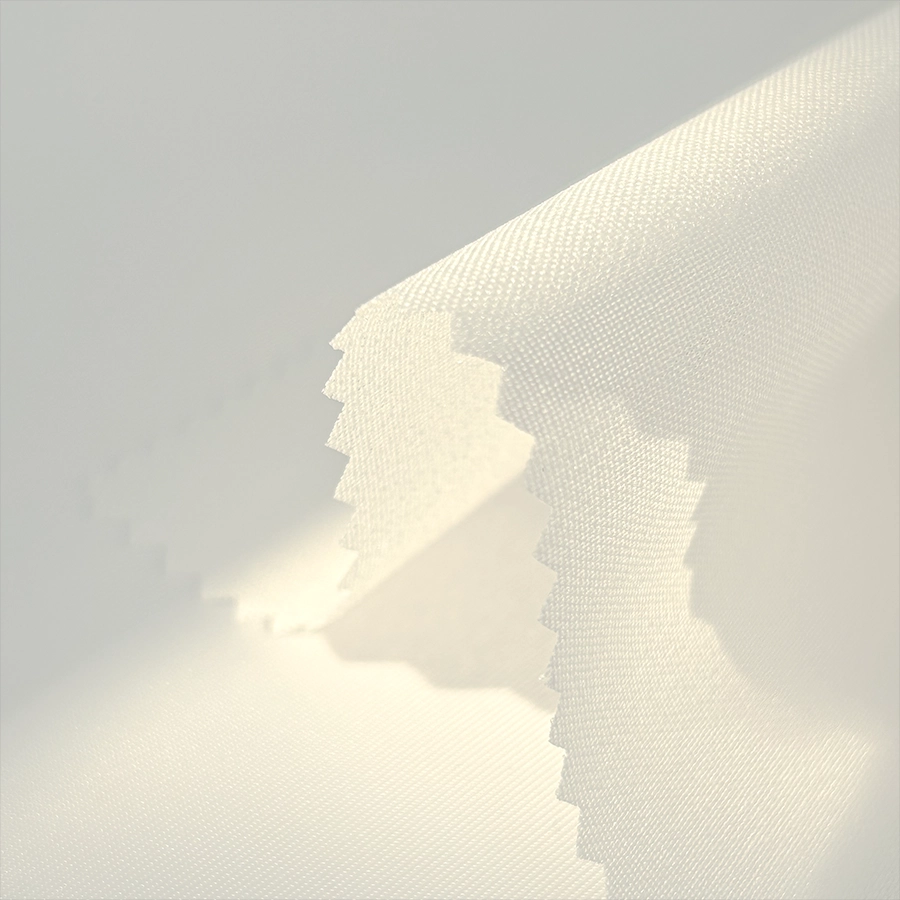
Interlining Coating Is Not Just About Applying a Layer of Adhesive – There Are These Details to Consider
ⅠWhy isn't interlining simply "glue that sticks"?
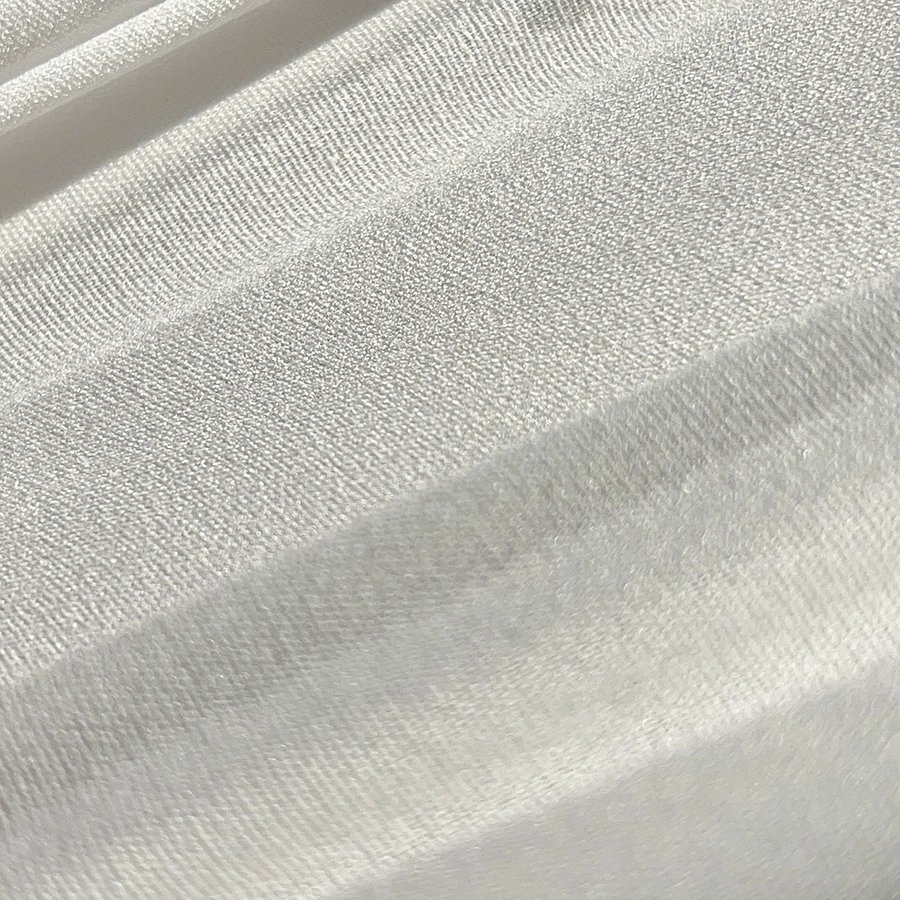
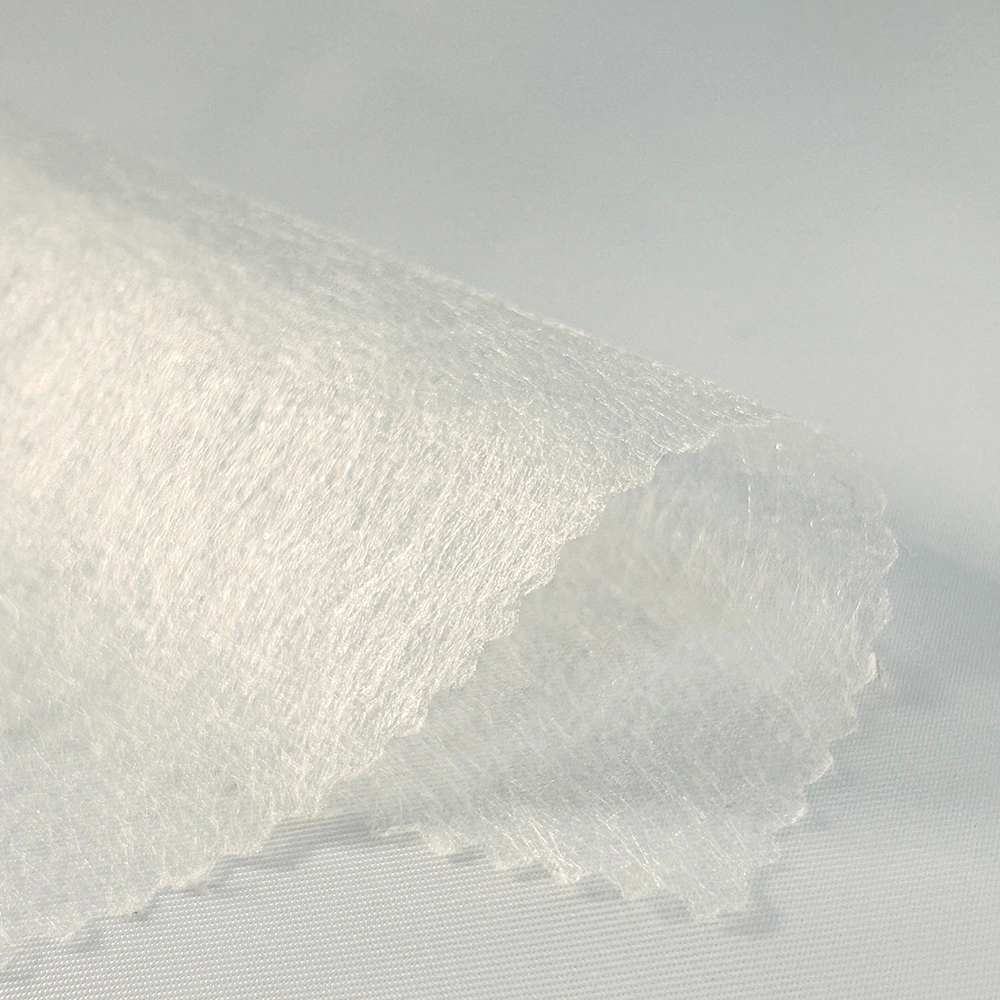
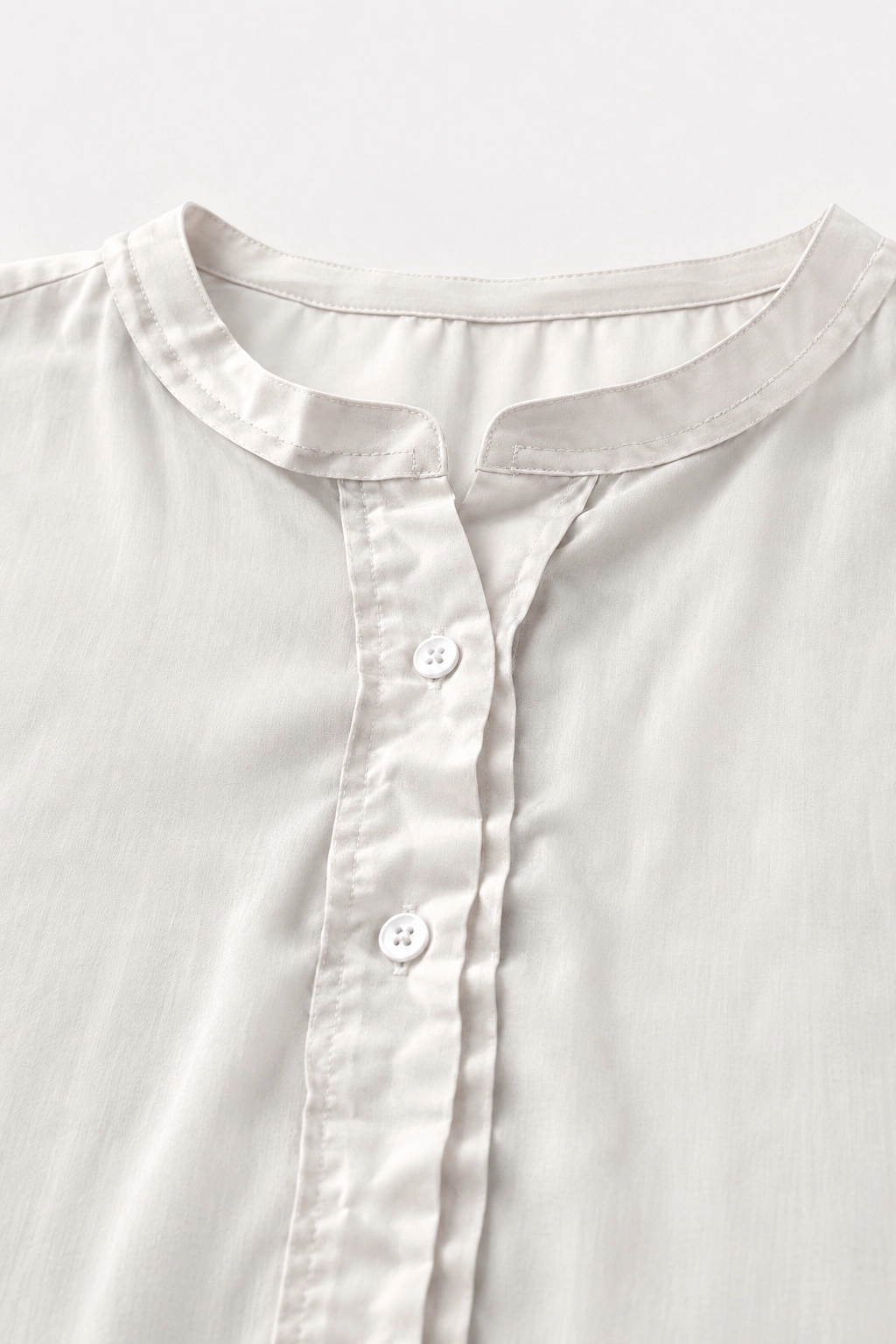
The function of fusible interlining is not simply to bond two layers of fabric together, but to provide appropriate support, smoothness, and hand feel to the fabric at the garment sections. The placket should be crisp but not stiff, the collar should have shape but not be bulky, the facing should lie flat, and the front panel should be smooth – all these effects are related to the interlining coating.
Even among fusible interlinings, some suit lightweight fabrics, some suit outerwear front panels, and some suit washable styles. The differences lie not only in thickness or softness, but also in how the adhesive layer performs after fusing: whether it penetrates to the face side, whether it makes the fabric stiff, whether it loosens after washing, and whether it blisters after ironing.
Therefore, when evaluating interlining, you cannot treat it merely as "a layer of fabric plus a layer of glue." Whether it is truly suitable depends on the finished garment effect after it is bonded to the fabric.China shenghong interlining manufacturer
ⅡWhich actual results are affected by coating details?
The first effect is on the face appearance. Thin shirts, women's wear facings, and light-colored fabrics – if the coating is unsuitable, after fusing they are prone to adhesive-dot marks, shiny spots, or shadows, which become more noticeable on the finished garment than on the sample. Such problems are generally not fully correctable through post-finishing.
The second effect is on hand feel. The interlining sample card may feel soft, but that does not mean it will be soft after fusing. After heating, the adhesive layer combines with the fabric and may make the placket, facing, pocket opening, etc., become stiff, or even give a "boardy" feel. For women's wear, shirts, and lightweight outerwear, changes in hand feel often affect the finished garment more than sheer bonding strength.
The third effect is on stability after washing. Being smooth immediately after fusing does not mean it will remain smooth after washing or steam ironing. If the coating and fabric bond are unstable, after washing you may see edges curling up, placket wrinkling, or localised blistering on the front panel. Superficially this looks like garment unevenness, but in reality it may be that the interlining's bond has not withstood subsequent processing.
ⅢWhich "coating details" should be checked during procurement and sampling?
When evaluating interlining samples, do not just look at whiteness, thickness, or softness. More crucially, fuse the interlining to the actual fabric and see whether the result meets the requirements of that garment part.
First, pay attention to whether the adhesive type matches. Different hot-melt adhesives suit different scenarios: PA adhesive has a soft hand, good elasticity, and dry-clean resistance, and is mostly used for suit outwear; PES adhesive has good washability and strong adhesion to polyester fabrics, making it suitable for polyester simulation fabrics; PE adhesive – specifically high-density polyethylene – provides good stiffness and washability, and is widely used for shirts. Choosing the wrong adhesive type will deviate bonding strength and hand feel from the outset.
Second, dot density and coating weight also directly affect the result. Generally, thicker fabrics call for a lower dot density, while thinner fabrics call for a higher density; lightweight fabrics require interlinings with low coating weight and high dot count, with smaller dot patterns. The earlier point about "adhesive penetrating too easily, possibly striking through on thin fabrics" is exactly a matter of matching dot density with the fabric. Only with appropriate density can you achieve both adhesion and no strike-through to the face side.
Furthermore, fusing conditions cannot be based on intuition. Interlining suppliers usually recommend appropriate fusing temperature, time, and pressure. Excessively high temperature may cause the adhesive to over-melt or even carbonise and blister; too low a temperature may result in incomplete melting and weak bonding. What seems usable at the sampling stage may become unstable under continuous fusing machines, batch production, and different operators. If temperature, time, and pressure are not clearly defined, bulk production will rely on experience – and risks follow.
Lastly, special fabrics require extra caution. If the fabric has a water-repellent or waterproof coating, that coating acts as a "barrier layer" that hinders adhesive penetration, requiring a dedicated interlining or adjusted process; for fabrics containing elastane or other elastic fibres, the heat-shrinkage rate differs significantly from that of the interlining, and stress released after cooling can easily lead to blistering. Fabrics with stretch, brushed surfaces, coatings, soft finishes, or those requiring subsequent washing, stone-washing, or strong steam ironing – none of these should be treated with the same experience as for regular fabrics. Because all these conditions affect the final outcome of the coating.
For lightweight fabrics, focus on whether the face side is clean, with no strike-through, showing, or shine. For plackets, collars, and cuffs, check whether there is support after fusing, but without unnatural stiffness. For front panels, facings, and large-area parts, check whether they remain smooth after cooling and whether there is localised blistering after steam ironing.China interlining strength manufacturers
ⅣConclusion
Determining whether an interlining is suitable ultimately comes back to three outcomes: whether the face side is clean, whether the hand feel meets the requirements of the garment part, and whether it is stable after washing and ironing. Only when these three points are verified can the coating details truly serve the quality of the finished garment.