






Interlining Hand Feel Selection: The Right Part, the Right Hand Feel.
I. In the garment industry, what are the common categories of interlinings with different hand feels?
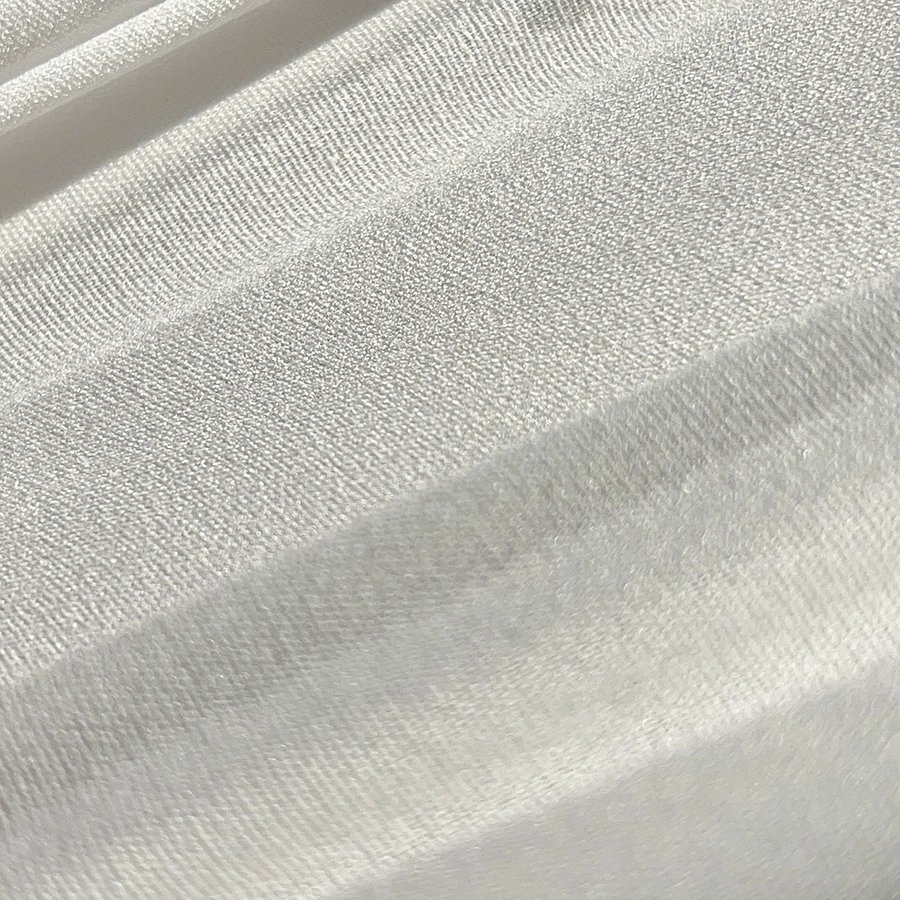
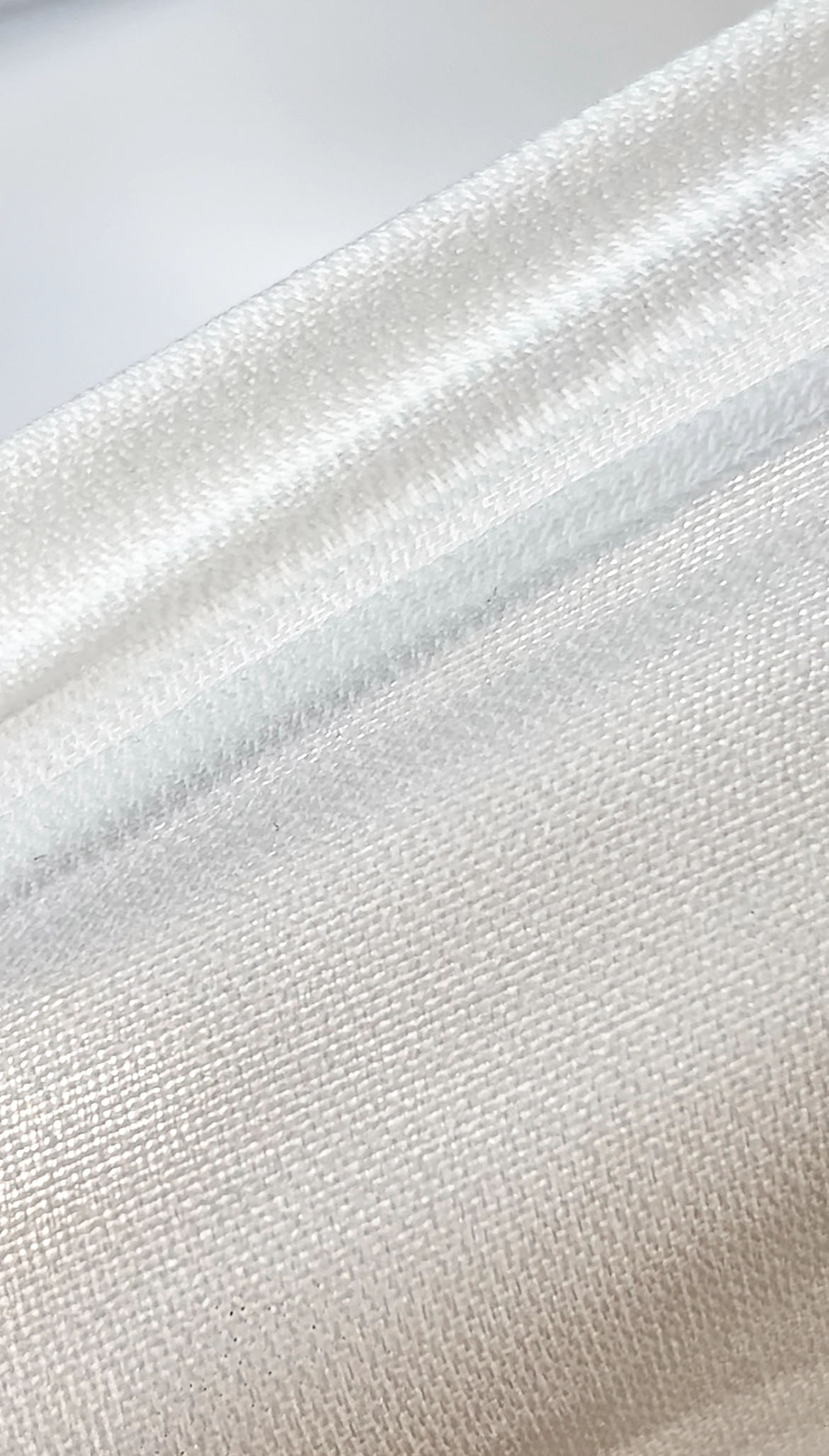
When garment samples are made, "hand feel" does not simply mean touching whether the interlining is soft or not, but rather looking at whether it provides appropriate support, resilience, conformity, and appearance stability after fusing.
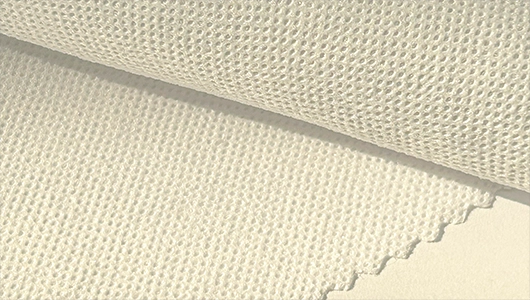
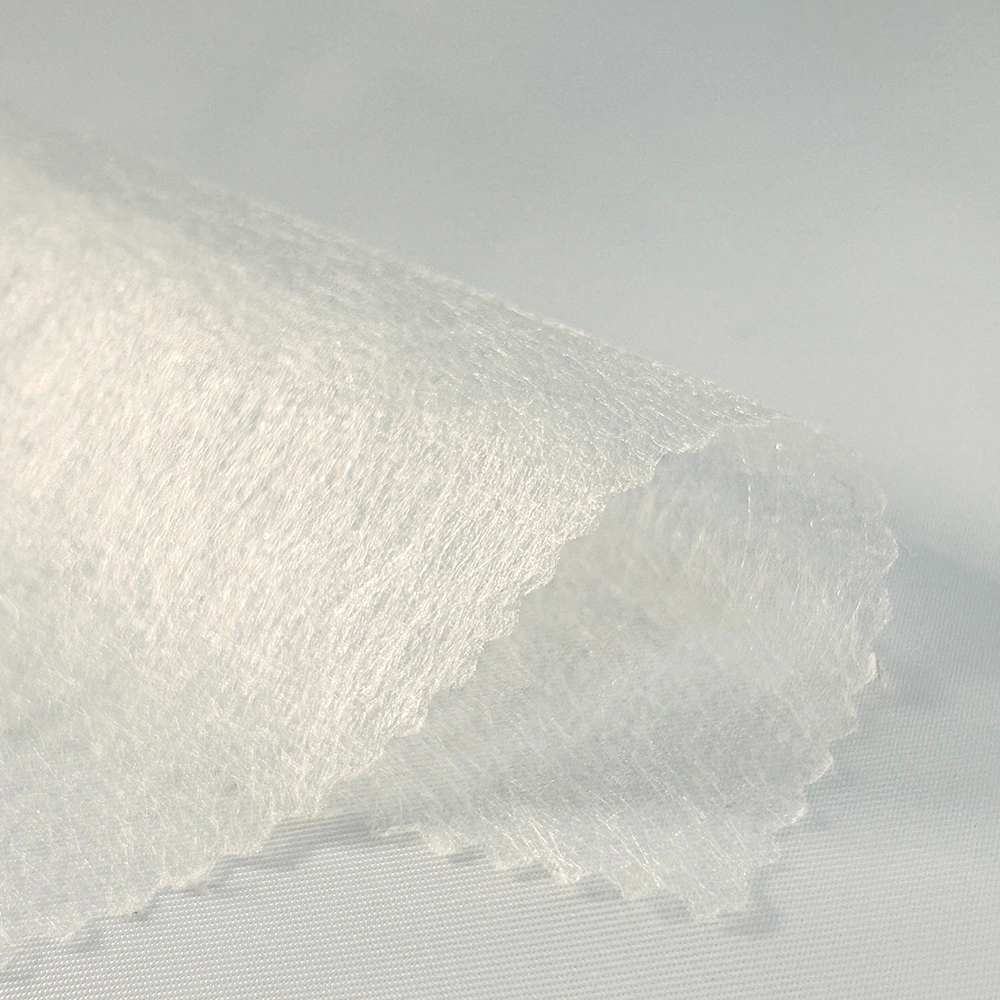
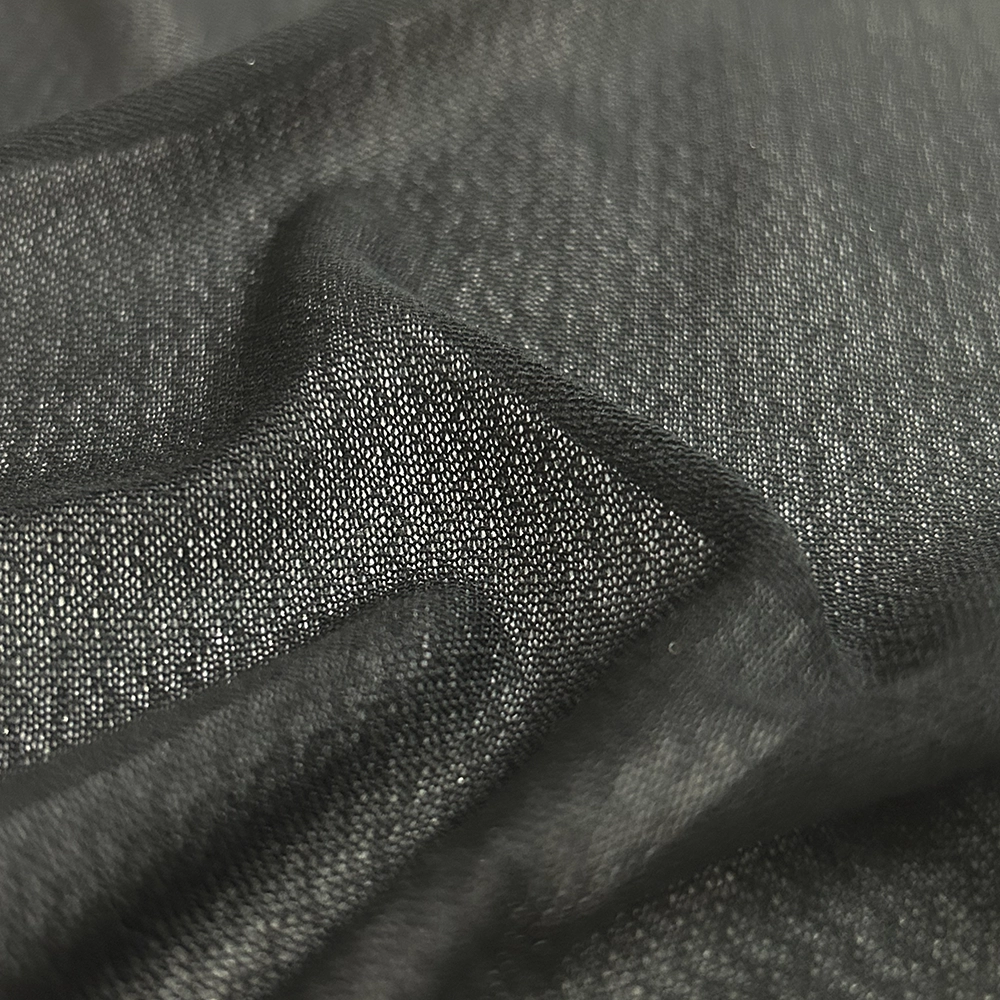
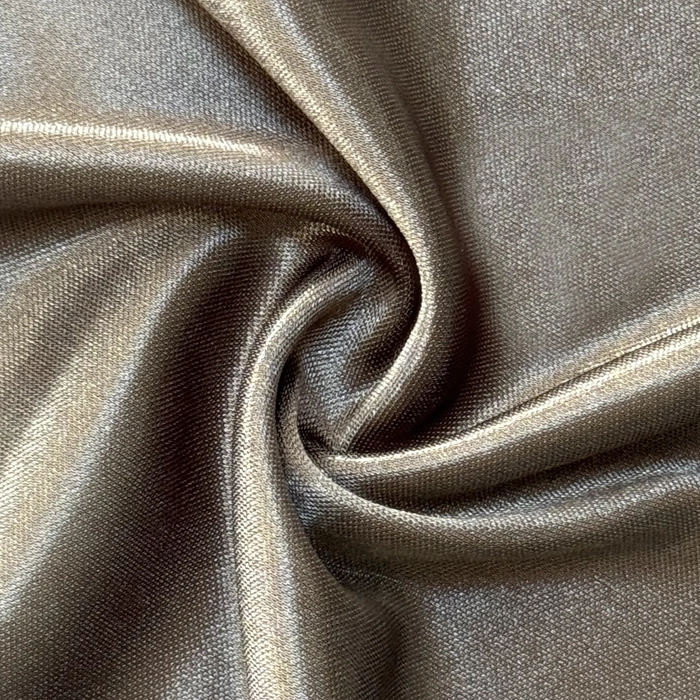
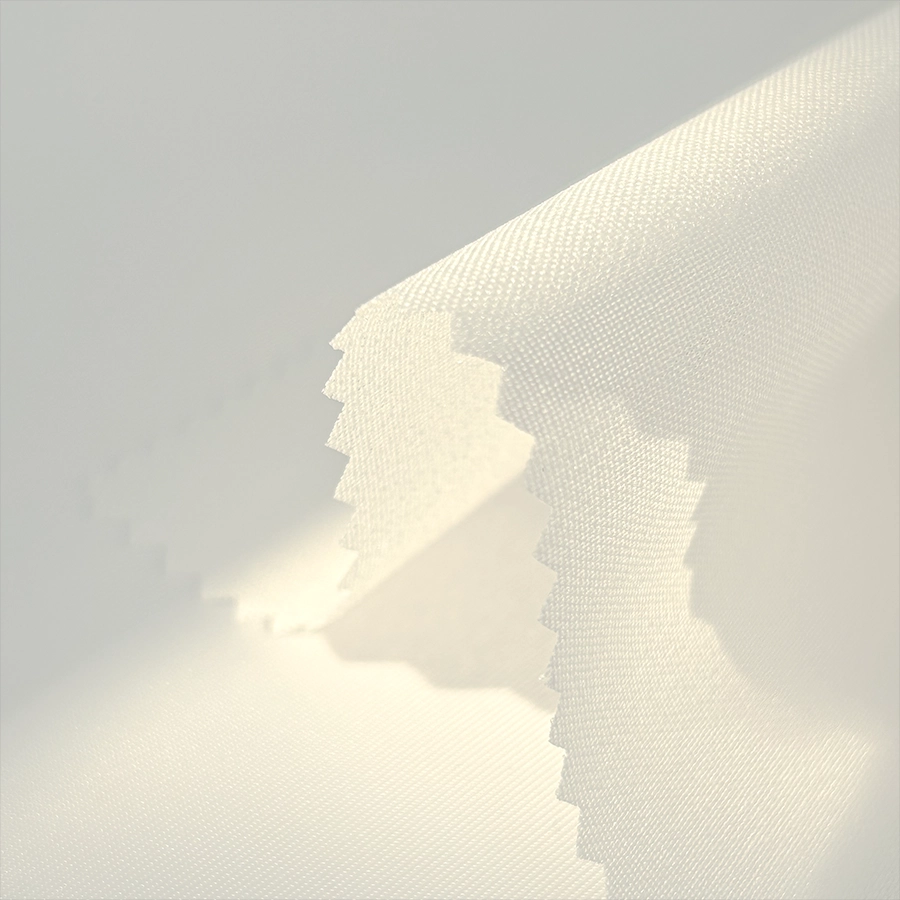
Common hand feels can be roughly divided into five types: soft and conforming type, medium-soft and flat type, medium-firm supporting type, crisp and structural type, and elastic and resilient type. It should be noted that the elastic and resilient type is not a parallel category to woven interlinings and nonwoven interlinings, but rather a cross-cutting attribute—elastic woven interlinings and elastic knitted interlinings both fall into this category.
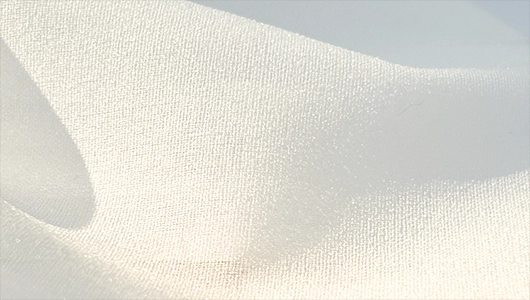
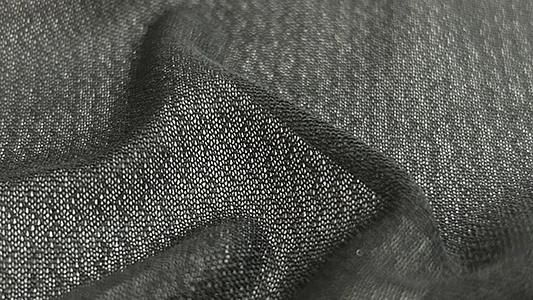
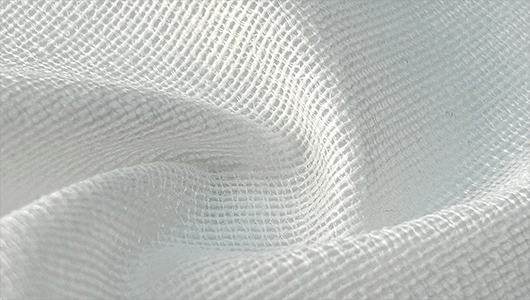
The soft and conforming type is often used in lightweight womenswear, chiffon, thin shirt facing, placket and fly pieces, pocket openings, etc. You can sample from 15D, 20D, 30D, 50D lightweight woven interlinings, or 20-35g/㎡ lightweight nonwoven interlinings and warp-knitted interlinings. The medium-soft and flat type is commonly used for shirt plackets, facings, and pocket flaps, with typical ranges being 50D, 75D woven interlinings, or 35-55g/㎡ medium-soft interlinings. The medium-firm supporting type is often used for ordinary shirt collars, cuffs, and waistbands, and you can choose from 75D, 100D woven interlinings, or 50-80g/㎡ medium-firm interlinings. The crisp and structural type is mostly used for business stiff collars, uniform collars, and thick fabric waistbands, and may involve 100D, 150D or collar interlinings and resin interlinings. The elastic and resilient type is more suitable for knits, stretch shirts, and stretch trouser waistbands.
(Note: D (Denier) represents the thickness of the yarn. The higher the D value, the thicker the yarn and the stiffer the interlining.)China shenghong interlining manufacturer
II. Why do some interlinings cause stiffness or collapse when matched?
Stiffness is usually not because the interlining itself is "too hard," but because the handle level has been misapplied. Lightweight womenswear facings only need conformity; if you use a medium-firm or crisp interlining, the fabric tends to lose its drape after fusing, and the edges will appear rigid. For thin summer shirt plackets, if you directly use 100D or above or interlinings with heavy adhesive dots, although they may look flat, they will feel like cardboard or plastic when worn.
Collapse is more related to insufficient support. If a shirt collar only pursues softness and uses too low a weight or too soft an interlining, the collar surface tends to lose its shape after washing; if the cuff interlining is too soft, the edges tend to curl; if the waistband lacks resilience, it easily becomes loose, wrinkles, and loses shape after wearing and washing.
In addition, there is an easily overlooked reason for post-wash wrinkling: the shrinkage rate of the interlining does not match that of the fabric. If fabrics such as silk or high-count wool are matched with an interlining that has a relatively high shrinkage rate, the interlining will shrink during fusing and pull the fabric into an orange-peel texture, and after washing it is more likely to bubble and delaminate. Therefore, after selecting an interlining, it is recommended to conduct a small-sample washing test first to confirm shrinkage matching before mass production.China interlining strength manufacturers
III. How should the interlining hand feel be matched for different garment parts?
For lightweight collars, facings, and placket flies, start by sampling from 15D-50D lightweight woven interlinings, warp-knitted interlinings, or low-weight nonwoven interlinings, focusing on whether there is adhesive bleed-through, stiffness, or impact on drape.
Shirt plackets should be distinguished by style: for business formal shirt plackets, a firmer hand is appropriate, starting from 50D-75D woven interlinings or 35-55g/㎡ medium-soft interlinings; for casual shirt plackets, a softer hand is acceptable, starting from lightweight nonwoven or woven interlinings. If too soft, the placket tends to wave after washing; if too stiff, the area around the buttons will look rigid.
Shirt collars need more support than plackets, with emphasis on resistance to deformation and shape retention. For ordinary shirt collars, compare from 75D-100D woven interlinings or 50-80g/㎡ medium-firm interlinings; for stiff collars and uniform collars, consider higher-support collar interlinings.
Shirt cuffs should not be treated exactly the same as collars. Cuffs need to balance flatness and flexibility for wrist movement. For light fabrics, lean toward medium-soft (referencing 50D-75D); for heavy fabrics, lean toward medium-firm (referencing 75D-100D). Flexible woven interlinings are generally more suitable than rigid ones.
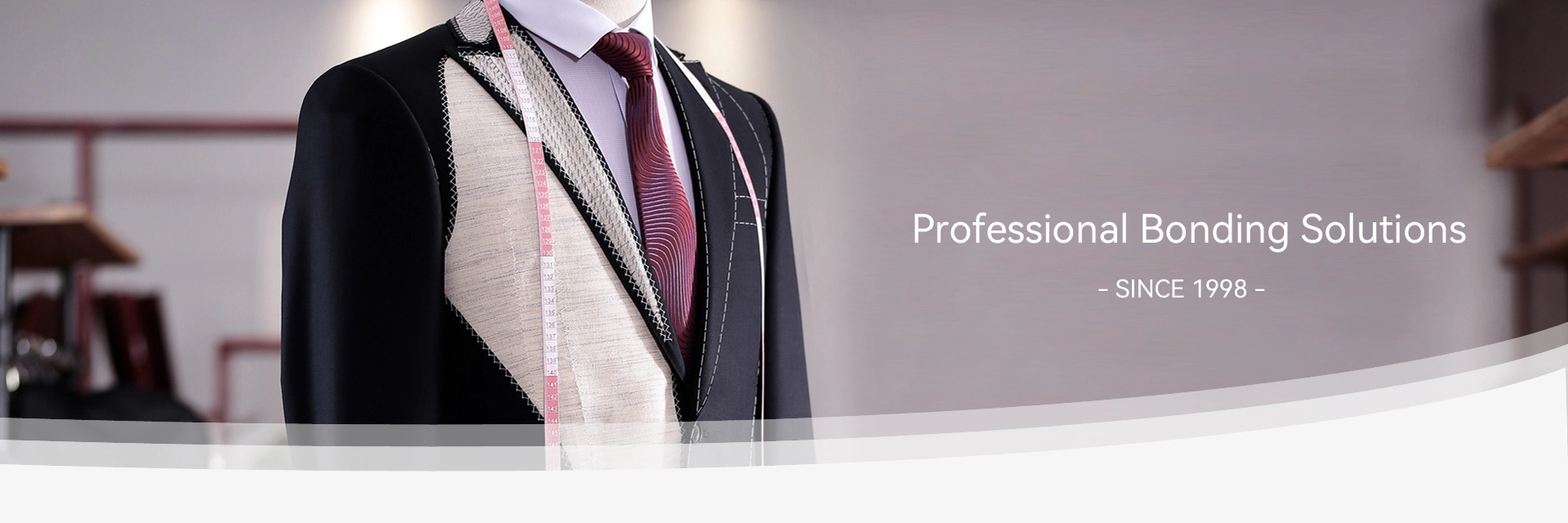
For suit and jacket front panels, do not simply pursue stiffness. For lightweight TR, polyester-viscose, and wool-like fabrics, priority should be given to woven interlinings, using their follow-through movement to maintain the fabric's natural drape and avoid excessive support that makes the front panels look rigid.
For waistbands, both firmness and resilience should be considered. For ordinary trouser waistbands and skirt waistbands, start from 75D-100D woven interlinings or 60-90g/㎡ medium-firm interlinings; for stretch fabrics, priority should be given to elastic woven interlinings or elastic knitted interlinings.
IV. Conclusion
Lightweight parts need conformity, plackets need flatness, collars and cuffs need shape, front panels need natural support, and waistbands need firmness with resilience. Only by evaluating the part, the fabric, and the fusing effect together can you avoid issues like stiffness, collapse, and unstable post-wash appearance.