







Soft Placket and Collar Collapse? A Guide to Selecting Interlinings for Lightweight Summer Women's Fabrics
I. For summer women's wear, the placket is not crisp and the collar collapses. Is the interlining too soft?
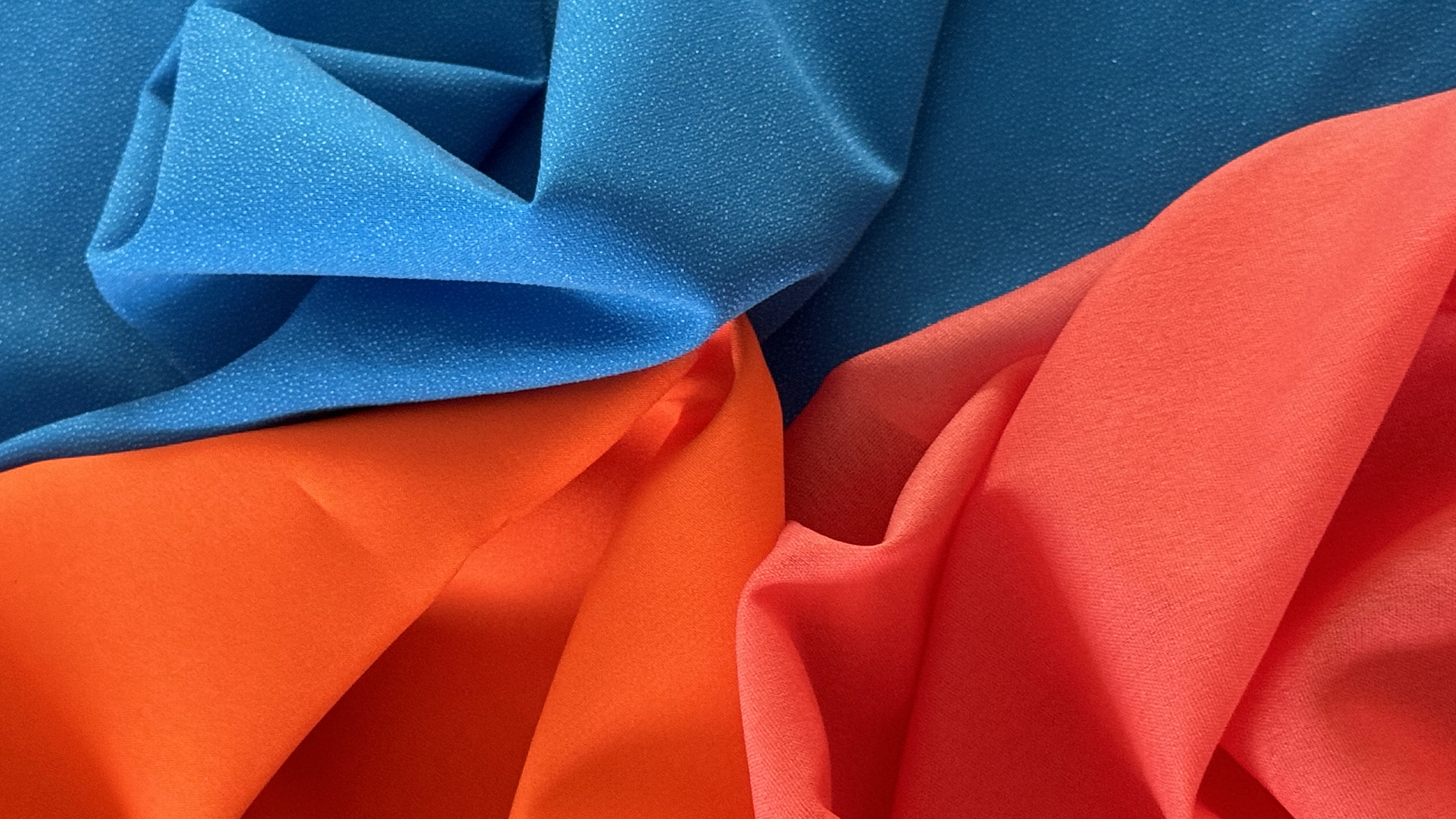
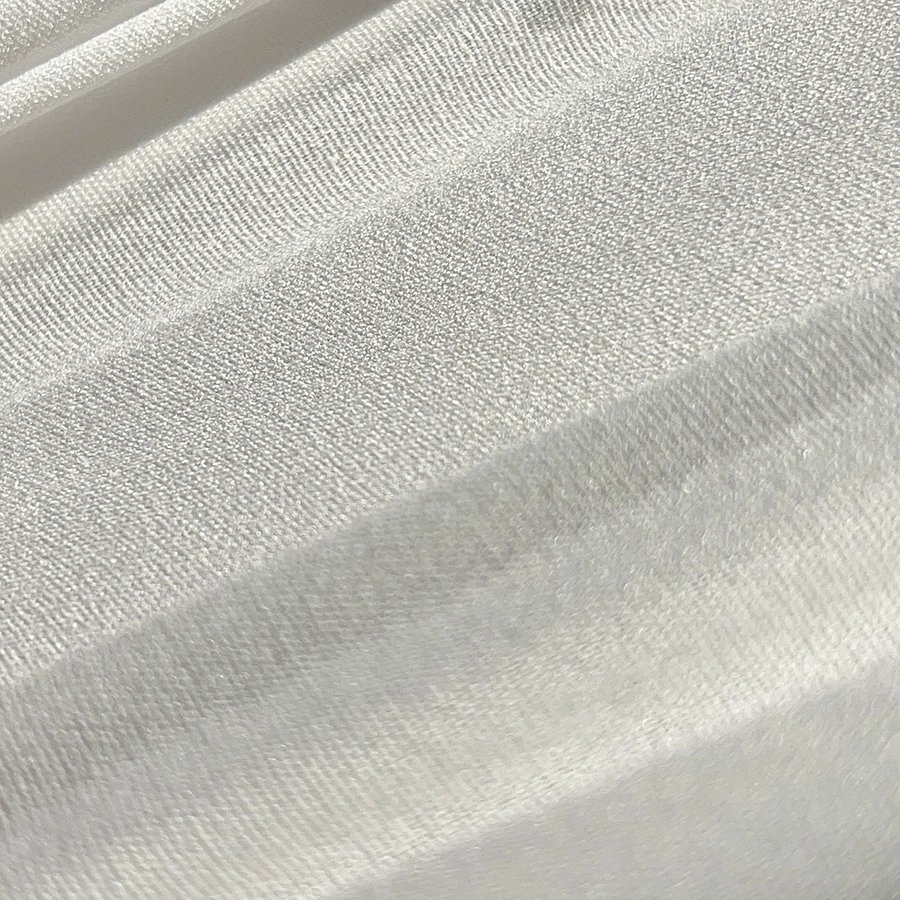
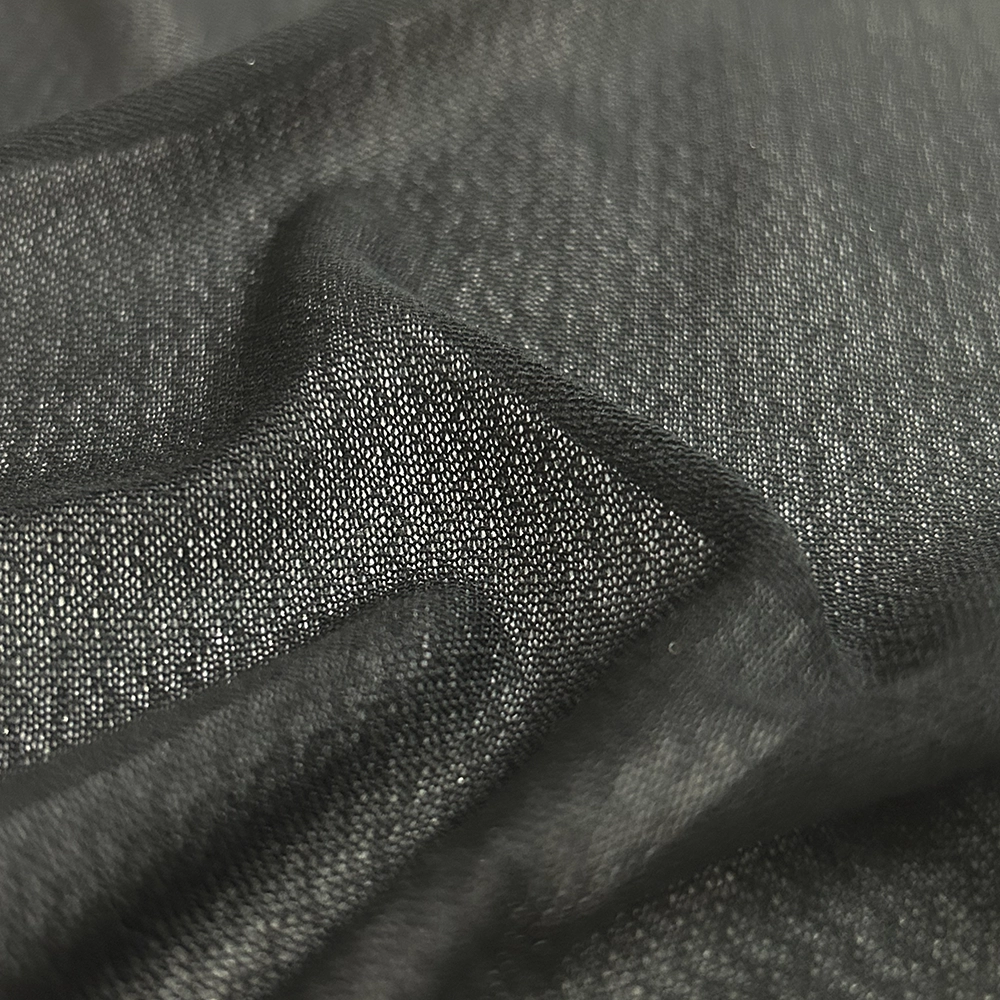
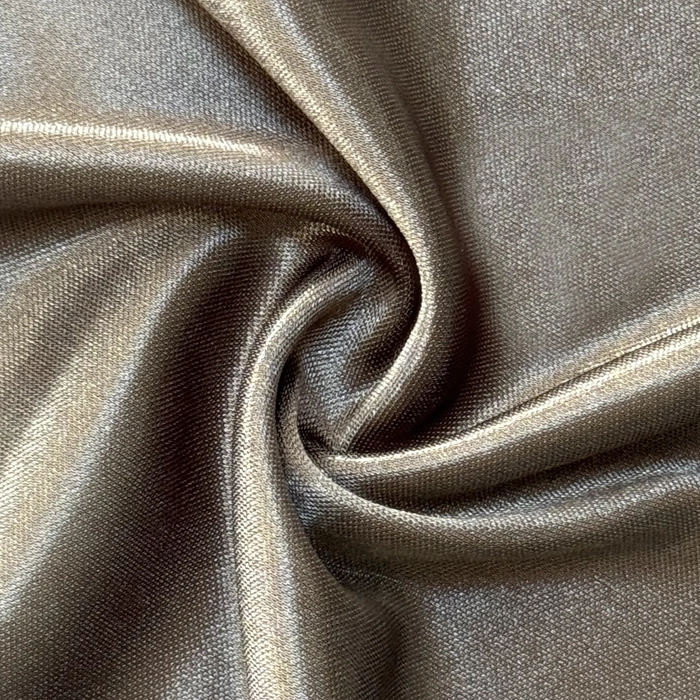
Summer women's wear often uses lightweight fabrics such as chiffon, lightweight cotton, polyester silk-like, acetate, tencel, and lightweight knits. These fabrics have a low gram weight and weak inherent support. Areas like the placket, collar, and cuffs need to maintain a certain shape. If the interlining is too soft, the finished garment may experience collapse, curling, or poor fit after wearing or washing.
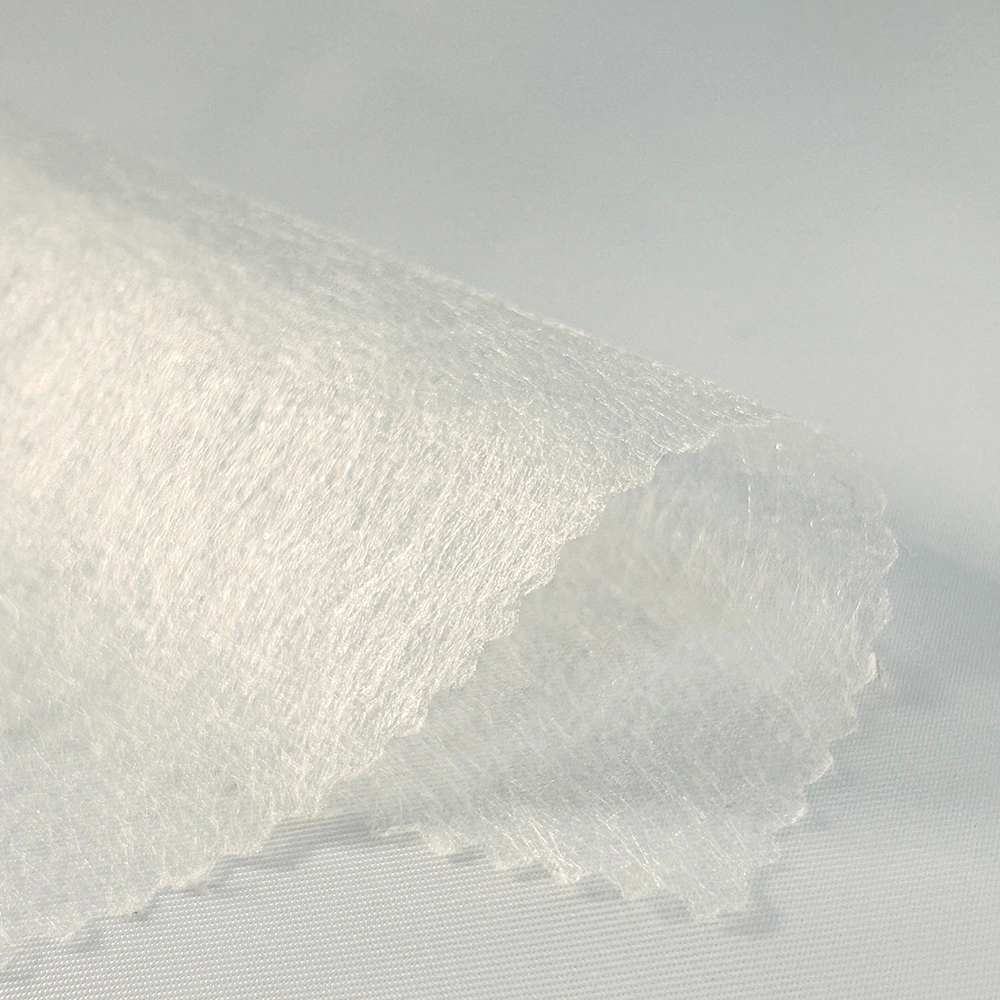
However, the problem is not necessarily just that "the interlining is too soft." If an excessively thick or stiff interlining is chosen to increase crispness, it may instead cause the lightweight fabric to feel boardy, show visible press marks, or develop localized bubbling, ruining the original light and airy feel of the women's garment.China Shenghong Lightweight Interlining Factory
II. Selecting interlinings for lightweight fabrics depends on matching the fabric and the area.
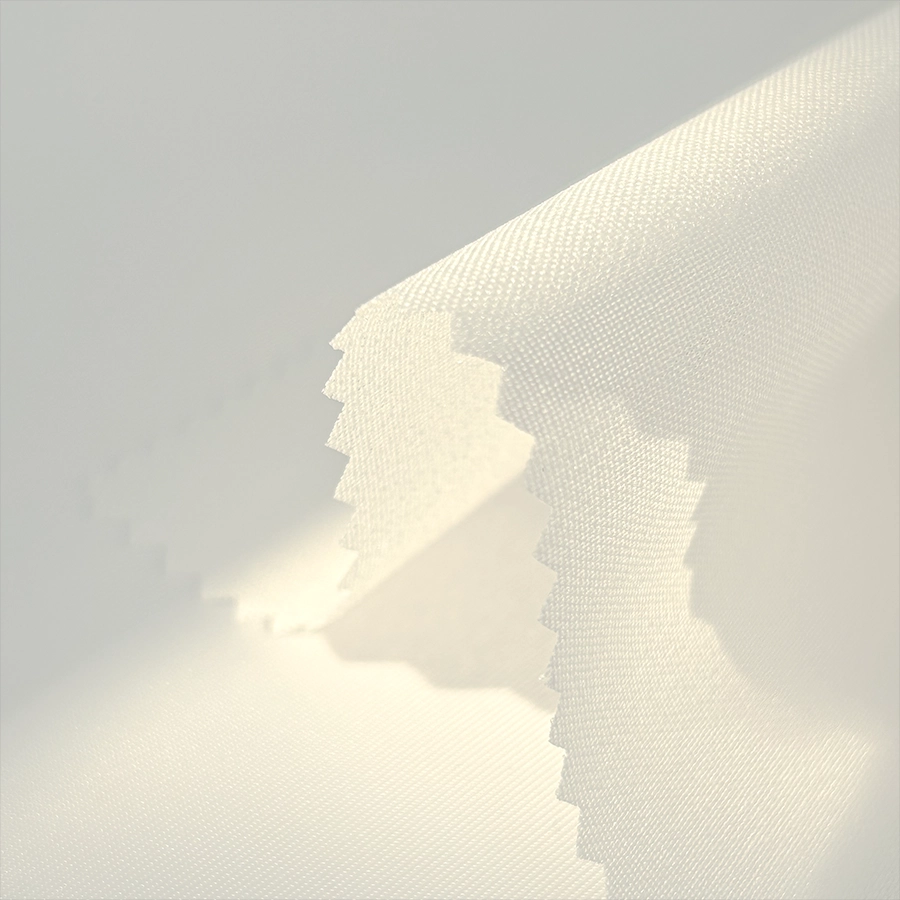
Lightweight fabrics are more sensitive to interlinings. The fabric's composition, weave density, transparency, elasticity, and finishing condition all affect the bonding result. For example:
-
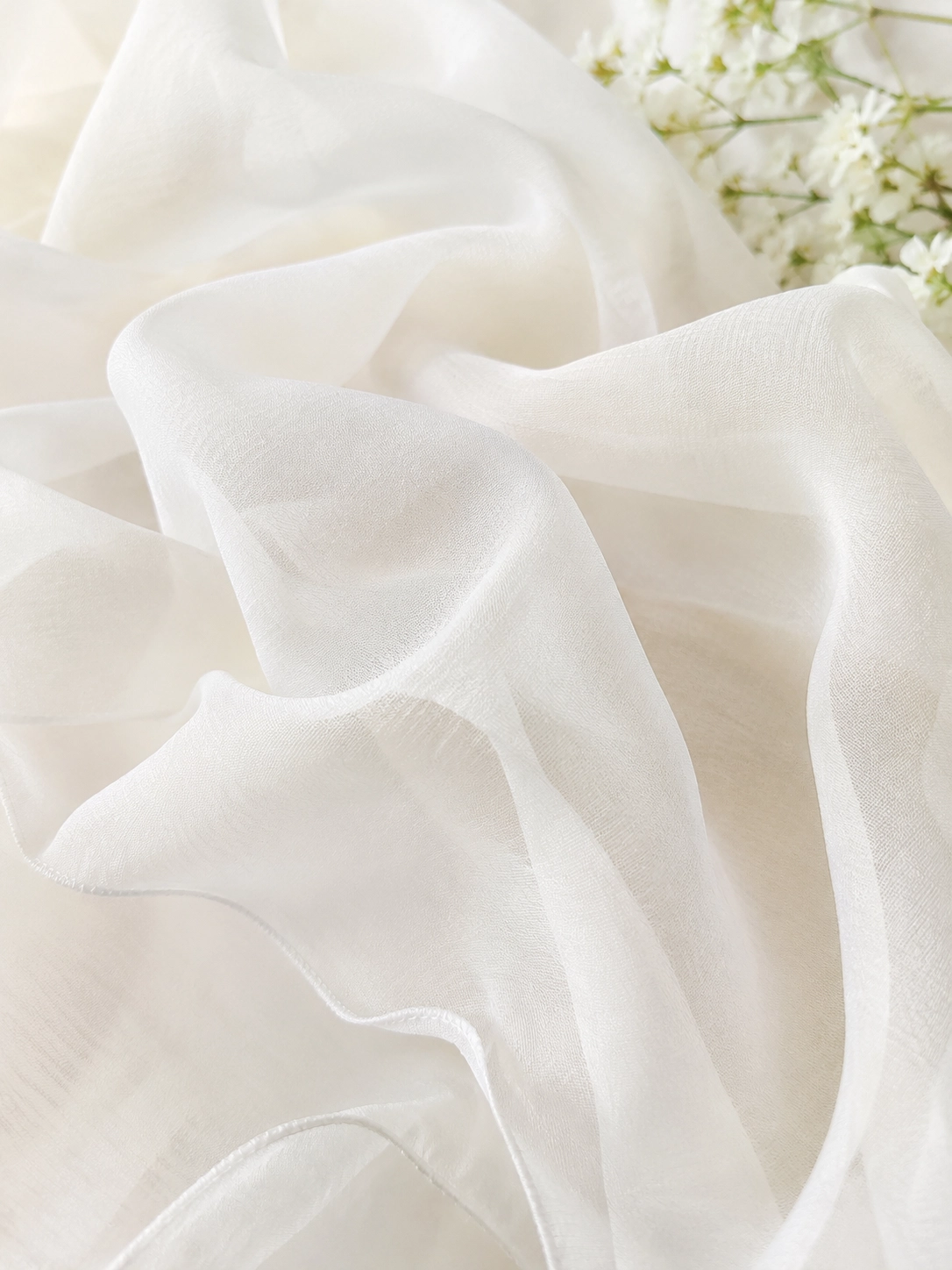
Transparent or semi-transparent fabrics require attention to strike-through and the visibility of the interlining outline.
-
For elastic fabrics, consider whether the interlining will restrict stretch.
-
For fabrics with surface finishes or coatings, bonding strength must be verified.
Different areas also have different requirements for interlinings. The placket values smoothness, resistance to curling, and moderate support. The collar places more emphasis on conformity, natural curve shape, and shape retention after wearing. One cannot decide to use the same interlining for the entire garment based solely on the hand feel of a single sample card.China Shenghong Lightweight Interlining Manufacturer
III. What key details should be checked before bulk production?
During the sampling stage, it is recommended to record the fusing temperature, time, and pressure, and complete the following tests before bulk production:
-
Sample bonding test
-
Observation of appearance after washing
-
Peel strength check
-
Trial garment of a partial area
Lightweight fabrics are sensitive to fusing conditions. Excessively high temperatures may cause shiny marks, discoloration, or press impressions. Insufficient pressure may lead to poor bonding. During testing, focus on the following: whether the placket is smooth, whether the collar collapses, whether the surface shows blistering or strike-through, and whether the hand feel is significantly stiffened. For fabrics such as chiffon, acetate, lightweight stretch fabrics, brushed, or coated materials, always conduct tests first before deciding on bulk production.
Conclusion
For summer women's wear, a non-crisp placket and collar collapse are essentially a matching problem between lightweight fabrics and localized support requirements. Interlining is not better when it's stiffer, nor safer when it's thinner. Stable placket and collar results come from the combined control of interlining selection, fusing parameters, and upfront testing.