








Why are lightweight fabrics prone to static electricity?
I. Why are lightweight spring/summer fabrics more prone to attracting dust, clinging, and generating static electricity?
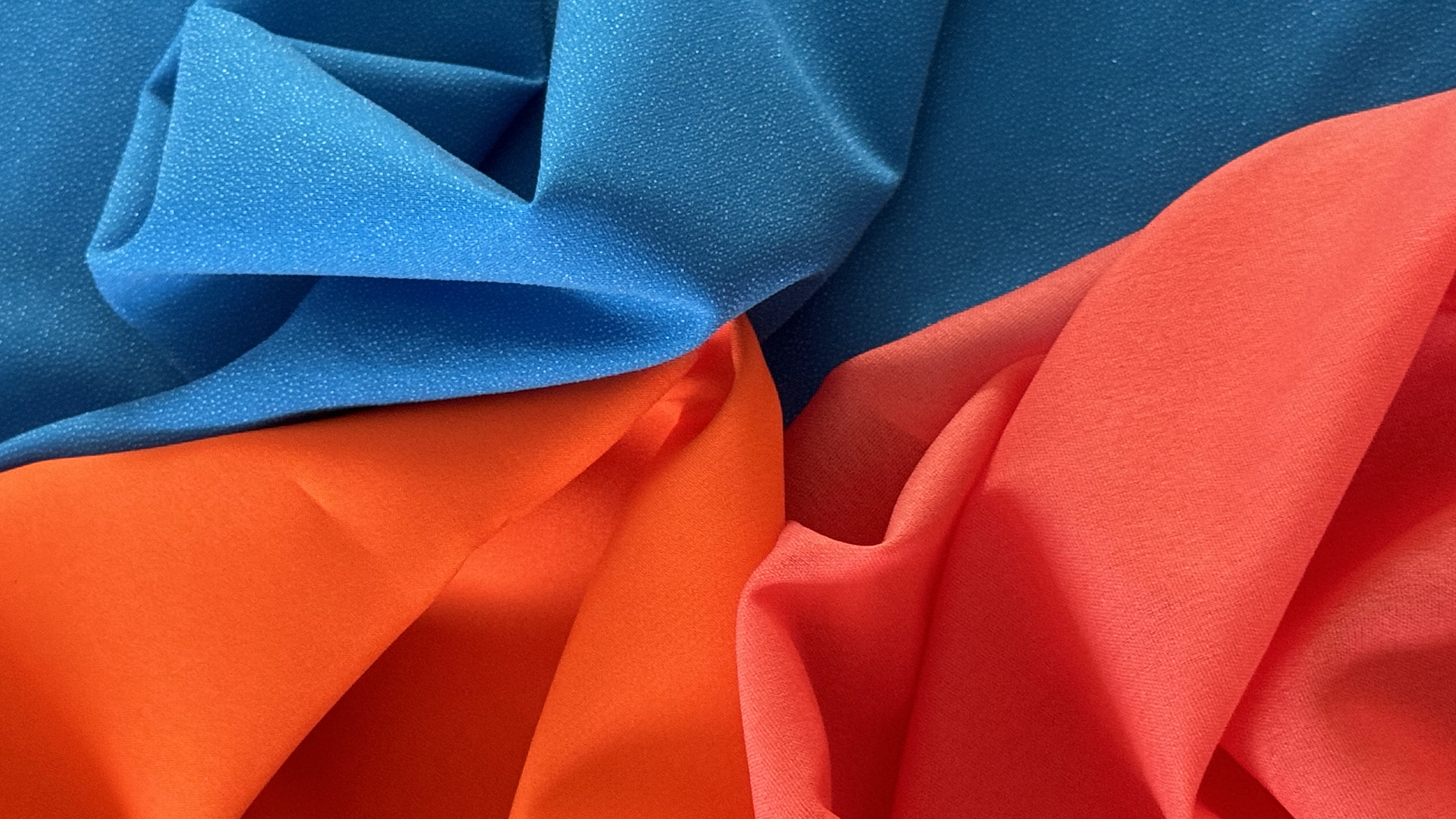
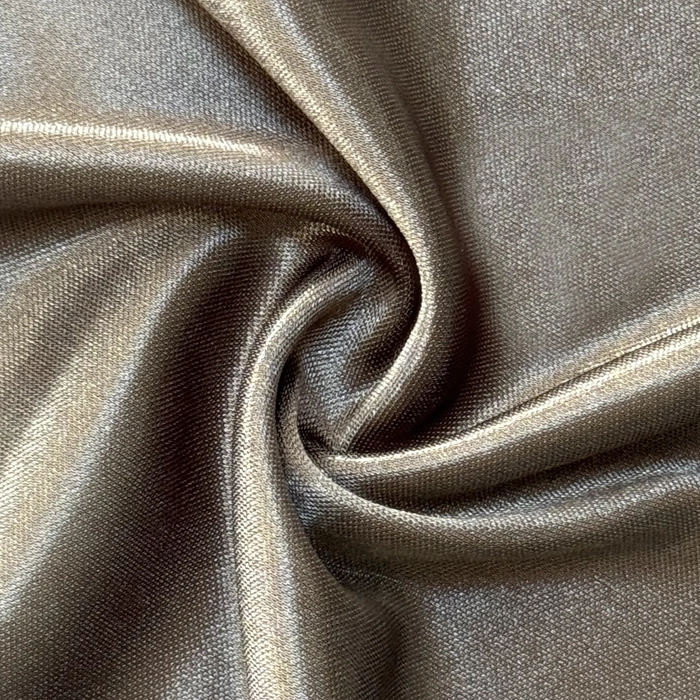
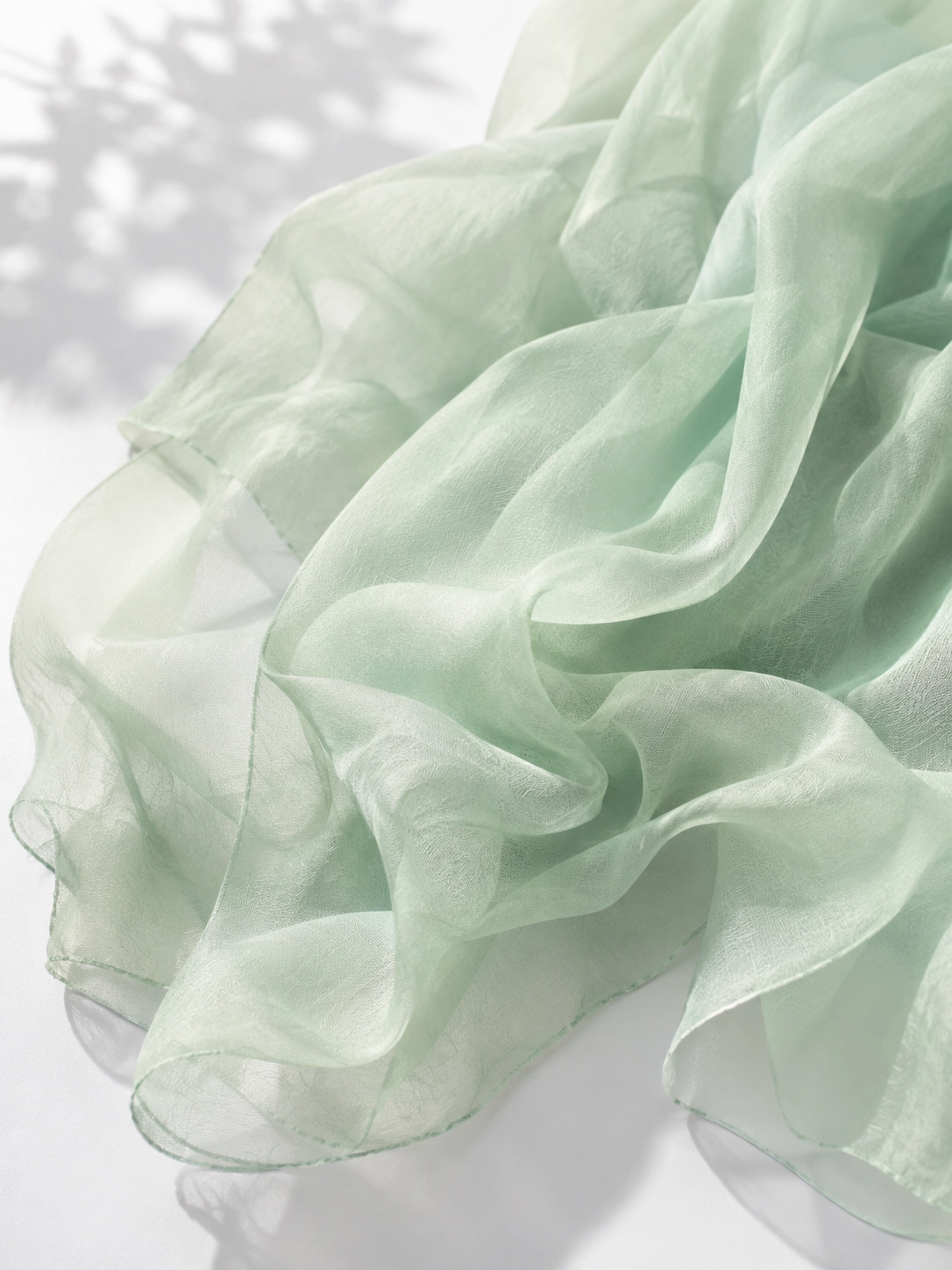
Spring/summer garments often use fabrics such as chiffon, polyester, nylon, lightweight synthetic fabrics, lightweight knits, and blended fabrics. These fabrics typically have a high synthetic fiber content, low moisture absorption, high surface resistance, and, combined with low gram weight and a fine, smooth texture, are highly prone to generating static electricity through friction during wear and processing. Especially in dry environments, static electricity is not easily dissipated, manifesting as dust attraction, clinging, uneven skirt drape, and inner and outer layers sticking to each other.
From the garment manufacturing perspective, static issues do not necessarily come solely from the fabric itself. Linings, interlinings, ironing temperatures, finishing methods, and washing conditions can all affect the final result. If an unsuitable interlining is used in areas such as the front panel, placket, collar, waistband, etc., it may further alter the fabric's hand feel and drape, making lightweight garments look less natural.China Shenghong Anti-Static Fusible Interlining Factory
II. Anti-static interlinings are not necessarily more effective when thicker
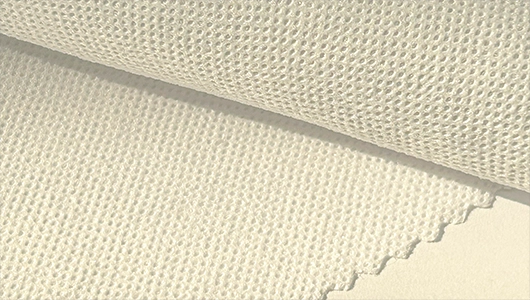
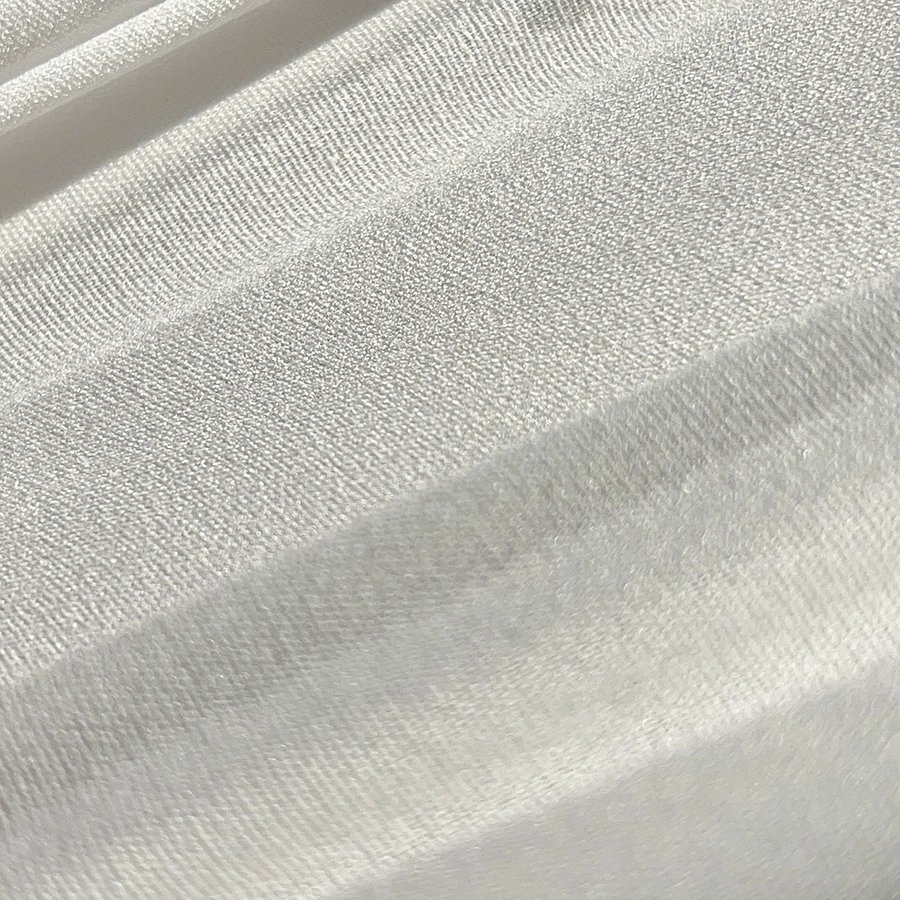
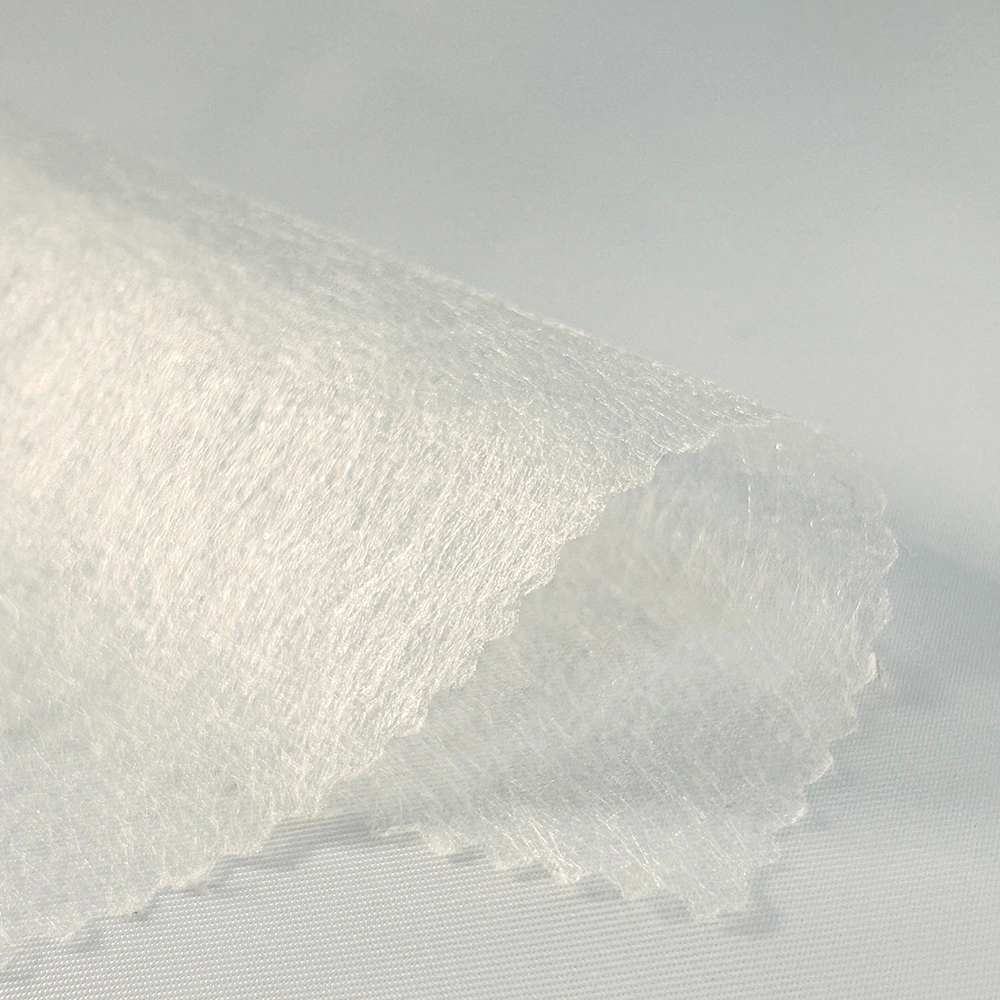
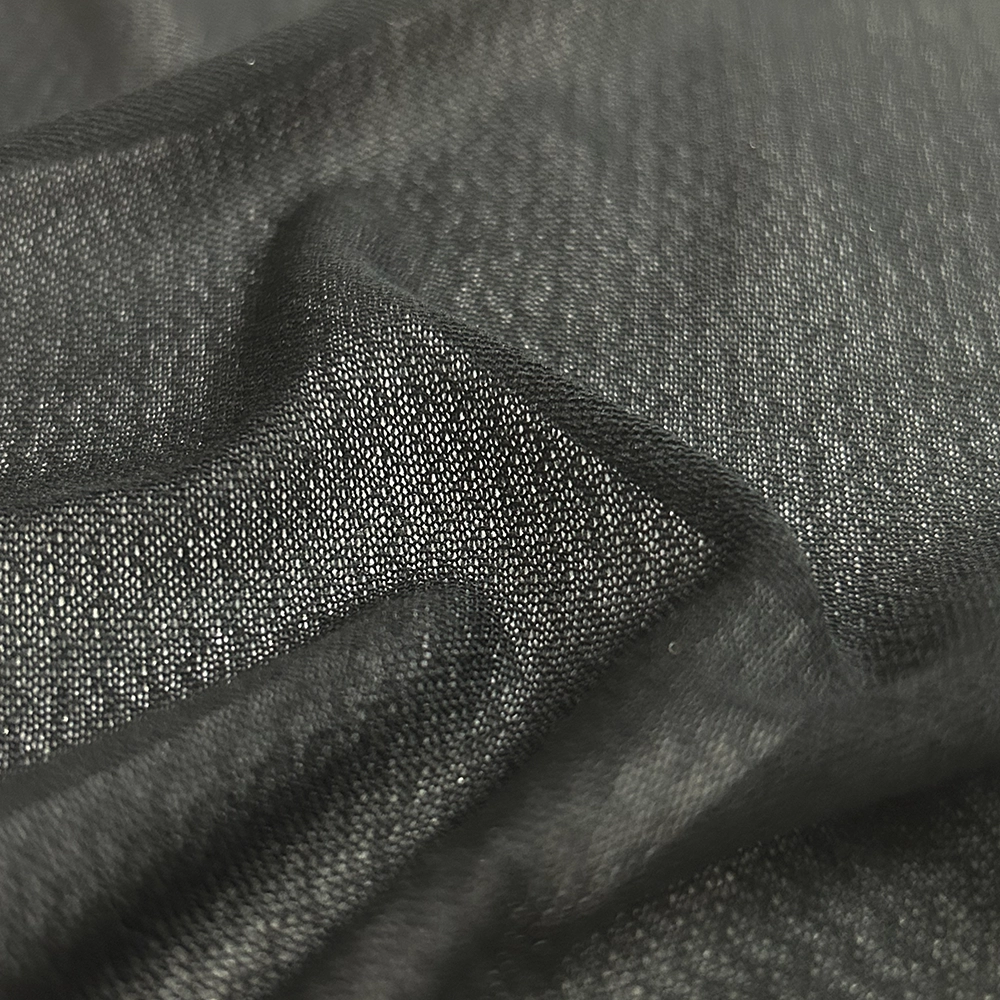
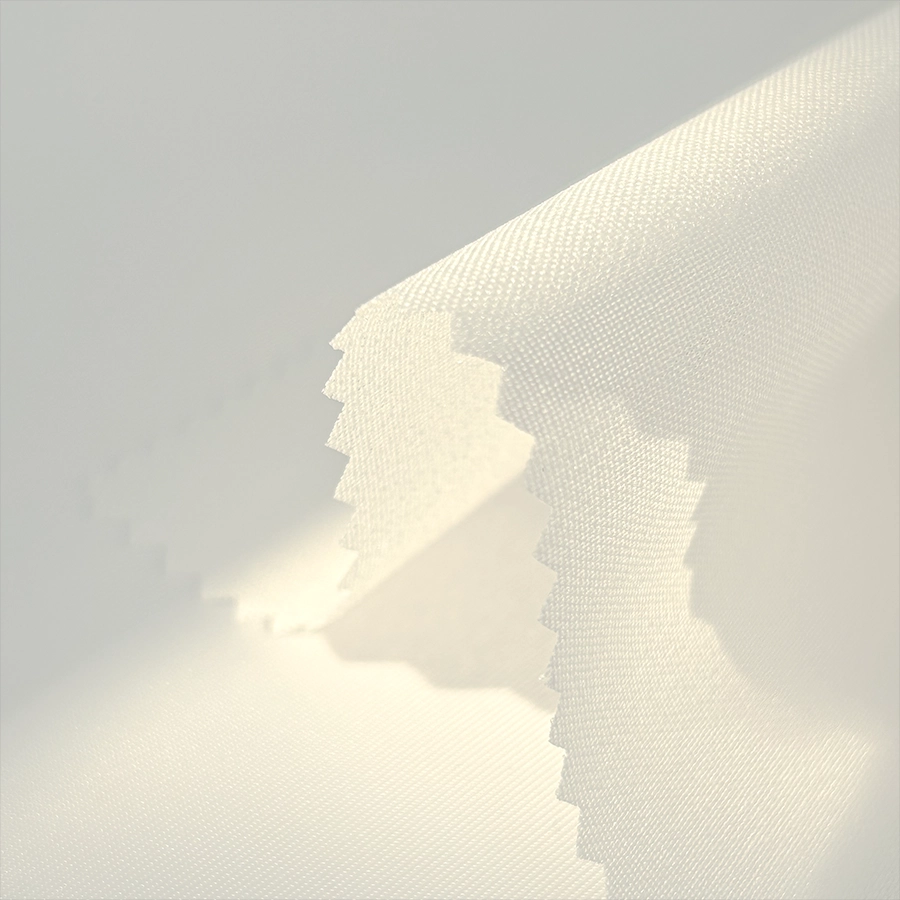
When selecting an anti-static interlining, the first consideration should be whether it is suitable for lightweight fabrics. Spring/summer fabrics generally require thinness, softness, breathability, and non-stiffness. If the interlining is too thick or has excessive adhesive dots, even if it has some anti-static treatment, it may cause issues such as adhesive strike-through, press marks, stiffened hand feel, and a boardy appearance (i.e., unnatural stiffness).
There are two common technical approaches for anti-static interlinings:
-
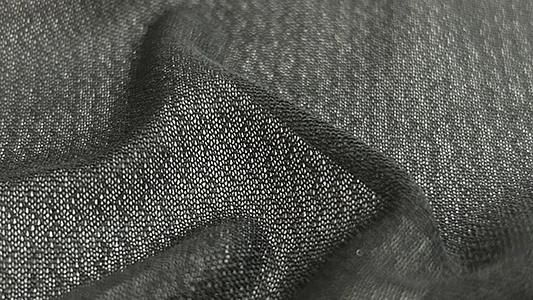
Adding conductive fibers (e.g., carbon fibers, metal fibers): provides lasting effect and washability, suitable for high-quality or washable garments.
-
Using anti-static finishing agents (surfactant type): lower cost, but the effect diminishes significantly after washing, suitable for single-use or short-term wear garments.China Shenghong Lightweight Interlining Manufacturer
To determine whether an anti-static interlining is suitable, one cannot rely solely on the sample card hand feel or just the "anti-static" claim. For fabrics like chiffon or thin polyester, more attention should be paid to whether the interlining is lightweight, whether the adhesive dots are fine, and whether there is strike-through or stiffening after fusing.
III. Anti-static interlinings should be evaluated on actual fabrics and garment parts
Whether an anti-static interlining is suitable for lightweight spring/summer fabrics cannot be judged only by sample card hand feel or the "anti-static" label. The key is the actual result after fusing:
-
For fabrics such as chiffon, thin polyester, nylon, lightweight knits, etc.: focus on whether the interlining is thin, soft, and has fine adhesive dots, and whether after fusing there is strike-through, visible marks, stiffening, or adverse effects on drape.
-
For plackets and collars: some support is needed, but they should not become boardy; they should remain naturally crisp.
-
For front panels, facing, and skirt sections: more attention should be paid to smoothness, conformability, and natural fall.
Before bulk production, it is advisable to evaluate performance after washing, steam ironing, and abrasion together, to avoid achieving anti-static effects at the expense of the finished garment's appearance and hand feel.
Conclusion
The static electricity problem of lightweight spring/summer fabrics is essentially the result of the combined action of fabric, interlining, lining, fusing processes, and wearing environment. When selecting an anti-static interlining, first confirm the area of use and fabric characteristics, then assess whether the thinness, adhesive dots, hand feel, anti-static effect (whether it contains conductive fibers), and wash stability match. Stable bulk production results always come from adequate pre-production sampling and basic testing.