







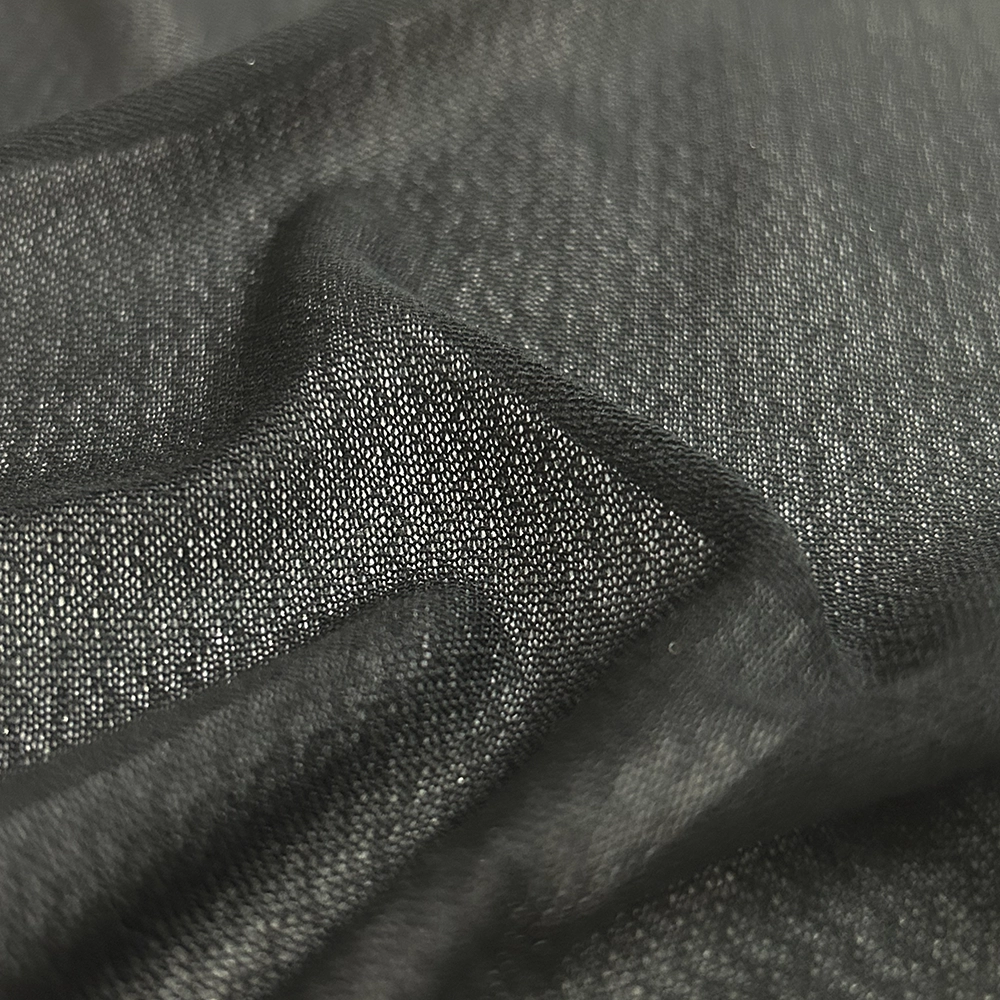
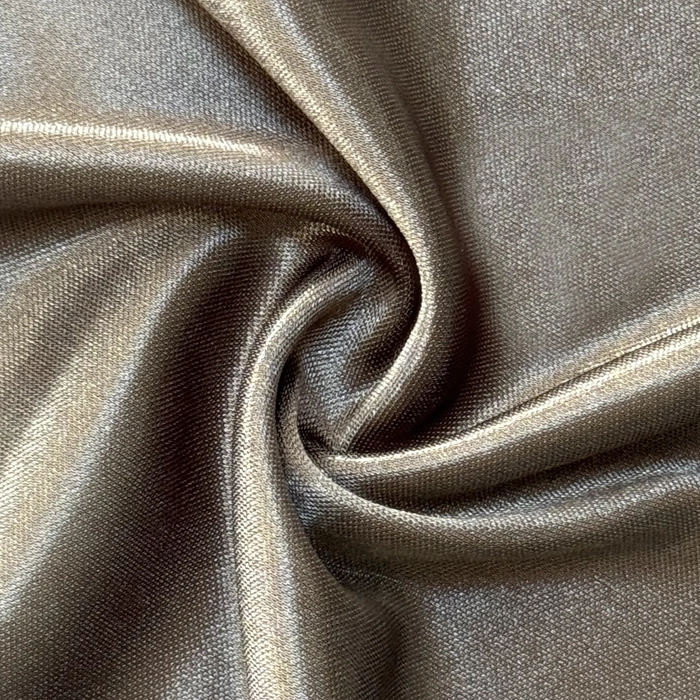

Differences between Middle Eastern Garment Linings and Chinese Interlinings
There are notable differences between the demand for interlinings in the Middle Eastern garment market and the supply system of Chinese interlinings. These differences are not merely about the place of origin, but rather about distinct market usage habits and supply approaches.China shenghong interlining manufacturer
From the perspective of the Middle Eastern garment market, the demand for interlinings comes more from specific garment scenarios. Common garments in the Middle East include robes, abayas, shirts, uniforms, and other items, many of which emphasize looseness, drape, comfort, and everyday wearability. Therefore, interlinings in such garments are generally not used extensively to create stiffness; instead, they are more often applied locally at collars, plackets, cuffs, front panels, and other areas to help maintain shape and stability.
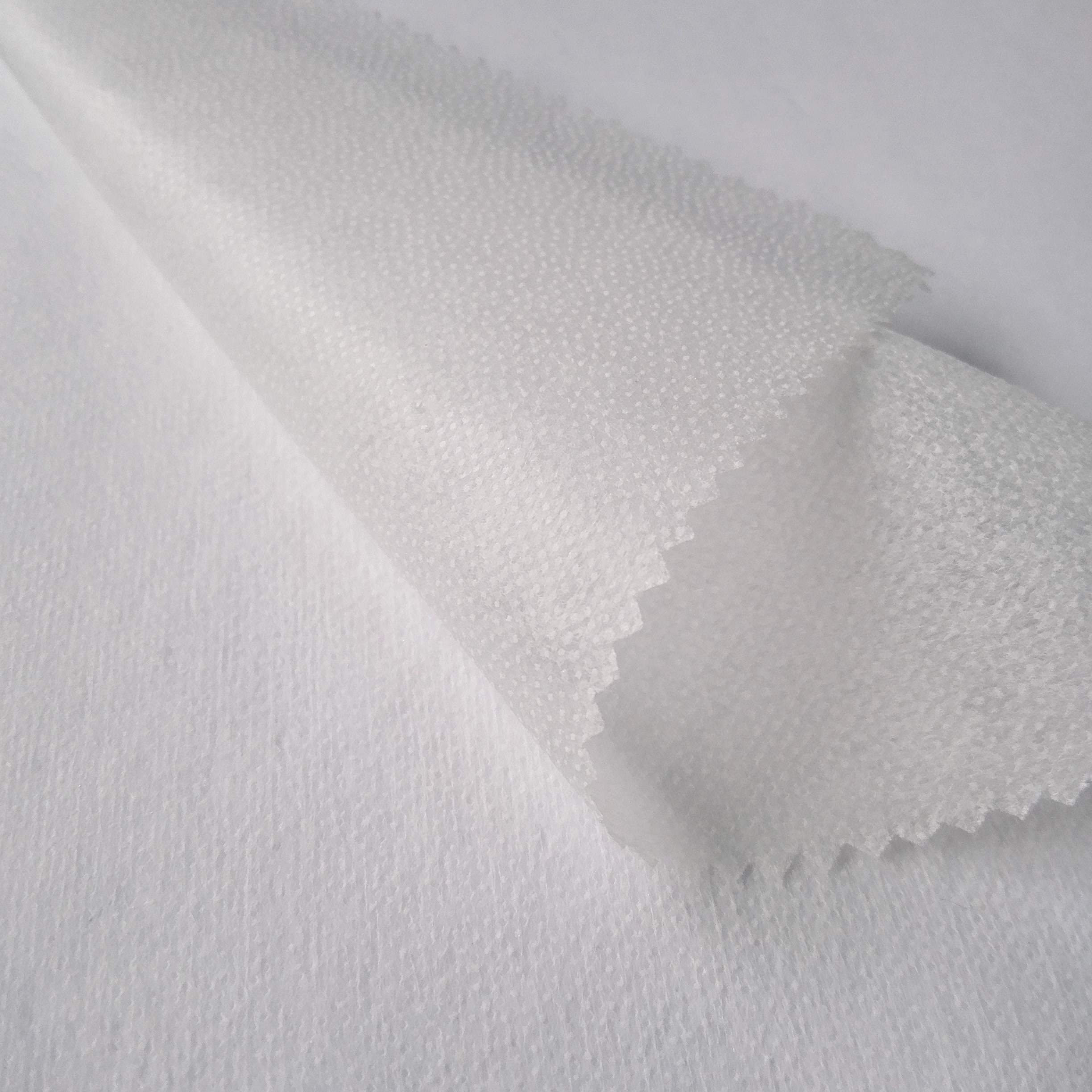
For example, robes and abayas place greater importance on the natural drape of the fabric itself; if the interlining is too stiff, it can easily affect the garment's natural finished look. Shirts, on the other hand, pay more attention to the crispness of the collar and placket. Uniforms and workwear focus more on stability after washing and durability. That is to say, when selecting interlinings in the Middle Eastern market, the core requirements are often local support, natural comfort, and post-wash stability.Middle East garment interlining demand
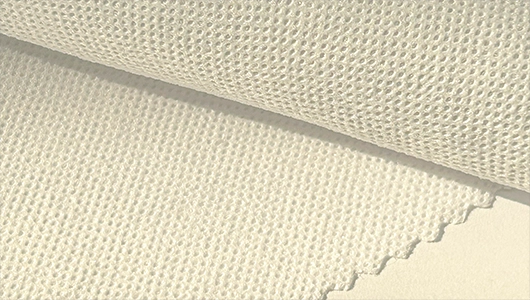
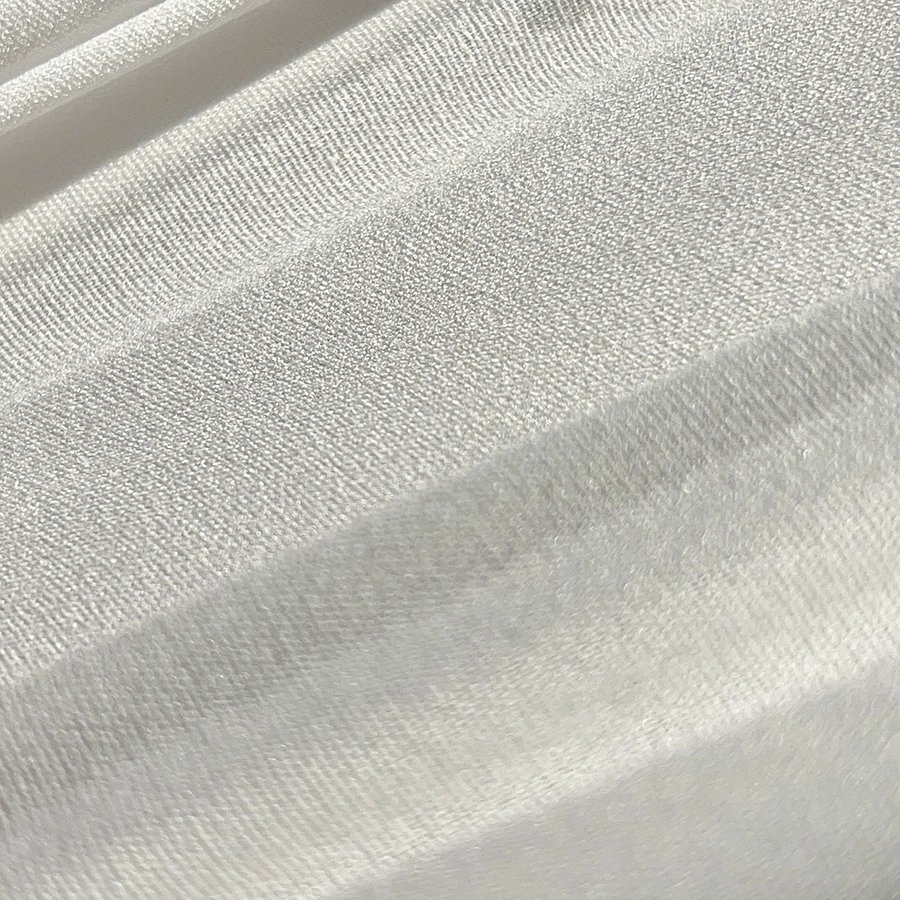
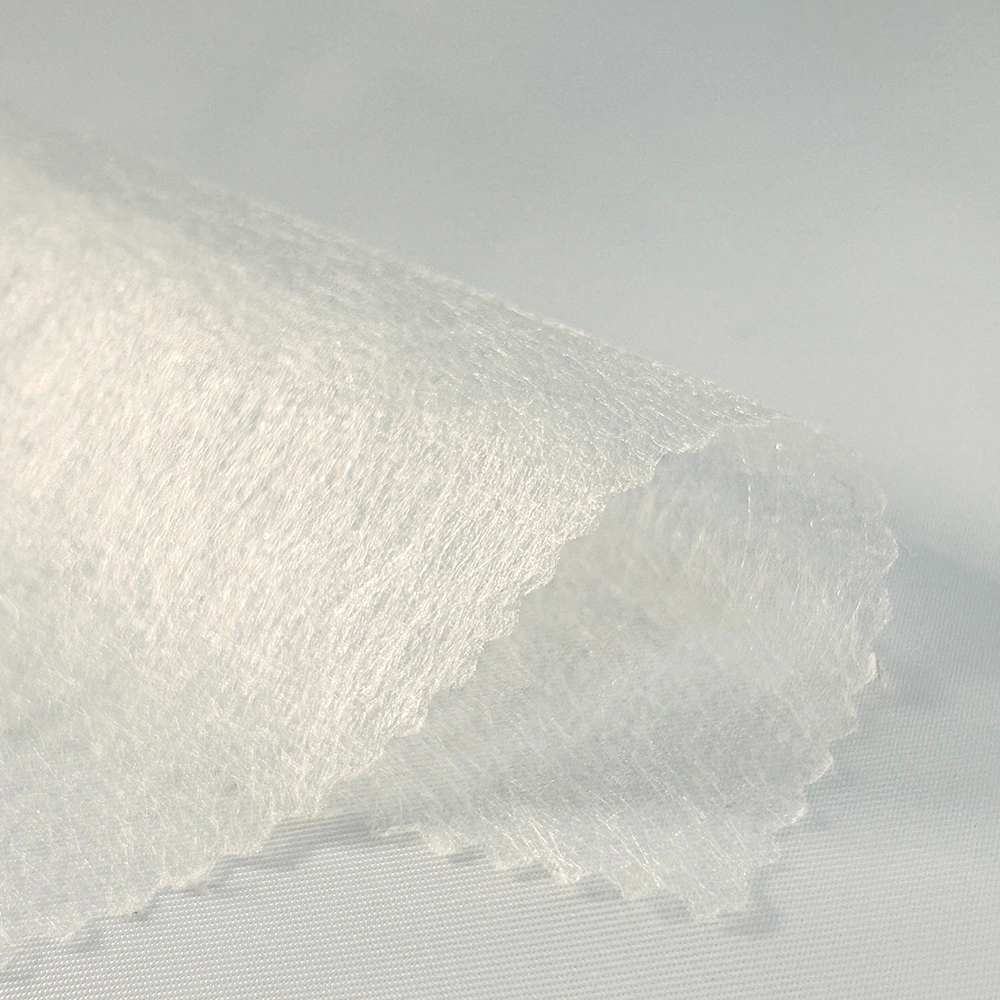
The characteristics of Chinese interlinings, meanwhile, are more reflected in the product range and supply capabilities. Chinese interlinings cover a wide variety of types, including nonwoven, woven, and knitted interlinings, as well as products with different weights, hand feels, dot patterns, and bonding performances. Their strength is not in providing only one fixed type of interlining, but in being able to match different garment parts, different fabrics, and different finished garment requirements accordingly.
This is precisely the biggest difference between the two: the Middle Eastern market presents garment-use requirements, while Chinese interlinings provide product solutions. Middle Eastern garment companies care about wearing comfort, natural fit, and post-wash stability; Chinese interlining manufacturers, in turn, need to select the appropriate interlining type, dot pattern, weight, and hand feel based on these requirements, and verify the effect through sample testing.
Therefore, the demand for interlinings in the Middle Eastern market is more suitable to be analyzed by specific garment parts. For robes and abayas, the placket and front panels typically require lightweight, soft interlinings that do not affect drape. For shirt collars and cuffs, interlinings with a certain degree of crispness and post-wash stability are needed. For uniforms and workwear, which are used frequently, more attention should be paid to bonding strength, wash durability, and batch-to-batch consistency. For lightweight women's apparel fabrics, care should be taken that the interlining conforms well, does not show adhesive bleed-through, and leaves no pressing marks.
Overall, the Middle Eastern garment market is characterized by clear application needs, while Chinese interlinings are characterized by a wide selection range and flexible matching methods. The truly suitable interlining should combine the wearing habits of Middle Eastern garments with the product capabilities of Chinese interlinings, so that the accessory serves the final finished garment effect.