







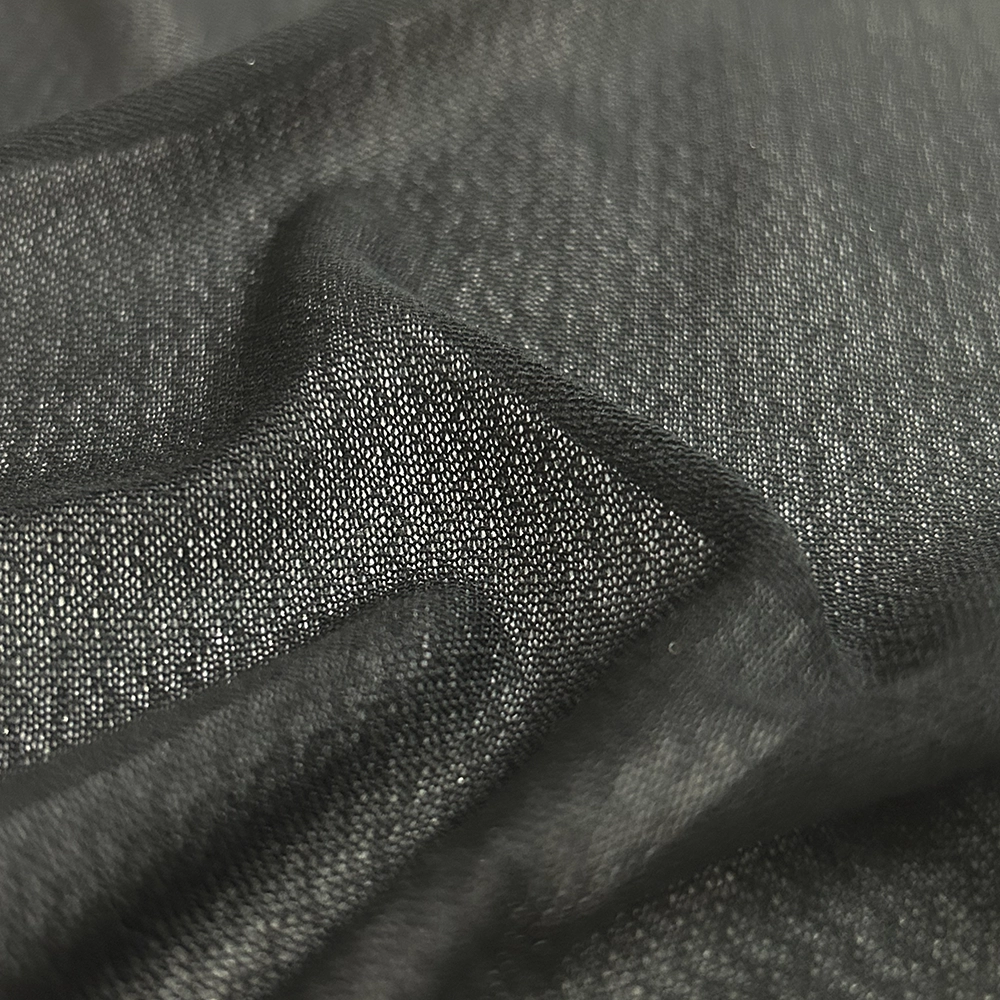
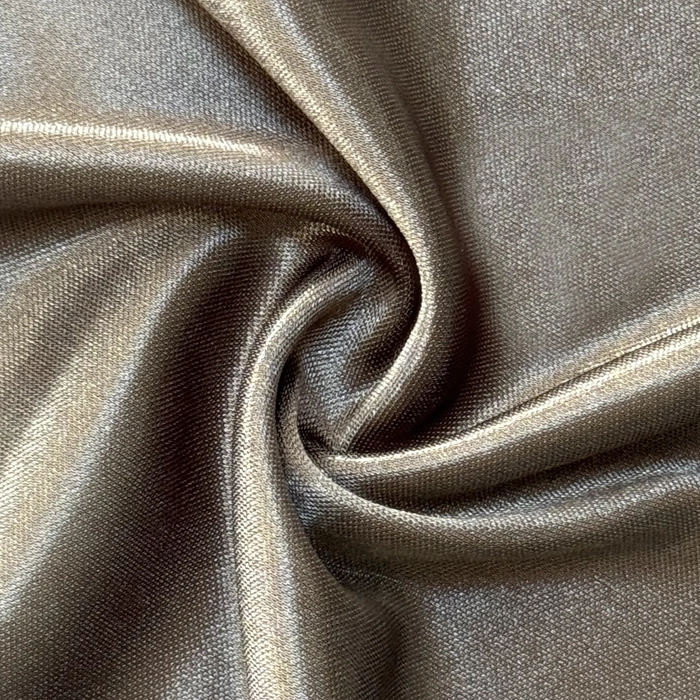
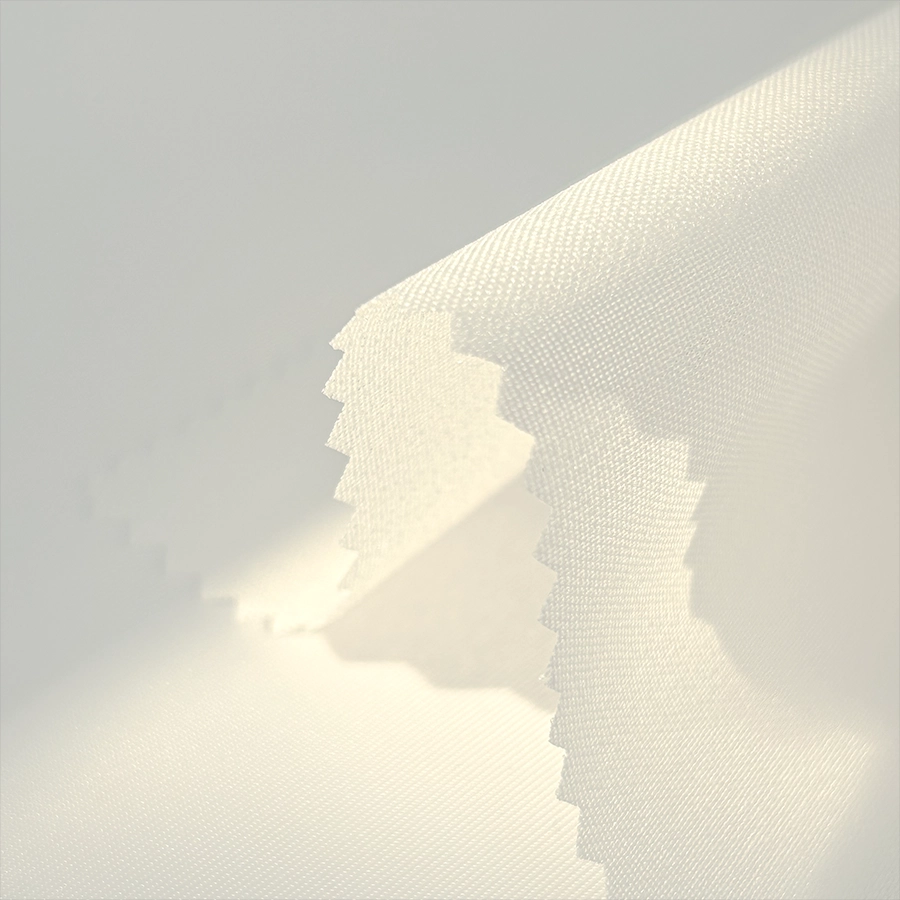
The silhouette of lightweight suiting should not be propped up by stiff interlinings.
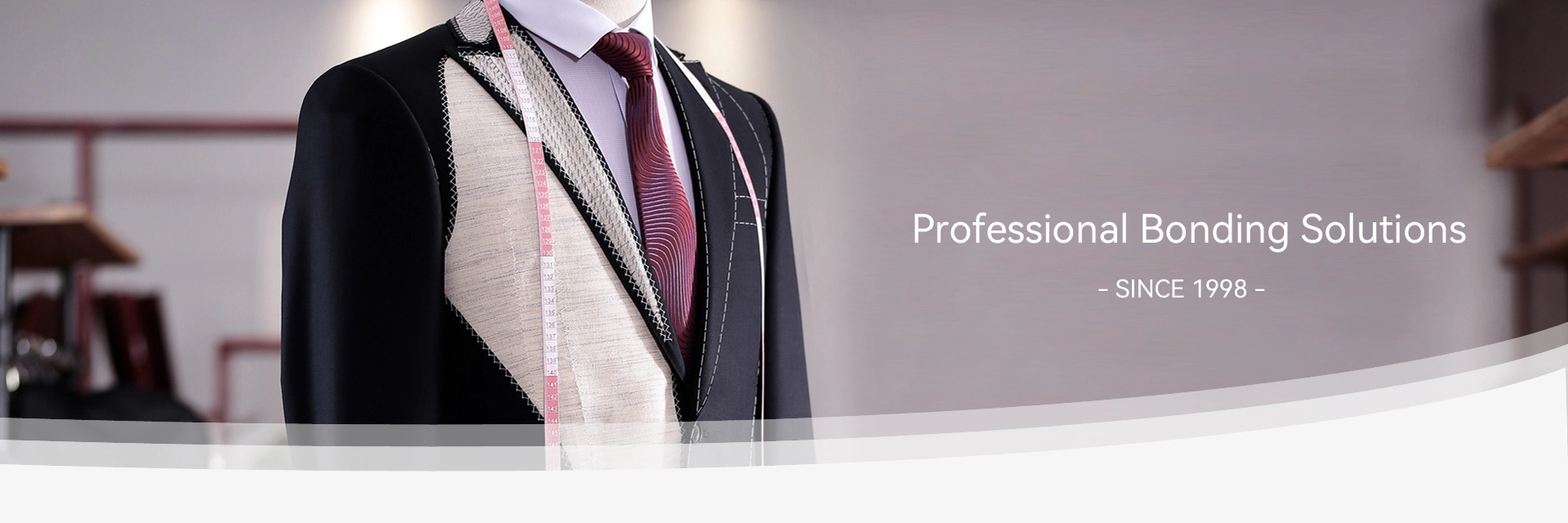
Lightweight suits need structure, but that structure should not come from heavy, rigid interlinings. A more suitable interlining approach is to give the main front panels soft, even support, with local reinforcement tailored to the actual needs of the lapels, front placket, button stands, and pocket openings. The finished garment should look smooth and shaped while preserving the lightweight fabric's natural drape and wearing comfort.China shenghong lightweight suit woven fusible interlining manufacturer
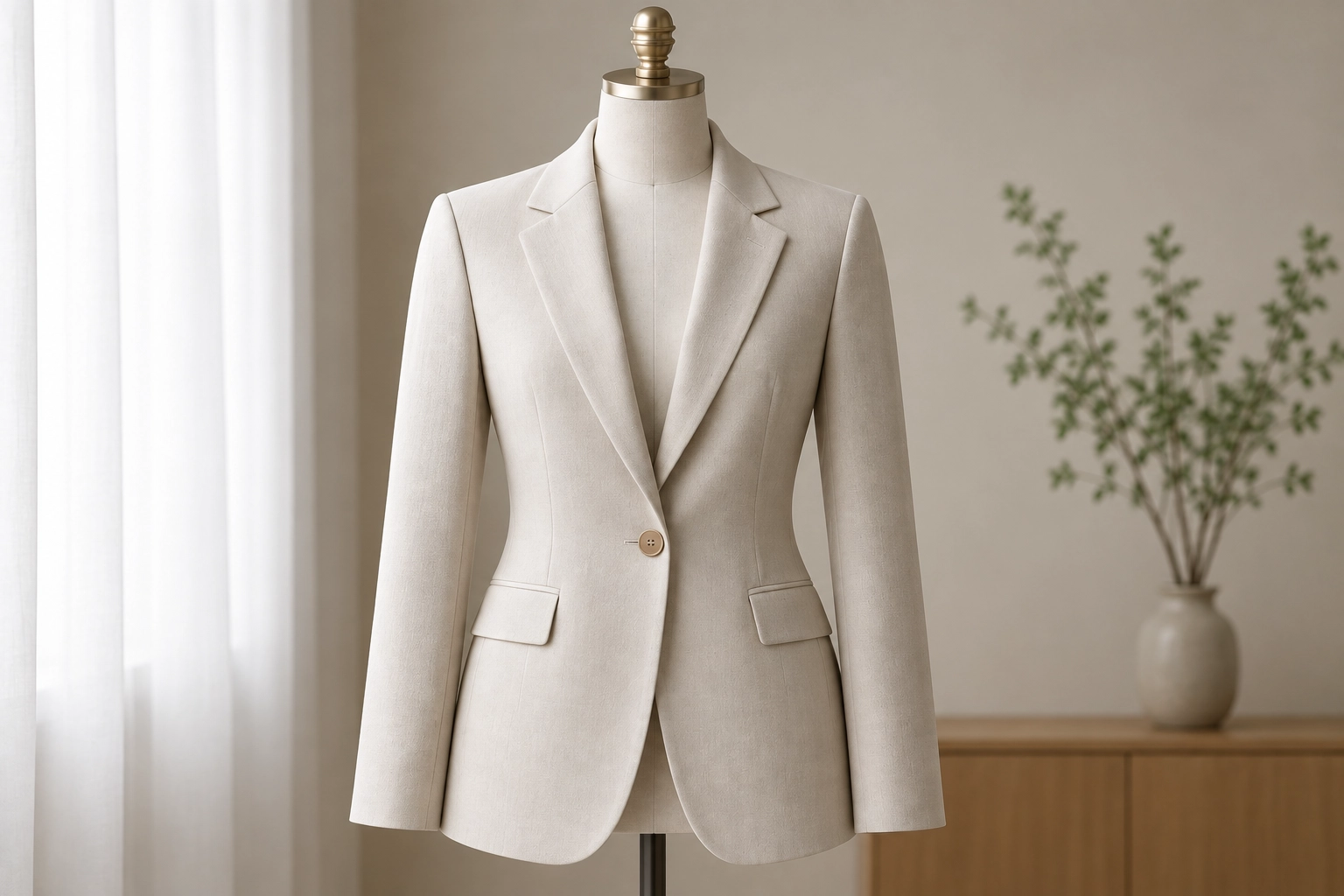
I. The main front panels need support, but not at the expense of the fabric's hand feel.
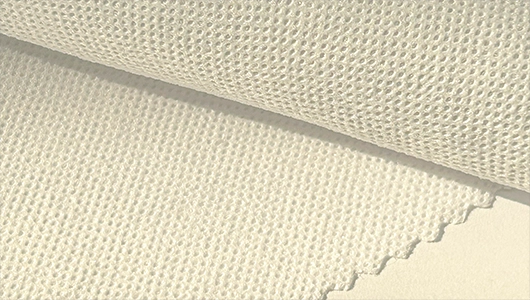
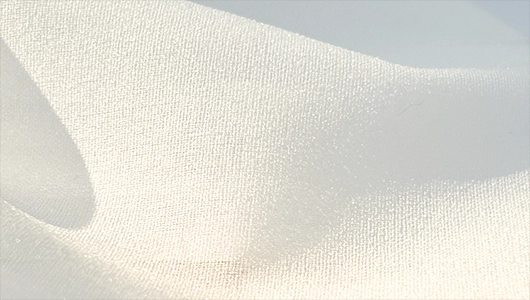
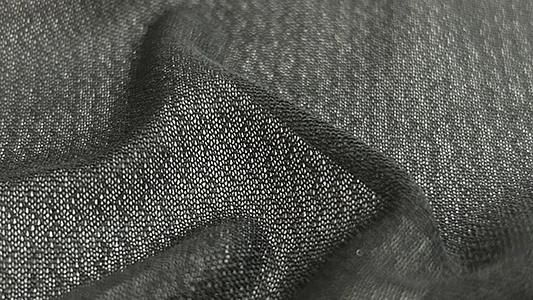
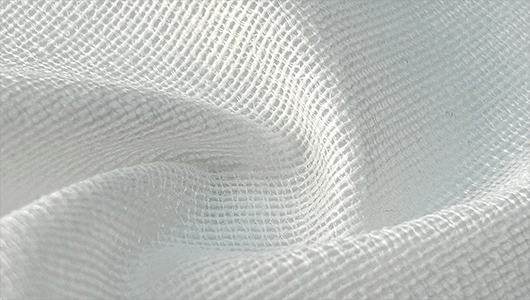
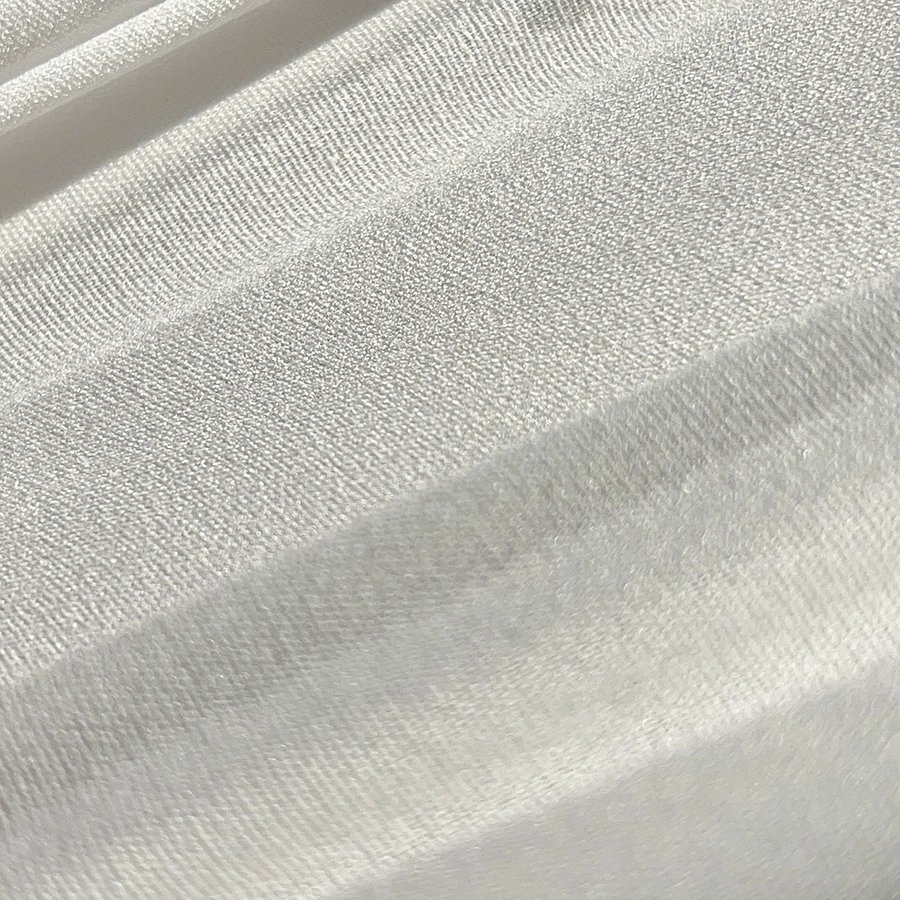
For lightweight polyester-viscose, thin suiting fabrics, viscose blends, and non-stretch or lightly-stretch woven fabrics, the main front panels can be paired with lightweight, soft woven fusible interlinings. These interlinings are mainly used for the large front panel and chest-waist areas, keeping the fabric smooth and preventing the front body from looking loose.
The key point for this type of interlining is not stiffness, but its ability to follow the fabric's natural drape after fusing. For spring/summer commuter suits, lightweight business womenswear jackets, or unlined light outerwear, the fused front should not feel noticeably thicker than the back, nor should it turn an otherwise soft fabric into a rigid, board-like shape.
If the fabric itself already has some body, the front interlining can be chosen to be even lighter and softer—there is no need to increase interlining thickness just to achieve "more structure." The silhouette comes from the coordination between fabric and interlining, not from the interlining alone stiffening the front panels.
II. Lapels and front placket need definition, and are better served by more stable local reinforcement.
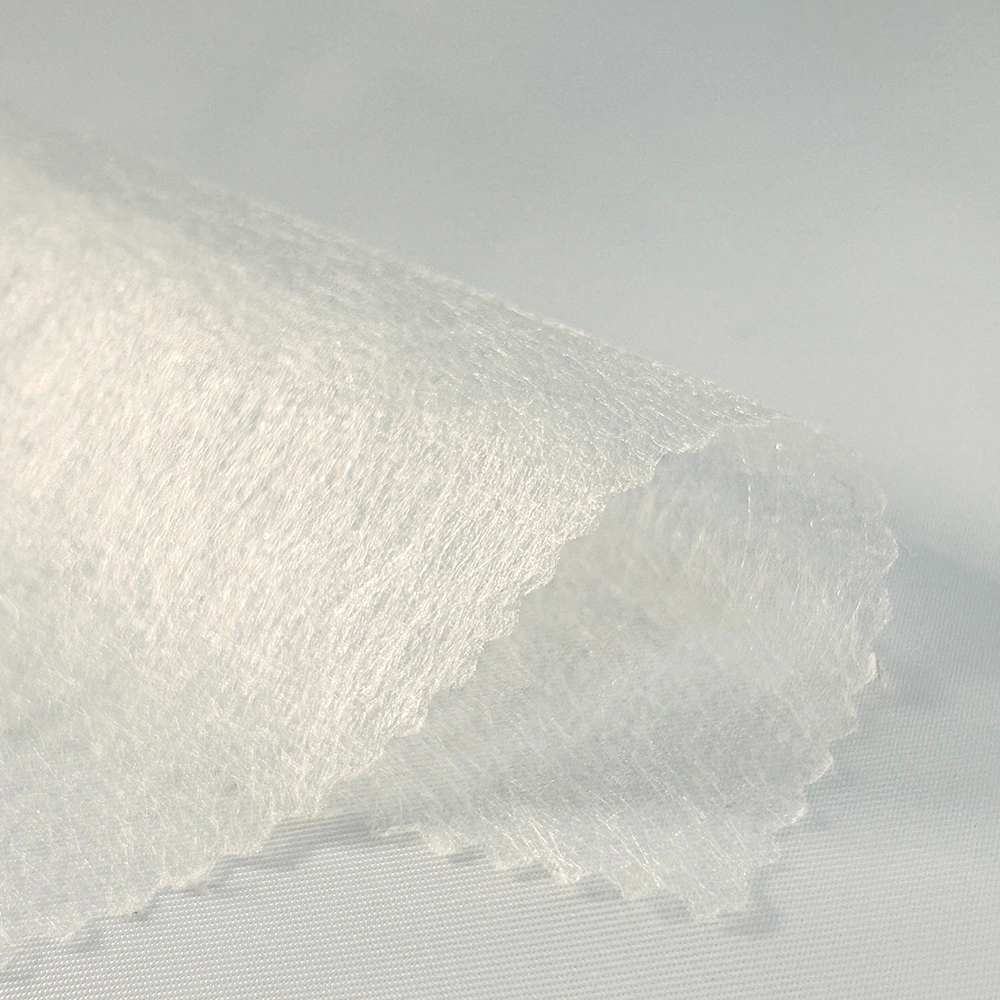
The lapels, front placket, and button stands of a lightweight suit need more definition than the main front panels, but that does not mean these areas must use thick, stiff interlinings. On top of the soft front interlining, a thinner, slightly firmer woven fusible interlining can be used locally for the lapel roll area, front placket edges, and buttonhole areas.
With moderate support, the lapel roll line becomes clearer while still maintaining a natural transition; after local stabilization, the front placket stays straighter when buttoned and does not create an abrupt contrast between stiff and soft sections. When pocket openings and flaps need definition, the same type of thin interlining can be used for local reinforcement.
This approach suits lightweight single-breasted jackets, cropped suits, and suit vests. Keeping the main front panels soft while reinforcing structural areas individually allows the finished garment to look refined, rather than relying on an overall stiff interlining to create a heavy-handed effect.China Shenghong Woven Interlining Factory
III. Stretch suiting fabrics should retain their original mobility.
If the suit uses stretch woven, stretch viscose blends, or fabrics with noticeable horizontal give, the front panels can be paired with lightweight, soft knit fusible interlinings that have some degree of extensibility. Knit interlinings can be used for the front panels, side fronts, and waist movement areas, allowing the fabric to retain its original elasticity after fusing.
Where the front placket and button stands need greater stability, a stretch interlining with stable recovery can be used for local reinforcement, rather than changing the entire front panel to a non-stretch, stiffer construction. This keeps the front edge smooth while reducing pulling and restriction when wearing and sitting.
For fitted womenswear suits, stretch suit vests, and light active-business jackets, whether the interlining can move with the fabric matters more than simply increasing stiffness. Front panels with support, waist with ease, and front placket staying straight—that is the silhouette needed for lightweight stretch suits.
Closing remarks
For a lightweight suit to have shape, the core principle is not choosing stiffer interlinings, but arranging varying degrees of support according to the fabric and its areas. For non-stretch or lightly-stretch front panels, lightweight, soft woven fusible interlinings can be used; for stretch front panels, extensible knit interlinings are preferred; then lapels, front placket, button stands, and pocket openings are locally reinforced with thin, slightly firmer interlinings. The resulting silhouette is more natural and does not cause the lightweight suit to lose its desired drape.
About Guangzhou Shenghong
Guangzhou Shenghong Interlining Co., Ltd. has been deeply engaged in the interlining industry for 23 years, as an integrated source factory covering weaving, dyeing, setting, and coating. Our product range covers woven interlinings, knit interlinings, nonwoven interlinings, and various garment fusible interlinings, and we can support garment brands, manufacturers, and fabric/accessory buyers in interlining selection, sampling, and bulk supply. With production bases in Guangzhou, Jiangsu, and Vietnam, Shenghong is able to meet interlining matching needs for different styles, fabrics, and order quantities.
For lightweight suit and vest front panels, Shenghong can match soft woven interlinings or lightweight knit interlinings based on fabric thickness, stretch, and target hand feel. When leaving a message, customers may provide fabric composition, weight, stretch properties, style images, interlining application areas, and desired finished garment hand feel. For sampling or purchasing plans, please also indicate color, quantity, and delivery requirements so that we can further confirm interlining type, hand-feel direction, and sample options.