








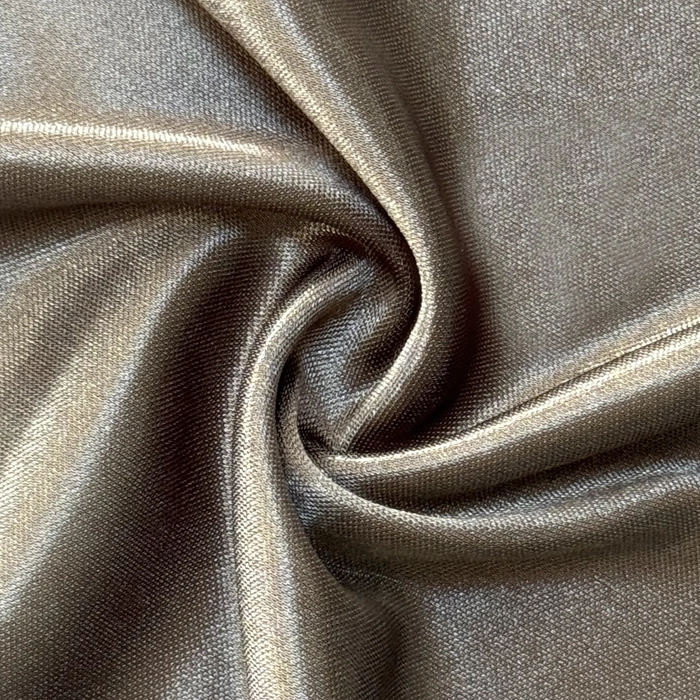
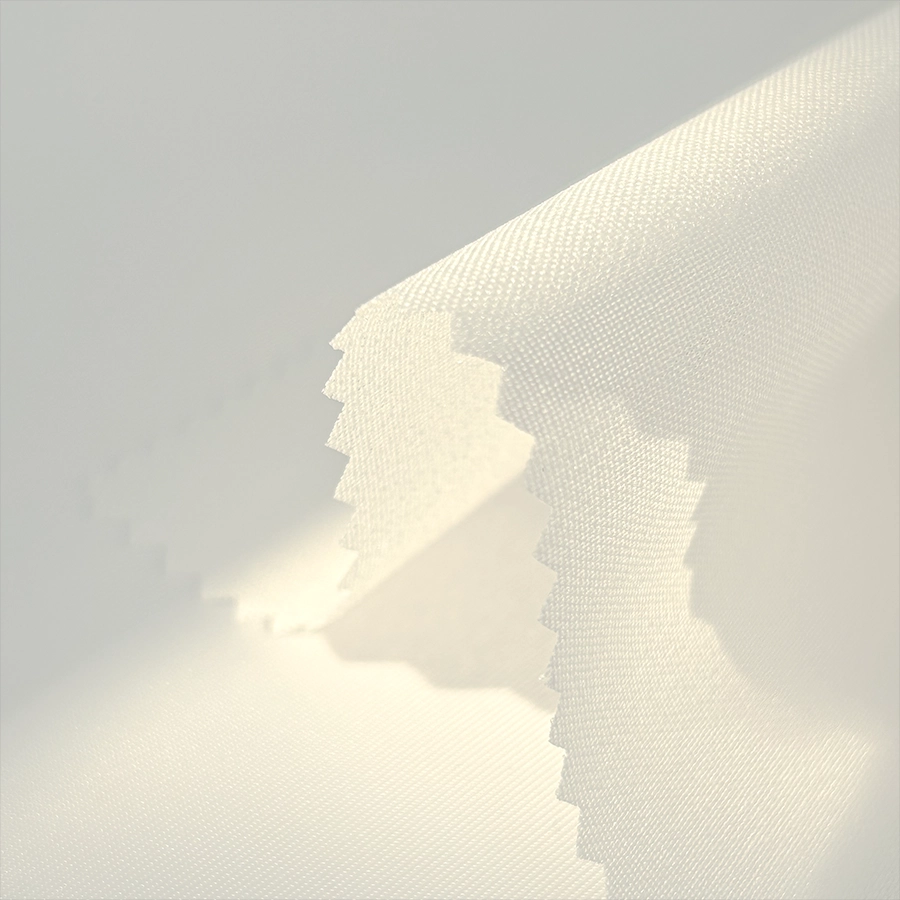
Why Does Lining Debonding Frequently Occur in High-Elastic Sportswear Fabrics?
In the manufacturing of sportswear and casual apparel, high-elastic fabrics (e.g., those containing spandex or Lycra) are widely adopted for their superior comfort and freedom of movement. However, many garment factories face a common challenge during the processing of such fabrics: after washing or consumer wear, the bonded lining areas tend to blister and debond. This issue directly impairs product appearance and durability, leading to customer complaints.China shenghong Elastic interlining factory
I. Core Causes: Internal Stress Damage Caused by Physical Property Mismatch
-
Mismatch in Elastic Modulus and Elongation RateThis is the most fundamental physical cause. High-elastic fabrics undergo significant, repeated stretching and retraction during human movement, whereas conventional fusible linings (especially non-woven or standard woven linings) have low elongation rates. When the fabric s elongation far exceeds the lining s maximum elongation limit, the bonding interface sustains continuous shear stress, resulting in fatigue fracture of the hot-melt adhesive layer and eventually manifesting as local debonding.
-
Insufficient Elasticity and Flexibility of Hot-Melt AdhesivesCommonly used hot-melt adhesives such as PA (polyamide) and PES (polyester) exhibit strong initial bonding strength but form rigid, low-elasticity films after curing. When the high-elastic fabric rebounds, these rigid adhesive dots cannot deform synchronously. Under repeated stress cycles, they are prone to embrittlement and cracking, thus losing their bonding capacity.
-
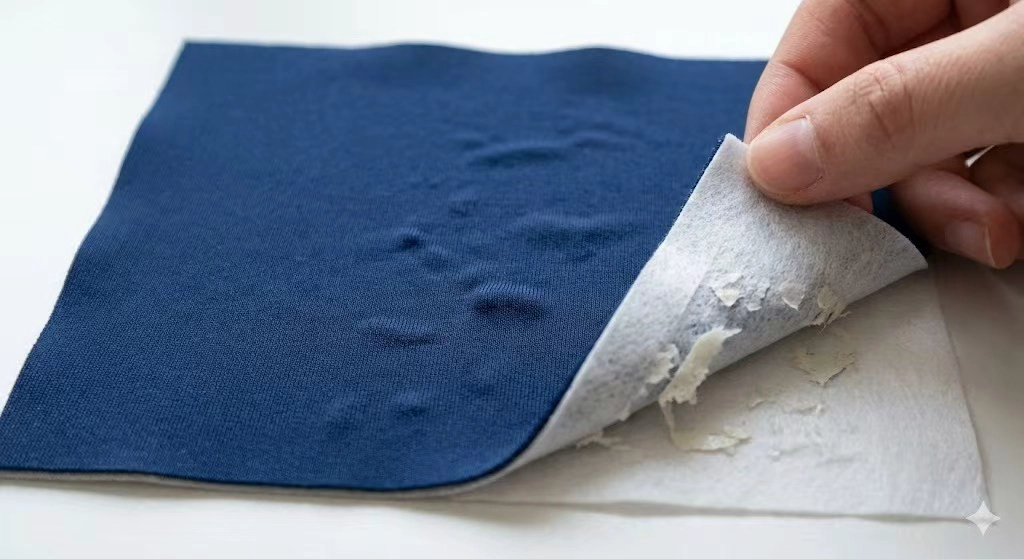
Difference in Heat Shrinkage Rates Between Fabric and LiningHigh-elastic fabrics are generally heat-sensitive and liable to shrink during pressing. If the heat shrinkage rate of the fusible lining is inconsistent with that of the fabric (the difference should typically be controlled within 2%), internal stress will arise due to asynchronous shrinkage after cooling. This leads to wrinkling of the bonded area (similar to the "orange peel effect") or gradual delamination during subsequent use.
II. Systematic Solutions: From Material Selection to Precision Process Control
To reliably resolve the debonding issue in high-elastic fabrics, a systematic approach to material matching and process design is essential, rather than merely adjusting individual pressing parameters.
-
Material Selection is Critical: Adhere to the "Elasticity Matching Elasticity" Principle
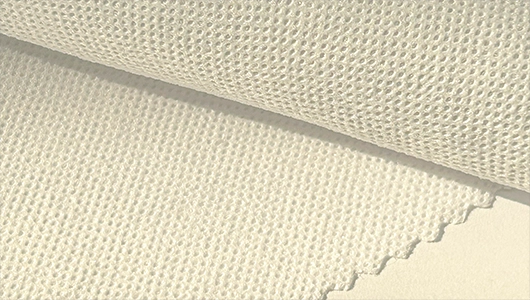
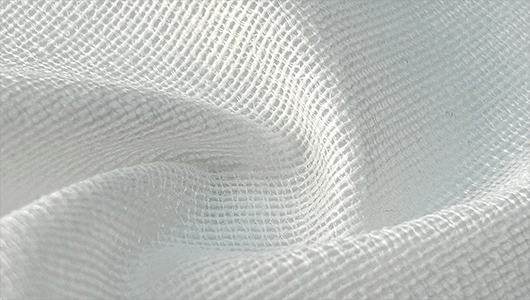
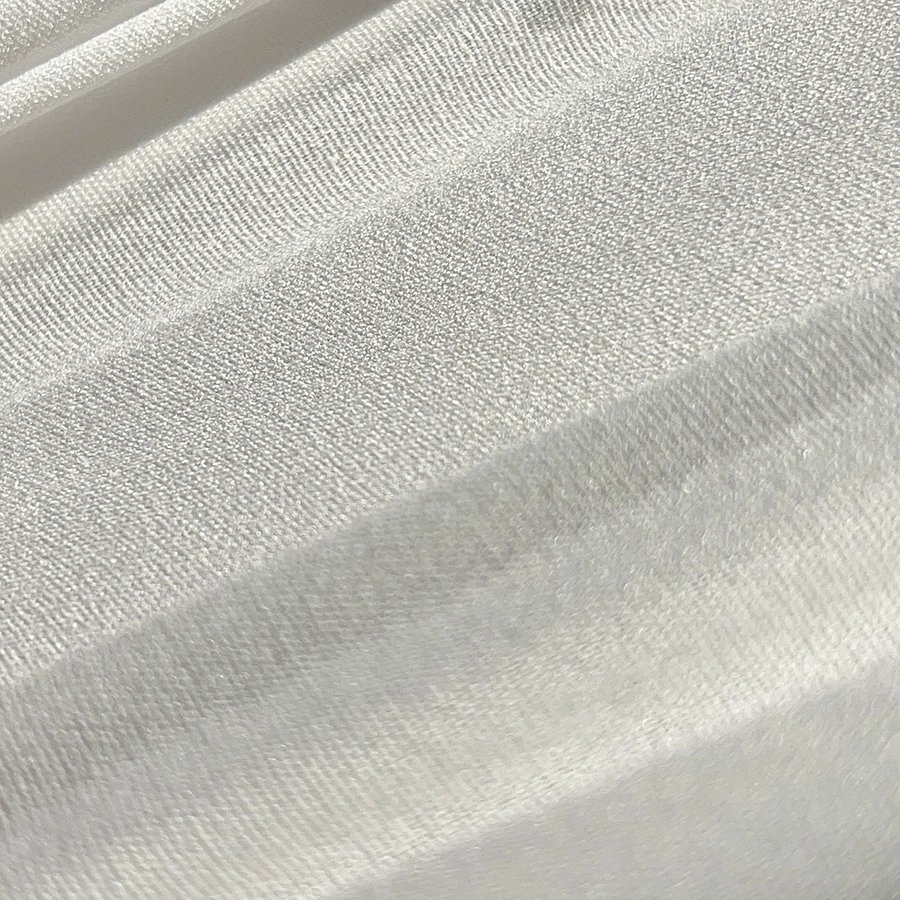
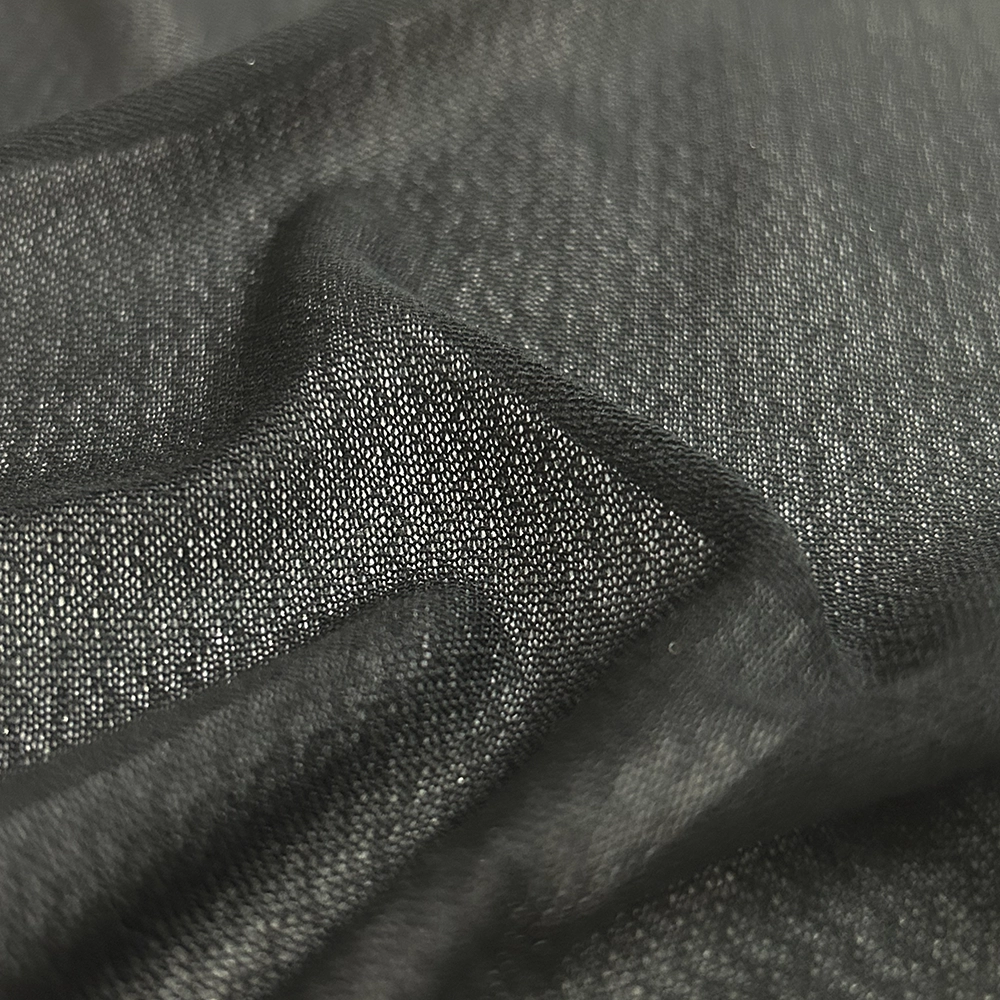
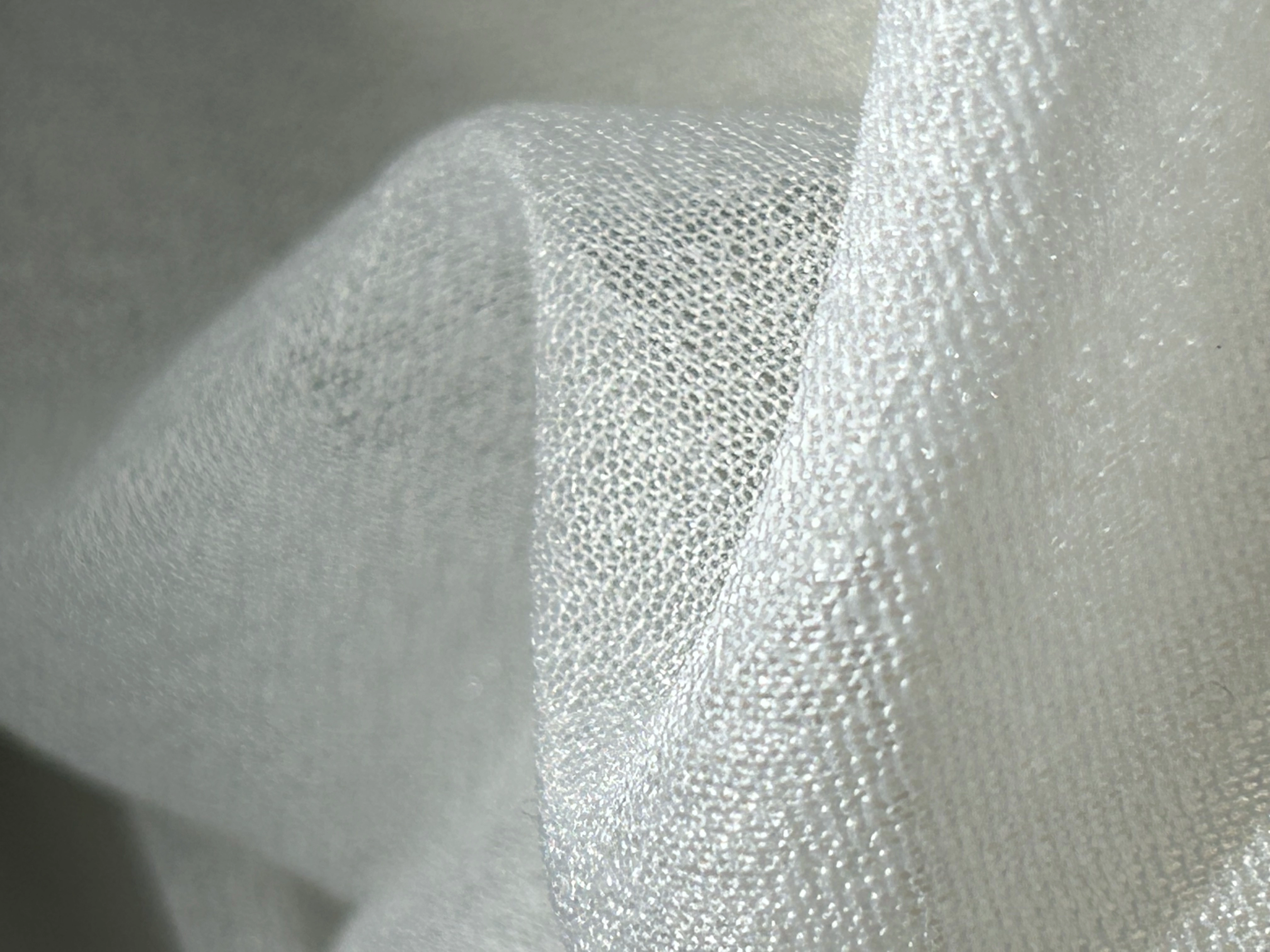
- Base Fabric Selection: It is strongly recommended to replace non-woven linings with 4-way stretch knitted linings. Their unique warp-knitted or weft-knitted structure provides multi-directional extensibility comparable to high-elastic fabrics, effectively alleviating interfacial stress during dynamic use from a structural perspective.
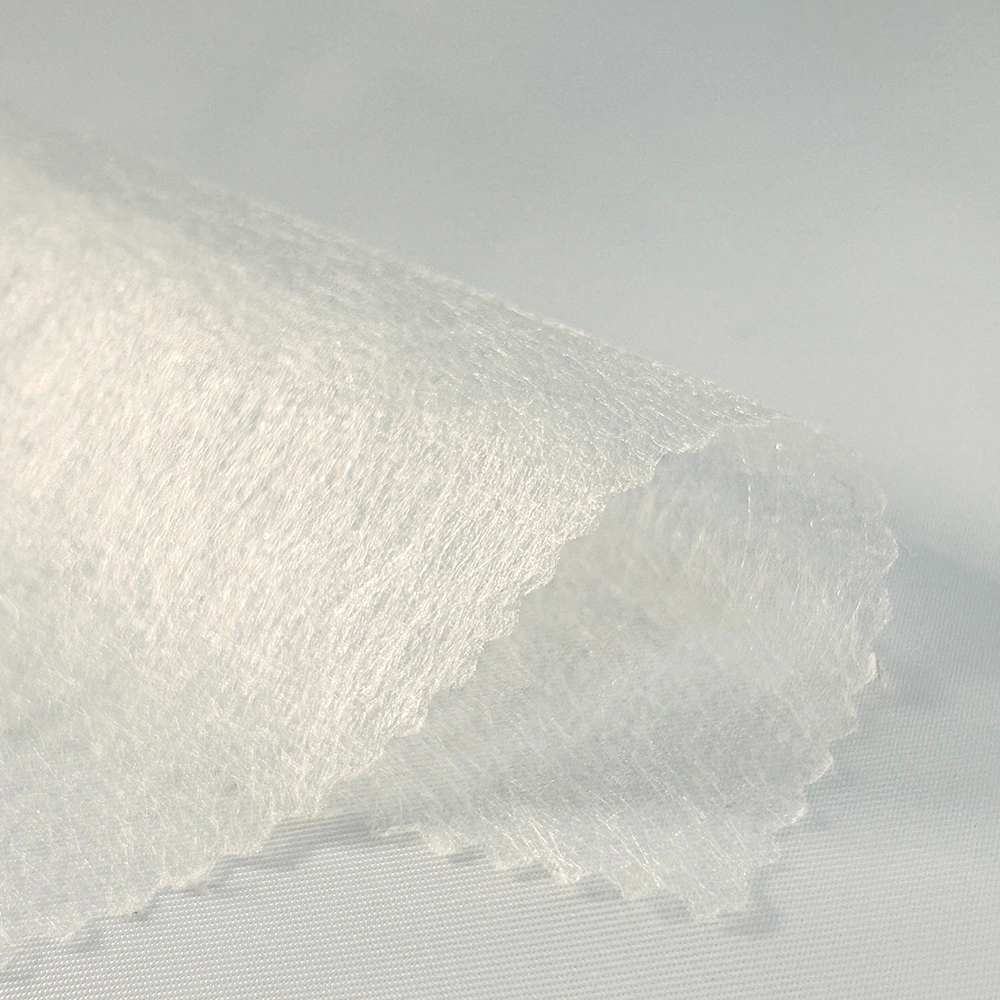
- Hot-Melt Adhesive Selection: TPU (thermoplastic polyurethane) or high-performance PU (polyurethane) hot-melt adhesives are preferred. These adhesives offer excellent elasticity, flexibility and fatigue resistance. Their molecular chains can stretch and recover synchronously with the fabric, making them the ideal choice for achieving long-lasting, dynamic bonding.China shenghong four-way stretch interlining factory
-
Process Control is a Guarantee: Refined Operations to Release Internal Stress
- Preshrinking Treatment: Conducting preshrinking treatment on high-elastic fabrics prior to bonding helps release internal stress in advance, reducing deformation variables during subsequent processing and use, thereby lowering the risk of debonding.
- Pressing Parameter Optimization: High-elastic fabrics are sensitive to high temperature and pressure. A gentle pressing process featuring relatively low temperature, low pressure and appropriately extended pressing time is recommended (e.g., 125℃–135℃, pressure 1.5–2.0 kg/cm²). Specific parameters must be accurately determined through pre-production testing based on the fabric-lining combination. The goal is to ensure bonding strength while maximizing protection of the fabric s elasticity and hand feel.
-
Pre-Production Testing is the Benchmark: Validate Reliability with DataPrior to mass production, systematic testing and validation are imperative. In addition to standard peel strength tests and washing tests (e.g., ISO 105-C06), a critical step is to perform dynamic fatigue testing—simulating the repeated stretching and recovery cycles that garments undergo during wear. Only by passing this test can the long-term reliability of the bonding system under the dynamic conditions of high-elastic fabrics be truly confirmed.
III.Conclusion
The debonding problem between high-elastic sportswear fabrics and fusible linings is essentially a systematic challenge caused by mismatched dynamic mechanical properties of materials. The core to successful resolution lies in building a coordinated system: selecting 4-way stretch knitted base fabrics with high extensibility, matching them with PU/TPU hot-melt adhesives boasting excellent elasticity and fatigue resistance, processing them via refined preshrinking and gentle pressing parameters, and finally verifying performance through rigorous dynamic testing. This systematic matching approach, grounded in materials science and process expertise, is the fundamental pathway to ensuring durable, reliable and comfortable bonding effects in high-elastic sportswear.