








Why Is Regular Double-Dot Interlining Not Suitable for Acetate Fabric?
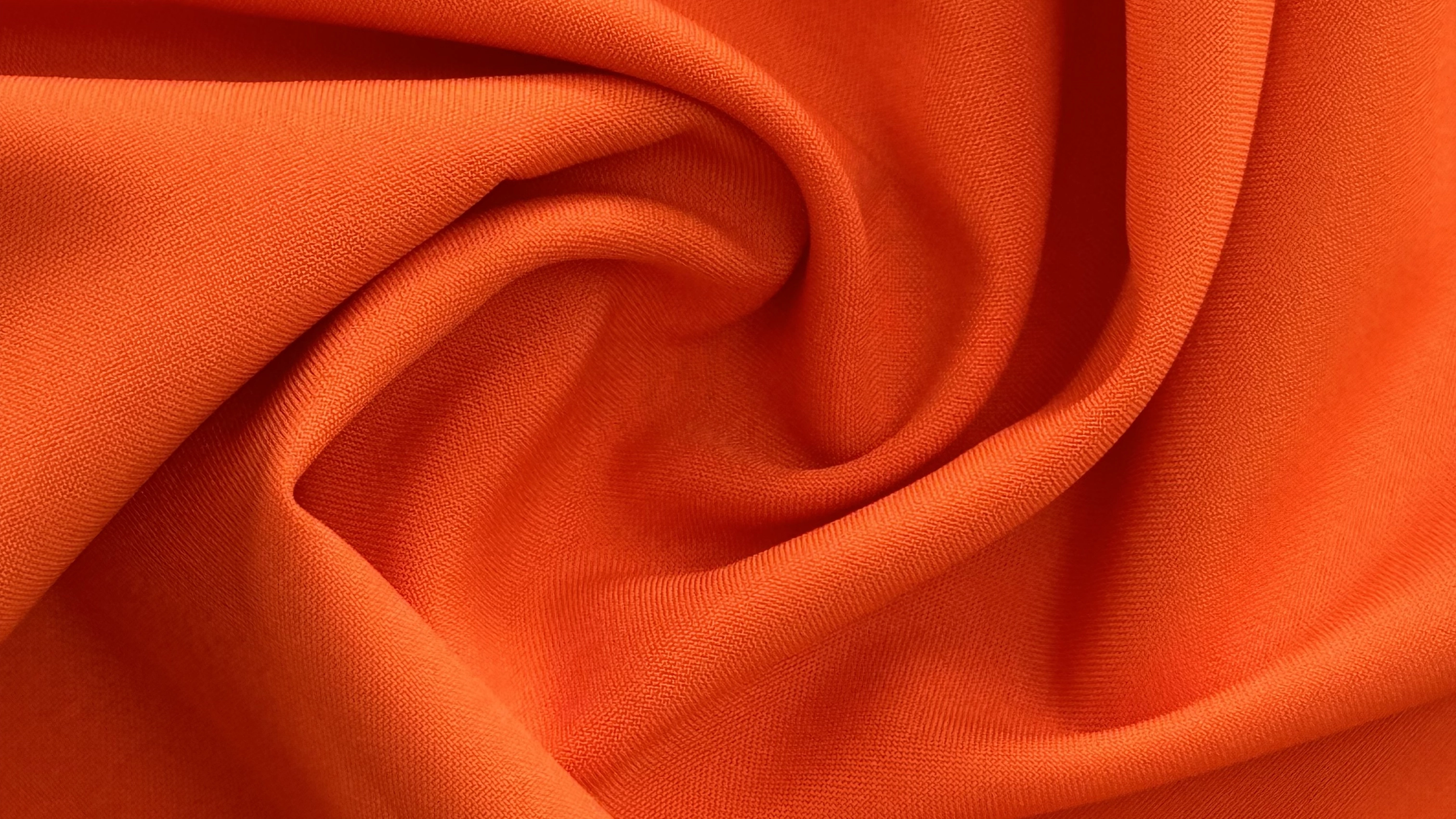
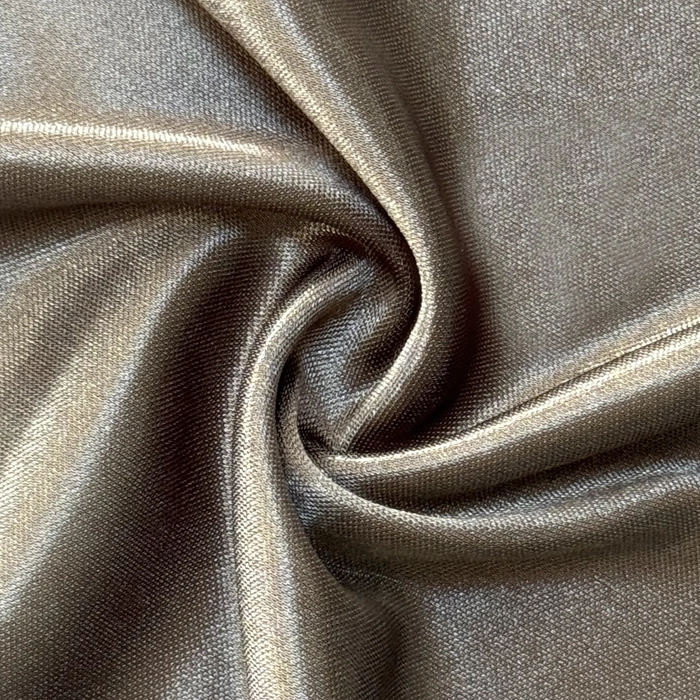
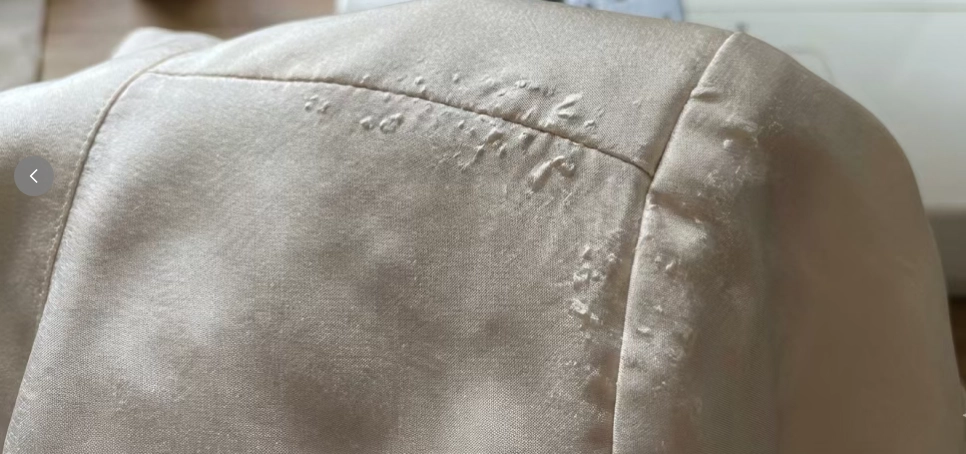
Acetate fabric, a regenerated fiber made from natural wood pulp, has become a favorite among mid-to-high-end women's clothing due to its silk-like luxurious luster and excellent drape. However, in production, it poses a headache for practitioners due to issues such as easy bubbling, glue bleeding, and "aurora (bright spots)" after pressing. In many cases, the root cause lies in the "mismatch" of interlining selection.China shenghong interlining factory
I. Why Regular Double-Dot Interlining Tends to Cause Problems on Acetate Fabric
As a "universal solution" for common fabrics like cotton and linen, regular double-dot interlining has two core conflicts with heat-sensitive and delicate fabrics such as acetate:
-
Temperature Resistance Conflict: The adhesive powder of regular interlining requires a high temperature of 135°C - 145°C to fully melt and bond. However, acetate fabric has weak heat resistance—when the pressing temperature exceeds 120°C, the fibers are prone to hardening, shrinking, and forming irreversible "aurora" bright spots. Lowering the temperature to protect the fabric leads to insufficient bonding and bubbling; increasing the temperature for better adhesion scalds the fabric, creating a dilemma.
-
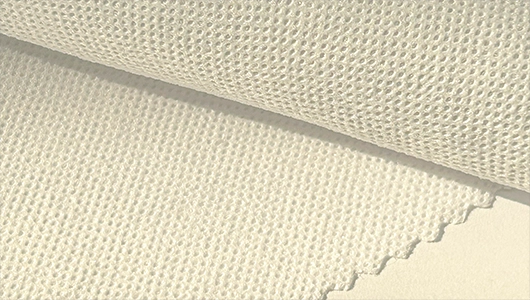
Adhesive Dot Attachment Conflict: Acetate fabric has a smooth surface and is often lightweight. The adhesive dots of regular interlining are relatively coarse, resulting in insufficient adhesion on the smooth surface and easy degumming. Meanwhile, the coarse particles tend to show through the thin fabric, causing an uneven "granular feel" that damages the flat appearance.China SHENGHONG interlining manufacture
II. Correct Interlining Matching Solution for Acetate Fabric
The solution lies in selecting interlining specifically designed for sensitive fabrics, with three key considerations:
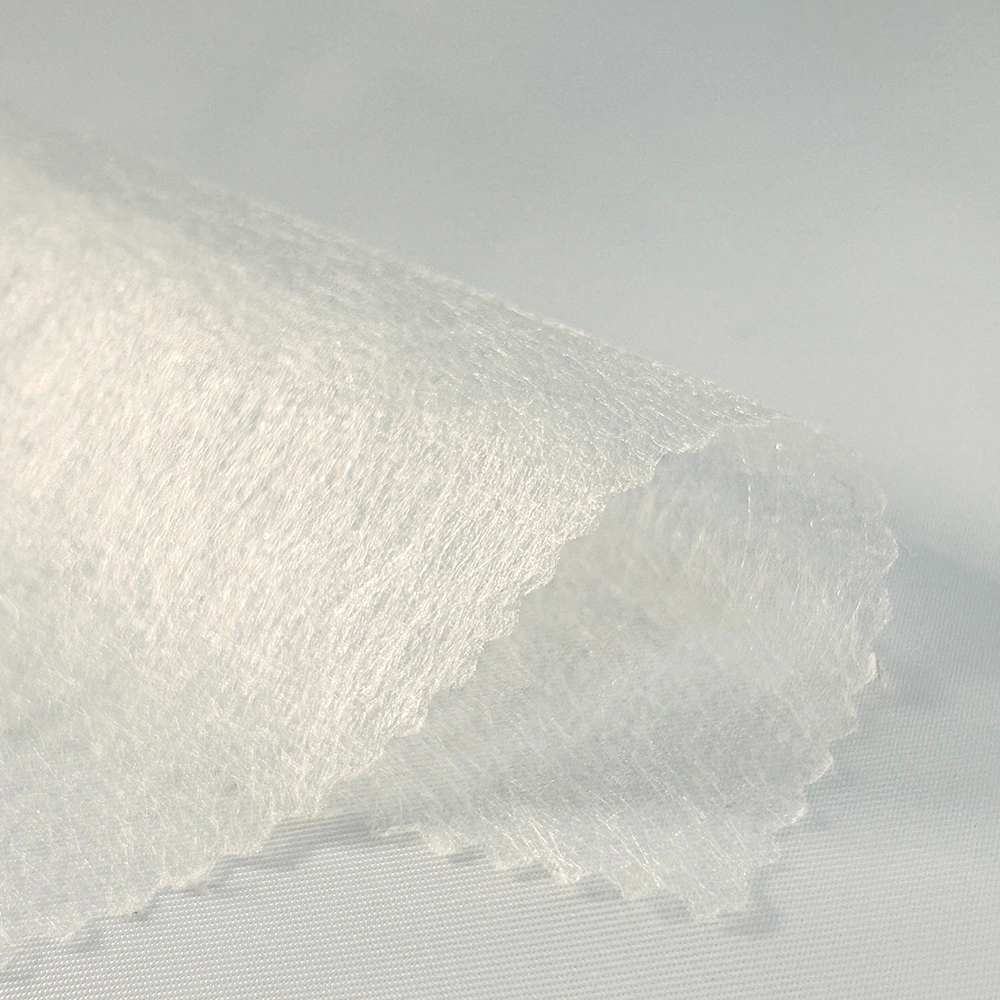
Core: Choose interlining with "low-temperature adhesive" formula: This type of interlining has a melting point between 110°C - 120°C, enabling firm bonding within the safe temperature range of acetate fabric. It fundamentally avoids high-temperature damage and maintains the fabric's soft hand feel.
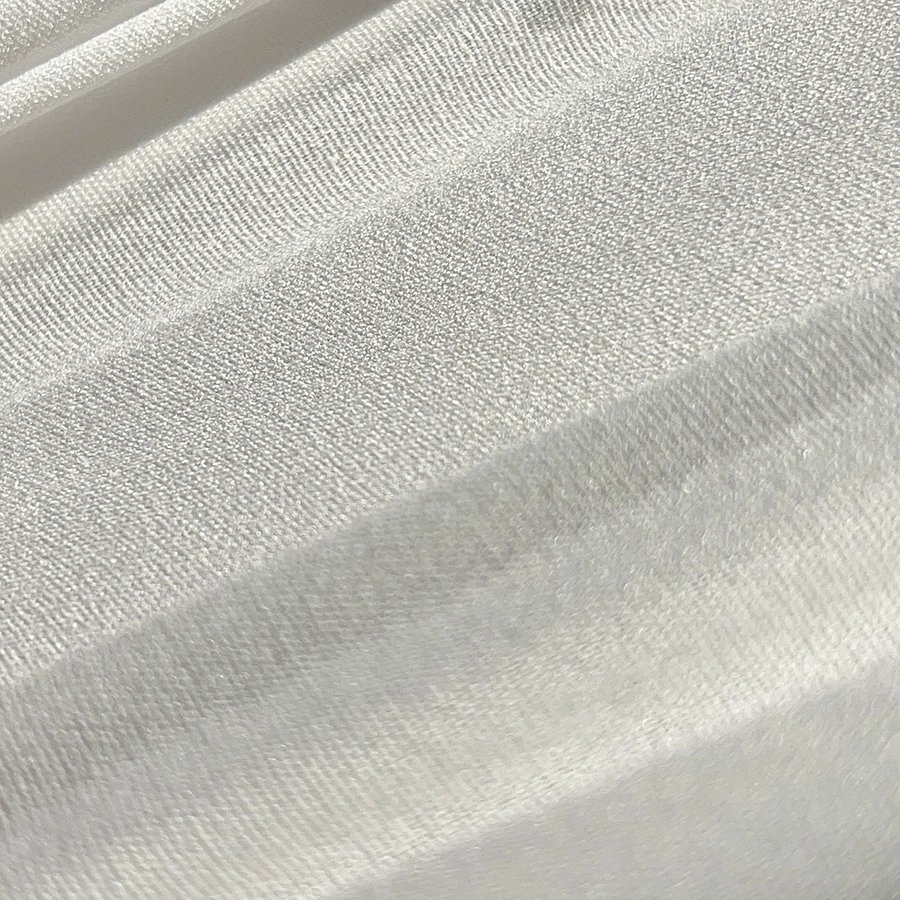
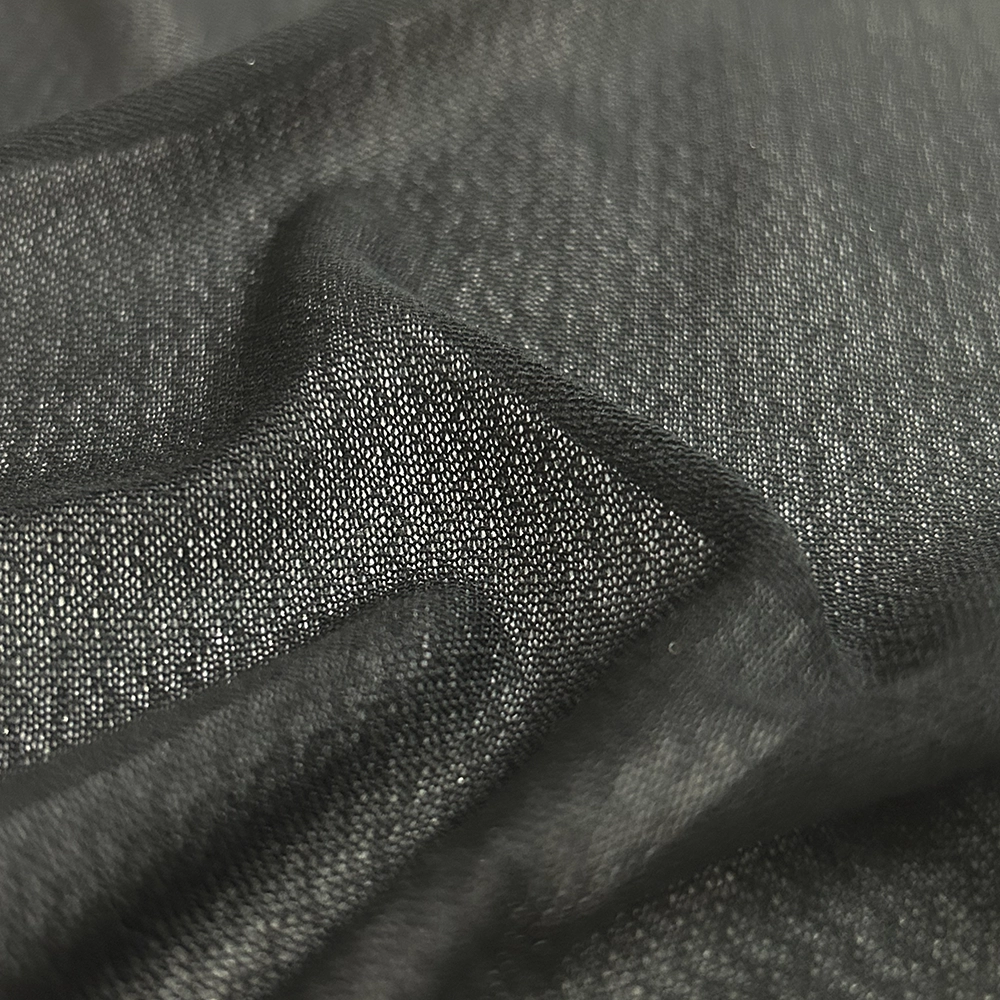
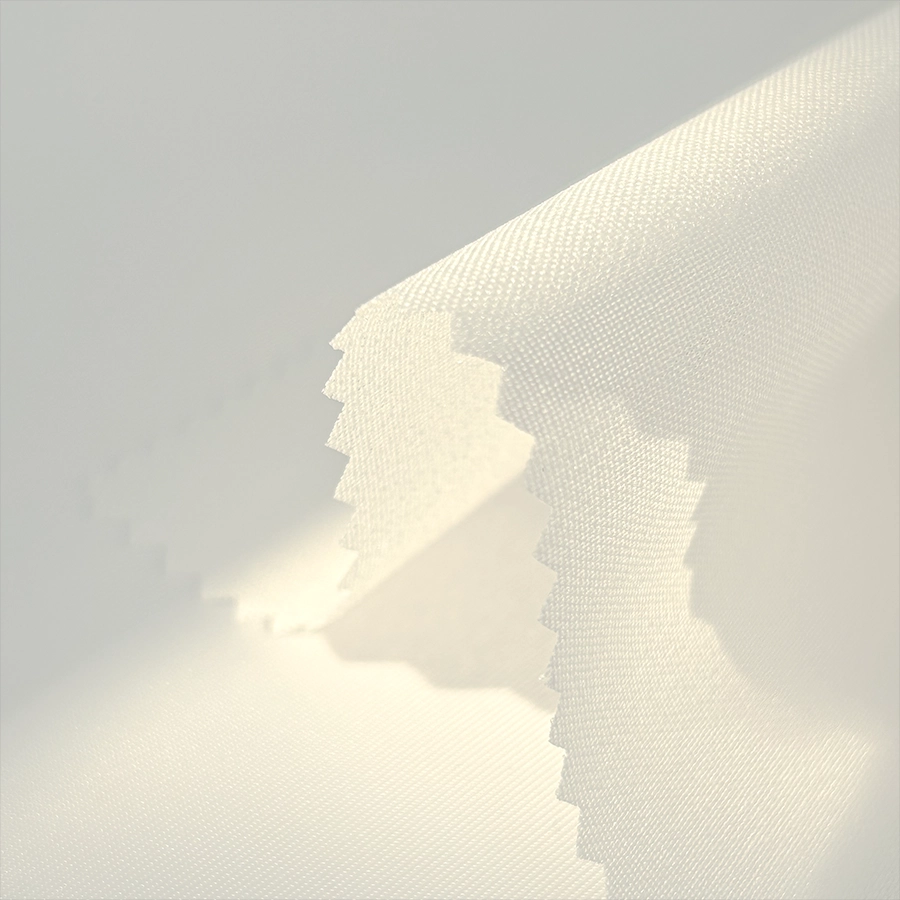
Key: Insist on "micro-dot double-dot" technology: Select high mesh count micro-dot double-dot interlining. Its fine, evenly distributed, and dense adhesive dots form a flat bonding layer after pressing, effectively preventing glue bleeding and surface unevenness, and keeping the finished garment's appearance smooth.
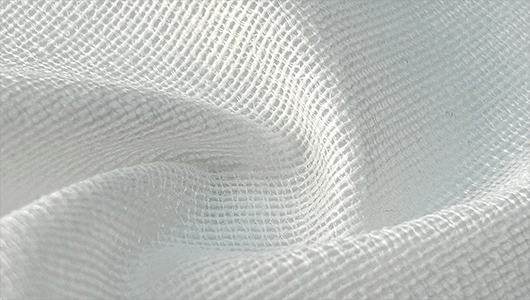
Preference: Match ultra-fine denier base fabric: It is recommended to pair with 15D-30D ("D" stands for Denier, where a smaller number indicates a finer fiber) ultra-fine denier base fabric. This type of base fabric is extremely soft and lightweight, capable of moving synchronously with the drape of acetate fabric, providing necessary support without appearing stiff.
Conclusion
The bonding challenge of acetate fabric is essentially a result of mismatched physical properties between universal interlining and special fabrics. The key to solving the problem does not lie in repeatedly adjusting pressing parameters, but in selecting "micro-dot double-dot interlining specifically for acetate" designed for low-temperature bonding from the source. Through the three-in-one solution of "low-temperature formula, micro adhesive dots, and ultra-fine base fabric," the luxurious texture of acetate fabric can be perfectly presented, and processing risks can be avoided.