





How to Choose the "Right" Hot Melt Adhesive for Garments?
SHENGHONG
SHENGHONG
2025-12-06 13:30:06
Interlining is not only the "backbone" of garments but also the key determinant of the hand feel and durability of finished products—and the core of all this lies in the adhesive.China SHENGHONG interlining suppliers
In modern interlining production, hot melt adhesive has become the absolute mainstream due to its environmental friendliness and high efficiency. As a source factory, this article helps you quickly understand the four core adhesive types most widely used in the industry: PA (Polyamide), PES (Polyester), PE (Polyethylene), and EVA (Ethylene-Vinyl Acetate).
I. Practical Analysis of Core Hot Melt Adhesive Types
Based on factory practical experience, the characteristics and application scopes of these four types of adhesives are as follows:
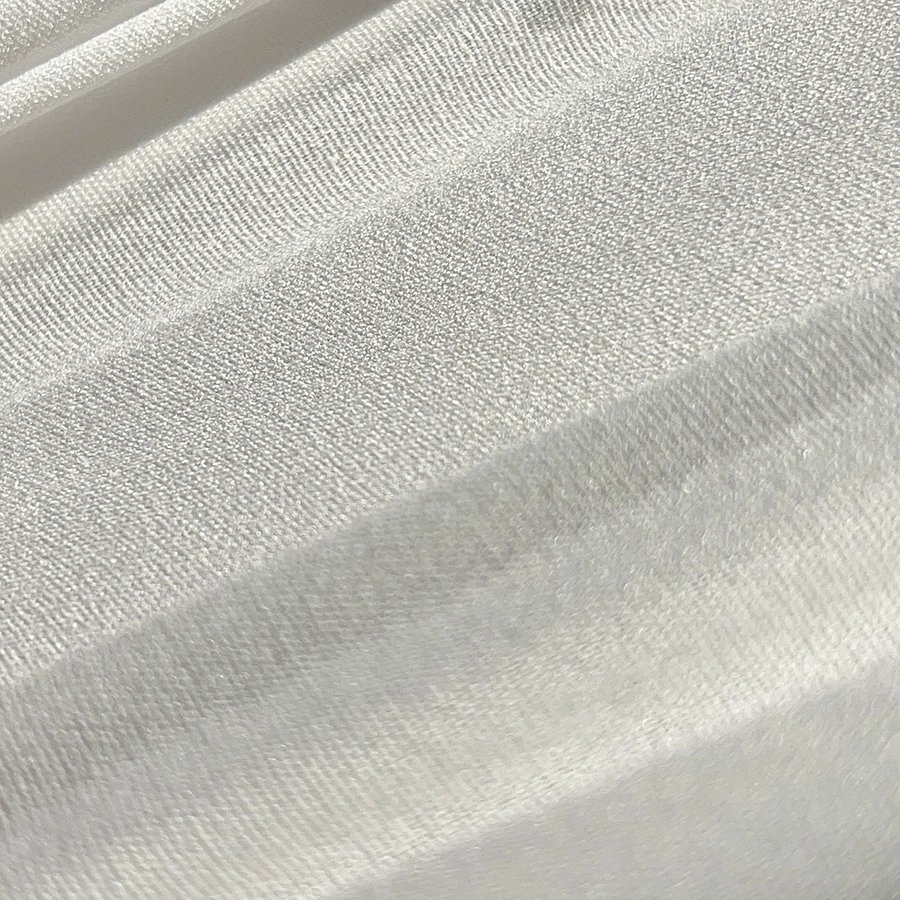
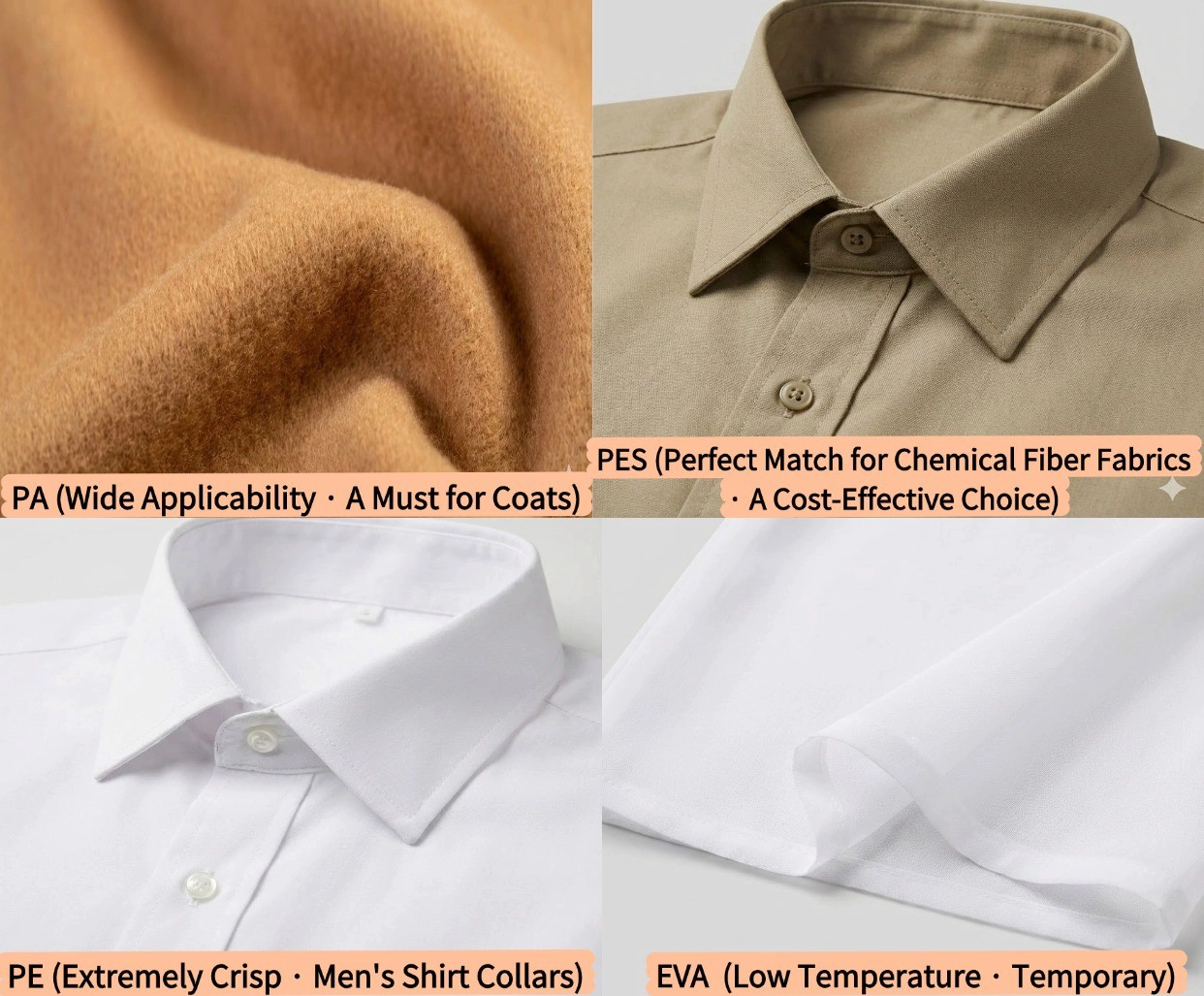
1. Polyamide (PA) Bonded Interlining
- Characteristic Summary: Currently, it has the highest market share and strongest adaptability among all adhesive types. Its greatest advantages are excellent hand feel (soft and elastic) and superior dry-clean resistance.
- Application Scope: Extremely wide coverage. From cashmere coats and suits to various fashion garments, women's clothing, and casual wear, PA adhesive is almost the first choice for any garment requiring good drape and hand feel.
- Pitfall Avoidance Guide: Ordinary PA adhesives usually only withstand water washing below 40℃. If producing workwear or other garments that require high-temperature water washing, be sure to specify "wash-resistant PA".
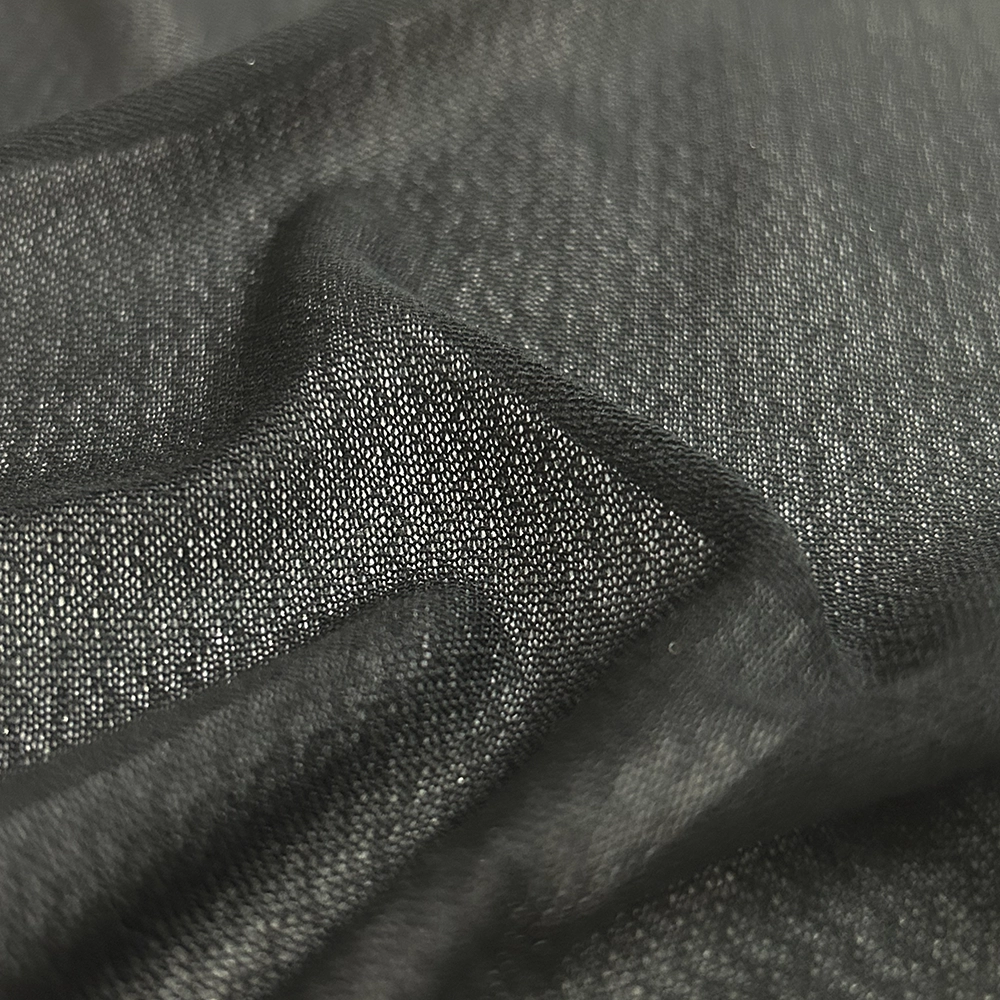
2. Polyester (PES) Bonded Interlining
- Characteristic Summary: Metaphorically "stable and reliable". It has strong adhesion to fibers and low shrinkage, being resistant to both water washing and dry cleaning. However, its disadvantage is a slightly stiff hand feel, not as soft as PA adhesive. With technological progress, some low-melting-point and soft-textured PES adhesive products have been developed, which have improved the hand feel to a certain extent, but the cost is usually higher, and the comprehensive performance is still different from that of PA.
- Application Scope: Mostly used for simulated silk fabrics (excellent anti-adhesive penetration effect) and thick simulated wool fabrics (strong adhesion).
3. Polyethylene (PE) Bonded Interlining — A Polarized Special-Purpose Adhesive
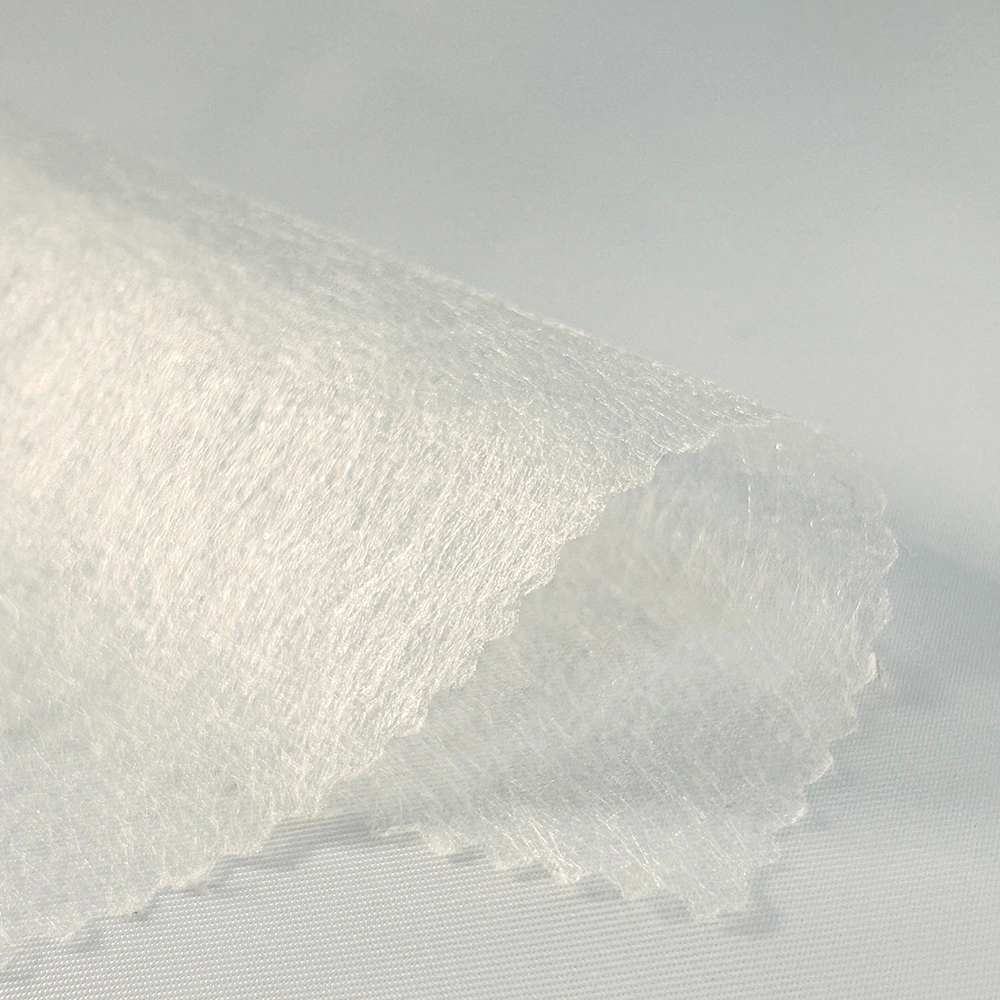
- High-Density Polyethylene (HDPE): High hardness, water-wash resistant, but dry-clean intolerant. It is the ideal choice for men's shirts (especially stiff collars), as it can create crisp and well-shaped collars.
- Low-Density Polyethylene (LDPE): Low melting point, but poor wash resistance. Usually used only for temporary bonding.
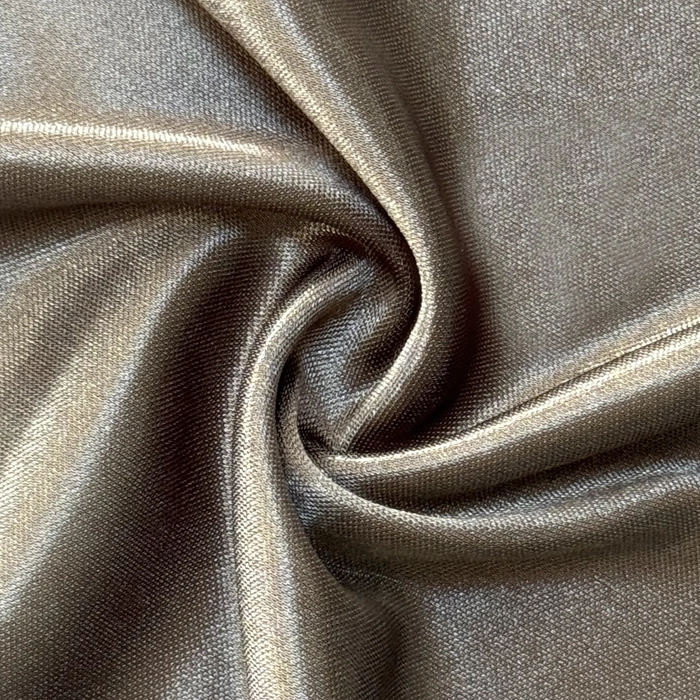
4. Ethylene-Vinyl Acetate (EVA) Bonded Interlining — Low-Temperature Convenient Adhesive
- Characteristic Summary: Extremely low bonding temperature, which can even be operated with a household iron. However, it has poor durability and is classified as temporary bonding.
- Application Scope: Specialized for fur garments (to avoid high-temperature damage to the fur plate) or home handcraft DIY.China SHENGHONG interlining manufacturer
II. Comparison Table of Common Hot Melt Adhesives' Performance
| Performance Dimensions | Polyamide (PA) | Polyester (PES) | High-Density Polyethylene (HDPE) | EVA |
|---|---|---|---|---|
| Core Position | Industry mainstream, most widely used | Preferred for specific fabrics | Specialized for shirts | Special-purpose/temporary use |
| Hand Feel Performance | Soft and elastic | Slightly stiff and crisp | Stiff and upright | Slightly stiff |
| Wash Resistance | Superior dry-clean resistance / average water-wash resistance | Excellent resistance to both dry and water washing | Good water-wash resistance / dry-clean intolerant | Poor |
| Typical Applications | Various fashion garments, coats, women's clothing | Simulated silk, simulated wool | Men's shirts | Fur |
III. Summary: Adhesive Selection Recommendations from a Source Factory
- Most Cases (Fashion Garments/Women's Clothing/Coats): For most fashion garments and coats that require good drape and hand feel, PA adhesive is the first choice with the lowest risk and best comprehensive performance. As the most adaptable adhesive type, it can maintain the original soft hand feel of the garment.
- For Men's Shirts: Insist on HDPE—prioritize crispness over limpness.
- For Simulated Silk/Thick Woolen Fabrics: Choose PES for stability and no adhesive penetration.
- For Fur Garments: Only EVA is suitable, as low temperature is safe.