




"Quality Defense for Light-Colored Garments": Application and Selection Guide of Anti-Yellowing Interlining
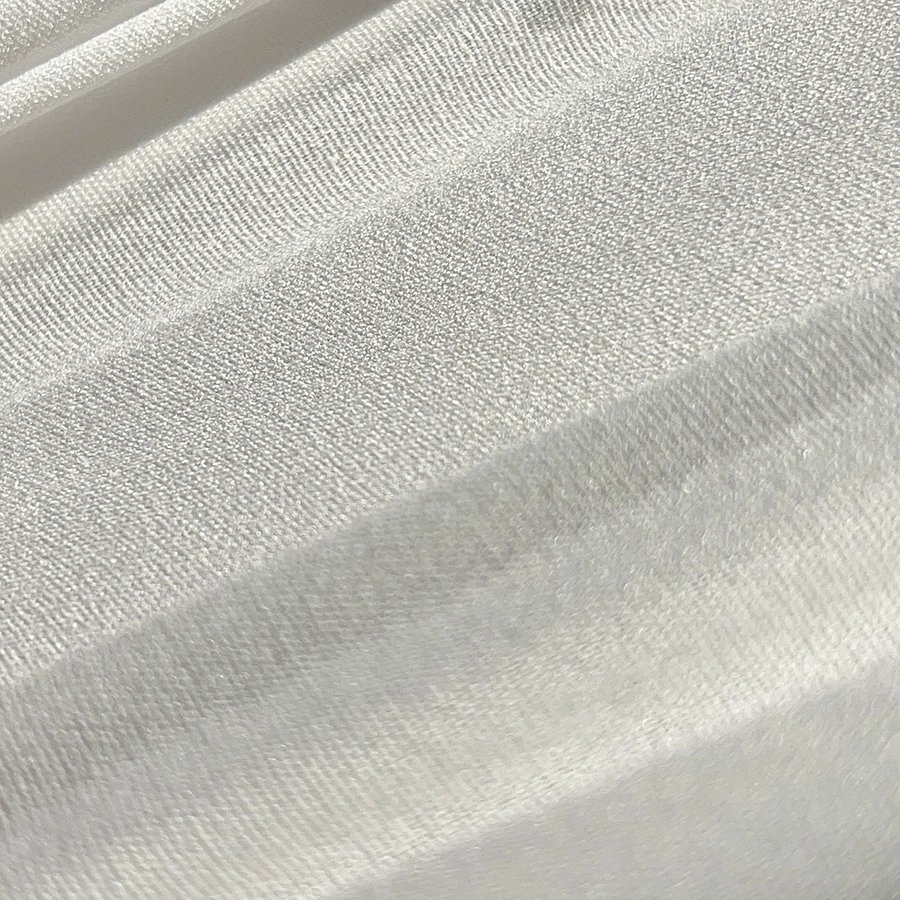
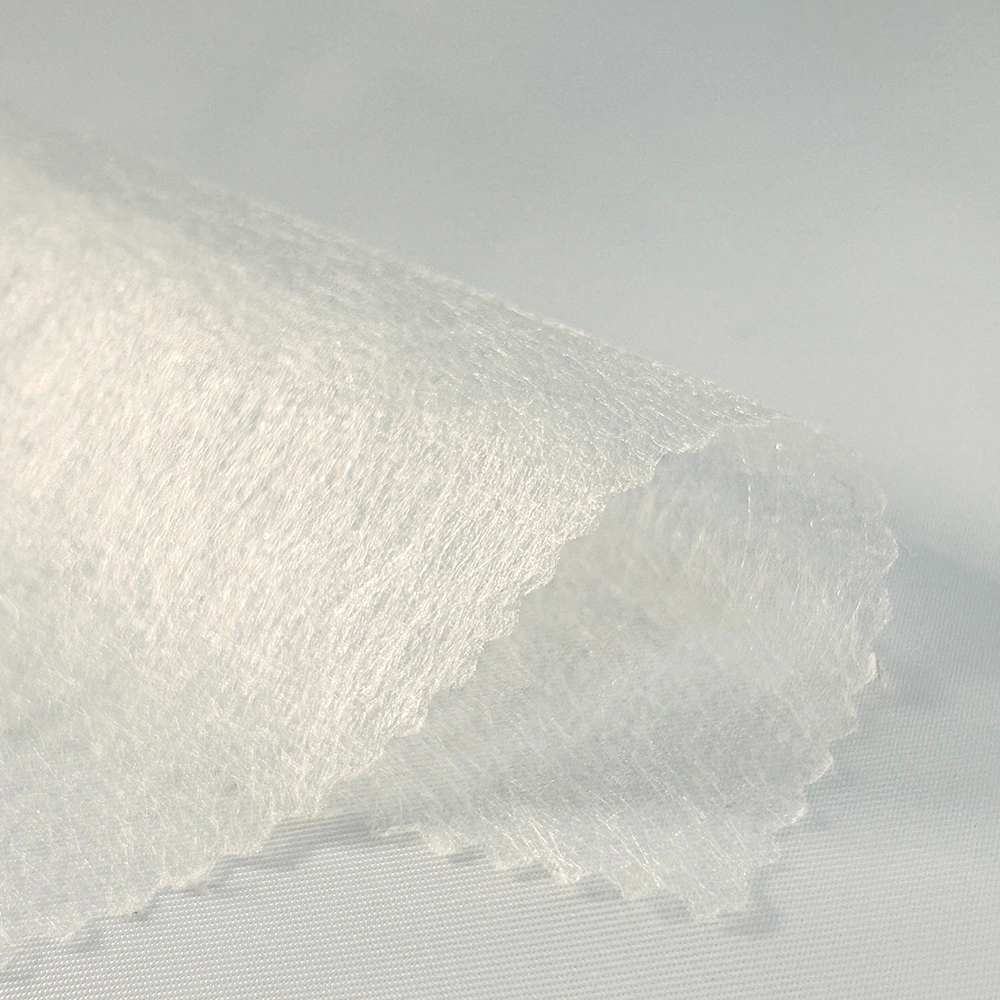
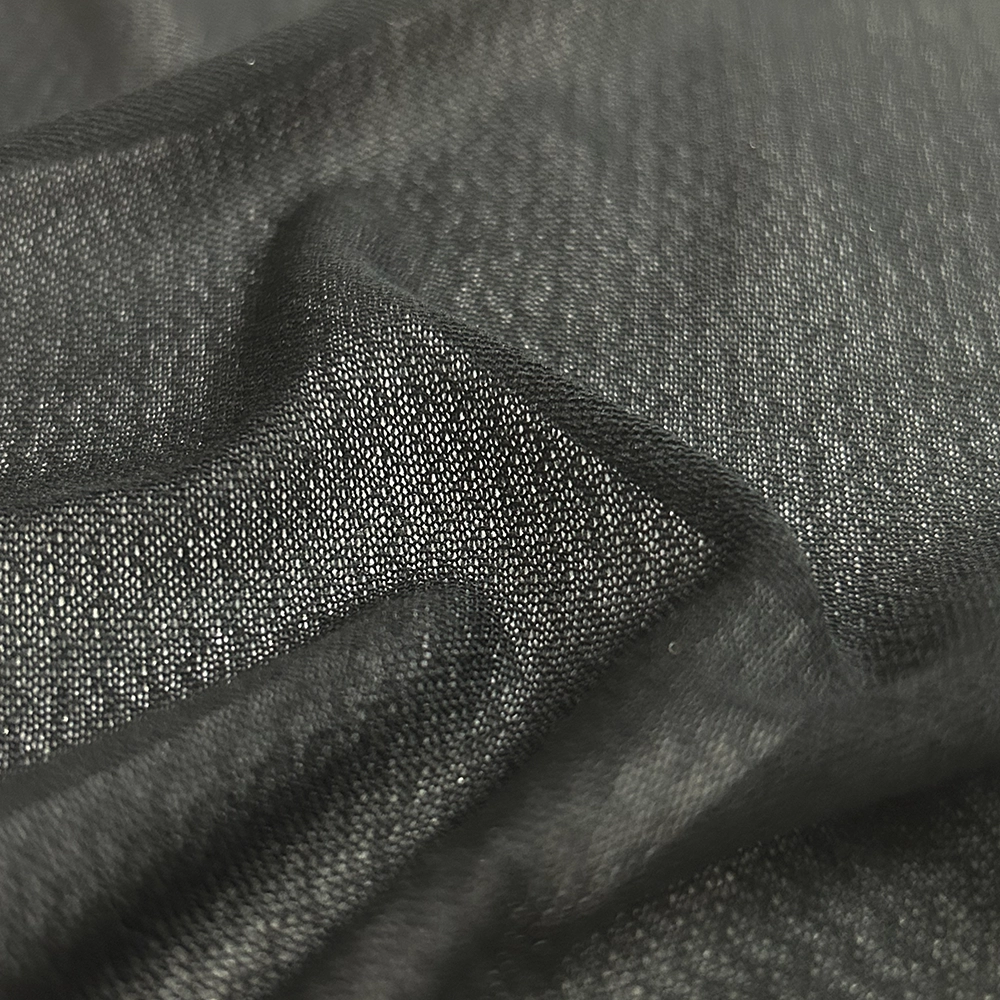
In garment production, interlining yellowing is one of the hidden risks leading to the appearance degradation of light-colored garments. When interlining yellows, it not only directly affects the visual effect of light-colored fabrics but may also cause color difference in dark-colored fabrics due to light transmission.China shenghong Anti-yellowing interlining manufacturer
I. Core Application Scenarios: For Which Orders Should Anti-Yellowing Interlining Be Used?
In the following three types of scenarios, the anti-yellowing performance of interlining is particularly important:
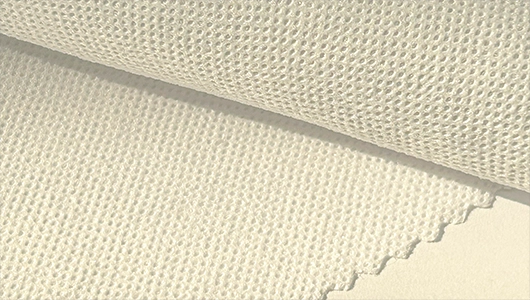
- High-whiteness and bleached fabrics: This is the category with the highest yellowing risk (e.g., white shirts, professional wear). If the interlining does not have anti-yellowing functionality, phenolic substances in the environment can easily penetrate the fabric and develop color, resulting in damage to the appearance of finished garments.
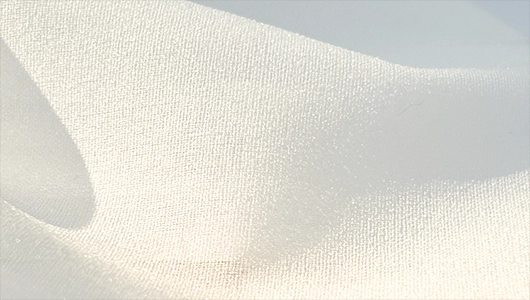
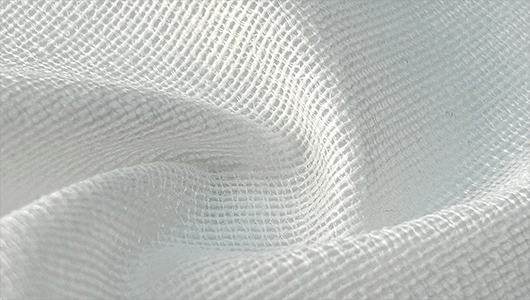
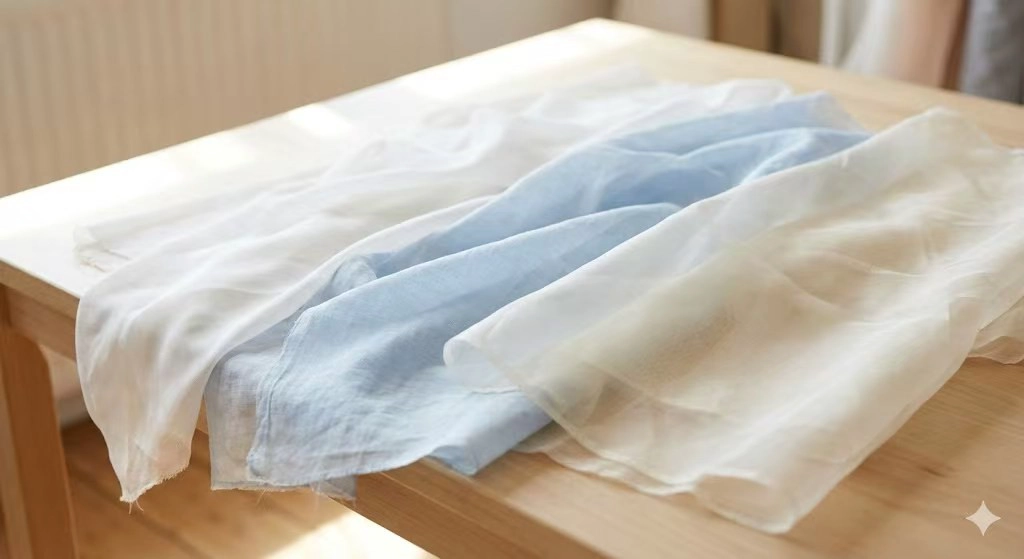
- Lightweight and semi-transparent fabrics: For lightweight fabrics such as silk, chiffon, or high-count cotton, any discoloration of the interlining will show through directly. Such orders not only require the interlining to be pure white but also demand extremely high chemical stability.
- Long-cycle storage or ocean shipping orders: Foreign trade orders usually involve long-cycle ocean shipping, and the high-temperature and sealed environment in containers can easily induce chemical reactions. If the garments need to be sold across seasons or stored for a long time, using anti-yellowing interlining can effectively reduce the risk of appearance changes caused by long-term storage or transportation environments.
II. Technical Analysis: How Does Anti-Yellowing Interlining Work?
Anti-yellowing interlining is not simply "bleached" for color, but blocks the "phenolic yellowing" reaction chain through physical and chemical means. Its core technical paths mainly include the following three points:
-
Functional additive finishing (blocking adsorption): By adding anti-yellowing additives to the coating or finishing solution, the active groups on the fiber surface are sealed, reducing the interlining's adsorption capacity for yellowing-causing factors in the environment (such as BHT volatilized from packaging bags), thereby achieving a physical barrier effect.
-
Neutral control of pH value: An alkaline environment is a catalyst that accelerates yellowing reactions. High-quality anti-yellowing interlining strictly controls the pH value of the base fabric and hot-melt adhesive powder during production, keeping it in a neutral or weakly acidic range to destroy the chemical environment required for yellowing.
-
Raw material purification and screening: Eliminate pollution from the source. Select raw materials without fluorescent brighteners, and ensure that the base fabric has no residual oxidizable oils or impurities during textile dyeing and finishing, guaranteeing the physical stability of the material itself.China functional interlining suppliers
In today's increasingly refined garment supply chain, the value of anti-yellowing interlining lies not only in maintaining whiteness but also in providing a "safety defense line" for finished garments against time and the environment.Anti-yellowing Interlining Factory in China