







Waist Interlining Practical Guide: From Functional Value to Multi-Scenario Selection Logic
I. Core Value of Waist Interlining
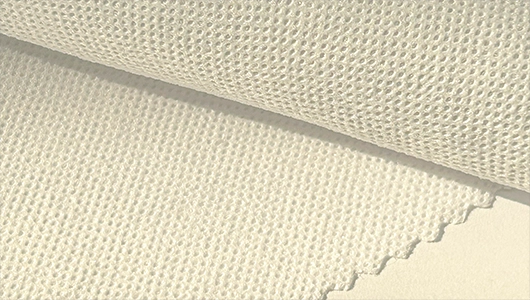
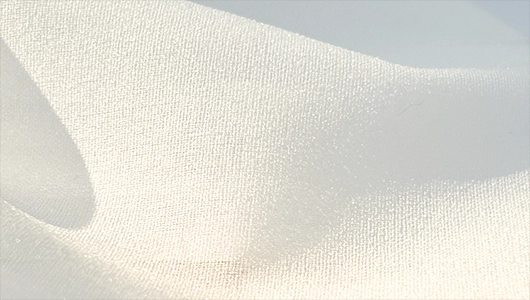
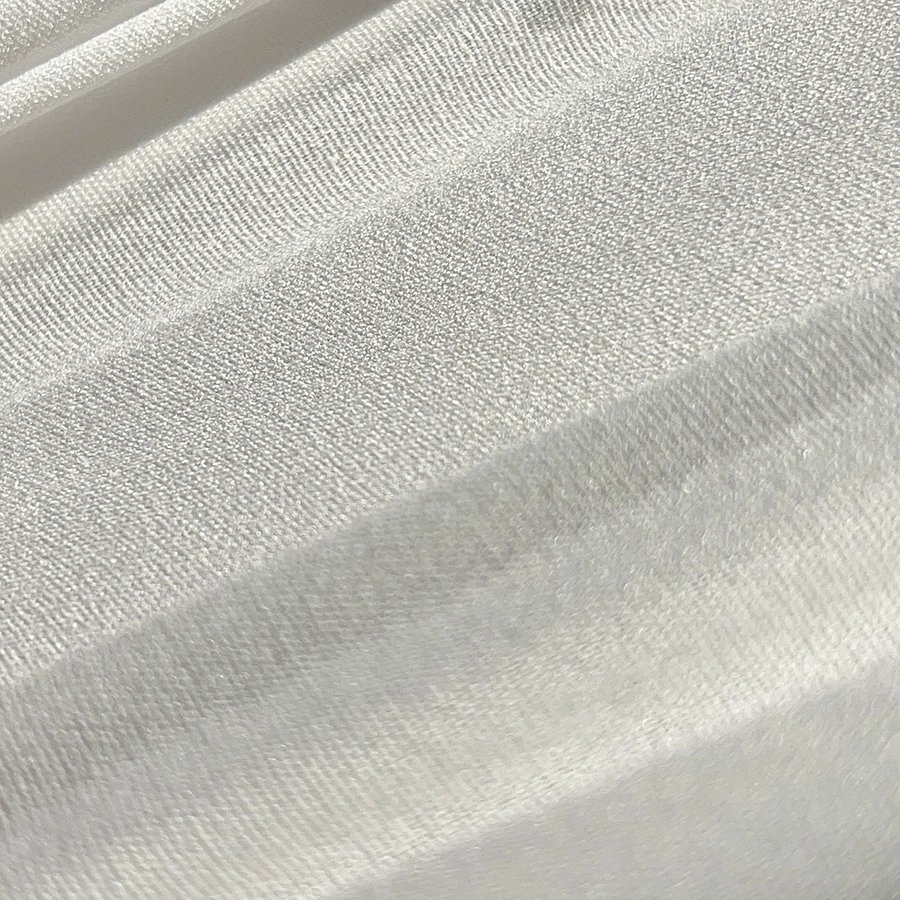
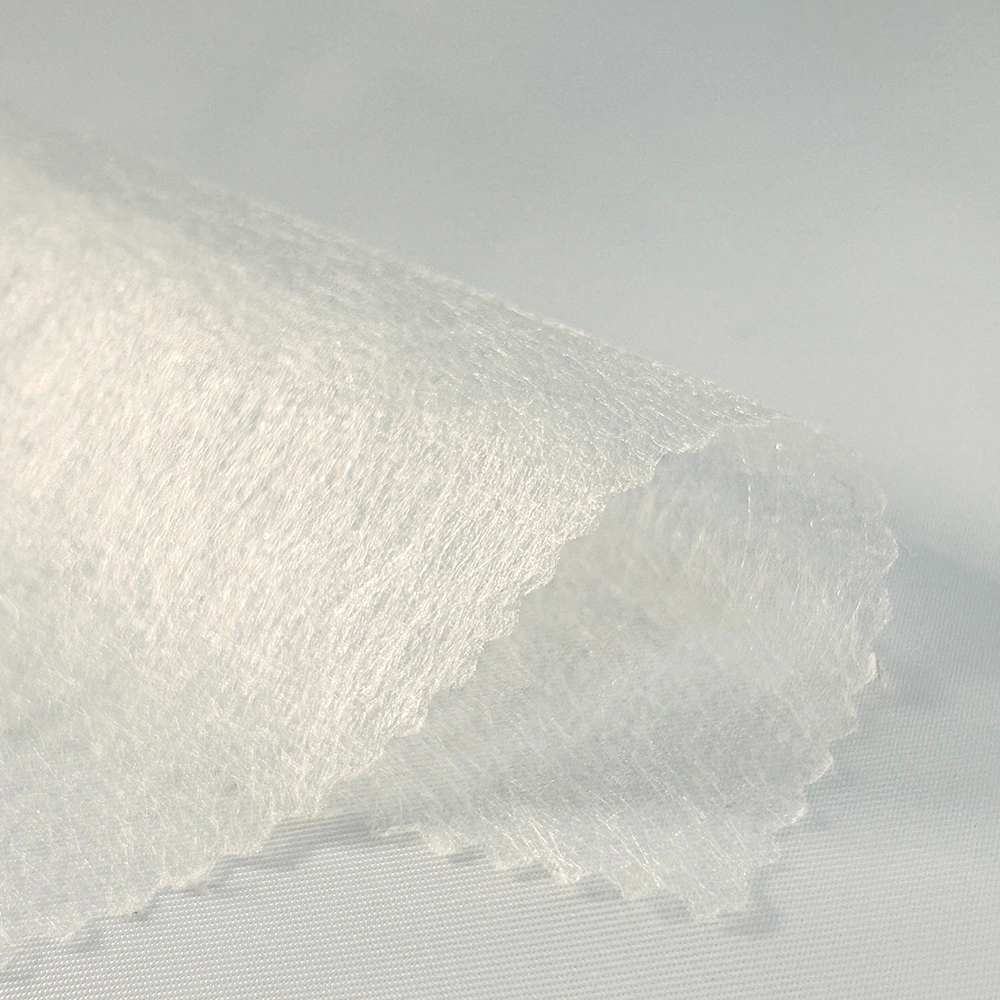
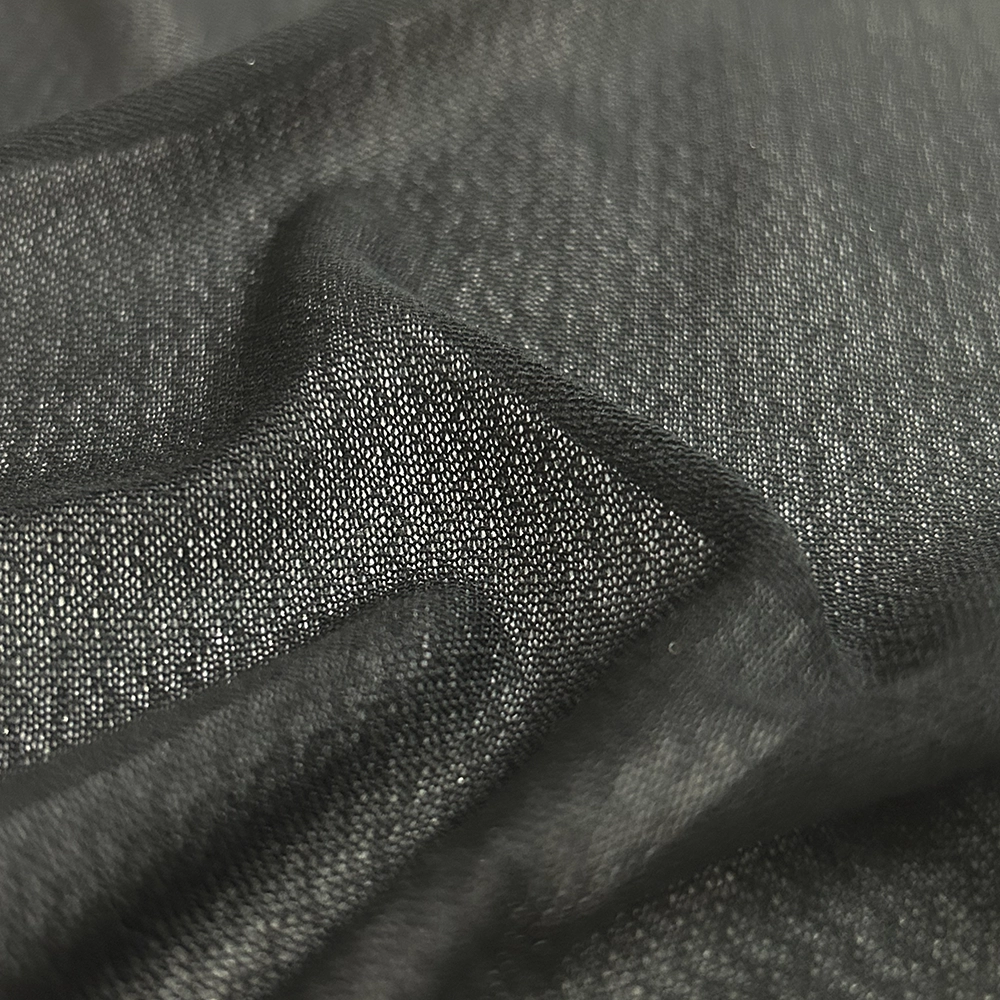
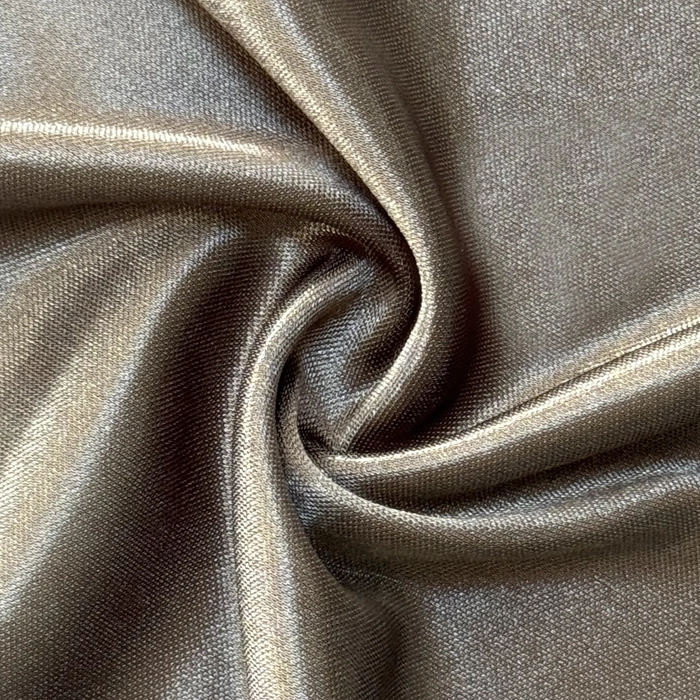
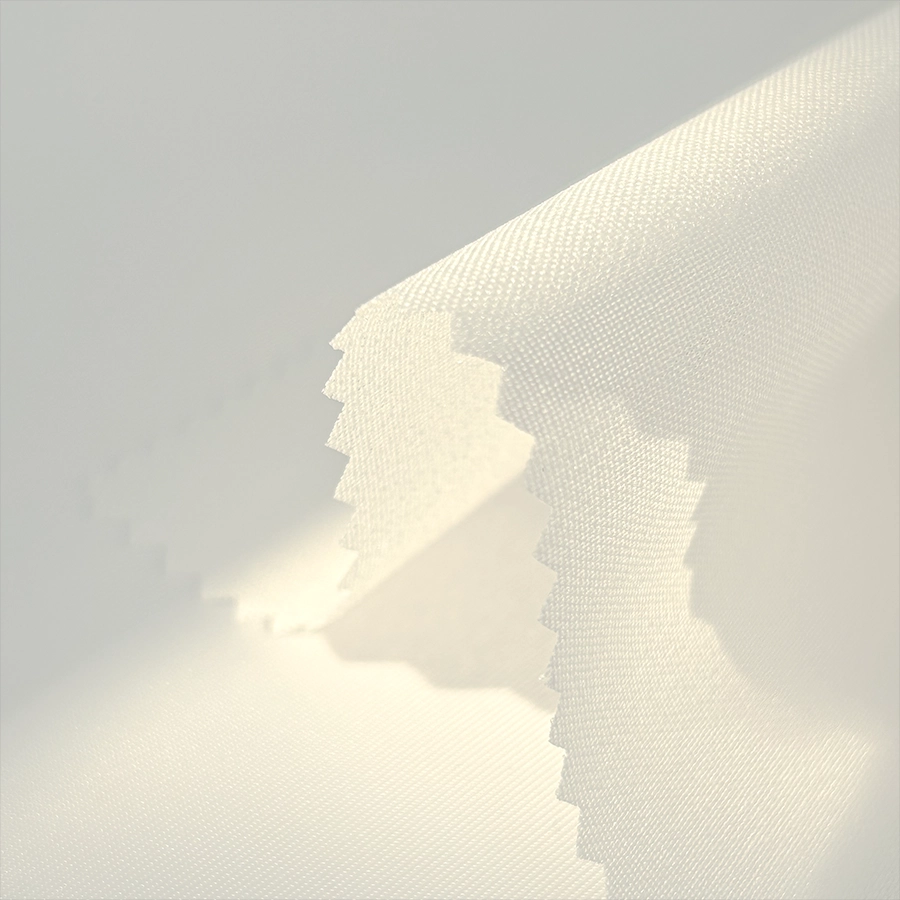
The core function of waist interlining lies in providing support and shaping. In practical applications, the waistband is the part of the garment with the most complex stress and frequent friction. Without high-quality waist interlining as the "framework", the fabric is prone to waistband eversion (edge curling), looseness and collapse after wearing, and even dimensional inaccuracy caused by washing. High-quality waist interlining provides support through its physical stiffness, and helps lock the waist circumference size by virtue of its stable heat shrinkage rate and washing shrinkage rate. Simply put, the purpose of waist interlining is to ensure that the finished garment maintains its original flat lines and accurate size after washing and long-term wear.China shenghong Waist Lining factory
II. Practical Selection Strategies
The following are selection suggestions for three common scenarios:
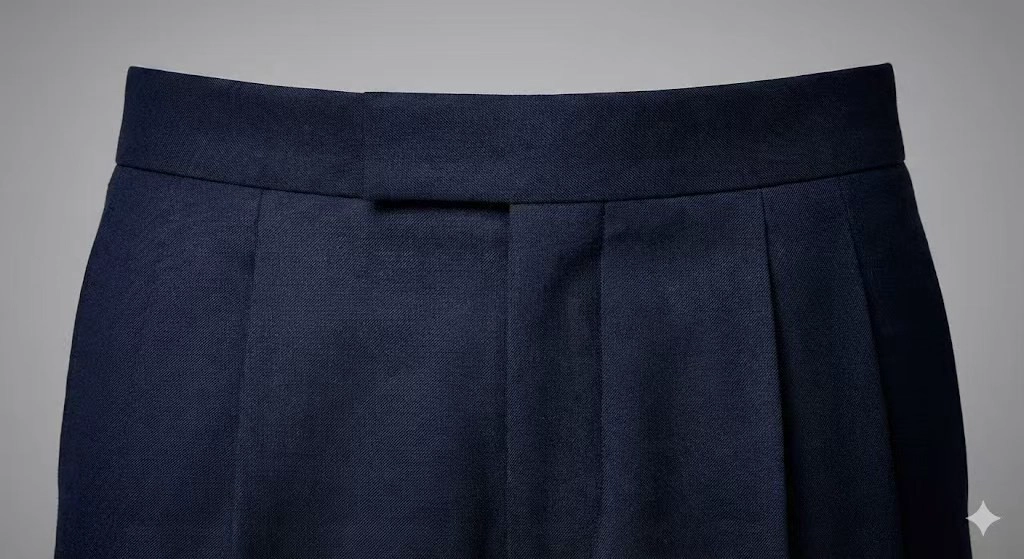
Formal Wear and Worsted Wool (Stiff Type): For trousers or professional attire, the fabric has good drape but is relatively soft. It is recommended to use high-hardness resin waist interlining. This type of waist interlining can strongly support the waist contour, ensure neat trouser pleat lines, and reflect the formality of business attire.
Casual Washable and Denim (Wash-Resistant Type): Cotton or denim garments usually undergo heavy washing processes (such as normal wash, stone wash). At this time, it is necessary to select special waist interlining with wash resistance and low shrinkage rate. If the shrinkage rate of the waist interlining is higher than that of the fabric, the waist will wrinkle and distort after washing; if the adhesive powder is not wash-resistant, serious bubbling and delamination will occur.
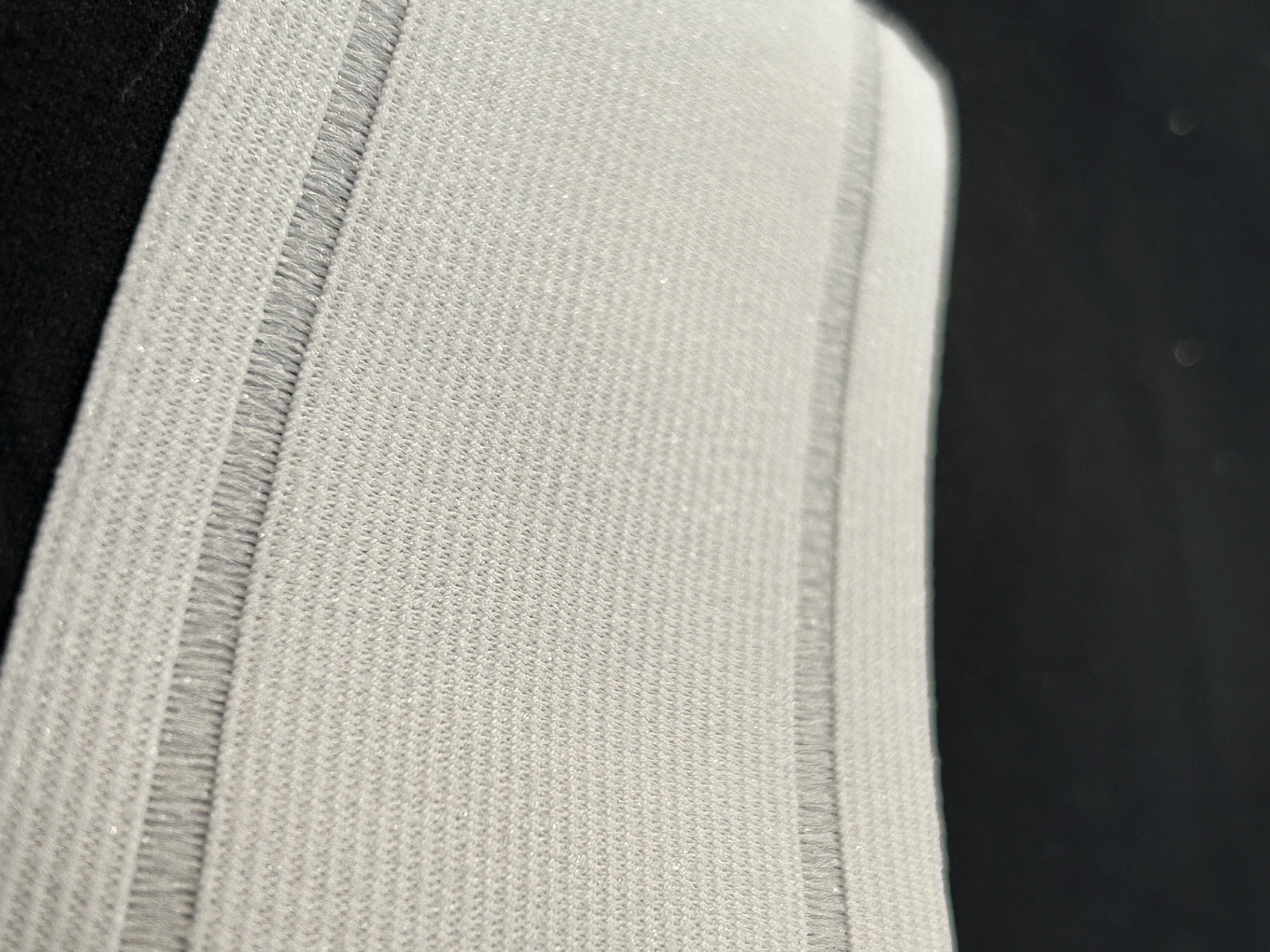
Stretch Fabric (Flexible Type): For casual trousers containing spandex/Lycra, it is necessary to match stretch waist interlining with corresponding elongation and resilience, so that the stretch and recovery of the auxiliary material are synchronized with those of the fabric, preventing fabric "bubbling" or tearing sensation caused by uneven stress.
III. Pitfall Avoidance Guide
Unignorable "Bonding" and "Hand Feel" In addition to selecting the correct type, the bonding process is also a key factor determining the quality of the finished product. Different fabric backings require matching pressing temperatures and times. In production, many quality problems do not originate from the material itself, but from the mismatch between pressing parameters (temperature, pressure, or time) and the fabric, resulting in insufficient peel strength. In addition, with changes in consumer trends, modern waist interlining increasingly emphasizes skin-friendliness of the contact surface while maintaining stiffness. It is recommended that during the pattern making stage, not only test the bonding fastness, but also use the back of the hand to test the roughness of the inner side of the waist interlining, so as to avoid complaints from end consumers due to the itchiness of the waist interlining.China Shenghong Waist Interlining Manufacturer
IV. Conclusion
The composition of a good pair of trousers relies on fabric as the foundation, craftsmanship as the key, and waist interlining is precisely the "invisible cornerstone" reflecting excellent craftsmanship. From solving the pain point of edge curling to accurately matching fabric properties, choosing the right waist interlining can not only enhance the grade of finished garments, but also be a cost-effective investment to reduce after-sales return rates and maintain brand reputation.