







Invisible Framework: Why High-Quality Garments Require "Combined Interlining
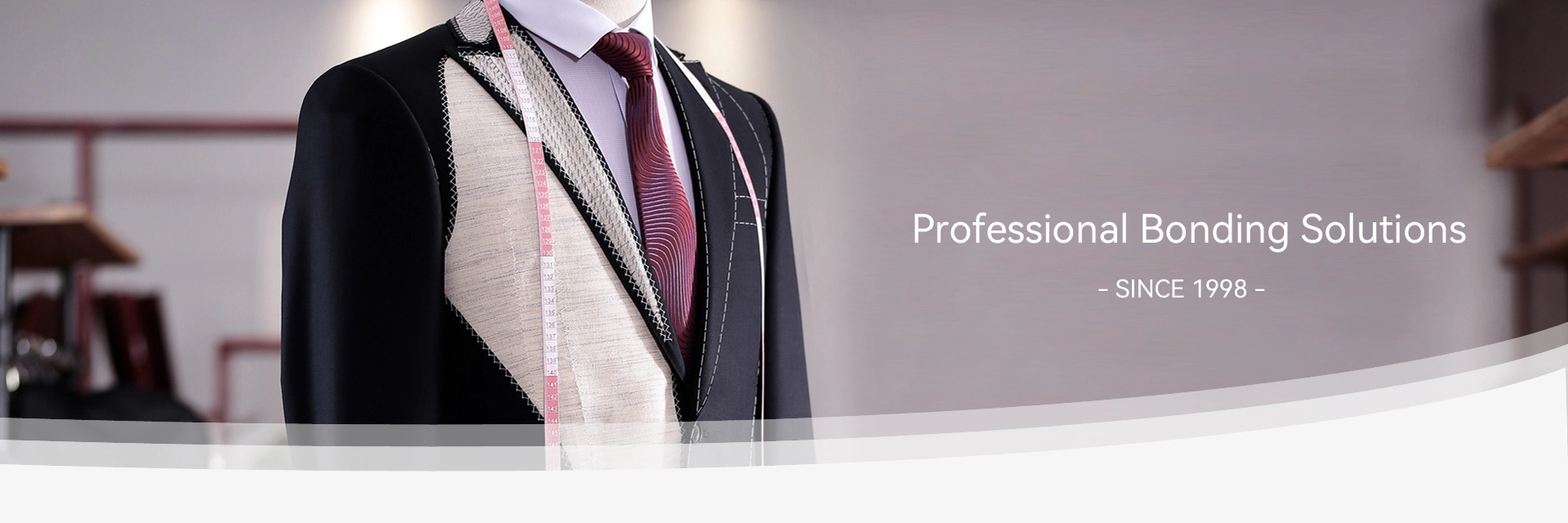
As the supporting system of clothing, the core value of interlining lies in serving the final form of the garment. A mature garment has distinct structural functions for different parts: the collar needs to form a rigorous contour, while the main body requires a natural streamline. Attempting to meet the needs of all parts with one interlining specification often leads to the "texture imbalance" problem—some parts being excessively stiff and others lacking sufficient support. Therefore, selecting different interlinings for different parts is a key technical link to improving the overall grade of the garment.China shenghong Ginterlining suppliers
I. How to Scientifically Select Interlining for Different Parts?
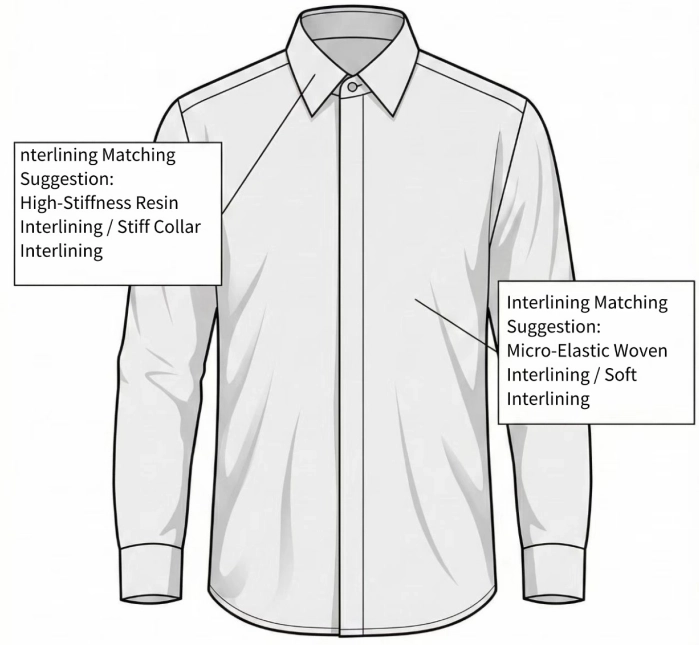
Collar:
Core Requirements: Extremely high stiffness, resilience, and wash resistance.
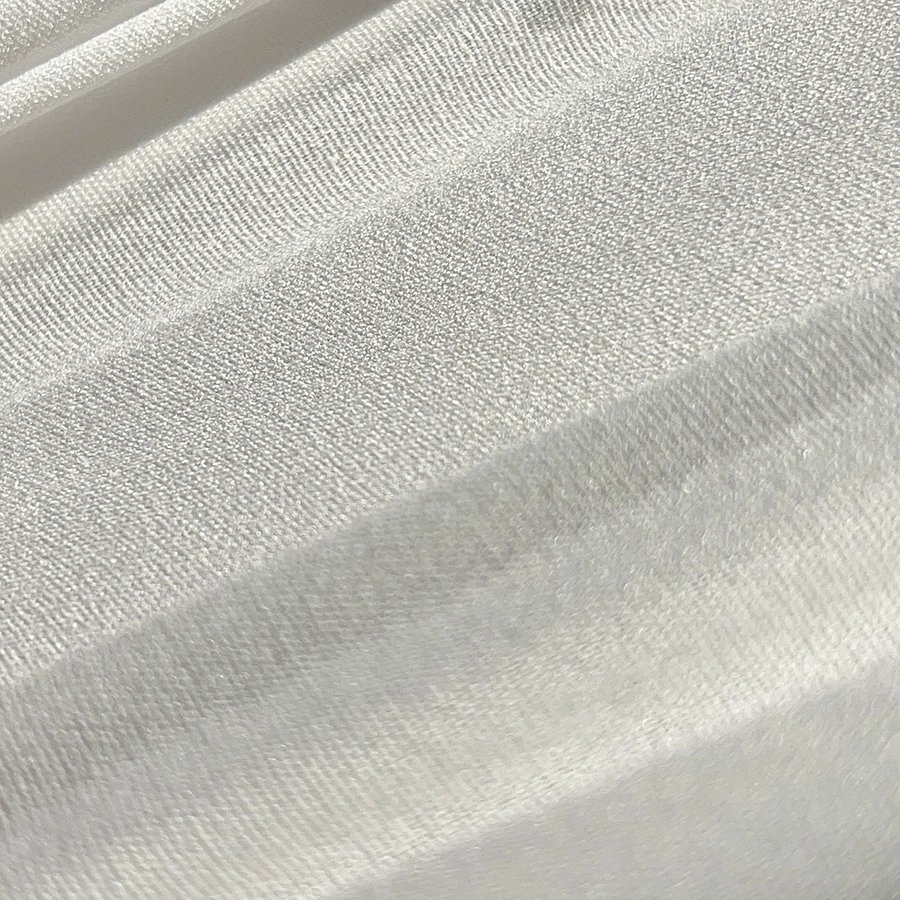
Interlining Selection: Usually, high-density, high-Denier (D) woven resin interlining is chosen. Denier (D) represents the thickness of the yarn; the higher the D value, the stiffer the interlining. For formal shirt collars, stiffer interlining is used to ensure the collar retains its shape after repeated washes; for casual shirts, the stiffness can be appropriately reduced to enhance comfort.
Placket:
Core Requirements: Good support, dimensional stability, and prevention of distortion.
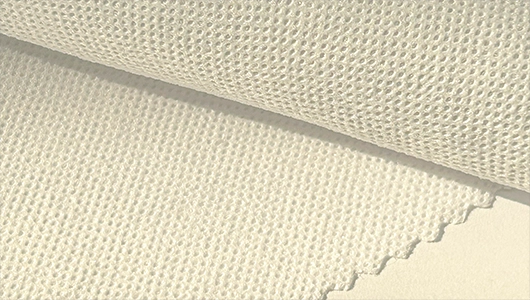
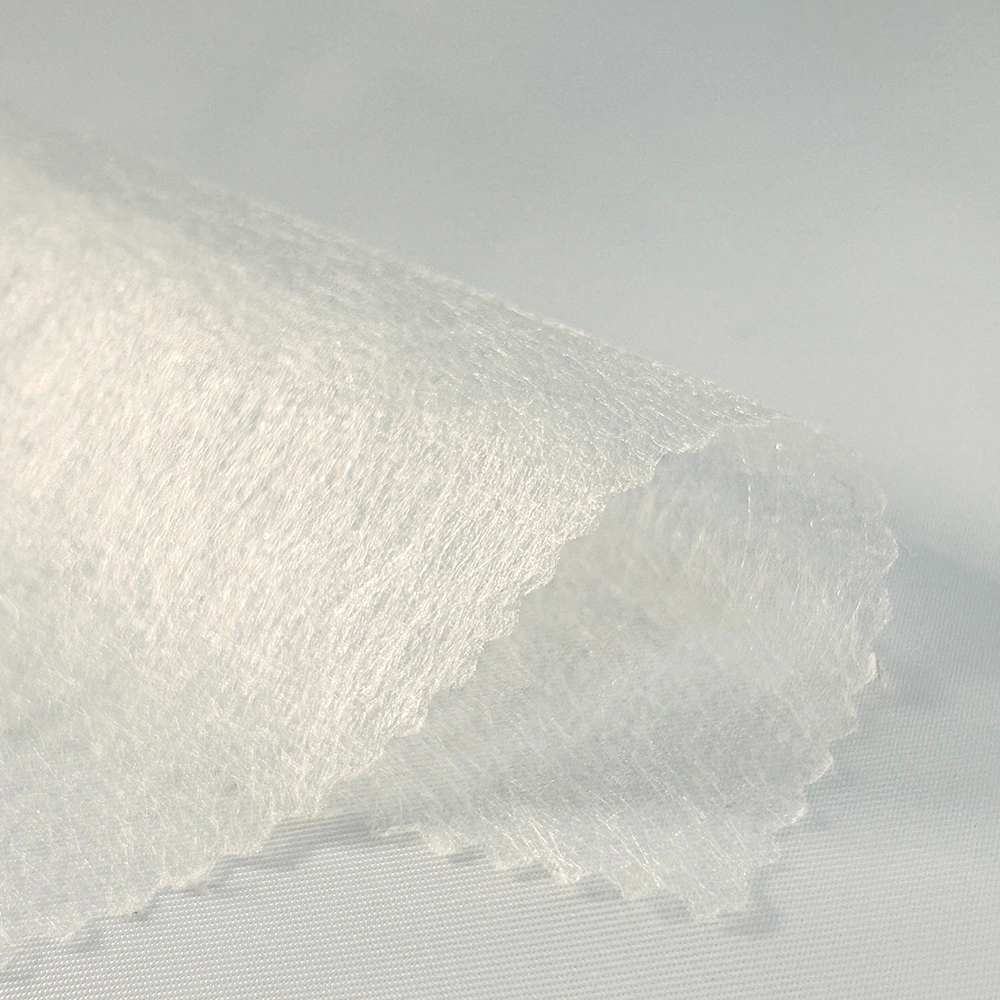
Interlining Selection: Woven interlining with medium stiffness and excellent dimensional stability is commonly used. For some casual styles, high-strength non-woven interlining is also an option. Its stiffness is usually slightly lower than that of collar interlining, but it must ensure flatness and no curling when bonded with the fabric, providing a solid foundation for the button area.
Front Body:
Core Requirements: Providing overall structural support while maintaining flexibility and drape.
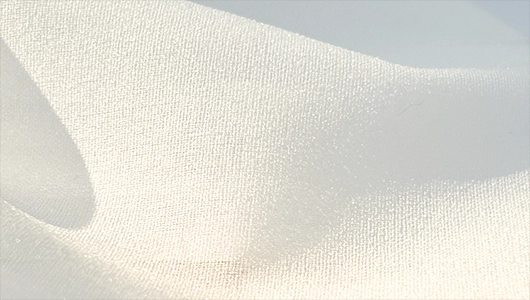
Interlining Selection: Soft, drapable non-woven or woven interlining is preferred. The D value range is wide and must be strictly matched to the fabric thickness: thin and soft fabrics (such as silk, lightweight cotton) require low-D thin interlining to avoid stiffness; thick fabrics (such as woolen, denim) need medium to high-D interlining to achieve effective support.
Pockets, Pocket Flaps, Cuffs:
Core Requirements: Local reinforcement and maintenance of specific shapes.
Interlining Selection: Interlining similar to or slightly stiffer than that used for the main body is required for pocket edges and pocket flaps to ensure a full shape. The stiffness of cuff interlining is usually between that of the collar and the main body—maintaining shape while ensuring comfort for wrist movement.
II. Conclusion
In summary, "one garment with multiple interlinings" is not a cumbersome process but a manifestation of precision and professionalism in garment manufacturing. It deeply understands the inherent logic of garment structure and ergonomics. By "tailoring" the most suitable interlining type and D value for different parts such as collars, plackets, main bodies, and pockets, we ultimately achieve a garment that boasts crisp visual aesthetics, comfortable tactile experience, and long-term durability. This is the true value of interlining as an "internal art."China Shenghong Interlining Factory