







A Complete Guide to Pocket Lining Fabrics – Materials & Selection Tips
For clothing brands and manufacturers, pocket lining is more than just a functional component for storage—it directly impacts the overall quality, texture, and durability of finished garments. In this guide, we’ll dive into the key roles of pocket lining, common materials, and scientific selection strategies for garment production China professional production of pocket lining manufacturers
I. Core Functions: More Than Just "Holding Things"
Pocket lining plays three critical roles in garment construction:
- Load-Bearing & Abrasion Resistance: Pockets often hold hard items like keys and phones. Thus, lining fabrics must offer superior physical strength to prevent punctures and wear.
- Tactile Experience: The softness and smoothness of the lining directly influence the wearer’s perception of the garment’s comfort the moment they slip their hands into the pockets.
- Structural Support: High-quality pocket lining maintains the pocket’s shape, preventing sagging or deformation after washing or long-term use—preserving the garment’s neat appearance.
II. Mainstream Materials & Performance Comparison
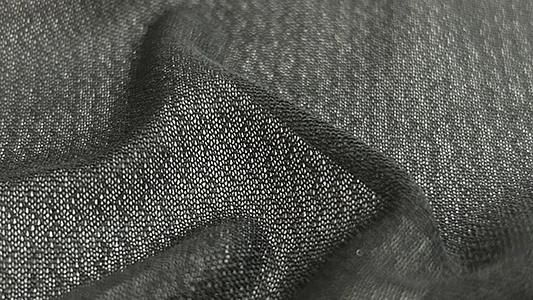
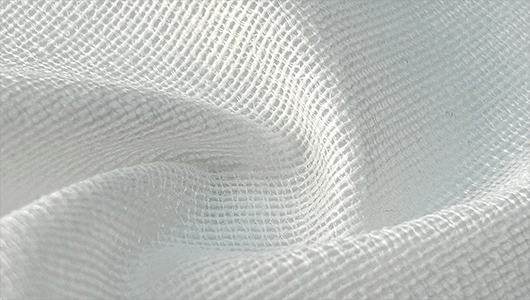
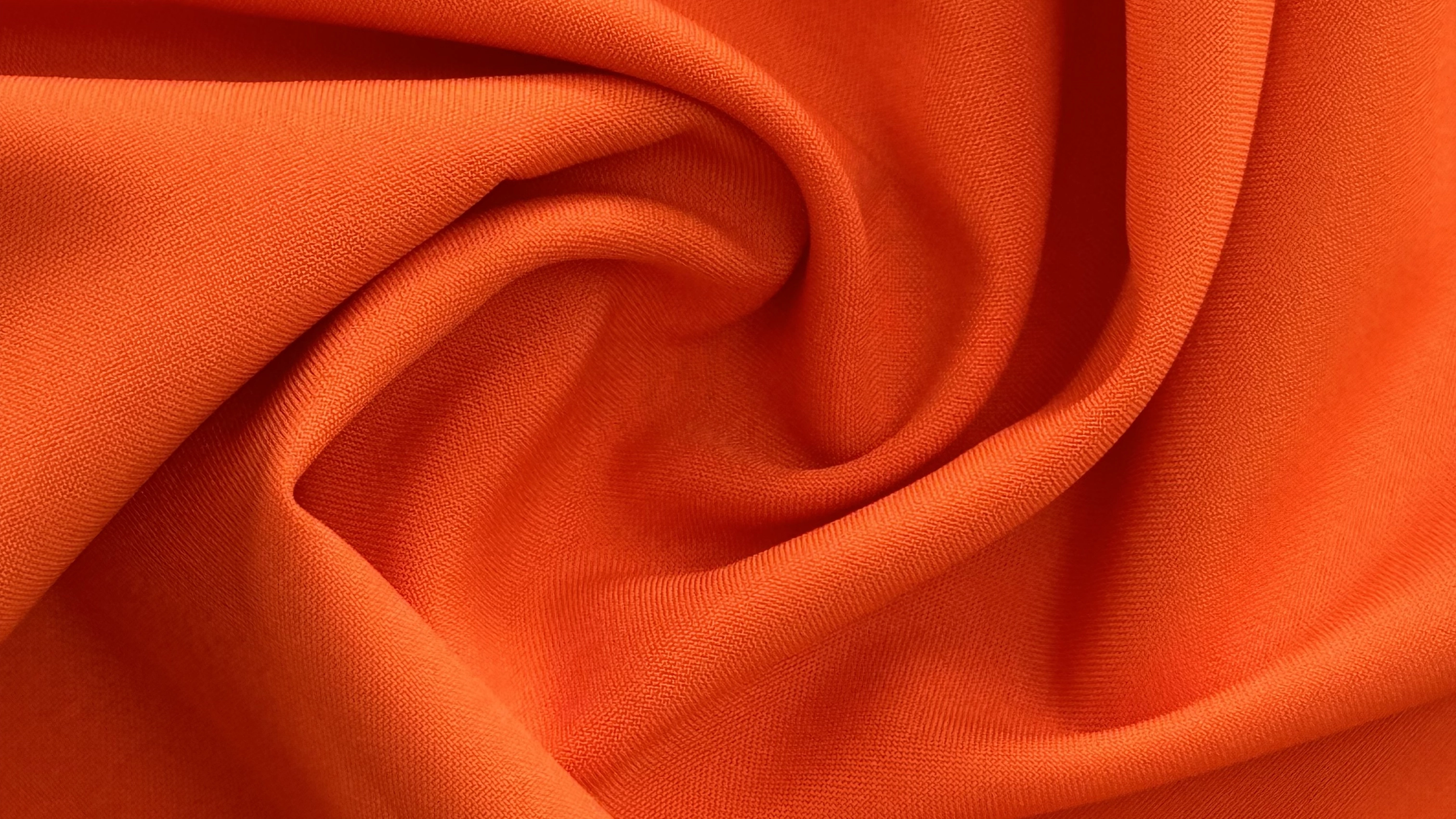
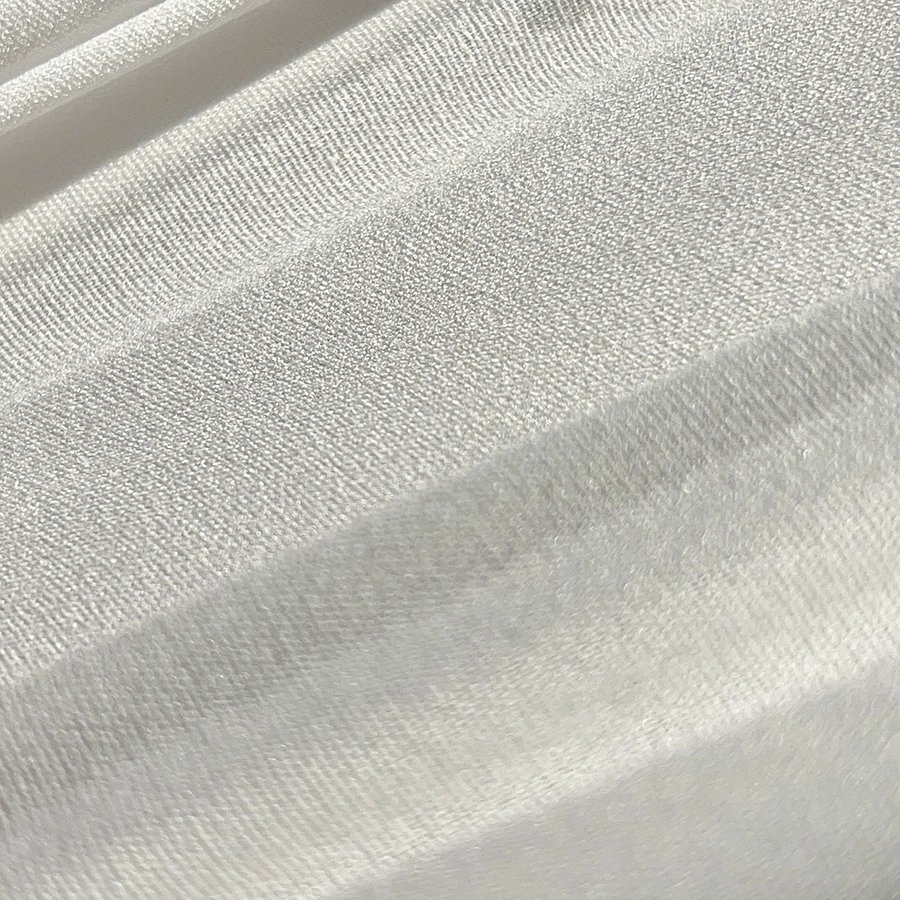
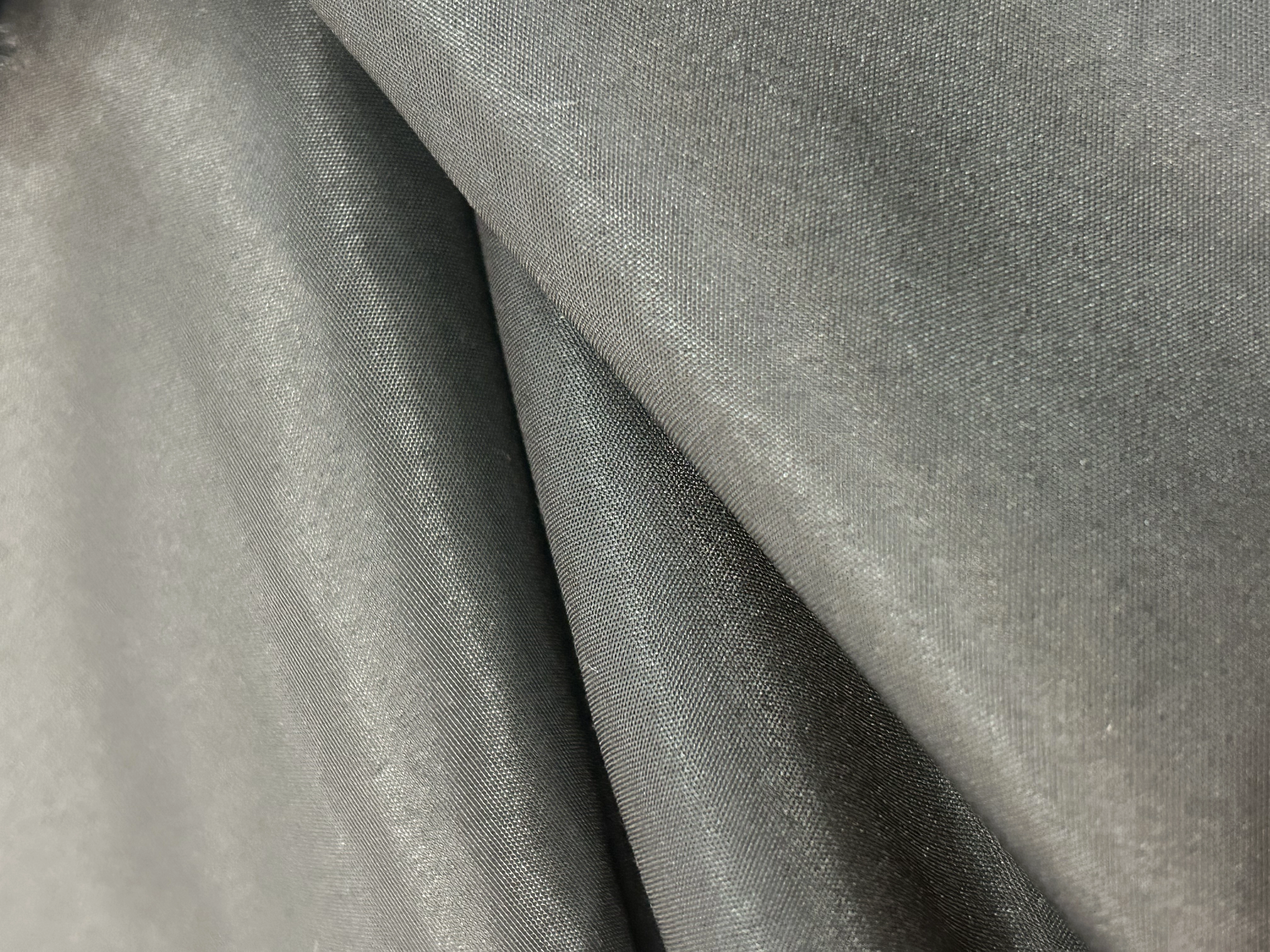
Common pocket lining fabrics fall into three categories: T/C Polycotton Blend, 100% Cotton, and 100% Polyester. Each has unique characteristics and ideal applications:Pocket lining manufacturers in China
| Category | Common Composition | Core Features (Pros/Cons) | Recommended Applications |
|---|---|---|---|
| T/C Polycotton Blend(Industry Standard) | Polyester + Cotton |
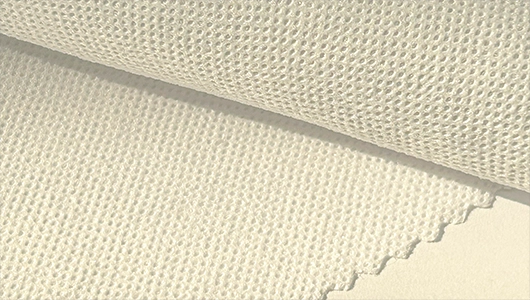
Pros: Combines polyester’s strength with cotton’s moisture absorption; excellent durability; stable dimensional stability. Texture: Structured hand feel; herringbone weave adds thickness and body. |
Jeans, workwear, business slacks, jackets, and most men’s clothing emphasizing durability. |
| 100% Cotton | 100% Cotton |
Pros: Exceptionally skin-friendly, breathable, moisture-wicking; no static issues; natural and eco-friendly. Cons: Lower dry/wet strength than synthetic fibers; prone to wrinkling; moderate abrasion resistance. |
High-end casual wear, washed cotton garments, children’s clothing, and eco-focused lines emphasizing natural materials. |
| 100% Polyester(Synthetic Fiber) | 100% Polyester |
Pros: Smooth surface; high strength; durable; mold-resistant; cost-effective with great value. Cons: Poor moisture absorption and breathability; slightly stiff hand feel; less skin-friendly; prone to static. |
Sportswear, waterproof jackets, down coats, fast-fashion women’s clothing, and basic styles with cost constraints. |
III. Scientific Selection Guide
1. Match Grammage & Density
The thickness of the pocket lining should be slightly thinner than or equal to the main fabric:
- Heavyweight Fabrics (e.g., heavy denim): Pair with high-density, high-grammage herringbone or twill lining for sufficient support.
- Lightweight Fabrics (e.g., summer slacks): Choose lightweight plain-weave lining with fine yarn count to avoid bulky pocket openings and maintain drape.
2. Shrinkage Control (Critical!)
This is a key factor in preventing garment defects. The shrinkage rate of the pocket lining must match the main fabric. If the lining shrinks more, it will cause wrinkling or curling of the pocket opening after washing—severely damaging the garment’s appearance and fit.
3. Color Fastness Consideration
For dark-colored main fabrics, use dark-colored pocket lining or ensure the lining has a color fastness rating of Grade 4 or above. This prevents color migration from friction or sweat, which can stain light-colored garments or the main fabric.China shenghong Pocket Lining factory
IV. Conclusion
High-quality garments excel in details. A premium pocket lining, though inconspicuous, stands the test of time. Understanding and selecting the right pocket lining is a testament to every garment professional’s commitment to quality.