





Down Jacket Down-Proof: Functions and Selection Logic of Lining Fabrics
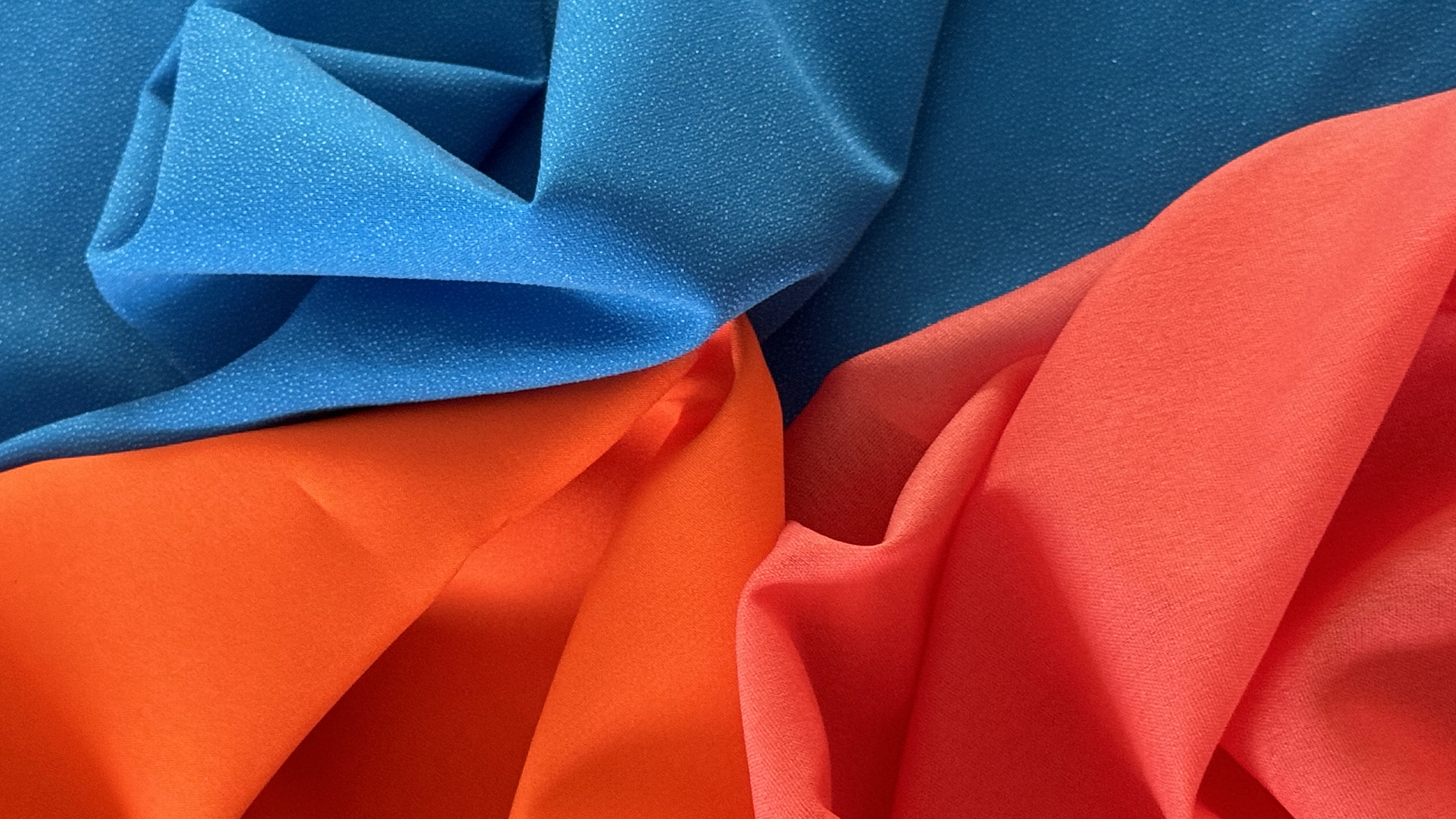
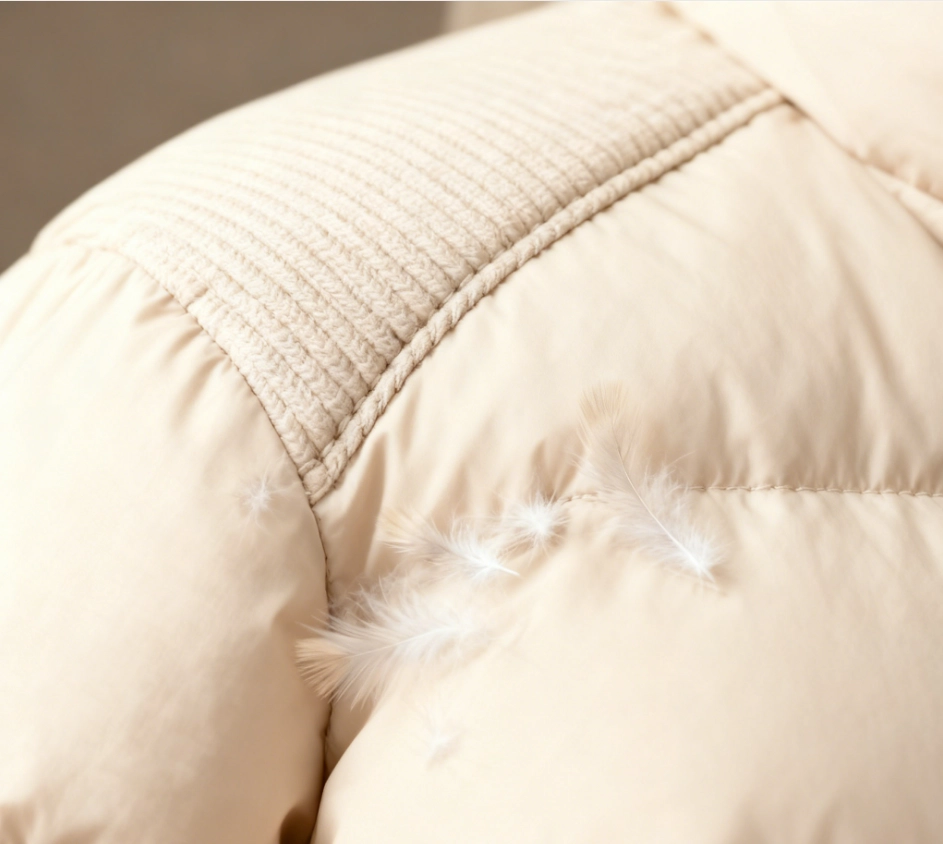
Feather leakage in down jackets—tiny down fibers escaping through fabric gaps—not only reduces thermal insulation but also impairs wearing experience. This usually occurs when down fibers penetrate the inner liner fabrics and outer shell. From a material perspective, an effective feather-proof system can be constructed through the scientific configuration of down-proof interlining, quilting channel fabric, non-woven fabric and lining fabric.China shenghong interlining manufacture
I. Composition of the Feather-Proof System: Functional Analysis of Four Liner Fabrics
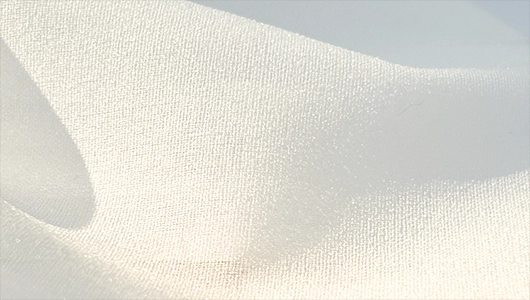
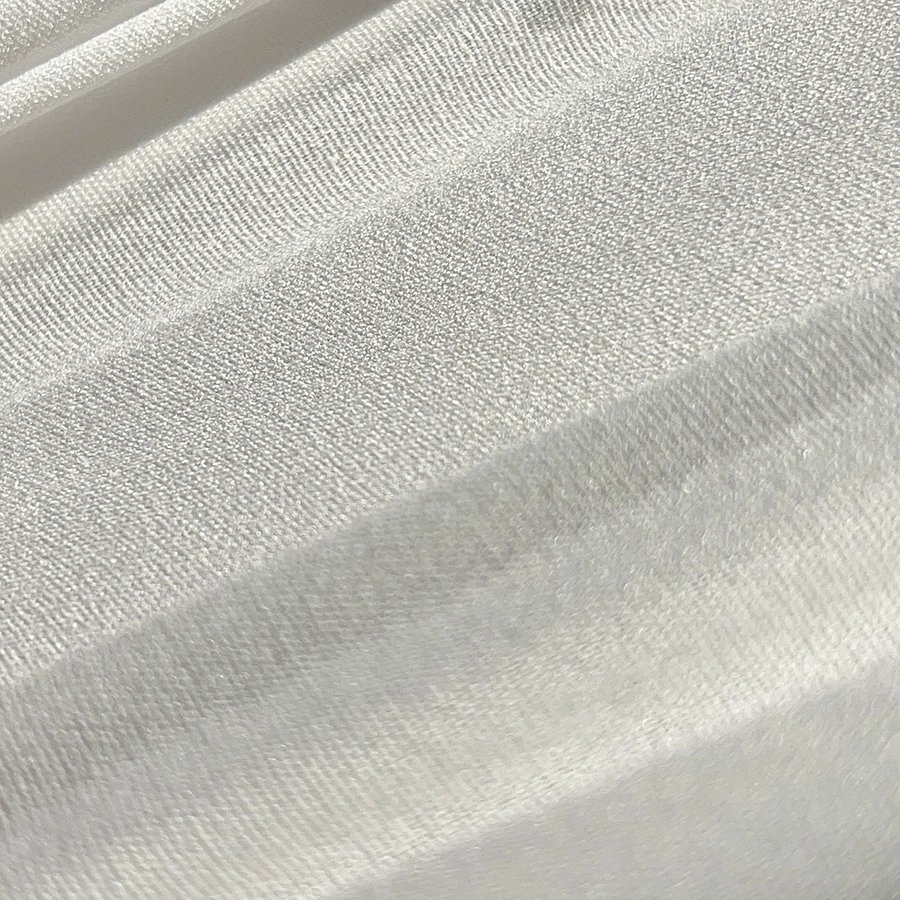
Down-Proof Interlining: The Foundation Layer of Feather-Proofing
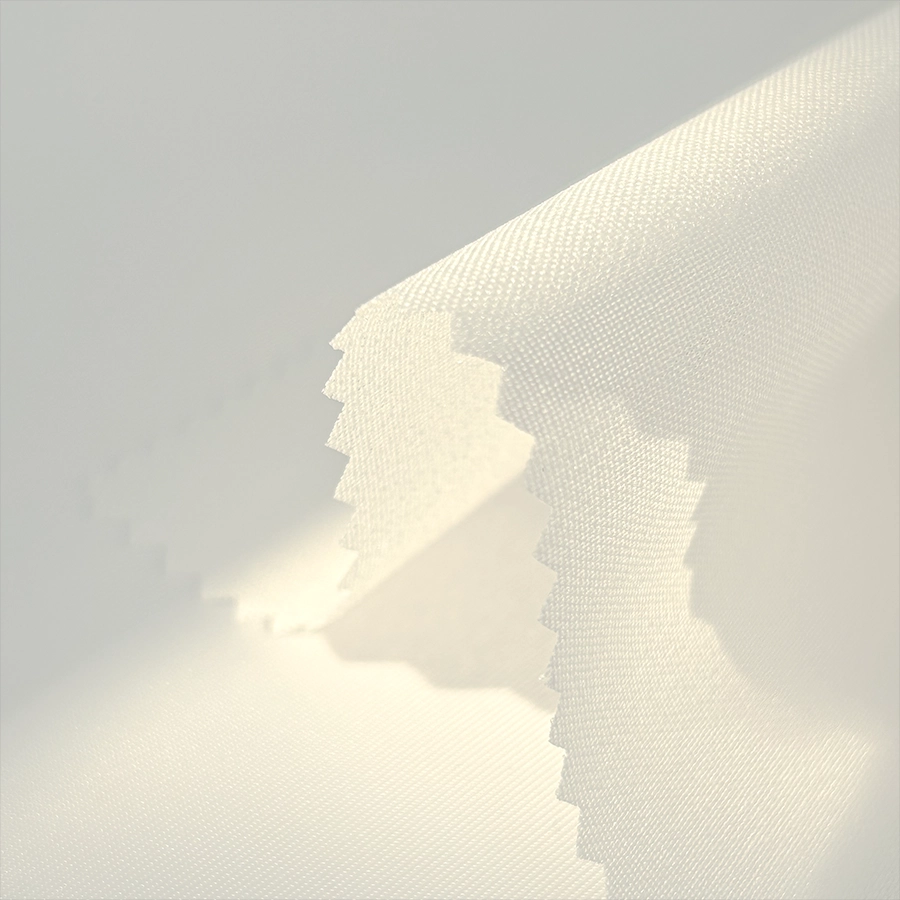
As the material directly wrapping down, down-proof interlining is the core of feather-proof performance for all down jackets. Its technical key lies in "high-density weaving" and "coating treatment". For example, polyester high-density poplin or nylon taslon is adopted, and PA/PU coating is applied to block the micro-pores on the fabric surface, thereby physically preventing down from escaping.
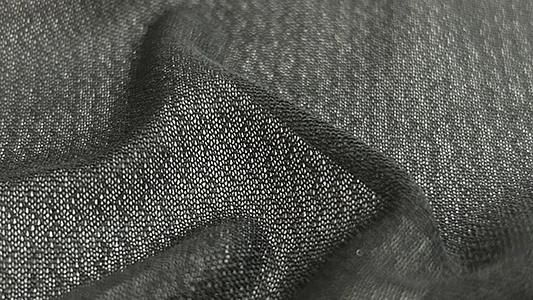
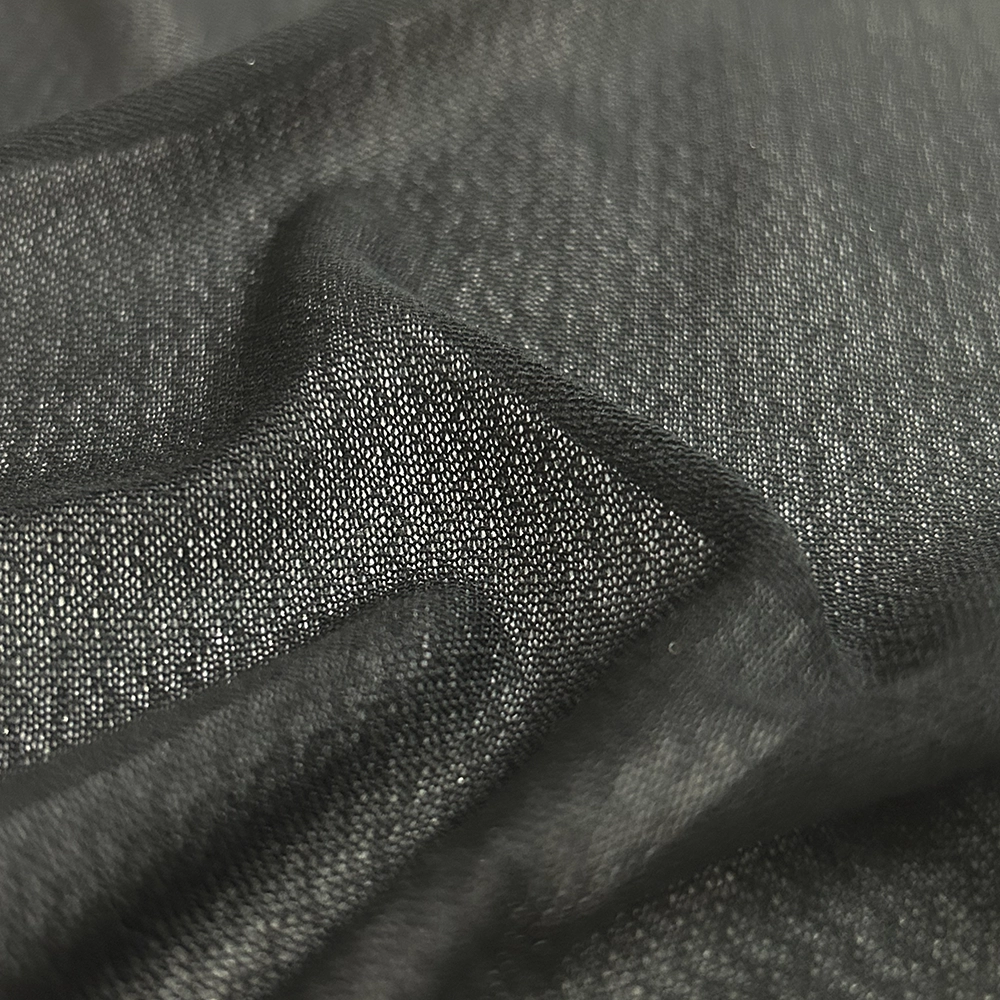
Quilting Channel Fabric (Stitching Liner): The Sealing Layer for Needle Holes
The sewing needles used in the quilting process pierce the fabric, forming the main channels for feather leakage. Adhesive quilting channel fabric is a strip-shaped liner attached to the inner side of quilting stitches. The hot-melt adhesive film on its surface melts at high temperature and wraps the stitches, effectively sealing the needle holes and solving the feather leakage problem caused by them.
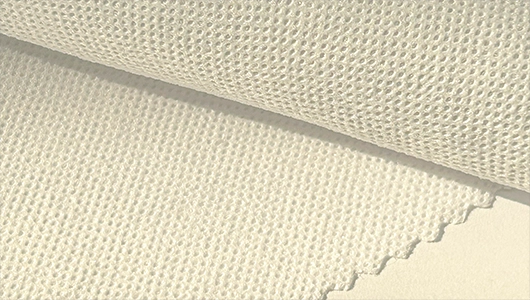
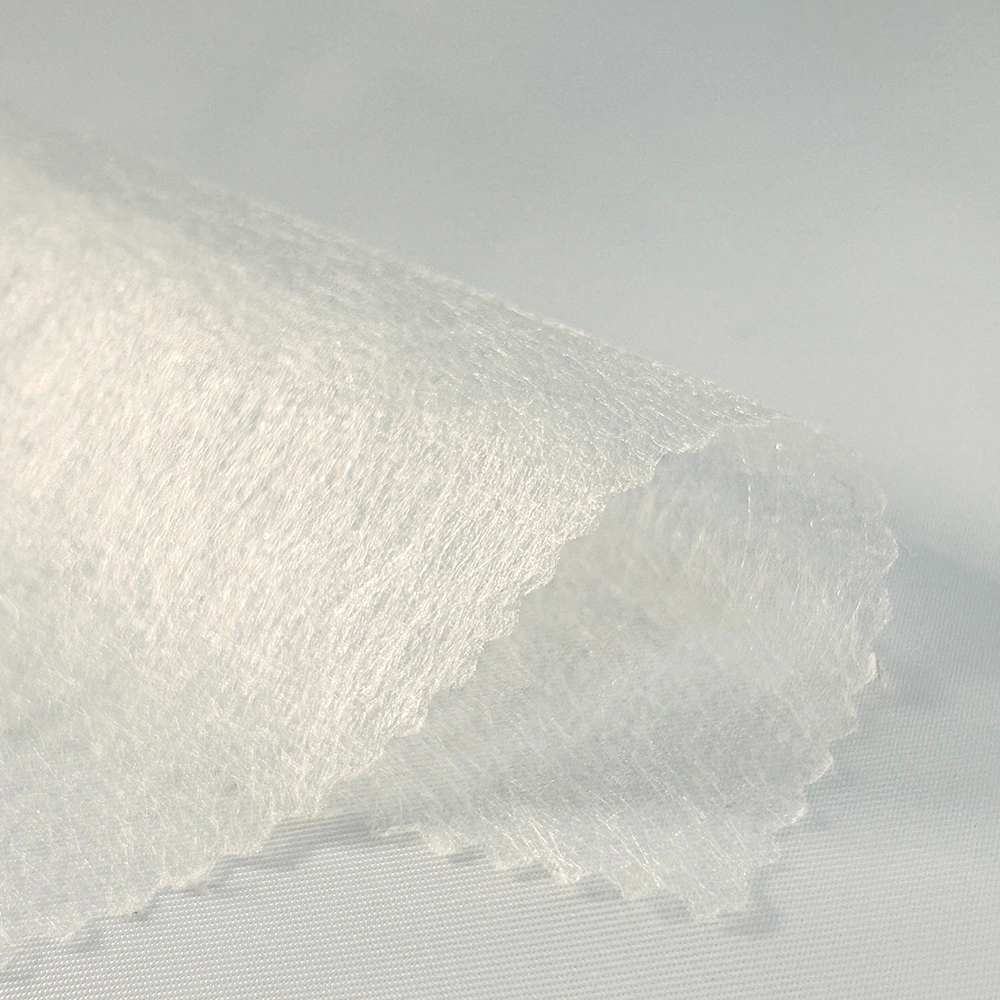
Non-Woven Fabric: The Enhancement Layer of Feather-Proof Effect
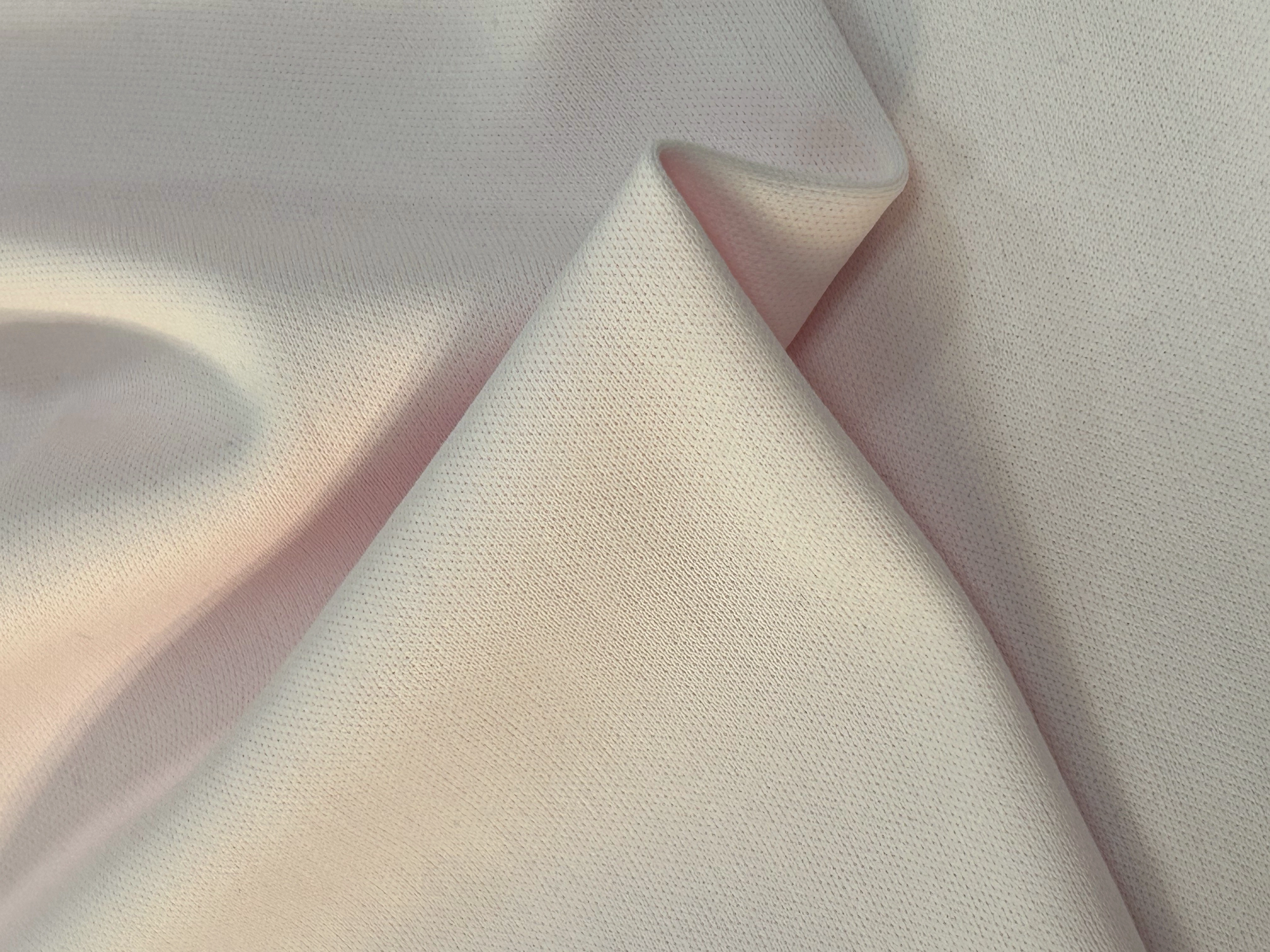
Non-woven fabric is usually used as a supplementary barrier, laminated between the down-proof interlining and the outer shell. With its interwoven fiber structure, it can further intercept fine down filaments that the down-proof interlining may fail to block, and is often used in products requiring extremely high feather-proof standards.
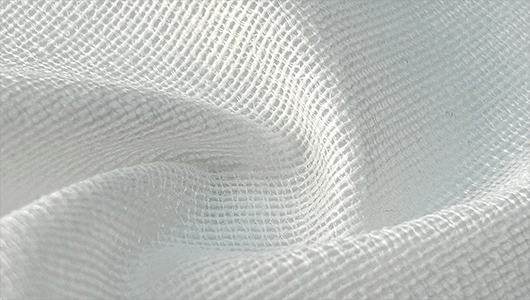
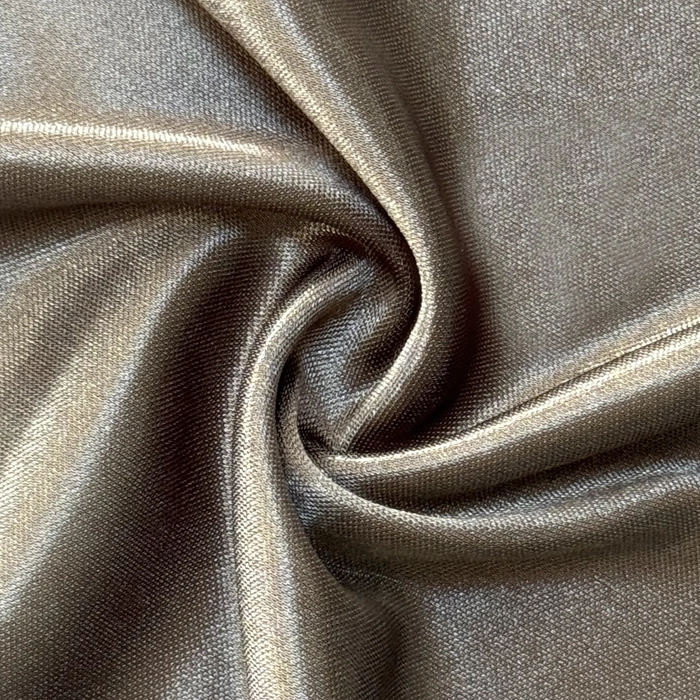
Lining Fabric: The Consolidation Layer for Internal Feather-Proofing
The selection of lining fabric also affects feather-proof performance. High-density, smooth-surfaced lining fabric can reduce internal friction during wearing and prevent down filaments from escaping from the inner side of the garment.China lining wholesales
II. Liner Fabric Solutions for Different Products
High-End and Professional Protective Down Jackets (e.g., Maternity & Baby, Outdoor Adventure Styles)
In addition to high-density coated down-proof interlining, a full-body feather-proof non-woven fabric is laminated to form a double physical barrier. Meanwhile, adhesive quilting channel fabric is used for all quilting stitches to achieve comprehensive protection from surface to stitches.
Mid-to-High-End and Universal Down Jackets (e.g., Brand Counter, Urban Outdoor Styles)
Select reliable high-density feather-proof interlining as the foundation. Targeting the key risk point of quilting stitches, the full use of adhesive quilting channel fabric is the core measure to ensure feather-proof effect while balancing costs.
Daily and Cost-Effective Down Jackets
Ensure the basic down-proof interlining meets the standard. To improve the yield rate, it is recommended to use non-adhesive quilting channel fabric or local non-woven fabric reinforcement at the quilting stitches. This is an effective method with controllable costs and significantly improved feather-proof effect.
III. Key Points for Interlining Application
First, avoid "over-reliance on a single component". Feather-proofing cannot be achieved solely by high-density down-proof interlining; the structural fixation of quilting channel fabric and the friction protection of lining fabric are equally important. Second, pay attention to "material matching". The friction coefficients of down-proof interlining and lining fabric should be similar to avoid fiber wear caused by excessive differences in material hardness and softness. Third, balance "process adaptation". The grammage of quilting channel fabric should match that of down-proof interlining to prevent feather leakage risks caused by excessively large needle holes during sewing.
Although liner fabrics are inside down jackets, they directly determine product quality and consumer experience. Mastering the functional logic and selection methods of liner fabrics can ensure that down jackets are warm while completely eliminating feather leakage troubles.