







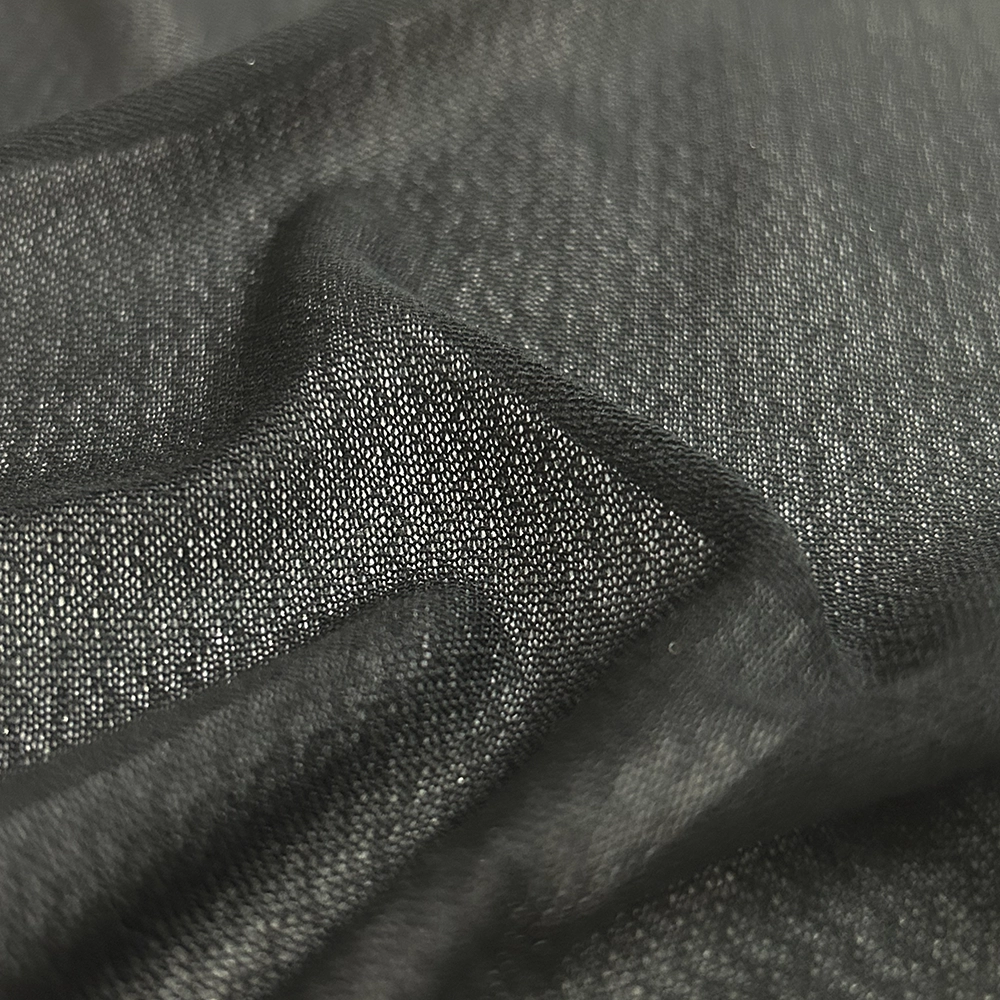
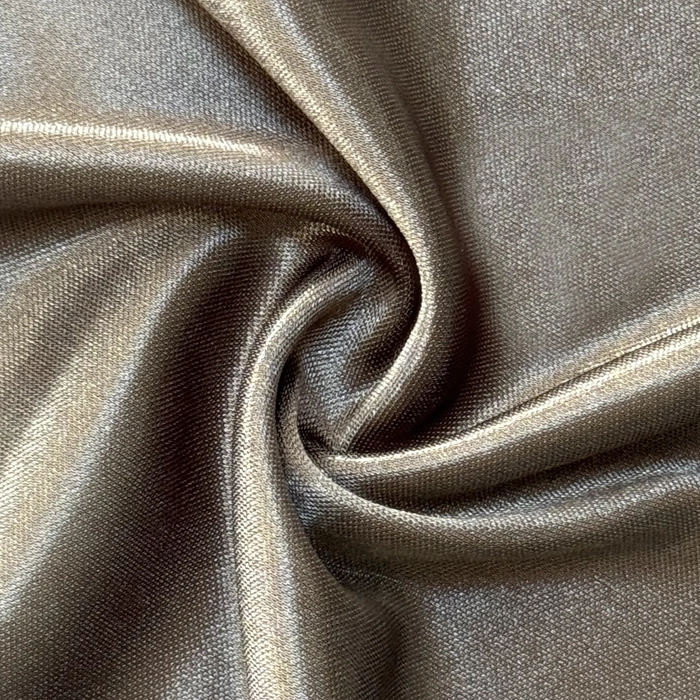
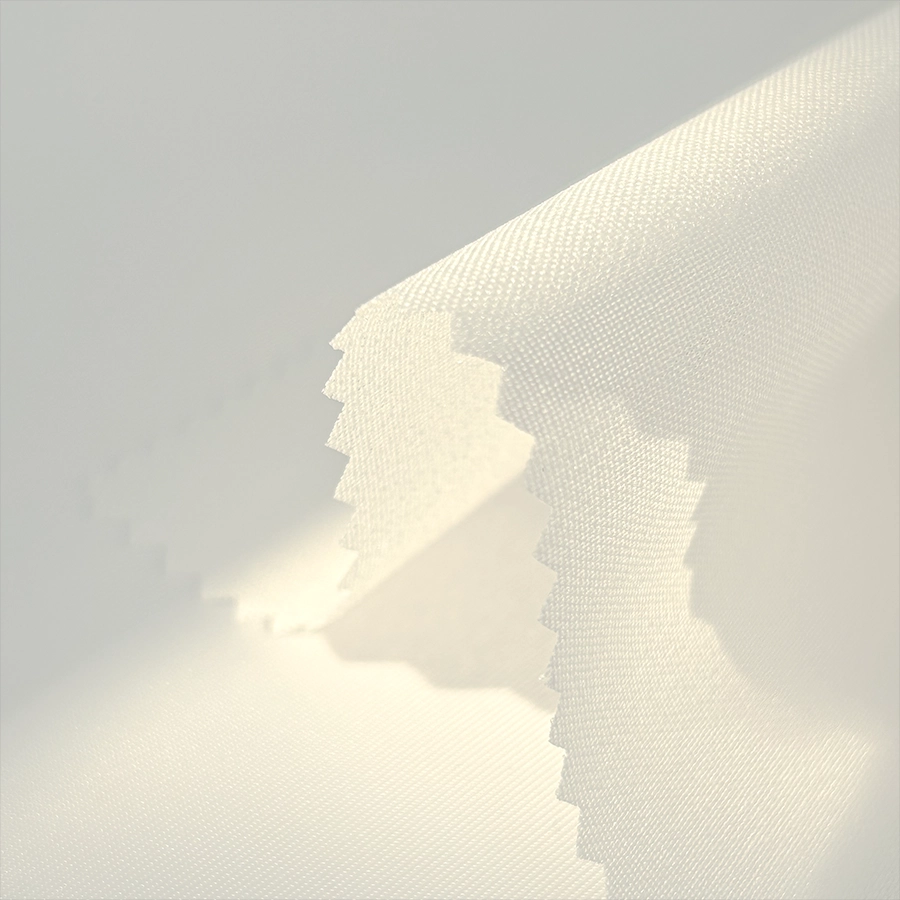
Waist Interlining: The Invisible Support in Garment Structure
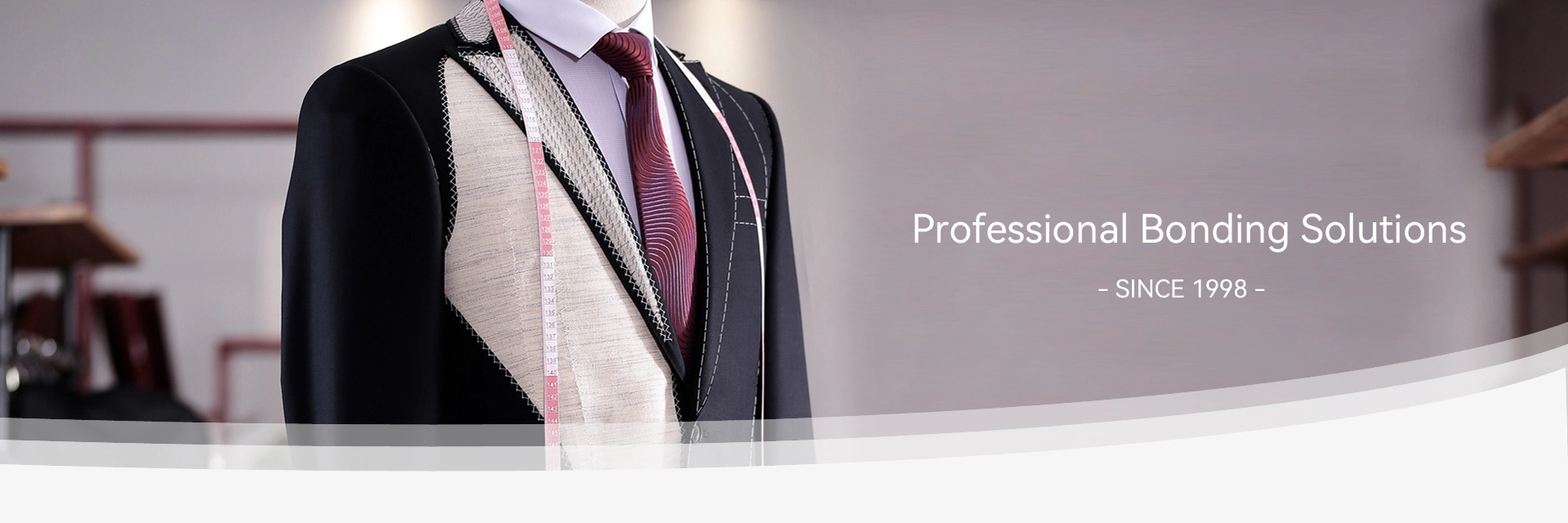
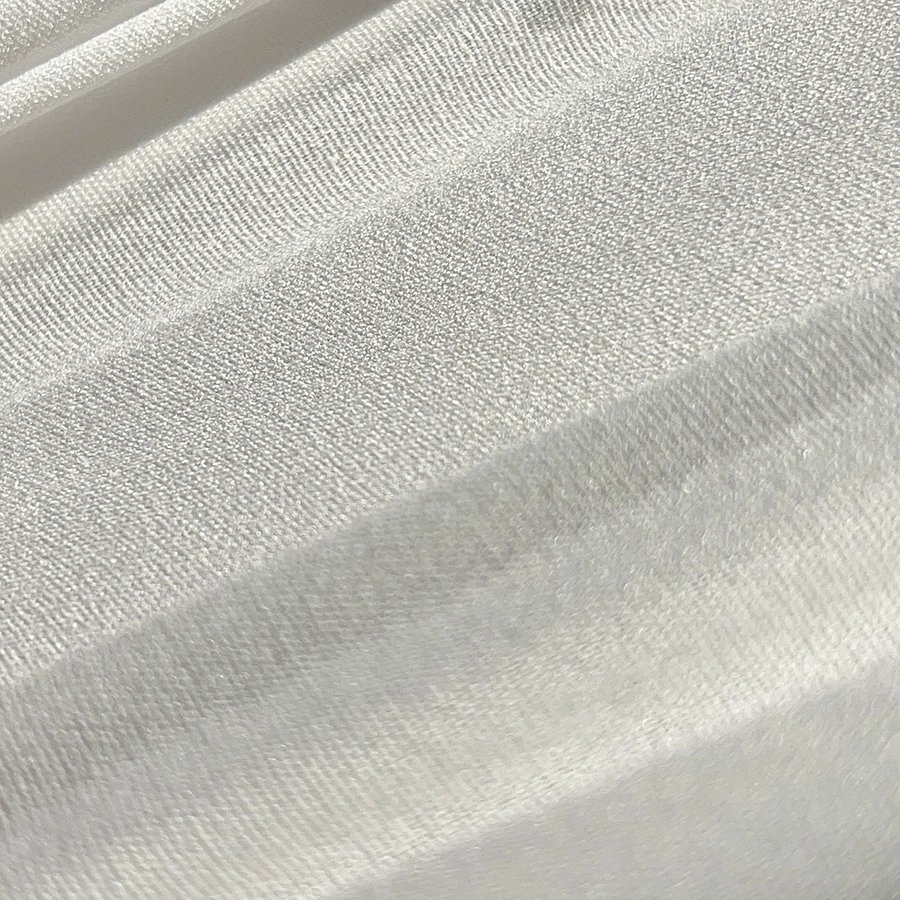
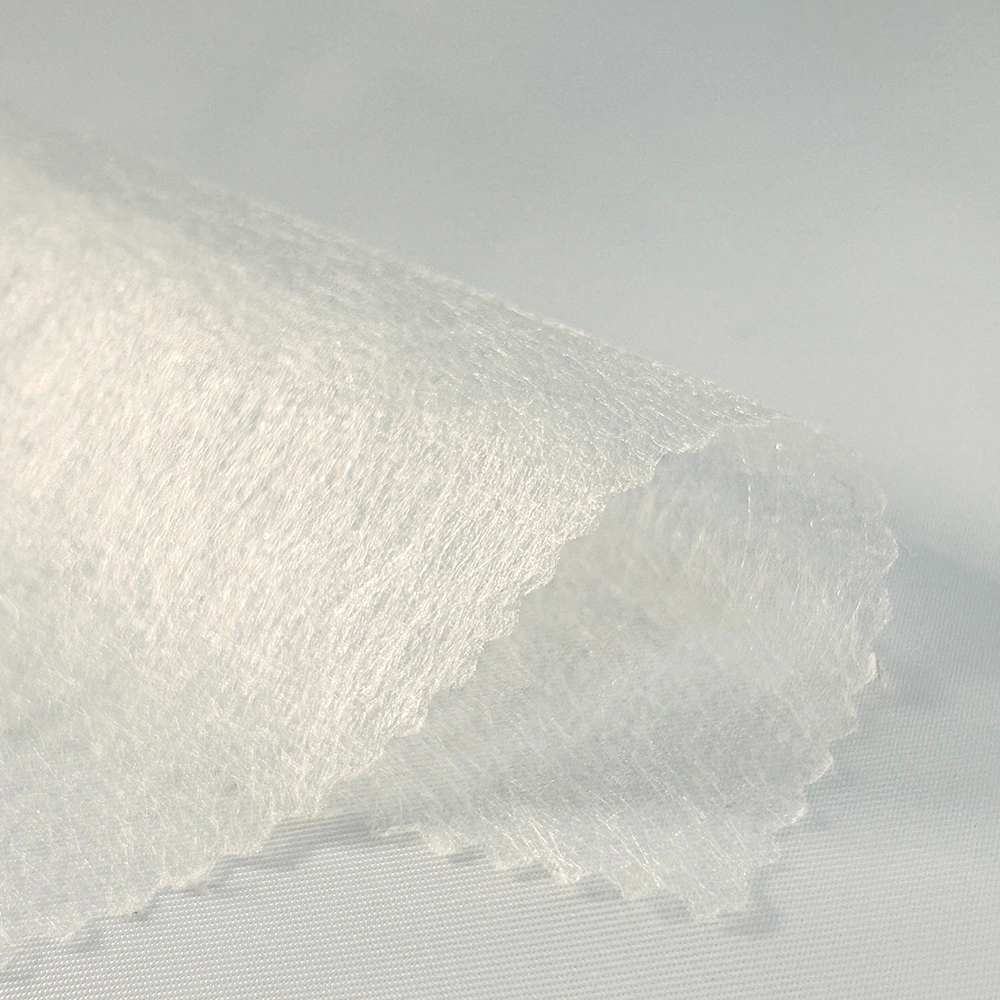
Waist interlining is a key branch of functional interlinings, specifically referring to the reinforcing material sewn inside the waist area of garments. It does not directly show in the appearance, but undertakes the key roles of supporting shaping, enhancing durability and ensuring wearing comfort. As the "invisible skeleton" of garment structure, waist interlining helps garments maintain smooth lines and avoid deformation or slack through scientific material selection and process design. Understanding its applications, characteristics and selection methods is crucial for garment enterprises to optimize their products. China shenghong Waist Interlining Supplier
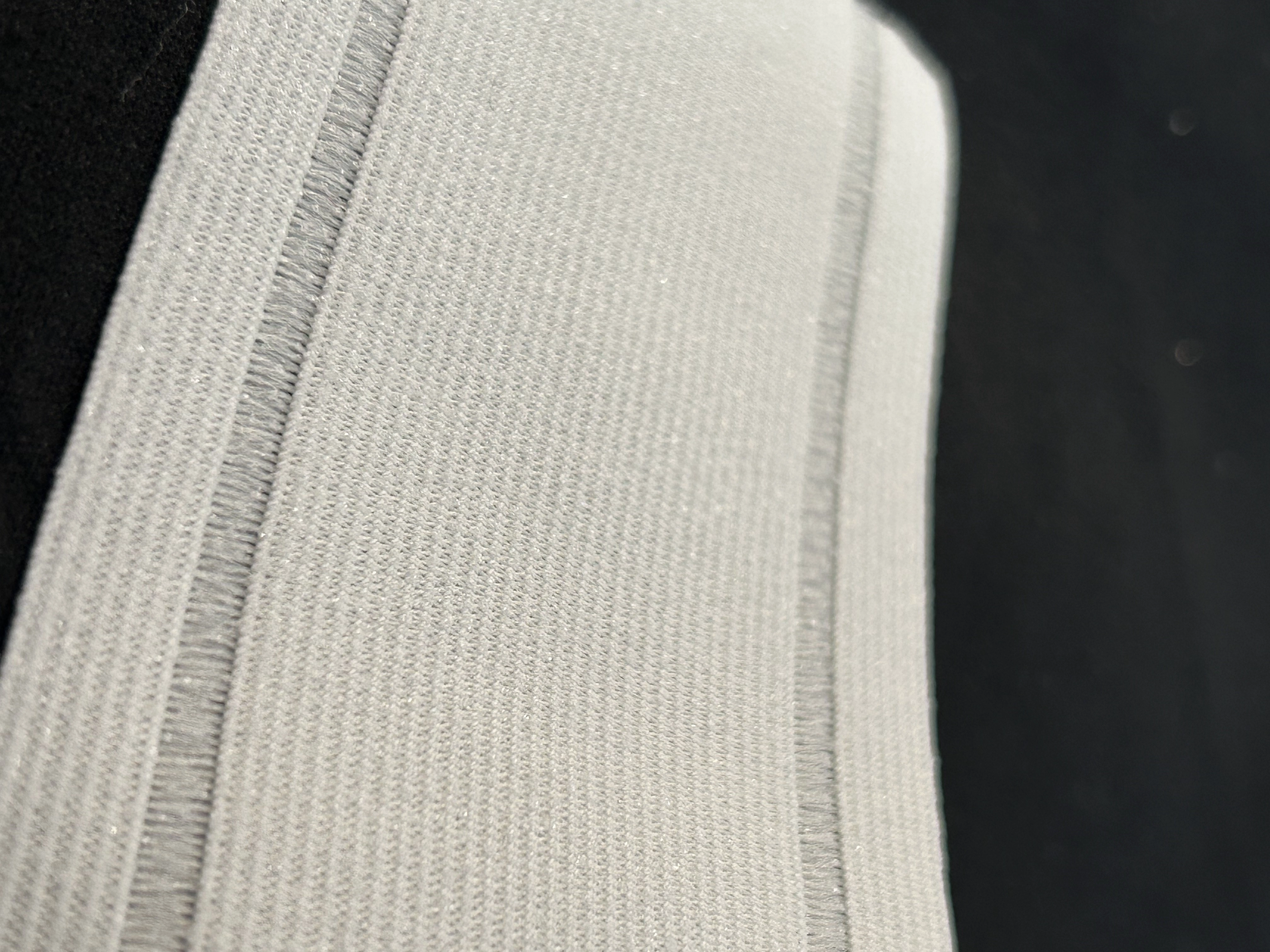
I. Main Application Scenarios
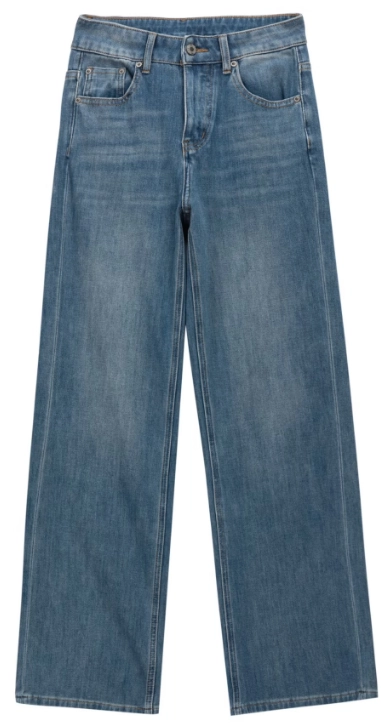
Waist interlining is widely used in various garment categories. In the formal wear category, such as suits, coats and evening dresses, it provides stiff support to shape a smooth waistline. In daily wear, the waistband area of jeans and casual pants relies on waist interlining to enhance wear resistance and prevent tearing at zippers or buttons. Women's dresses and skirts use elastic waist interlining to achieve close-fitting shaping and adapt to body movements. Sportswear such as yoga pants or fitness clothing requires high-elasticity waist interlining to ensure free stretching. In addition, children's clothing and maternity wear often adopt soft waist interlining to balance safety and comfort.
II. Analysis of Core Characteristics
The core of functional waist interlining lies in balancing performance:
- Elasticity and Resilience: High-quality waist interlining contains spandex or features a special weaving structure, which can stretch with body bending and quickly return to its original shape to avoid slackness.
- Breathability and Lightness: It adopts microporous fibers or mesh base fabrics to reduce stuffiness, while maintaining lightness without affecting the overall drape of the garment.
- Durability and Stability: Treated with resin or made with high-density weaving, it resists washing shrinkage and friction pilling, thus extending the service life of garments.
- Moldability and Compatibility: Easy to cut and sew, it can be heat-pressed and bonded with different fabrics (such as cotton, polyester, and wool) without leaving glue marks or causing delamination.
III. Scientific Selection Guidelines
Garment manufacturers must evaluate holistically:
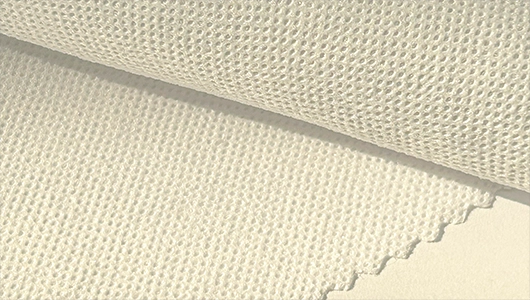
- Garment Type & Design: Formal wear requires high-shaping interlinings (e.g., non-woven base); sportswear demands high-elasticity options (e.g., knitted interlinings).
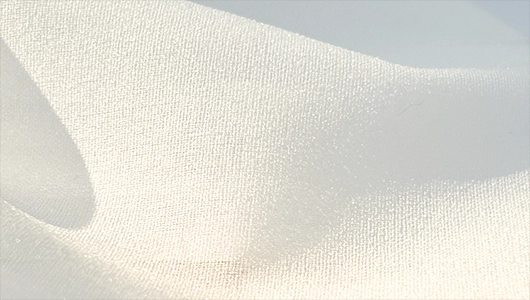
- Fabric Compatibility: Delicate fabrics (e.g., silk) need ultra-thin interlinings to prevent shadowing; heavyweight fabrics (e.g., wool) require high-grammage interlinings to resist deformation.
- Environmental Factors: Summer collections favor breathable mesh interlinings; winter lines may use thermal-composite variants. Humid climates necessitate moisture-resistant treatments.
- Production Validation: Pre-batch prototyping is essential to assess sewing efficiency, wash fastness, and wear comfort, preventing end-product defects.Shenghong Waist Interlining Factory China
Optimal waist interlining selection significantly enhances garment quality and user satisfaction. It transcends mere craftsmanship—it is the cornerstone of product reliability. Manufacturers should base decisions on empirical requirements and material science principles, ensuring functional interlinings authentically serve the garment’s intrinsic purpose.