







Causes of Zipper Waviness and Lining System Solutions
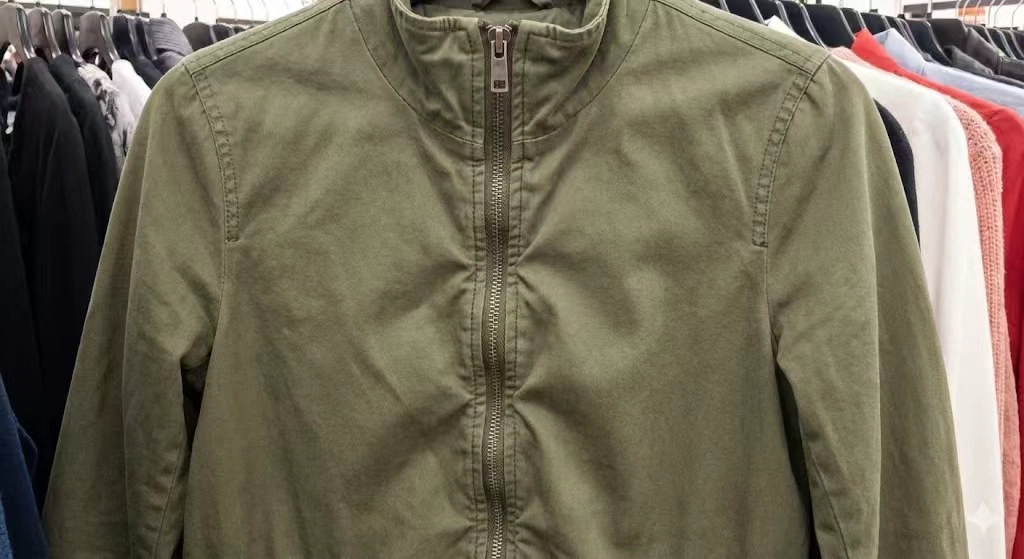
Zipper waviness is a common and troublesome appearance problem in clothing production, which is manifested as wavy wrinkles on the fabric on both sides after the zipper is closed. This not only affects the appearance, but also relates to wearing comfort and product quality. To solve this problem systematically, it is necessary to start from its root causes and take corresponding measures for different clothing types.China shenghong interlining manufacturer
I. Causes of Waviness: Collaborative Imbalance of Materials and Processes
The essence of zipper waviness is the stress imbalance caused by the mismatch of physical properties of different materials during sewing and use. The main reasons are as follows:
- Performance differences between fabric and zipper: Fabrics that are light, soft or highly elastic (such as silk and knitted fabrics) have natural differences in elasticity, hardness and shrinkage rate from the relatively stiff zipper tape. When the two are combined, if the force or heat shrinkage is not synchronized, the soft fabric will easily accumulate at the edge of the zipper.
- Key role of lining adaptation: In the zipper process, the lining pasted or sewn on the back of the fabric, whose core role is to act as a "structural transition layer" to balance the tension between the fabric and the zipper. If the hardness, thickness or heat shrinkage rate of the lining does not match the fabric, it will not only fail to coordinate the stress effectively, but also introduce new internal conflicts, which becomes an important factor aggravating the waviness.
- Control of sewing process: Uneven tension during sewing, too tight stitches or high shrinkage rate of the sewing thread will form uncontrollable mechanical stress locally, destroying the already fragile balance between materials.
II. Targeted Solutions: Application Logic of Lining in Different Clothing
The core of solving the problem lies in building a stable stress coordination zone for a specific fabric and zipper combination through a precisely matched lining. Its application logic varies according to clothing categories:
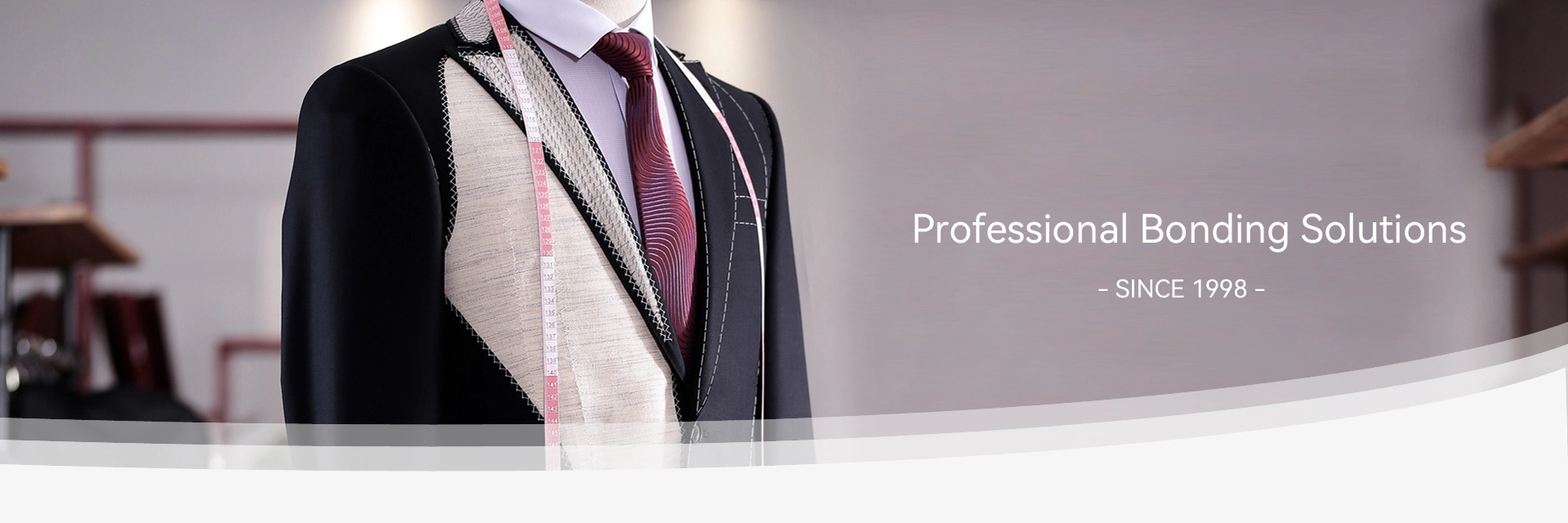
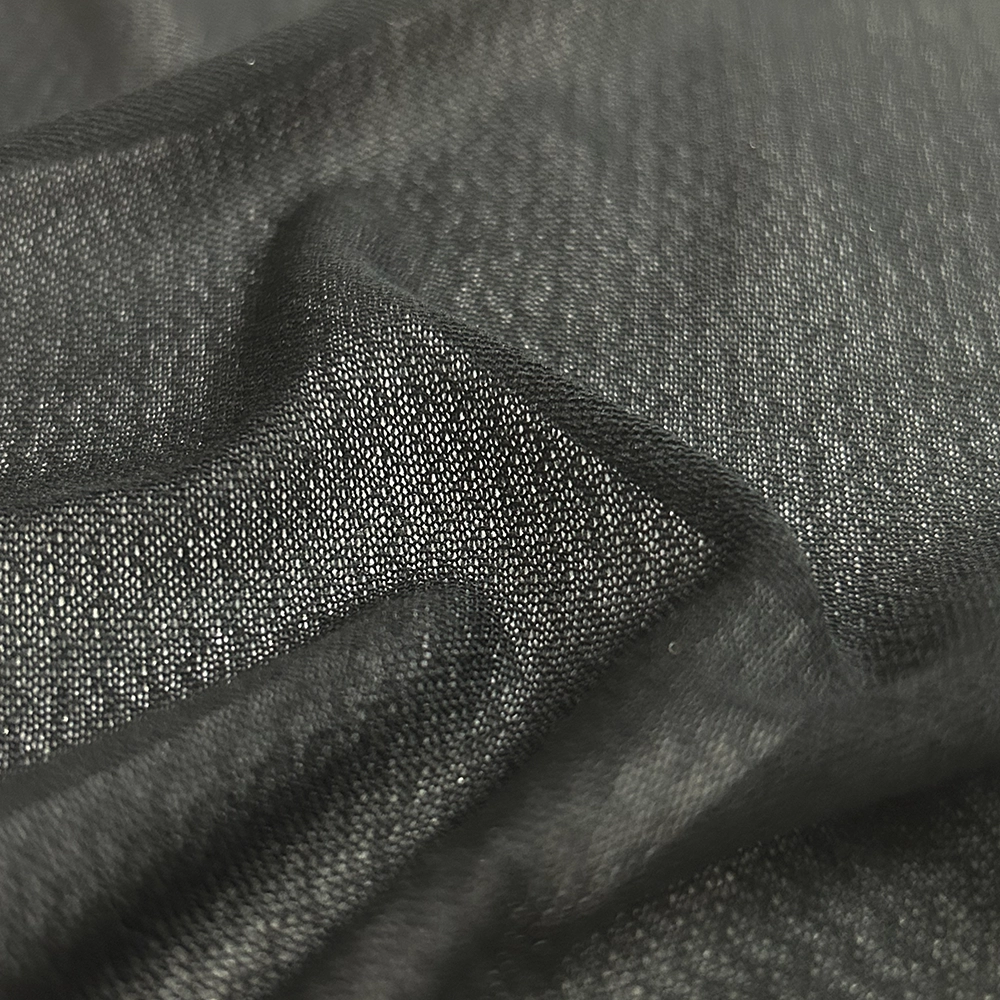
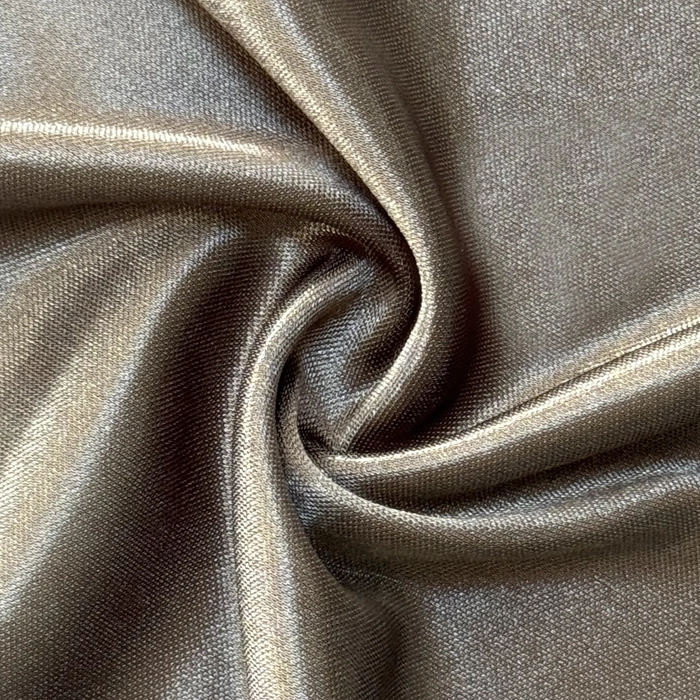
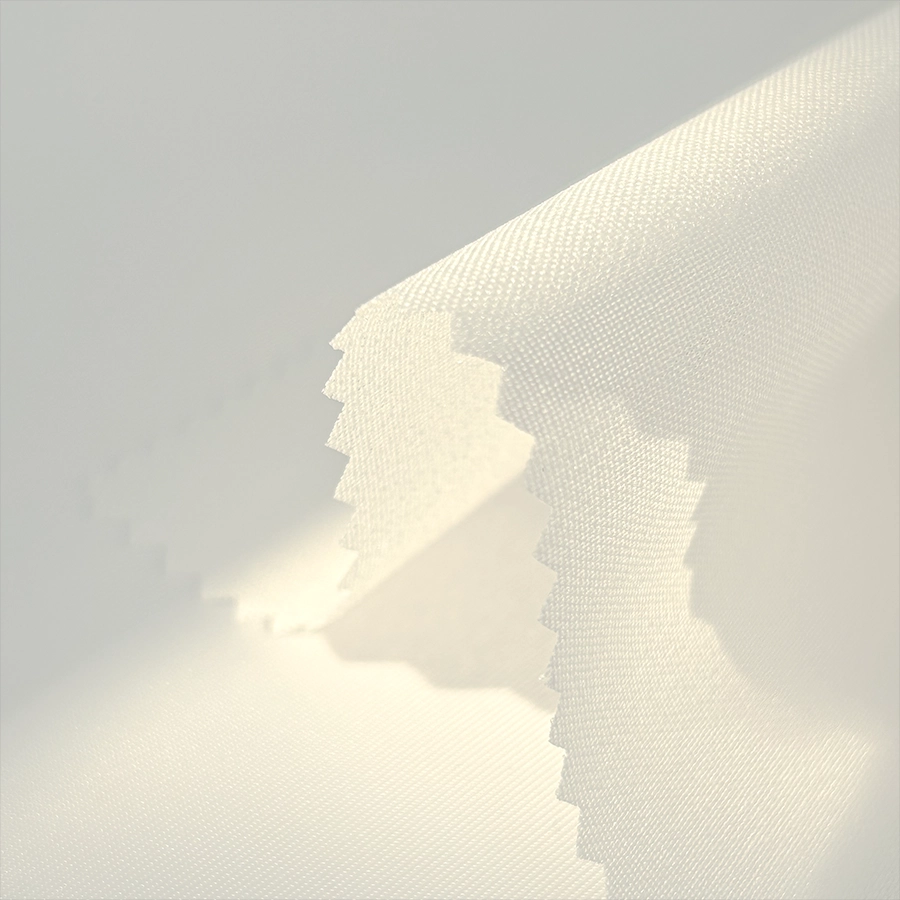
- Heavy and stiff clothing such as suits and overcoats: The fabric itself has a certain degree of stiffness and weight. A medium to thick woven fusible lining with excellent stability should be selected. Its main function is to provide a strong base support, ensure the absolute flatness of the placket area, and resist the deformation that may be caused by the fabric's own weight and zipper tension.
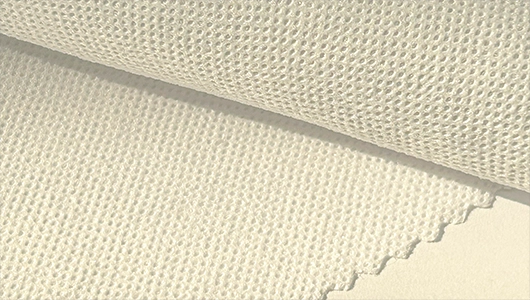
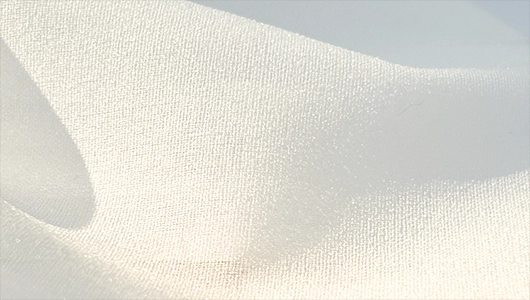
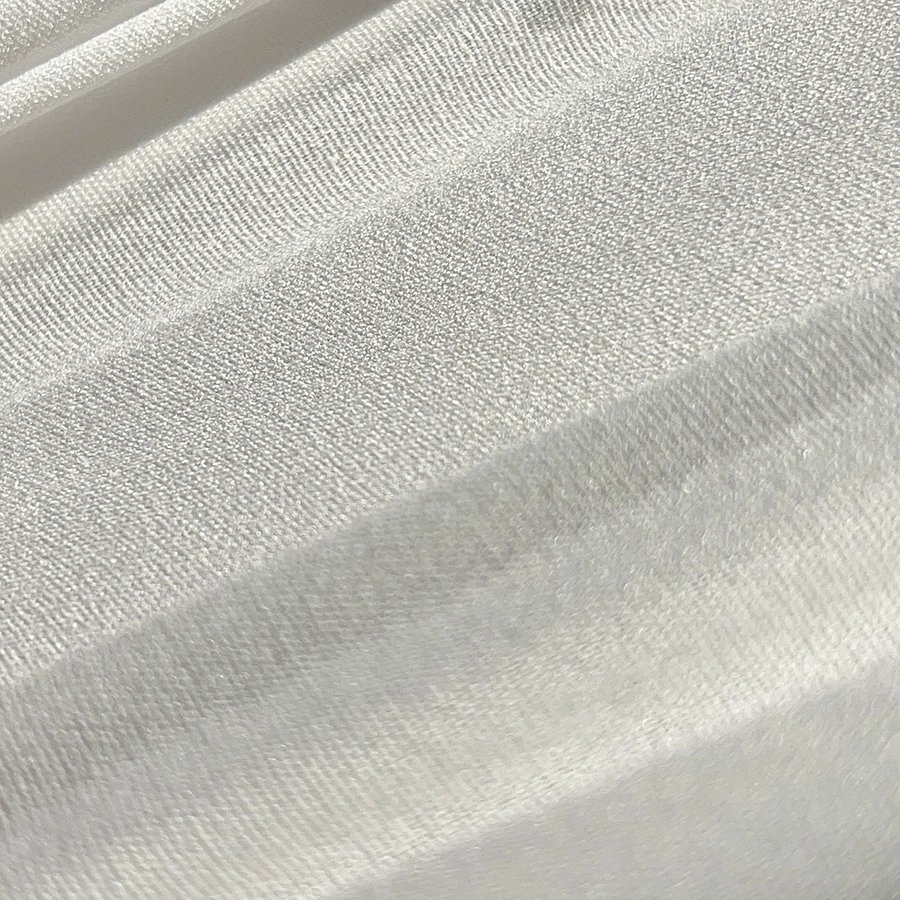
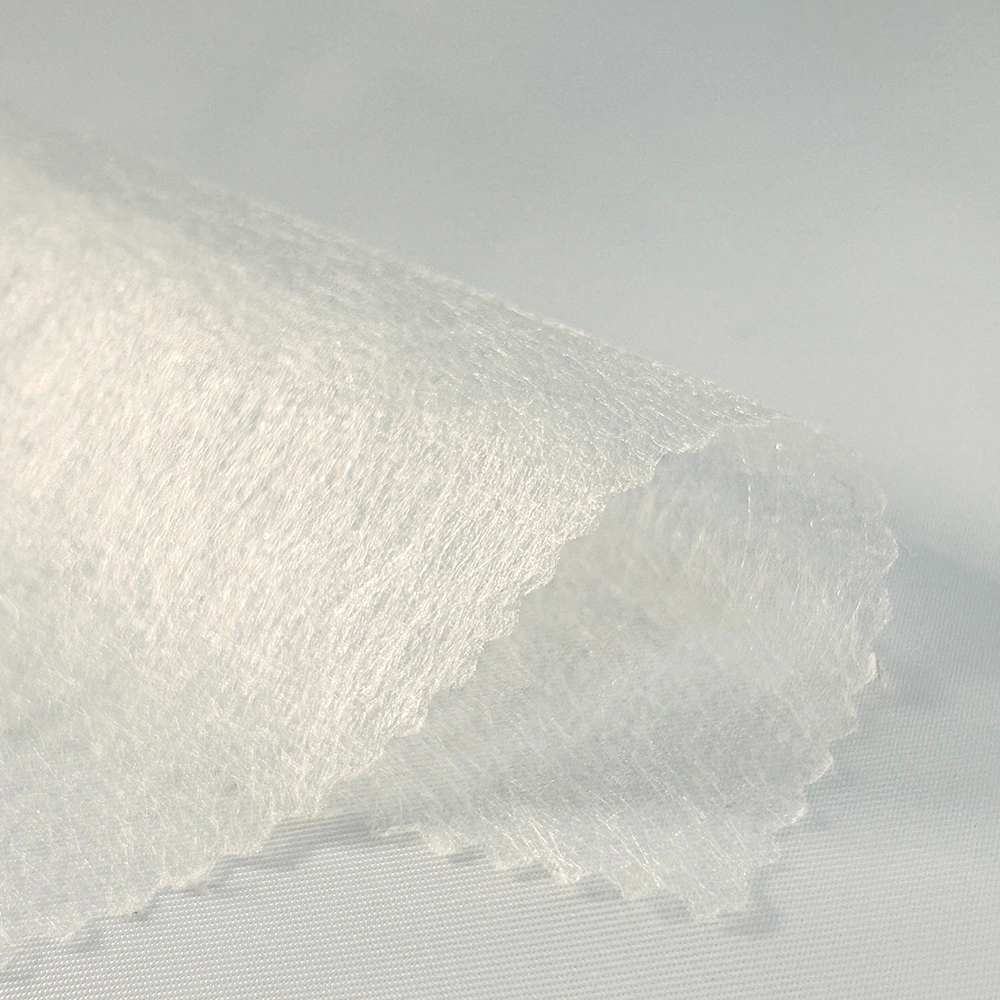
- Light and soft clothing such as dresses and shirts: The fabric pursues elegance and softness. An extremely light, soft woven or non-woven fusible lining with excellent dimensional stability should be selected. Its function is to provide necessary tensile resistance and shaping force locally at the zipper while almost not changing the original hand feel of the fabric, so as to prevent wave distortion caused by sewing and wearing movements.
- Elastic knitted clothing such as sportswear and hoodies: The fabric has significant elasticity. A knitted elastic lining with corresponding elasticity and recovery must be used. The core value of this type of lining is that it can stretch and retract synchronously with the fabric, continuously maintaining the flatness of the zipper area during dynamic wearing, and avoiding the restraint and wrinkles caused by the inelasticity of the lining.China interlining manufacturer
III. Summary
Zipper waviness is not an isolated technical failure, but a signal of the collaborative failure of the entire system of fabric, zipper, lining and sewing process. Among them, the lining, as a key structural medium, the accuracy of its selection — that is, the matching with the fabric in terms of grammage, hardness, elasticity and thermal performance — directly determines the final appearance and durability of the zipper area.
Fundamentally, preventing zipper waviness is a systematic design based on materials science that needs to be advanced. It requires producers to fully understand and respect the physical language of different materials at the beginning of the process, and achieve the harmonious coexistence of forces through precise auxiliary material compatibility and rigorous process control, and finally achieve the quality with both appearance and function.