






Guide to Lining Fabric Selection for Winter Garments: Scientific Matching to Improve Garment Quality
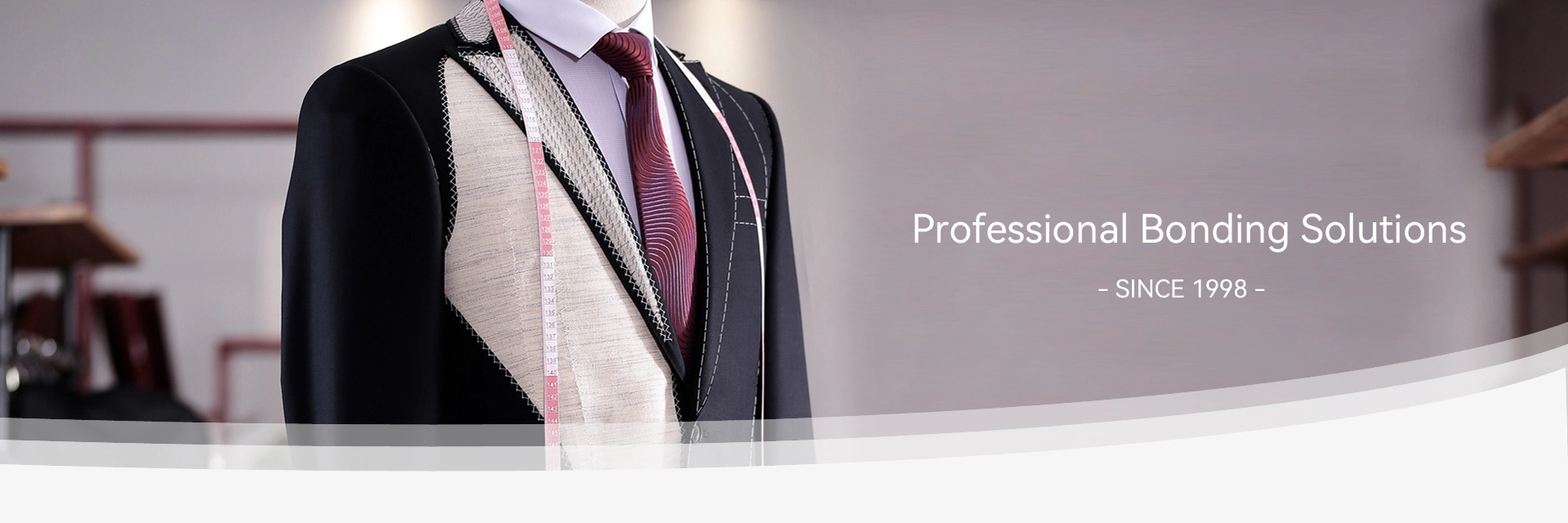
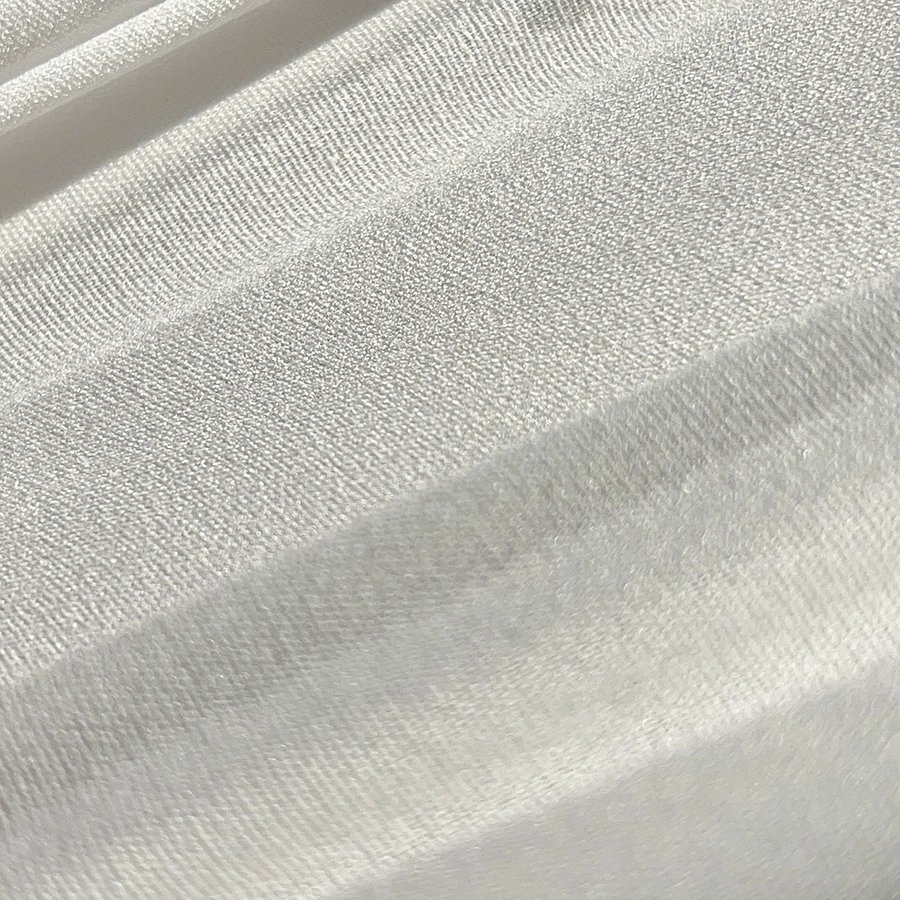
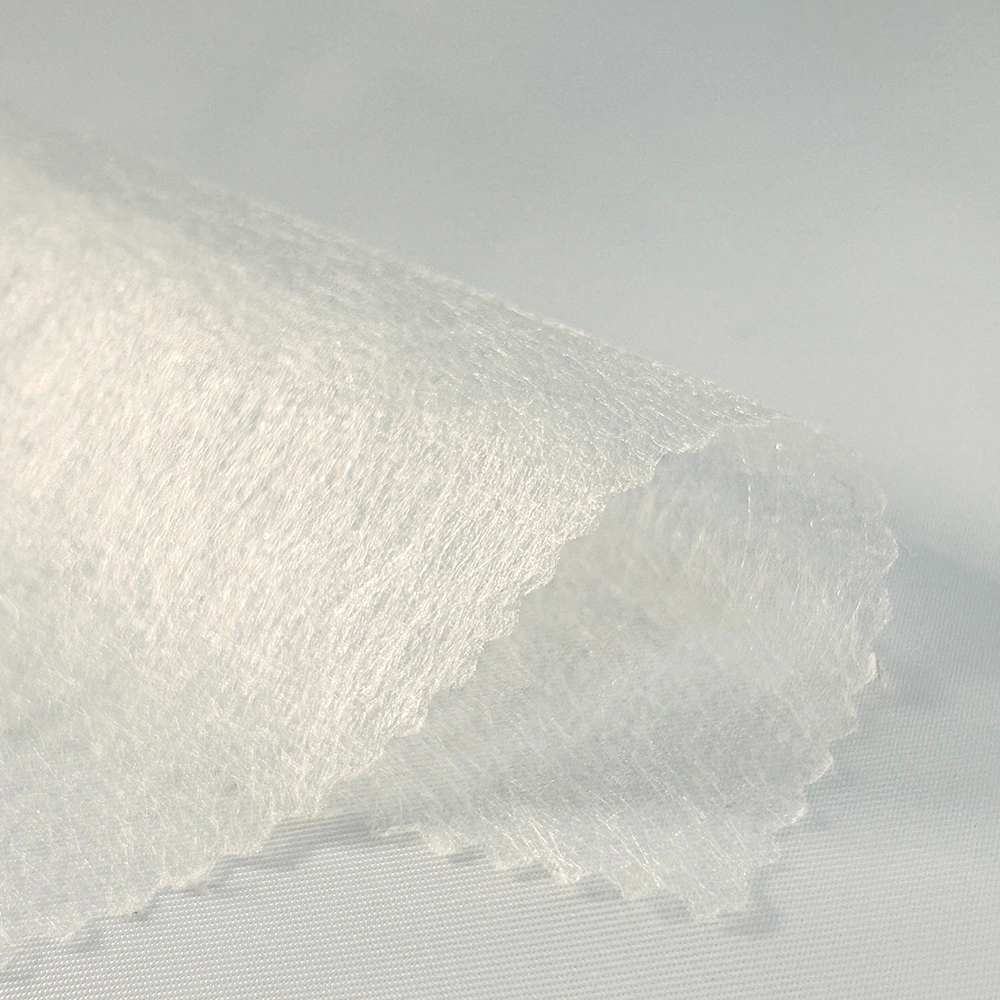
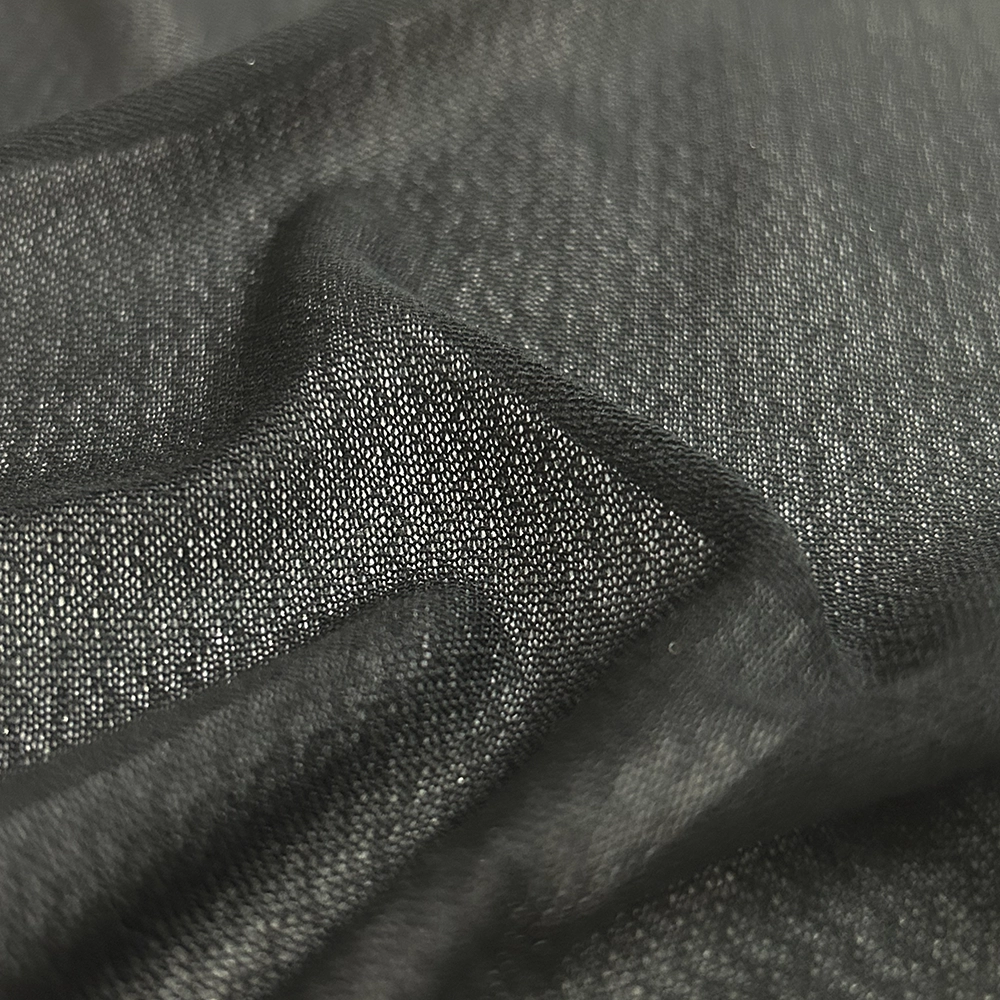
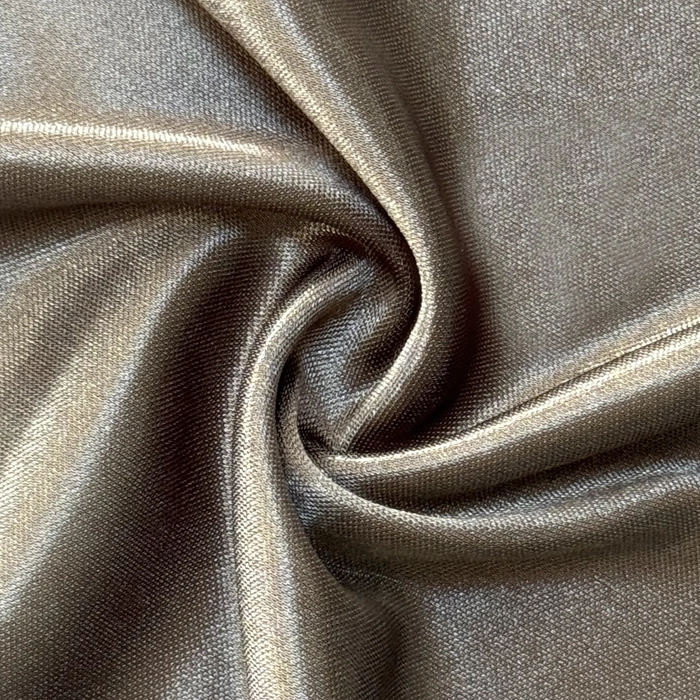
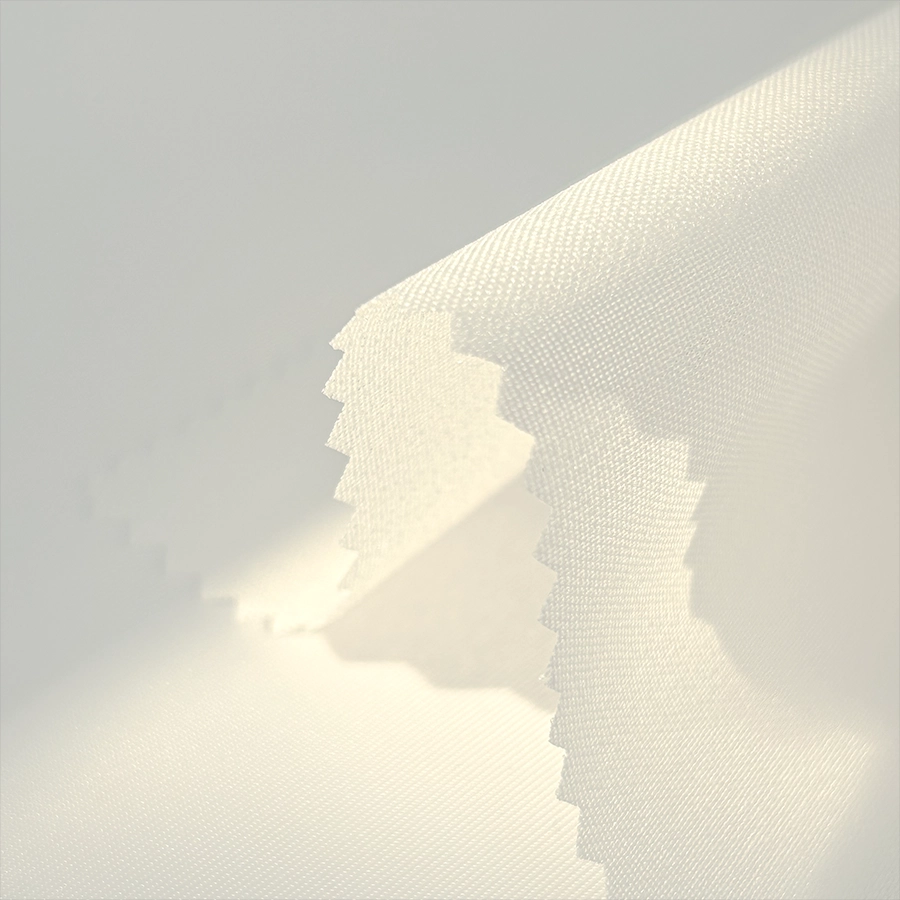
In the R&D and production process of winter garments, the selection of lining fabric is a key technical link that determines the quality of the finished garment, the durability of the pattern, and the functional performance. As the "invisible skeleton" of garments, the lining fabric not only needs to provide necessary support and shaping, but also take into account the characteristics of the fabric, wearing comfort and washing durability.China shenghong interlining manufacturer
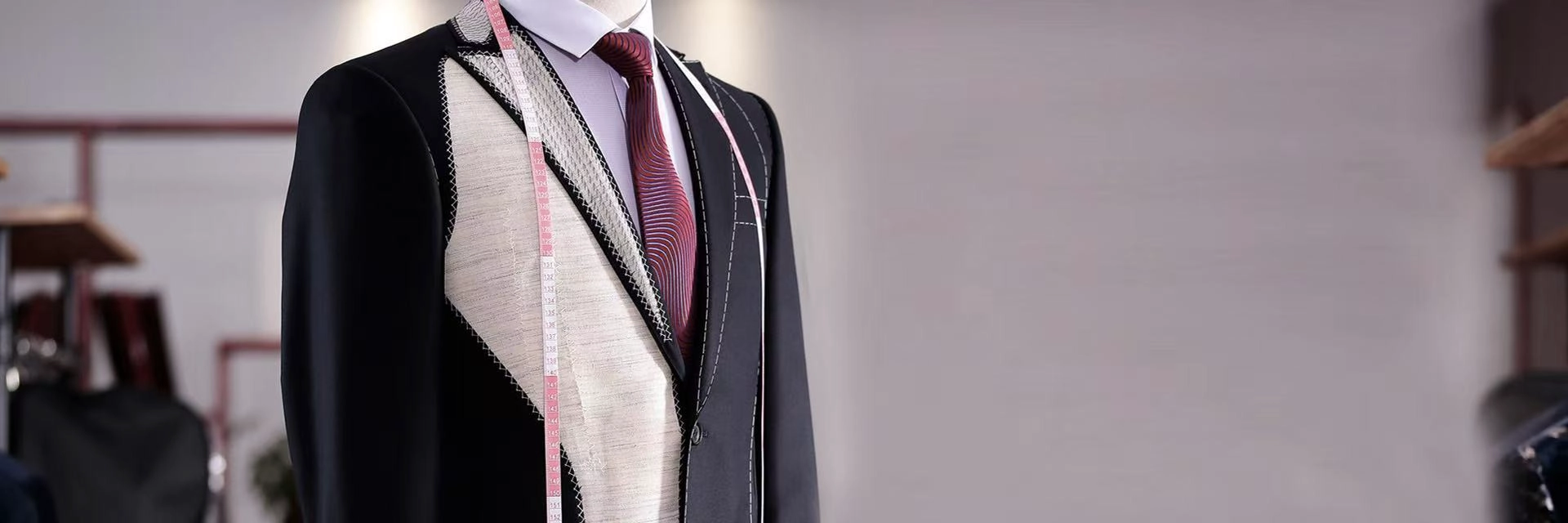
I. Core Logic of Selection: Matching of Fabric and Function
The selection of lining fabric must first consider the gram weight, composition, elasticity of the fabric itself and the style positioning of the final garment. The basic principle is: the hardness and thickness of the lining fabric must match or moderately strengthen the fabric to achieve a synergistic support effect, so as to avoid the collapse of the garment pattern due to the too soft lining fabric, or the hardening of the garment and the decrease of comfort due to the too hard lining fabric.
II. Detailed Selection Strategy by Category
-
Wool/Woolen Coats: Shape a Permanent SilhouetteThe texture of the coat lies in its lasting silhouette. A medium-thick woven fusible interlining (80-120D) with stable structure and strong wash resistance should be selected. For the collar, the composite process of "resin interlining + woven interlining" is recommended to ensure that the stiffness remains unchanged over time; a slightly elastic interlining is used on the shoulders to create a flat shoulder shape while retaining room for movement; full binding with interlining at the placket can effectively distribute the stress of the buttons and prevent deformation and wrinkling.
-
Down Jackets/Cotton-padded Jackets: Balance between Down-proof and LightweightWarmth and lightness should be achieved at the same time. The main body of the garment should use a thin and light down-proof woven interlining (40-60D) with a tight structure, which is the key to preventing down from drilling out. For elastic parts such as cuffs and hems, a non-woven interlining (30-50D) with the same elastic direction must be matched. Using an ultra-thin interlining (25-35D) at the collar and placket is a wise detail to reduce the visual bloated feeling. The lining fabric at the zipper must be flat and thin to ensure smoothness.
-
Denim/Workwear Jackets: Build a Tough SkeletonThe soul of this type of garment lies in the tough silhouette. The lining fabric with corresponding hardness should be matched according to the gram weight of the denim fabric (80-100D for regular, 100-150D for heavyweight), and elastic woven interlining (60-80D) must be matched for elastic denim. In terms of technology, using double-sided fusible interlining at the placket and hem is the standard solution to prevent curling; local reinforcement at easily worn parts such as elbows and pockets can significantly extend the service life.
-
Winter Pants: Focus on Support and SmoothnessThe comfort and stiffness of pants depend on the treatment of the waist, abdomen and placket. A special waistband interlining is a must (80D for suit pants, 100D for jeans), and it should be used around the entire circumference to resist repeated stretching. A thin and light fusible interlining (30-50D) must be used at the placket, especially adding interlining on both sides of the zipper, which is the core technology to ensure the smoothness of the front crotch and eliminate embarrassing wrinkles.China Shenghong Lining Fabric Factory
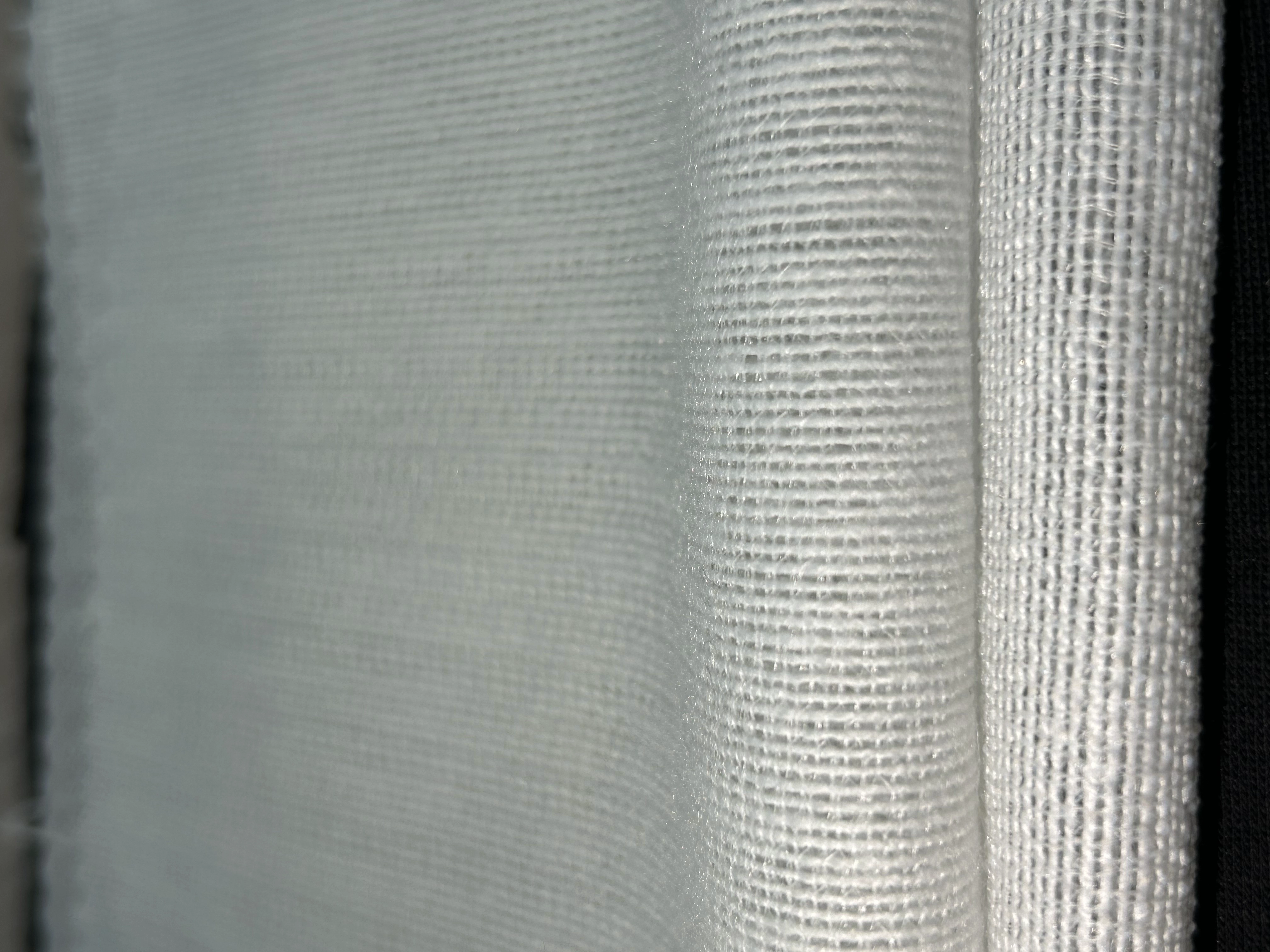
III. Decision Dimensions: Systematic Selection Thinking
Ultimately, scientific selection is a cross-validation of systematic dimensions:
- Gram Weight Dimension: The gram weight of the lining fabric and the fabric should be positively correlated, with heavy matching heavy, and light matching light.
- Elasticity Dimension: Elastic fabrics must be matched with elastic lining fabrics, and the directions must be consistent, otherwise it will be a constraint.
- Process Dimension: The lining fabric is a part of the process, and the requirements such as anti-curling and local reinforcement directly correspond to specific bonding processes.