







When Garments Become Lighter and Lighter: How Do Ultra-Thin 15D/20D Interlinings Achieve "Shape-Retaining yet Weightless"?
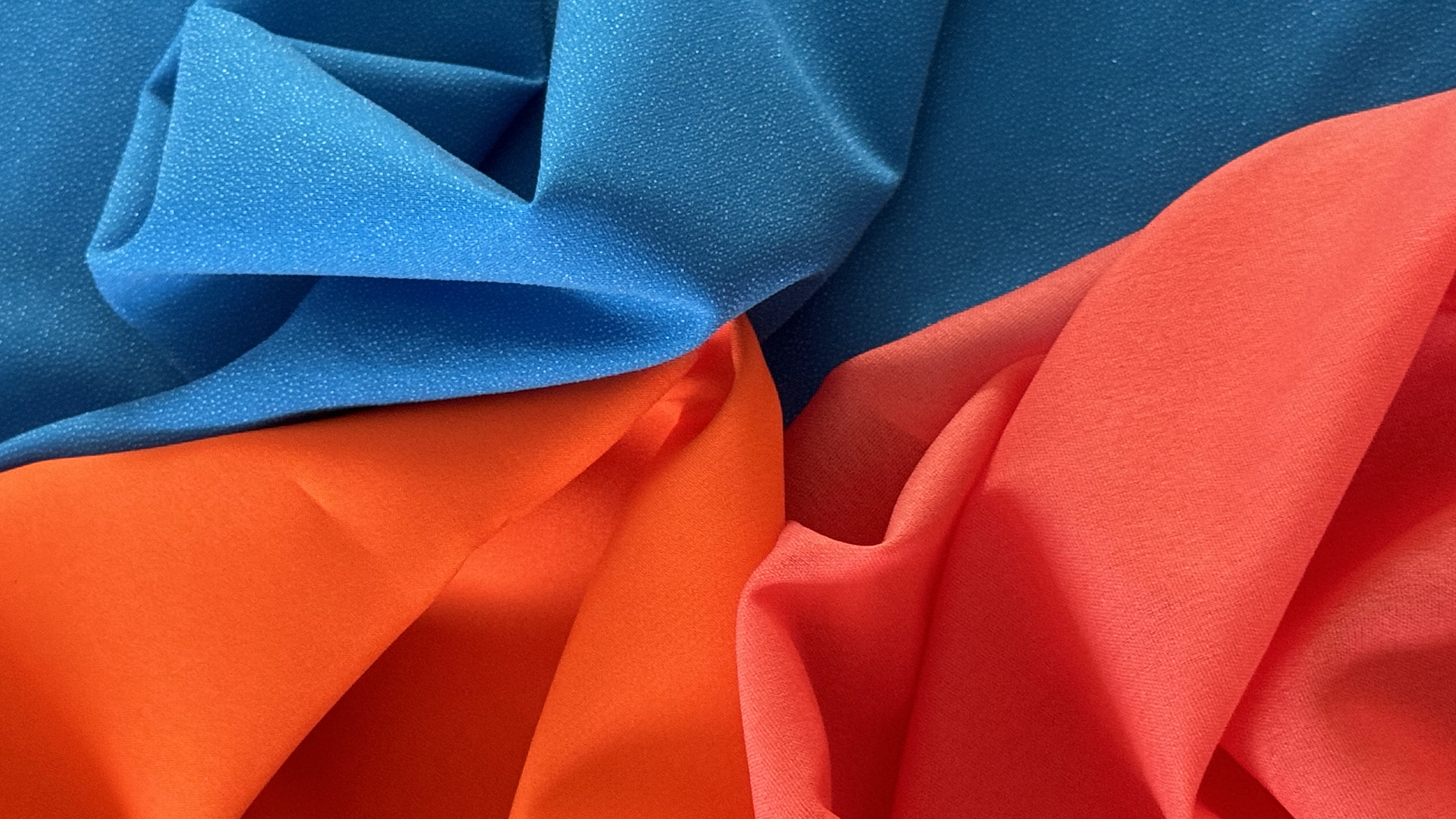
Driven by the "light outdoor" trend and spring-summer minimalism, fabrics are becoming increasingly thinner. From 10D skin-friendly jackets to 30D silk, designers are pursuing a sense of "airiness". However, a consequent challenge arises: overly soft fabrics lack structure, while the application of interlinings tends to add unwanted bulk. How to maintain the lightweight feel of fabrics while still supporting their silhouette? The answer lies in the craftsmanship of 15D/20D ultra-thin interlinings.
Ⅰ. Balancing High Denier and High-Density Weaving
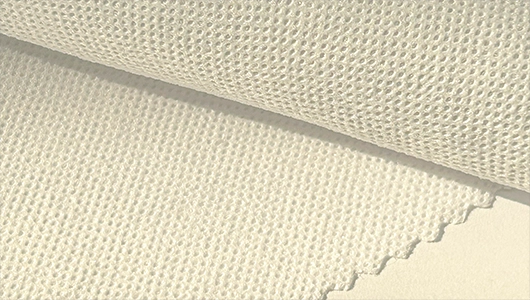
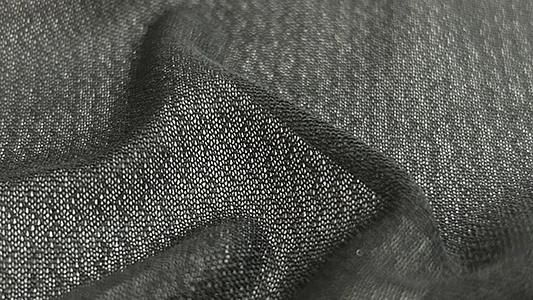
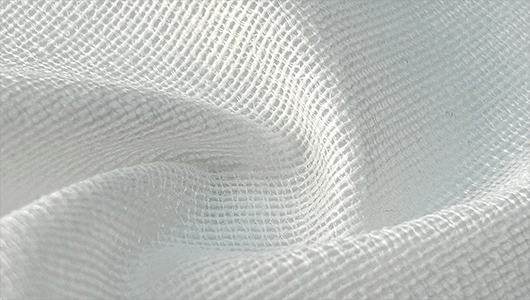
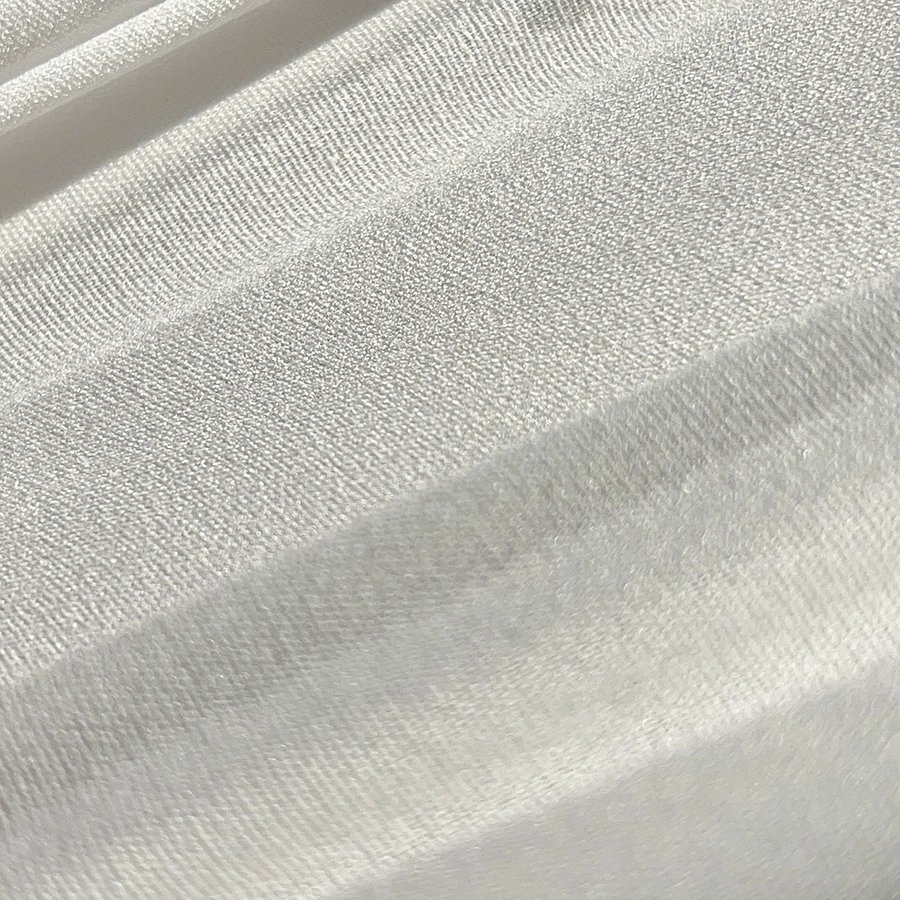
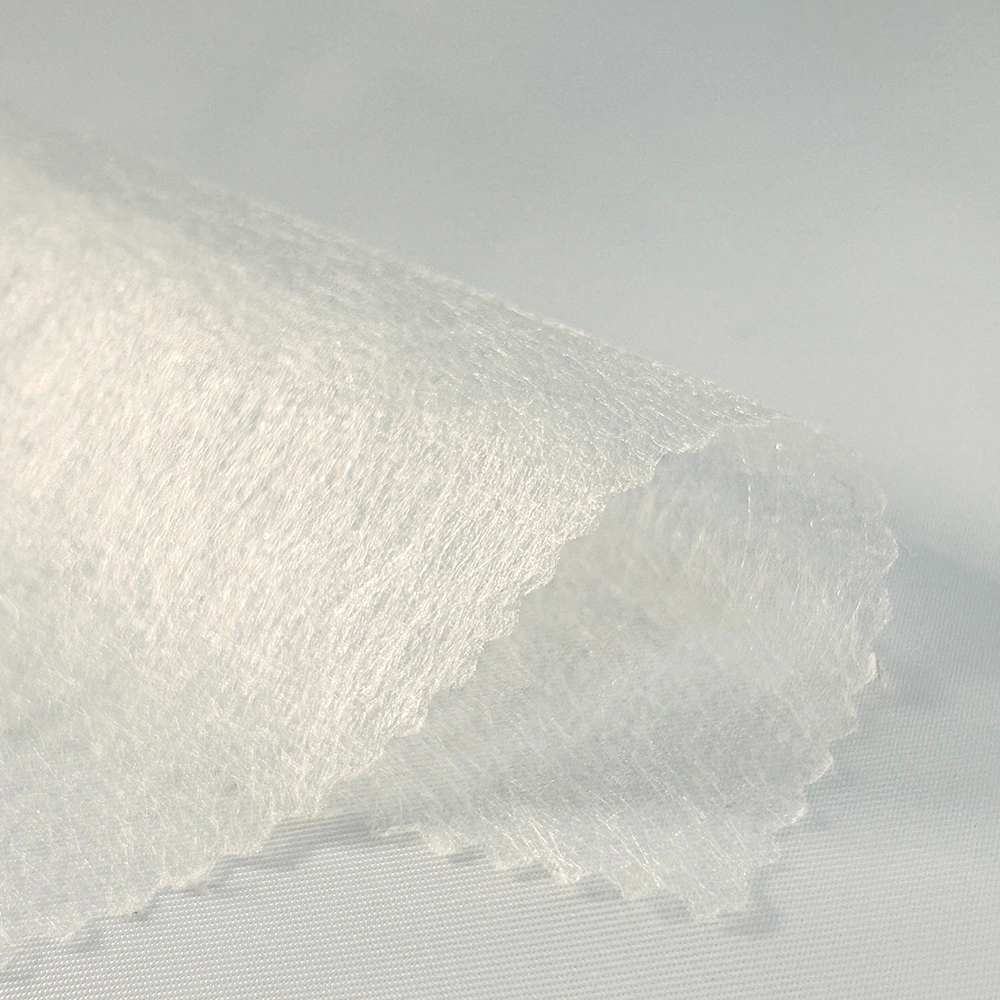
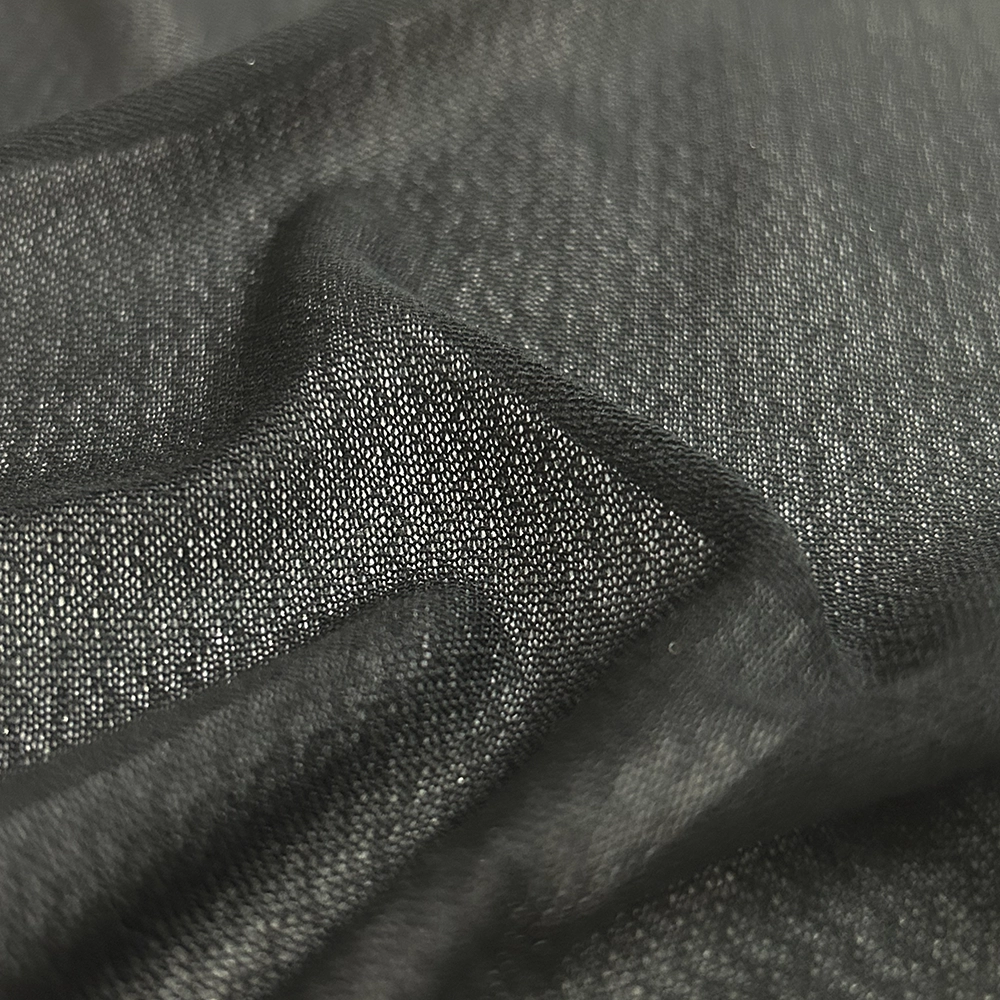
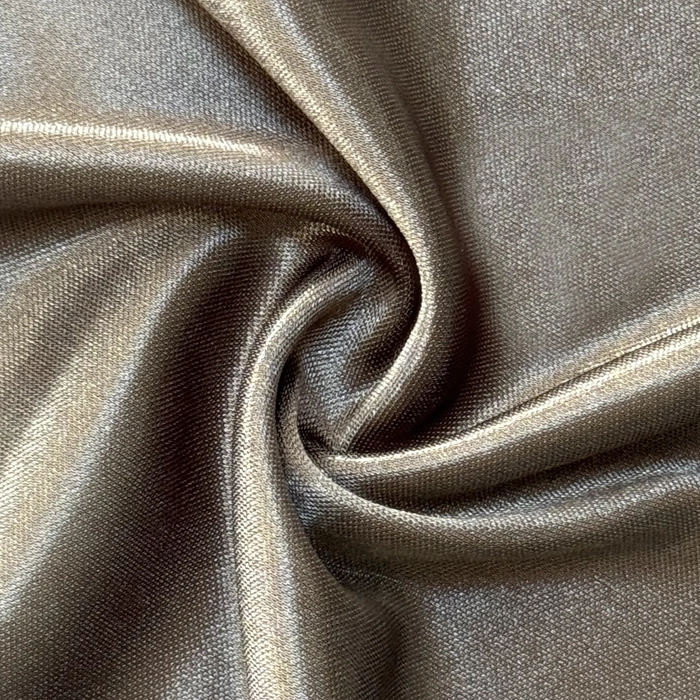
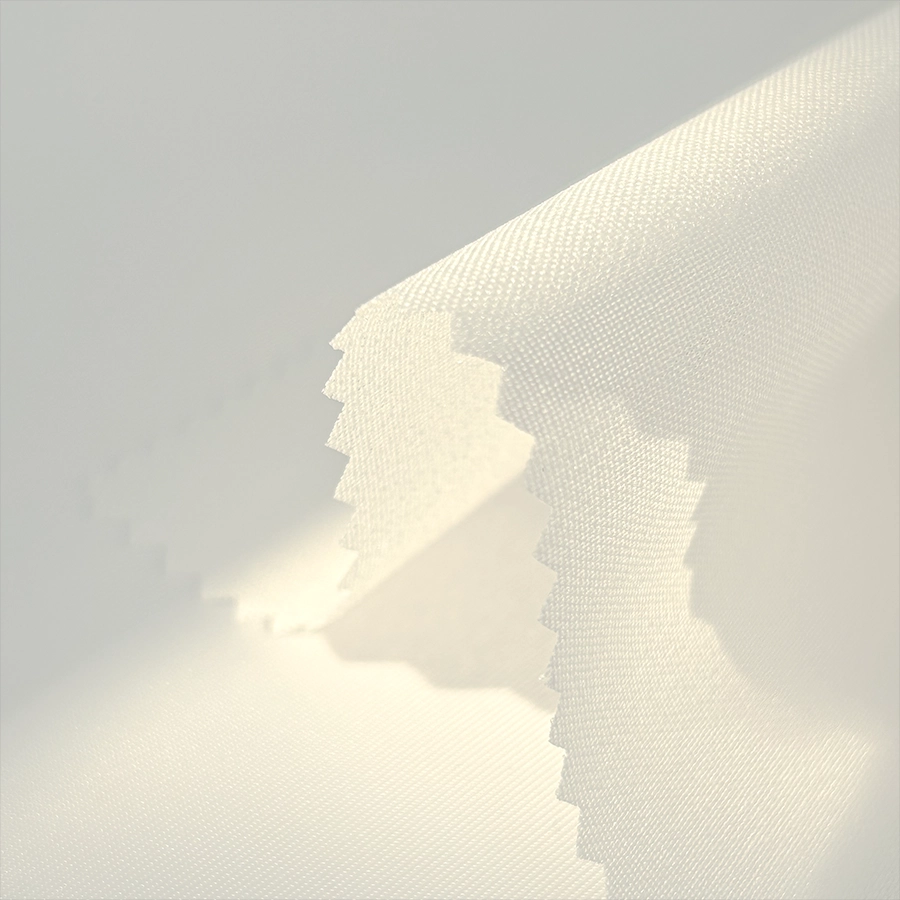
The term 15D/20D refers to the denier count of the yarn. Conventional interlinings may use yarns of 50D or even 75D, whereas the fineness of 15D yarn is only a fraction of that of a human hair. The base fabric woven from such ultra-fine fibers boasts an extremely low gram weight, feeling almost weightless to the touch, just like a "second skin" to the garment fabric. Yet "thinness" does not equate to "looseness". High-quality 15D interlinings adopt a high-density weaving process. Despite the slender yarns, they are arranged tightly, forming a lightweight yet highly resilient net that locks in the dimensional stability of the fabric without adding extra thickness.China Shenghong Interlining Factory

Ⅱ."Shape-Retaining Property" Does Not Equal "Stiffness", but "Resilience"
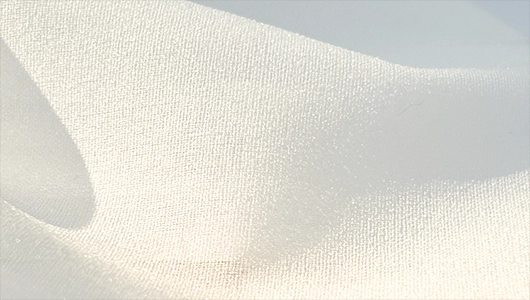
Many clients mistakenly believe that achieving shape-retaining properties requires stiffness. In fact, for lightweight women's wear and sun-protective clothing, true shape retention lies in "toughness" and "resilience". Through specialized finishing processes, ultra-thin interlinings endow the base fabric with excellent drapability and resilience. When you crumple a piece of the fabric and release it, it quickly reverts to a smooth state, instead of clinging limply to the body. This "structured yet lightweight" effect is the secret behind the sophisticated look of high-end ready-to-wear, even when made from thin fabrics.
Ⅲ. Precision Coating Technology: Enabling Reliable yet Invisible Bonding
Avoiding the Embarrassment of Glue Penetration. The thinner the fabric, the more stringent the requirements for coating. Conventional glue dots can easily penetrate thin fabrics, resulting in stiffened fabric surfaces or visible glue particles (glue penetration). For 15D/20D interlinings, leading manufacturers typically adopt micro-dot or double-dot coating processes. This technology produces extremely fine and evenly distributed glue dots, which controls the melt flow during heat pressing. It can firmly adhere to the main fabric without seeping back to compromise the hand feel, ensuring a perfectly clean appearance of the finished garment.China Shenghong Interlining Manufacturer
Ⅳ.Conclusion
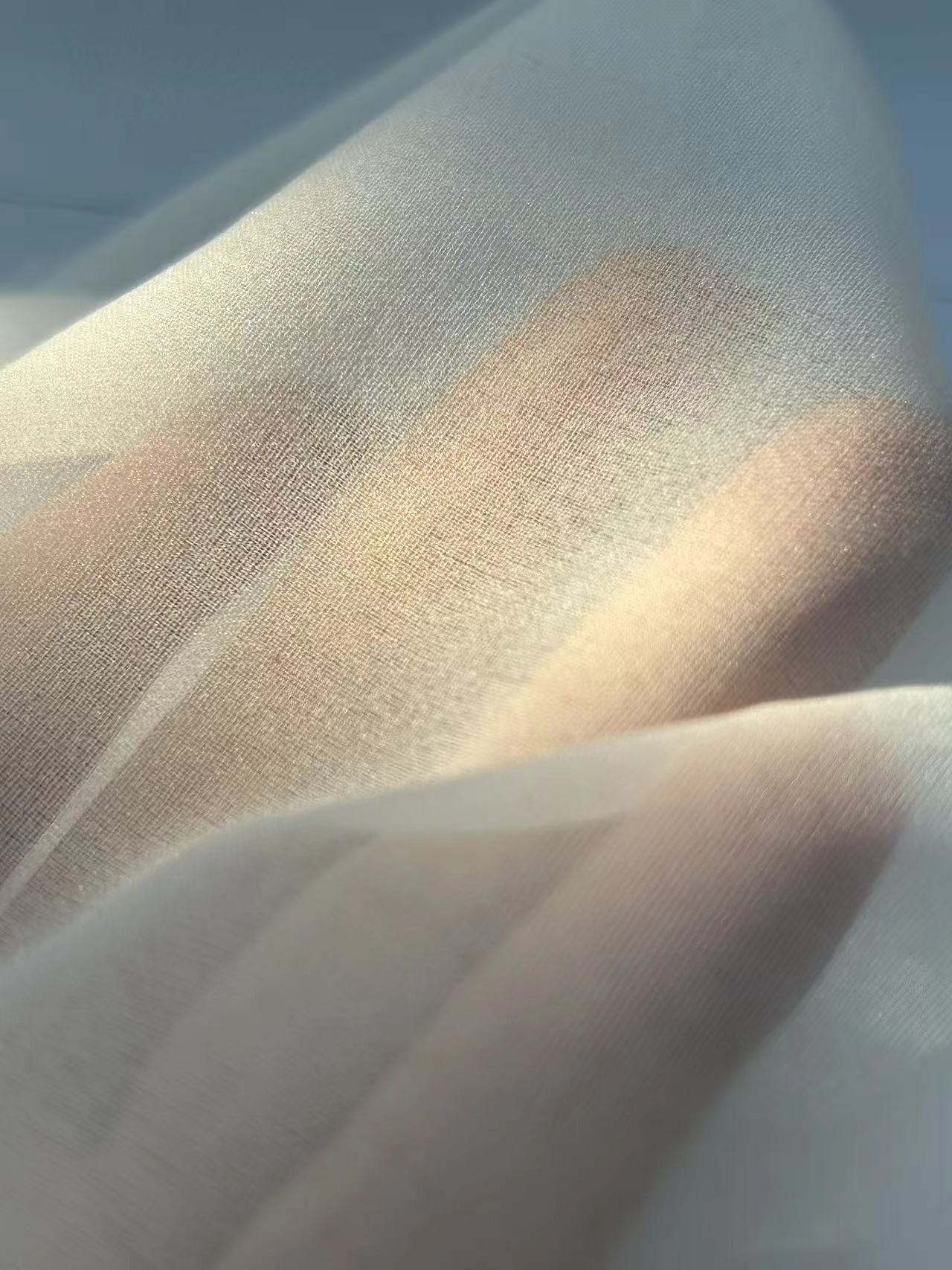
In today’s era of garment "lightweighting", interlinings are no longer merely adhesive materials, but rather fine-tuning masters of garment structure. Choosing a high-quality 15D/20D ultra-thin interlining is like infusing soul into lightweight fabrics, truly achieving the effect of "as light as air, yet well-formed".