







When Interlining Meets Four-Way Stretch: How to Balance Shape Retention and Unrestricted Elasticity?
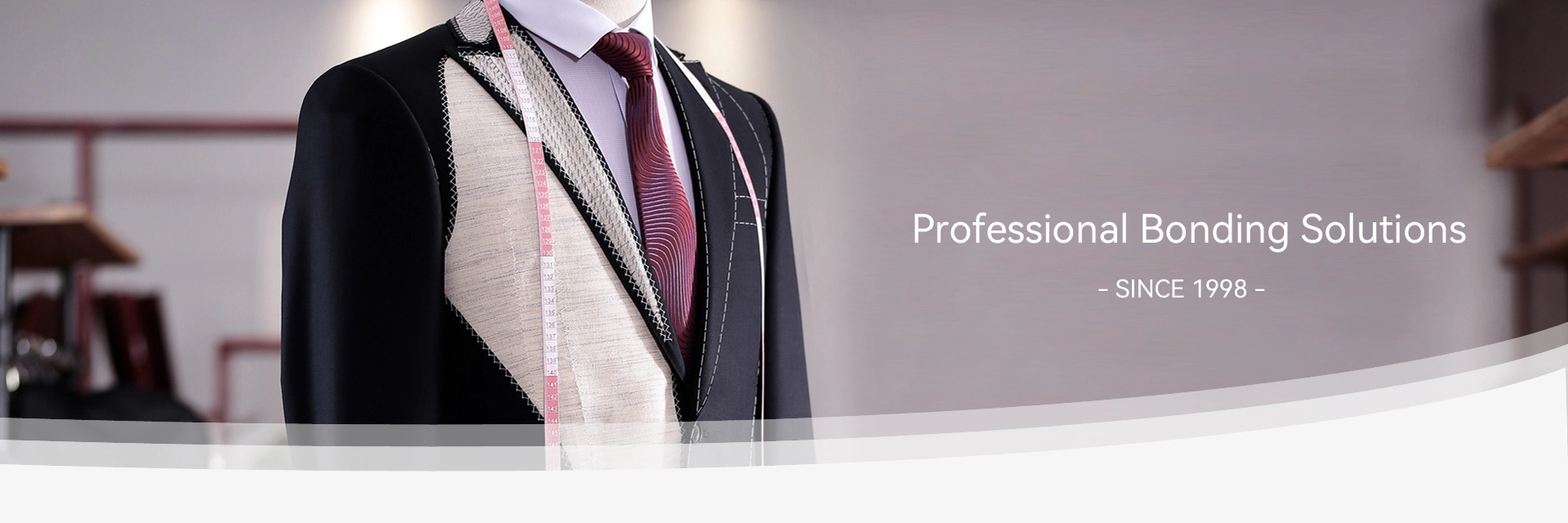
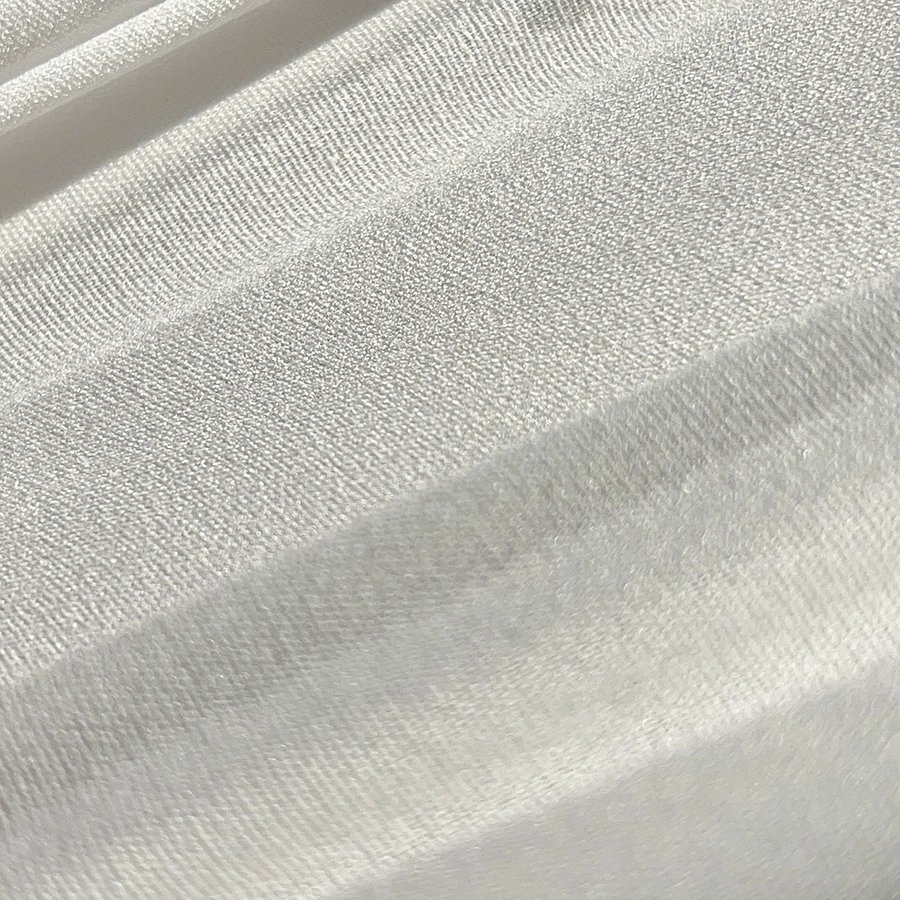
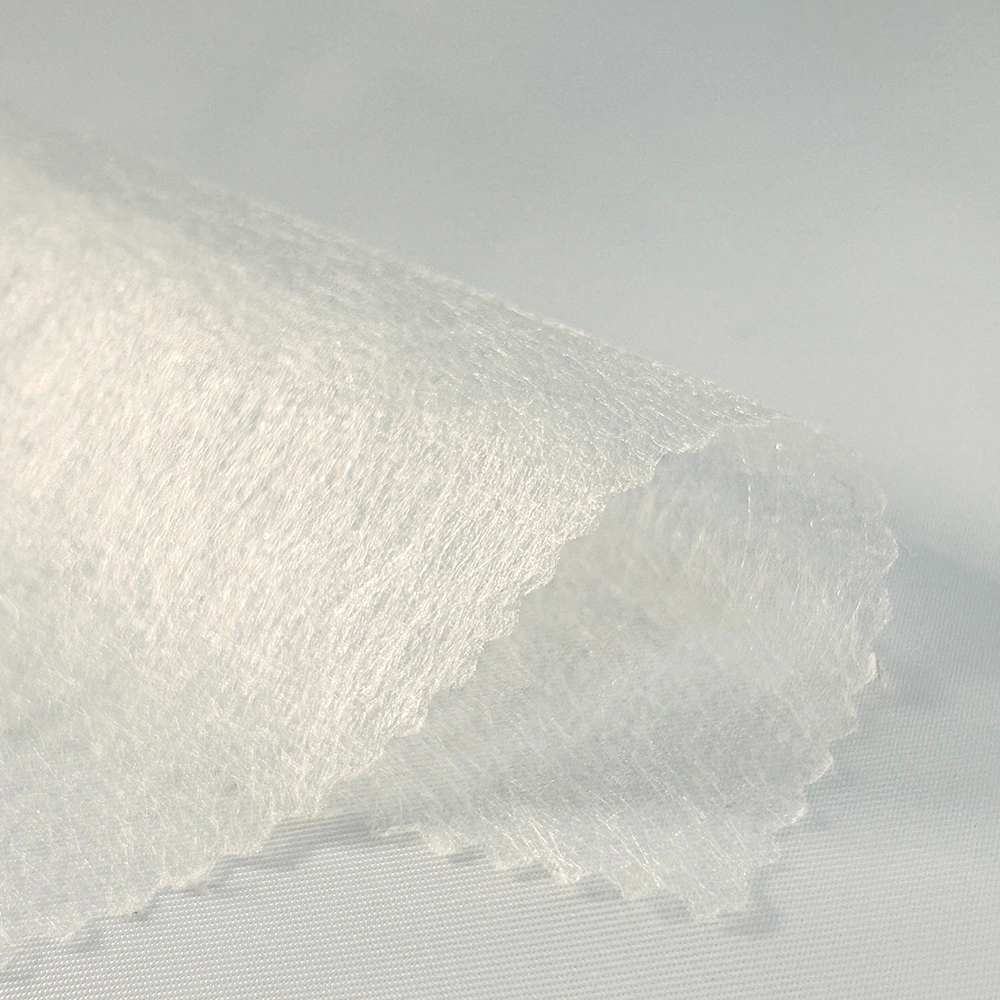
In garment engineering, the widespread application of four-way stretch fabrics has posed a core challenge for interlining technology: how to provide the necessary shape support without compromising the inherent high elasticity of the fabrics at all. This goes beyond a simple bonding issue; its core lies in achieving dynamic compatibility between the interlining and the fabric.China Shenghong Four-Way Stretch Interlining Factory
The traditional concept of "compatibility" is specifically embodied in the synergistic coordination of key technologies in three dimensions for four-way stretch fabrics:
-
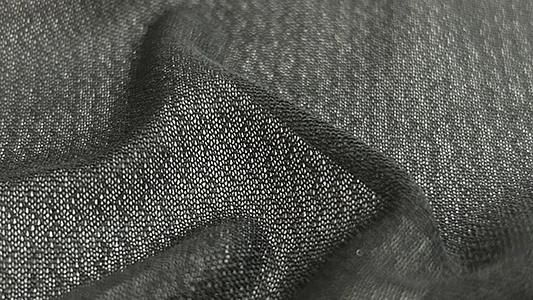
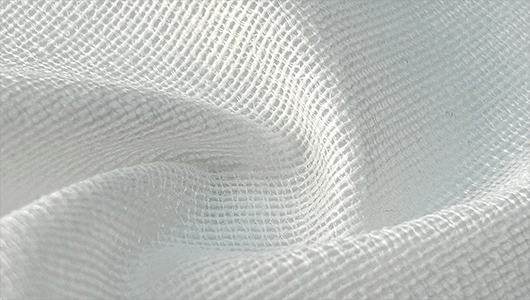
Synergy in Extensibility: Beyond Static AdhesionConventional interlinings are designed based on static dimensions. In contrast, interlinings compatible with four-way stretch fabrics must possess dynamic extensibility matching that of the fabrics. Their fiber structure or base fabric weaving process should provide similar stretching space and low modulus characteristics, ensuring that when the fabric is stretched multidirectionally, the interlining can deform in "synchronized frequency". This prevents a sense of constraint caused by insufficient elongation and avoids compromising the dynamic comfort of the garment.
-
Matching in Resilience: Preventing Fatigue-induced Bubbling"Free stretching" is only the basic requirement; "synchronized recovery" is the key technical point. If the resilience of the interlining is weaker than that of the fabric, at frequently bent areas such as elbows and knees, the interlining cannot recover rapidly along with the fabric after repeated stretching. This will cause displacement between the two layers, leading to "bubbling" or "puckering". Therefore, interlinings compatible with four-way stretch fabrics must have matching high recovery rate and fatigue resistance to ensure the garment remains smooth during dynamic movements.
-
Balance in Heat Shrinkage Rate: Avoiding Heat-pressing WrinklesThe heat-pressing and drying processes in the finishing stage are the key steps to verify compatibility. Four-way stretch fabrics (especially those containing spandex) are usually heat-sensitive. If there is a significant difference in heat shrinkage rate between the interlining and the fabric, after cooling and setting, it will form irreversible orange-peel-like wrinkles in the bonded area. Therefore, scientific application requires that the interlining should have highly consistent dimensional stability with the fabric under specific heat-pressing process conditions.China Shenghong Four-Way Stretch Interlining Manufacturer
Conclusion
Only by achieving precise matching with four-way stretch fabrics in the three core performance indicators—extensibility, resilience and thermal dimensional stability—can we fundamentally realize the unity of "ideal shape" and "dynamic comfort" for high-elasticity garments. This relies on systematic technical considerations for interlinings, ranging from fiber selection and structural design to finishing processes.