







Why Do Shirt Collars, Cuffs and Plackets Require Three Different Interfacings?
The stiffness and durability of a shirt do not rely on a single universal accessory, but are precisely matched according to the actual wearing needs and structural characteristics of different parts. Collars, cuffs and plackets bear different tensions, bending frequencies and appearance requirements in daily use, so the selection of interfacings must follow the principle of "customization by position".China shenghong interlining manufacturer
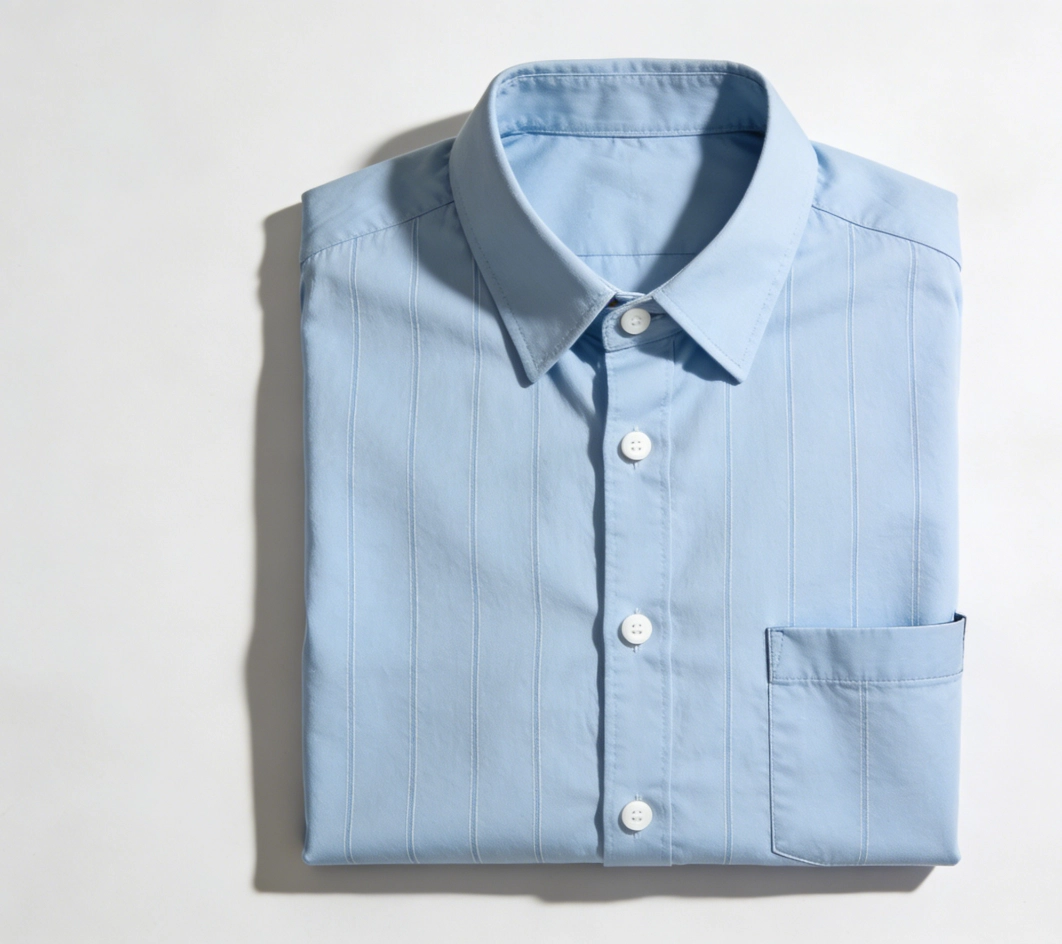
I. Collar Area: Focus on Deformation Resistance
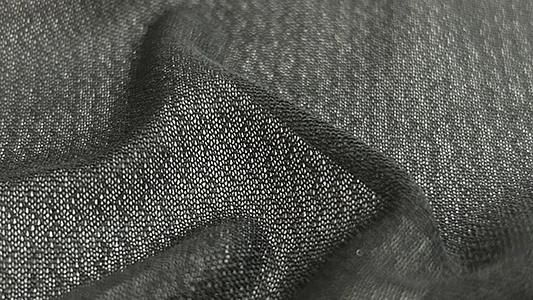
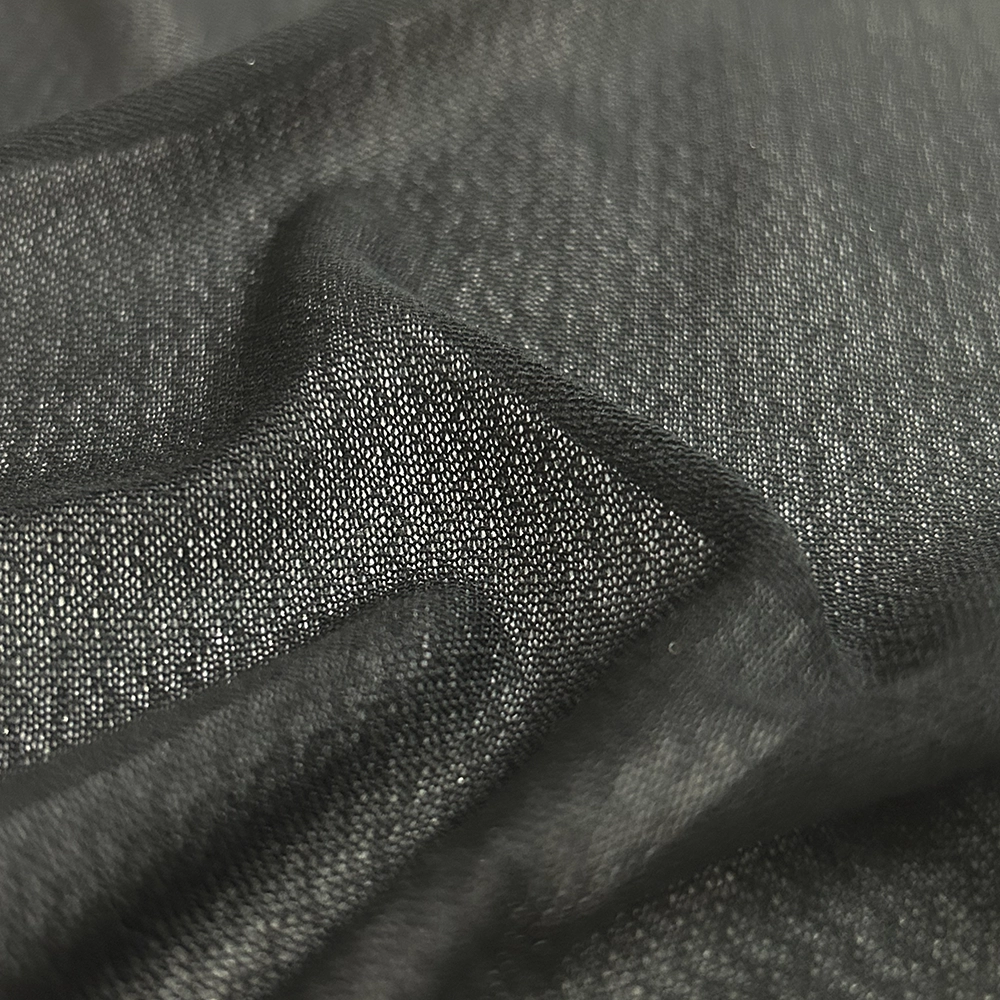
The collar is the visual focus of a shirt. It is folded frequently in daily use and needs to withstand repeated washings. Insufficient support from the interfacing will easily lead to edge curling, bubbling or collapse after washing. Therefore, stiff resin interfacing is usually selected for collars. This kind of interfacing features firm adhesion and low washing deformation rate, which can effectively lock the collar contour, ensuring it remains stiff and three-dimensional after repeated wearing and washing, and maintaining the overall texture of the shirt.
II. Cuff Area: Pursuit of Dynamic Flexibility
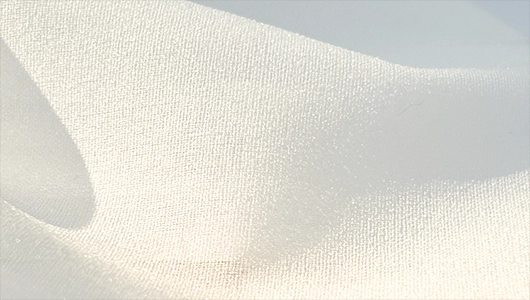
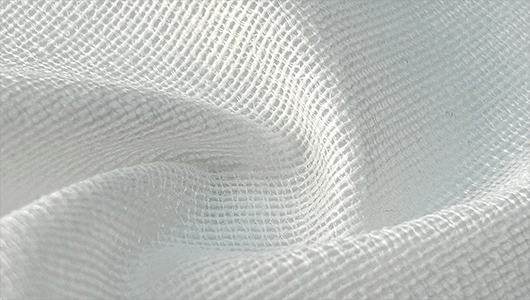
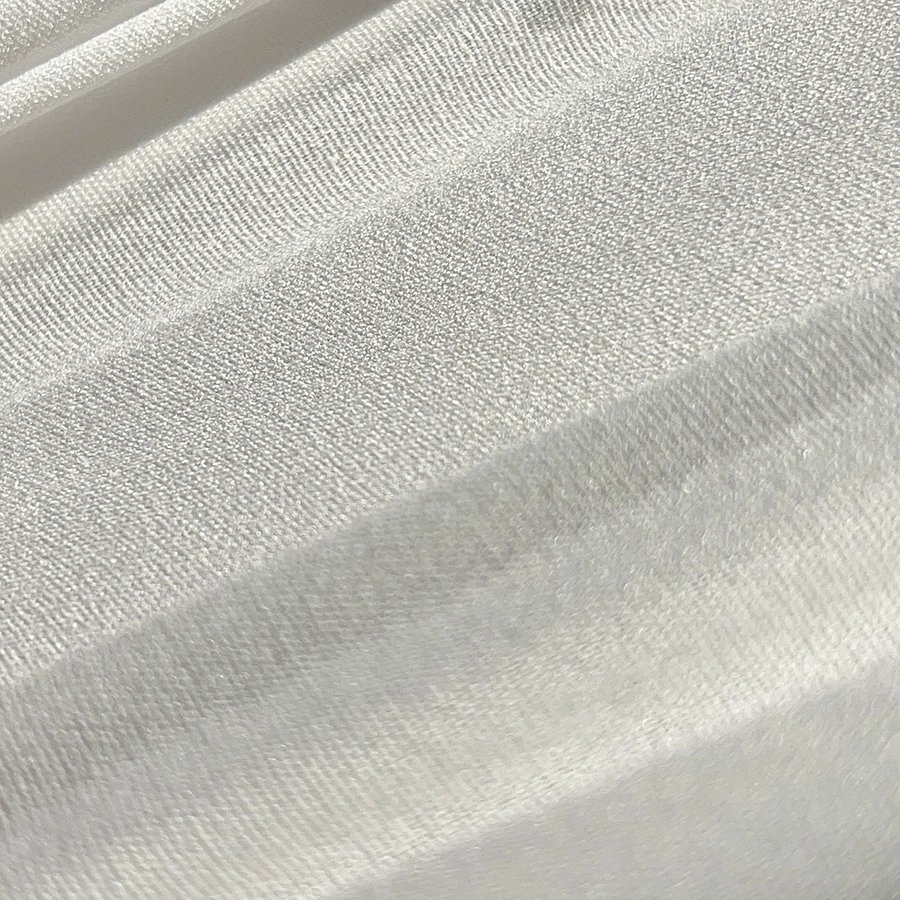
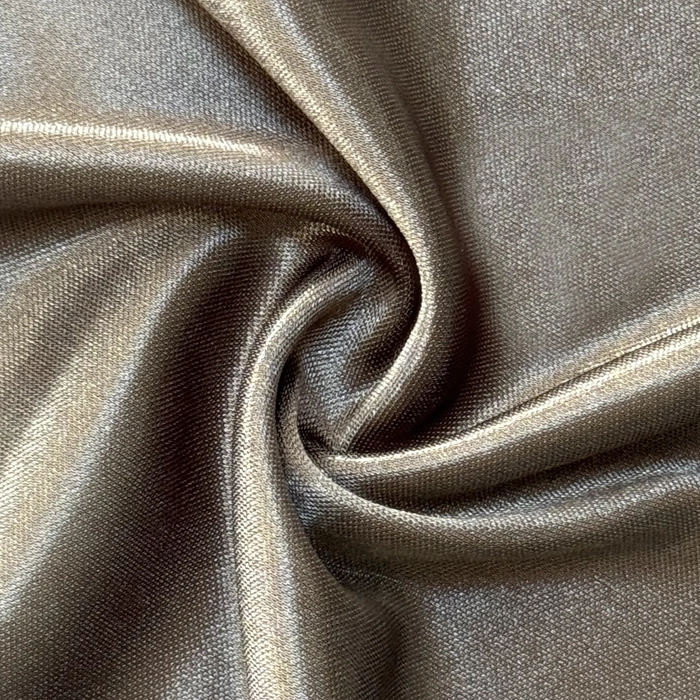
Cuffs need to maintain a smooth shape when fastened, while leaving space for wrist movements. Overly stiff interfacing will restrict movement and easily cause permanent creases; overly soft interfacing fails to shape the cuffs. Therefore, flexible woven interfacing is suitable for cuffs. This type of interfacing has moderate elasticity and can rebound quickly after bending. It not only maintains the cuff contour but also avoids the restraint caused by a rigid adhesive layer, striking a balance between styling and comfort.China interlining strength manufacturers
III. Placket Area: Emphasis on Smoothness and Drape
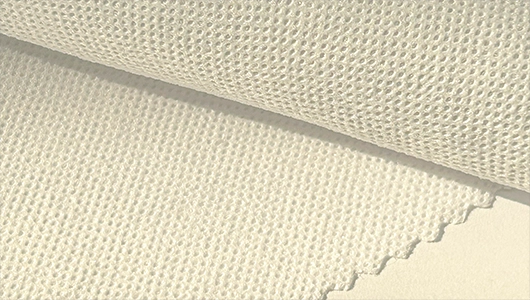
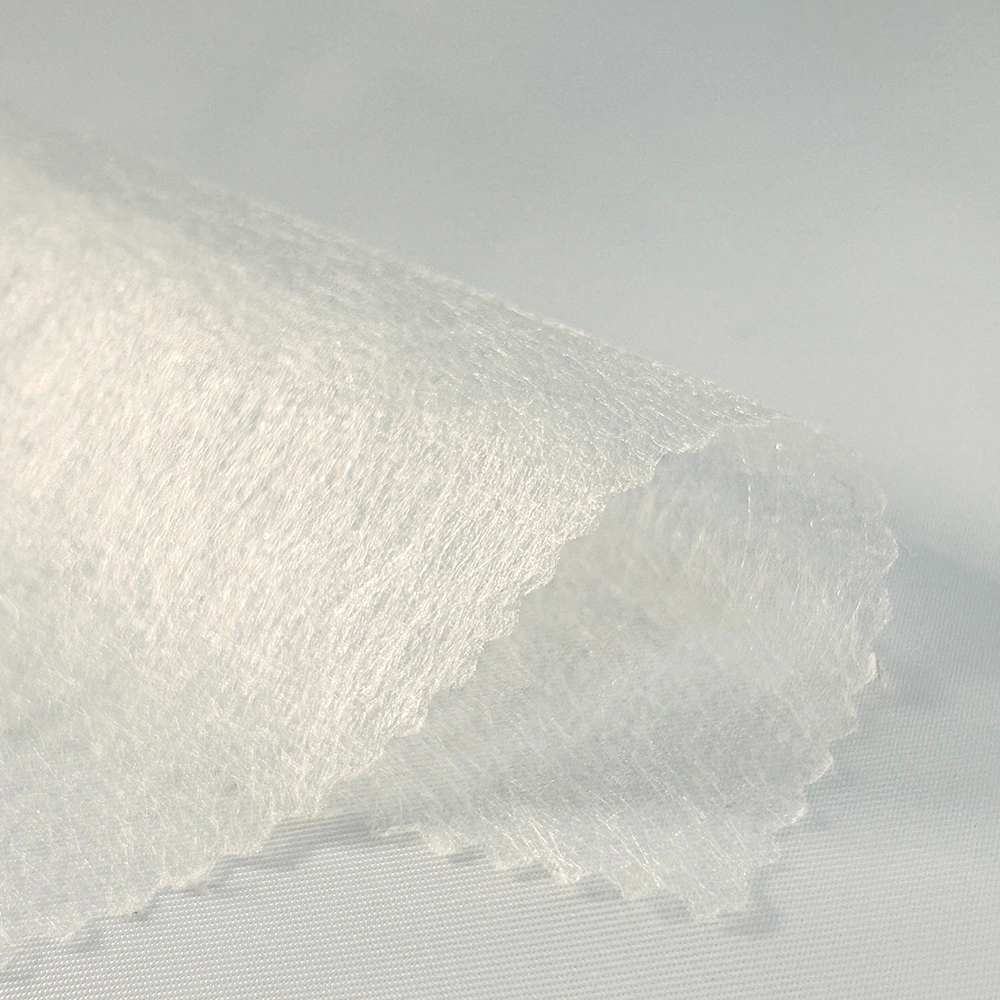
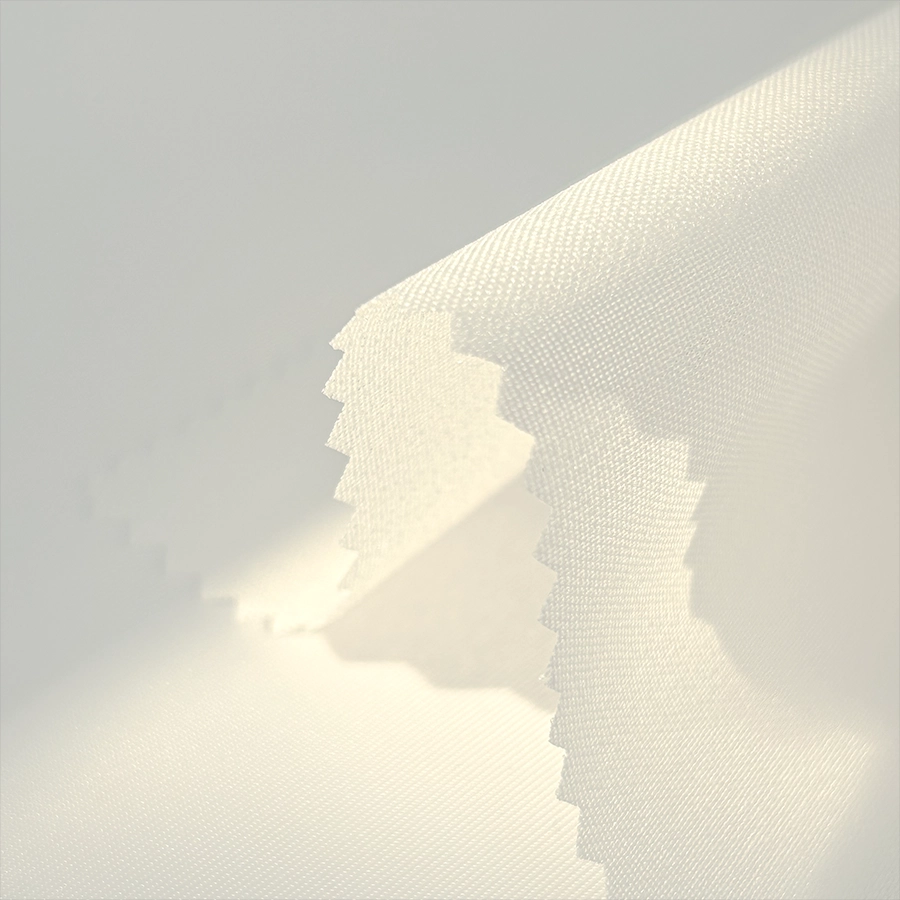
The placket (front facing) mainly functions to disperse the longitudinal tension of buttons and prevent the front from twisting and deforming. At the same time, it must not damage the natural drape of the fabric itself. Therefore, lightweight non-woven interfacing is mostly used for plackets. It has a uniform texture and low gram weight, providing stable support for button stress. For sensitive fabrics such as light-colored high-count cotton or silk, a low-temperature ironing process shall be adopted, with strict control over temperature and time to eliminate adhesive penetration or hard pressing marks, keeping the placket smooth, sleek and naturally fitted.
Conclusion
Scientific zoning configuration of interfacings is the basic logic to improve the structural stability of finished garments and reduce after-sales problems. By precisely matching resin interfacing, woven interfacing and non-woven interfacing, combined with corresponding ironing parameters, shirts can perform well in key parts such as collars, cuffs and front plackets, achieving the unity of stiffness, comfort and durability.