







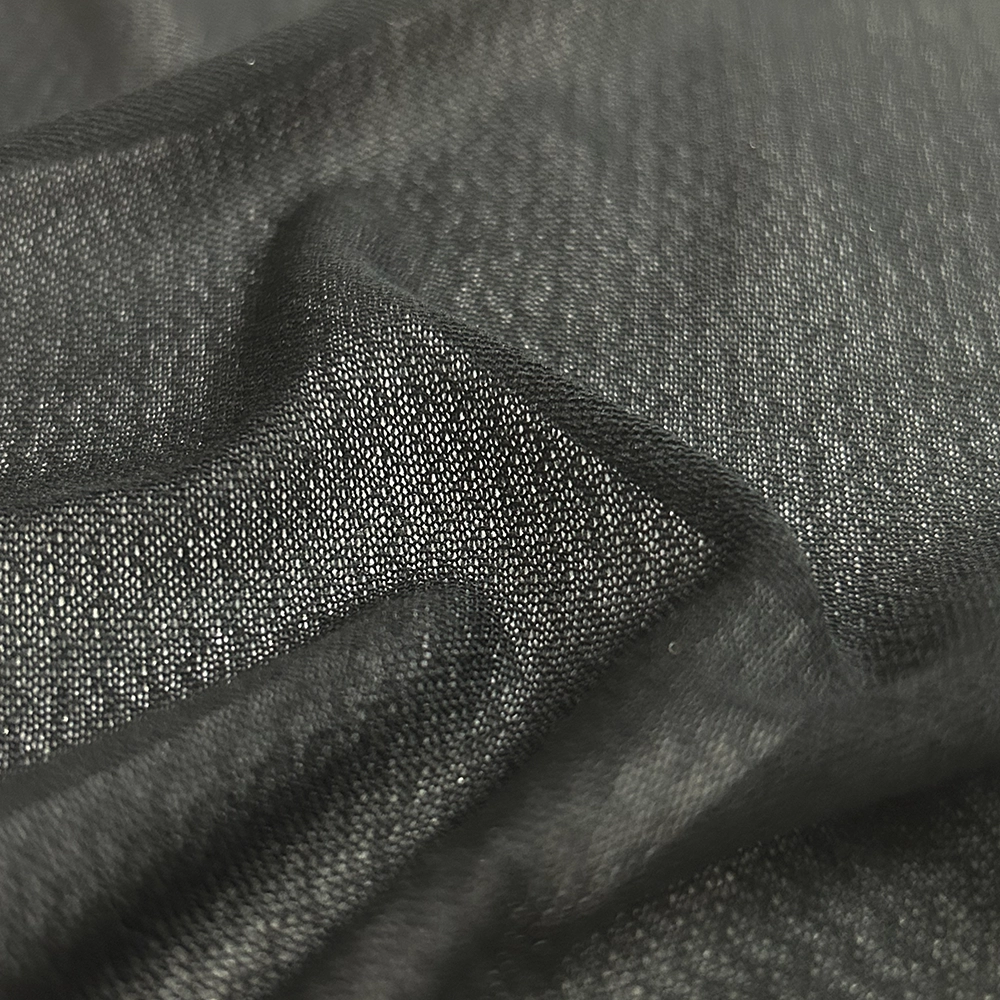
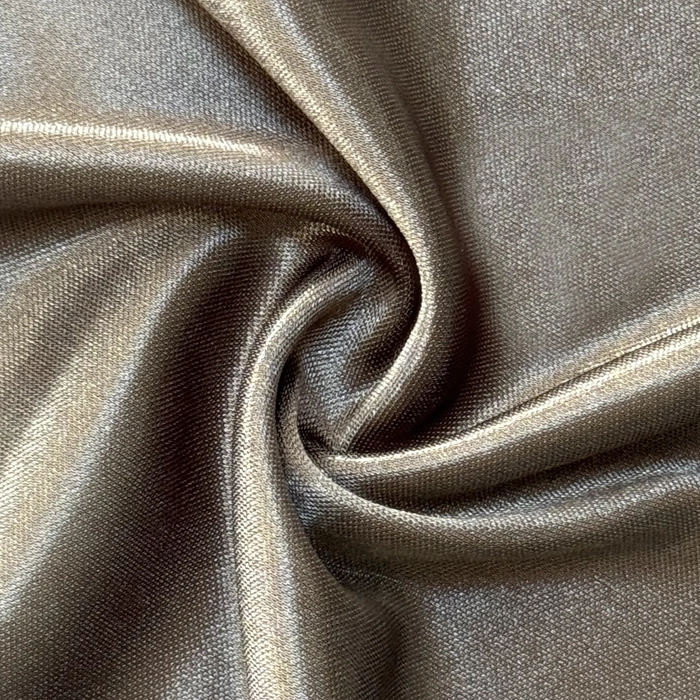
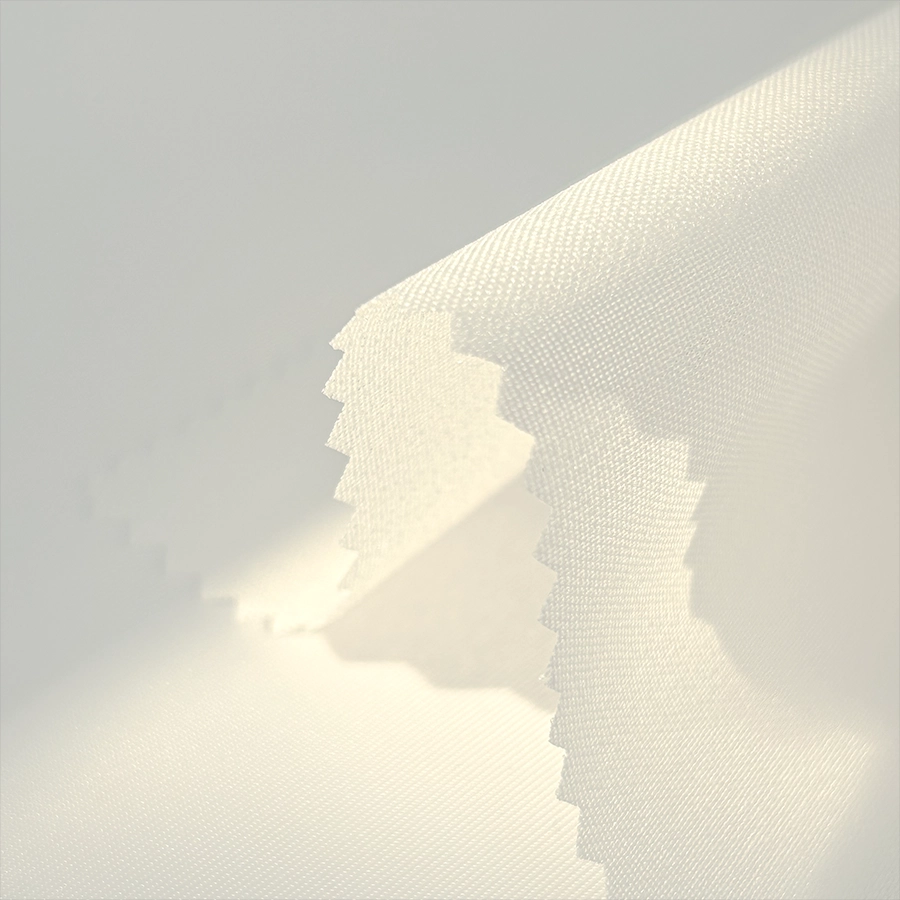
The "Premium Feel" of Lightweight Fabrics: How to Maintain Garment Silhouette While Reducing Weight
Introduction
In the development of spring and summer collections, the lightweighting of fabrics is a clear trend. However, in actual sampling and mass production, lower weight often results in insufficient support: collapsed collars, wrinkled plackets, sagging shoulder lines, and hems clinging to legs.China shenghong interlining manufacturer
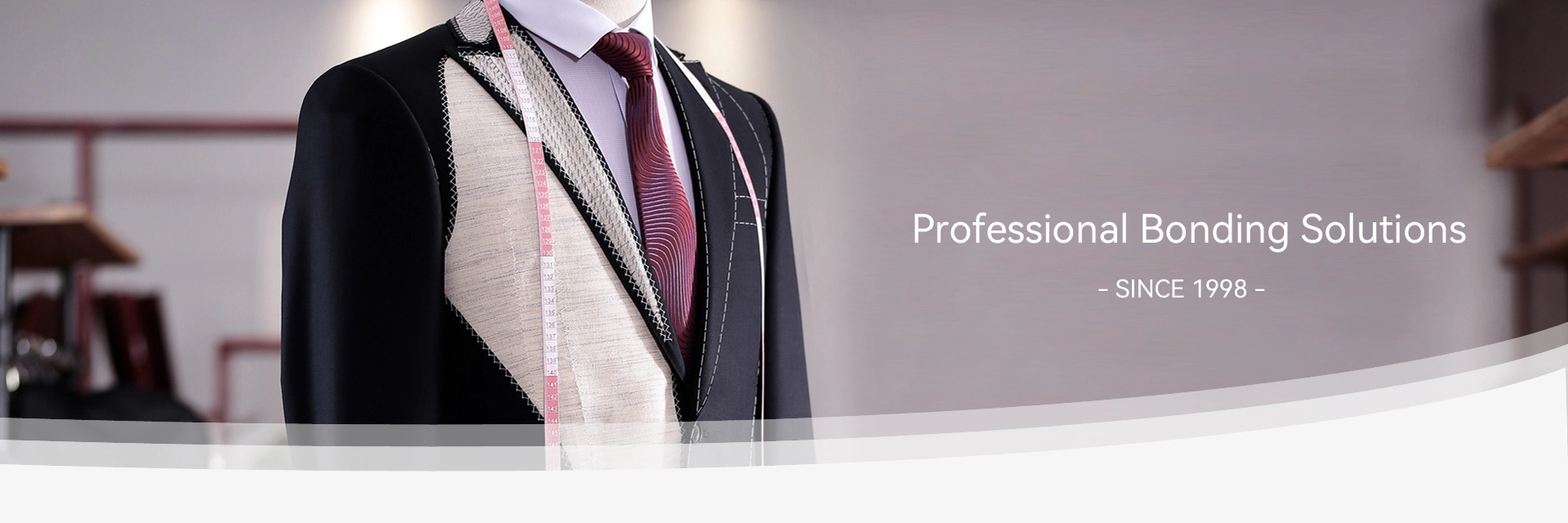
The "premium feel" of a garment is not determined by fabric alone, but by the synergy of fabric, interfacing, and craftsmanship. From the perspective of interfacing application, this article sorts out the basic ideas of interfacing matching for lightweight fabrics.
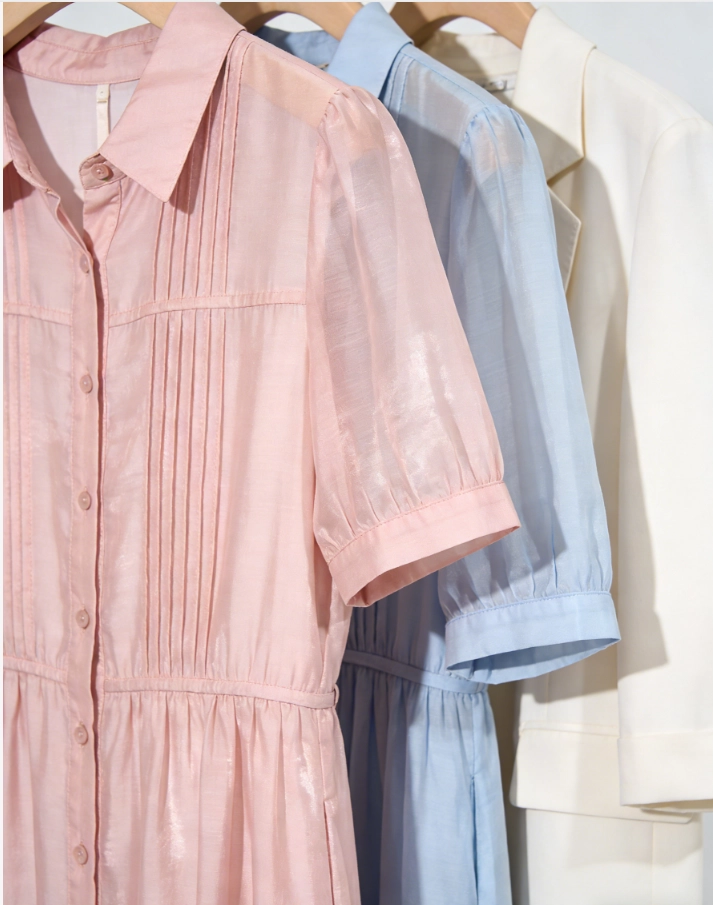
Ⅰ. Core Logic: Precise Support Instead of Overall Thickening
To maintain silhouette with lightweight fabrics, the key is to build an "invisible skeleton" at critical positions.
The correct approach is to provide support only at structurally stressed areas, rather than applying uniform interfacing across the entire garment. Interfacing configurations shall vary for positions such as collars, front plackets, shoulder lines, and hems due to different stress conditions.
Ⅱ. Basic Principles of Interfacing Matching
1. Differentiate Support Strength by Position
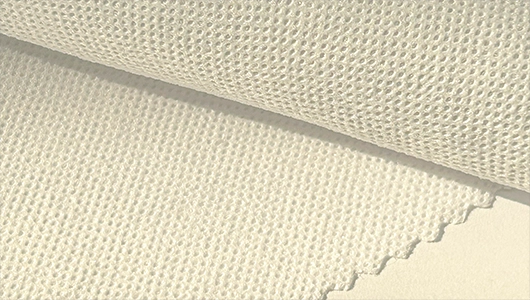
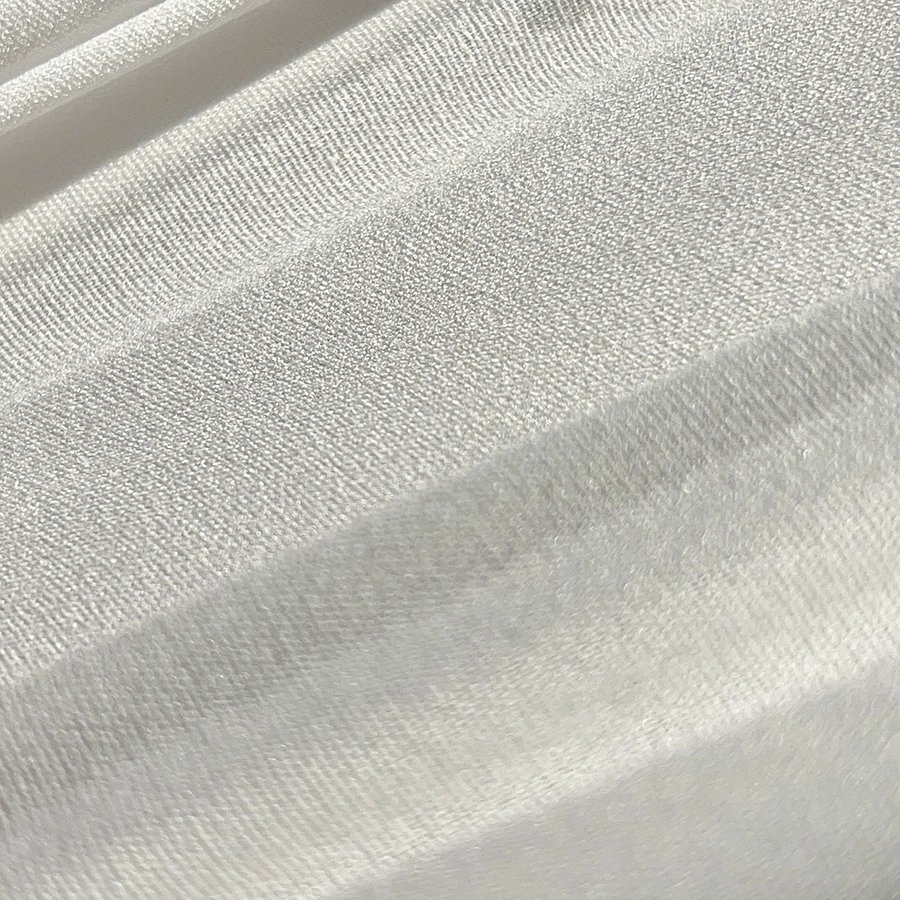
- Collar points, cuffs, and front plackets: Require clear fold lines and stretch resistance; select medium-stiffness lightweight interfacing.
- Shoulder lines and back panels: Require natural transition; use ultra-light interfacing or apply stay tape only at seam lines.
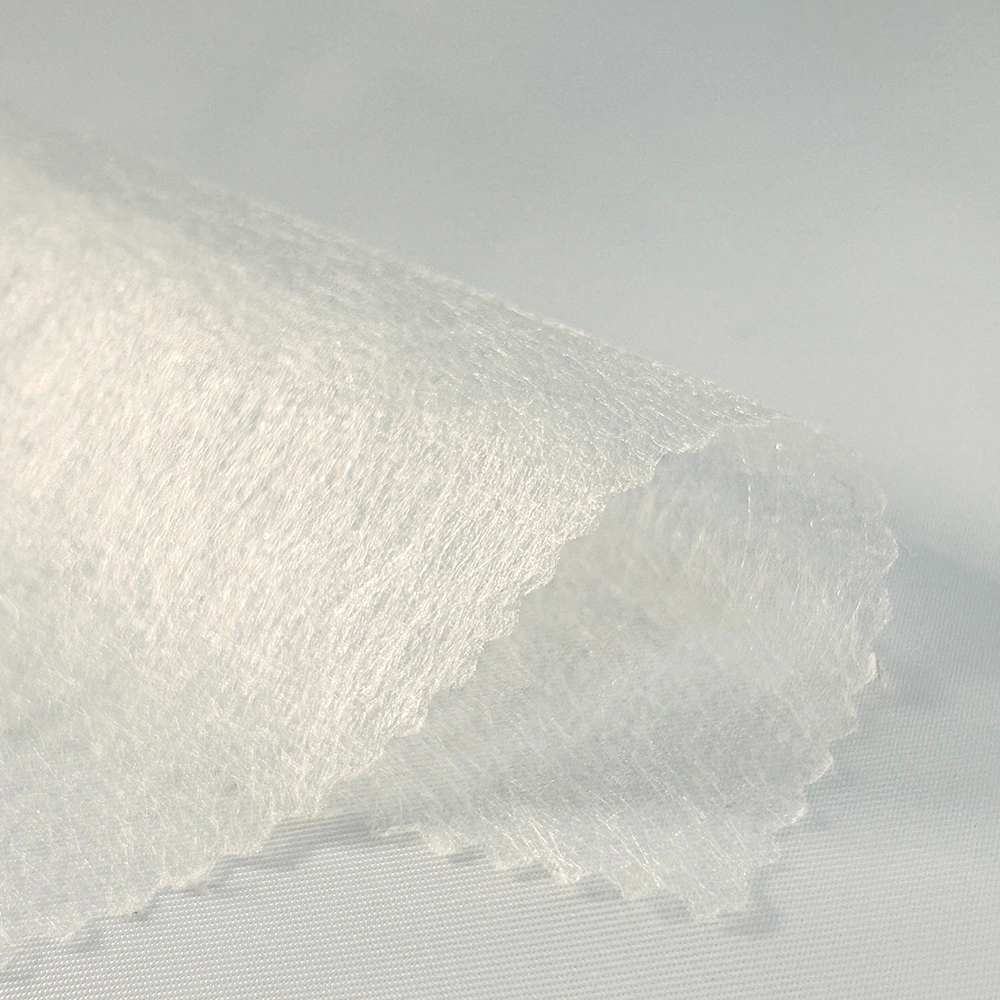
- Hems and side seams: Focus on maintaining drape; can be replaced with ultra-light interfacing tape or edge-binding techniques.
2. Match Interfacing Weight with Fabric Weight
Interfacing is neither the lighter the better nor the heavier the more stable. For lightweight fabrics (60–100g/㎡), the interfacing weight shall be significantly lower than that of the fabric to avoid overall stiffness. Specific ratios shall be determined through actual testing based on fabric density and weave structure.
3. Adapt Interfacing Material to Fabric Properties
- Silk, acetate, Tencel and similar fabrics: Have low heat resistance; require low-temperature adhesive interfacing.
- High-count cotton and linen: Exhibit significant changes in shrinkage and stiffness; interfacing shrinkage shall align with fabric pre-shrinking data.China interlining strength manufacturers
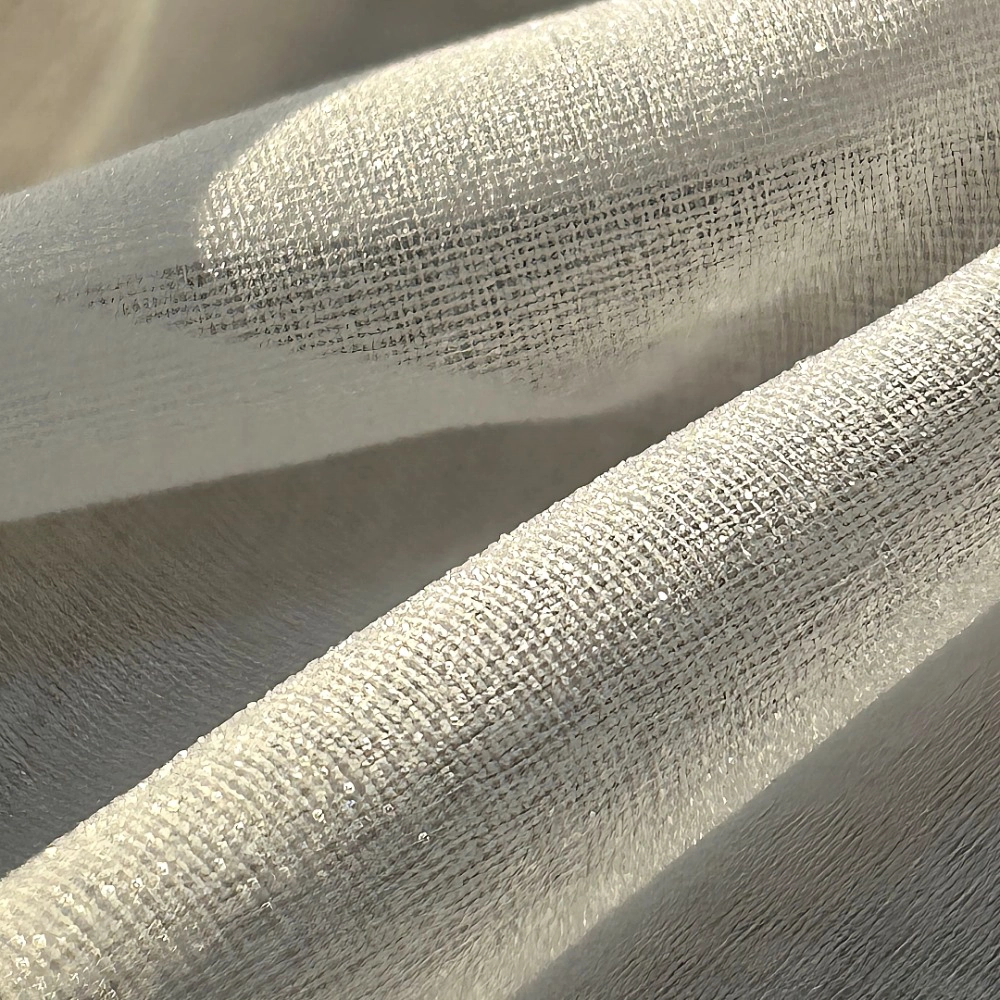
Ⅲ. Judgment Criteria for Different Stressed Positions
Even the same position may have different support requirements depending on the pattern or wearing scenario. Judgment can be made based on the following three dimensions:
1. Stress Direction
- Lateral stress (e.g., stretching after placket fastening): Requires the interfacing to have certain lateral elongation resistance to avoid buckling between button positions.
- Longitudinal stress (e.g., collar folding, cuff opening and closing): Requires the interfacing to maintain clear creases and good resilience longitudinally.
2. Natural Drape of the Fabric
- Fabrics with good drape (e.g., silk, viscose): Interfacing mainly serves for "shaping", with low stiffness recommended to avoid damaging the natural falling effect.
- Fabrics with average drape (e.g., high-count cotton and linen): Interfacing stiffness can be moderately increased to help construct the structure.
3. Garment Looseness
- Fitted styles: Interfacing shall conform to body curves; elastic or soft interfacing is preferred to avoid pulling during movement.
- Loose styles: Interfacing mainly maintains static silhouette; slightly higher stiffness interfacing can be used, but overall weight shall be controlled.
Conclusion
The "premium feel" of lightweight fabrics is essentially a balance between light weight and structural sense. Reducing weight does not mean abandoning silhouette. The key lies in differentiated selection by position, matching fabric properties, and making judgments based on stress direction, drape, and looseness, so as to maintain the crispness and drape of the garment without increasing physical burden.