







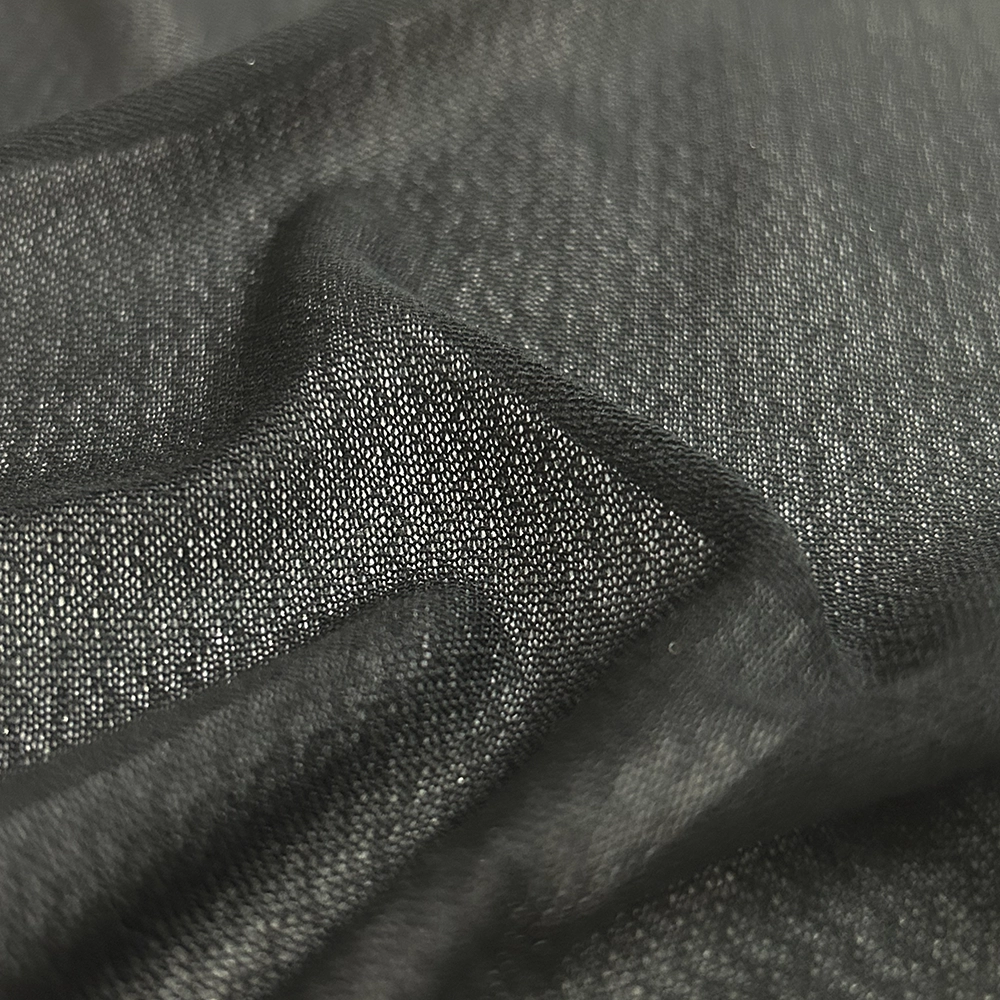
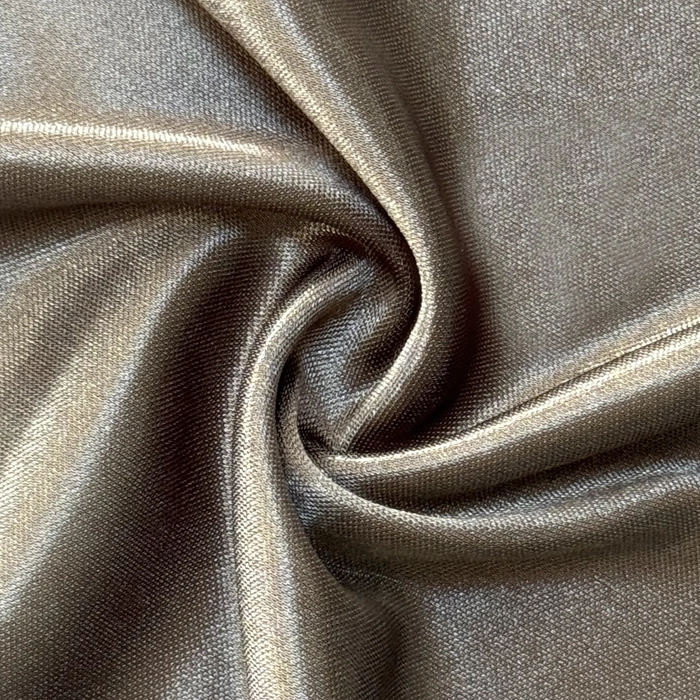
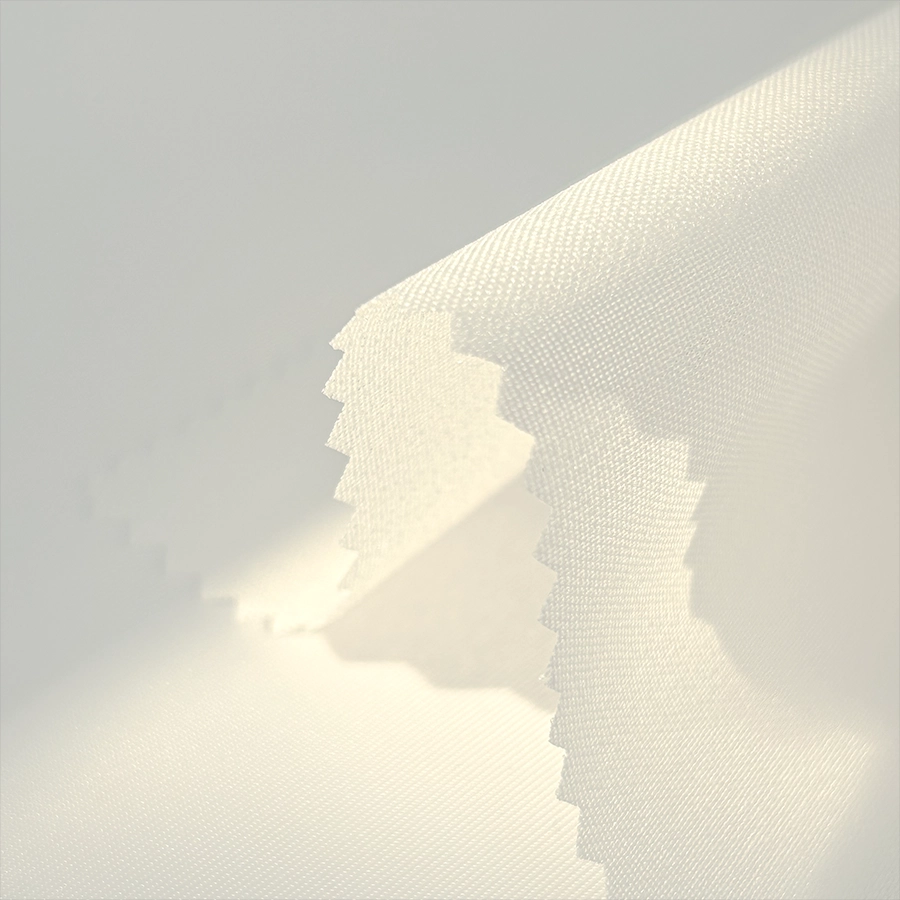
The Hidden Skeleton of Trousers Waistbands: Why Do They Roll Up?
In the structure of formal attire, the trousers waistband serves the dual functions of maintaining silhouette and withstanding waist movements. After a period of wear and washing, many trousers tend to develop downward curling, sagging edges, or even irreversible "permanent creases" along the waistband.
From the perspective of clothing material science, the essence of this phenomenon lies in the mechanical failure of the internal interlining support and the mismatch in physical properties between the outer fabric and the interlining. As the "hidden skeleton" of a garment, the base material structure, coating technology, and selection logic of interlining directly determine the structural lifespan of the waistband.China shenghong Waist Lining factory
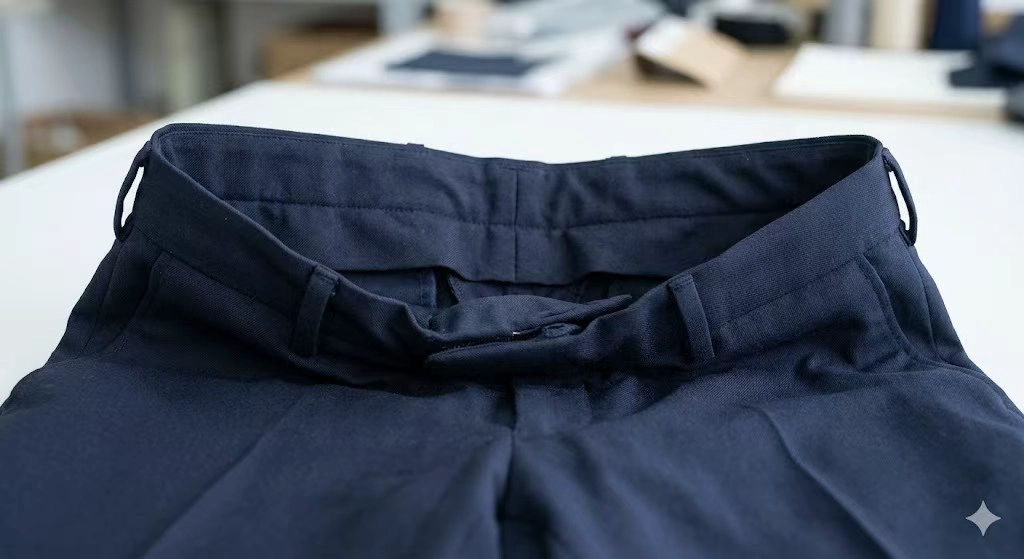
I. Core Cause: Differences in Mechanical Structures of Interlining Base Materials
Whether a waistband curls depends primarily on the base material structure of its internal interlining. There are currently two main technical routes in the industry, with distinctly different mechanical performances:
1.1 Structural Limitations of Non-Woven Interlining
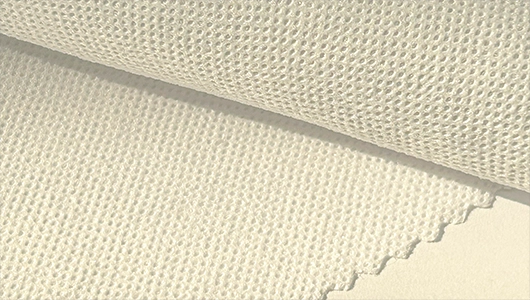
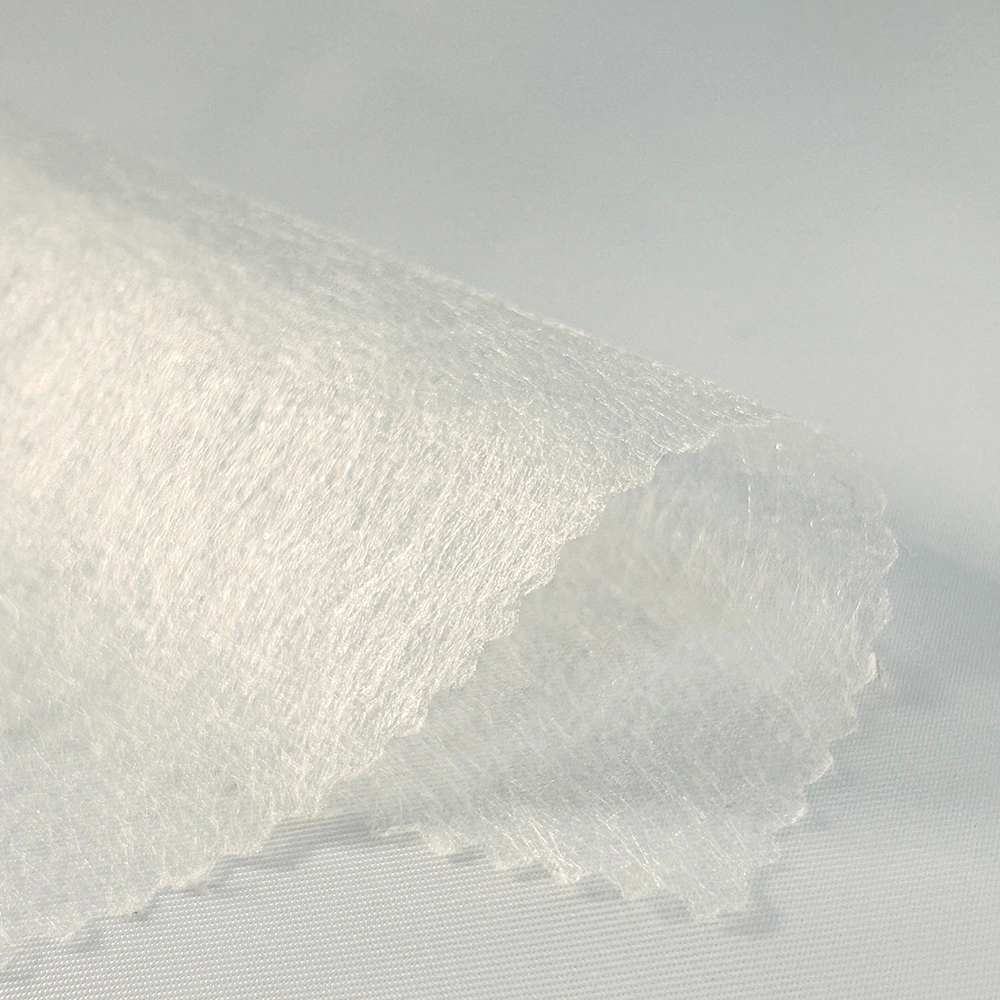
To control costs, some ready-to-wear garments use hot-rolled or chemically bonded non-woven interlining inside the waistband.
- Base Material Characteristics: Fibers are arranged in a disordered network and consolidated by adhesives, lacking warp and weft interlacing points.
- Mechanical Defects: Due to the absence of yarn interlacing, non-woven interlining has high bending stiffness but extremely low tensile toughness. Under continuous pressure from the abdomen, the fiber network is prone to brittle fracture or permanent displacement.
- Failure Performance: Once creased, it cannot be restored by ironing, much like folded cardboard, directly causing the waistband to curl outward.
1.2 Support Advantages of Woven Waist Interlining
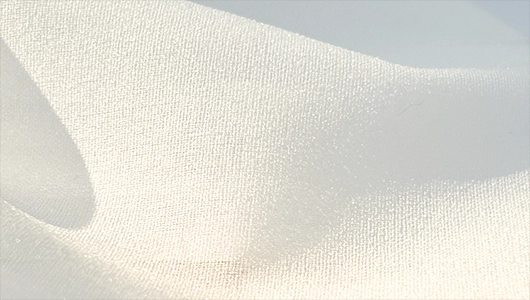
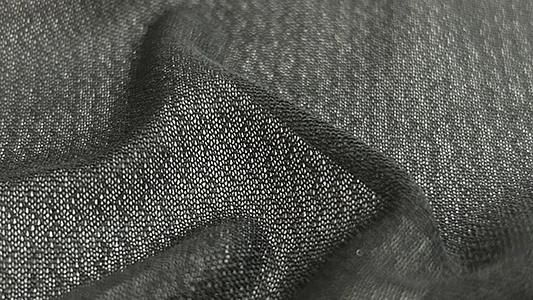
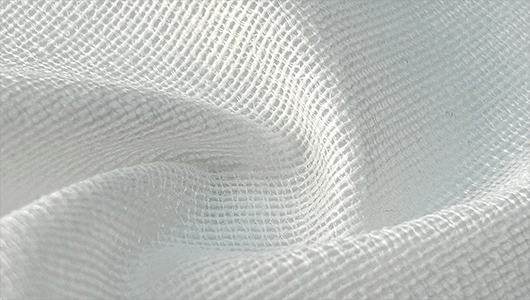
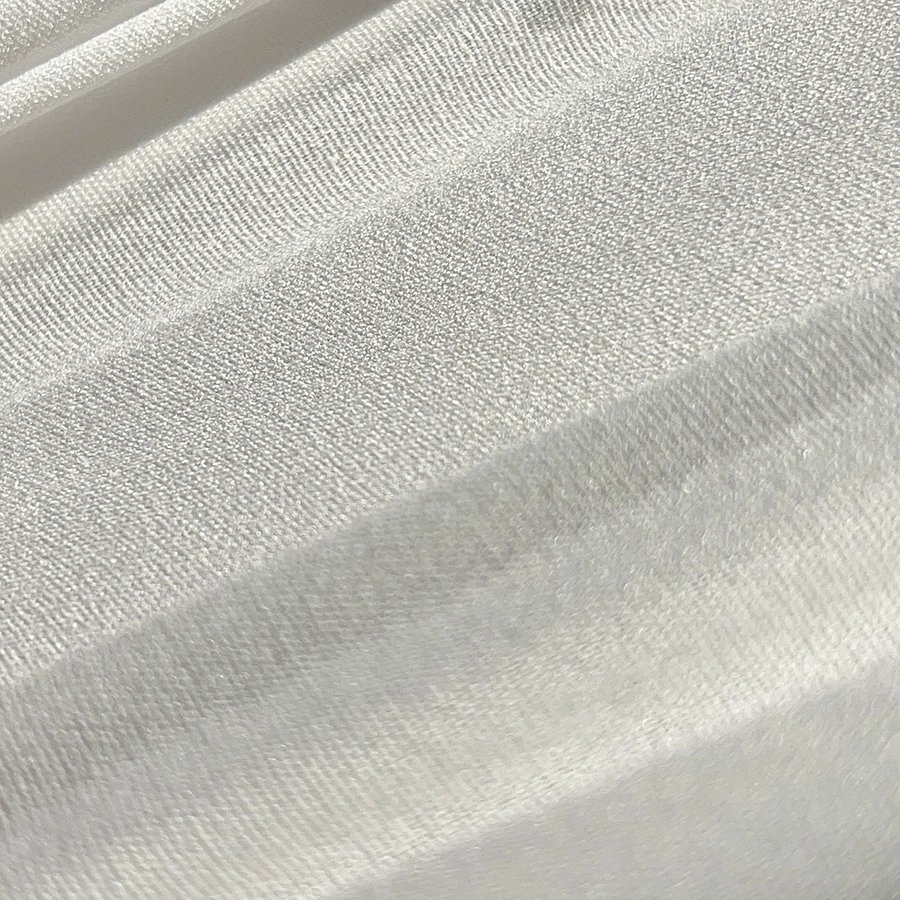
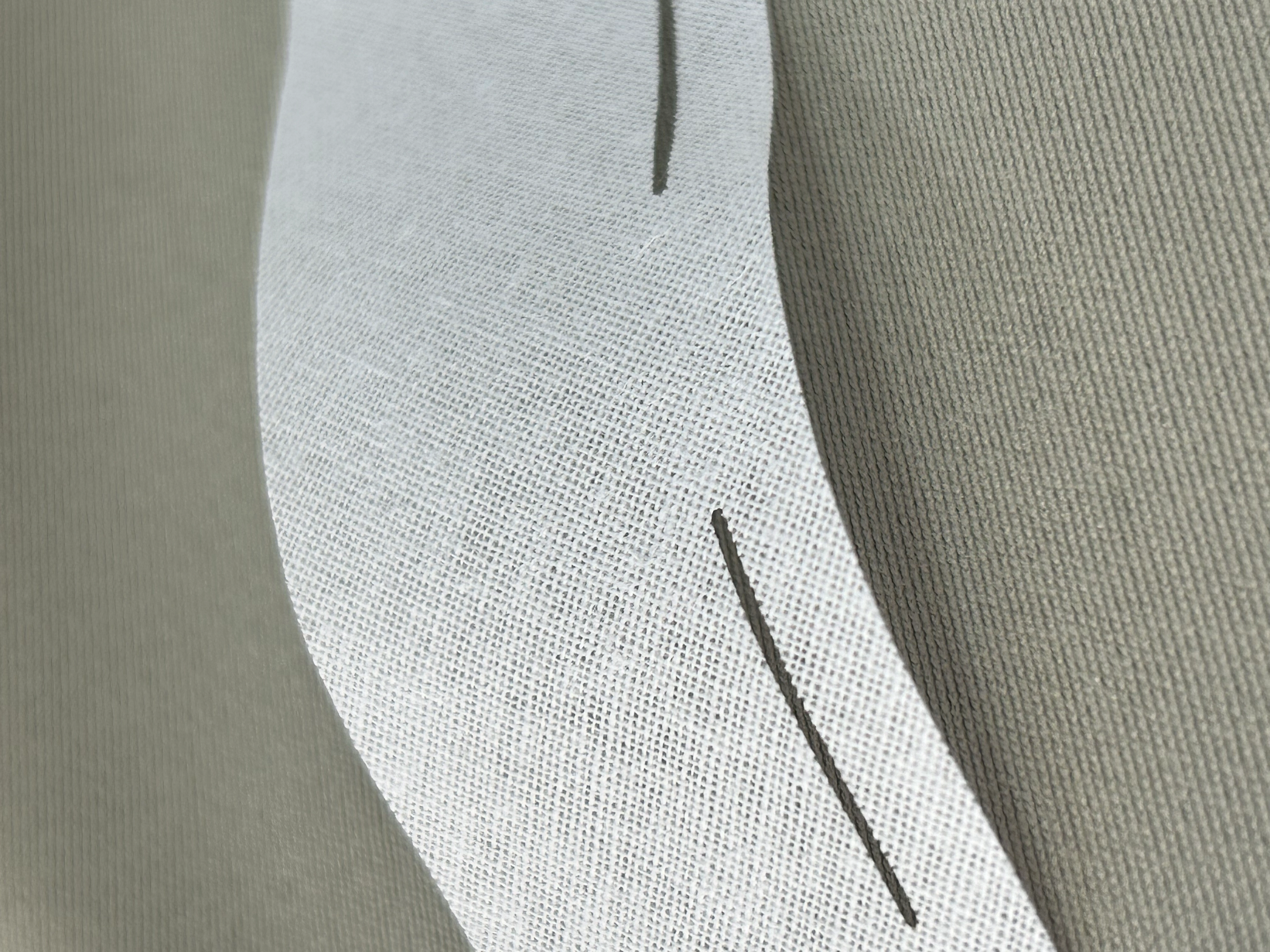
High-quality trousers usually adopt special woven waist interlining (also known as waistband fabric).
- Base Material Characteristics: Precisely interlaced by warp and weft yarns; some high-end products undergo resin finishing or special coating treatments to enhance body and stiffness.
- Mechanical Advantages: The yarn structure endows the material with excellent memory resilience. Similar to a flexible spring, it can quickly return to a flat state by virtue of yarn tension after being bent under force.
- Industry Consensus: The woven structure effectively disperses waist pressure and eliminates the formation of "permanent creases" at the material source.
II. Key Variable: Shrinkage Matching Logic Between Fabric and Interlining
Even with high-quality woven interlining, curling can still occur if selected improperly. In interlining application, shrinkage consistency is the most easily overlooked technical key.
- Physical Principle: Trousers undergo high-temperature fusing during production and subsequent washing. Significant differences in the thermal shrinkage or wash shrinkage rates between the fabric and interlining create mutual traction during contraction.
- Causes of Curling:
- If interlining shrinkage > fabric shrinkage: The interlining contracts more and pulls the fabric inward.
- If fabric shrinkage > interlining shrinkage: The fabric contracts more and forces the waistband edge to curl outward.
- Technical Solution: Professional interlining selection considers not only stiffness but also shrinkage matching with specific fabrics. Authorized factories usually provide interlinings of corresponding shrinkage grades based on fabric properties (e.g., wool, cotton, blended fabrics), ensuring synchronized deformation under hot and humid conditions to eliminate internal stress.China interlining strength manufacturers
III. Process Coordination: Technical Specifications for Cutting and Fusing
Beyond the materials themselves, the application process of interlining in garment production is also a critical factor affecting waistband lifespan.
3.1 Cutting Direction: Stress Release via Bias Cut
The human waist is frustum-shaped, not a standard cylinder. If interlining is cut along the straight grain (warp direction), its insufficient ductility easily causes stress concentration at the waist curve.
- Standard Operation: Adopt 45° bias cutting. The bias direction releases the micro-elasticity of the interlining, allowing it to better fit the natural curve of the human waist, achieving "even stress distribution, comfortable fit without constriction".
3.2 Fusing Process: Precise Control of Temperature and Pressure
The bonding of interlining and fabric relies on hot-melt adhesive.
- Risk Points: Excessively high fusing temperature or excessive pressure may damage fabric fibers or cause adhesive strike-through, resulting in a stiff hand feel of the waistband and accelerated fatigue fracture.
- Standard Operation: Precisely set the three key parameters of the fusing press—temperature, time, and pressure—according to fabric thickness and interlining adhesive type (e.g., PA, PES adhesives), ensuring qualified peel strength and a soft hand feel.
Conclusion
The crispness of a trousers waistband results from the precise coordination of fabric, interlining, and craftsmanship. As the internal support system, interlining is often overlooked by end consumers yet serves as the "hidden cornerstone" determining a garment’s structural lifespan.