







Why Some Embroidery Stays Smooth After Washing? The Secret Lies in the Backing Fabric
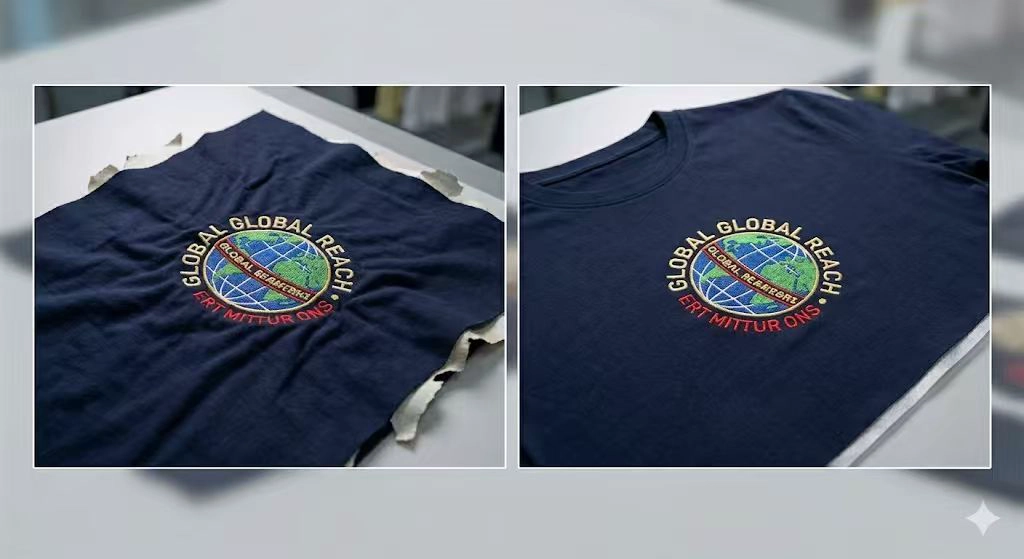
Many brands receive customer complaints about embroidery on garments "wrinkling", "shrinking into a clump after washing", or the back of embroidery inside garments "itching the skin". Sometimes these issues are attributed to embroidery stitch density or fabric thickness, but in production, 80% of cases are directly related to the selection of the underlying "backing stabilizer".
Embroidery backing stabilizer serves to stabilize the fabric during needle stitching, preventing loops from pulling and deforming. The logic of choosing a stabilizer varies completely with different fabrics.China shenghong interlining manufacturer
I. Three Main Categories of Embroidery Backing Stabilizers
Embroidery backings on the market are strictly divided into the following three types:
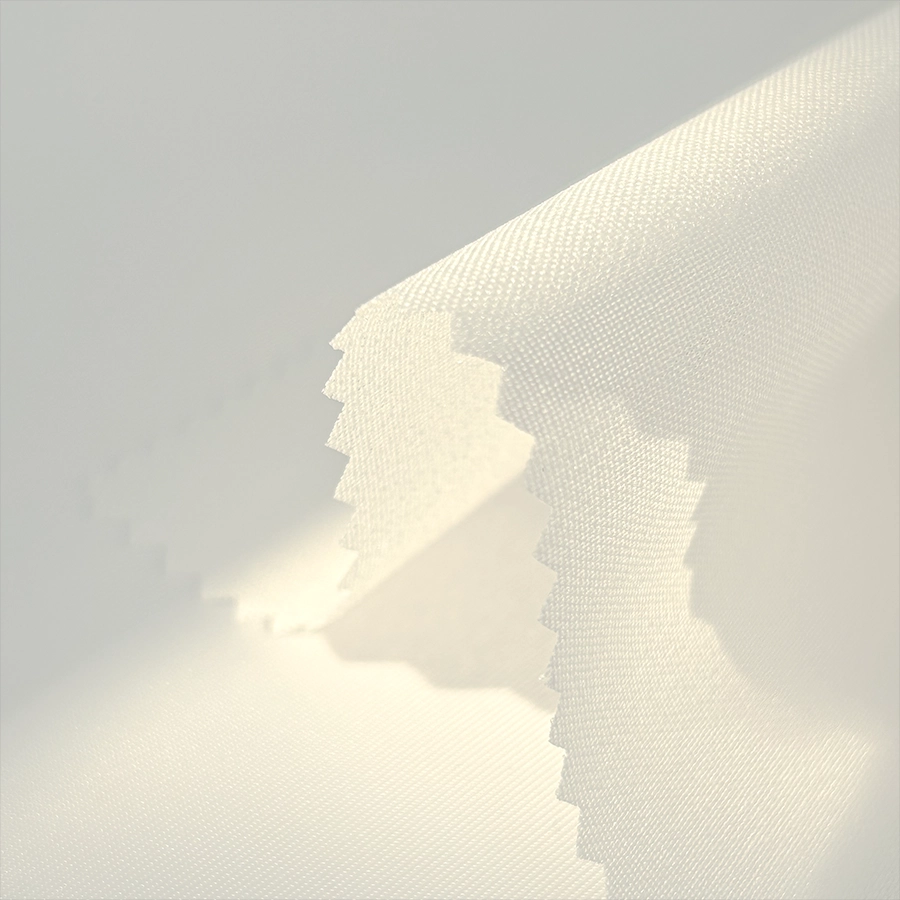
- Paper Backing / Tear-Away StabilizerThe most common and lowest-cost embroidery backing, which can be easily torn off by hand after embroidery.
- Applicable fabrics: Almost non-elastic woven fabrics (e.g. denim, pure cotton canvas, oxford fabric)
- Notes: Not recommended for stretchy knits or sweatshirts. During hand-tearing, it is easy to stretch and deform stretch fabrics together with embroidery stitches.
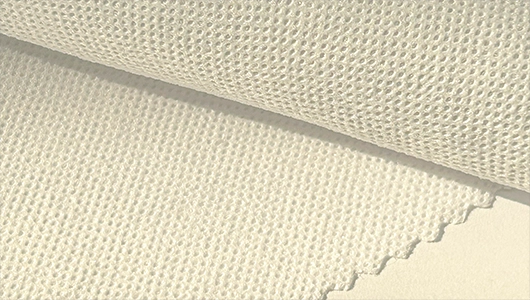
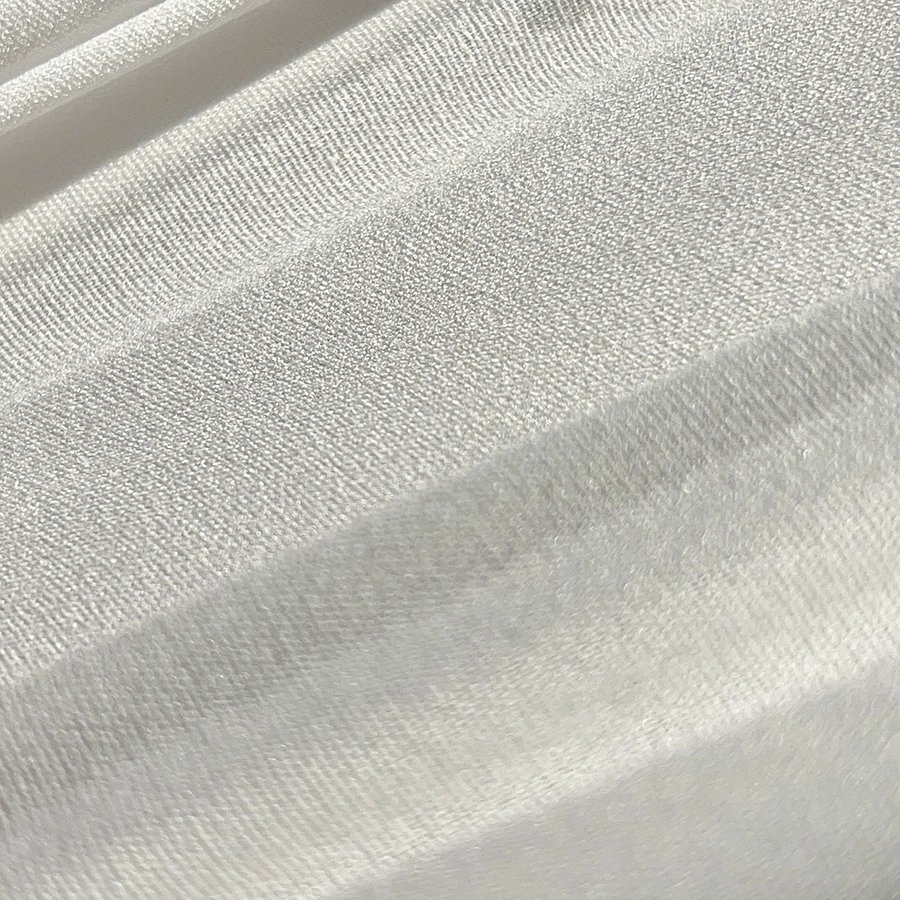
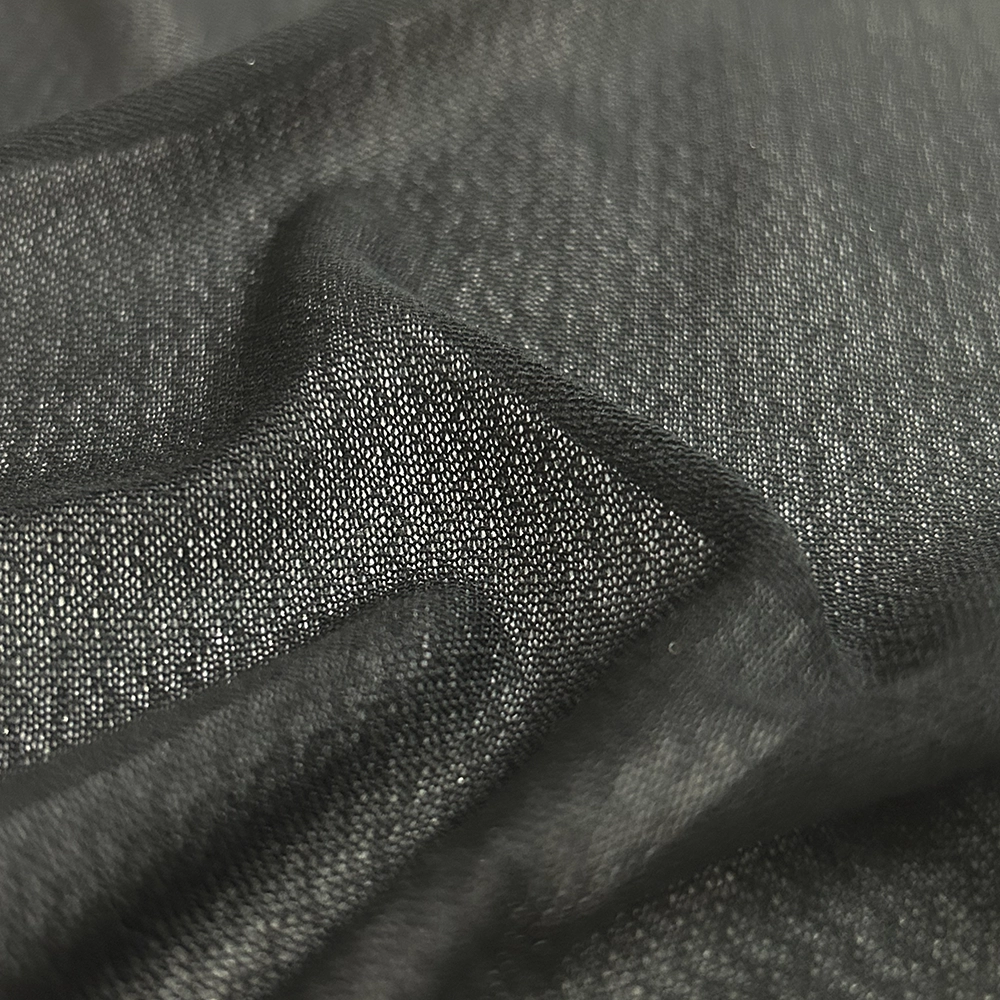
- Cut-Away Stabilizer / Soft Non-Woven StabilizerA tear-resistant non-woven fabric that requires scissors to trim excess backing along the edge of embroidery after stitching.
- Applicable fabrics: Knitted fabrics (T-shirts, sweatshirts, Polo shirts) and all highly elastic fabrics
- Core advantage: The stabilizer remaining on the back of embroidery provides permanent support for the pattern, keeping it smooth even after repeated washes.
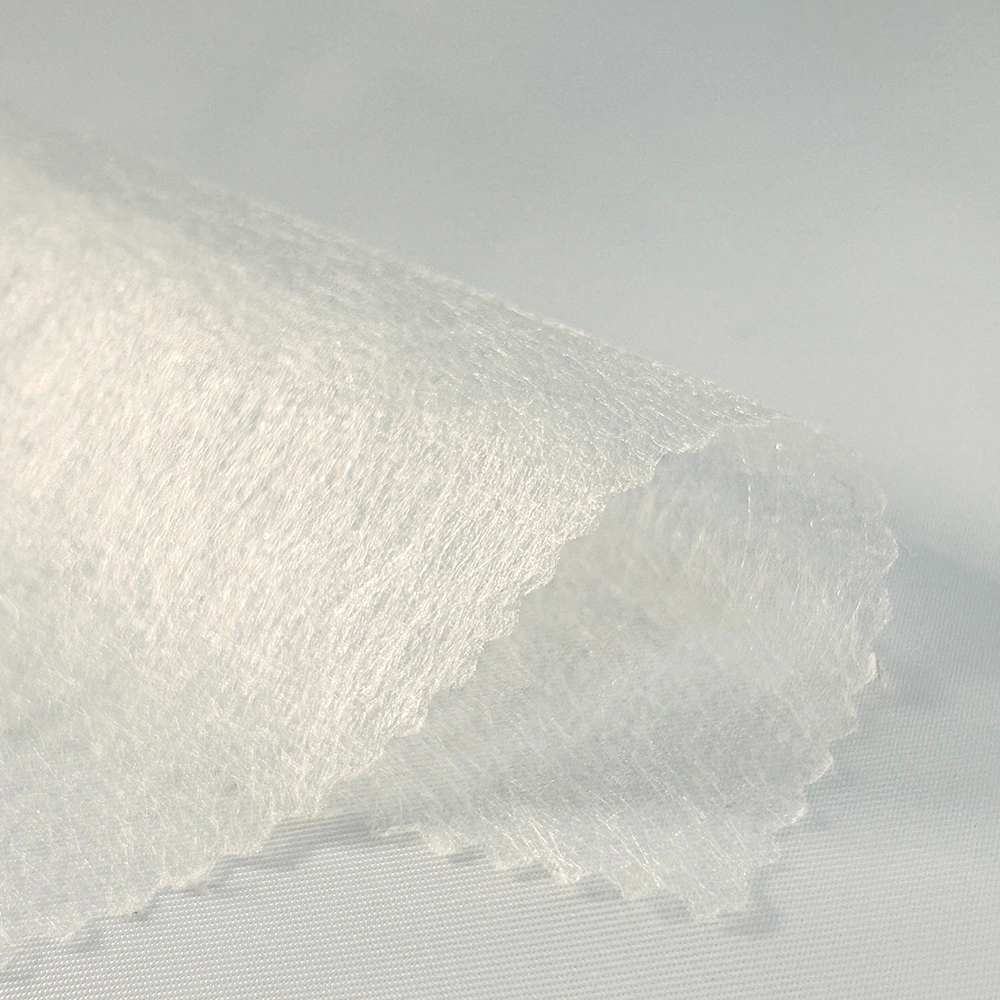
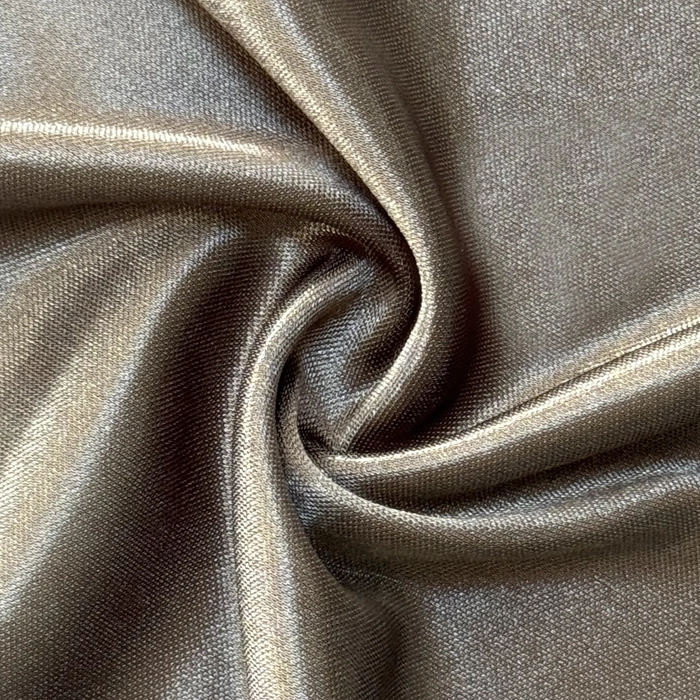
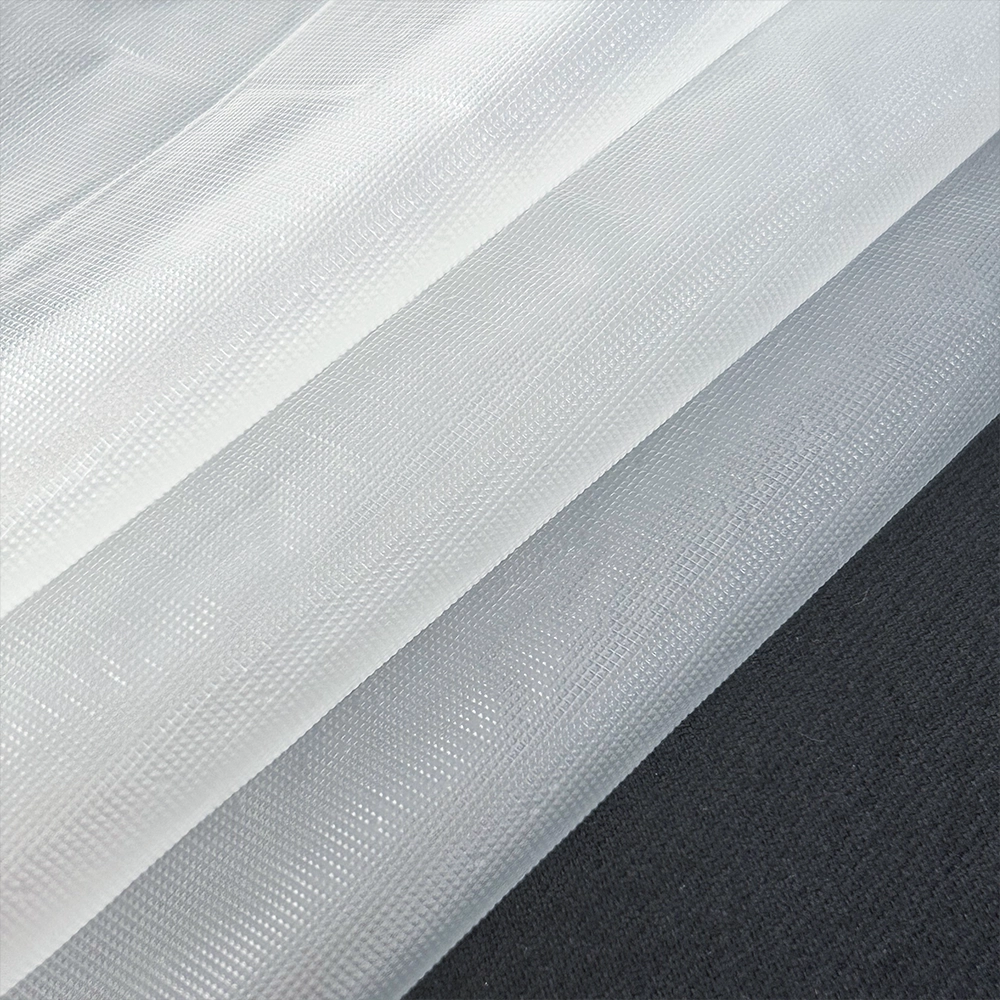
- Water-Soluble Film / Heat-Away FilmWater-soluble film dissolves in water, and heat-away film can be peeled off after high-temperature ironing, leaving no residue on the back after embroidery.
- Applicable fabrics: Towels, fleece, flannel (placed on top of the fabric to hold down nap and prevent stitches from sinking); translucent fabrics or silk (no stabilizer traces allowed on the back)
- Core advantage: Enables seamless embroidery with a clean and delicate finished product. China interlining strength manufacturers
II. Three Golden Rules for Professionals to Choose Stabilizers
-
The more stretchy the fabric, the more it needs Cut-Away stabilizerFor any fabric with elasticity, Cut-Away stabilizer is preferred to avoid deformation risks caused by tearing paper backing.
-
The denser the stitches, the thicker the stabilizer should beFor large-area, high-density complex embroidery, thin backing cannot effectively resist fabric shrinkage. Higher gram-weight stabilizer or double layers can be used.
-
Pay attention to skin feel for close-fitting garmentsFor children’s clothing or close-fitting T-shirts, thread ends on the back of embroidery may cause discomfort even after trimming the stabilizer. It is recommended to additionally iron a layer of ultra-soft pure cotton hot-melt patch backing on the back after embroidery to cover all stitches.
III. Quick Reference Chart for Embroidery Anti-Wrinkle & Anti-Deformation
| Fabric Type | Elasticity | Recommended Backing Type | Post-Embroidery Treatment |
|---|---|---|---|
| Regular woven fabrics (shirts / windbreakers) | Non-elastic / Slightly elastic | Tear-Away paper backing | Tear off directly, fast and convenient |
| Knitted fabrics (T-shirts / sweatshirts) | Medium to high elasticity | Cut-Away stabilizer (soft non-woven) | Trim edges with scissors, permanent shape retention |
| Fuzzy fabrics (sweaters / fleece) | Prone to sunk stitches | Water-soluble film on the surface | Wash off or rinse with water gun for three-dimensional patterns |
| Transparent fabrics (chiffon / organza) | Prone to see-through | Water-soluble / heat-away film on the bottom | Wash off or iron at high temperature for seamless invisibility |
Backing stabilizer is the fundamental support in embroidery craftsmanship. The matching degree between backing stabilizer and embroidery technology directly affects the quality and durability of the finished product. Choosing the right stabilizer ensures embroidery remains smooth and comfortable wash after wash.