







Why Do Knit Sweater Necklines Stretch Out After Washing?
Knitwear (including T‑shirts, sweatshirts, and Polo shirts) often suffers from problems such as "loose necklines", "sagging shoulders", and "shape distortion after washing".
When encountering such issues, many brands tend to first suspect insufficient fabric weight or poor yarn quality. However, as a direct manufacturer deeply rooted in the interlining industry for years, we have assisted hundreds of brands in solving technical challenges and found that: the root cause often lies not in the fabric itself, but in the neglect of the garment’s "invisible skeleton" — the reinforcement technology of interlinings and stay tapes.
A high‑quality knitwear is not only about wearing comfort, but also about maintaining its shape even after 30 washes.China Shenghong Knitted Interlining Factory
I. Core Pain Point: Why Are Knitwear Naturally "Shapeless"?
To solve distortion, we must first understand the physical properties of knitted fabrics.Unlike woven fabrics, knitted fabrics are constructed by interlocking loops. This structure gives the fabric excellent elasticity and breathability, but also brings inherent weaknesses:
- Easy to stretch: Loops are highly prone to displacement under external forces such as putting on and taking off, washing and spinning, and the gravity of hanging to dry.
- Poor resilience: Once the loop structure is over‑stretched, it is difficult to return to its original state without external restraint.
Direct consequences of insufficient reinforcement:
- Ruffled neckline: Loss of resilience causes the neckband to become increasingly loose with wear.
- Sagging shoulders: Seam positions slide down toward the arms, making the entire garment look worn and shapeless.
II. Solution: Two Indispensable "Shape‑Retaining" Processes
To prevent knitwear distortion, simply thickening the fabric (which increases costs and compromises handfeel) is not enough; physical support from accessories is essential. Below are the industry‑standard dual protection techniques:
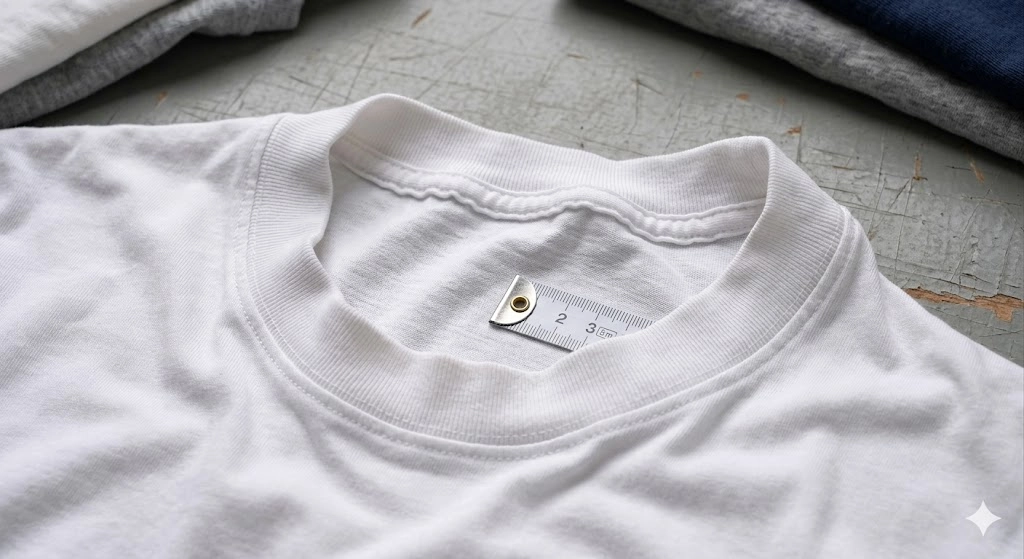
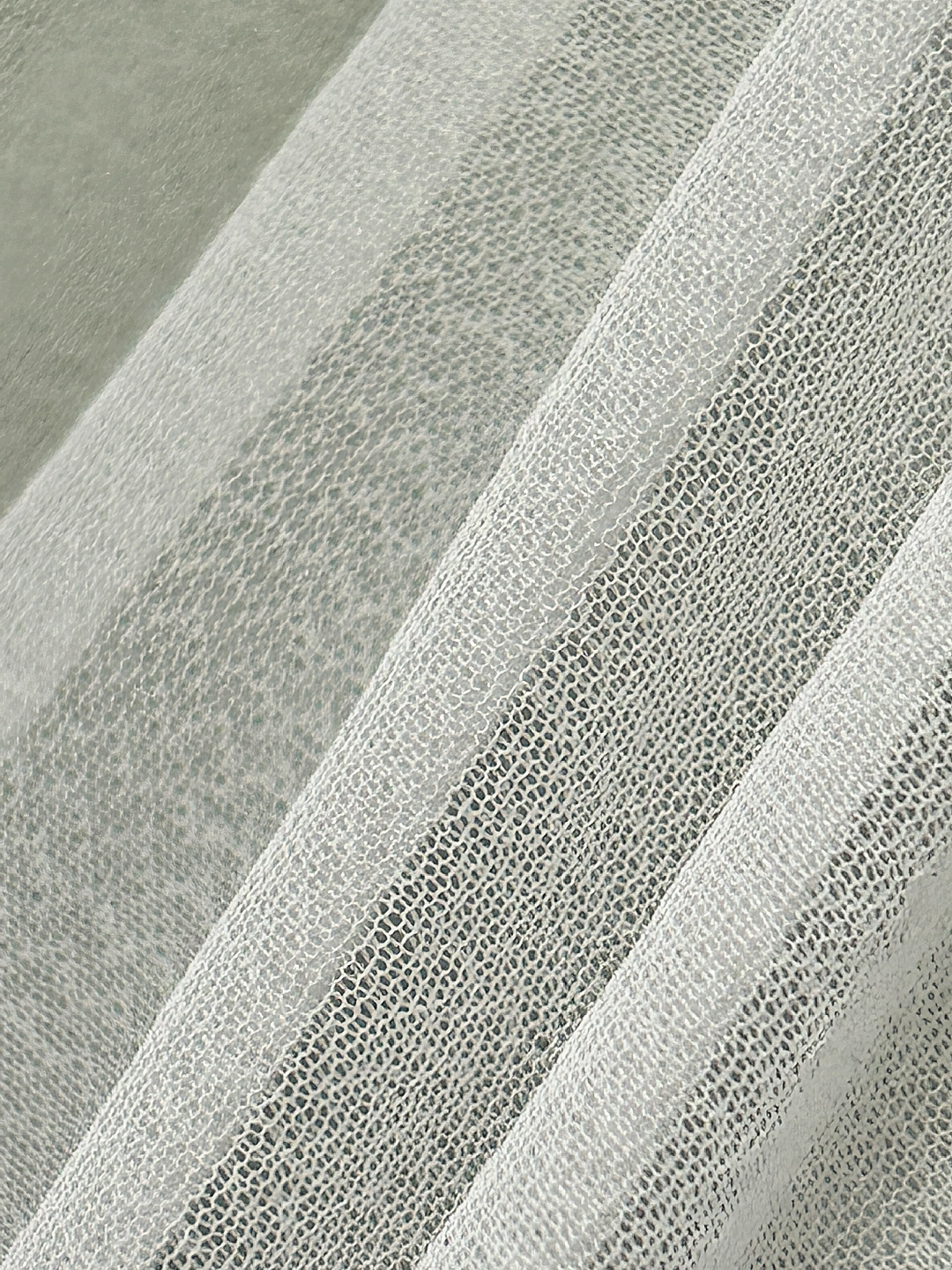
1. Neckline Protection: Must Apply "Tricot Elastic Interlining"
Some factories skip neckline reinforcement entirely to save processes, which is a major cause of quality complaints.
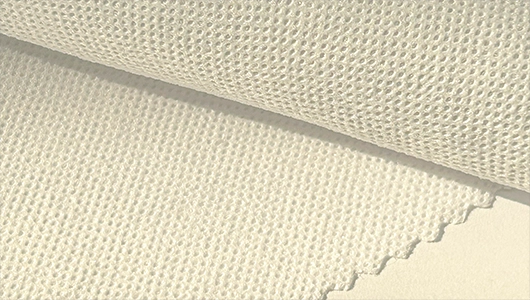
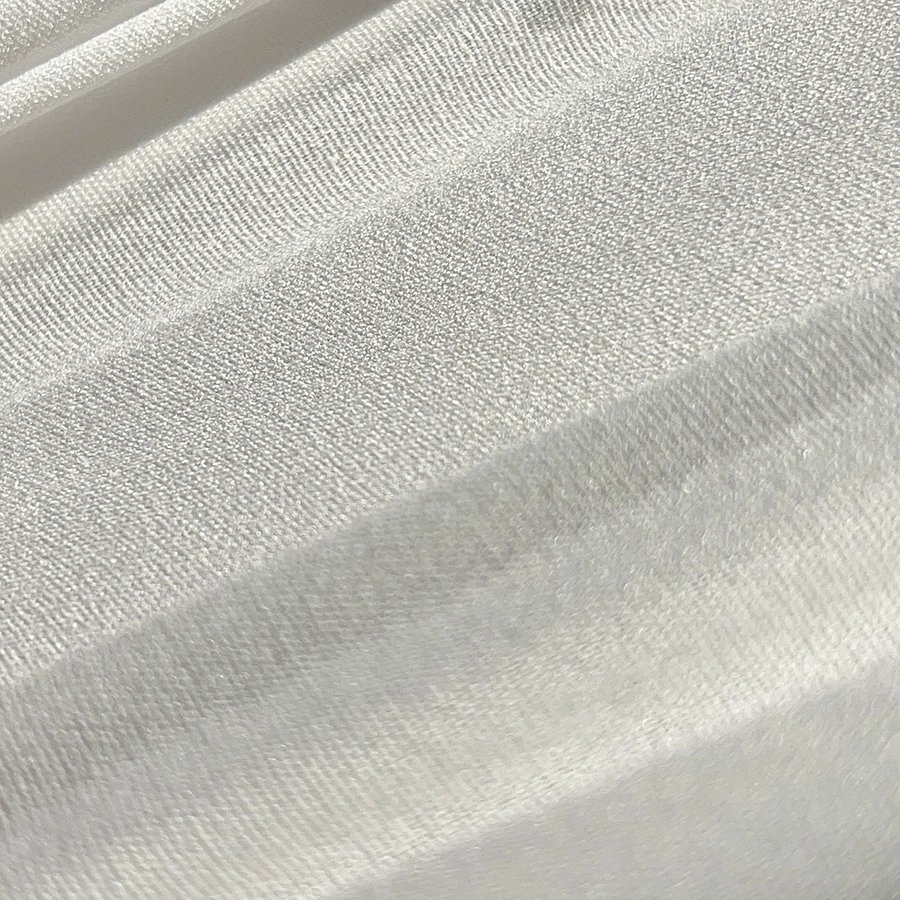
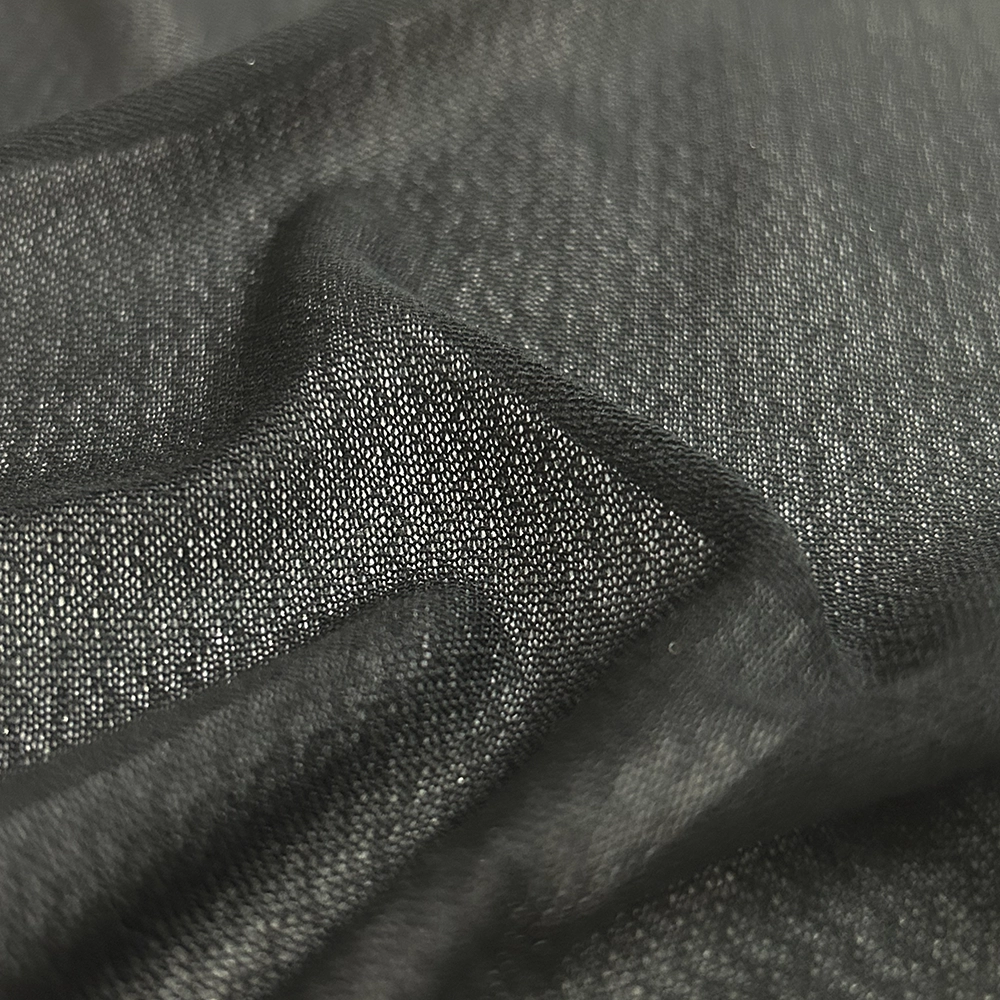
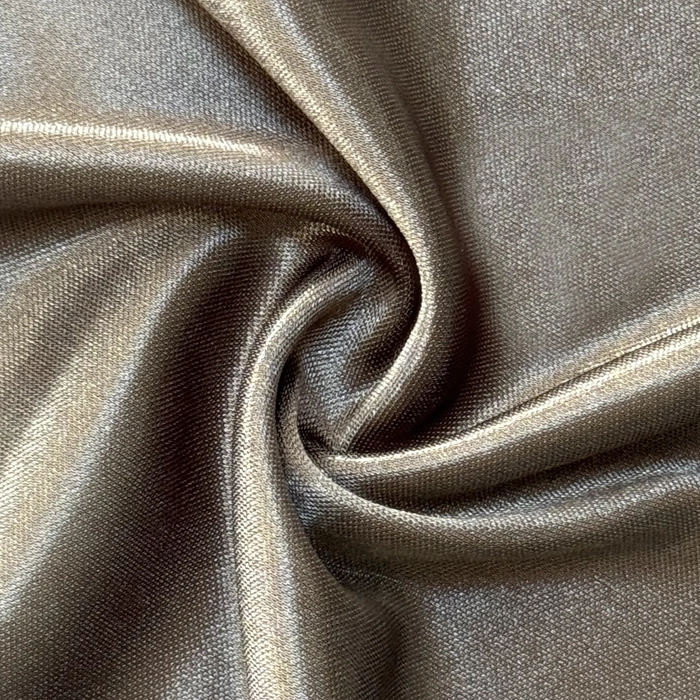
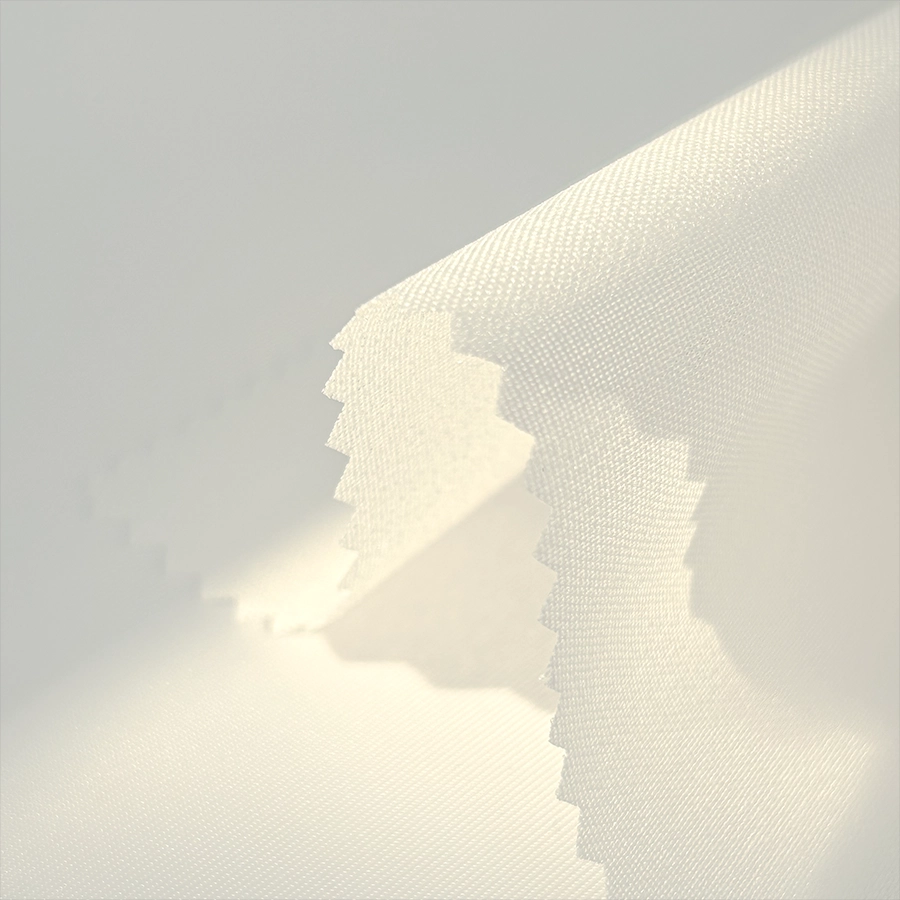
- Recommended accessory: Lightweight tricot interlining
- Technical principle: Knit necklines undergo frequent stretching (when putting on over the head). Ordinary non‑woven interlining breaks easily when stretched or restricts movement. Tricot interlining features unidirectional or bidirectional elasticity, perfectly adapting to the extension of knitted fabrics.
- Core function: It acts as a "memory tendon" for the neckline. When external force is removed, the tricot interlining generates inward contraction force, pulling the fabric back to its original size and fundamentally eliminating "ruffled edges".
2. Shoulder Seams / Back Neck: Must Insert "Reinforcement Stay Tape"
If you find the shoulders of a garment become longer after washing, this critical process is usually missing.
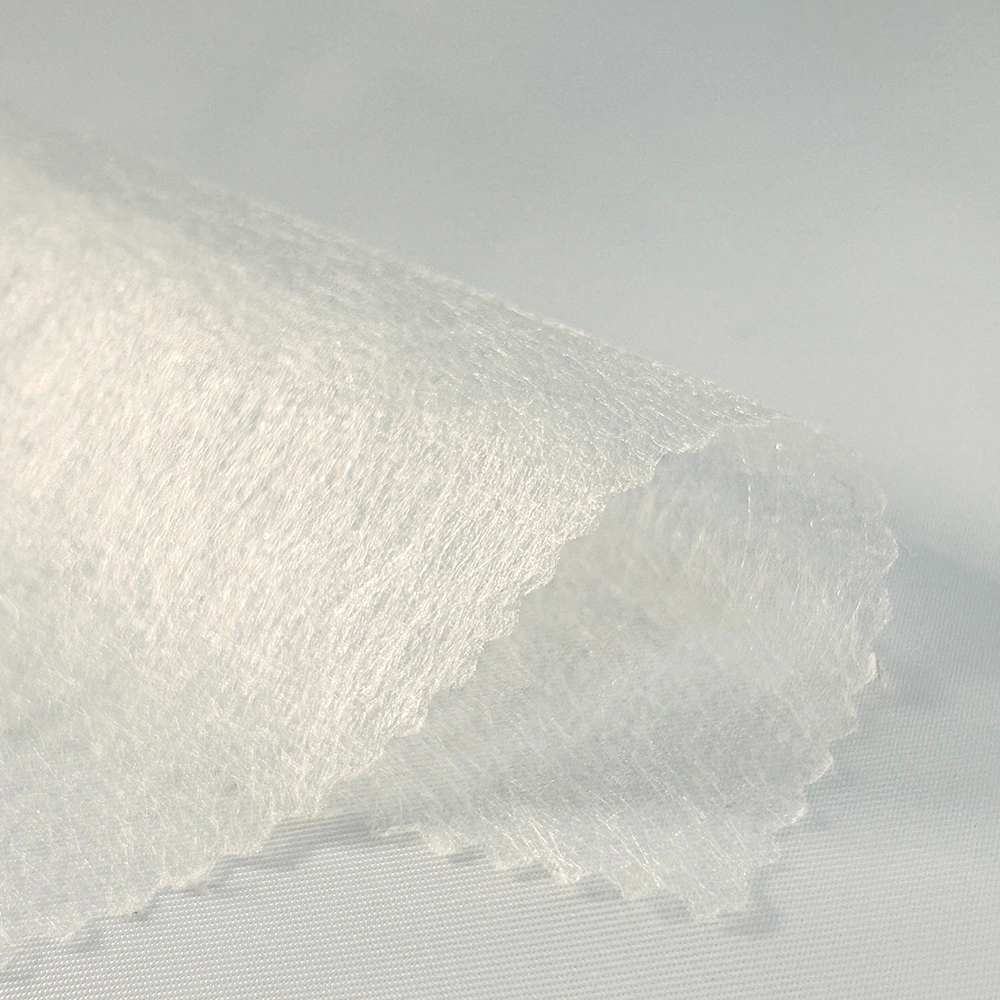
- Recommended accessory: Stay tape, 0.5cm‑0.8cm in width
- Technical principle: Stay tape is typically made of non‑elastic or slightly elastic material.
- Core function: It acts like "steel beams" in construction, directly fixing the shoulder circumference. No matter how many times the garment is washed or hung to dry, the shoulder width is firmly locked, supporting the overall silhouette and preventing sagging and distortion.China Shenghong Knitted Interlining Manufacturer
III. Expert Guide: "Self‑Inspection Standards" for Production Workshops
For brand developers or purchasers, when inspecting garment samples or bulk orders, it is recommended to turn the garment inside out and conduct physical tests according to the following standards:
| Reinforced Area | Recommended Accessory | Inspection Action & Standard |
|---|---|---|
| Crew Neck / V‑Neck | Lightweight tricot interlining | Stretch test: After strong stretching, the neckline quickly recovers without wavy "ruffled edges". |
| Left & Right Shoulder Seams | Polyester stay tape / clear spandex tape | Pull test: No obvious elongation when firmly pulling the shoulder seam, with straight stitching. |
| Slits / Button Positions | Fine woven interlining | Press test: No tearing, wrinkling or distortion of fabric after repeated pressing around buttons. |
IV. Conclusion: The Invisible "Skeleton" Creates Visible Quality
The texture of knitwear depends not on how thick the fabric is, but on meticulous craftsmanship. Knitwear without interlining and stay tapes is only a "semi‑finished product" from a professional perspective.
We understand that although interlinings are hidden inside, they determine the service life of finished garments. We do not wish to be merely a supplier of accessories, but rather a "gatekeeper" of brand quality.
Quality interlinings stand the test of time; reputable brands deserve long‑lasting trust. We look forward to cooperating with quality‑focused partners, using an invisible skeleton to support the visible reputation of your brand.