







Interlining Selection for White Garments: How to Avoid Color Difference at the Neckline
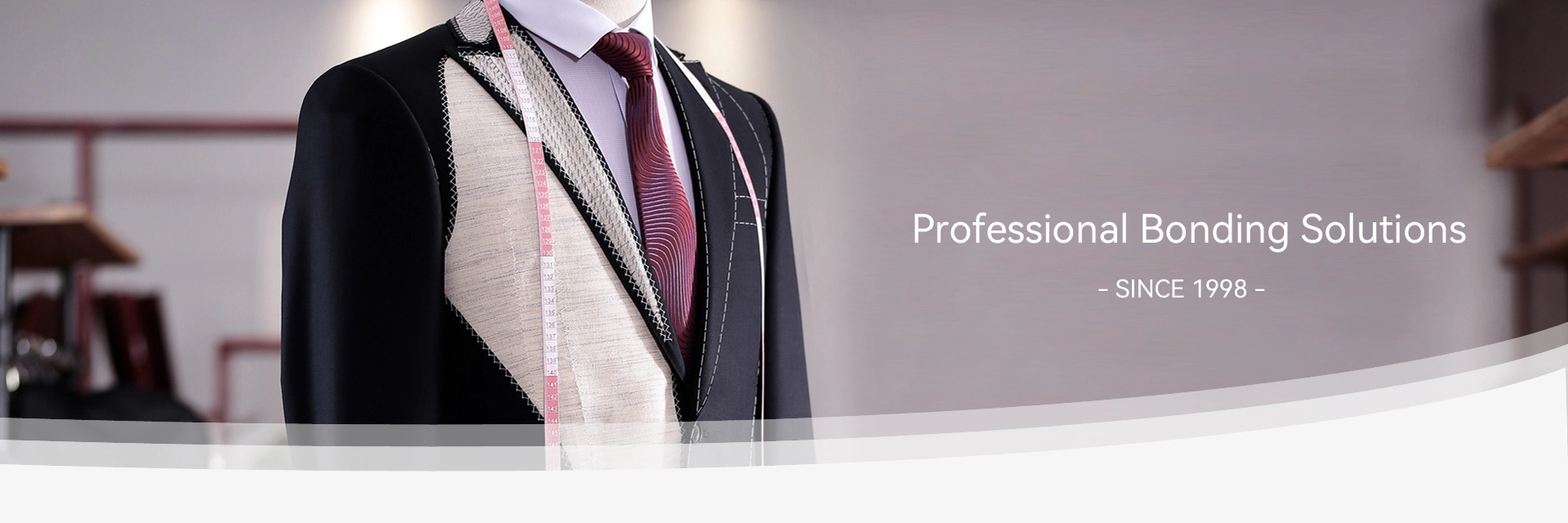
In garment production, white fabric directly exposes any defects in workmanship. Many pattern makers and buyers find that after production, interlined areas such as the neckline, cuffs, and placket appear darker than the main body fabric, sometimes even showing an unremovable "bluish" or "greyish" tint.
Such color differences are usually not defects in the fabric itself, but result from mismatched hues of the interlining.China shenghong interlining manufacturer
Ⅰ. Core Issue: Matching Hue Between White Fabric and Interlining
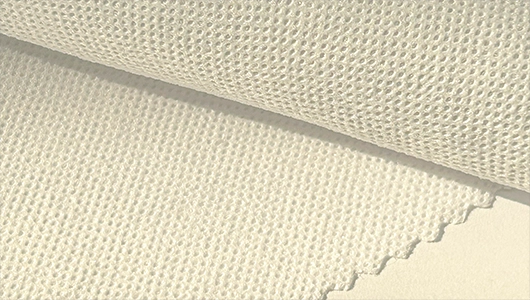
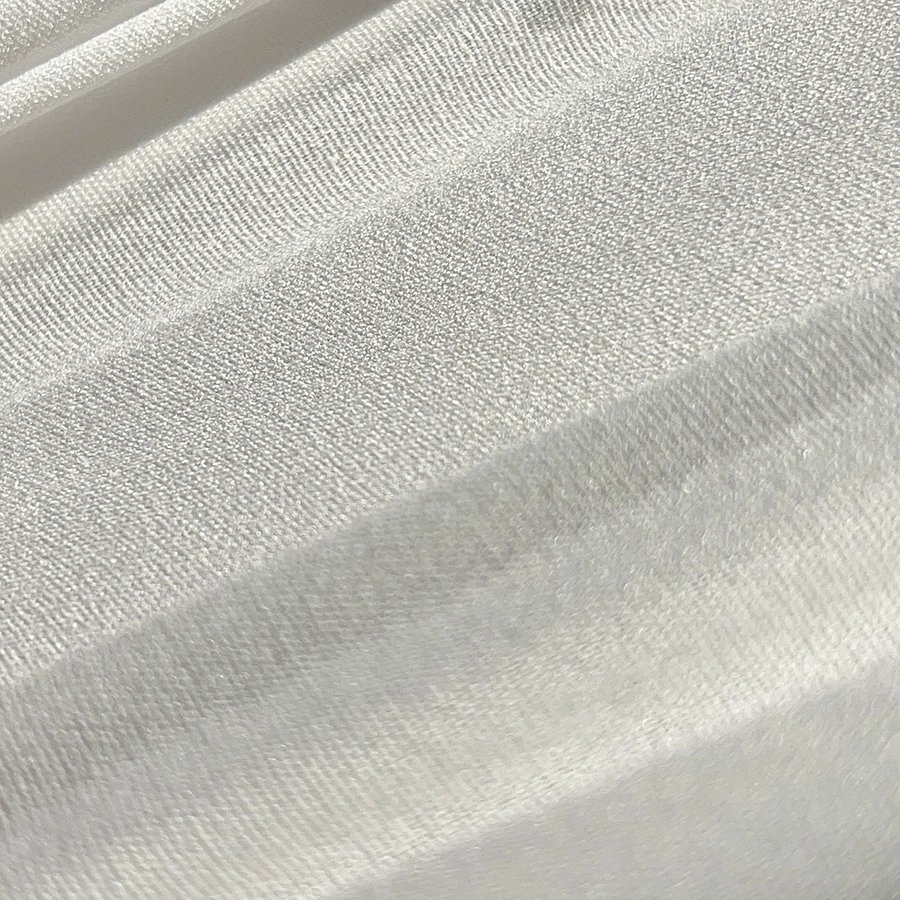
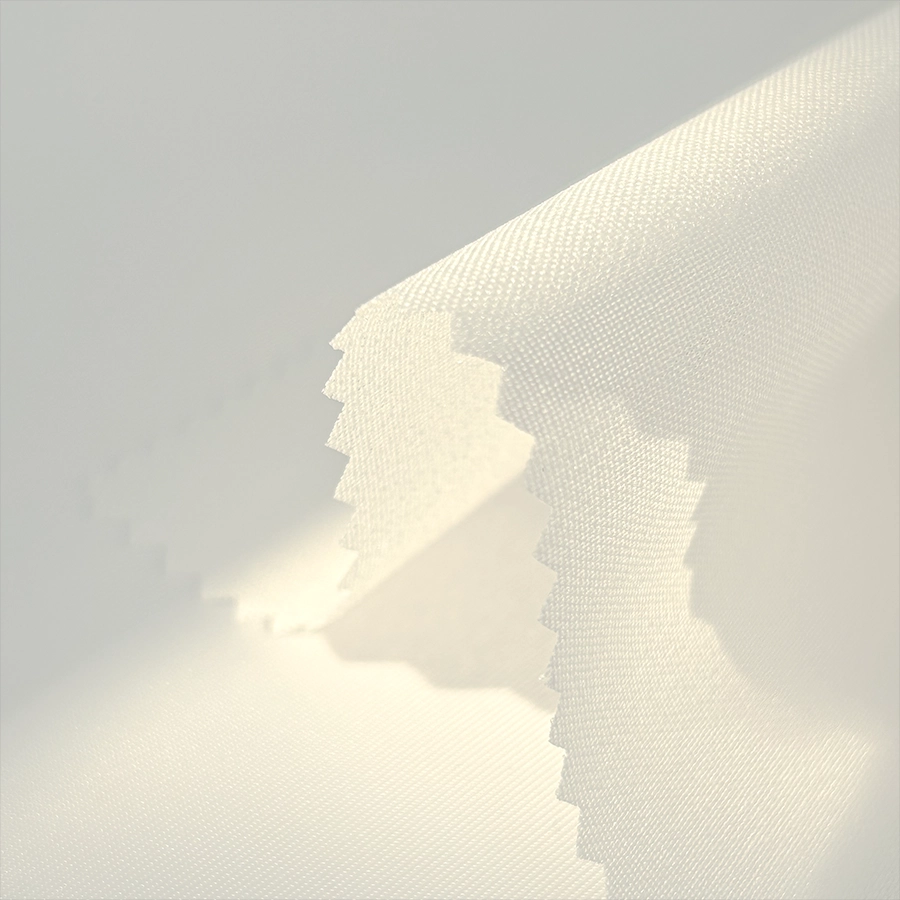
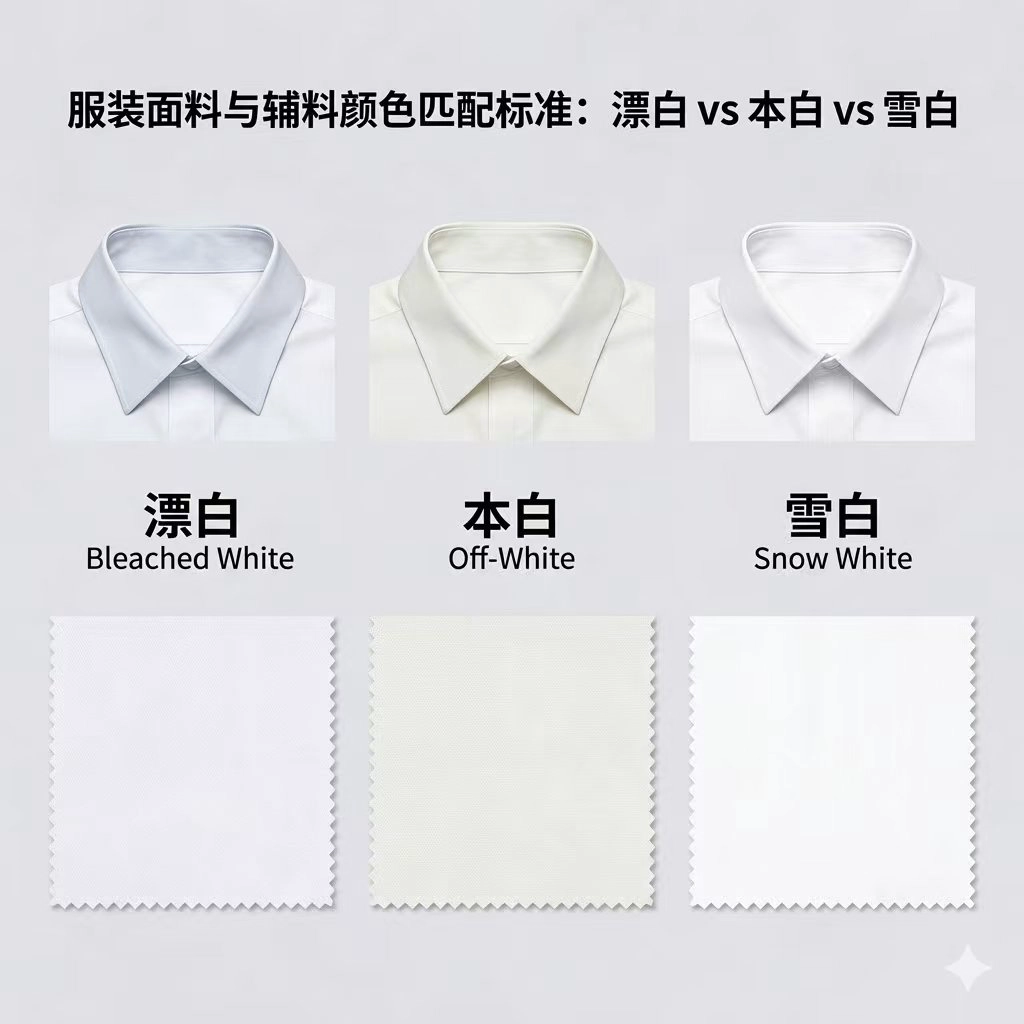
White is not a single color. Common white interlinings fall into three categories by hue:
- Bleached White: Cool-toned white with distinct blue-grey or blue-purple undertones.
- Natural White: Warm, soft white similar to the natural tone of cotton.
- Snow White: Bright, pure white with no yellowish tint or the extreme cool blue cast of bleached white.
If bleached white interlining is fused with natural white high-count cotton fabric, the blue optical brightener in the interlining will show through the fabric, making the neckline appear bluish and cool, thus downgrading the overall quality of the garment.
Ⅱ. Common Causes of Greying or Darkening After Interlining
Besides incorrect hue selection, two other factors may cause color difference in interlined areas:
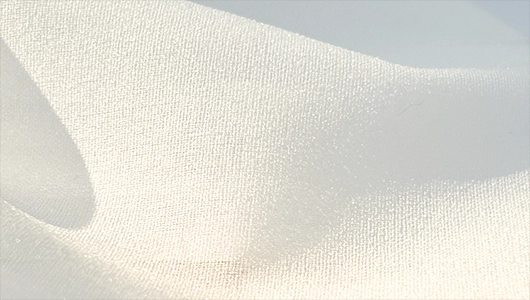
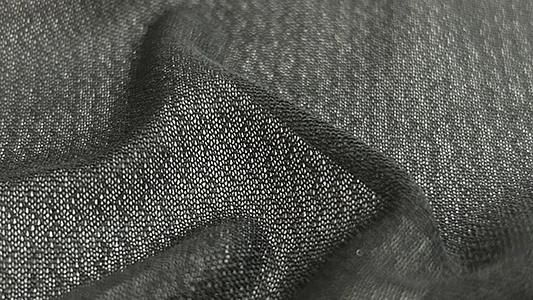
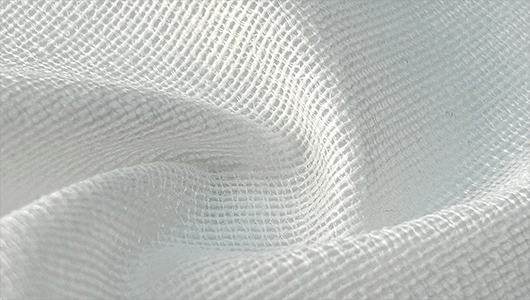
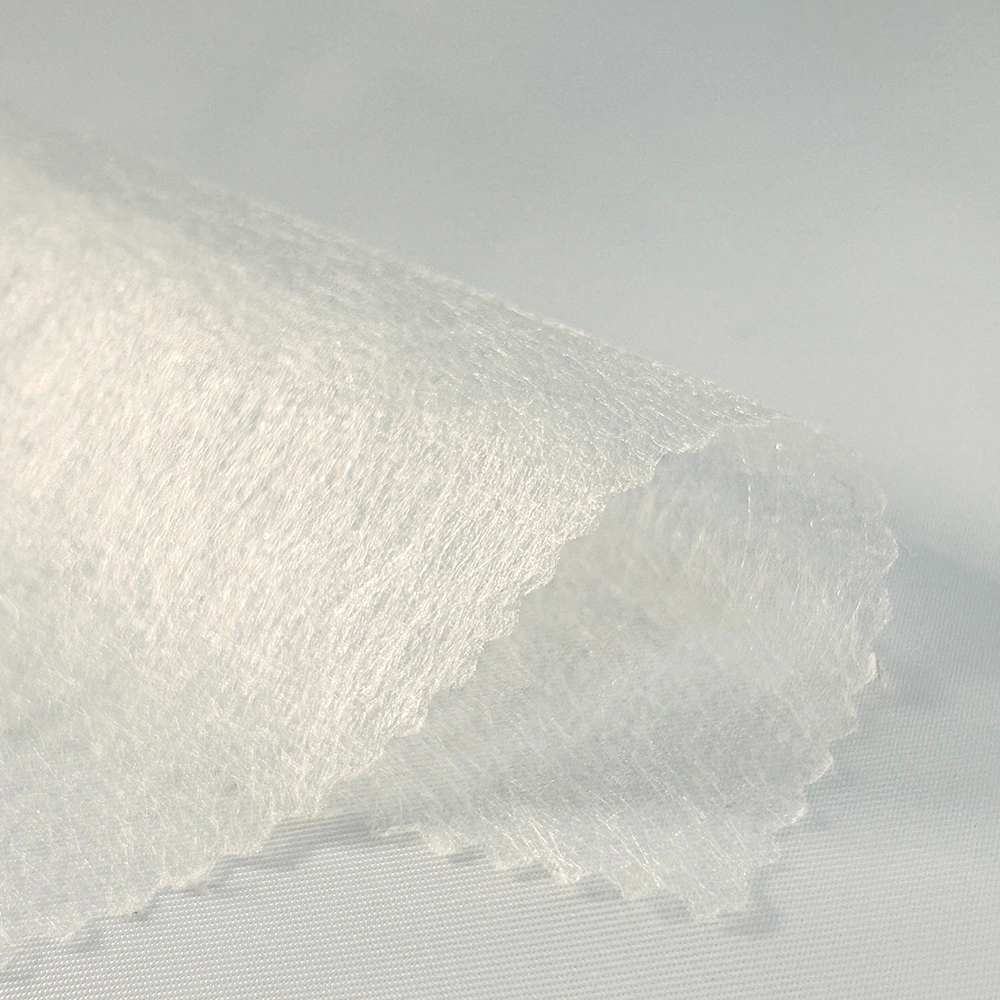
- Fabric Transparency: White fabric is usually relatively translucent. If the interlining has insufficient density or coarse yarns, light refracts differently between the fabric and interlining, easily making the interlined area look one shade darker than the main fabric.
- Adhesive Powder Purity: Low-purity adhesive powder in some interlinings may turn translucent grey or cloudy after heat pressing. This "grey haze" shows through white fabric, causing localized dullness and an unclean appearance
Ⅲ. Three Principles for Interlining Selection for White Fabrics
To avoid color deviation, follow these principles during garment development and selection:
-
Visual Color Matching – Interlining Should Be Light Rather Than DarkPlace the interlining under the fabric and inspect under natural light. The ideal match is when the interlining blends naturally with the base fabric, without noticeably brightening or darkening it.
-
Avoid Optical Brightener InterferenceFor high-end natural white silk or wool fabrics, use optical-brightener-free natural white interlining to ensure consistent, soft coloring under different light sources and prevent localized color contrast.
-
Focus on Anti-Yellowing Performance of Adhesive PowderYellowing at the neckline of white garments after storage or repeated washing is usually caused by poor thermal stability and oxidation of the interlining adhesive. For mid-to-high-end white garments, select interlinings with high-purity, anti-yellowing adhesive powder.China interlining strength manufacturers
Ⅳ. Practical Recommendations for Development and Procurement
- Full-Piece Color Matching: Do not judge solely by interlining samples. Cut bulk fabric to make a complete collar sample and check for overall color difference.
- Light Source Testing: White is highly sensitive to light sources. Final confirmation should be done in a standard light box to avoid misjudgment due to lighting differences.
- Sample Seal Management: Once the matching between a specific fabric and interlining hue (e.g., natural white with natural white) is confirmed, clearly mark it on purchase orders and process sheets to prevent misuse in subsequent batches.
Summary
The quality of white garments lies in their "clean, pure" visual appearance. A slight color difference at the neckline caused by improper interlining selection can ruin the final look of the entire garment.Choosing the right hue and adhesive is fundamental to ensuring consistent color in interlined areas of white garments.