






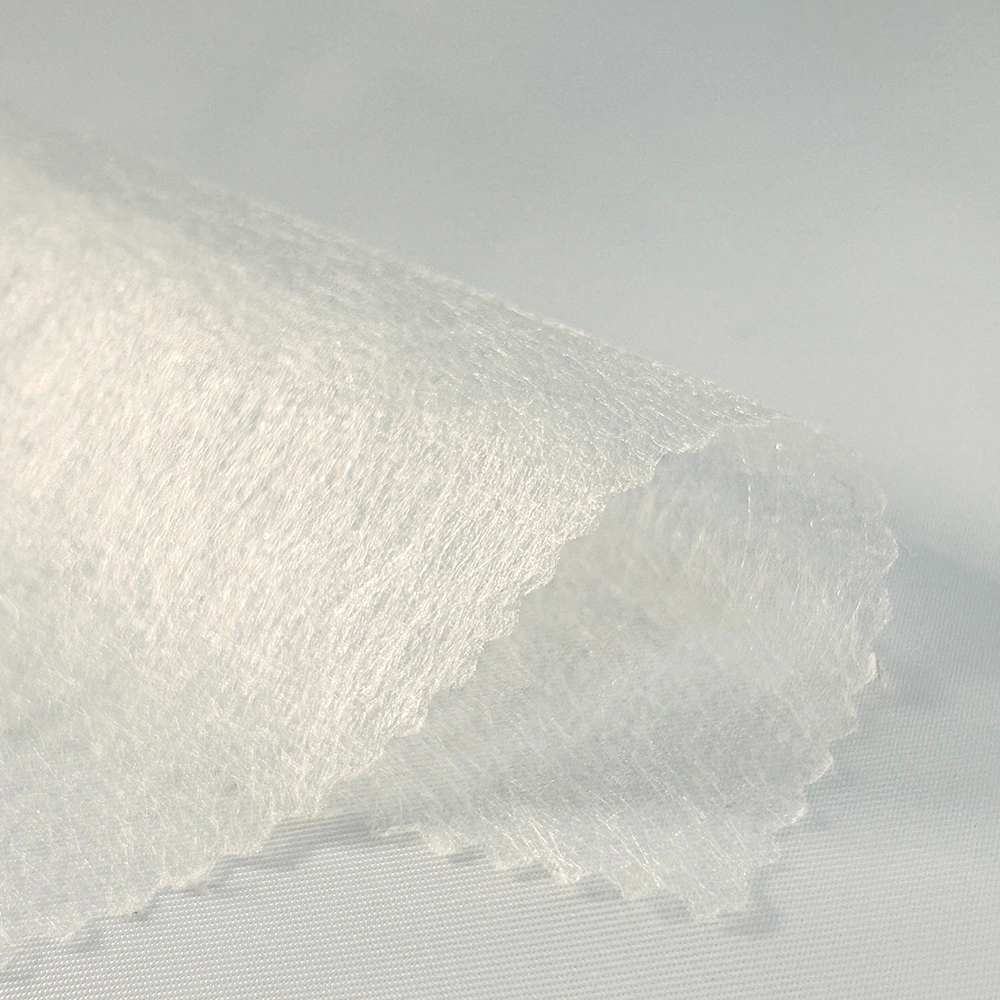
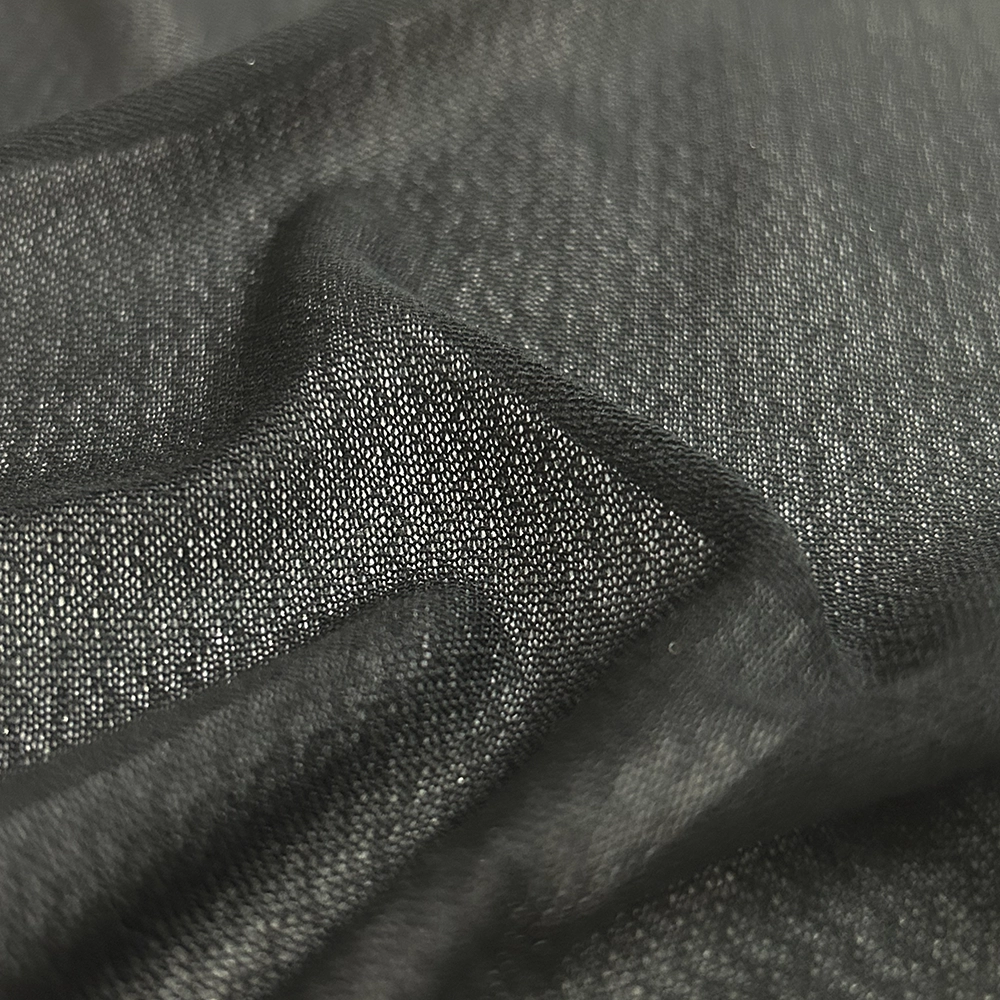
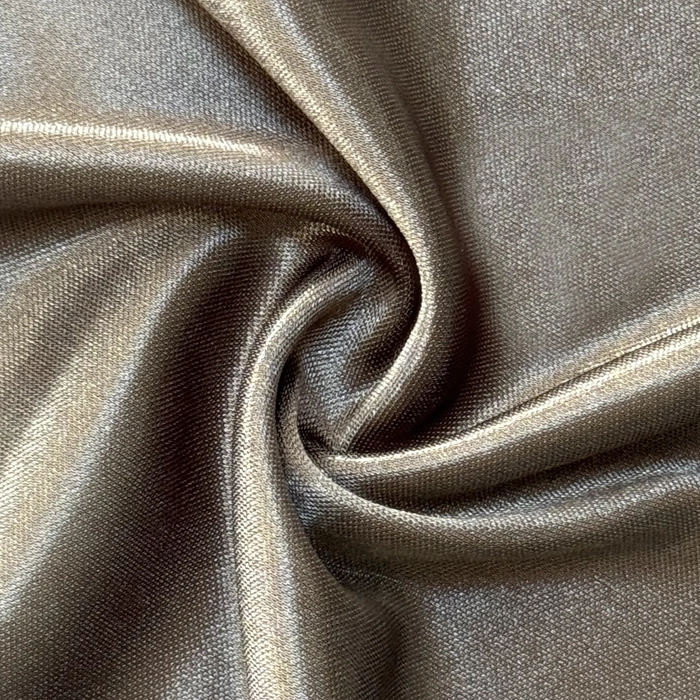
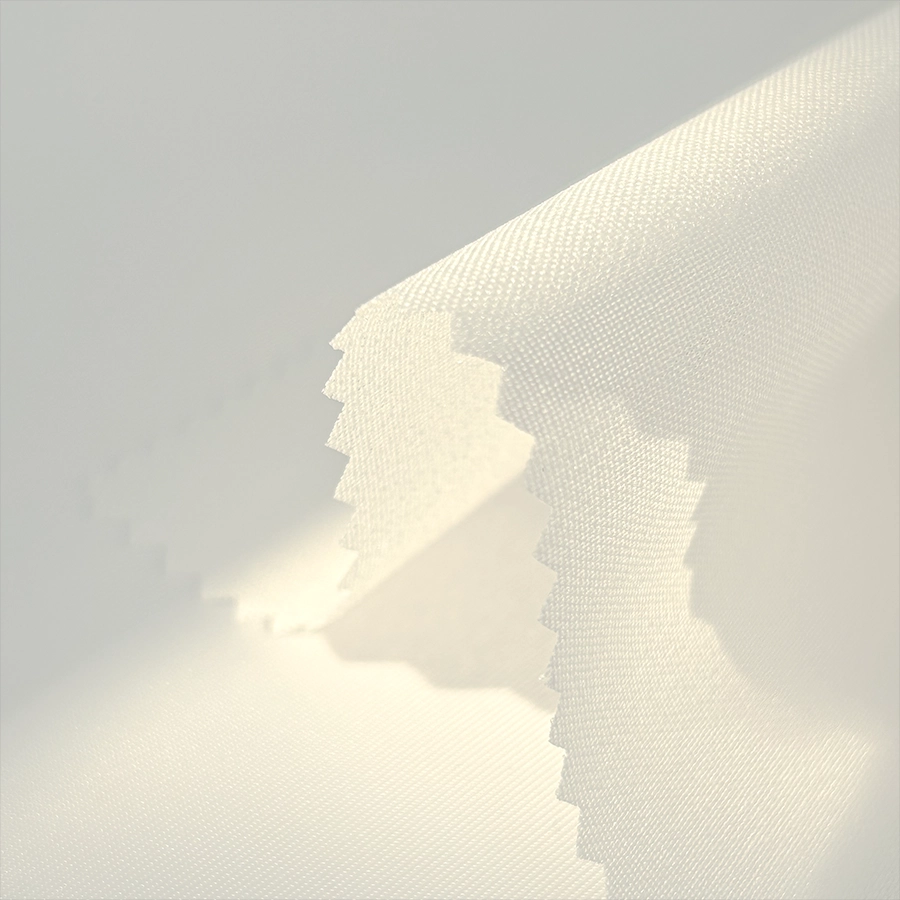
The "Invisible Skeleton" for Lightweight Fabrics: A Guide to Selecting Interlinings for Silk & Chiffon
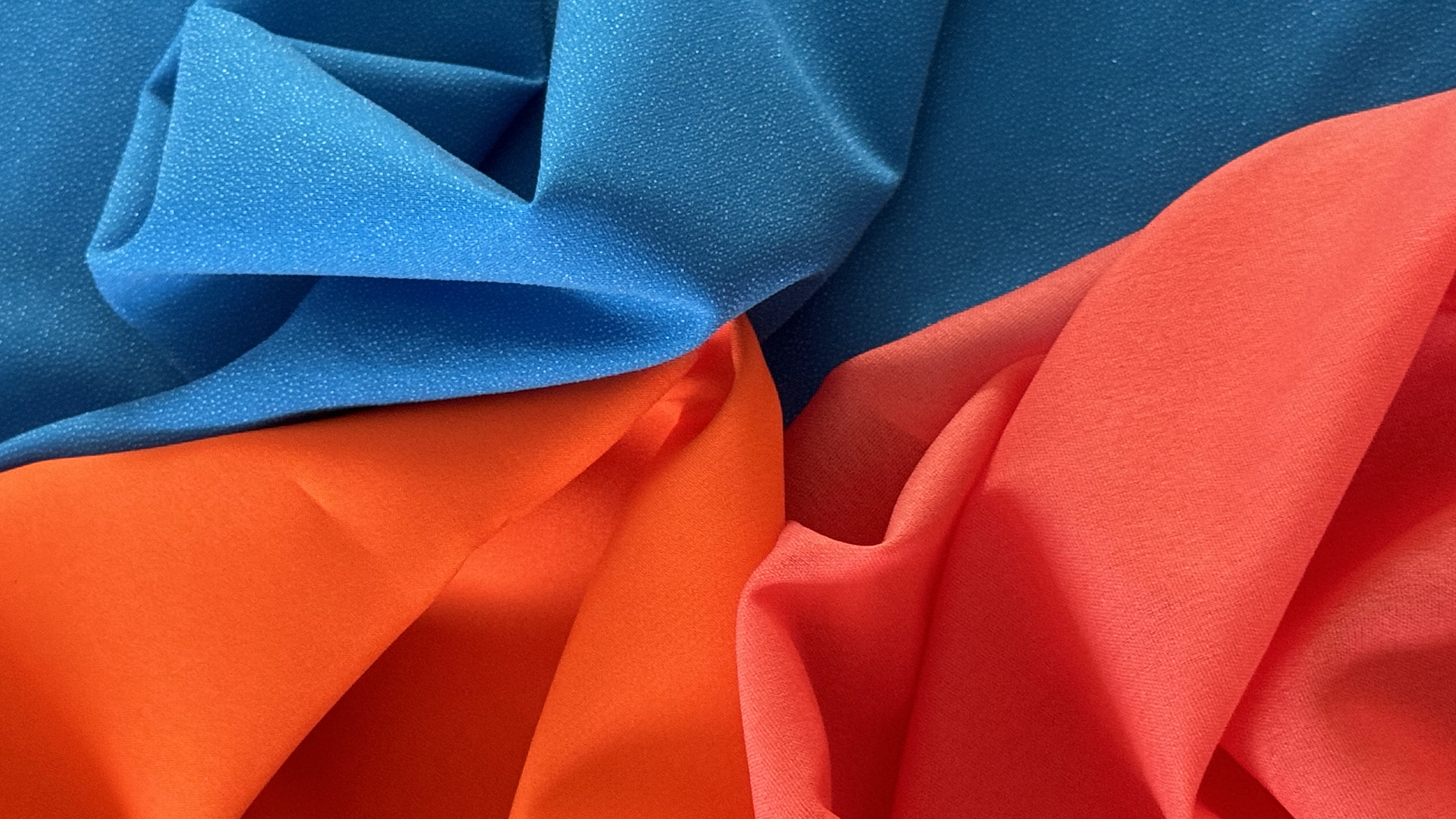
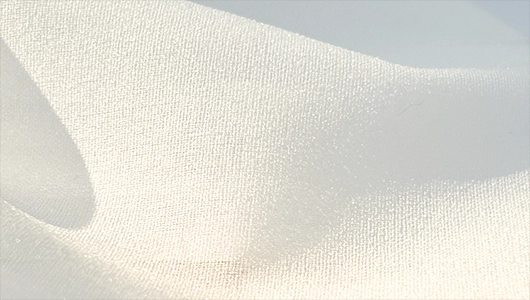
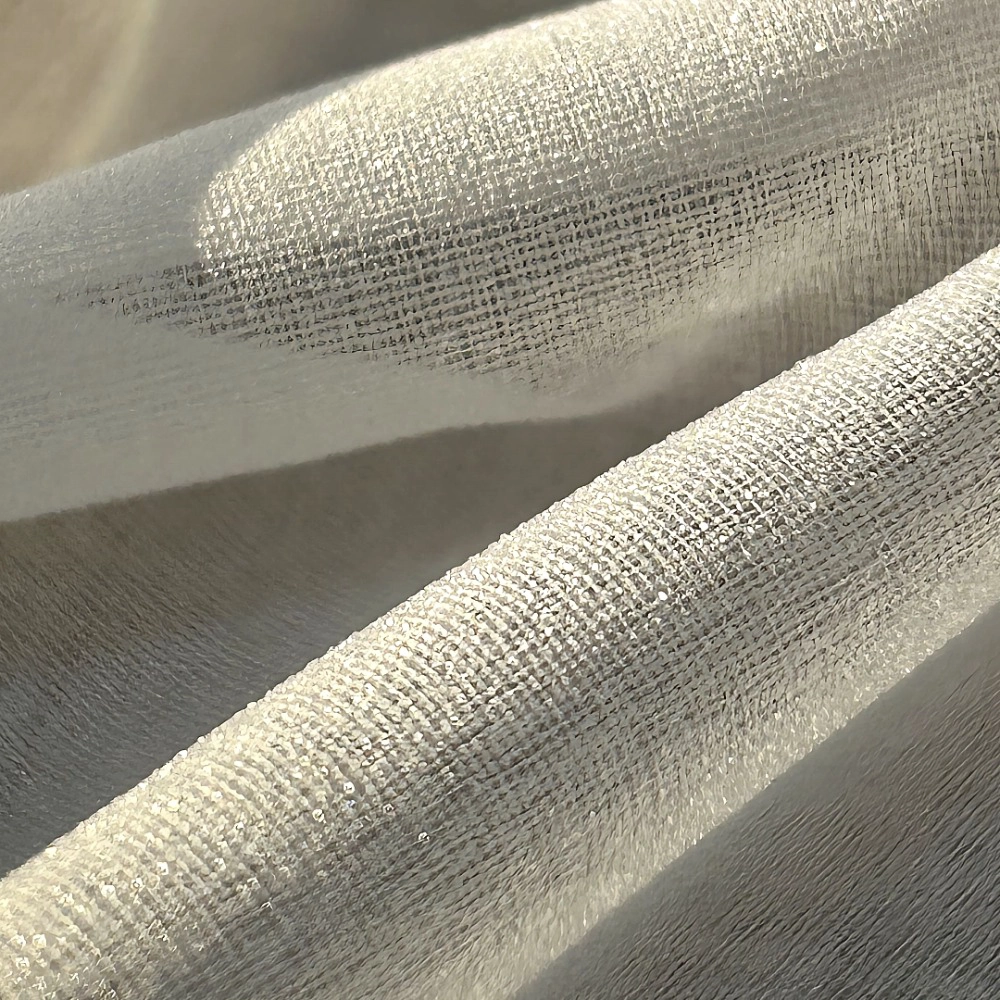
Lightweight fabrics such as chiffon, silk, and georgette are staple materials for summer apparel, valued for their flowing drape and sheer texture. However, due to their fine fibers, loose structures, and low gram weight, these fabrics face a common challenge in garment manufacturing: without interlinings, stress areas like collars, plackets, and cuffs are prone to sagging and deformation, making the entire garment limp and lacking in structure and sophistication. On the other hand, improper interlining selection can easily ruin the original fluidity of the fabric.China Shenghong Chiffon Interlining Factory
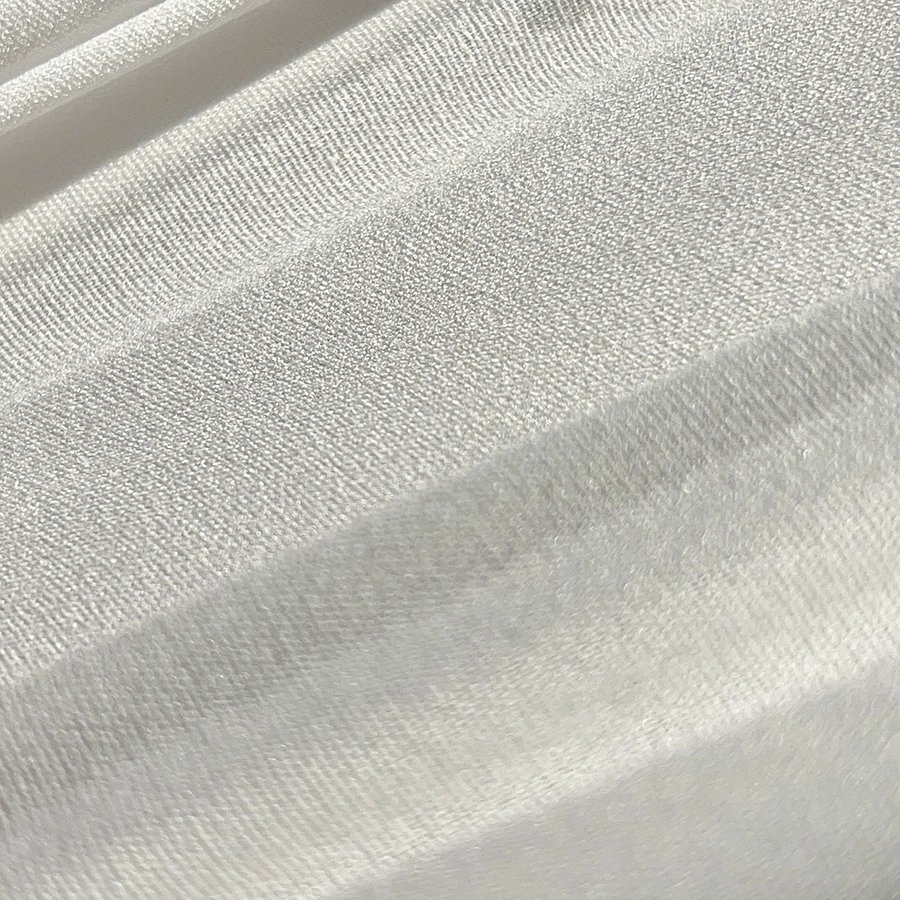
Therefore, special interlinings for lightweight fabrics must act as an "invisible skeleton": providing sufficient support while fully preserving the fabric’s inherent drape and softness; bonding firmly without adhesive penetration, discoloration, or inconsistent hand feel. How to choose a truly "invisible" interlining for delicate fabrics? Based on fabric characteristics, this article explains the technical selection logic of interlinings for lightweight materials.
I. Fitting Pain Points of Lightweight Fabrics
Silk and fine chemical fiber fabrics mainly face three technical challenges during fusing:
-
Adhesive Penetration Risk:Low warp and weft density and large pores in the fabric make it easy for molten adhesive to seep through to the face side during pressing, forming stubborn glue spots.
-
Deteriorated Hand Feel:Excessively high base fabric weight or uneven adhesive distribution can destroy the fabric’s original drape, resulting in stiff local hand feel and loss of fluidity in the finished garment.
-
Visual Abnormality:Mismatched base fabric color or optical properties of adhesive dots with the fabric may cause shadowing or reflection under light, leading to color differences in the garment.
II. Technical Selection: From Fabric Requirements to Interlining Parameters
For the forming needs of different fabrics, interlining selection should be based on the matching of physical parameters and technical processes:
1. Ultra-Fine Yarn Base Fabric for "Invisible" Support
- Application: 12–16 momme silk fabrics, high-count cotton, lightweight stretch chiffon.
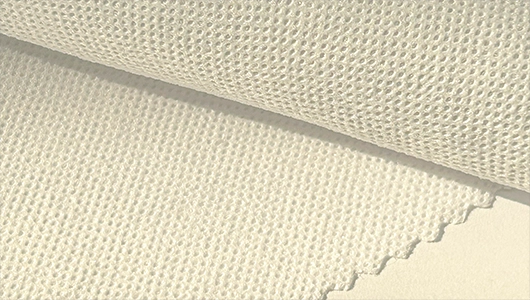
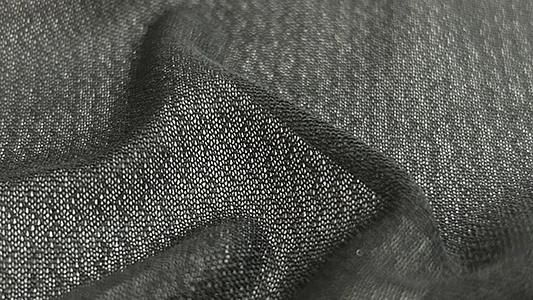
- Technical Logic:The fineness of the base fabric yarn directly determines the hand feel after lamination. Woven interlinings made of 15D/20D ultra-fine nylon or polyester filament, with a yarn diameter only 1/3 or finer than conventional interlinings, are adopted. Their ultra-fine warp and weft structure provides necessary stability while bending synchronously with the fabric, achieving a supportive yet unnoticeable laminating effect.
2. Micro Adhesive Dot Coating to Block "Adhesive Penetration"
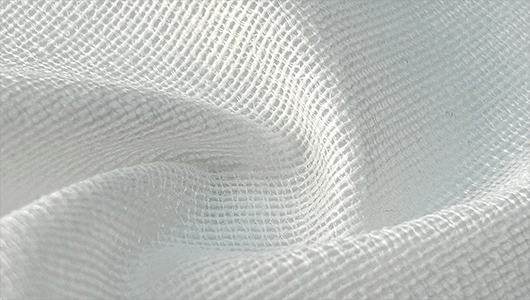
- Application: Sheer or large-pore fabrics such as organza, georgette, and silk voile.
- Technical Logic:Adhesive penetration occurs when the adhesive volume exceeds the fabric’s tolerance. The micro adhesive dot process uses high-precision transfer coating to control the adhesive dot size within a minimal range with uniform distribution. This discrete dot structure ensures firm bonding and reserves buffer space for adhesive flow during heat pressing, physically preventing adhesive from penetrating the fabric.
3. Low-Temperature Bonding System to Protect "Heat-Sensitive" Materials
- Application: Shrink-prone silk, Tencel, Modal, and some functional chemical fibers.
- Technical Logic:Silk protein fibers tend to embrittle and yellow under prolonged high temperatures, while regenerated cellulose fibers are sensitive to high-temperature shrinkage. Adhesives with low-temperature cross-linking reaction keep the pressing temperature at 120℃–130℃. While ensuring peel strength, this reduces thermal impact and preserves the fabric’s original physical activity and color.China Shenghong Chiffon Interlining Manufacturer
III. Process Verification: "Destructive Testing" Before Mass Production
To ensure zero risk in mass production, the following three verifications are recommended during development:
-
Visual Inspection:Observe the face side of the laminated fabric under a standard light source to confirm no adhesive penetration or color difference.
-
Hand Feel Inspection:Rub and fold the laminated area repeatedly to evaluate the hardness gradient between the interlining zone and the fabric zone. The ideal state is a gradual transition without a noticeable gap.
-
Laundering Inspection:Conduct industrial washing simulating garment care standards. Due to weak fiber support of lightweight fabrics, bubbling after washing is a common failure. Remaining flat after multiple washes is the core indicator of interlining durability.
Conclusion
For summer lightweight fabrics, high-quality interlinings should possess a high degree of "invisibility": yarn fineness matching the fabric, adhesive dot technology adapting to fabric pores, and pressing temperature compatible with fiber materials. Extra technical verification in accessory selection maximizes the inherent value of the fabric.