







Technical Guide | Core Differences & Selection Logic Between Woven Interfacing & Non-Woven Interfacing
In mass garment production, fabric forms the “shell” of a garment, while interfacing serves as its “skeleton”.
As two of the most fundamental auxiliary material categories, woven interfacing and non-woven interfacing differ essentially in physical structure. Inaccurate matching based on fabric properties during the pattern development stage will not only compromise the garment’s texture but also lead to issues such as bubbling, tearing and deformation after washing in bulk production.This article sorts out the core differences and matching logic of these two types of interfacing from a practical production perspective.China shenghong interlining manufacturer
Ⅰ. Woven Interfacing: Flexible Interfacing That Deforms Synchronously with Fabric
Physical Properties
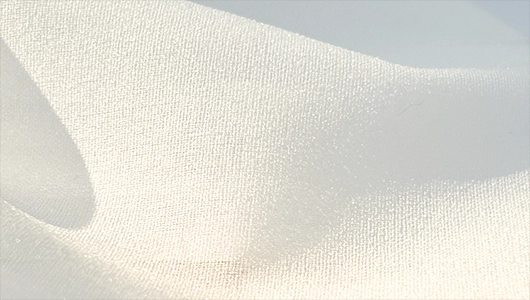
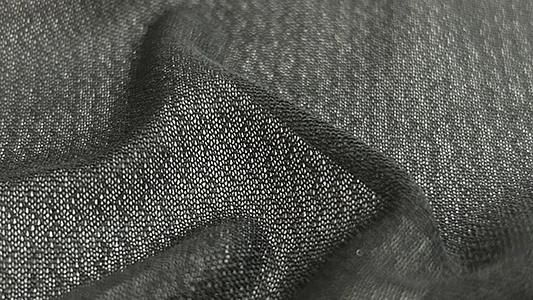
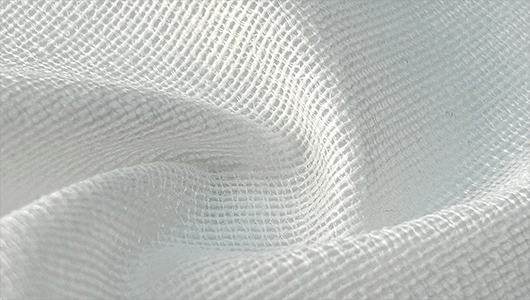
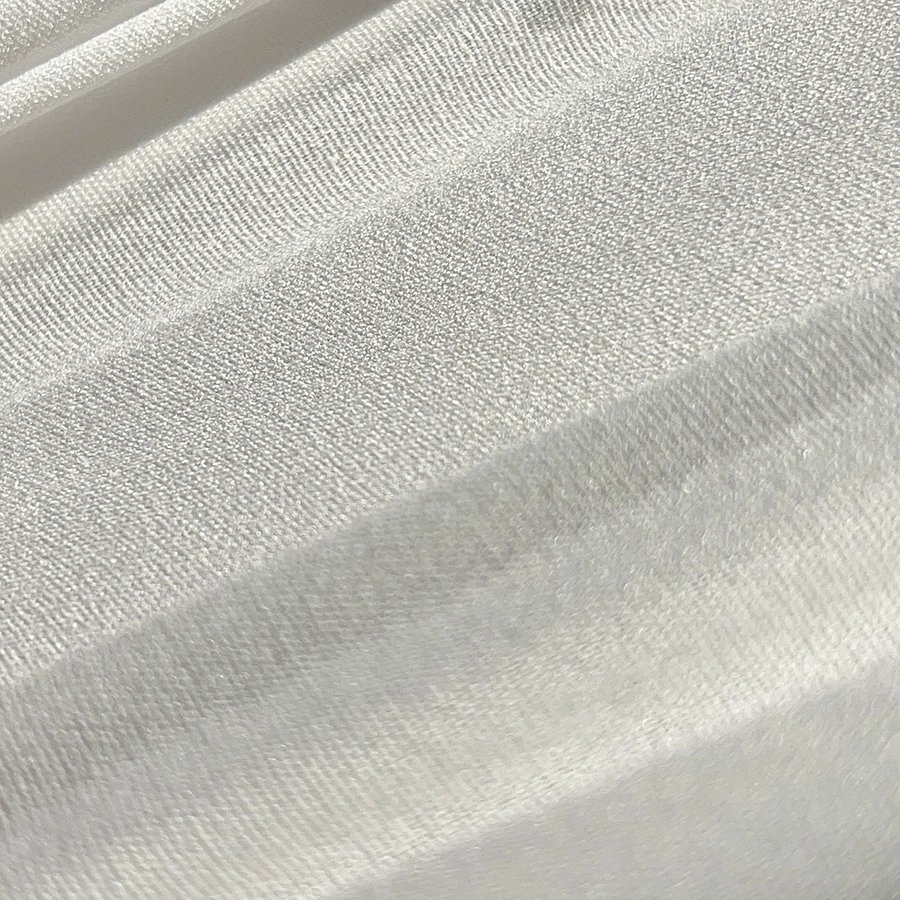
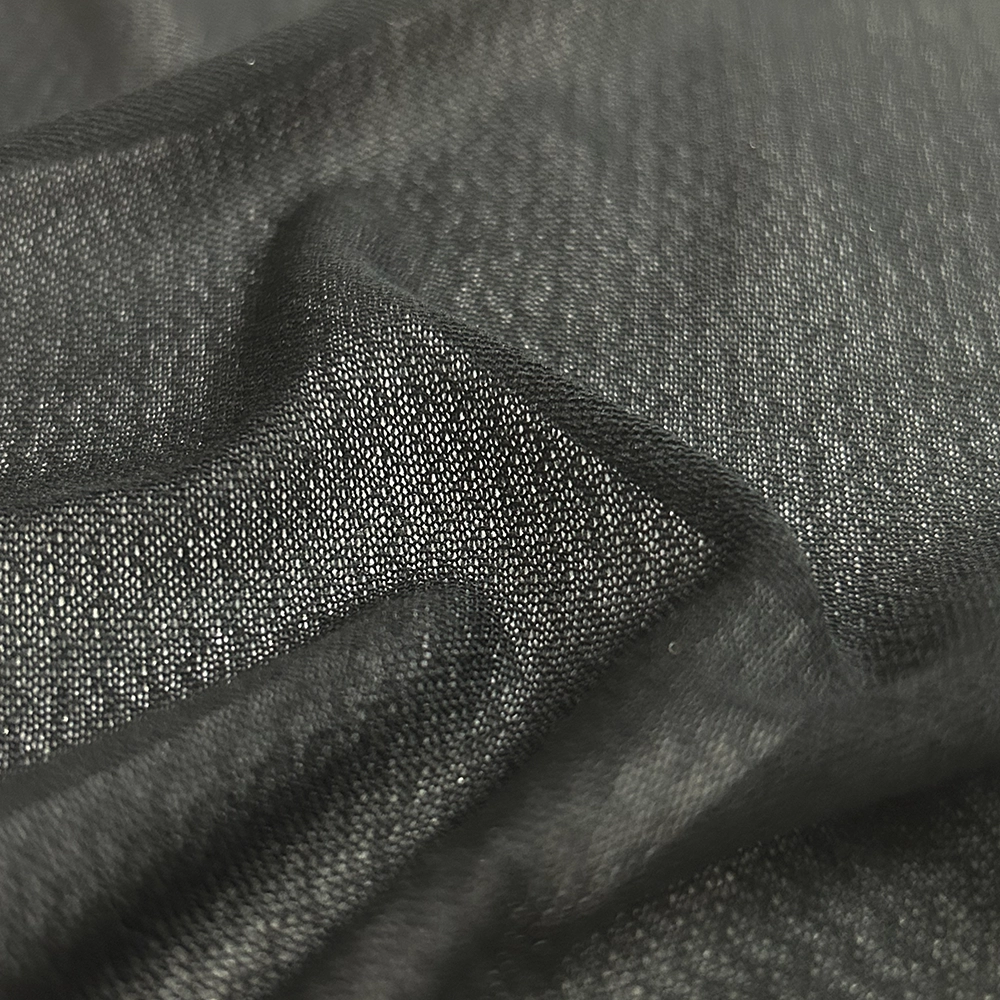
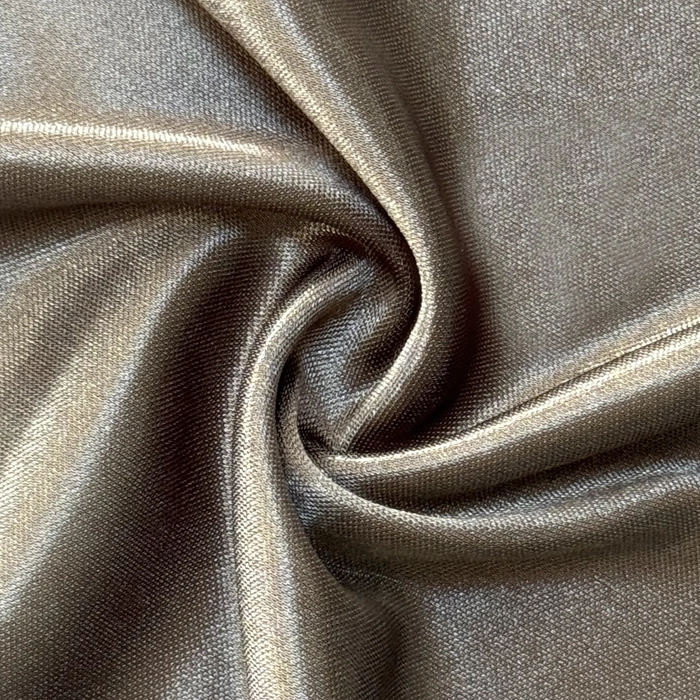
Woven interfacing is formed by interlacing yarns through weaving or knitting processes. Like conventional fabrics, it has distinct warp and weft directions.
Core Advantages
- Excellent conformability: It stretches in the same direction as the main body fabric, moving synchronously with the fabric.
- Preserves drape: It does not stiffen the fabric after lamination, maintaining the original softness and drape of high-end fabrics.
- Washable and durable: The yarn structure is stable, resistant to repeated washing and dry cleaning, and less prone to delamination or bubbling.
Application Scenarios
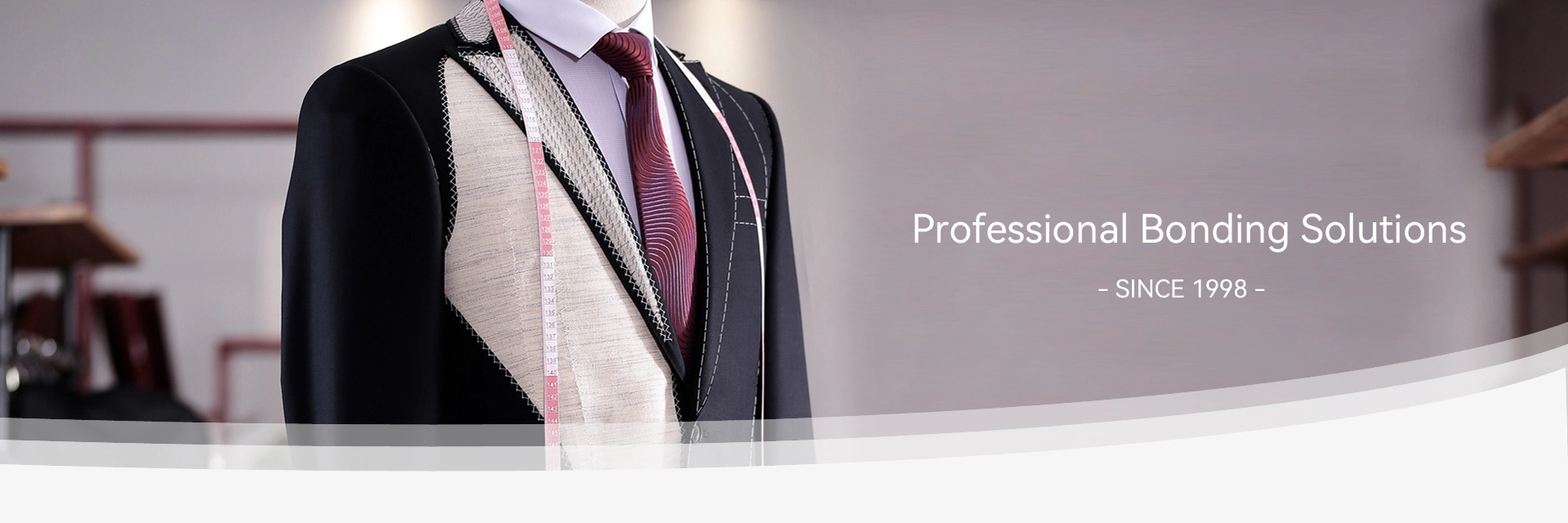
Chest and body pieces of high-end suits, coat lapels, front panels of windbreakers, as well as all large-area lamination panels requiring good drape (e.g., silk dresses, worsted wool trousers).China Shenghong Woven Interlining Factory
Ⅱ. Non-Woven Interfacing: Stiff Interfacing Suitable for Local Shaping
Physical Properties
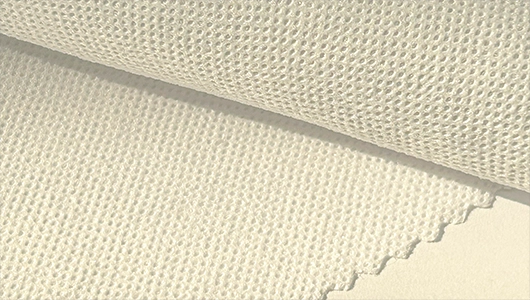
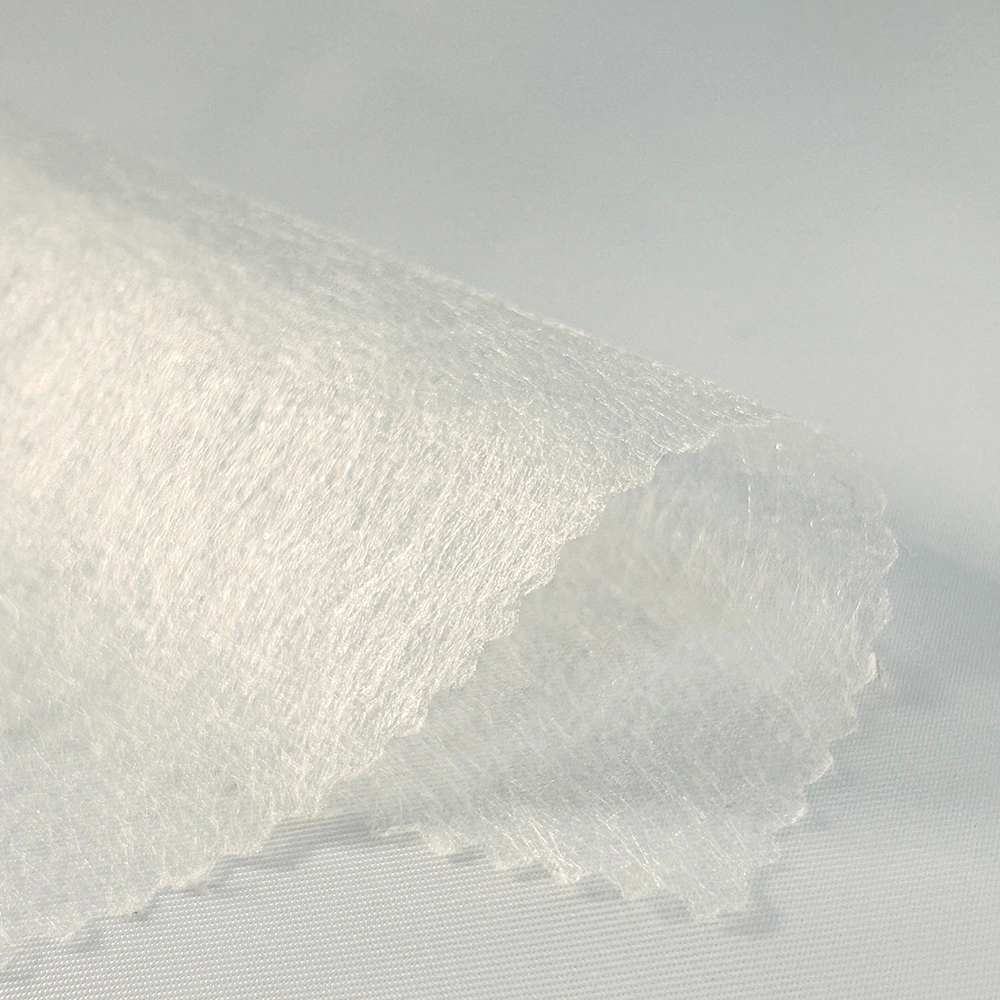
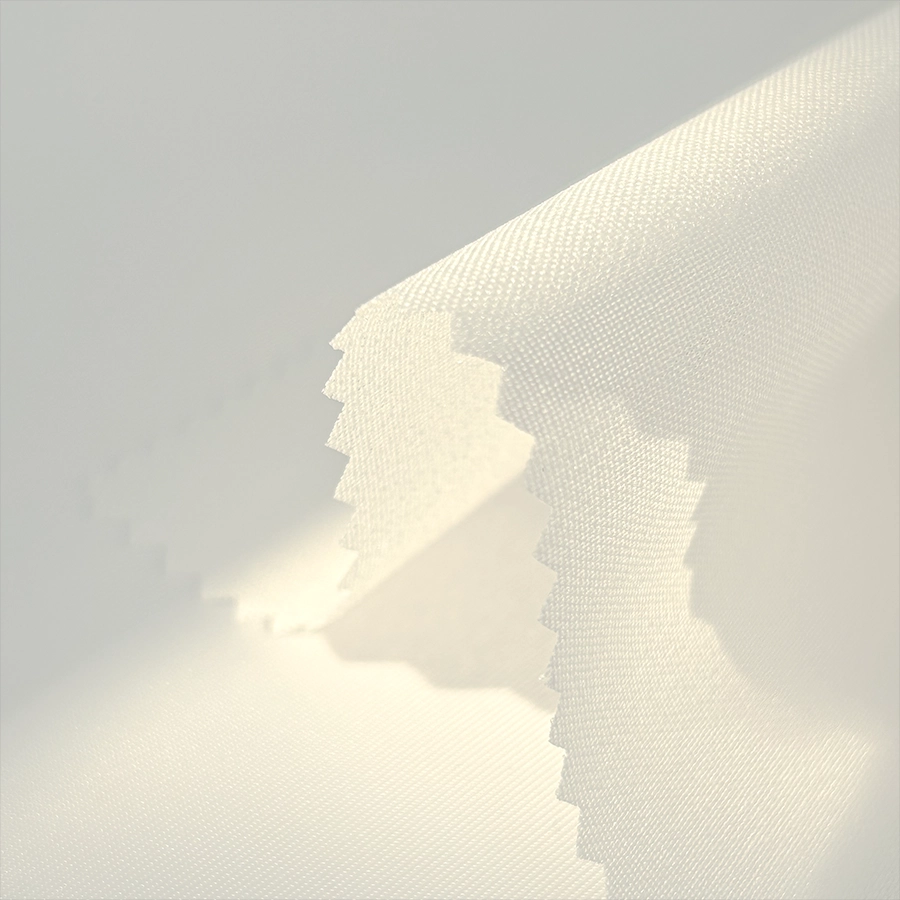
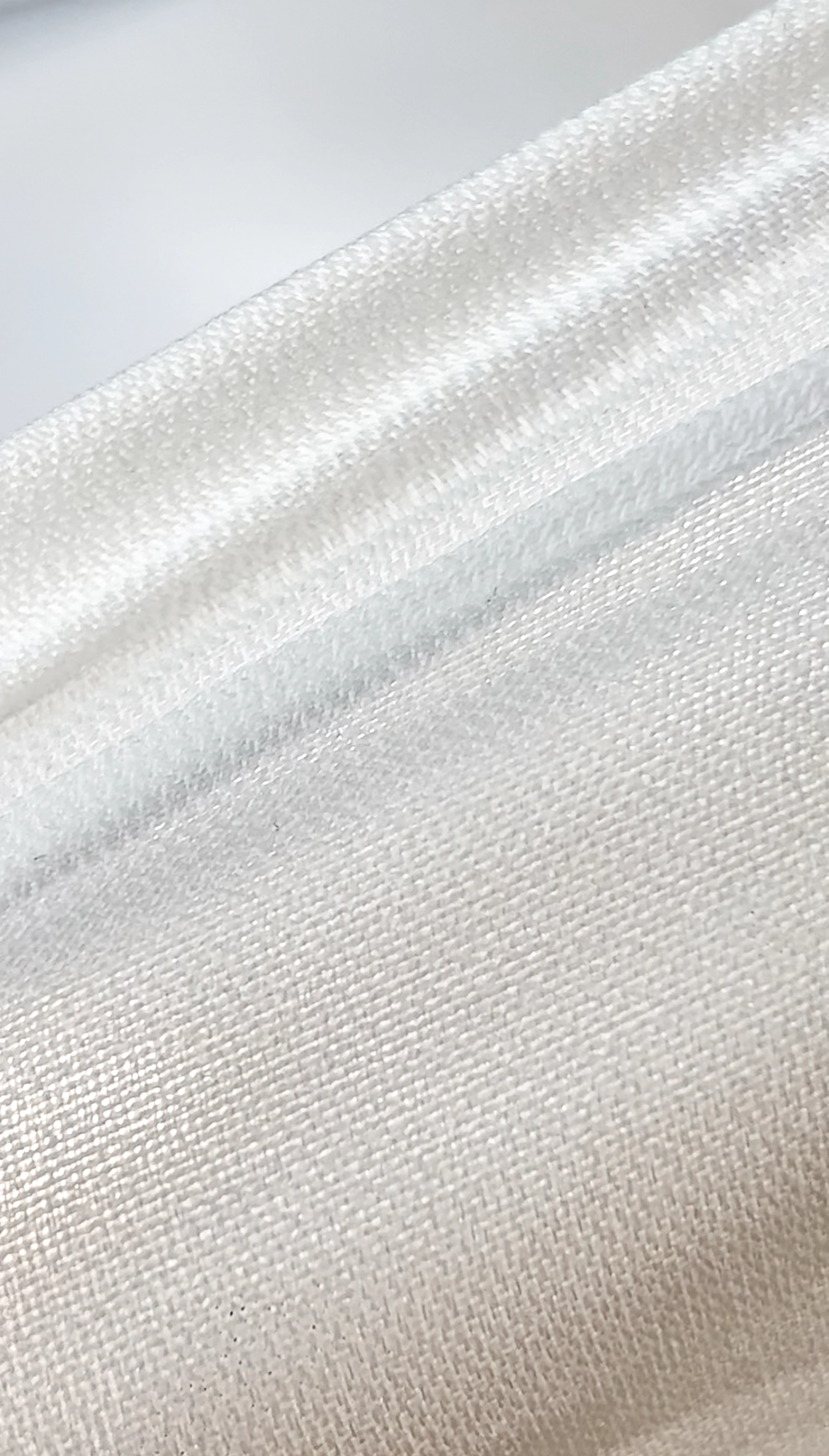
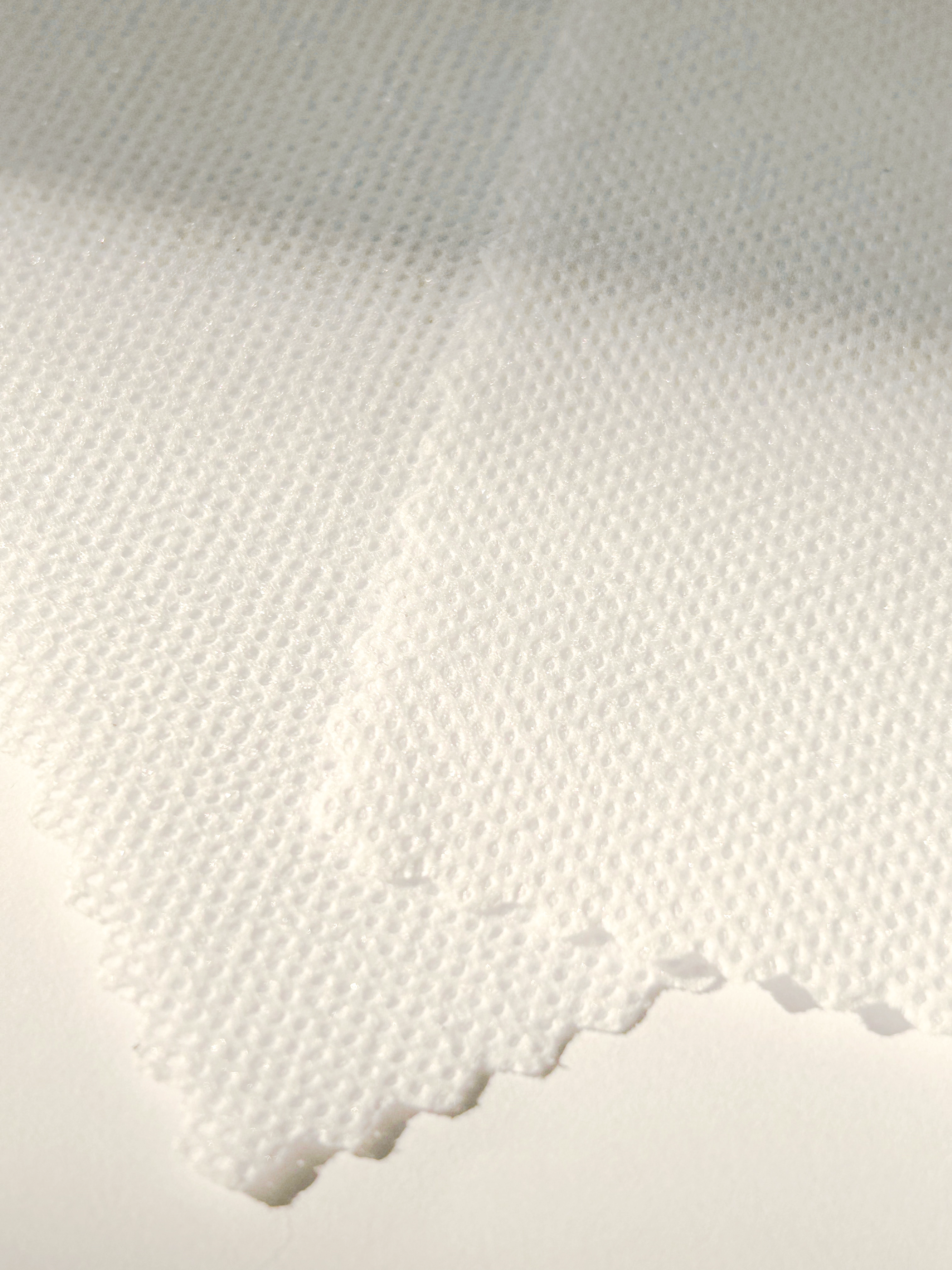
Commonly referred to as “paper interfacing” in workshops. It is made of chemical fibers bonded under high temperature and pressure, with no distinction between warp and weft directions, and uniform stress in all directions.
Core Advantages
- Cost-effective: Relatively simple production process, with lower procurement cost than woven interfacing.
- Flexible cutting: No warp and weft restrictions, allowing cutting in any direction to reduce auxiliary material waste.
- Strong support: Crisp texture, providing firm shaping effects.
Application Scenarios
Small-area, stiff local parts such as shirt collars and cuffs, waistbands, pocket flaps and plackets.China Shenghong Non-woven Interlining Factory
Ⅲ. Common Issues in Actual Production
Based on our experience cooperating with numerous clients in factories, incorrect interfacing selection usually falls into the following three categories:
-
Non-woven interfacing used for main body panelsTo cut costs, some styles apply non-woven interfacing to the main body of windbreakers or dresses. The finished garment may look acceptable when hanging, but appears stiff and lacks drape when worn. After several washes, the interfacing begins to break internally, resulting in permanent creases or bubbling on the fabric surface.
-
Stretch fabrics paired with non-elastic interfacingFor 4-way stretch fabrics, using ordinary non-woven interfacing or stiff woven interfacing will cause seam breakage or delamination. When the wearer raises their arms or bends over, the fabric stretches while the interfacing does not.
-
Interfacing shrinks faster than the fabricDelicate fabrics such as silk and high-count wool are prone to problems when matched with high-shrinkage interfacing. Shrinkage of the interfacing during ironing may cause orange-peel effects on the fabric, or bubbling after washing
Ⅳ. Summary of Selection Principles
There is no absolute standard for interfacing selection; it mainly depends on fabric properties and garment requirements. Based on bulk production experience, a general rule can be summarized:
- Woven interfacing is more suitable for large-area lamination, high-value fabrics, and applications where original drape needs to be preserved.
- Non-woven interfacing is a common choice for local shaping, requiring firm structure, and with certain cost considerations.
Certainly, sample testing is recommended for each specific fabric. Although interfacing accounts for a small proportion of the entire garment, it has a significant impact on finished product quality. An extra verification step will ensure more stable bulk production.