






Twill Woven Interfacing: Feature Analysis and Precise Application Guide
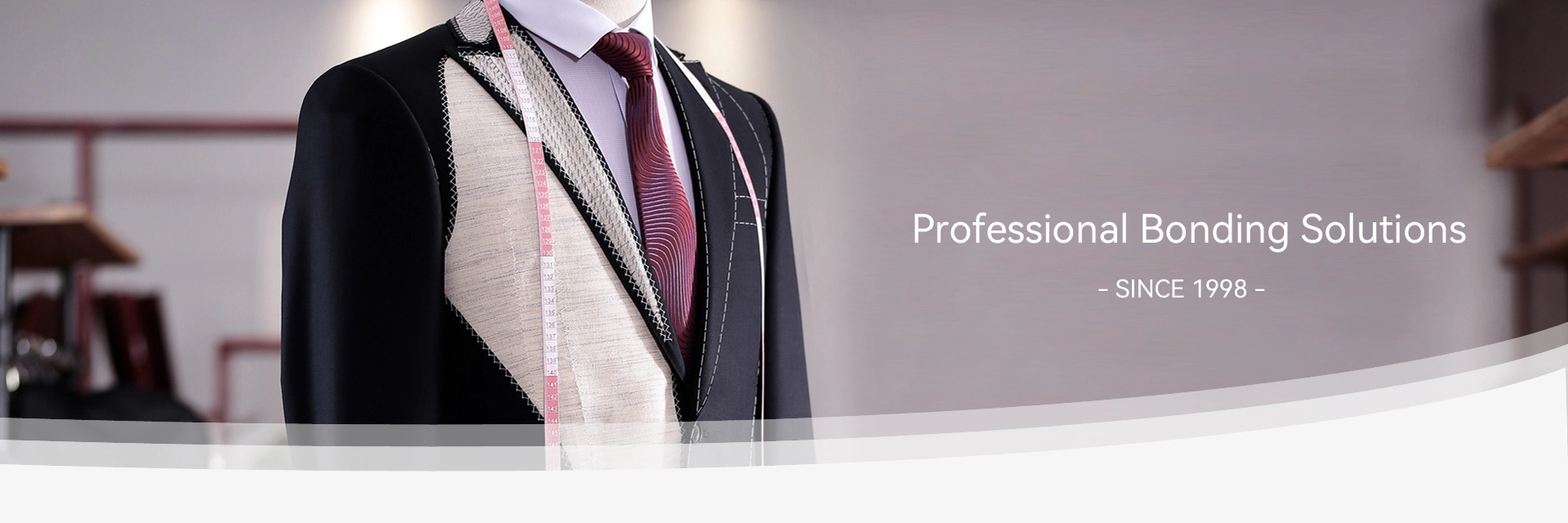
In the composition of garments, interfacing plays a crucial role as the "framework." Concealed beneath the fabric, it fundamentally determines the silhouette, hand feel, and durability of the finished product. Among various interfacing types, twill woven interfacing, with its unique structure, has become a key material for mid-to-high-end garments to achieve ideal shaping. This article aims to popularize core knowledge about twill woven interfacing, analyze its differences from plain woven interfacing, and explore its applications in different garments.
I. Plain vs. Twill: Structural and Feature Distinction
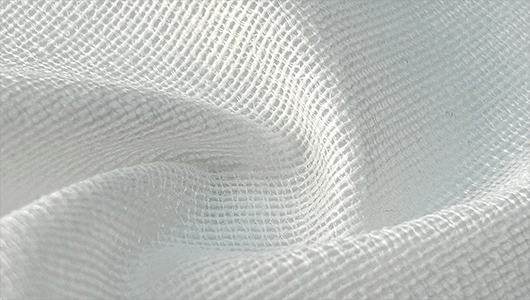
• Plain Woven Interfacing: The most basic weaving method, where warp and weft yarns interlace in a "one over one under" pattern. It has a compact structure, light weight, stiffness, and high stability. Advantages include relatively low cost and minimal deformation, but limited elasticity and flexibility.
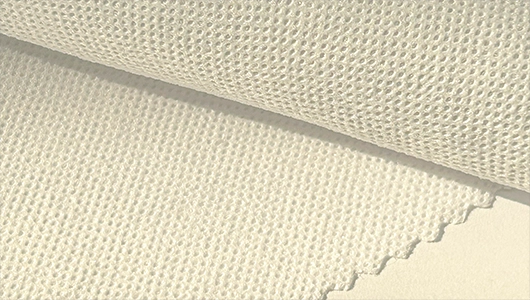
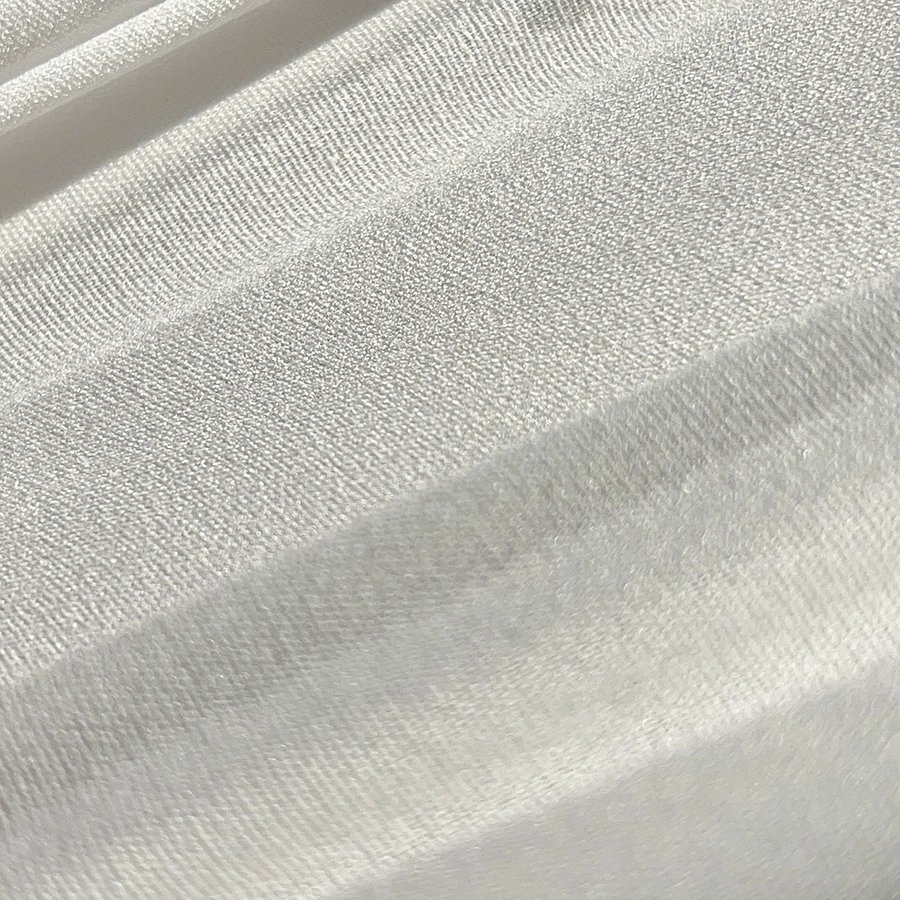
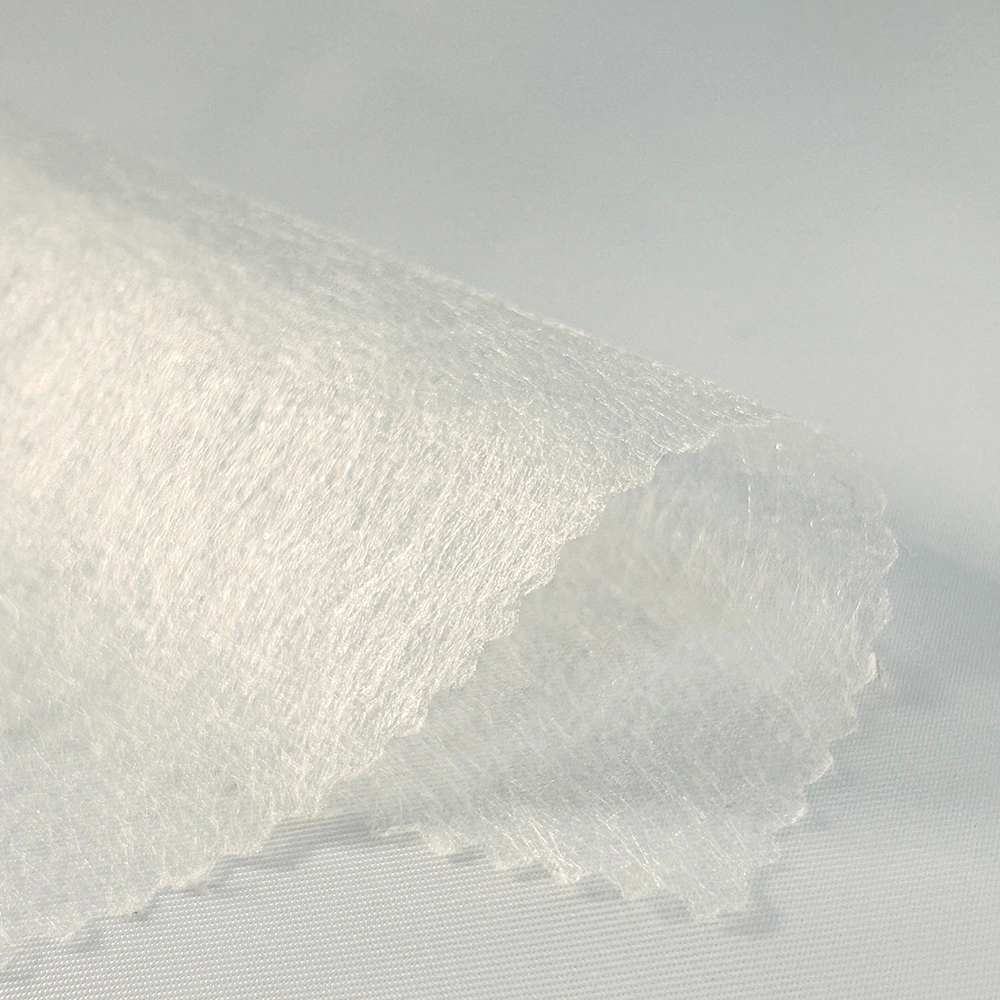
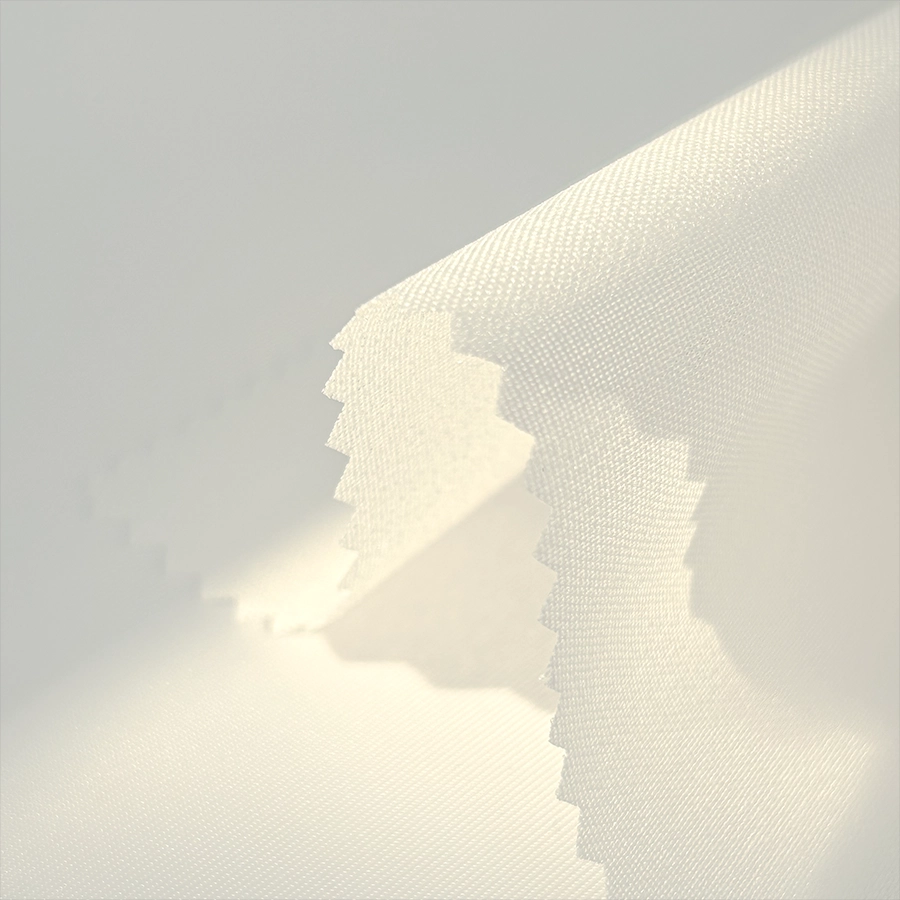
• Twill Woven Interfacing: Warp and weft yarns interlace at least every two yarns, forming distinct 45° diagonal lines on the fabric surface. This structure makes it softer, more elastic than plain weave with the same yarn count, and particularly excellent in wrinkle resistance. It provides plump body while maintaining good dynamic followability, ensuring garments are structured without being stiff during wear.
Core Difference: Plain woven interfacing offers flat, stable support, while twill woven interfacing provides three-dimensional, resilient support. China Woven Interlining Manufacturing Plant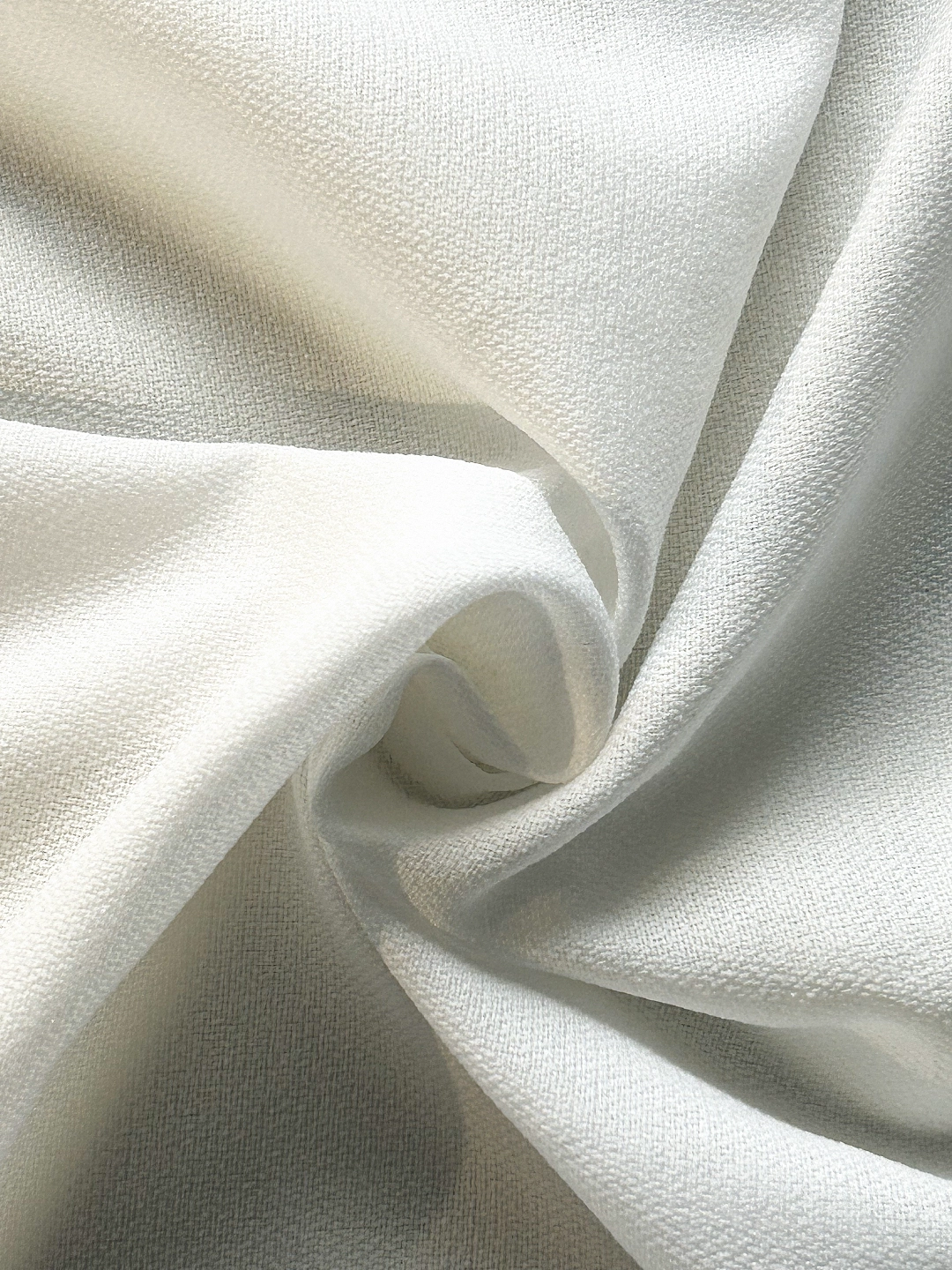
II. Thickness and Application: Matching Garments with an "Invisible Framework"
Selecting interfacing thickness primarily depends on matching the fabric style and functional requirements of specific garment parts
.• Lightweight Twill Interfacing (20D-35D): Low denier, extremely lightweight, and soft to the touch. Mainly paired with thin fabrics such as silk, chiffon, and high-count cotton. Commonly used for collar tips, cuffs of shirts and other parts requiring lightness and structure, providing necessary support while maximizing the fabric's drape.
• Medium-weight Twill Interfacing (40D-60D): The most widely used "versatile" specification, achieving an optimal balance between support and flexibility. Suitable for regular cotton, polyester-cotton blends, blended fabrics, and light wool. Frequently used in core shaping parts such as suit fronts, coat facings, pocket flaps, and suit collars, providing a backbone-like stable structure for garments.
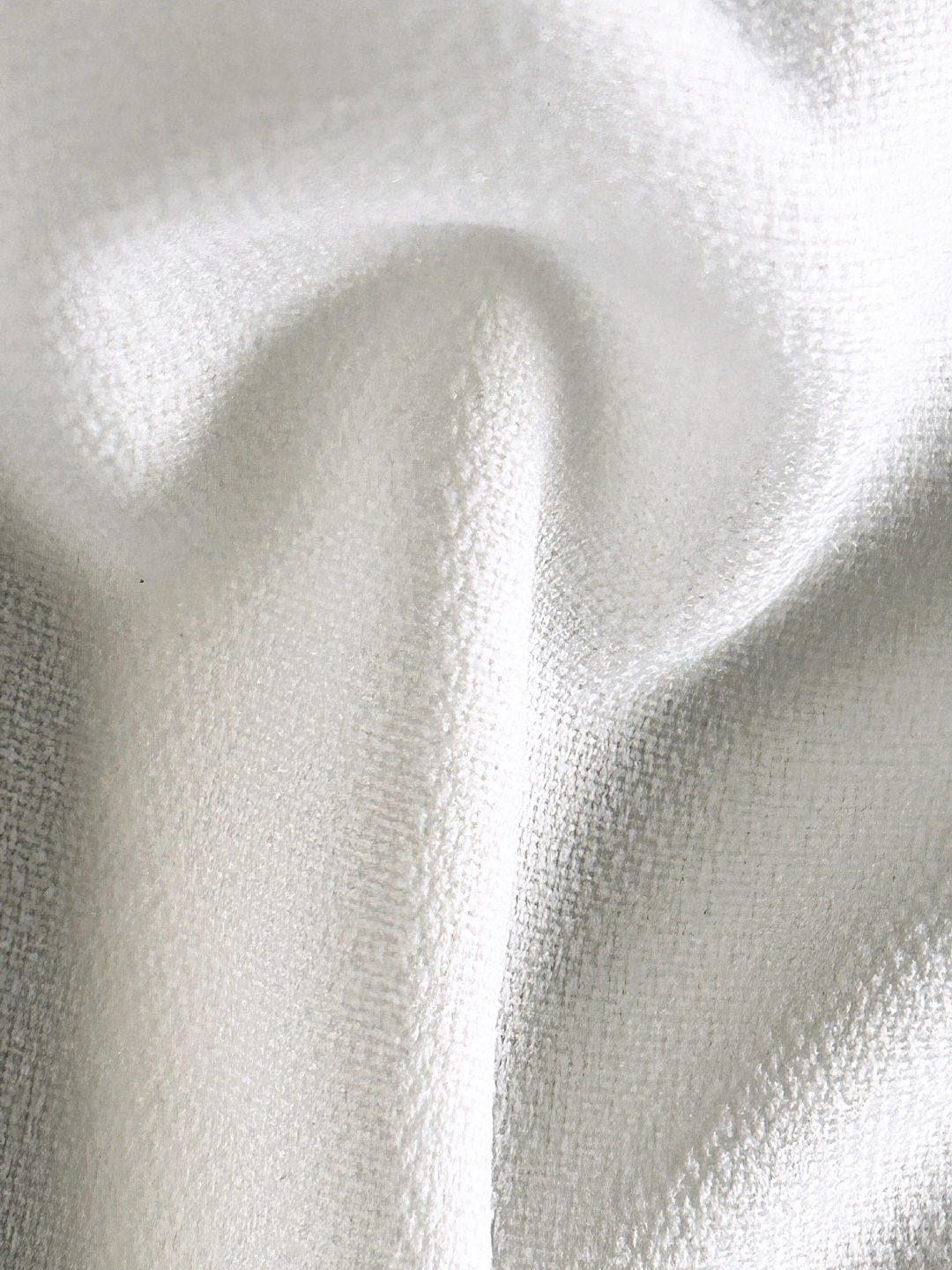
• Heavyweight Twill Interfacing (70D and above): High denier delivers a solid texture and strong body, with excellent shaping effect. Specifically designed for thick denim, coats, workwear, and suit chest interfacing. Used in areas needing strong contours and long-lasting shaping such as chests, shoulders, and hems, ensuring garments maintain a stiff, long-lasting silhouette.china woven interlining suppliers
III. Selection and Usage: Practical Tips for Optimal Results
To ensure interfacing performs at its best in practical applications, attention should be paid to the following technical details:
-
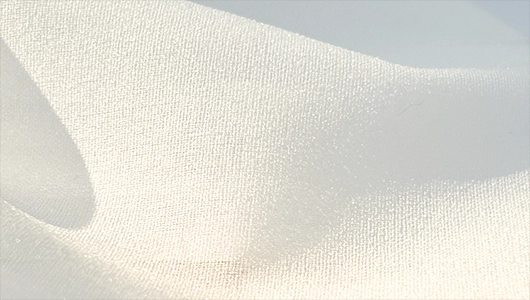
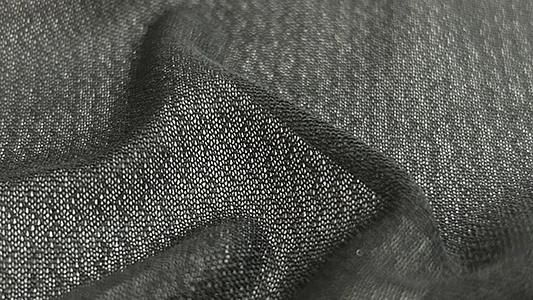
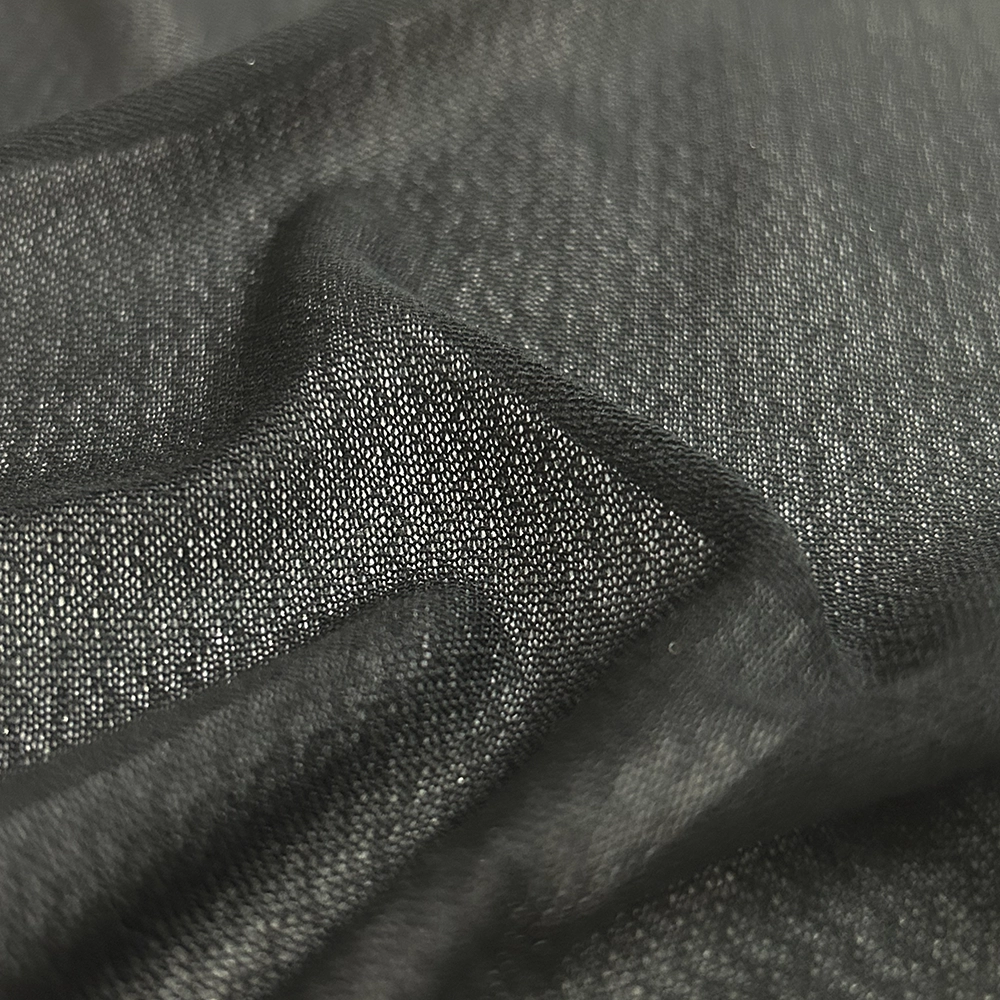
Color Matching: For light-colored or sheer fabrics, select interfacing with a similar color to avoid color bleeding and maintain appearance. Various shades from off-white to deep black are available on the market.
-
Adhesive Particles and Pressing Process: Hot-melt adhesive particles on the back of interfacing have specific requirements for activation temperature, pressure, and time. Must select matching adhesive types (e.g., PA, PES) based on fabric heat resistance (e.g., low temperature required for wool and silk) and existing production equipment parameters, followed by strict sample pressing tests.
-
Comprehensive Test Verification: Sample testing before mass production is an essential step. Test items should include hand feel evaluation (whether the expected softness and hardness are achieved), peel strength test (whether adhesion is firm), and washing test (whether delamination or bubbling occurs after water or dry cleaning). This step is critical to ensuring the final garment quality.
Summary
With its unique elasticity and structure, twill woven interfacing is an ideal choice for shaping the three-dimensional silhouette of mid-to-high-end garments. Fully understanding its characteristics and conducting precise matching and testing based on fabric thickness, garment parts, and process requirements are important steps to ensuring each garment exhibits excellent quality.